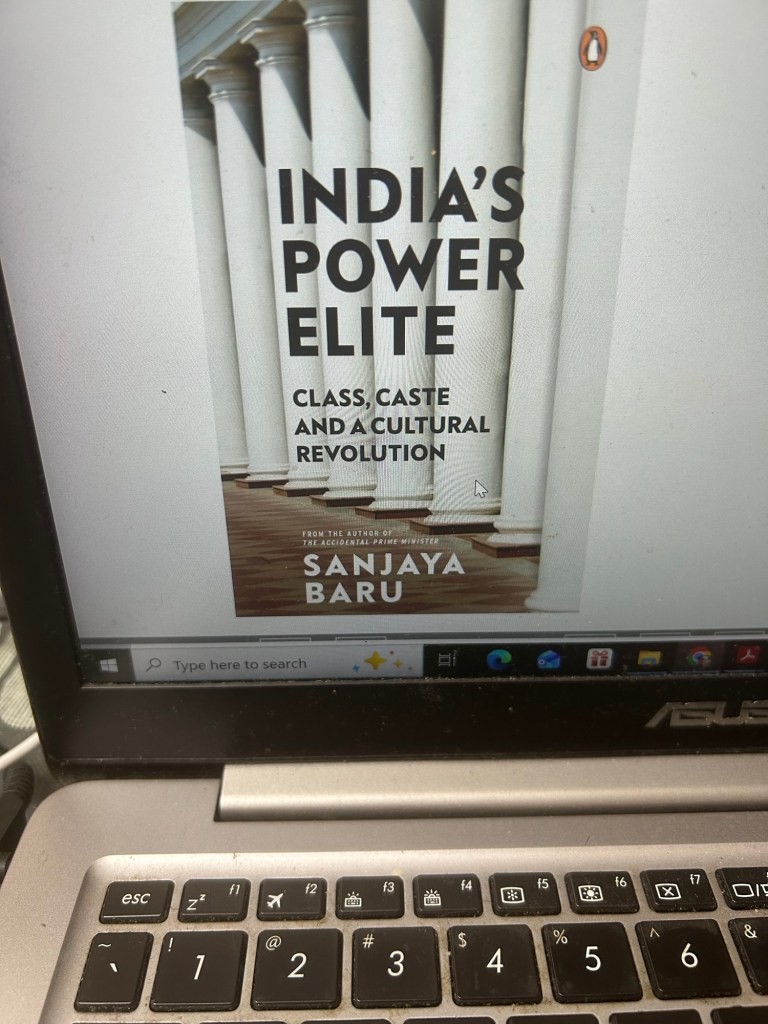
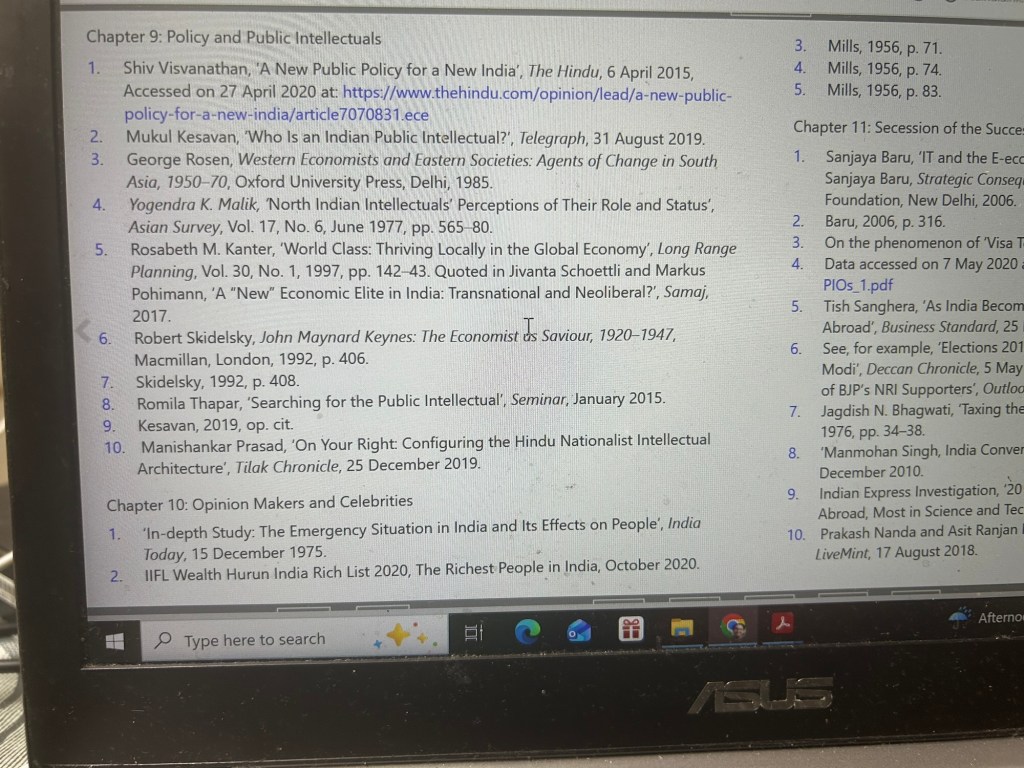
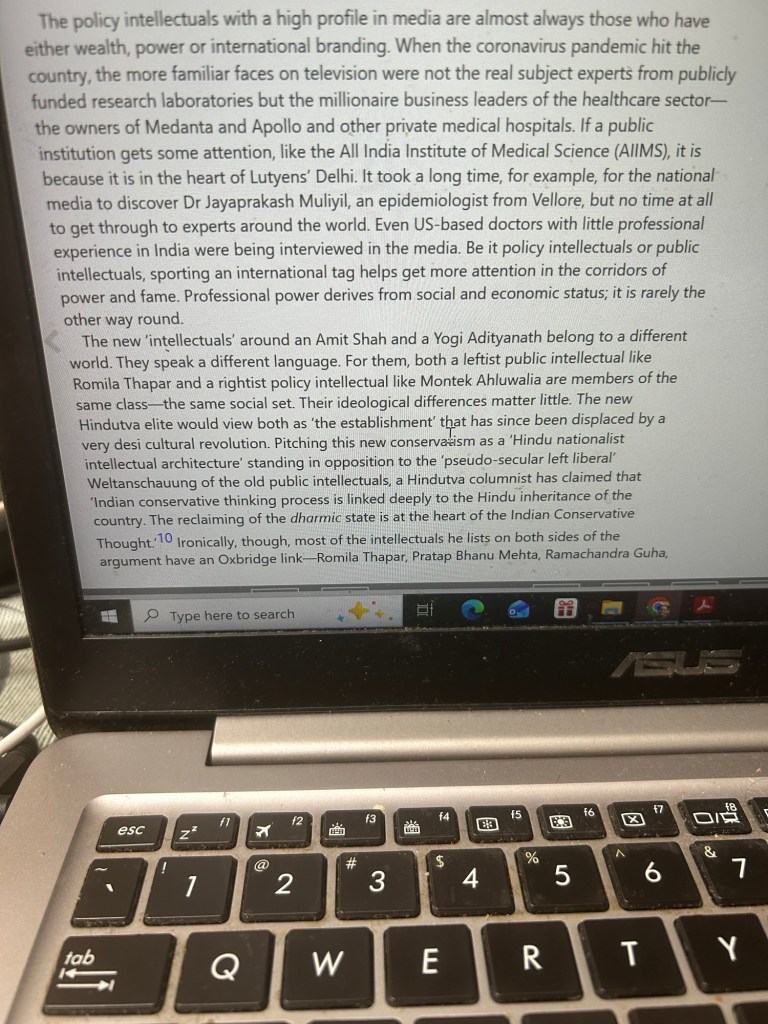
My work was cited in this rather cool book by Dr Sanjaya Baru which reconfirmed by belief in the power of ideas.
Through the Highways of Globalization
My work was cited in this rather cool book by Dr Sanjaya Baru which reconfirmed by belief in the power of ideas.
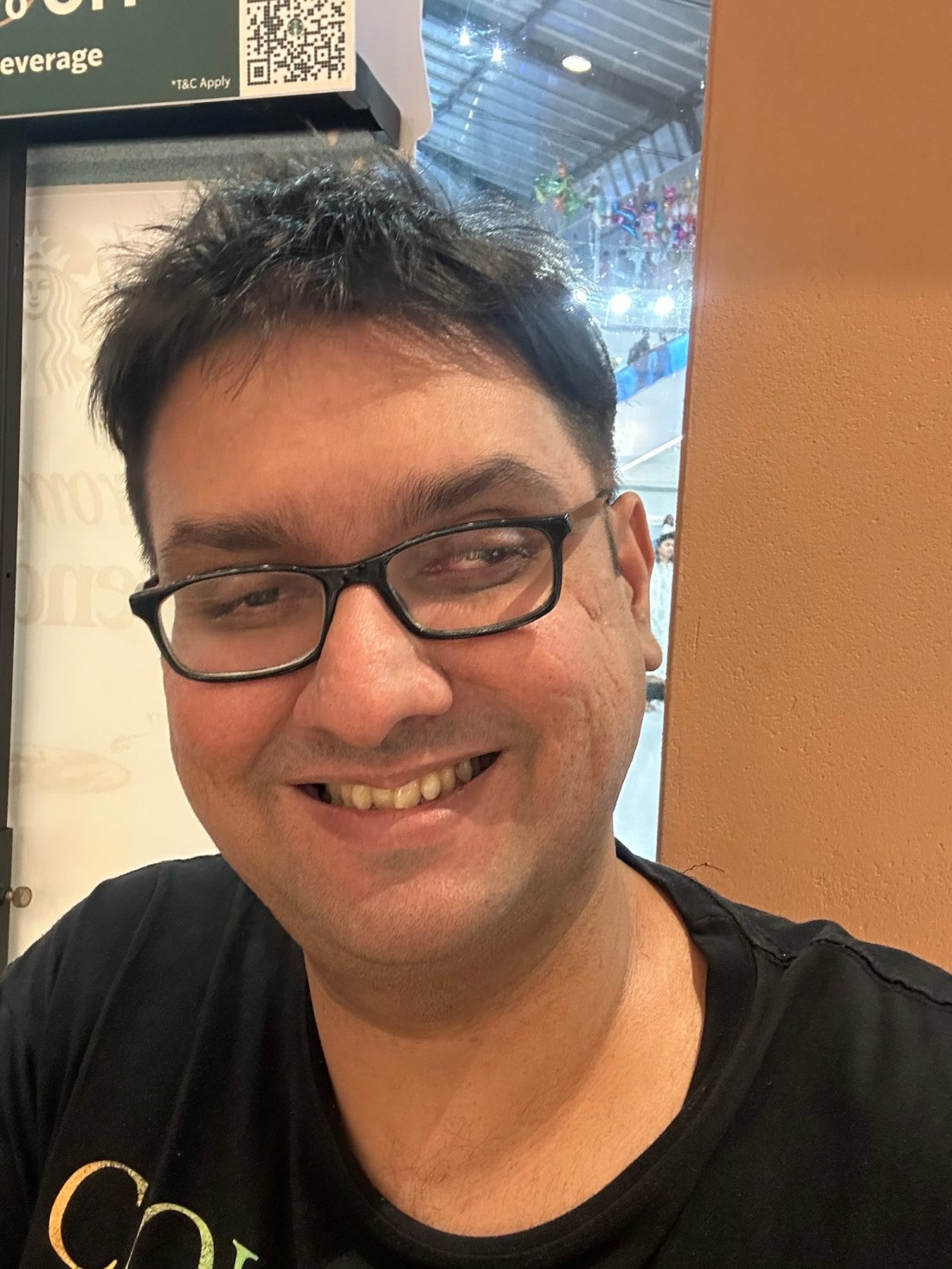
Am turning into my fourth decade very soon (this is my birthday month technically) , and it has gotten me very somber and reflective. The past decade has been a rough ride, more losses than wins. Was it great living in five different countries, and cities that i have lost count off, the answer is yes.
What do i count or what does matter in the overall scheme of things ? That I coined two terms, Desi Khaleeji on the multi generational migrant in the Gulf, which was the framework for an exhibition in Bahrain by artist Khurram Saab, and ‘ Hindu Nationalist Intellectual Architecture’ as was cited by Veteran Journalist, Sanjaya Baru ji in his book, The Indian Power Elite. And published an article in the Monsoon Journal by Duke University Press on the Indian Ocean World being a non PhD. And a former supervisor mentioned once that i cannot write?
Just getting started, only this time with clarity and purpose doing things which matter such as writing a good PhD (it’s been slow with parental care support and other assignments) and writing more.
To more journeys, and thank you for reading !
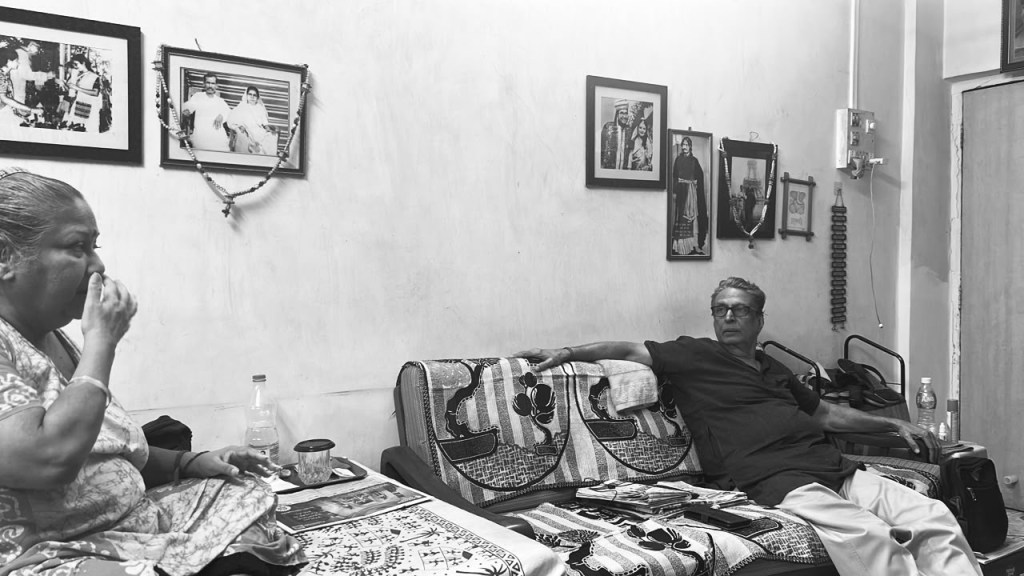
Capturing time
Fleeting away
Capturing images
While they can be taken
And conversations while they can happen
Before the plea falls silent
And then one pleads for the nagging
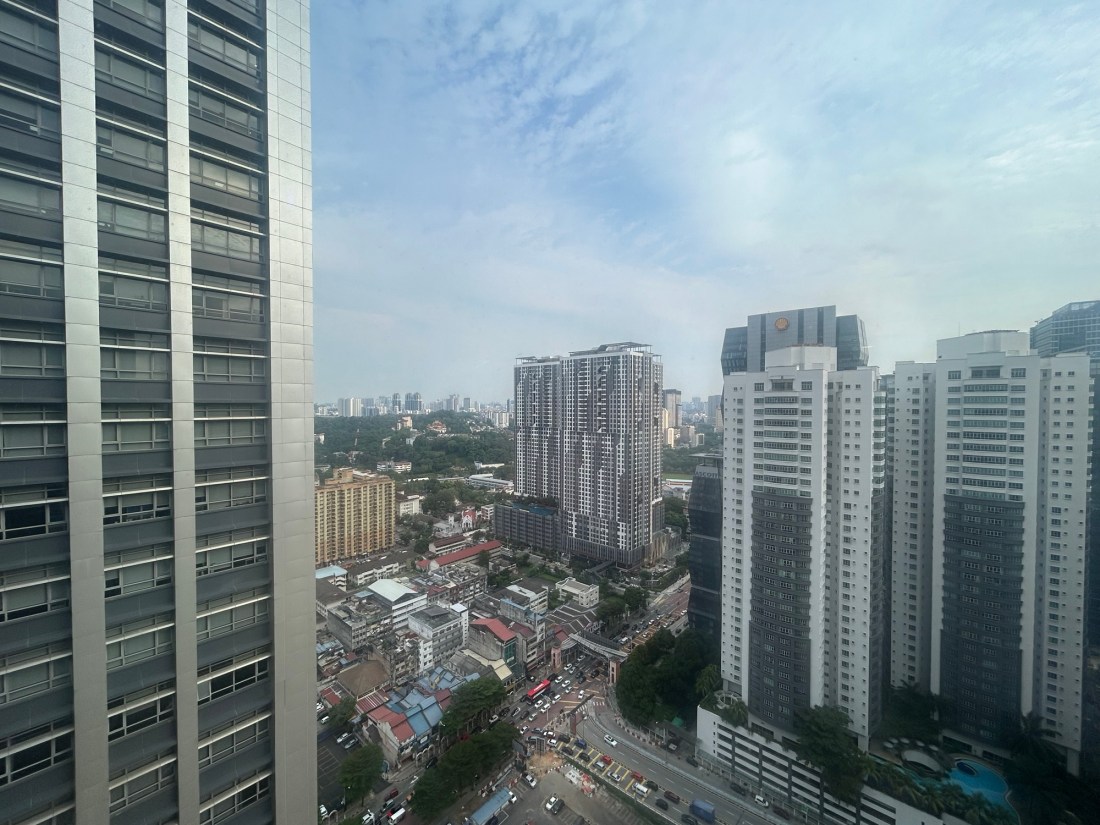
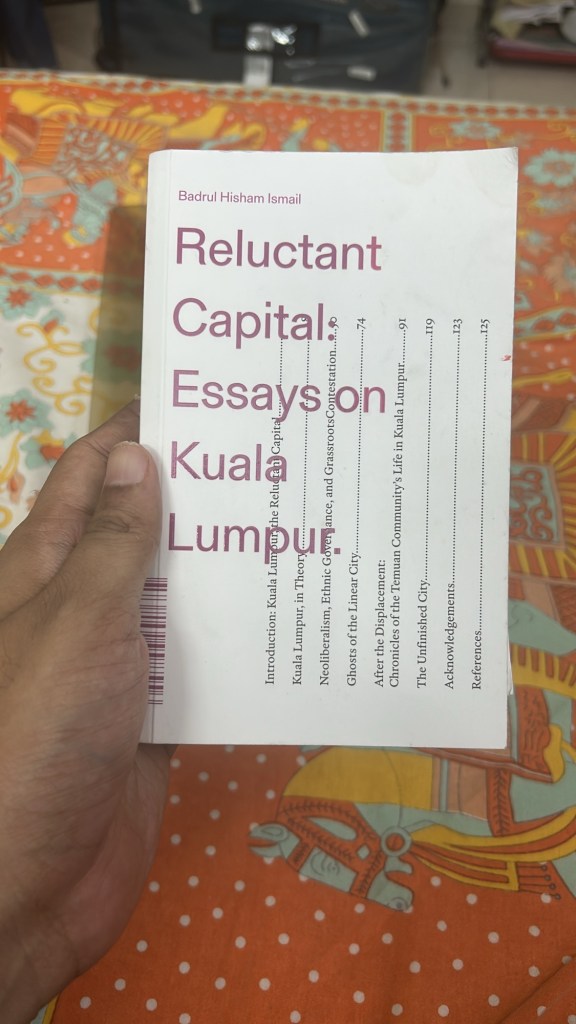
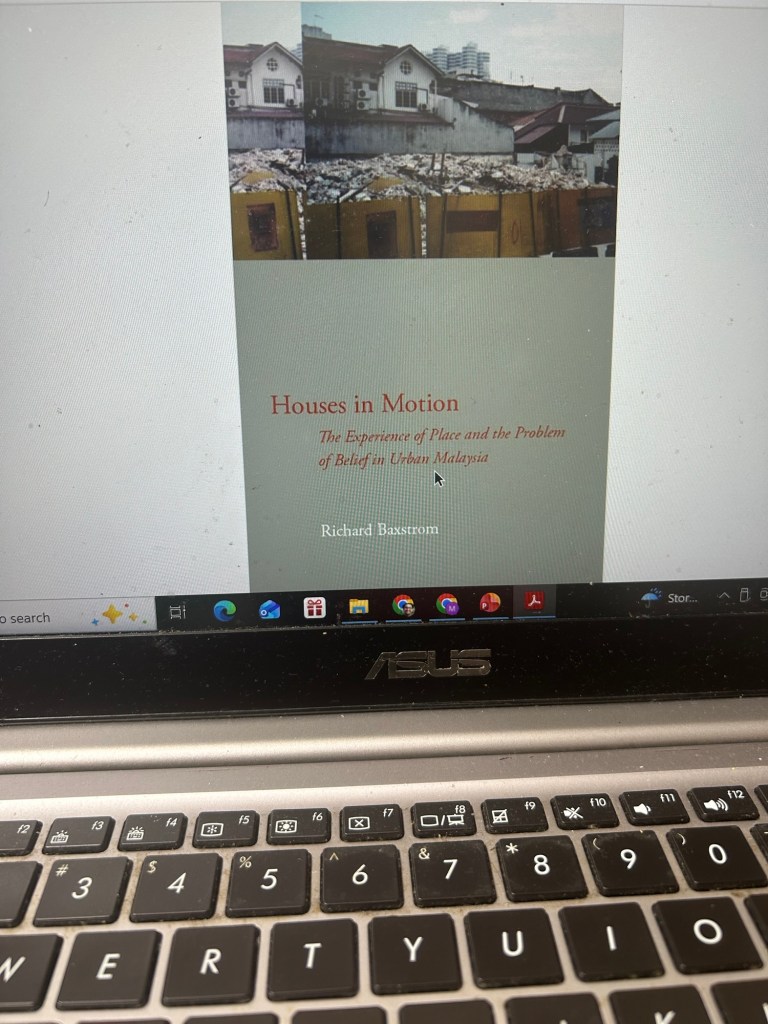
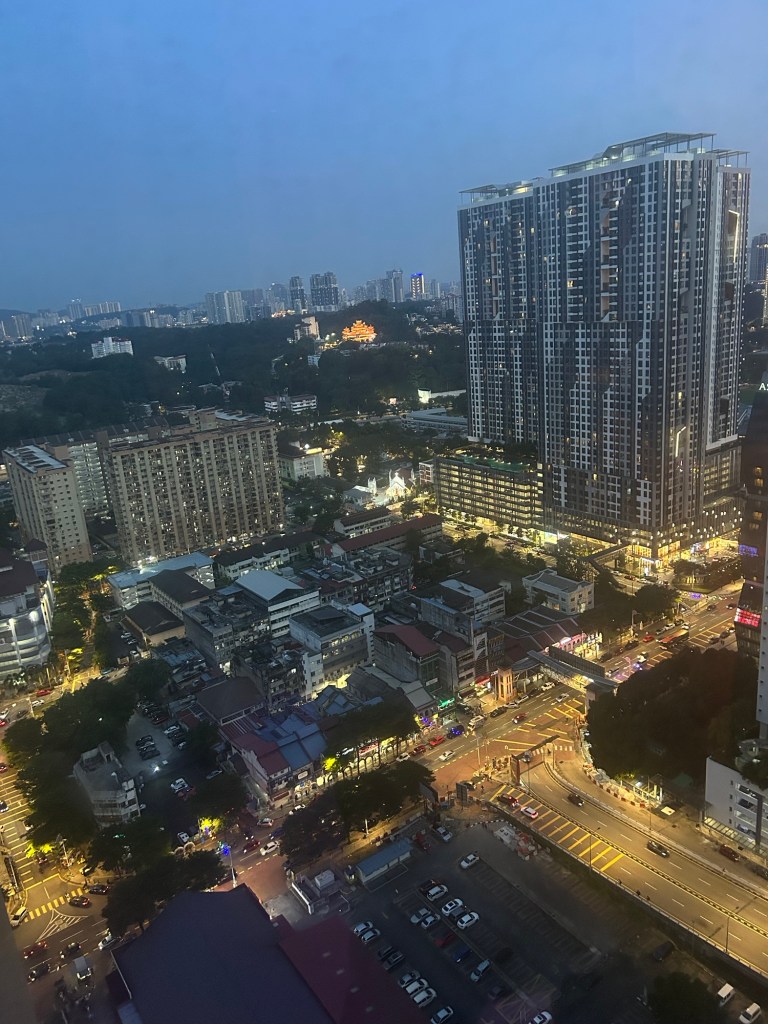
Brickfields or Little India in Kuala Lumpur is a site of Malaysian Indian History with the Kuils along Jalan Scott to the Warisan-fication of Jalan Tun Sambanthan. The condos which are Indian expat magnates are sitting on histories of previous generations of Railway workers. Vivekananda Ashrama makes its presence felt amongst Menara Shell and Nu Sentral, the mixed mall and railway interchange. Blind schools and Chinese eateries jostle for the backstreets of Brickfields, with migrant worker eateries below the LRT.
A few pubs show cricket with diaspora supermarkets stocking up Amul products. My personal favourite of Vishal Mess stands along with the Norwegian owned MTR. As Badrul Hisham Ismail writes in his essay collection, Reluctant Capital- Kuala Lumpur is a space of negotiation and contestation, between ethnic quotas and speculative capital.
It has been a fun two years in the city. To many more banana leafs.
Life on the move
Is one of loss
A migrant is a metaphor
For erasure, silence and non belonging
Especially where one wants to belong
But we survival is belonging.

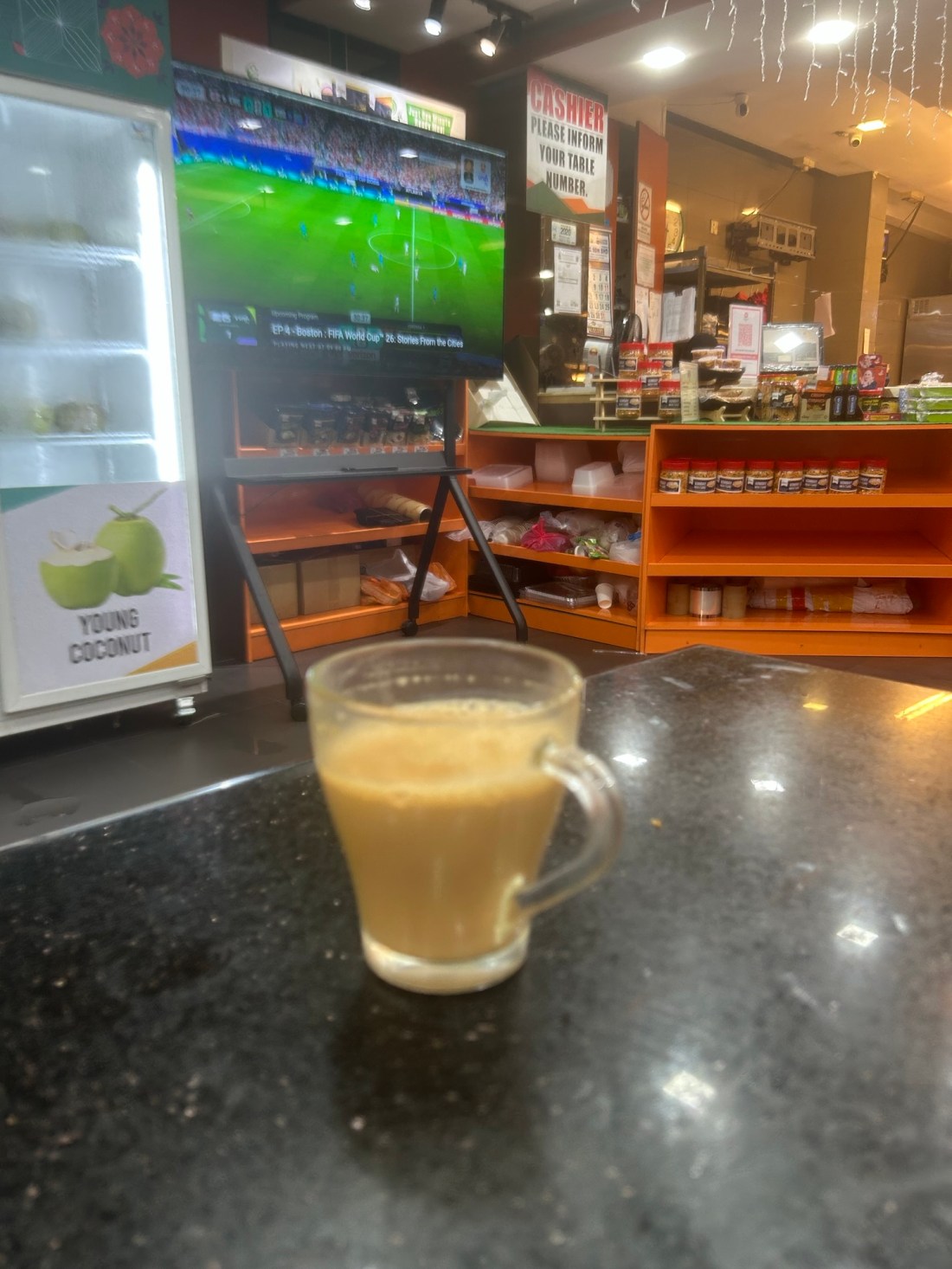
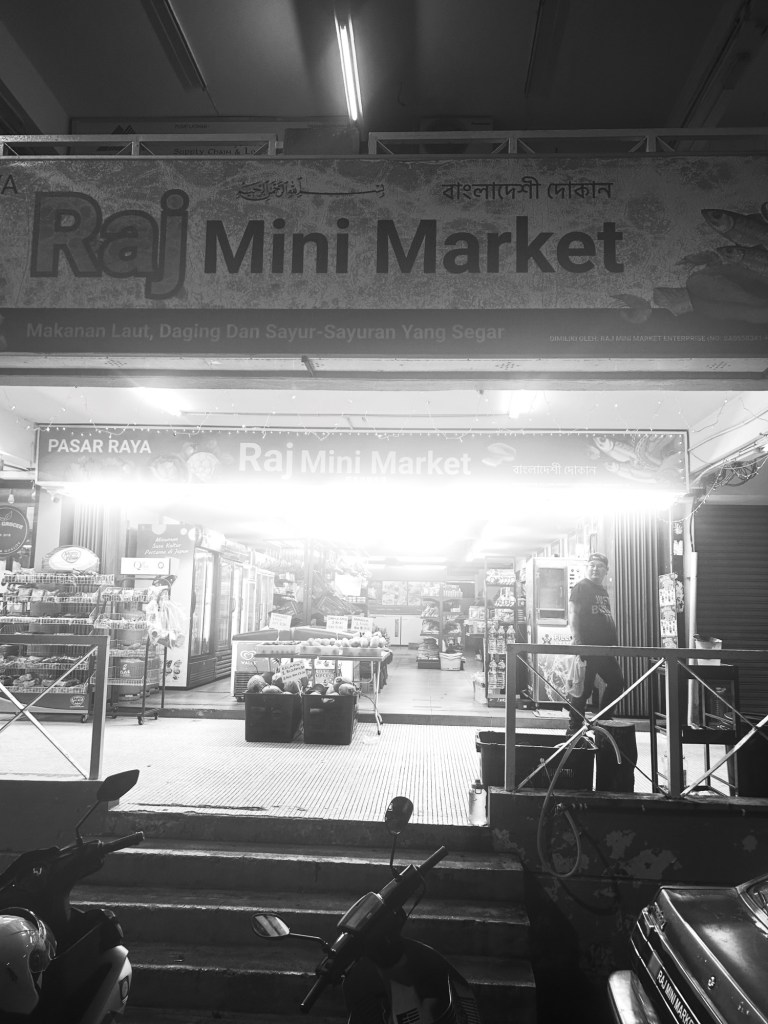
Migration is a Business and Human Rights matter, in turn is an ESG material topic, for industries such as Plantations, Rubber, Electronics, Construction and F&B (look at any server at a star hotel or a mamak in Malaysia). It is an Human Resources/Talent input, as the spine as wage debt is still a matter for the supply chain.
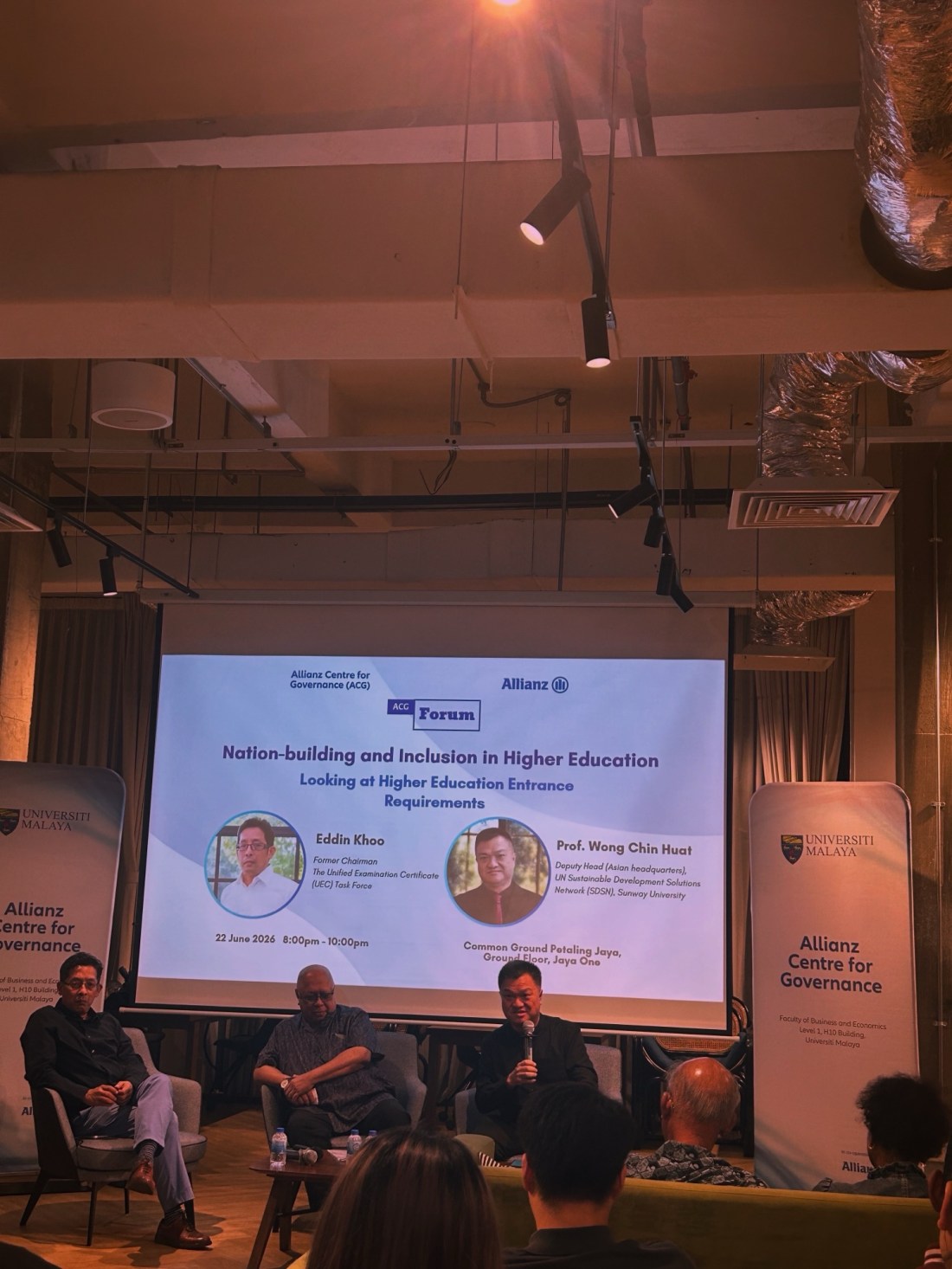
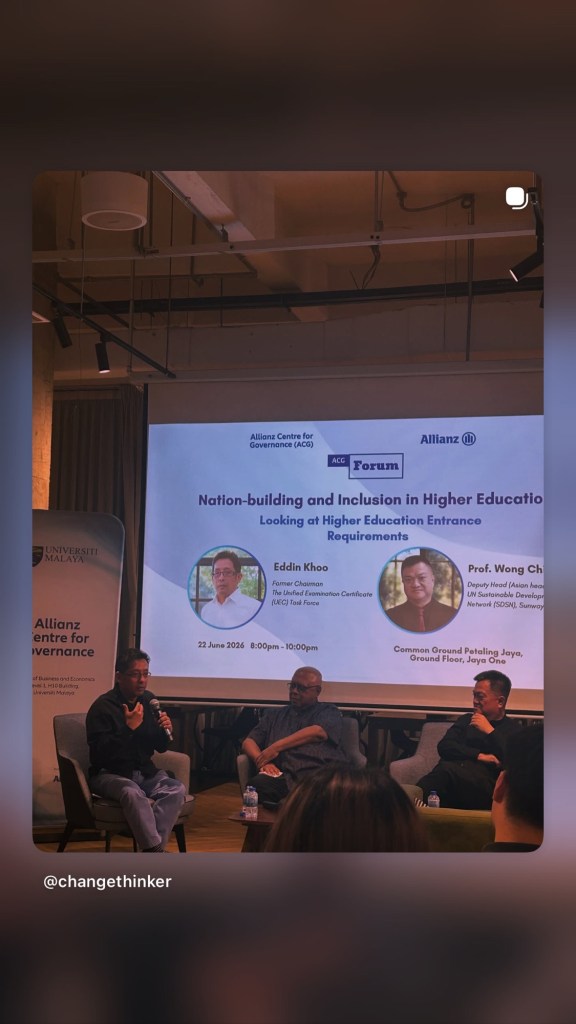
Only in KL can a post dinner debate can be this enthralling. This was a panel on the Linguistic Politics of Independent Chinese Schools organised by the Allianz Centre for Corporate Governance at Universiti Malaya (my PhD School) at a coworking space. The boisterous Professor Wong Chin Huat laid out a case for the UEC schools marshalling evidence from the scriptures to the ethic of diversity. He was on point when he said that this is a case for ‘culture wars’. It is a divisive topic, a site of politicking more than politics as Mr. Eddin Khoo mentioned in final take on the matter as the chair of the UEC taskforce, which is about to submit its report.
Eddin Sir, as i call him laid out the complexities of Malayness and the parallel impoverishment of the language under a certain conservative gaze. His anecdotes of the hybridity of language learning and identity revealed more pressing issues of the education system beyond the medium of instruction, namely the mediocrity and instrumentalist notions of learning. The Singapore centric nature of the UEC is unwanted for. There are five states in Malaysia which allow the UEC as a university entrance criterion for certain courses such as Chinese Studies undergraduate programs, as is Singapore apart from Taiwan which is the main target of UEC students.
Race as a defining force in Malaysia, is a lived reality and can be gauged through these language debates.
Life is a journey
With no autopilot
The steering wheel is inside
The Soul is the Steering Wheel
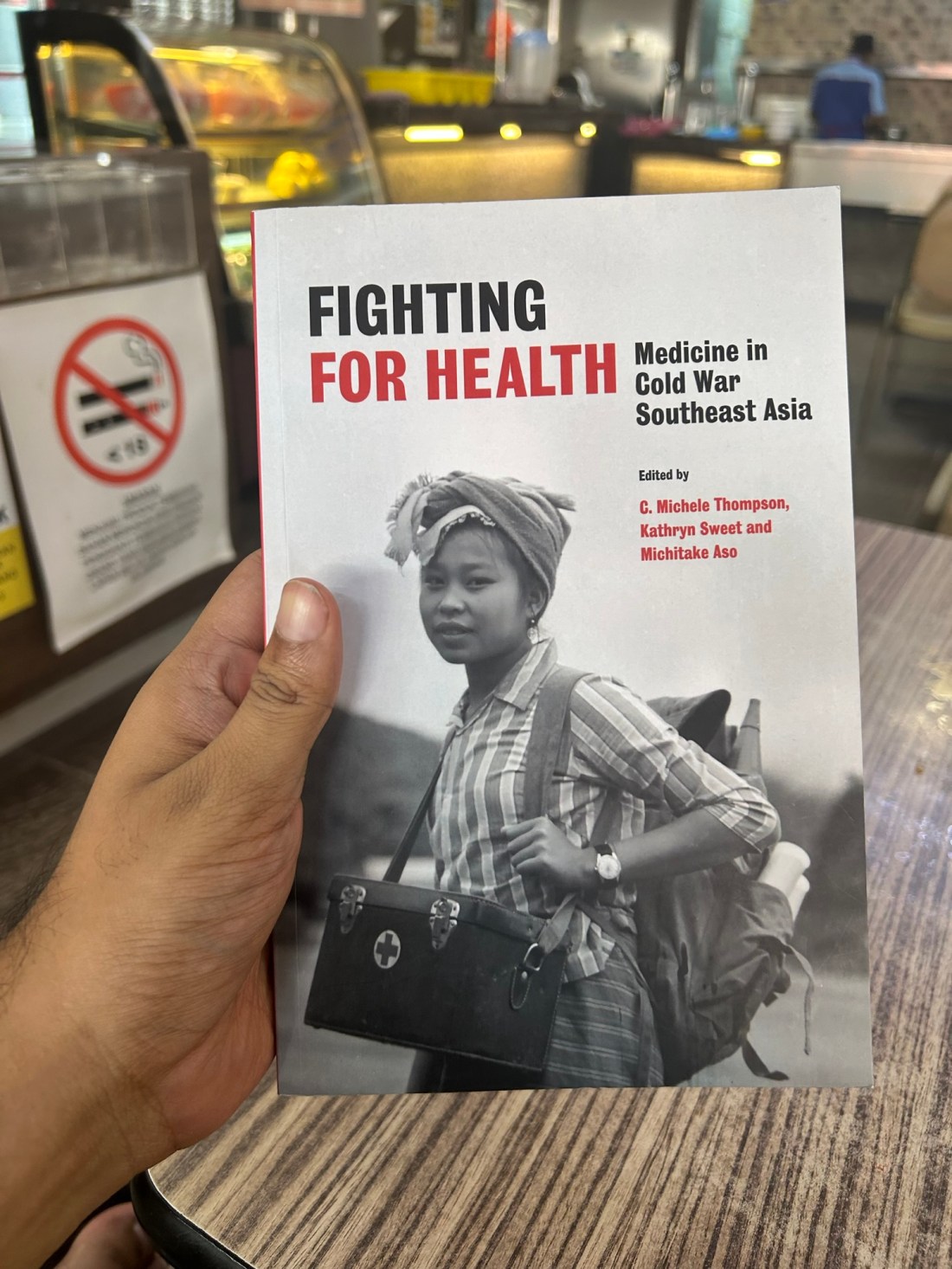
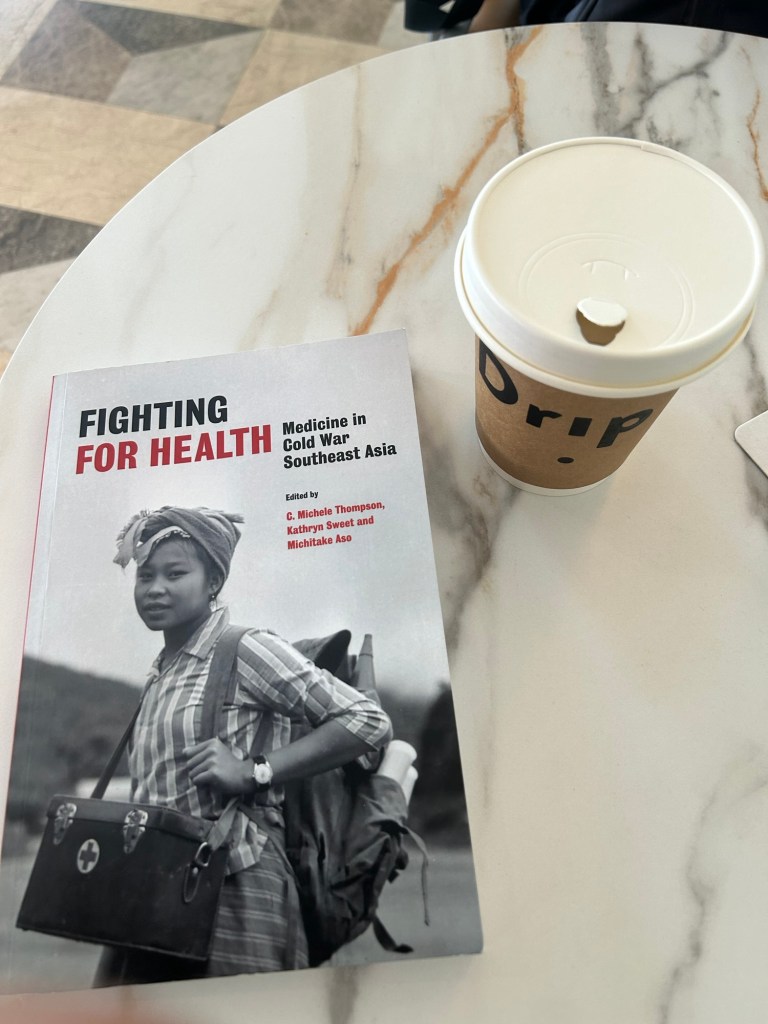
Such an important intellectual contribution. Sustainability needs to go back to it’s public health roots for the impact to have traction on the scale of the human and the community.
Looking at the history and the politics of health gives cues about tailoring interventions that work. Think culture, as culture eats strategy for breakfast.
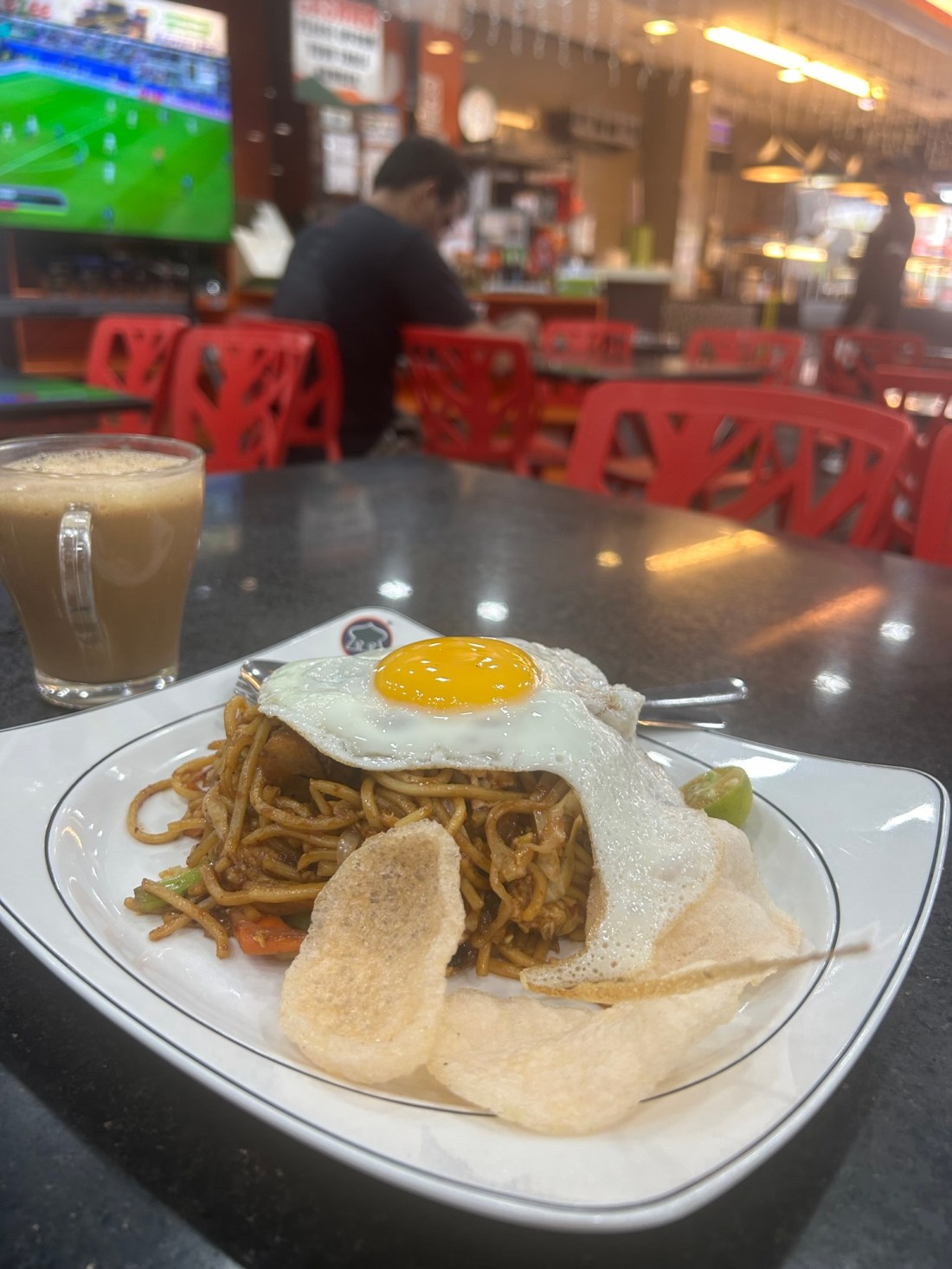
Migration is embodied, in the meals we eat and the transnational lives we live. Over the last year in Malaysia, Indian migrant workers can be seen …
Migrant (Worker) Foodscapes

