Through the Highways of Globalization
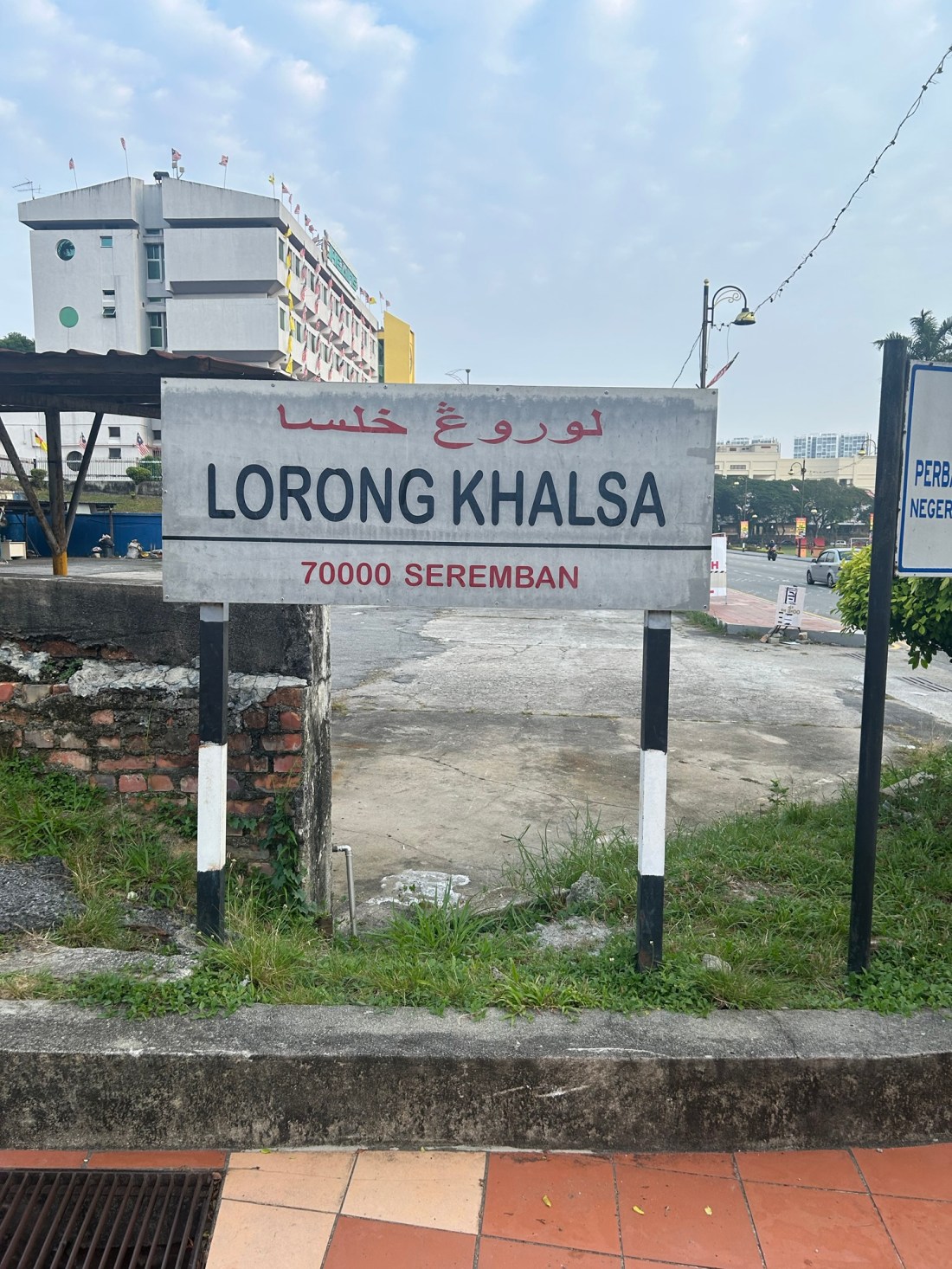
I have been walking the back streets of towns and cities of the Indian Ocean for twenty years, with the language to express or without the faintest clue of what ROI will come out of it. The Indian Ocean, is very much alive through labour migration, and resident diasporas who will watch the latest Vijay film, and catch Sadhguru live.
In this world where flux is the norm, some things stay the same and identity through Faith and Language is the anchor.
The issue with the sustainability space, is too many climate weeks and conferences where the same set of actors land up. We need white papers and panels, but we need more science which gets translate into impact. Sustainability conferences themselves need decarbonising and is the only profitable part of the services industry with clients cutting sustainability spends. May be a panel on that.
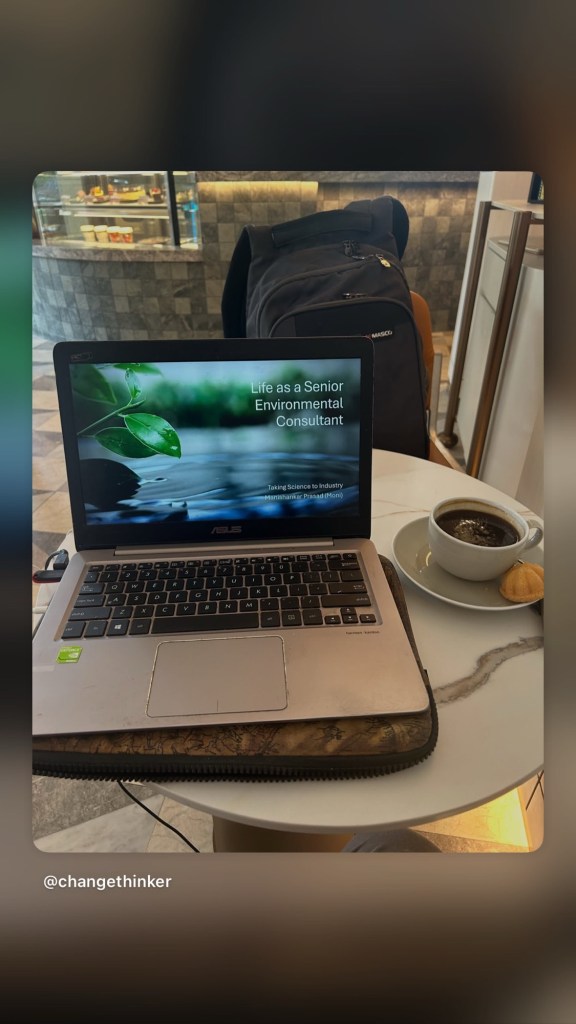
After 15 years of graduating with a masters in environmental engineering at the National University of Singapore, and a number of years of ESIA consultant life, it was a privilege to share in a guest lecture via zoom to a masters class on Pollution Control to students in the Geography Department. After working in twelve countries in Asia and Africa, I realise the true value of bringing science from the seminar room/lab to the realpolitik of environmental planning decisions, whether regulatory or IFI led.
The question on the value of a PhD in consulting is interesting, as after a PhD a consultant is a peer reviewer and is made to do the work of presenting in front of regulators. And as it is a Science based business, the value of papers as scientific evidence is solid.
Thank you so much Professor Li for your generosity of spirit.
The last twenty odd years has been a slow process of creating the thesis of climate action as an upgrade from public health safeguards. It has led to a new regime of compliance, and ESG is the new umbrella without the teeth of legal redressal. The entire alphabet soup is an attempt to create a new market for doing good. Carbon offsets is one, where the intentions are good but the real value is the data for the risk calculus. It is all risk management.
Philanthropy through core funding creates more value than carbon credits. Carbon credits akin to TNFD and TISFD, are good at infrastructure creation. The data helps, but should we focus on impact first? Then do MEL?
The maze of standards and guidance is to foster a moral pressure on the investment community to do well and create a business case for it, while being all voluntary. ESG was a post Paris creation whose expiry was the second DJT era and the Ukraine- Gaza wars. ESG needs an upgrade, where S is Security and E is the EV. The AI dimension has a real energy security dimension, and governments need voters and not bots despite the enthusiasm of valley tech bros.
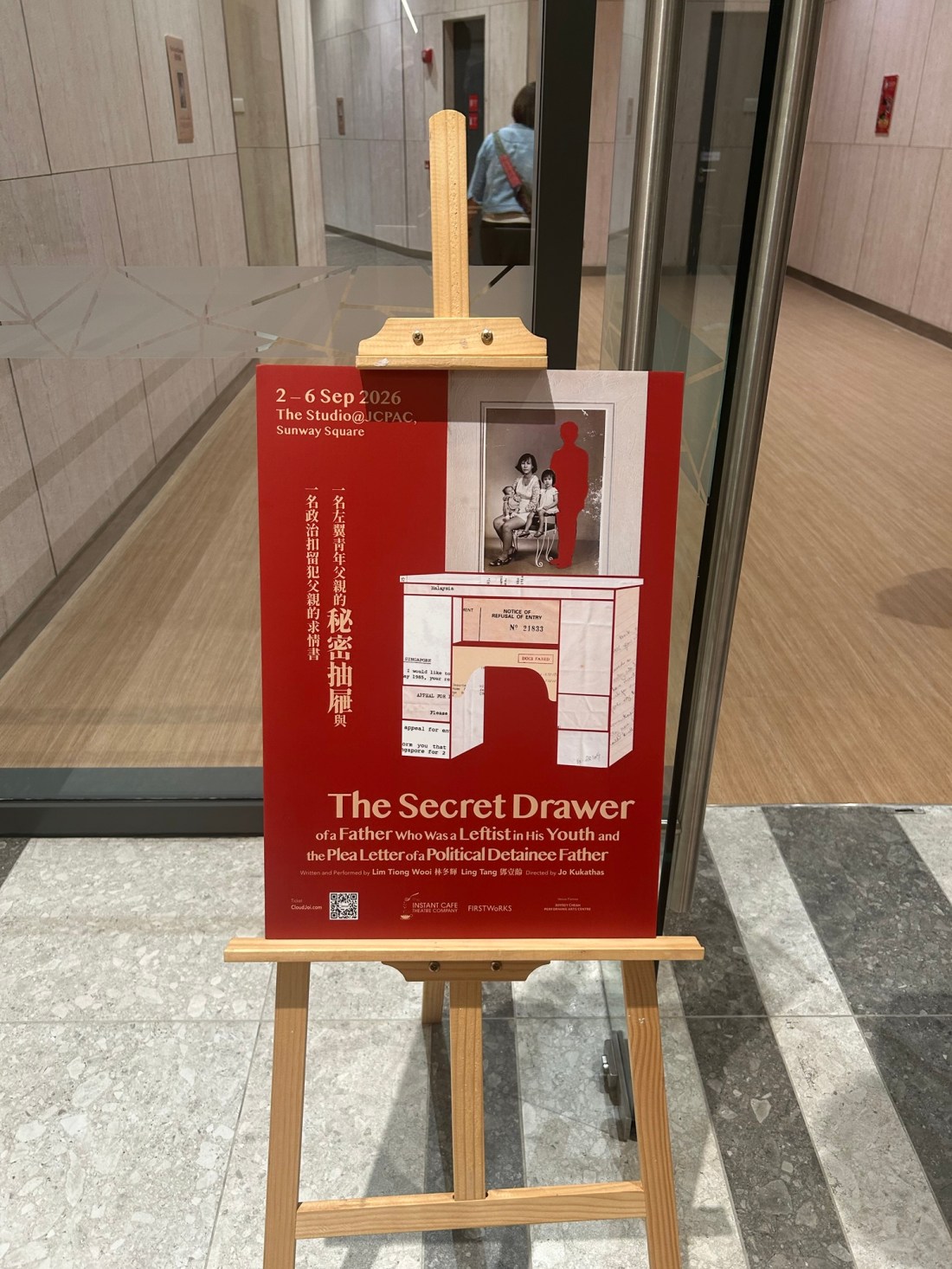
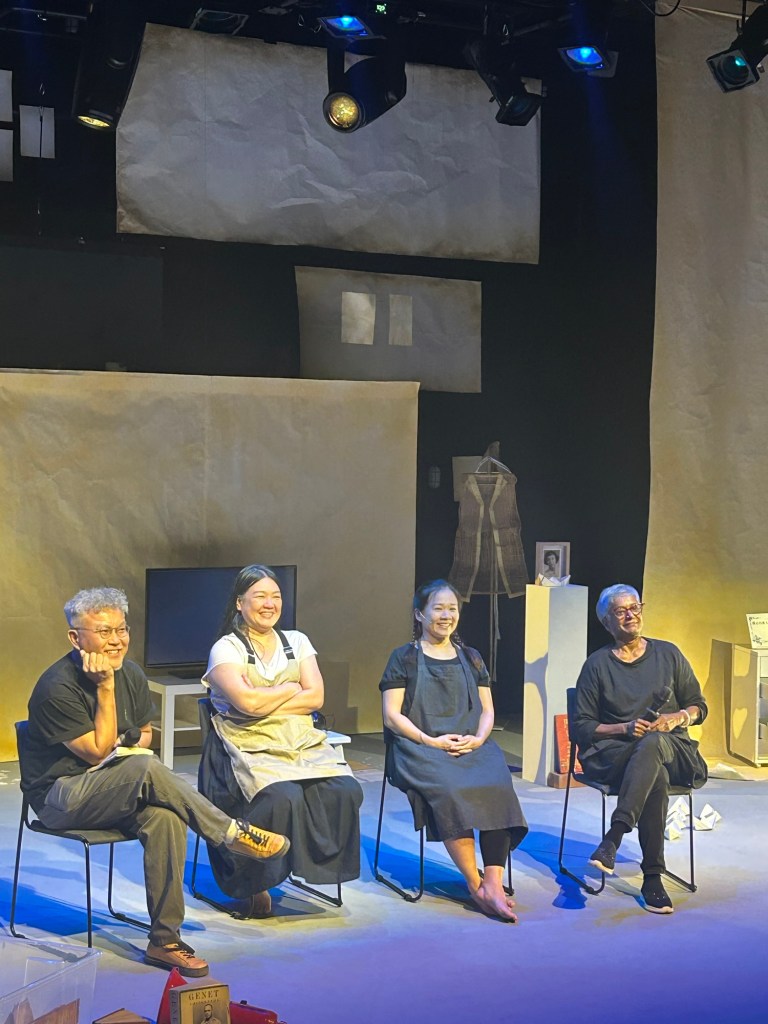
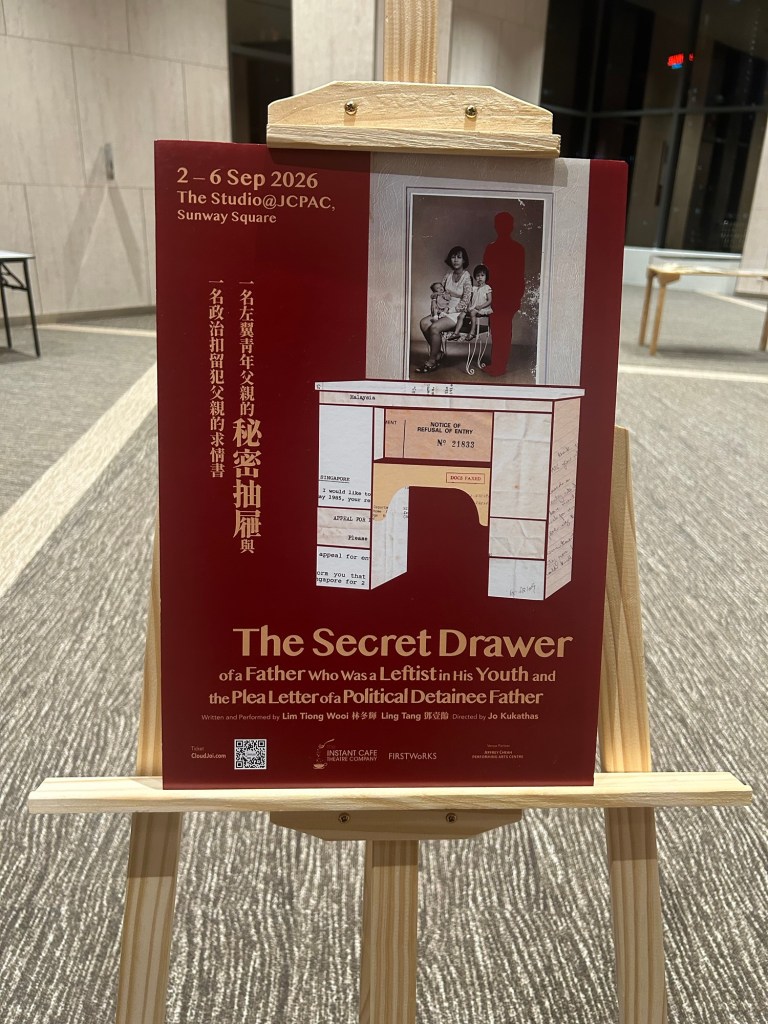
The best form of art is the one that moves deeply. The Secret Drawer is archive building through the Chinese family archives cutting through Kajang, Singapore and Penang and the role transnationalism plays through the Cold War.
Captivating performance by Ling and Tong Hui. Instant Cafe Theatre has a masterclass on its hands. A must for historians of SEA.
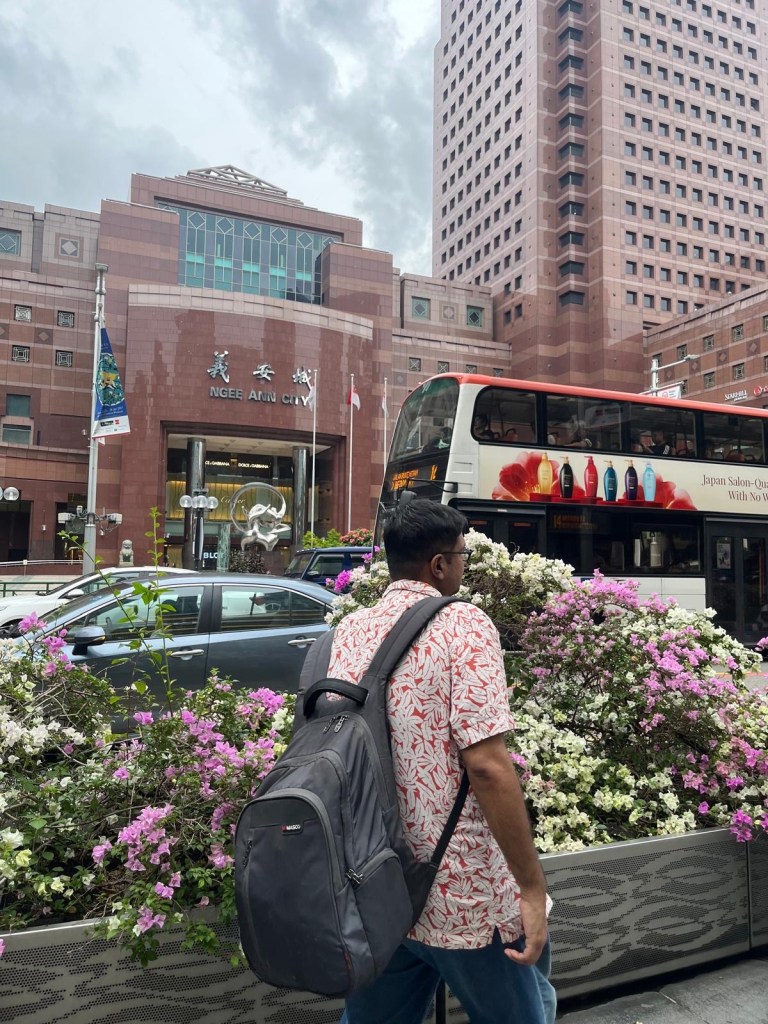
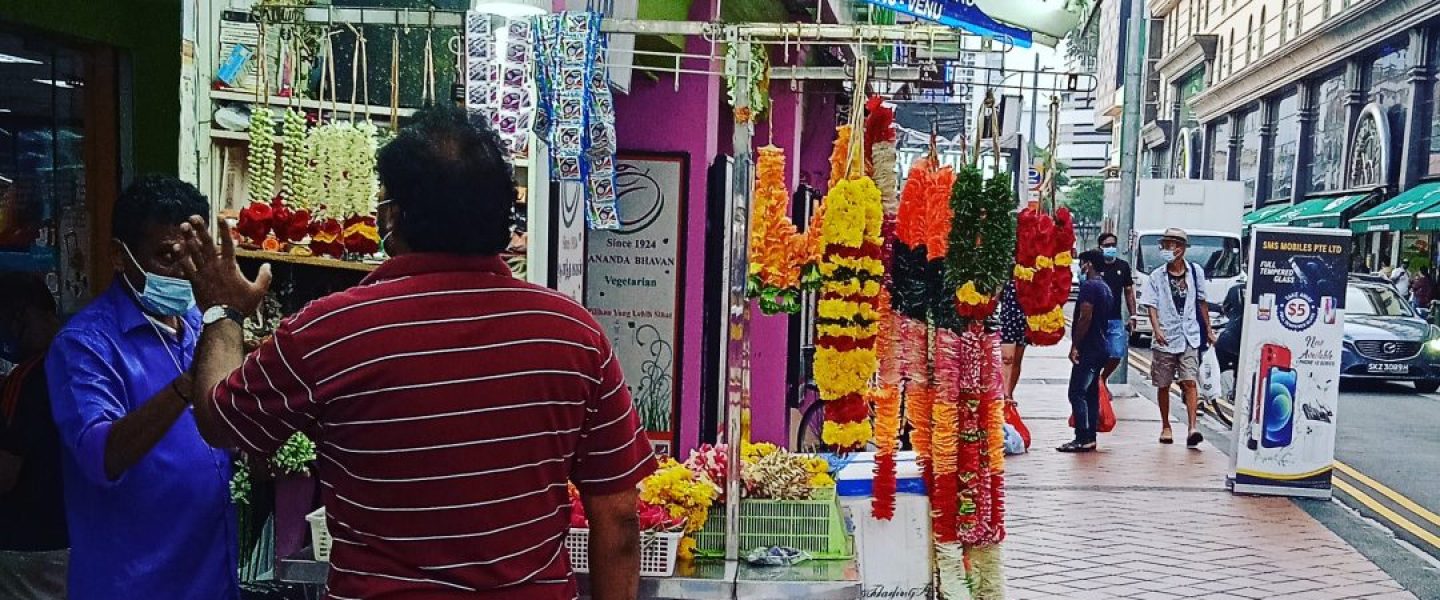
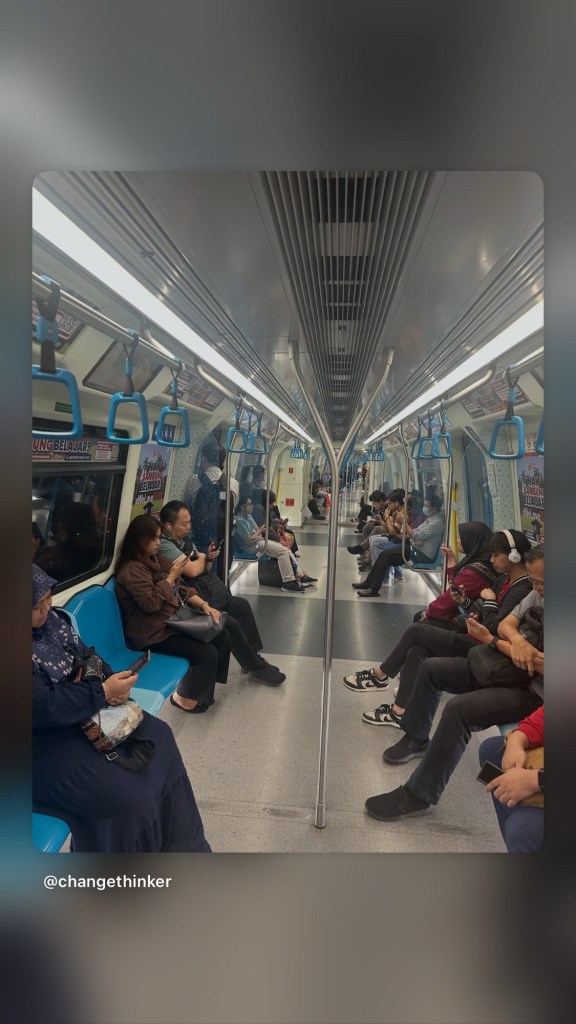
The best way to know a region is to walk it. Can’t know everything through the Internet. The chatter in Lucky Plaza in Tagalog is different to the atas/posh Takashimaya across the street in Singapore. That is just Orchard road in Singapore.
Nuance matters. Singapore is rich in texture.
Southeast Asia Matters.
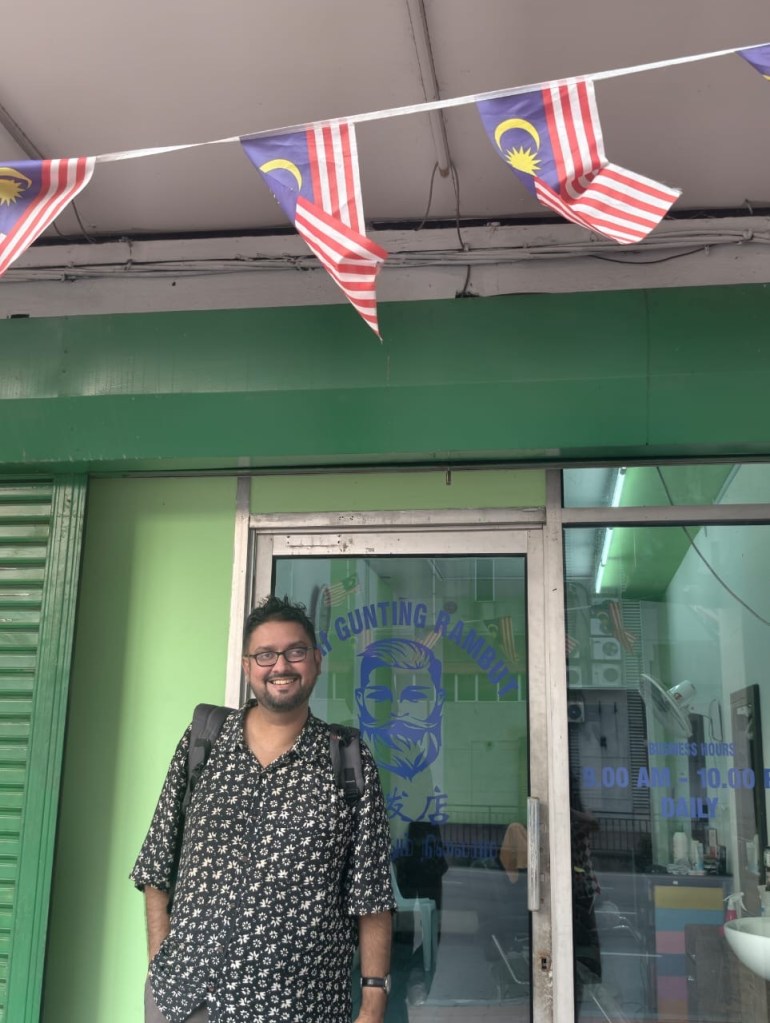
So many stories of migration from Azamgarh to Mumbra to Johor Bahru; a barber shop next to Masjid India in Johor Bahru.
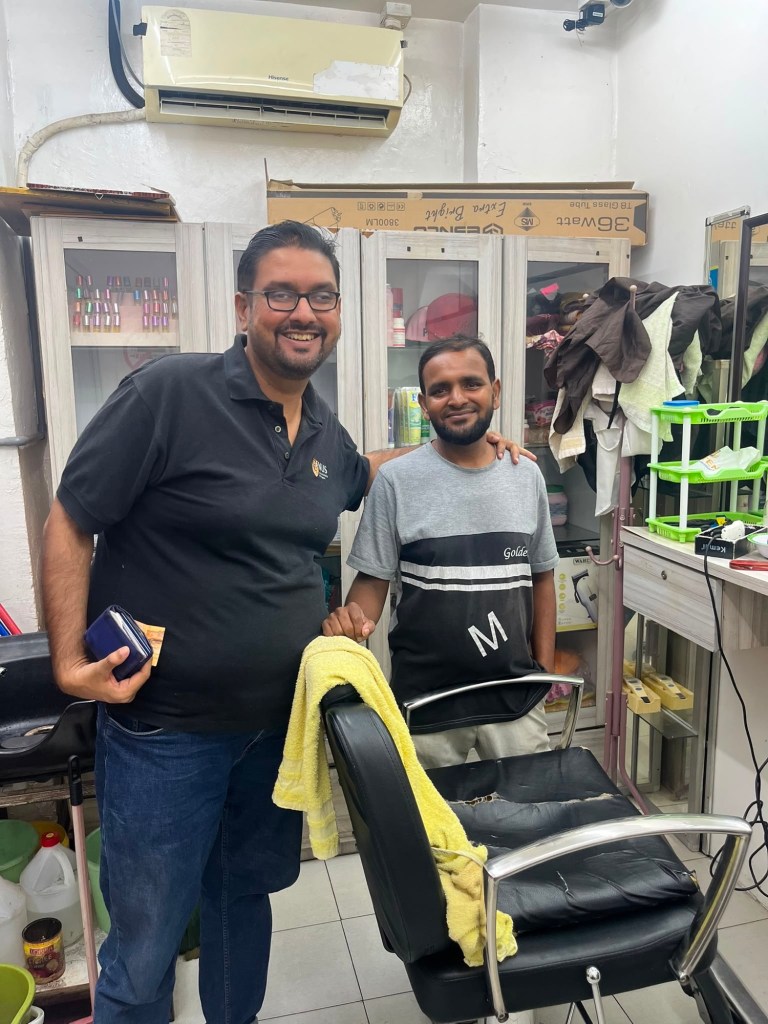
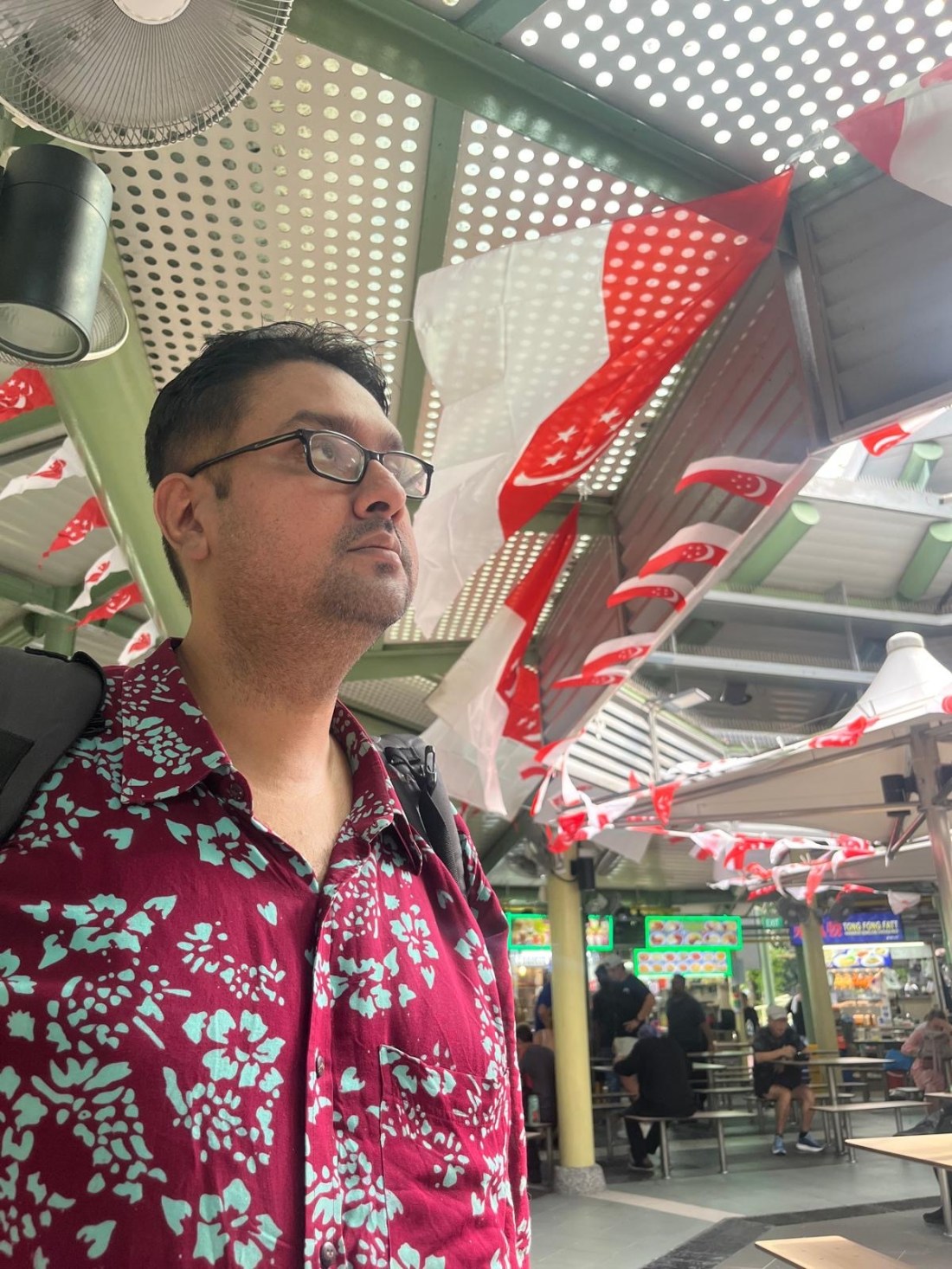
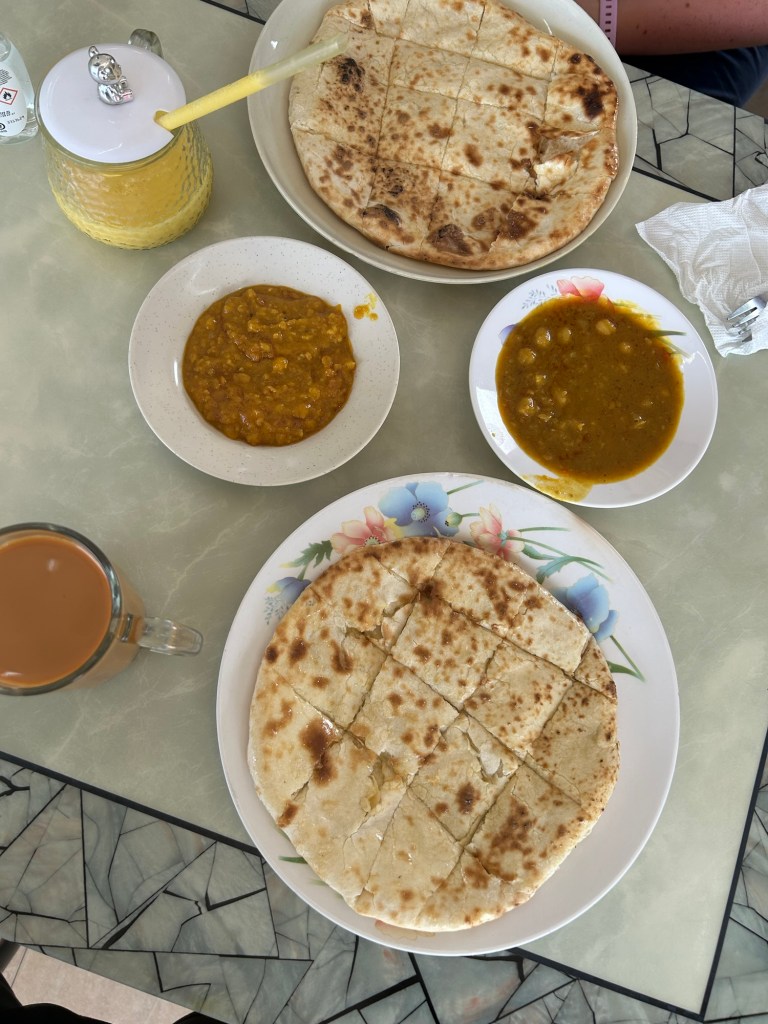
Happy Azaadi Day from the Diaspora; the diaspora banters, eats and discusses the in accuracy of Bollywood representations of SWAT Valley and Layaari. This Pakistani Naan Shop off Mersing Jetty in Johore, was a trip down memory lane as the Cheese Naan was the same one i have eaten in my Chacha Bakery in Al Khuwair, Masqat or anywhere in Dubai.
The cook-server from SWAT Valley wished me back Happy Independence Day, as i wished him Happy Azaadi Day. South Asia converges in the labour diaspora.
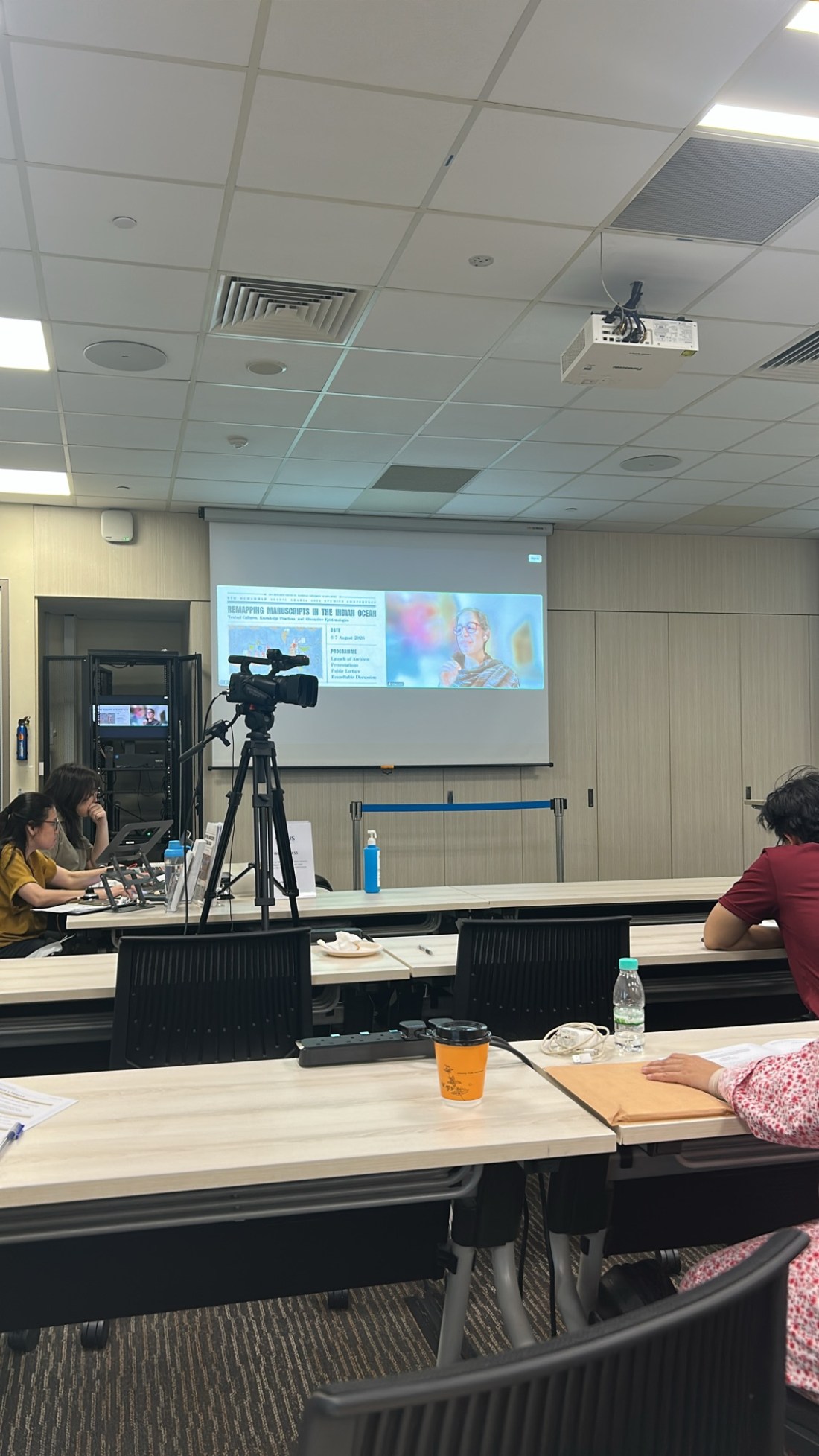

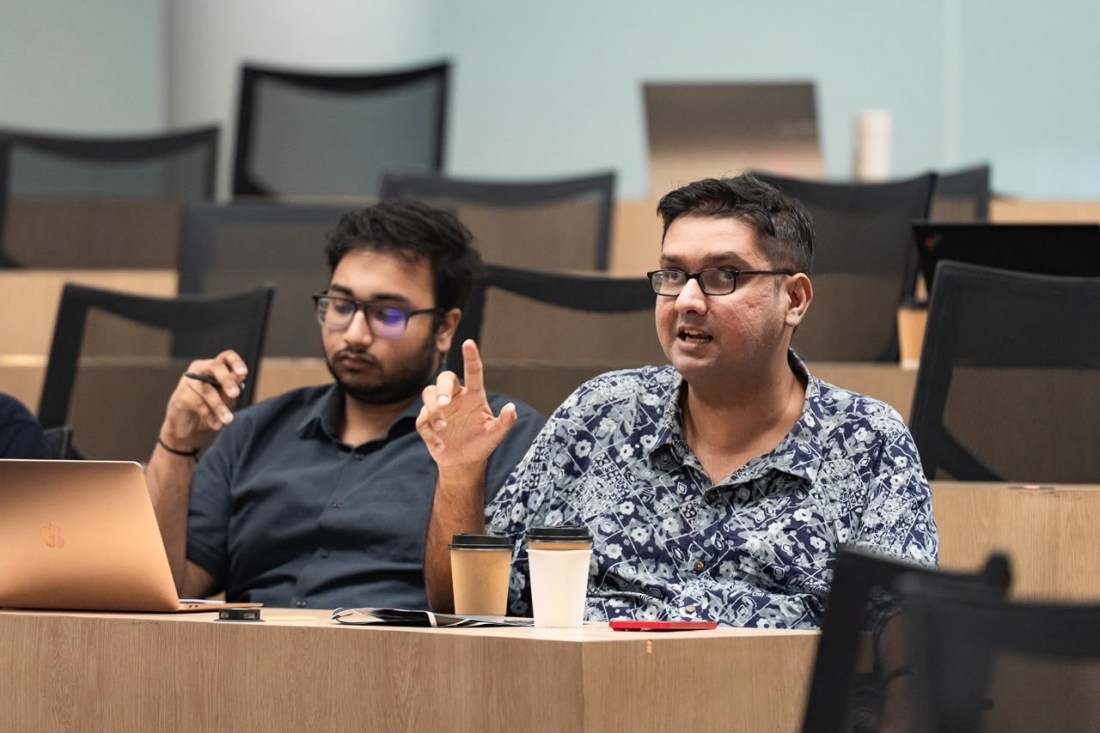
A special workshop on Indian Ocean History ended with a special panel with intense dialogue on what counts as a manuscript, or as the Persianate World or what constitutes an Indian Ocean Library?
Seeing Fahad Bishara, Eng Seng Ho, Mana Kia and Mahmood Kooria with Teren Sevea dialogue made for a heart and mind satiated with questions and further directions.
Was lovely to meet fellow peers and mentors in person.

