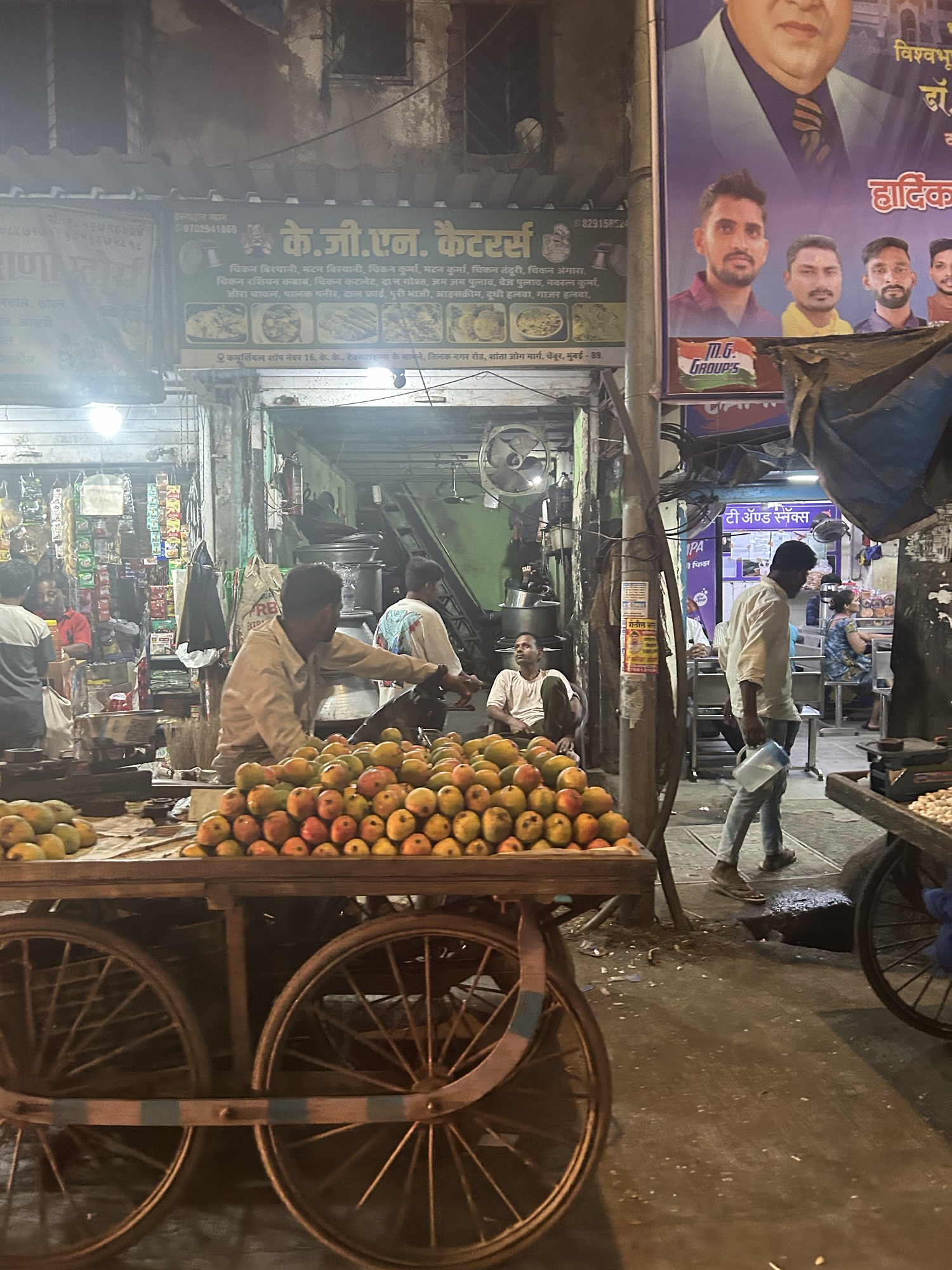
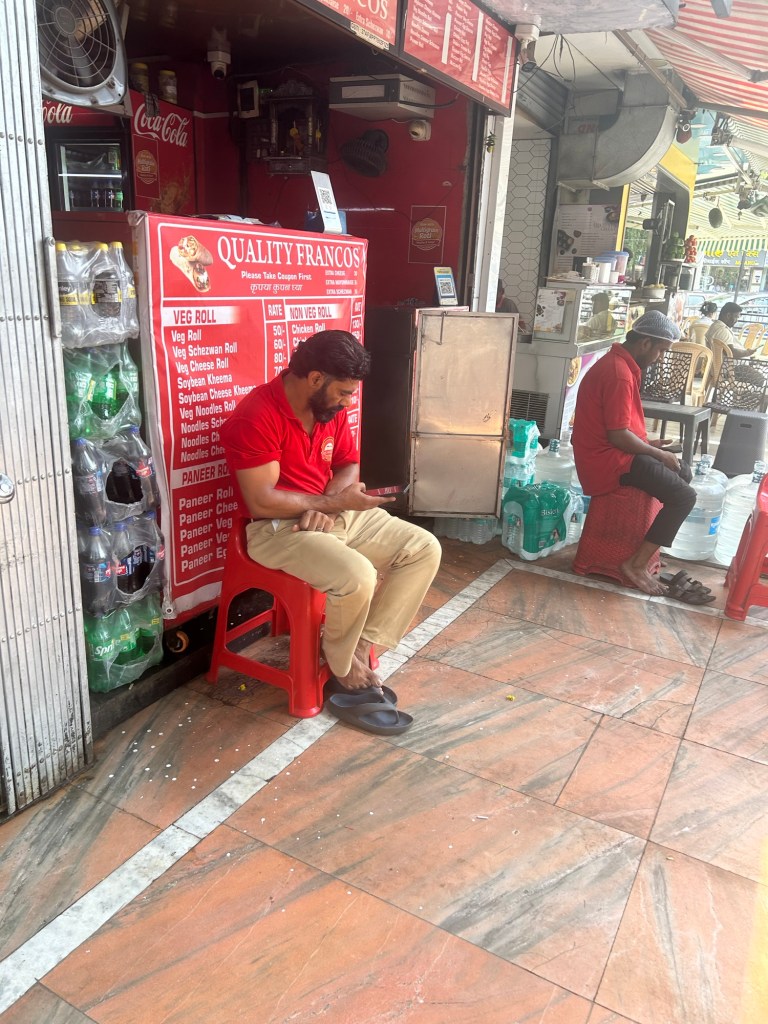
May Day is a vital remainder for the struggle for dignity, in a time where there is a fog of multiple intersecting crisis, automation, wars, climate and a deliberate attempt to frame anything to do with the rights based approach as one which is anti business. People work inherently to support families, and not to oppose the employer. Yet the labour question is one framed by precarity. The welfare state in India is extensive for the poor, on the one hand and on the other a new labour dispensation streamlines many matters which may be perceived as pro business. The reality is often context based.
We frame the May Day narrative as one which has the industrial worker in mind, but what about platform workers who deliver in the scorching heat of summer?
My sense on the ground in India, is that this precariat will drive politics in urban seats as India goes in for delimitation which will increase seats in Mumbai and Delhi from 2029 will be the way labour politics will eventually move.
The trade off is delicate, where formal jobs are few without a good safety trampoline in President Tharman’s words at St Gallen. The AI disruption is a blood bath in the Indian tech space, which was the middle class social mobility escalator for three decades, has been switched off. For all the business friendly banter, how does May Day relate to them.
The labour question is gendered and intersectional, and a reparative archipelagic approach is required as we look at Noida or the Farmer protests. The questions are political, and need to be baked in to legislation.


