The neoliberal museum is a space of selective cultural consumption where history with a capital H is packaged in to an experience, neatly sorted in to thematic areas. The Louvre Abu Dhabi was on my bucket list since I arrived in the UAE for my latest consulting gig 6 months back. As a weekend historian and full time social researcher, the Louvre Abu Dhabi is a style statement in crafting a new cultural economy for the oil rich emirate. Oozing with luxury and expansive in reach from the ancient to the rather recent, the museum has an international footprint. No expense has been spared to create a world class cultural experience.
From the Chinese to Arab to Indian to Latin American, with a heavy infusion of continental Europe with Louvre’s only international imprint outside Paris the Museum coalesces history into themes and packages the regional into the meta or the universal, it’s key motto.
In this era of divisive politics, the curative philosophy seems right like a ‘right’ balm.
There was an early photography exhibit which was illuminating as a person who does a lot of photography on the street, the gaze of the photographer is violent for communities where the act of image making is documentation in the project of imperial conquest.
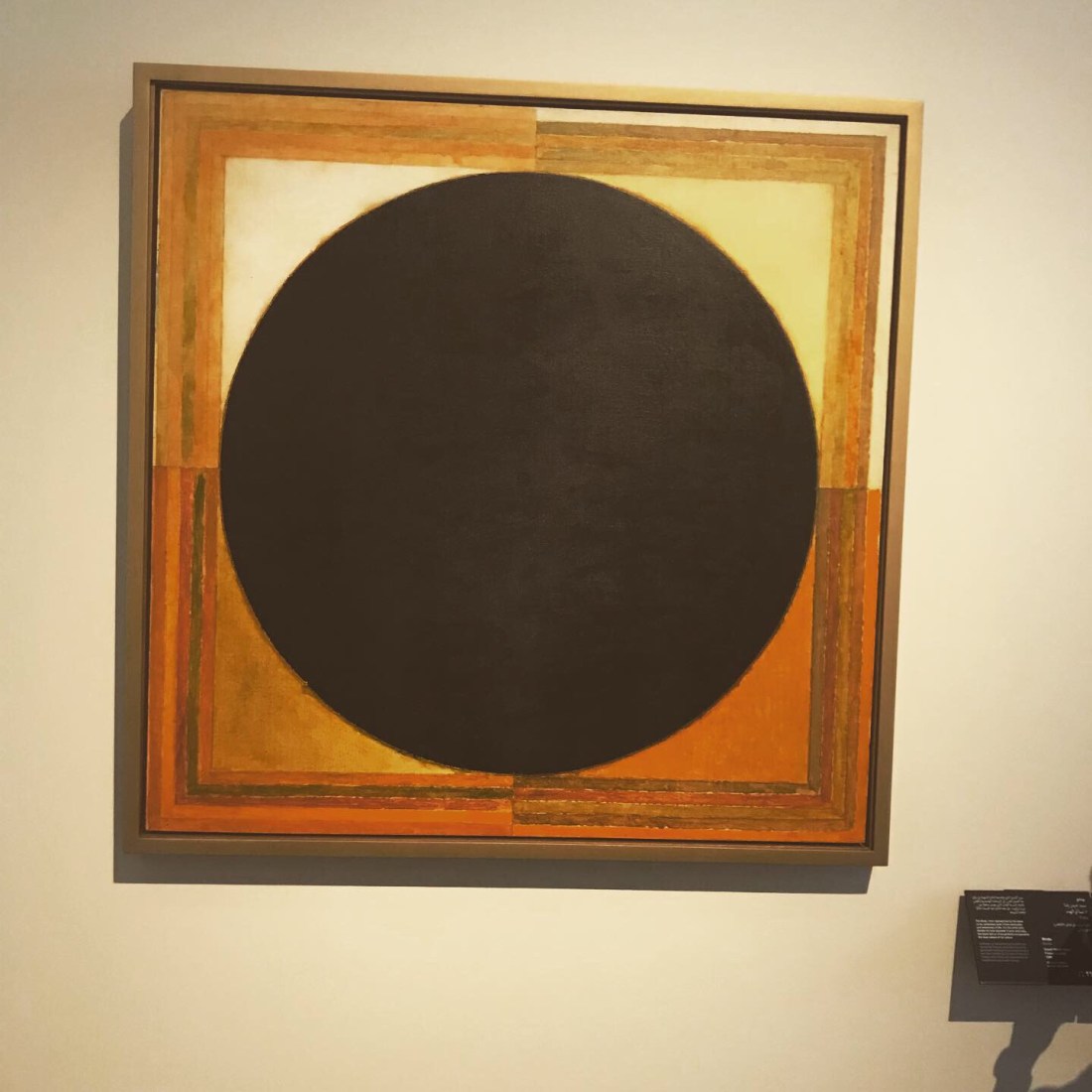
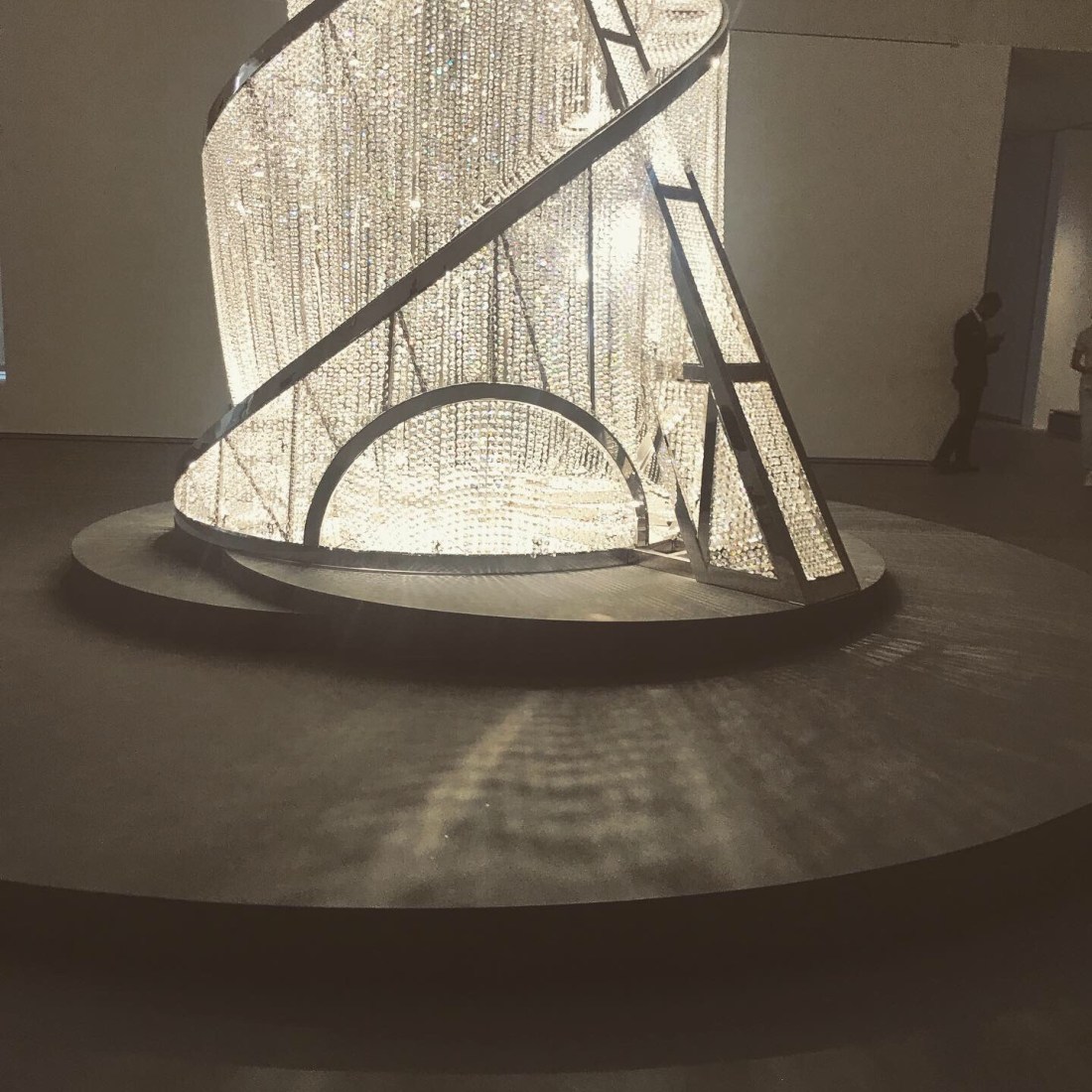
The three photos chosen for this note, are paintings for Jackson Pollock (Black and White Abstractions) and SH Reza (Bindu, 1986) and an installation by Chinese Artist Ai Weiwei which work is distinctly political.
An act of curating the universal is also a well thought out act. The Louvre Abu Dhabi is a site for reaffirming the global project, where the liberal transnational elite sipping Latte from all over the world, find the space comfortable and common- as I felt the experience similar to National Gallery in Singapore or the National Museum in Oman.
#louvremuseumabudhabi

@ Louvre Abu Dhabi
 Change Thinker