The Business of Migration

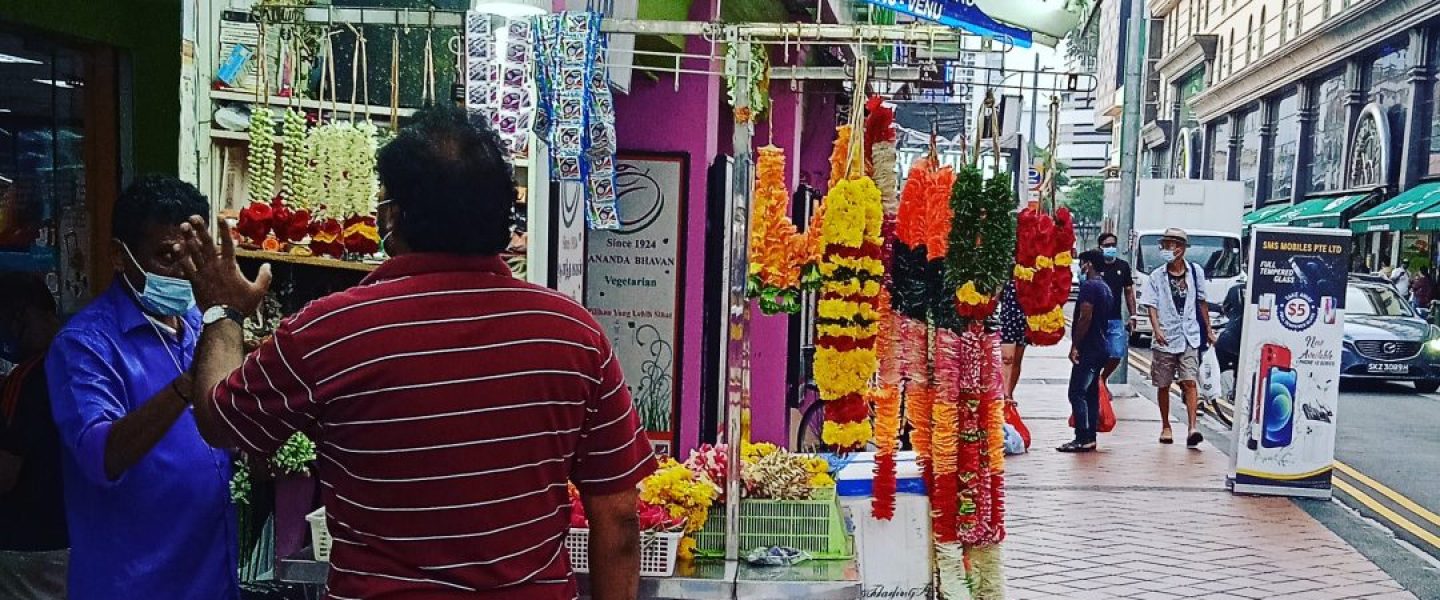
There is a reason migration is an eternal business model, people want jobs and businesses want cheap hands and it is a perfect marriage of demand and supply. Global labor chains are fragmented based on skill and race (Iskander 2021). There is a migration industry operating in the billions of dollars facilitating this transition between multiple migration corridors. There is an implicit tendency to look at migration through remittances or the security lens, but it is this meta business paradigm which sustains migration through inherent embedded precarity, vulnerability which creates disposability of limbs and life, just look at construction sites in the gulf and southeast Asia which are memorials and graveyards of labor. The remittances sent home bolster the current trade balance of many countries and stabilize the currency. This is soaked in blood, toil, and humiliation of the labor migrant, seen across a phone screen where the call is taken from the back of the bus 67 on a late Sunday evening from Little India to the ulu dorms in Tuas.

Edible Scapes

This Punjabi diasporic space was a space time compression with Punjabi tilted Hindi and Bollywood tracks from the early 90s to the nearly millennium; from Aashiqui to Mohabatein which took the feel to a different decade.

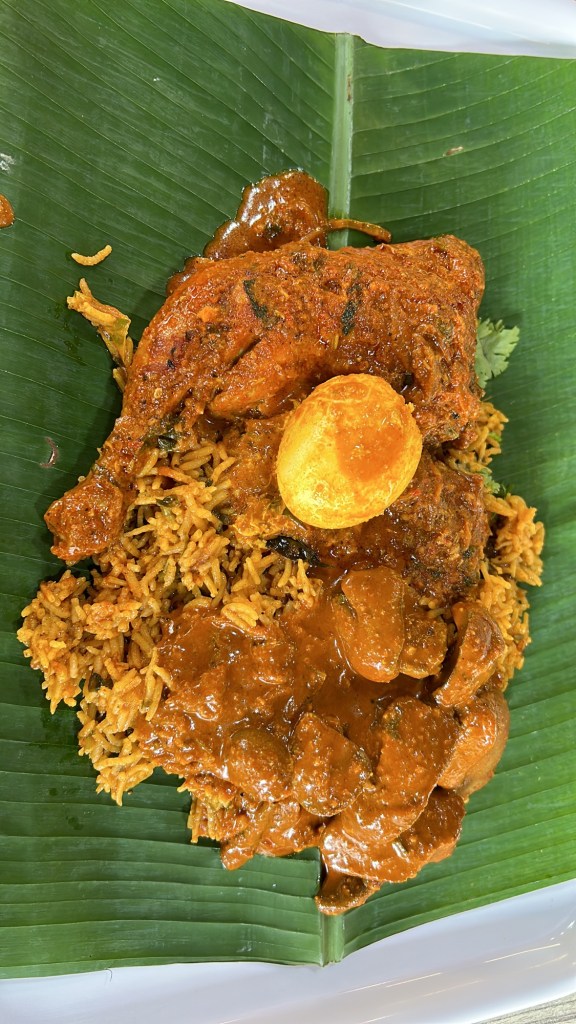
As a person who writes on food spaces in the Indian Diaspora, the connection of Indian restaurants to the desi imagination is palpable.

Punjabi Restaurant in PJ, Malaysia

Pusaka Cultural Festival

Met Mr. Eddin Khoo, the founder of the Malaysian Cultural Organisation, Pusaka at their enlightening Cultural Festival this weekend at the Godown Arts Centre in Kuala Lumpur today. Have been following the organisation’s work since 2015 and it’s such a delight to hear about a generation long initiative to support cultural initiatives across Malaysia, beyond the UN nomenclature of heritage and dying. His talk on the politics of heritage conservation and the power of ideology and ideas was a master class. As a person who is at best at the periphery of academia and is an intellectual flaneur such talks are an insight into subversive and inventive institution building.

The secular angle of the Kelantan Ramayana was a disruptive insight into the role of the transitional epic in SE Asia. The discussion on the evolution of the Malay Language was fascinating with words such as Puja being a part of the Malay vocabulary, albeit in an older iteration.

The beautiful festival has book stalls, a cafe, a Syrian woman selling Shwarma in a stall where her Husband is the chef was heart warming.

The takeaway from his talk was doing something authentic without thinking of the audience. The power of the work itself will speak in the long run.

With the Pusaka Founder
Profound talk
The event
The Tamil Drummers
The Festival Panels

Many Histories of Burma

Brilliant talk by Prof Loong on the many histories of Burma, and the role of conflict and war as shaping society. Wonderful perspective to look at a fragile state.

My suave friend Anders @theqw90 and the Spring University team do a wonderful job in this discussion series, this being the third one.

The home resides in the diaspora when the home is unsettled.

Fascinating talk

Kopitiams as Contact Zones

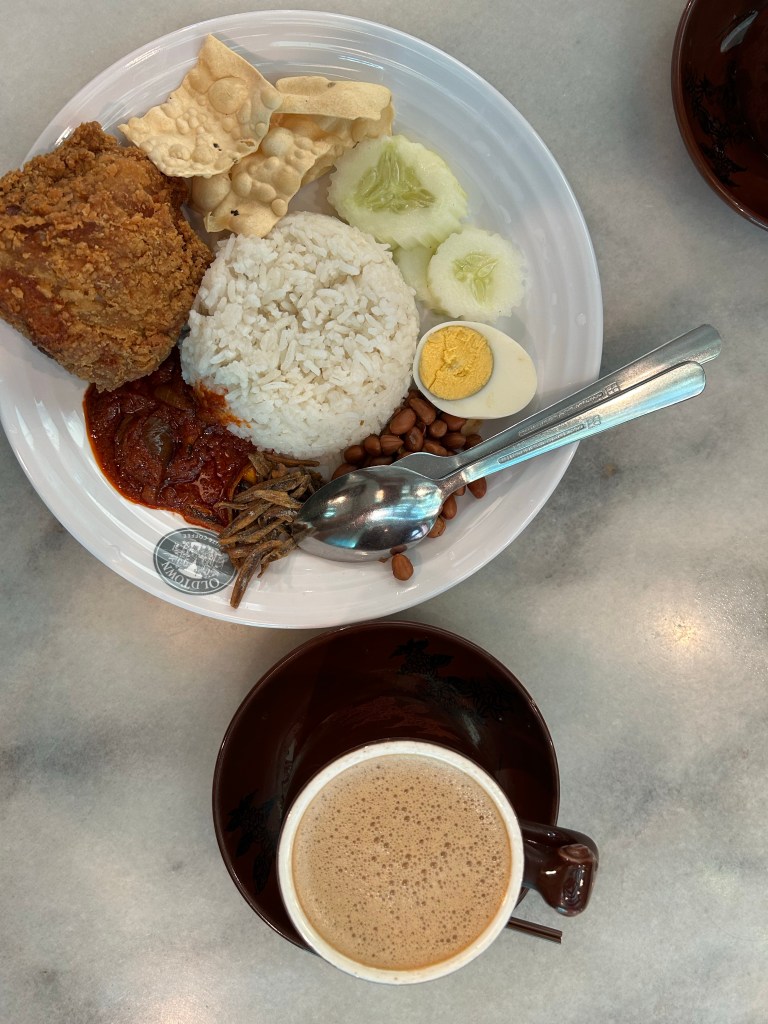
Kopitiam’s in SE Asia are phenomenal ‘contact zones’ citing Louise Mary Pratt’s work for creolisation where it is a racial blender in a wok, and food is the LCM for exchange and quotidian celebration.

Many cups of teh or Karak are gulped by migrants across the Indian Ocean to power them through the heat and humidity of the day, often in plastic bags or in cups.

Chai is an index for Indian Ocean edible circulations, something which needs theorist attention from the elite ivory tower.

Teh Tarik in Malaysia

Migrant Food Spaces

A Chinese Mee Brunch

The best ways to understand a new place and it’s cultural milieu on the street is to walk it and eat in its hyper local spaces where the regular folk eat for lunch or dinner. As a professional intellectual flaneur who studied the culture of risk, food spaces are understudied in migration or global cities literature where the affective spaces of the global from below are at odds with the shiny citadels of urbanism from KLCC to Dubai Mall to the Fullerton.

Here is a humble brunch in a Chinese coffee shop on the outskirts of Kuala Lumpur where the sound of the wok and the whiff in the air, are the symphony of the global from below city.