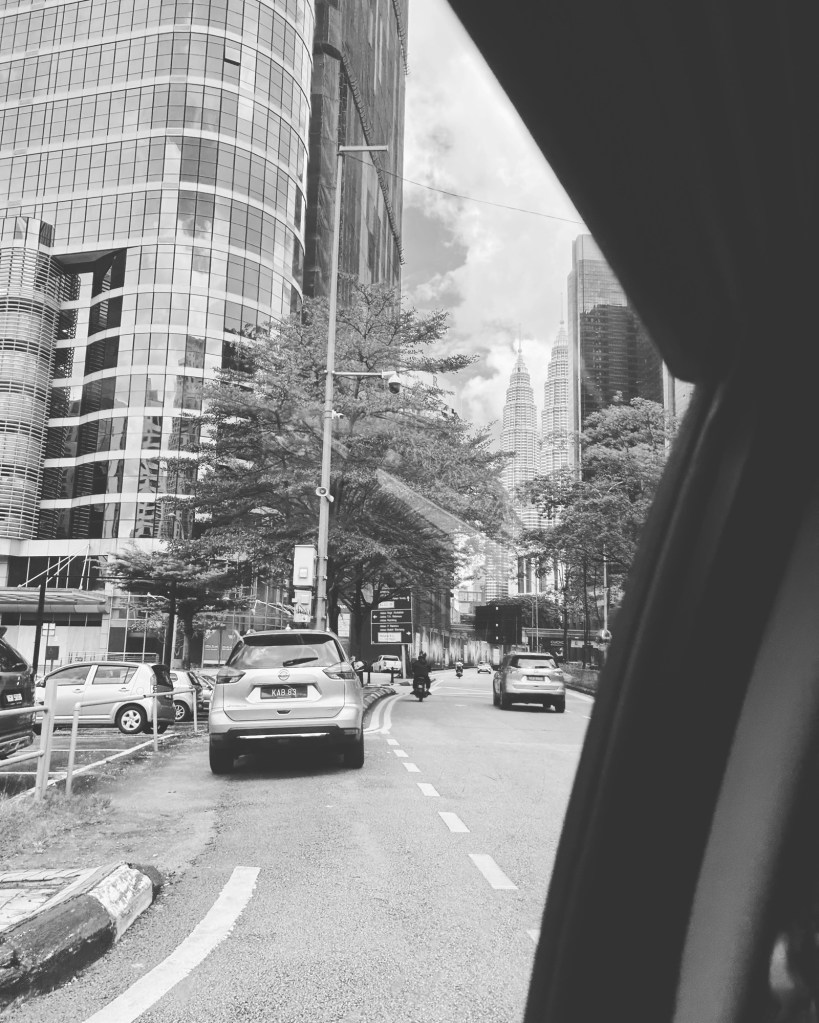
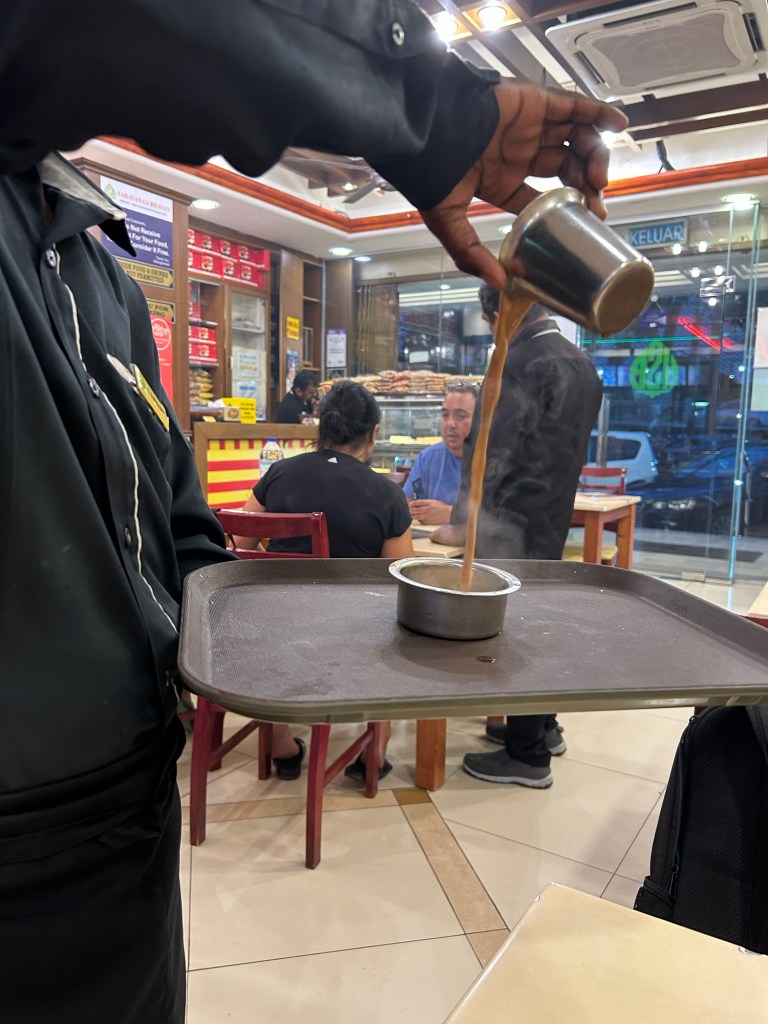
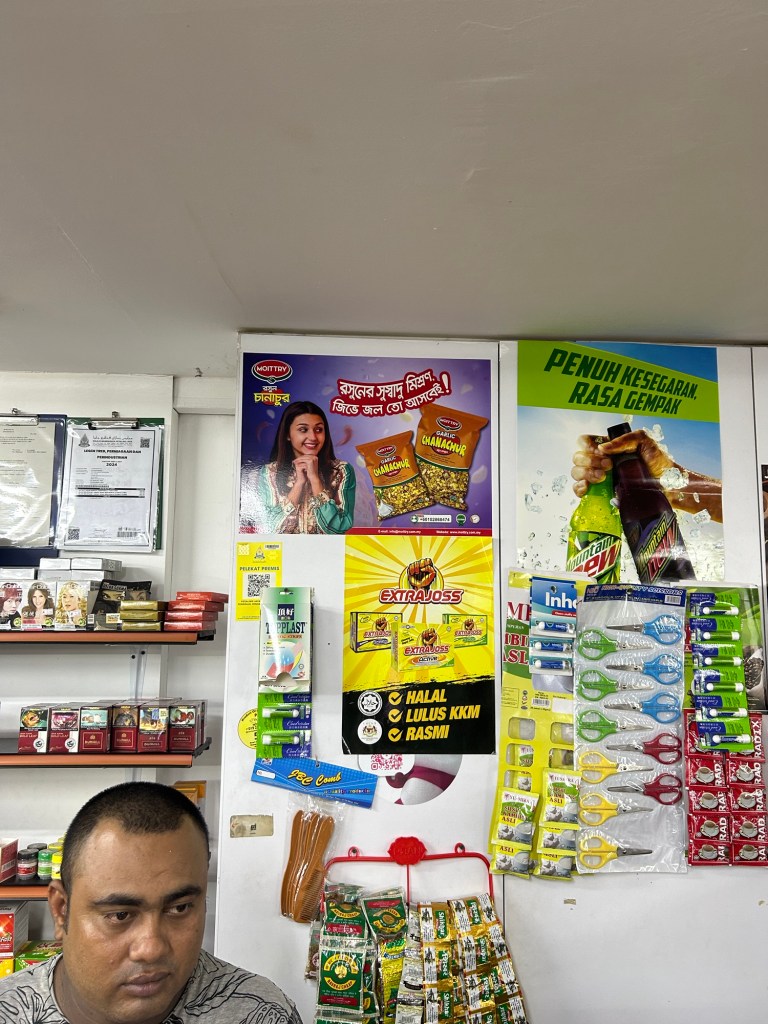
There are three needs which precarious migrants or temporary guest workers have:
affordable health care including post injury care
salary on time
an emergency flight ticket home
Civil society can easily build solutions by borrowing corporate playbooks but band aid is all they can offer. Time to do more? Think platforms and coalitions.
Karma is everything. I knew how to do ethnography and write and still do. High end theory building needs ground level knowledge, access and trust with the communities which one is writing about. A pittance of a interview token does not cut it.
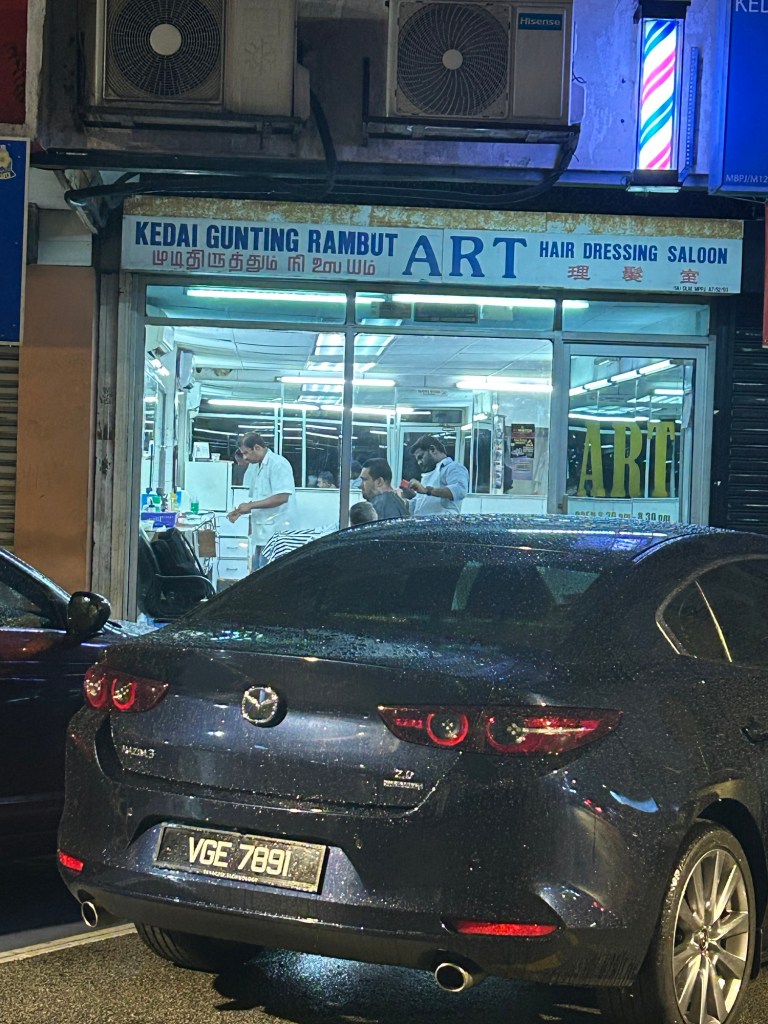
Barber Shops as spaces of transnational belonging, as the barber from Gujranwala in Pakistani Punjab started speaking in Urdu but then narrated his migration journey across Oman, Dubai and Malaysia where he has run barber shops.
His knowledge of Oman really impressed me as he ran a shop in Buraimi under an Omani Balochi Arbab and worked in Deira in Dubai for three years.
He has been in Malaysia for fourteen years and is a repository of information in many languages including fluent Arabic. He spoke about Honda Road in Ruwi, where I spent many Fridays in my teens getting a haircut.
As with all migration journeys it has not been linear, with segments in Pakistan such as during the pandemic.
I got an Arabic style beard done at Habibi Salon at Bukit Bintang adjoining Berjaya Plaza, where I entered at a whiff.
Love the Bloomberg Zero Podcast, probably the best podcast series on climate change and such an education for the impact entrepreneurial hack in me.
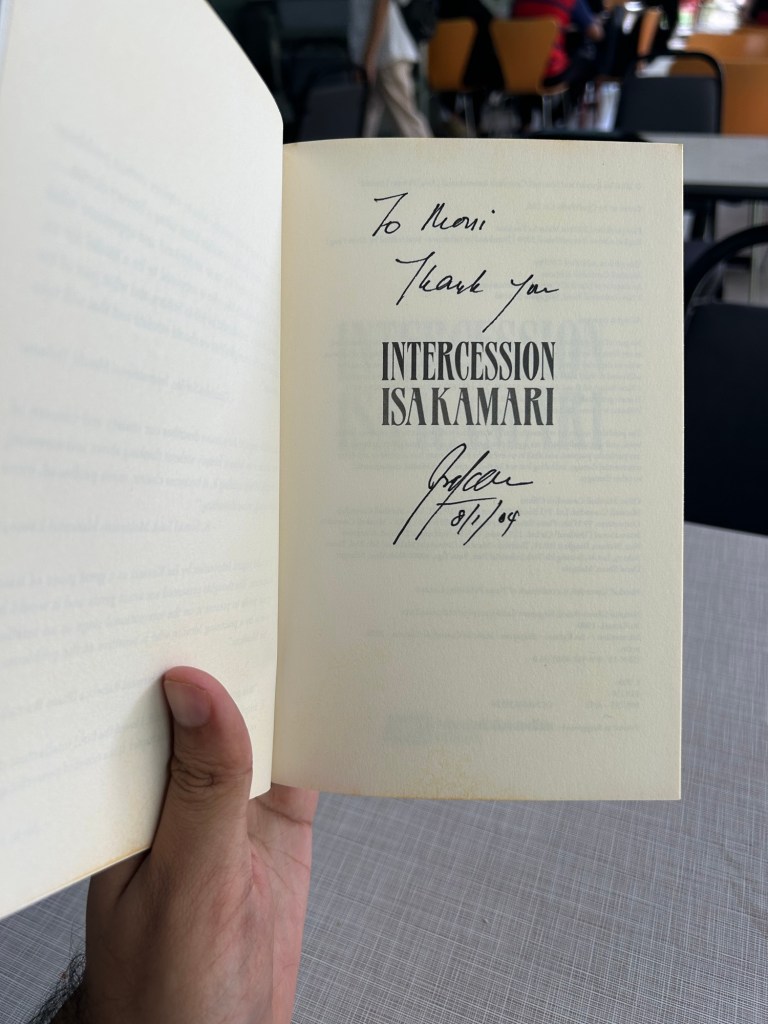
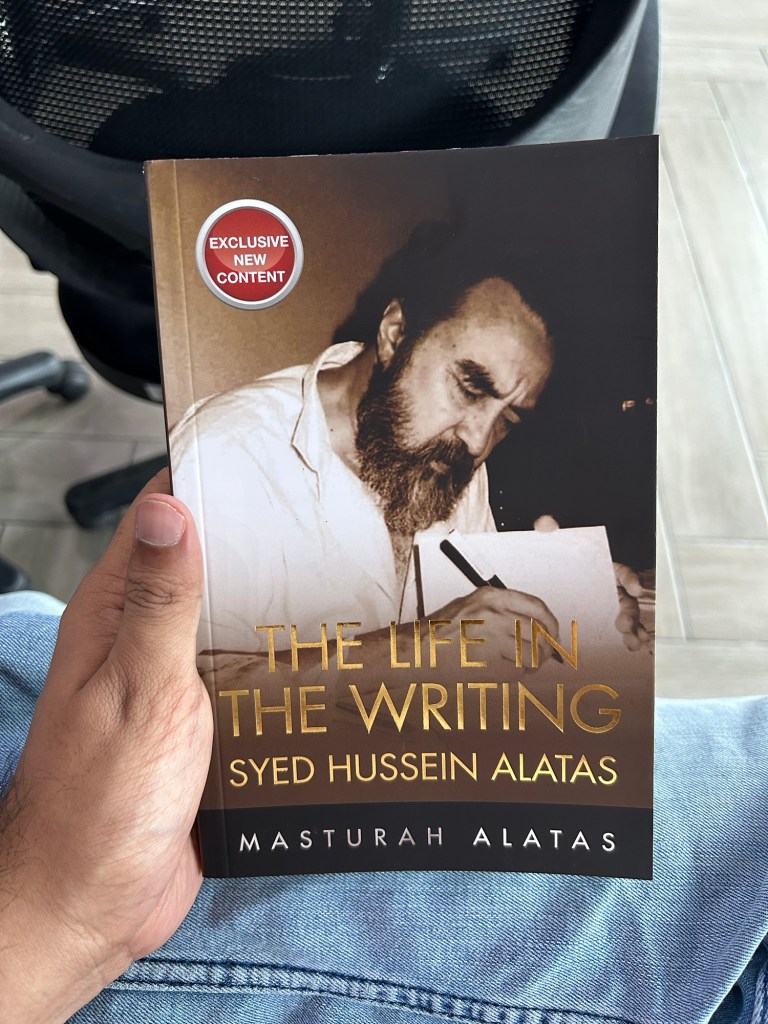
Now time for Dr Akshat Rathi’s book on solving the biggest crisis of our generation. Released right before COP 28, I look forward to delving into the book for practical insights on configuring solutions for the climate zeitgeist.
Picked this book up at Kinokuniya bookstore at KLCC on Diwali. KL has a solid set of bookstores for the nerd in me.
At one of greatest sites of diaspora Hinduism, the Murugan Kovil at Batu Caves, Malaysia is a celebration of an Indic imagination beyond the imagination of the post colonial nation state.
The young Nepalese men speaking in Bhojpuri caught my attention, as many were trying to make reels, influencer style.
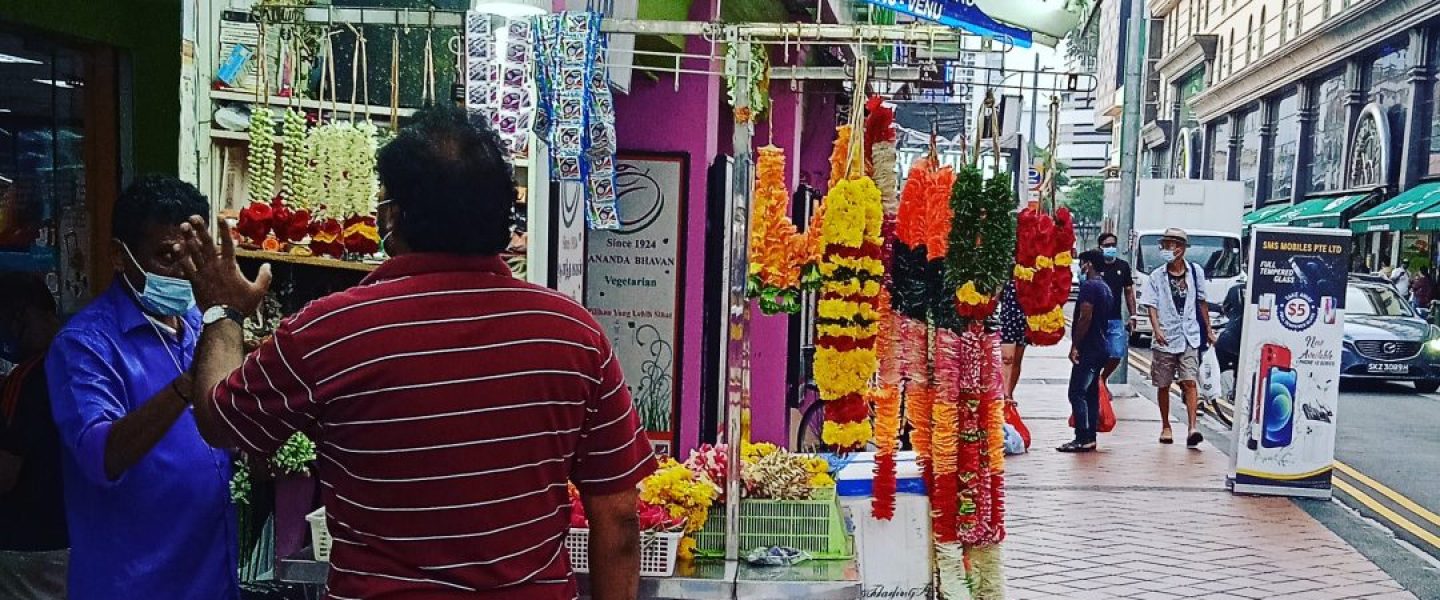
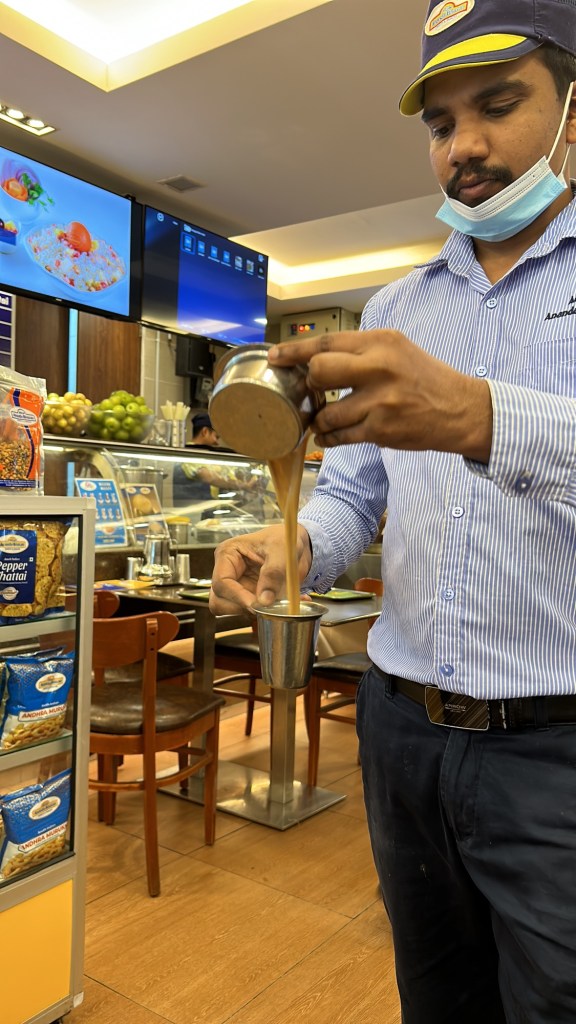
Festivals are occasions which are a rupture in our everyday modernity to remind ourselves of tradition and it’s various iterations and ramifications. The fervour with the thumping music, the women lining up for henna and the sweet stalls buzzing with customers packing for Deepawali/Diwali in the Brickfields area of Kuala Lumpur was stunning as normally for a person on the move such as me, the festival event is usually a clutch of photos on the digital. As cultural event, Deepawali has great significance for me, growing up in a liberal Hindu family. As I walked around temples in the Brickfields area, the posters in Malay announcing celebrations for Diwali with Tamizh was a sense of an anchor in a past moving world, where dopamine hit exhaustion is the normal. The cracker stalls was a trip down childhood with the loud crackers going off around me was a necessary note, that not all innocence is lost in the woke era.
Wishing all friends a blessed festival of lights. Binge on the mithai and the murukku.
Diwali Ki hardik subhkamnaye.
Deepawali Valthukkal Makkal.
The Brickfields Vibe on Deepawali Eve The Main Street The main entrance to Little IndiaFestivities The Street MarketThe Fire Cracker StallDeepawali EventThe Backstreets of Faith in Brickfields
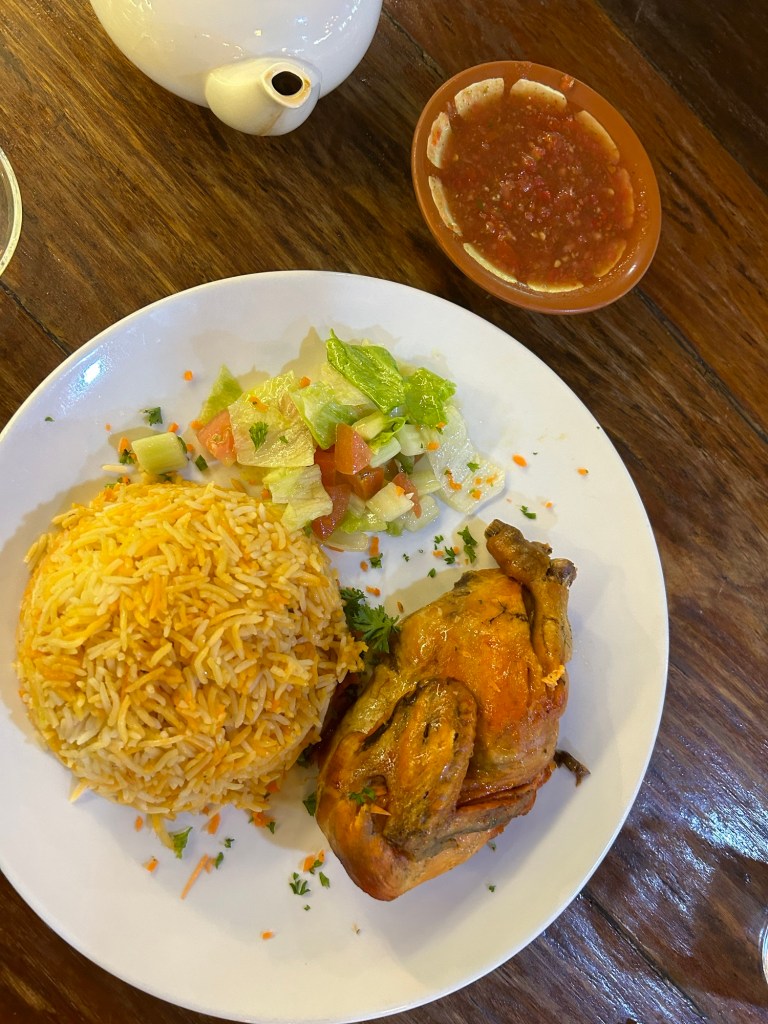
Es Chendol at Kedai, Century Park HotelNasi Bakar at Rembolan A Nasi Padang Place on the way to Lotte Mall from Menara Standard Chartered. Excellent Fate at Grand Indonesia MallGudeg JokjyaA Warung near Lotte Mall
Channelling Jakarta, a book by AbdouMaliq Simone
To walk a city is to know one sensorially, and to eat through it gives a snapshot of the place. A lot of times on Jalan Sudirman with the dedicated bus lanes and the traffic, it felt like Pune and places such as Chakala in Andheri in Mumbai. A true mega city of the Global South, Jakarta is a treat for the senses as most mega urban conglomerations of thirty million plus populations. My engagement with Indonesia is old, my boss at NTU in 2011 was from Makassar and wrote his book on the New Order Technological Politics of BJ Habibie. He introduced me to Indonesian fare at Orchard Road and I have been to Jakarta and Bandung in 2012. I worked on a research project with Airport workers in Jakarta during my first PhD stint at NUS. Indonesian diasporas are seen everywhere from Dubai to Singapore to KL.
The Warungs by the streets were tapri’s from my hometown of Mumbai, the energy at every corner is evident. The posh malls have great local and global fare often at a fraction of the price in Singapore, albeit at the same outlet. Food as a lens connects, to create connections of the heart through the stomach.