Barbers of Muscat : Late Modernity’s Last Stand

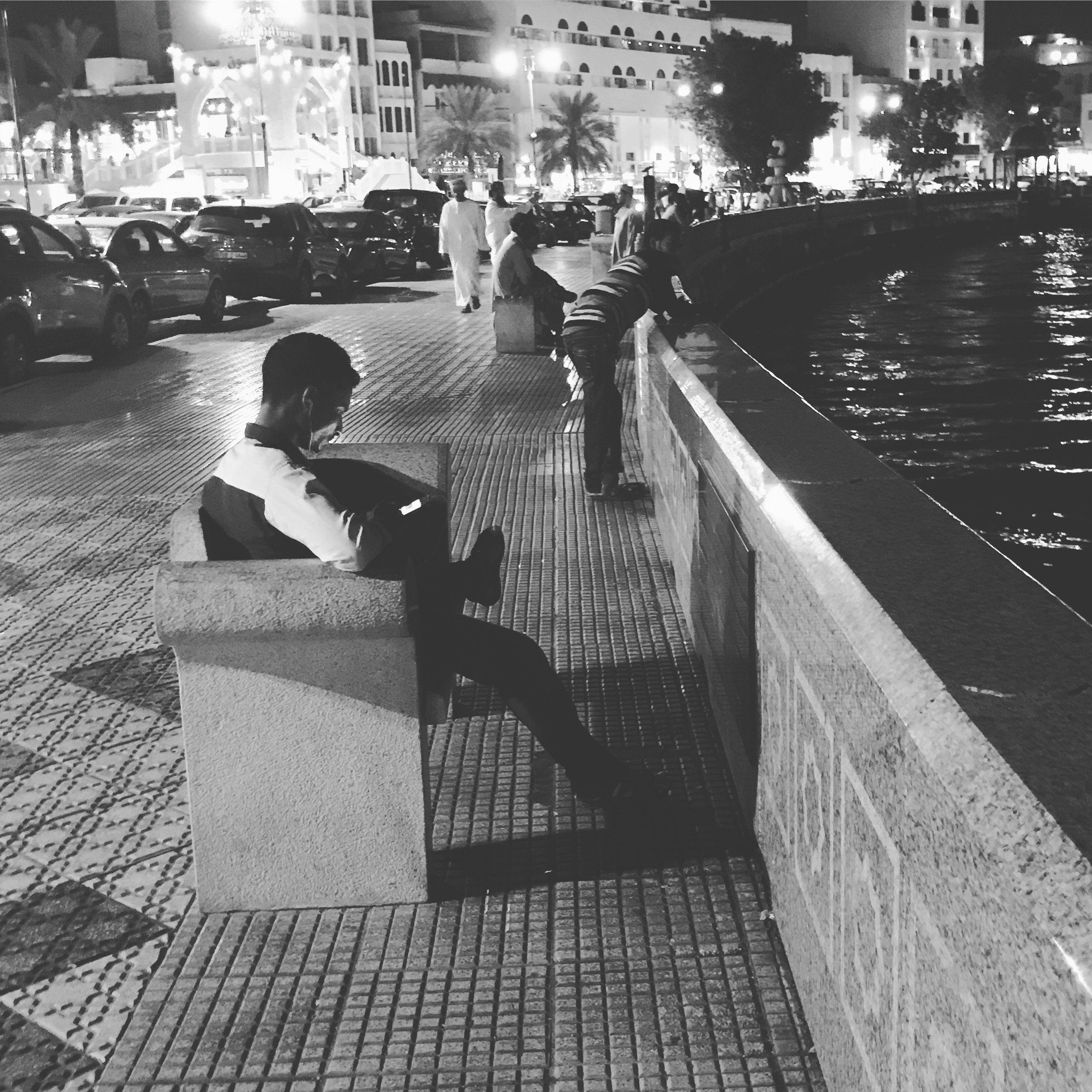
Pic1: The Egyptian Salon
Pic2: Barber from Cairo
Pic3: My Childhood Barber Uncle


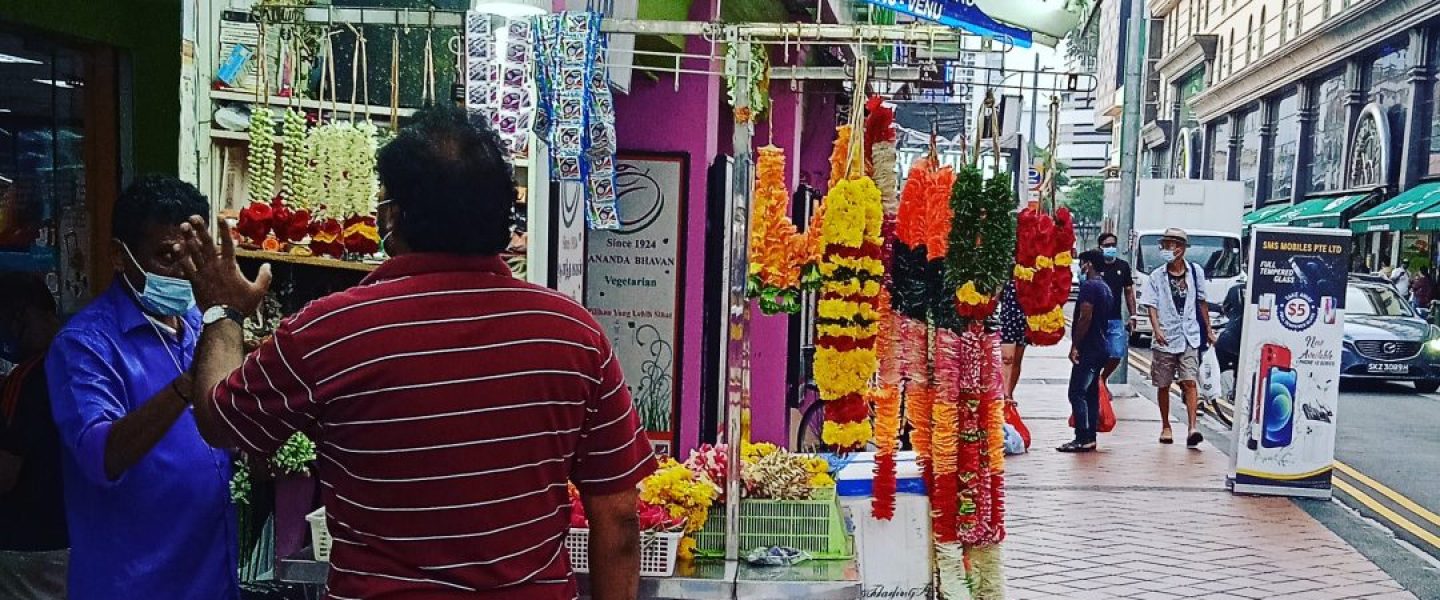
Pic4: The Malayali Barber Shop Rate Card

A lot of things are changing around us; technology, people, nature of work catalysing ‘progress’ the world over. Traditional professions are relegated to the margins of media discourses. These professions are ought to be outsourced or automated. One profession which will be probably the last to taken over by robots will the good old Barber, or the updated nomenclature of ‘hair stylist’. People like to look good, self image is vital. 

Barber shops in Muscat from the traditional commercial centre of Honda Road, Ruwi where my childhood barber uncle from Chittagong, Bangladesh still cuts hair as if time has stood still over the past twenty one years. He talks about the state of the Hindu community in his part of world which is deeply persecuted. The politics of South Asia trickles down in to everyday migrant experiences. He is very interested about life in India especially Calcutta, where many of his relatives have moved across the border. The operative language of the street is Bengali, and I hardly speak in any other language other than my mother tongue. Malayalam and Gujarati has been substituted with the lingo of India’s eastern neighbor. Barber Uncle is more a player coach now a days with his nephews running the show, as he takes extended trips to Bangladesh as he is growing older. The barber community in Bangladesh is a preserve of the Hindus, he had informed me once. A particular cultural nuance, which I would like to explore deeper. Uncle, charges me a pittance for a shave. 

The good old Malayali Barber however puts up a good fight. The decor in the saloon, is traditional with silos and a partition which makes the view from outside in opaque. The television is tuned to Asianet Movies where the Tamil version of Akshay Kumar’s Holiday with Superstar Vijay and Vidyut Jamwal is playing. The not so young man from Palakkad, does a neat job with a shave. In the 1990’s, the entire community of barbers were from Kerala. 

Another section of the barber community are from Al Misr/Egypt and Turkey. These places are more plush, and do not have the feel of economic decline which plagues these Indian/Bangladeshi run saloons. Saloons is a term, used in Indian English in contrast to the ‘Salon’ which has connotations of luxury rather than bare functionality. 

A team of four barbers from Cairo run this proud Egyptian Salon, with recitations from The Holy Book, running on loop, indicating the Holy Month of Ramadan, a time of celebration of faith. The time was after Iftar, the salon was opened when I came in. Islam, the hair stylist treated me with style with a facial, shave, haircut and ear wax. This metrosexual package cost me a grand total of 6 Rials, about 20 USD. It’s a fraction, of what I pay at Tony and Guy at South Delhi. 

Barbers are an erudite lot regarding the pulse of society, and make for very informative commentators. 
Prof Amit Chaudhuri’s ‘Friend of My Youth’ : A Book Review 

Friend of My Youth by Prof Amit Chaudhuri is a beautifully written book on the mundane mechanics of life as wonderfully articulated in texture, tonality and fine print by the author. The narrator, a author himself returns to the city where he grew up, recalls the neighbourhood vibe, the small details and his relationship with his childhood friend Ramu, which is a proxy/parallel to his indifferent relationship to Bombay. Tones of memory, nostalgia and pathos dominate the book, easy on the lexicon, while the soul is intact. I get the same vibes in Muscat, where I grew up. We have complicated relationships with them. 
One does not require a tome and ‘exasperating farrago’ to communicate. Brevity and Politics with a small p make up the conceptual structure. The pace is slow, and does not make an effort to arrive anywhere, sort of a protest against globalisation and the pace of the city, in particular Mumbai vis-a-vis Bombay. Many reviews have cut short the relevance of the book, focusing on the non destination style of writing rather than love which is sprinkled in the book’s writing process. I was fortunate to attend the book launch in Delhi, as I was very keen after reading the good professors work on Calcutta. 
It is not a read for the mass based reader, no Durjoy or Chetan here. A must read for anyone interested in Cities and the evolving nature of India. 
#bookreview
#changethinker

Farmers, Jobs and the Delusion of the Digital 

The mad rush for the digital aspects of governance in India is certainly more than achieving innocent efficiencies and increasing the tax net. The move to transform citizens into tax payers, costumers and employees is a grand neoliberal economic project in which delusions and escapism is the over riding sentiment undergirding the initiatives without focusing on the basics such as increasing the budgets for innovation research where automation is eating away thousands of IT jobs as the traditional bell weather destination for middle class jobs. Farmers are protesting and getting killed as political class has neglected farm reforms for decades to safeguard the rural middle class vote, while one farmer commits suicide every 41 minutes. All the talk is about ‘smart’ : from phones to agriculture to cities. We need is a dose of hard nosed focused towards implementing safeguards and creating opportunities for farmers, and not only telling them to download an application to check the weather, and join the market. Aadhar is creating an informational grid to underwrite the economic project called India, but is more about manufacturing an aspiration, rather than the tough decision making towards creating employment. The deleterious impacts of Demonetisation are coming to the data sets released by the government as well. Rethink, retrain and imagine.

Mutrah Souq: Heritage, History, Commerce

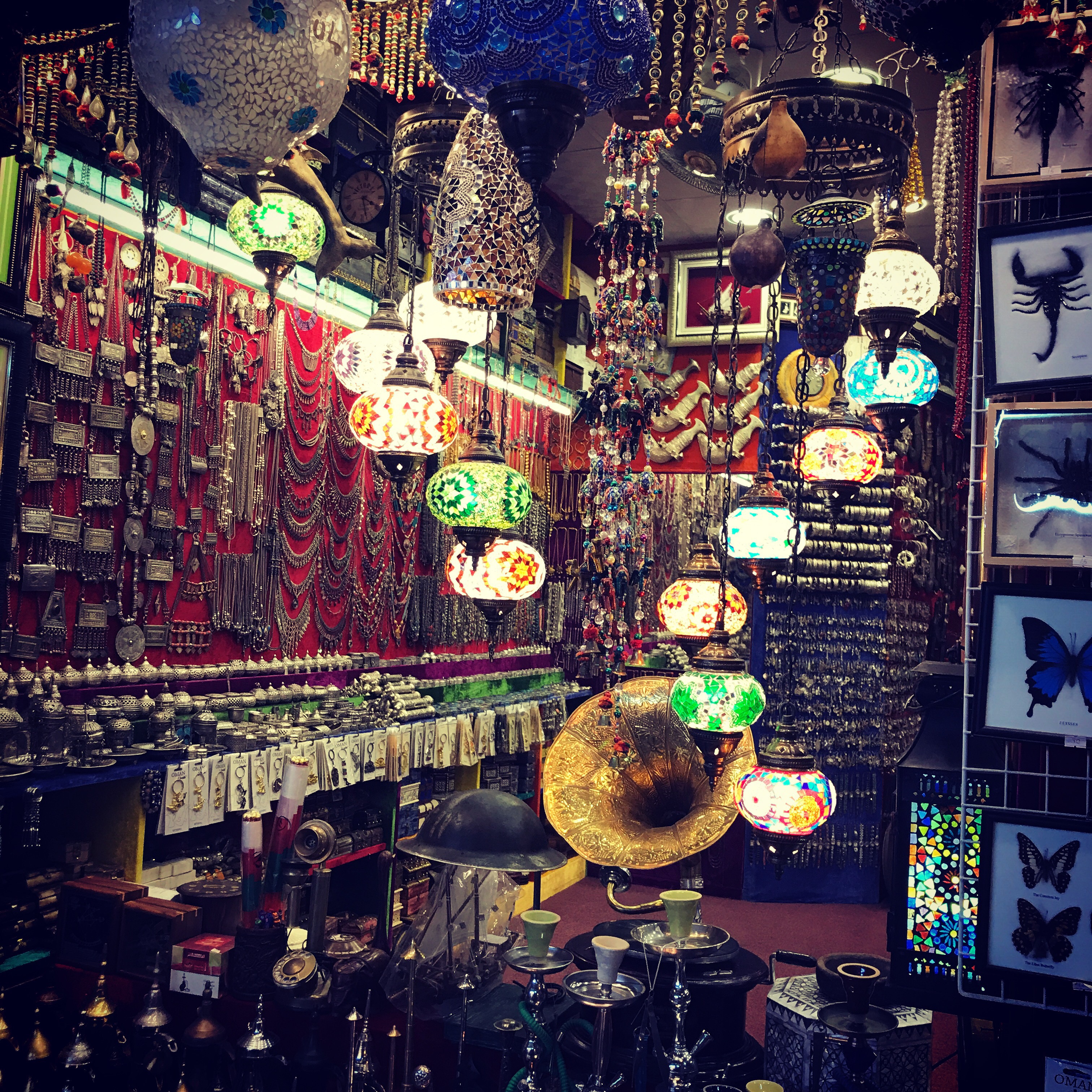
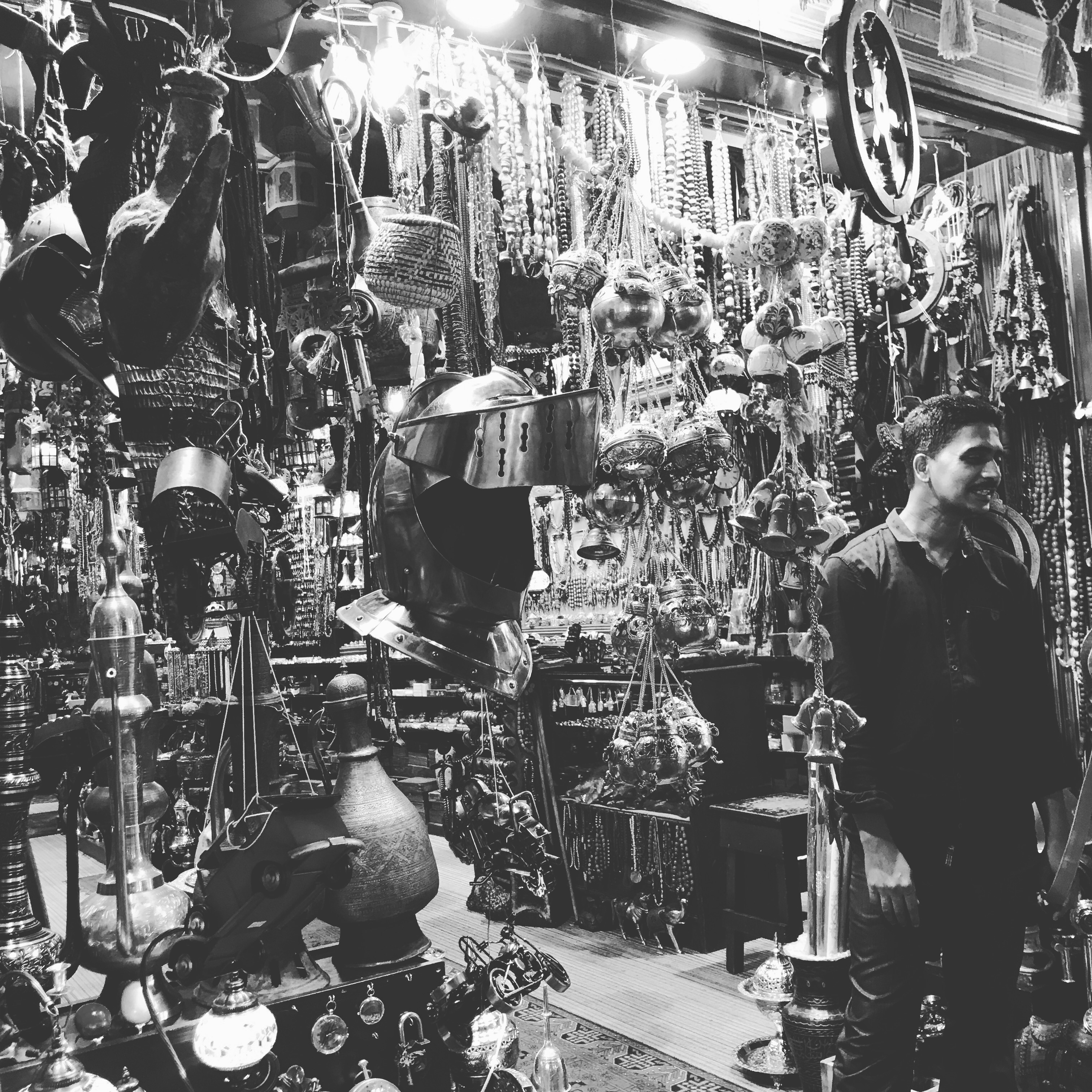
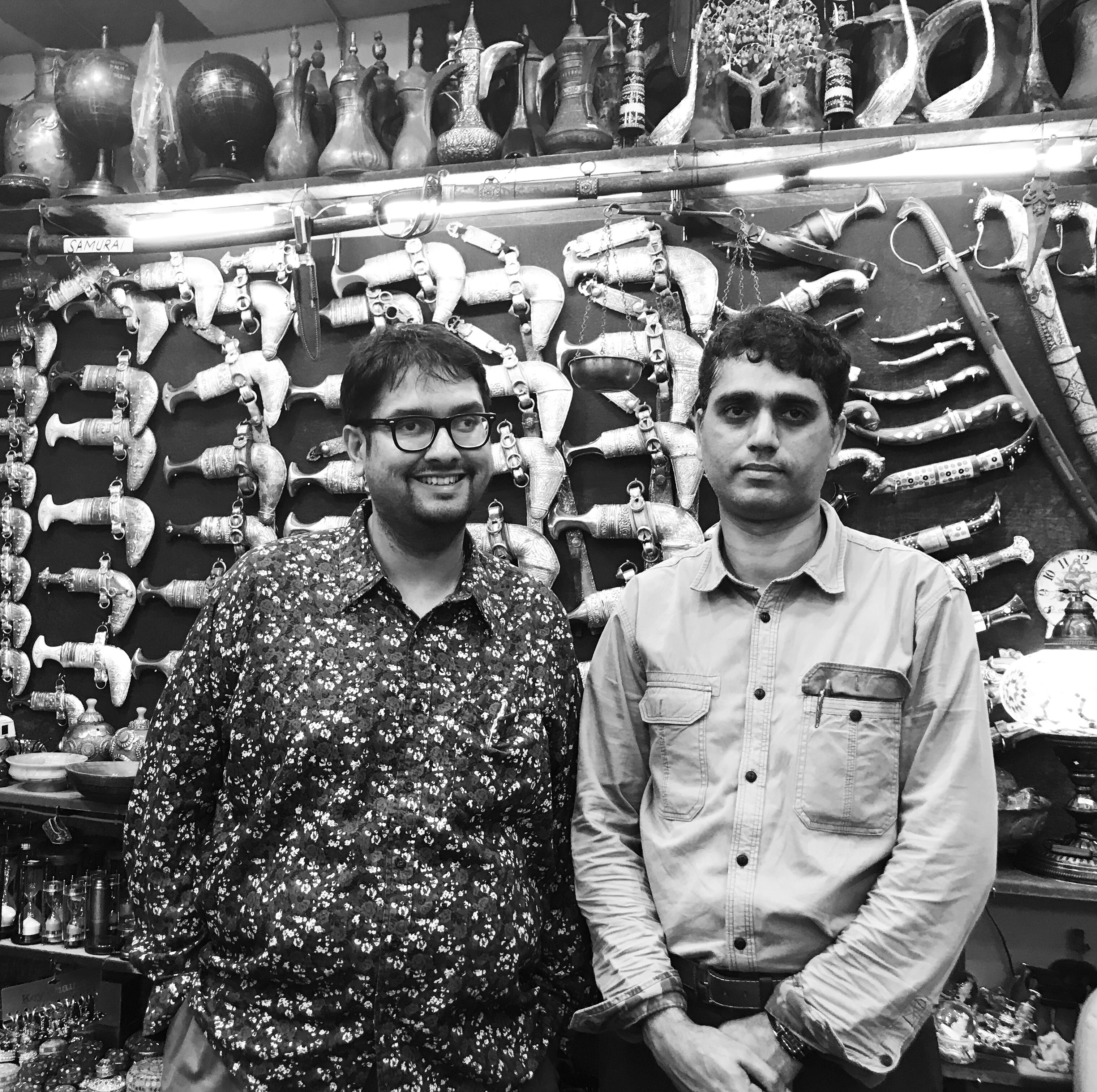
Mr Shahid Chougule from Mumbra on the outskirts of Mumbai, a Muscat resident since a decade has made this beautiful antiques shop in the winding bylanes of Mutrah Souq, a charming old Musqat commercial neighbourhood, evoking the maritime trade routes of the empire. We spoke on the tourist seasons of Oman, and the off season during summer that we are in at the moment. The Urdu and Marathi medium educated Chougule quipped in Marathi about his interests in old coins and spoke about how Bengali is taking over as the language of the street when once Gujarati and Malayalam reigned.

India-Pakistan Cricket: More than mere sport 

Sport is a backhanded way of expressing Nationalism, paraphrasing Prof Amit Chaudhuri’s statement in a recent interview in the Indian Express on his new book, which I thoroughly adored gorging on. The media hype in the aftermath of the London Attacks were insensitive, but we have normalised and internalised violence in our daily lives with Manchester,Berlin and Paris in the recent past.  
The theatres of Nationalist exuberance have been the same since the India Pakistan Test Match in 1999 test at the Eden Gardens, where a Lakh people had gathered and Geoff Boycott had famously quipped that when ‘ these two countries are not exploding nuclear bombs, they play cricket’, as this game is a metaphor for phenomena more than the humble sport itself in India. 
Sport is about a game, evaluate it for the ‘beef of the matter’ BMKJ
#lifeasawriter #muscat

Counting ones blessings 

I thoroughly cherish the opportunities which I receive as a writer-researcher, trained as an engineer and I happily work as one(!) and believe engineers have a duty to communicate better especially environmentalists who are in the business of risk communication – working on a book draft and other shorter projects. The journey has been arduous, and I count all the blessings in the form of mentoring, support and plain hand holding at times. Glad to be in worlds of praxis and theory and navigating it everyday.

Articulations about Sustainability 

Sustainability is an oxymoron, even professionals vaguely understand it as quote a definition from 1987 Brundtland Report. Sustainable development is understood to be different aspects to disparate stakeholders. The context is the king maker. Every geographic reality will have unique demands. Environmental, Social and Economic Strands are deeply intertwined in ways more nuanced than simplistic portrayals of portraits. 
Sustainability has an element of social and ecological justice operationalised into politics through policy, programs, projects and tactics. Sustainability at its heart is liveable communities at the sidelines of a rapidly urban space. Sustainability lies at the disciplinary borderlands of theory, praxis and imagination for a better world, undergirded by geopolitics, local governance and the neoliberal instinct to make a quick buck. 
Reimagining Sustainability is a hollow tag line if there has not been enough thought to think through the limitations of a climate change skeptic polity, identity driven articulations of every day life and the sheer mad rush for the bottom line. Rhetoric makes buy ins temporary, and rule books don’t make clean air, will to do things for a healthier world does.

Suzanna Roy: The Perils of Success

There is a literal cottage industry to undercut Suzanna Roy from critics, creative writing professors to her ideological adversaries. She will make more money than ever. It is obvious that her activism will percolate through her fiction. Lives are not lived in neat compartments. Most folks who read CB criticise her. The paradox of the aspirational middle classes. 
Her publisher will make a killing. Someone tag Meru Gokhale of possible.