May Day 2.0 : Thinking for the Polycrisis

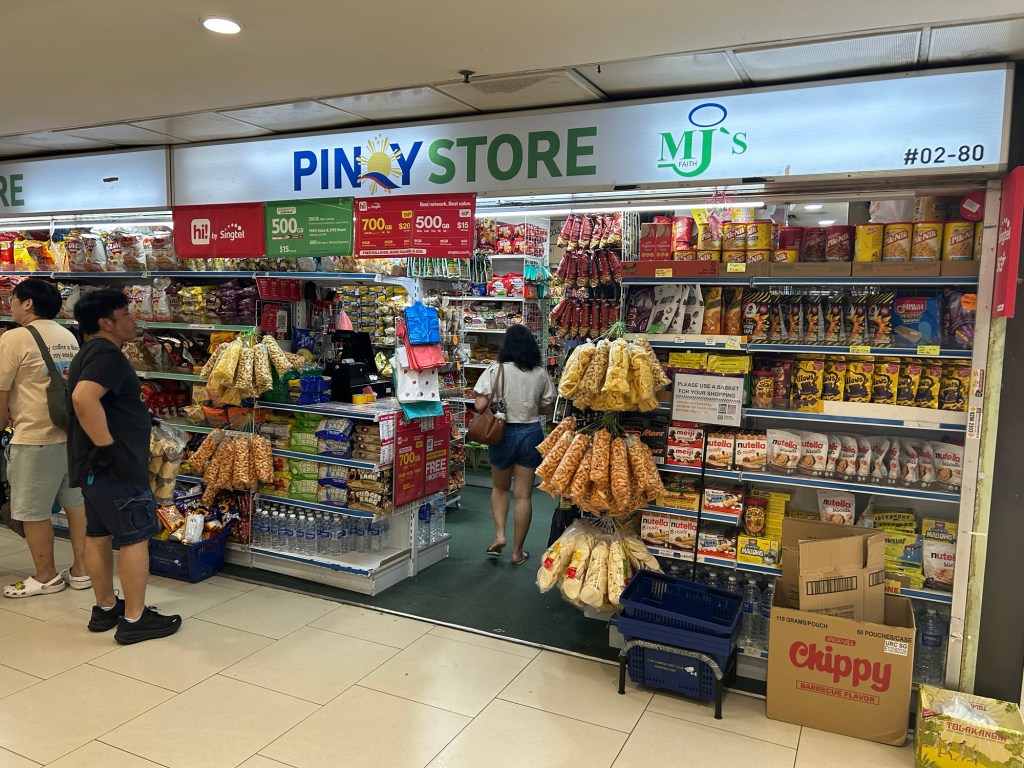
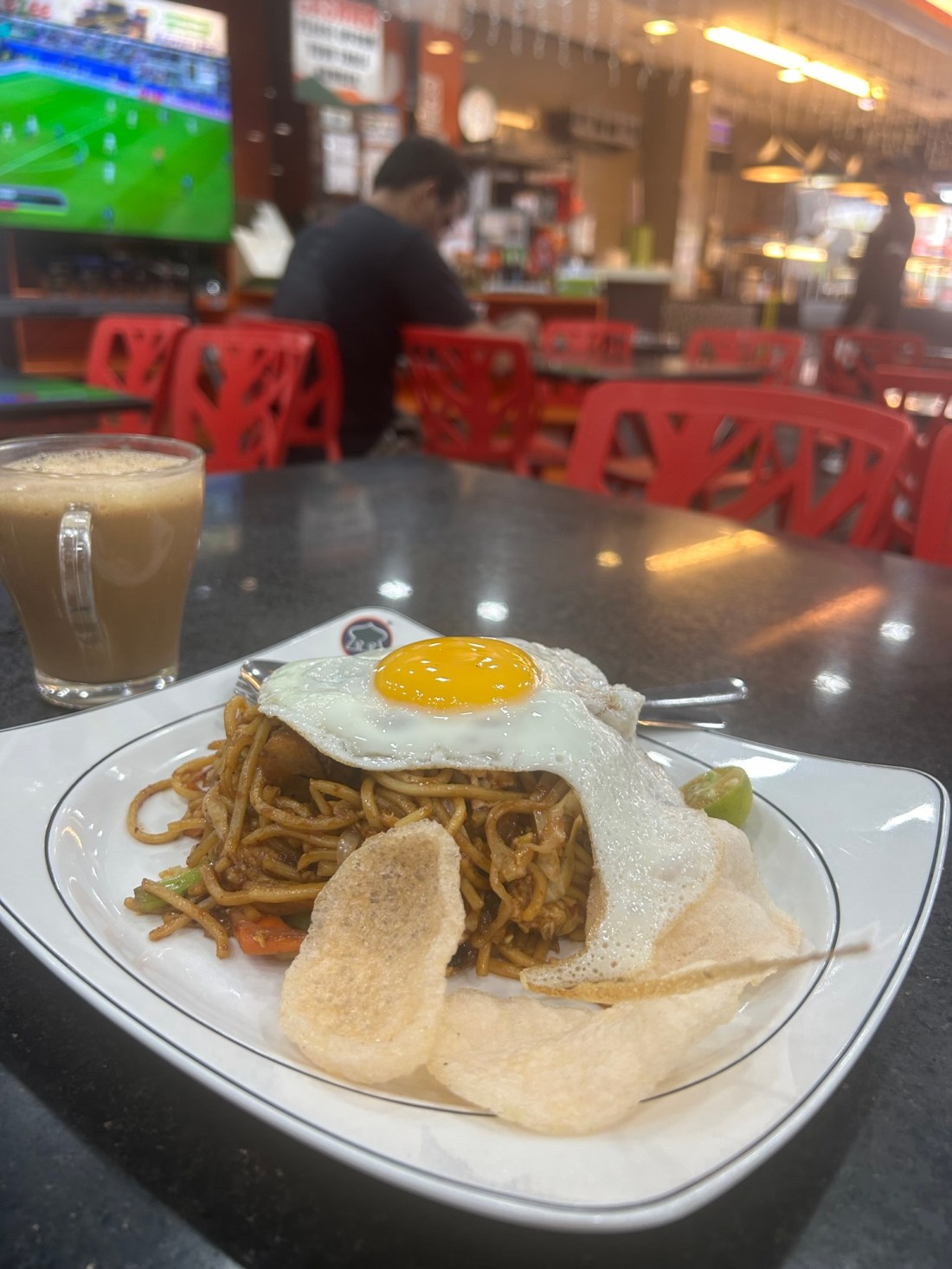
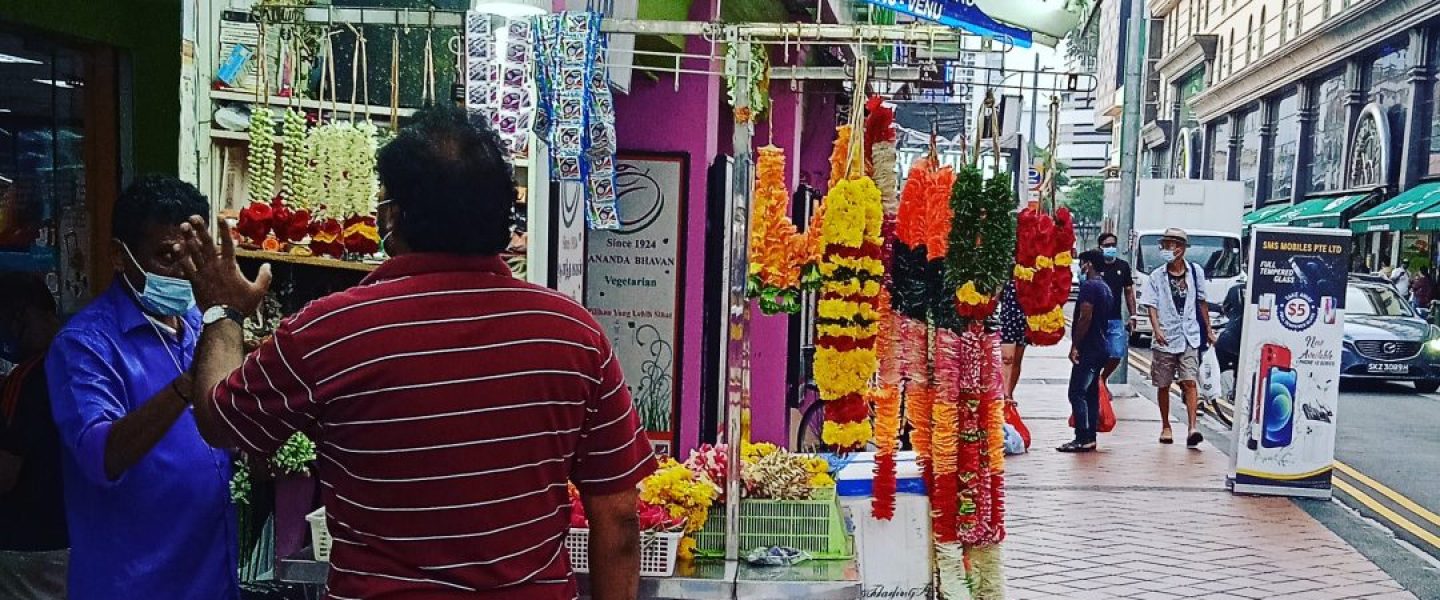
Most F&B jobs are informal

May Day is a vital remainder for the struggle for dignity, in a time where there is a fog of multiple intersecting crisis, automation, wars, climate and a deliberate attempt to frame anything to do with the rights based approach as one which is anti business. People work inherently to support families, and not to oppose the employer. Yet the labour question is one framed by precarity. The welfare state in India is extensive for the poor, on the one hand and on the other a new labour dispensation streamlines many matters which may be perceived as pro business. The reality is often context based.

We frame the May Day narrative as one which has the industrial worker in mind, but what about platform workers who deliver in the scorching heat of summer?

My sense on the ground in India, is that this precariat will drive politics in urban seats as India goes in for delimitation which will increase seats in Mumbai and Delhi from 2029 will be the way labour politics will eventually move.

The trade off is delicate, where formal jobs are few without a good safety trampoline in President Tharman’s words at St Gallen. The AI disruption is a blood bath in the Indian tech space, which was the middle class social mobility escalator for three decades, has been switched off. For all the business friendly banter, how does May Day relate to them.

The labour question is gendered and intersectional, and a reparative archipelagic approach is required as we look at Noida or the Farmer protests. The questions are political, and need to be baked in to legislation.

Reclaiming Time on the Beach.

Bombay has few truly inclusive public spaces, and the nature of the sea is often not apparent to the everyday Mumbaikar, as the pace of life saturates the quotidian. Today evening, for a few minutes snatched from work, research and the creeping attention economy, i realised that life could potentially be paused from the perennial hustle. The fishy aroma, the boys playing cricket, soccer balls crisscrossing the sand on the beach. Ofcourse this stretch of the beach is away from the massy Juhu beach, behind a posh bookstore on Juhu Tara Road, where upmarket jogger’s made space with a cross section, hijabi girls reading novels, sari clad women in a group walking along the beach.

This city is fractal which is expected of a large global mega urban agglomeration. Deliciously varied and violent, the urban is a work in progress.

Food as Festive Markers: Nobo Borsho 2026

Probashi Pangs of Noboborsho.

Kalchaar is archived and marked on days of note, and celebrated through food. A good payesh is a reminder that culture is mobilised through the plate and palate. It is also a reminder that thanks to mobility, access to authentic Bengali fare (Kolkata variant) is also easier.

There is no bohiragoto, as my father is an ethnic Bihari from Shantiniketan and my Ma is a Bangal from Chembur, and I grew up in Oman.

Payesh/ Mishti Doi

Post War Sustainability Imperative

The value of sustainability spend is in the capacity one builds while doing your human rights due diligence training, POSH workshops, sustainability reports and your CSDDD preparation for next year. One report at a time, we curate the culture of safety in an era of war. Do good, by updating that human rights policy or HSE policy that no one bothers after probation, or by understanding that corporate reputation can be dented, irrespective of which crisis communication rockstar agency that you can hire which could have killed a bad story in a previous generation.

We are all worried regarding blockages of the maritime and the cardiac sort. And it is not good for our health, the financial kind. Lender and Sustainable finance towards electro states building (channelling Tooze) will be on the uptake as energy security will dominate the loan books.

The green transition is an ethical way of building the solar grids and transmission lines we need, without the accidents and violence.

Sustainability measures accumulate over time, create culture of psychological safety and resilience, the practice of it and not the definition.

Sustainability for the post war will mean less hype, more substance.

On BFM FM Malaysia

How Late-Stage Capitalism Produces a World of Permanent Crisis

Today, we’re living through what often feels like a constant stream of disruptions, from wars, economic instability, the climate change, and even loneliness and a loss of meaning and purpose in life.

In an article for For Pol India, political analyst Manishankar Prasad argues that these crises are not isolated but intertwined and due to late-stage capitalism. In this episode of BFM’s Beyond the Ballot Box podcast, Dashran Yohan speaks to Manishankar about how these overlapping crises may be a structural feature of neoliberal capitalism, driven by inequality, financialization, and the concentration of power in the hands of the elites. They also examine how automation and AI, rather than liberating people, often displace workers and deepen insecurity, contributing to a broader loss of meaning, and so much more.

Listen here 🎧👇🏾
BFM Website: https://www.bfm.my/content/podcast/how-late-stage-capitalism-produces-a-world-of-permanent-crisis

Spotify: https://open.spotify.com/episode/6NmMUAdHA41KXCYOnEPRra?si=MrqPVjUlTdmT-Tz_zfjHWg

Malabari Biryani as Memory

A plate of Thalassery Biryani is a trip back to Muscat, where we used to have this at Al Bawader Restaurant, an old school hole in the wall eatery in Al Khuwair near the now famous Turkish House after Jumma Solat. The place opened after prayers and ran out of biryani after ten minutes. We used to make a line to buy the Friday special. Those were simpler times, where joy used to be a plate of malabari biryani. The real Kerala story is read in malabari biryani or motta set, often in the Gelf.