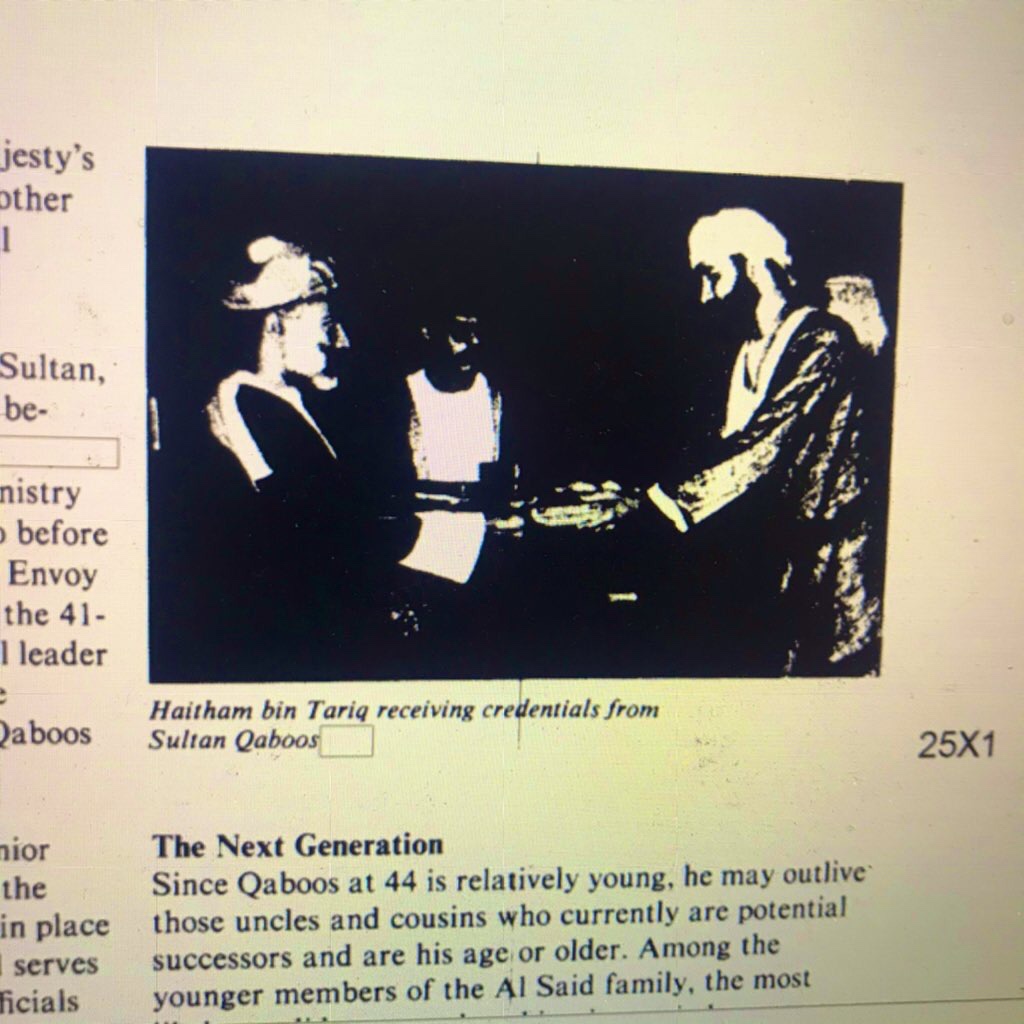
1985 Authored Declassified (2012) Sanitised CIA Intelligence Assessment titled Oman: Domestic Forces and Succession identified the current ruler as a potential successor 35 years back. Some foresight in analysis.
Through the Highways of Globalization
1985 Authored Declassified (2012) Sanitised CIA Intelligence Assessment titled Oman: Domestic Forces and Succession identified the current ruler as a potential successor 35 years back. Some foresight in analysis.
Day 11 of #21daylockdownindia in Devachi Uruli, Pune Rural. Good to see spirits high as most shops are open, including sweet shops but with no sweet. Stocks of some items are running low which is obvious with the slowdown.
Most vendors seem to have regained lost business. More masks, however social distancing is still missing.
If the amount of social media critique was actually funneled into carving a legit political opposition in India in the past six years, may be with regional players or with emerging outfits may be a hint of a counter narrative would have emerged. Building is hard, typing away is easier. And it would not have any impact on the voter on the ground, as the middle voter does not see an alternative. A 95 year old deep state organisation is subliminal and on the ground, omnipresent.
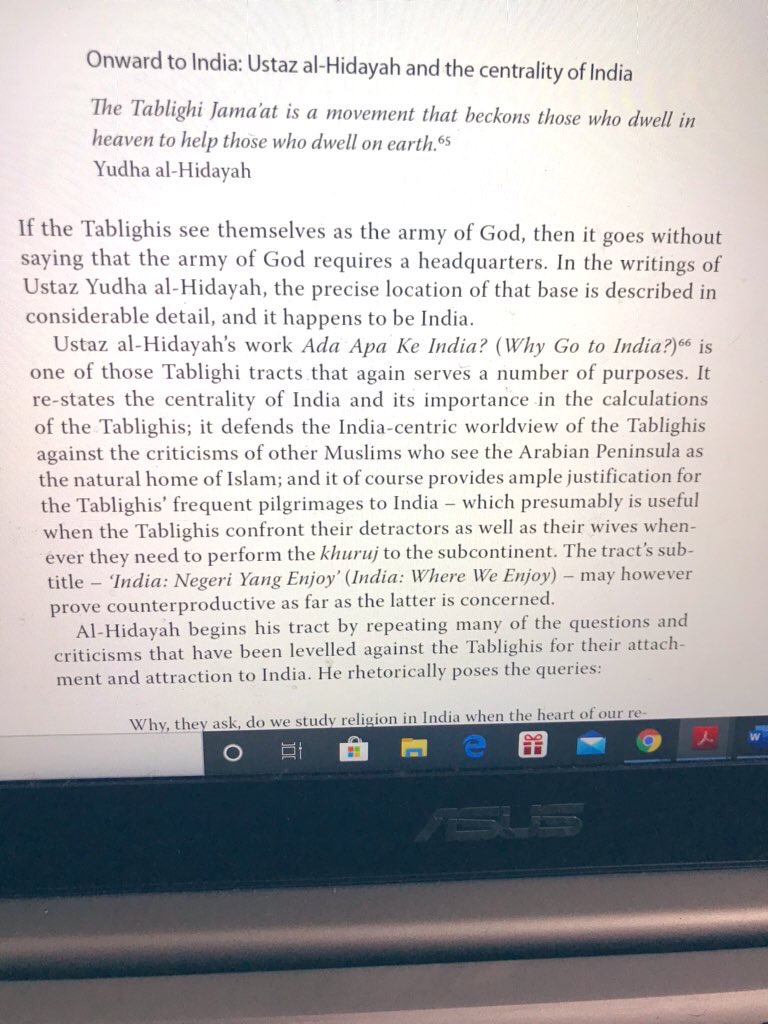
The Centrality of India in TJ’s worldview inspite of it being a transnational Islamic network.
Page 103.
Islam On The Move, Farish Noor
Understanding the Markaz incident recently, via evidence.
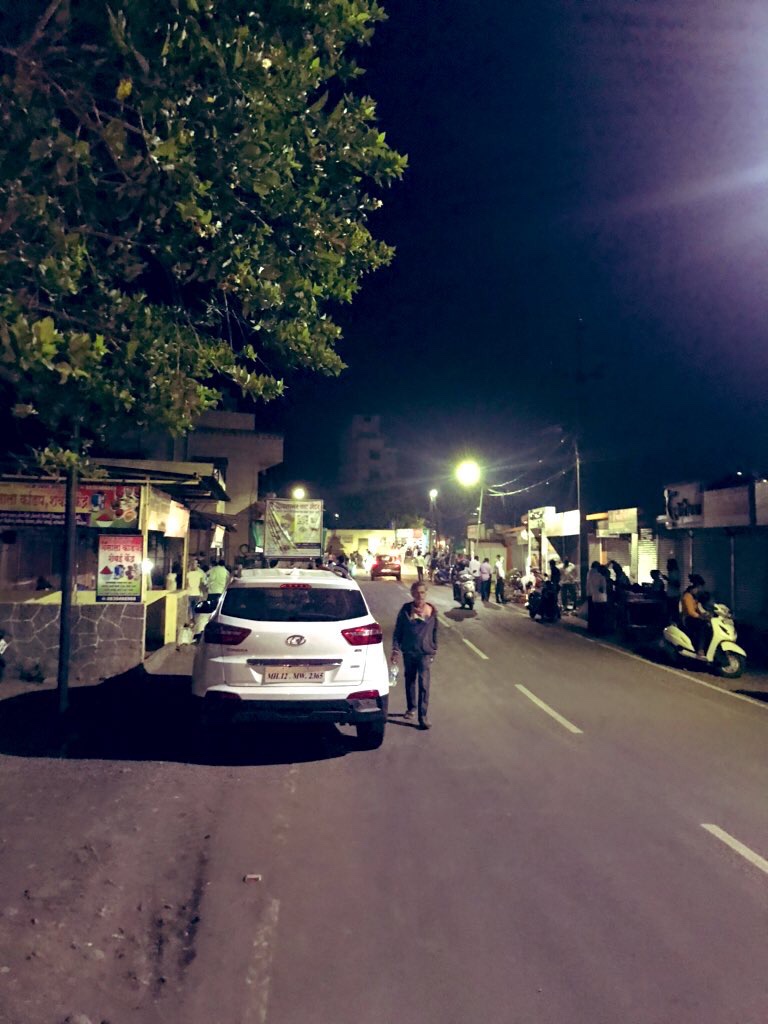
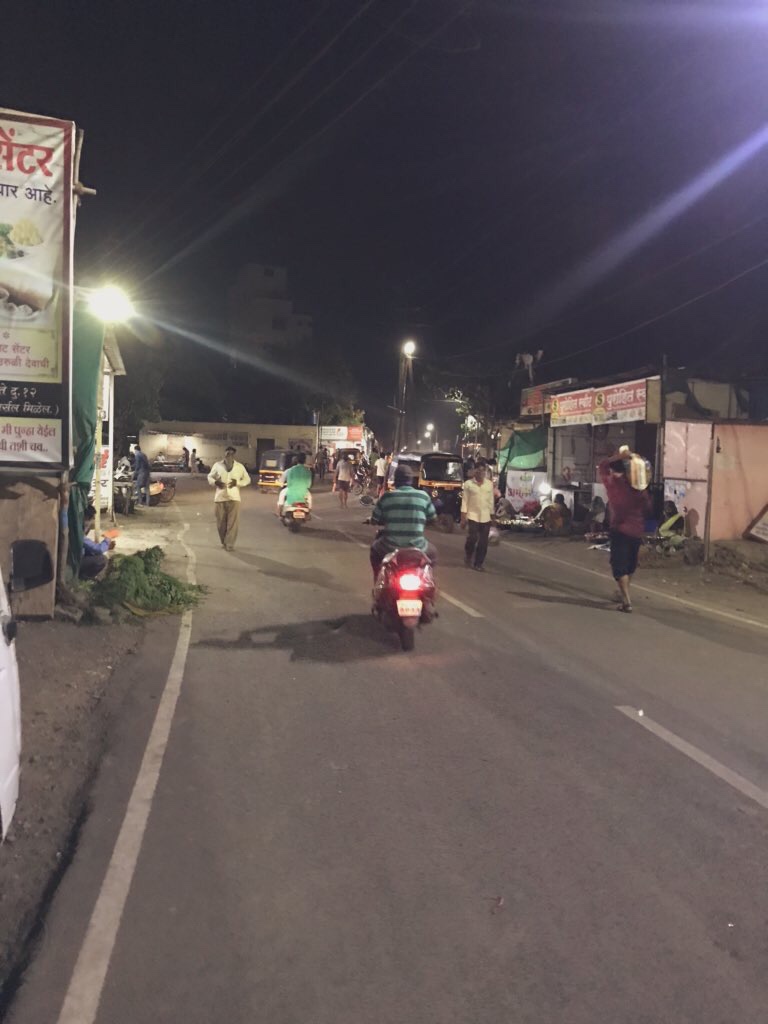
Day 8 of #21daylockdownindia in Devachi Uruli, Pune Rural. The vibe at the chowk is back- a lot more vegetable vendors (with the usual acoustics and aesthetics of a wet market) and all Kirana shops open. The traffic is buzzing and social distancing has gone for a toss as well. When will people take this pandemic seriously?
Solitude has his own shapes
The shape of shadows, of desire
Of destiny
When life comes to a halt
All plans collapse
Solitude is a forced friend
When the thrill of the everyday
Abandons us
Then solitude tells me
I am time
Before ambitions overtook you
I was there
Like the shadow on the wall

Day 6 Field notes from #21daylockdownindia in Devachi Uruli, Pune Rural. Almost all shops open including the only dhobi/laundry in the area who opens up when the cops are not around. Says his business is badly hit and was quite helpless, awaiting for normalcy to return.
In a comical turn of events, the Tapri which sells smokes is now shut and the Allahabad guy who runs it has turned to selling bananas.
India takes hardly anytime to normalise when the crisis, as everyday has echoes of the absurd which we all relate to. A Day in the life of India.
The difference between climate change action and pandemic world war effort is located in the measurability of the crisis. Infections can be measured, and pointed interventions can be applied. Climate change to be tackled has to be local first and global later. We miss the elephant in the room, COVID-19 can inflect an Eastern European immigrant, who will be ‘asked to leave’ after Brexit as the British Prime Minister. In a climate change context, the habitus of the privileged wards them against the manifestations of climate change impacts. The virus cuts across privilege to a large extent, and the rich fear being sick. The corporate class fears the virus as it is leaving a carnage. The language has changed as McKinsey boss has called for a shift from the Just in Time Economy to the Resilience Economy. This itself is an epistemic shift.
The migrant worker in Delhi, is fearful of very little to lose, he does not have much to start with anyway. It is the wealthy and the middle class who will hit the hardest as economies contract, comfy jobs evaporate as companies look to avenues for revenues for a post pandemic era.
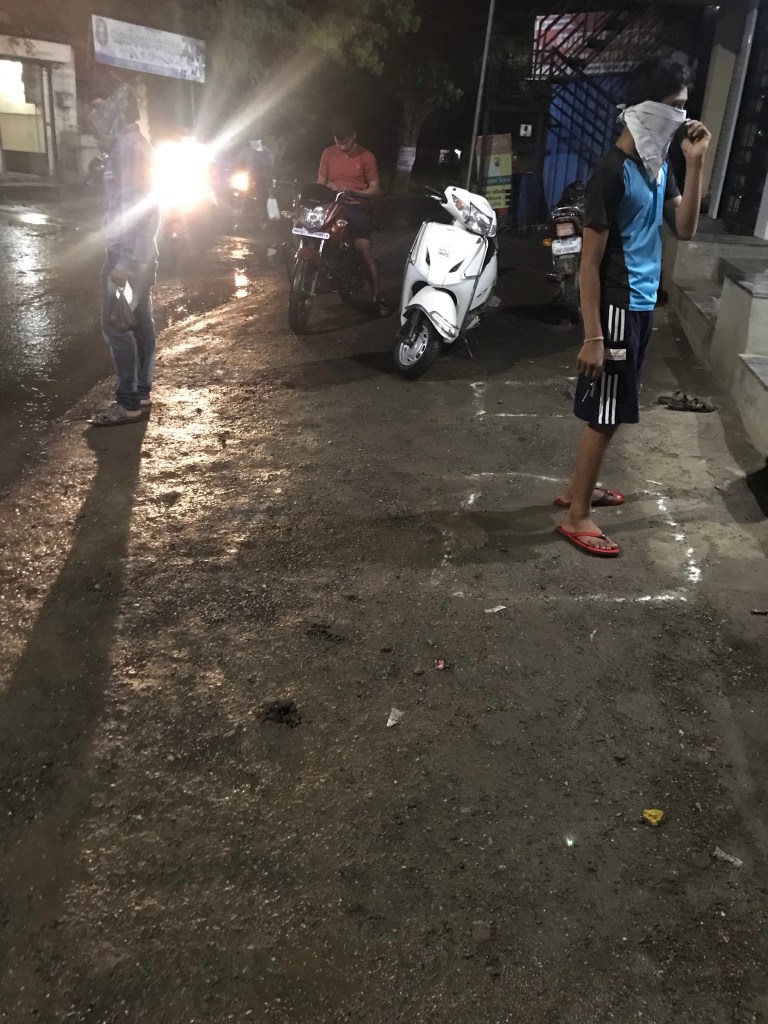
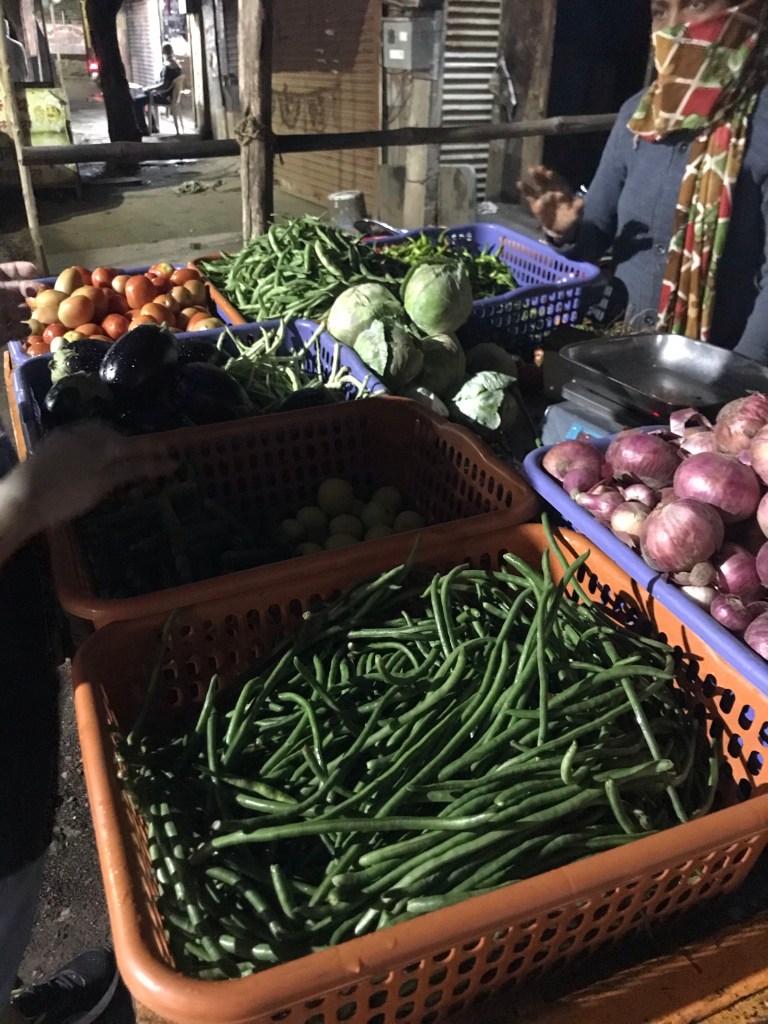
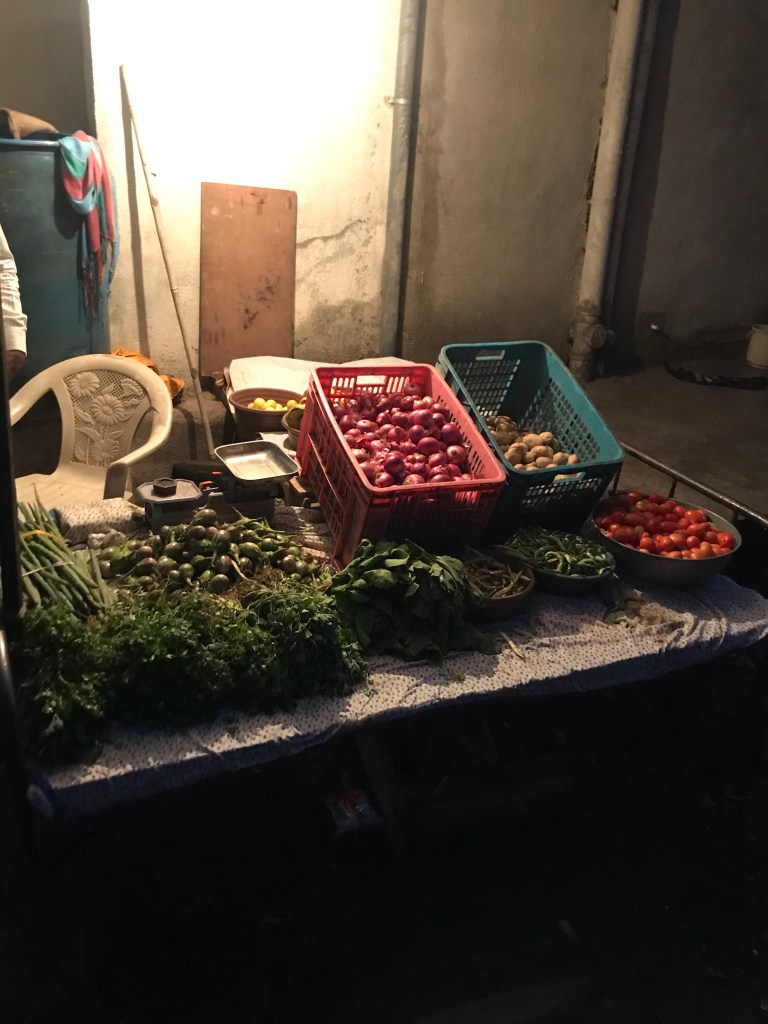
Good to see almost normal supplies today in the main Devachi Uruli Market
 Change Thinker