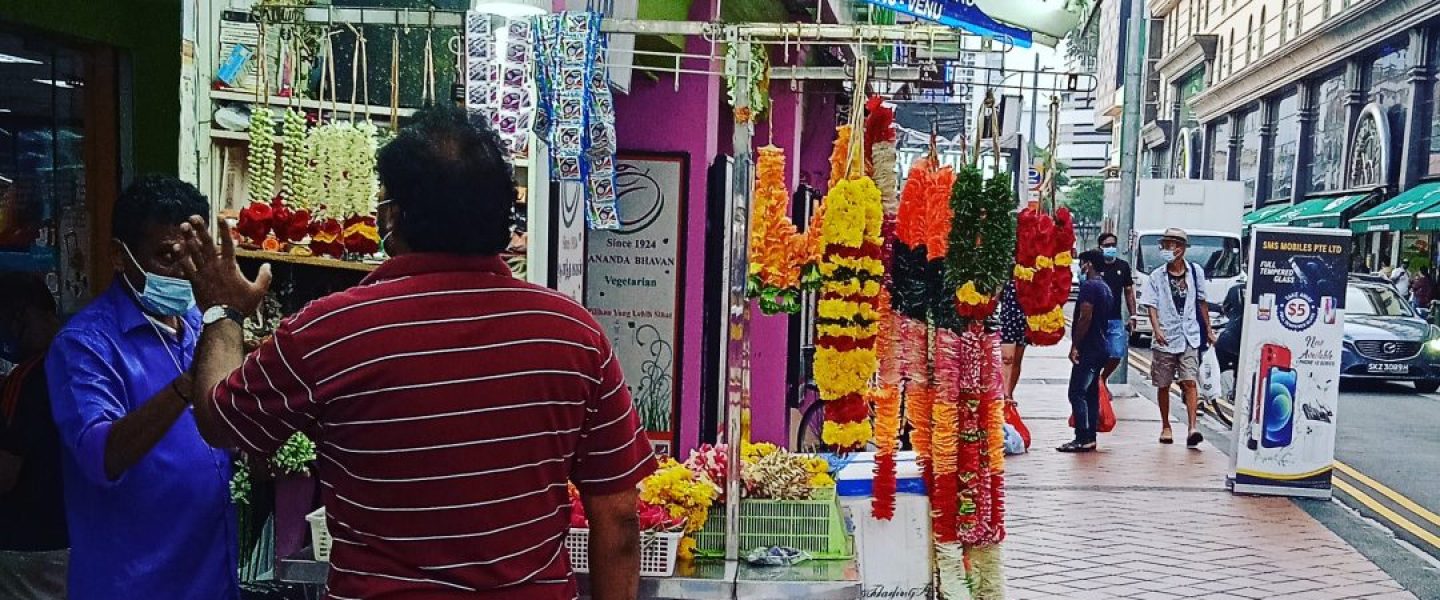
I have been rather hesitant about commenting about the migrant worker impact of the circuit breaker in Singapore. The Gulf is also under a lockdown as is India. These are all sub geography’s in Asia where I have worked with/on migrant workers and health. Migrant workers are vulnerable, and medical care is on the margins of their everyday life. The focus is on feeding mouths back home. Many of these brothers are incredibly young, and mismanage finds they work so hard for. They are us, and have all kinds of aspirations as well.
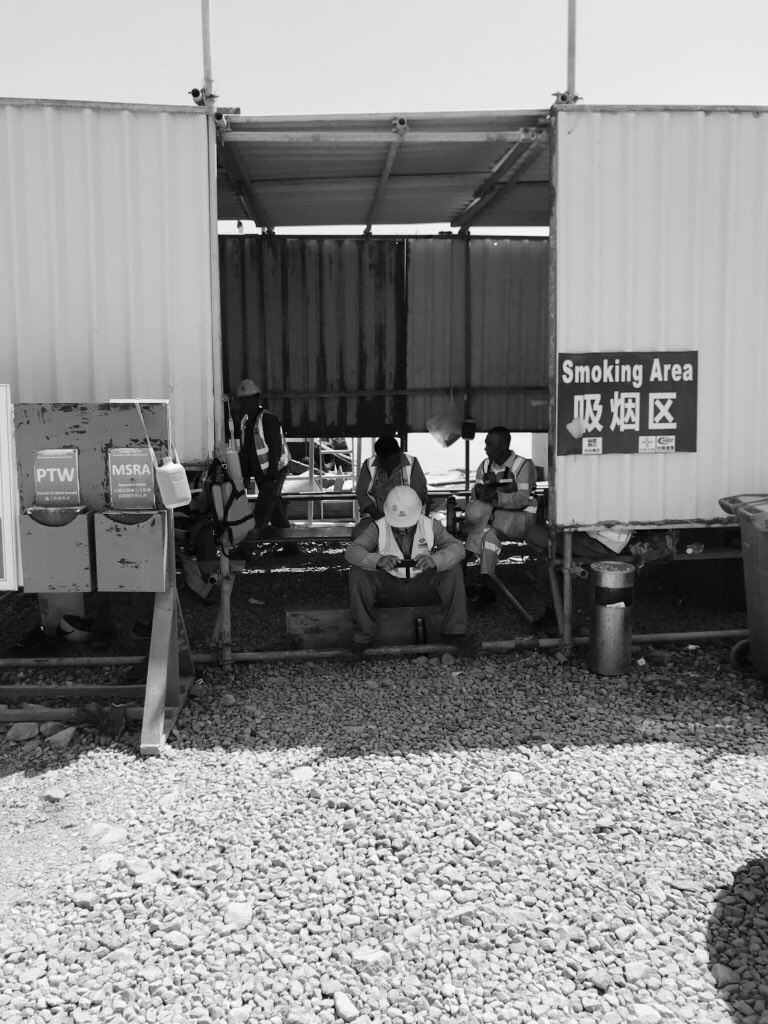
When migrants fall ill they depend on panadol treatment. They have no insurance, no medical leave and often are fired for being ill. It’s a crime to be poor. Poverty is only glorified in Satyajit Ray films. There is no romance in sickness and poverty.
Even middle class professionals such as me have had salaries not paid for 8 months, medical insurance which was cancelled and precarity faced every single day while working in the Gulf.
Having worked with community mentors and leaders such as Mohsin Da, I have seen the desperation. I get angry as I write this. Many good willed souls will offer piecemeal solutions. As an engineer, I am predisposed towards solutions. Blending ethnographic work and an engineering bent, we can make health for temporary guest workers if-
- Projects build in the cost for better housing and healthcare for migrant workers. Do not go for the cheapest contractor, but evaluate bids based on social sustainability.
- More civil society actors investing in clinics for migrants.
- Host countries creating avenues for migrant workers to access socialised healthcare.
Migrant workers are not sources of infection. They are human beings. They get sick like you and me.
They come because you can get cheaper real estate and project executions. They are tolerated because the injury for the 3D work is done by them.
If you don’t like them, please do the work yourself. Please create the correct incentive structures so that your citizens can take up these jobs. For civil society actors, migrant workers are not your subaltern for a grant pitch deck. All your migrant literature festivals cannot save a life.
The focus should be on making a business case from an unit economics standpoint as governments understand the language of cost benefit analysis a lot more.

 Change Thinker