IOM work

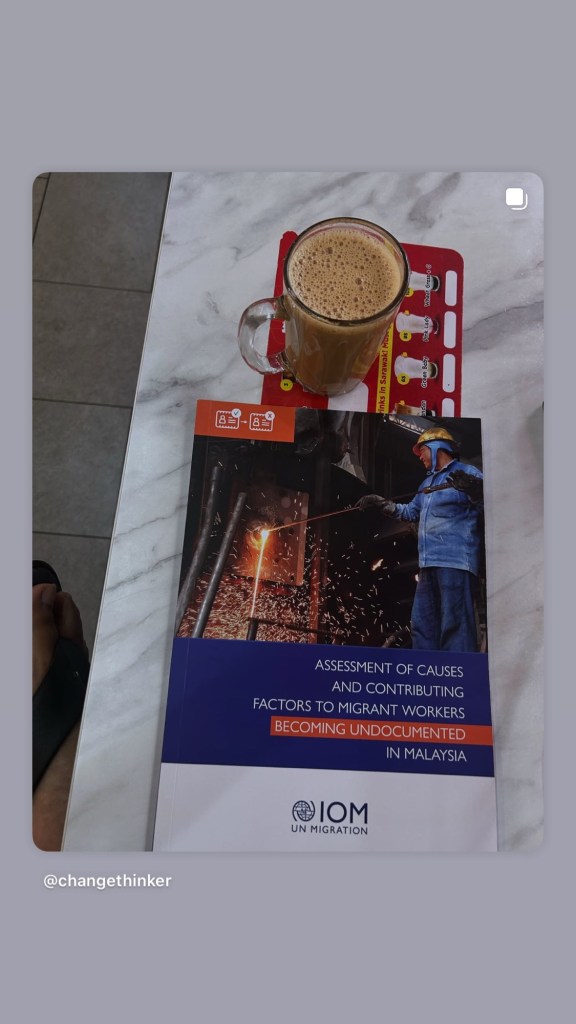
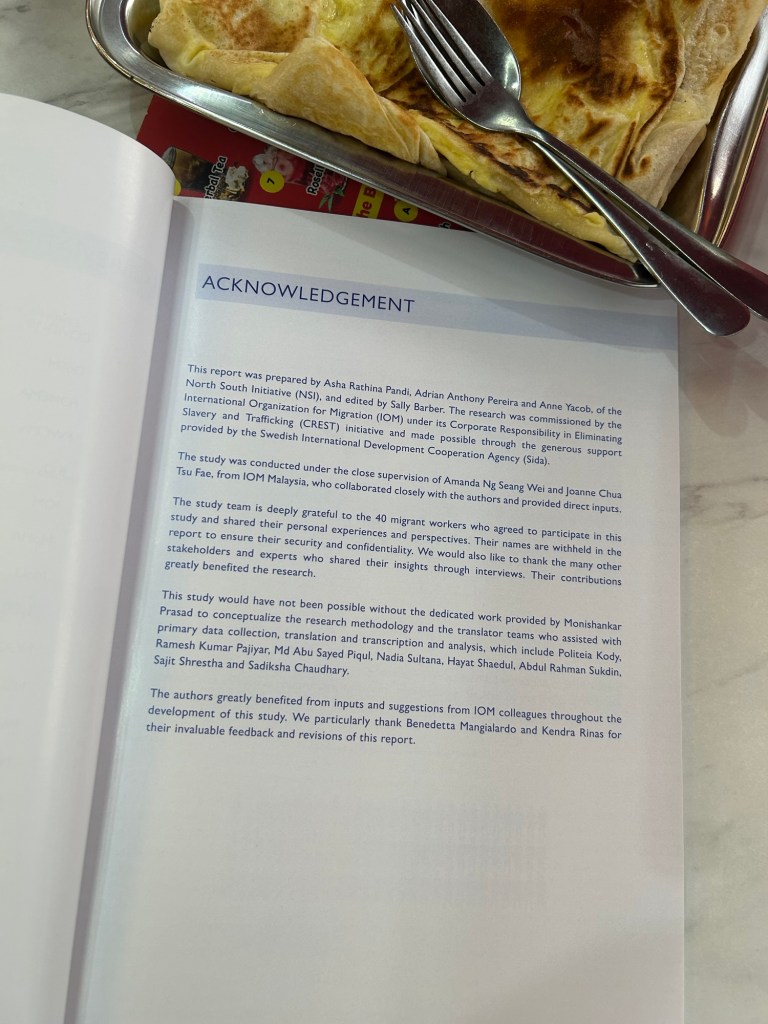
Sometimes a hard copy of an IOM report, in which I played a minor part with a brave research team of migrant community researchers and activists is a reminder of policy evidence to push inconvenient questions.

The research was carried out during the pandemic, the worst of times and these serendipitous encounters with a past body of work is just the antidote one needs in these challenging times.

A tremendous thank you to Adrian Pereira ji and North South Initiative for the spaces to work and think through issues of migration in SE Asia.

Our Report
The Acknowledgement Page

Subaltern Foodscapes in a Journal

I am equally excited and grateful for my latest publication in The Monsoon- Journal of the Indian Ocean Rim published by the Africa Institute, Sharjah and Duke University Press.

The paper focuses on conceptualising the notion of subaltern foodscapes, across Muscat, Dubai and Singapore. Food places such as the Karak shop, the Mamak/Kopitiam and the chayya kada are spaces of care, everyday diaspora politics and cultural archives.

In Gratitude to Professor Crispin Bates for the esteemed opportunity, and the Dina Odeh for the generous editorial support.

The journey from fieldwork to writing to the workshop to the publication took a while, but it is a precious experience into the process of academic publication.

Sharing intellectual real estate with the best of Indian Ocean Tarikh and Ethnography such as Professor Uday Chandra and Rukmini, is a more than an honour for a peripheral academic at best.

As a second generation migrant, it is a calling to write our stories in our polyphonic ways in Bangla, Tamil, Urdu, Gujarati and Arabic, which I will whether there is a platform available or not.

Shukran Jazeelan in Omani Arabic!

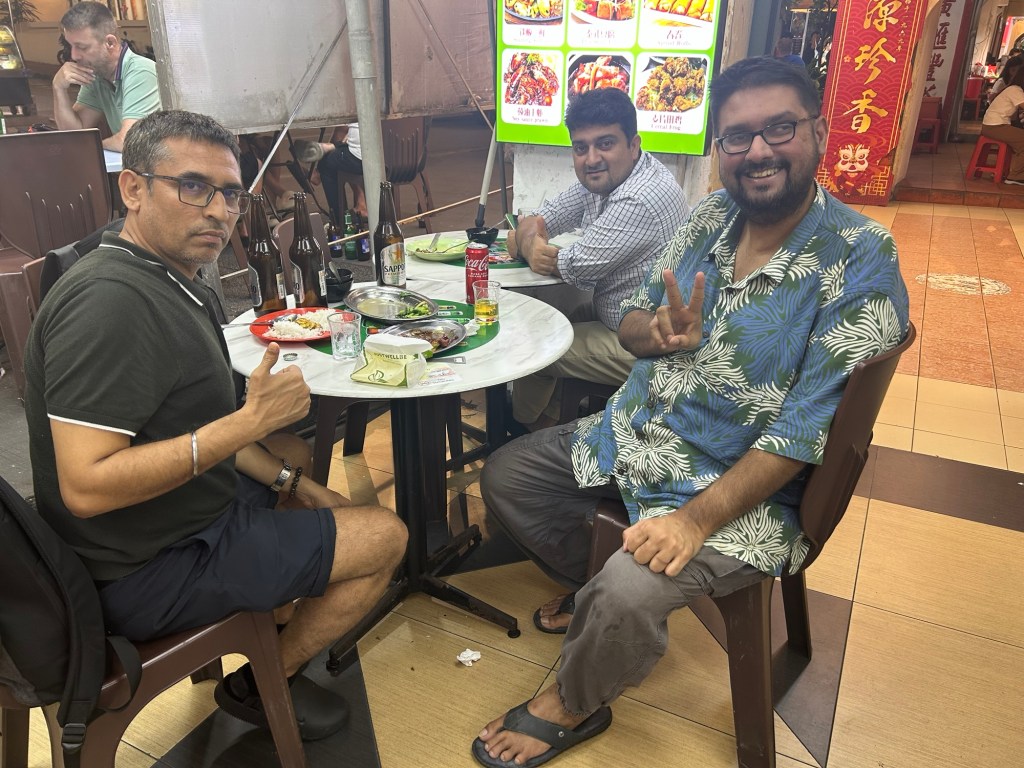
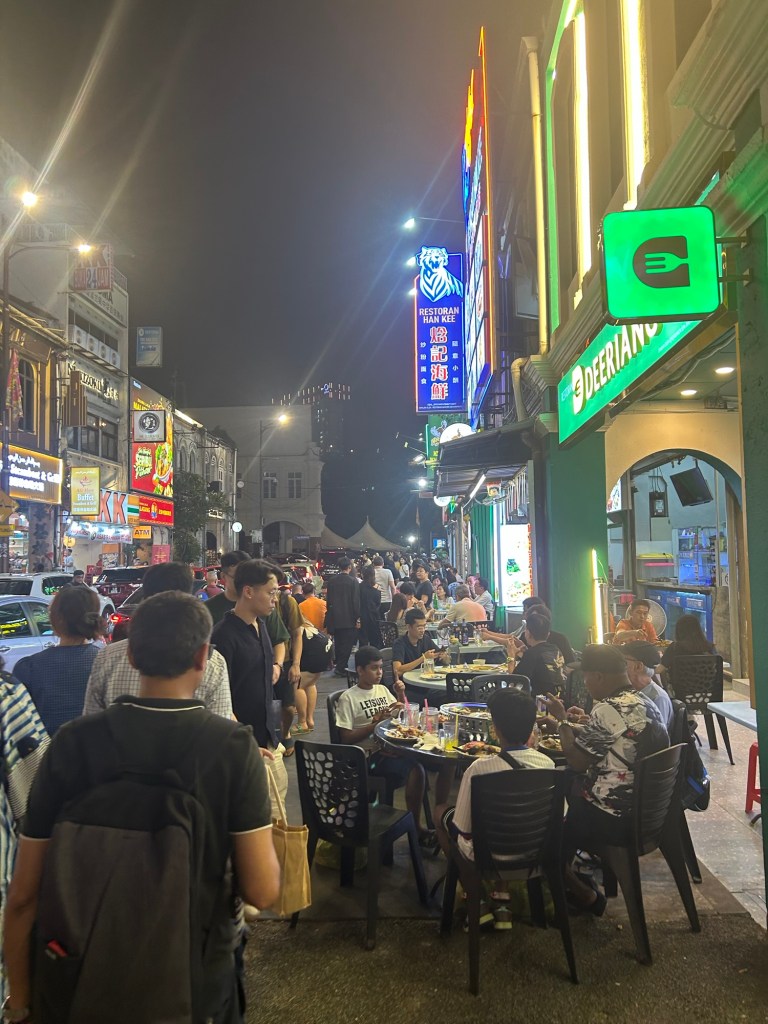
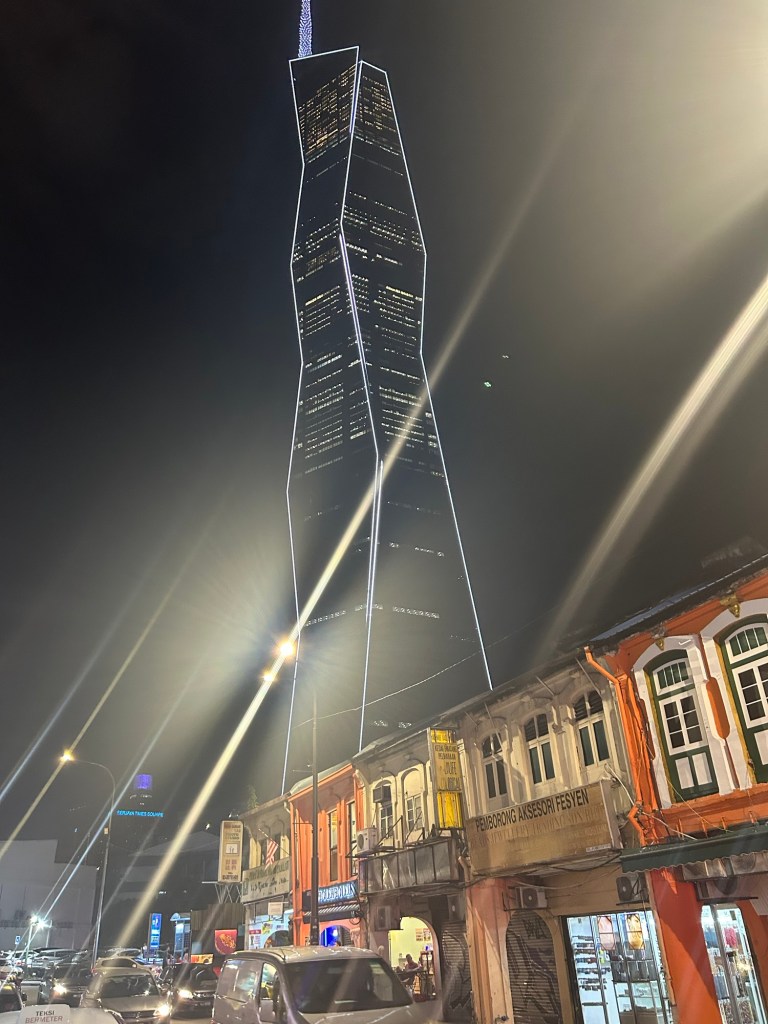
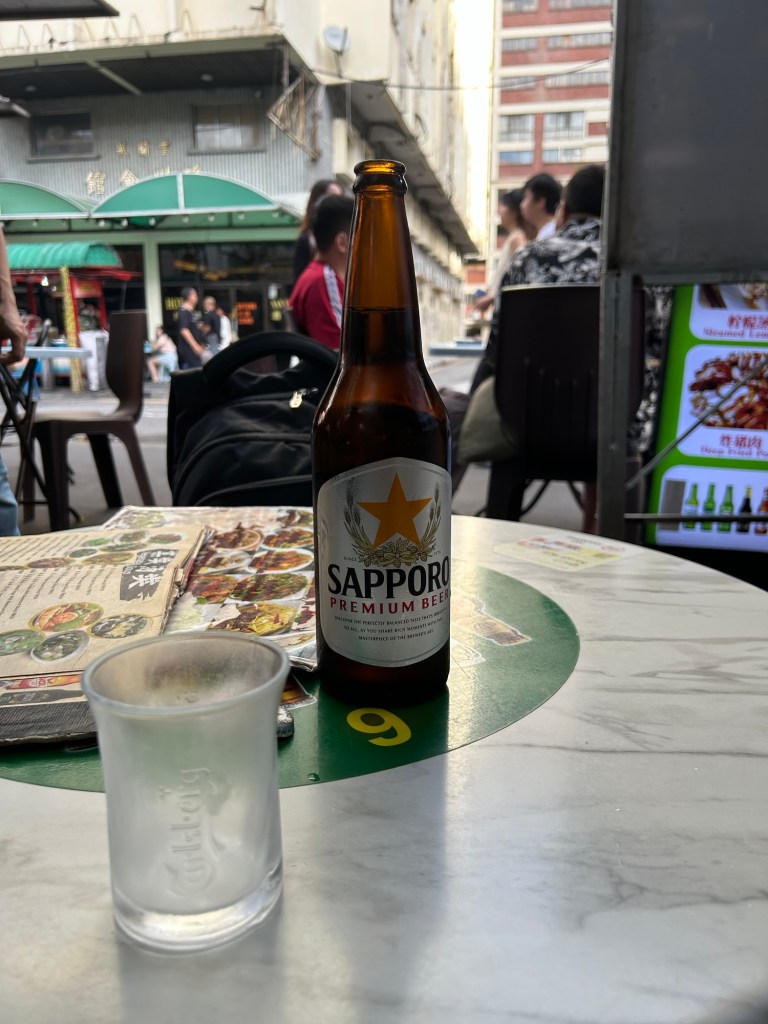
Zhi Char Culinary Archives in KL

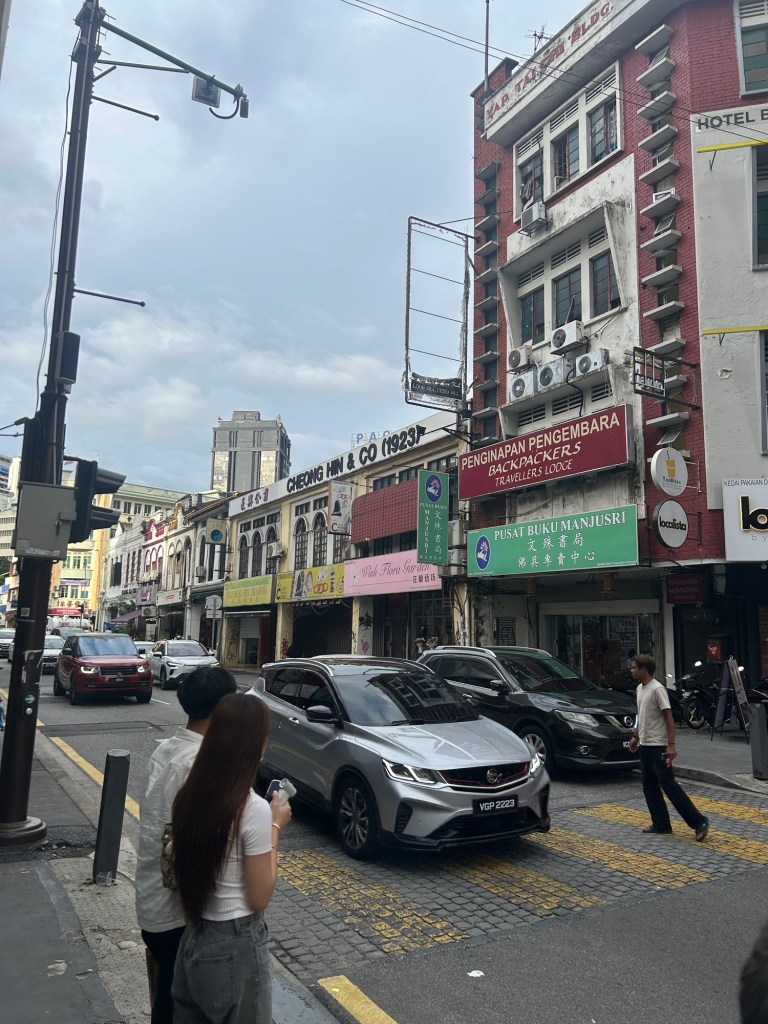
Zhi Char Places are a culinary gem, with the fiery wok spinning the spiciest kung pao chicken, and the unker drinking tiger juice as he reads his paper with abandon. The ang moh comes over to have a bite, at the end of the day in China Town (with more Bangla and Burmese dialects being heard) as it has many a budget hotel packed in as sardine tins. A heritage district performs and preserves in the same breath, as gentrification creeps in with new urban renewal laws on the anvil, the ROI on a Chinatown meal is priceless, as a cultural archive with many migrants picking these meal preparation in many a kopitiam across KL.

The spread- Kung pao, Kailan, CKT

Masterclass on Nepal-Malaysia Corridor

An annual catch up with Mr. Bed Kumar is a lesson in humility and a masterclass on Nepalese migration in Malaysia.

Migration is not about the h-index rather the humanity of the stories migrant community organising legends share in their struggle for rights and equity, as they build at home through remittances in the midst of political turmoil back home.

Let the research evidence be channelised in to good policy at various national and corridor scales.

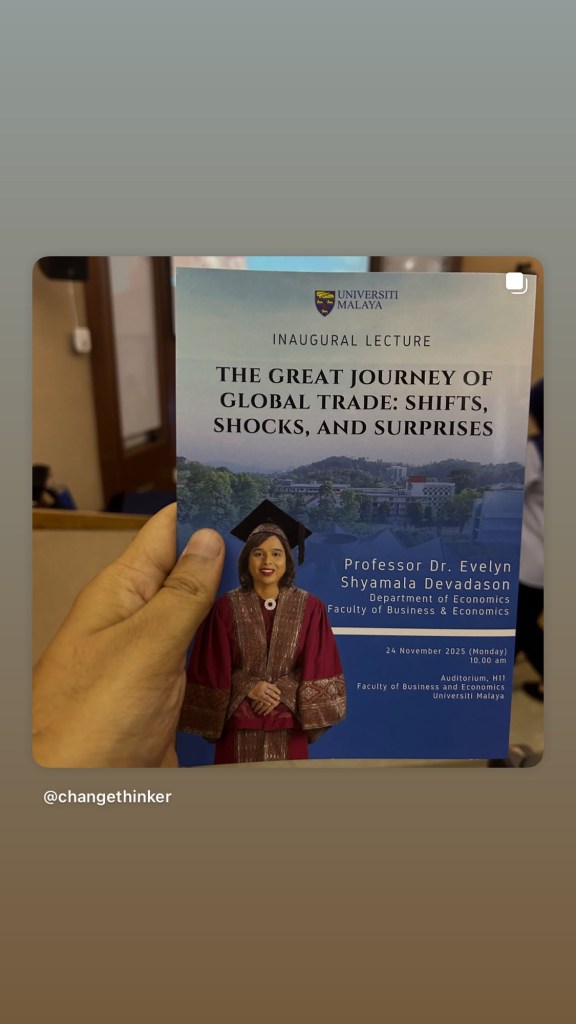
Trade as Shocks and Shift’s- Professor Evelyn S Devadason talk at UM

Braving the downpour on a Monday morning to attend an inspiring talk by Professor Evelyn on trade as shocks and shifts was a mind bending experience. We need a refreshing of our vocabulary for the polycrisis we are in the midst, as old paradigm no longer hold their ground.

At the Economics Faculty Auditorium

The insight density of the talk was inspiring

The Talk had all the institutional paraphernalia

Dignity and Trust as FPIC

The S in ESG is not measured apart from accident and harassment incident statistics, yet it is the ballast which holds the ship intact in the midst of a storm. It is the plumbing and the wiring, ensuring trust and dignity, the ethos of sustainability itself.

Disclosure is accountability and compliance, dignity is core of doing business done the right way. The notion of psychological safety in a age of neoliberal precarity is critical to creative work in the era of AI. The social pillar is tied to psychological safety, which is achieved through diginity and trust.- the soul of FPIC.

Politics of FPIC

The problem and opportunity with FPIC especially for forest based carbon credits and renewable mandates is the gap in understanding between the elites of local communities, the federal power structures and the international banks. Politics which is often erased from the reports is exactly what is needed.

Configuration of Barber Subaltern in Malaysia

In my Barber Shop

For the South Asian Man in the diaspora, the barber shop and its ‘thanda thanda cool cool champee’ or head message in Hindi-Urdu-Bangla is therapy, from the quotidian druggery.

The banal jokes cracked over loud 90’s Kumar Shanu, or the latest Anirudh anthem is a few moments of a lightness of being.

For the semi literate south Asian Barber, from Madras, Rangoon or Sadda Panjab the employment is an opportunity to earn in a foreign currency and remit money. The subaltern here is a micro entrepreneurial artist, making money for the shop owner, while keeping in mind the money he needs to support himself in Malaysia, remit money to build a house in the village and also keeping the resources to renew his next permit.

To keep the spark of joy alive in this strategic calculus is indeed resistance.