Born and raised in Mumbai, India with an undergrad degree from Oman and a masters degree from the National University of Singapore. I am an Environmental Professional with a passion for Sustainability, Social Innovation and Governance related issues. A Change Agent in the making who believes that small is beautiful and that impact can be achieved -one soul at a time.
The ‘S’ in the ESG trifecta stands for Social, which is a shorthand of sorts. Social is ‘Social License to Operate’ where buy-in from your employees, consumers, communities, and vendors in a Global Value Chain is a dynamic process, and it needs a F5 routinely.
With the advent of the digital, each stakeholder is a whistleblower with a camera phone. Reputational risk impacts the brand, and in turn valuation. That should be a material rationale for the ‘fuzzy’ S.
A lot of companies conduct social listening to gauge sentiment to measure reputations.
BHR, DEI & Human Capital matters or the ‘S’ in the ESG, the cultural elements, the so-called soft variables are indeed the blood which runs in the circulatory system of responsible capitalism. There is ample scope for innovation in methods for quantification too, yet the fuzzy nature of the ‘S’ in terms of transnational torts amplify the risk, which ESG is a meta framework towards capturing non-financial risk.
Water Risk as a measure of local and global materiality risks, as the virtual water count are better tangible metrics than carbon as the immediacy is felt.
ESG is compliance for a purpose yet is a window for innovation. Interdisciplinary at best, the strength of the meta framework is reporting as it is drawn towards transparency. Impact Reporting is like what peers in the nonprofit space have been doing for decades in Monitoring & Evaluation, where every grant dollar is accounted for.
ESG professionals can exchange notes with the development sphere on how to better report their E&S spending.
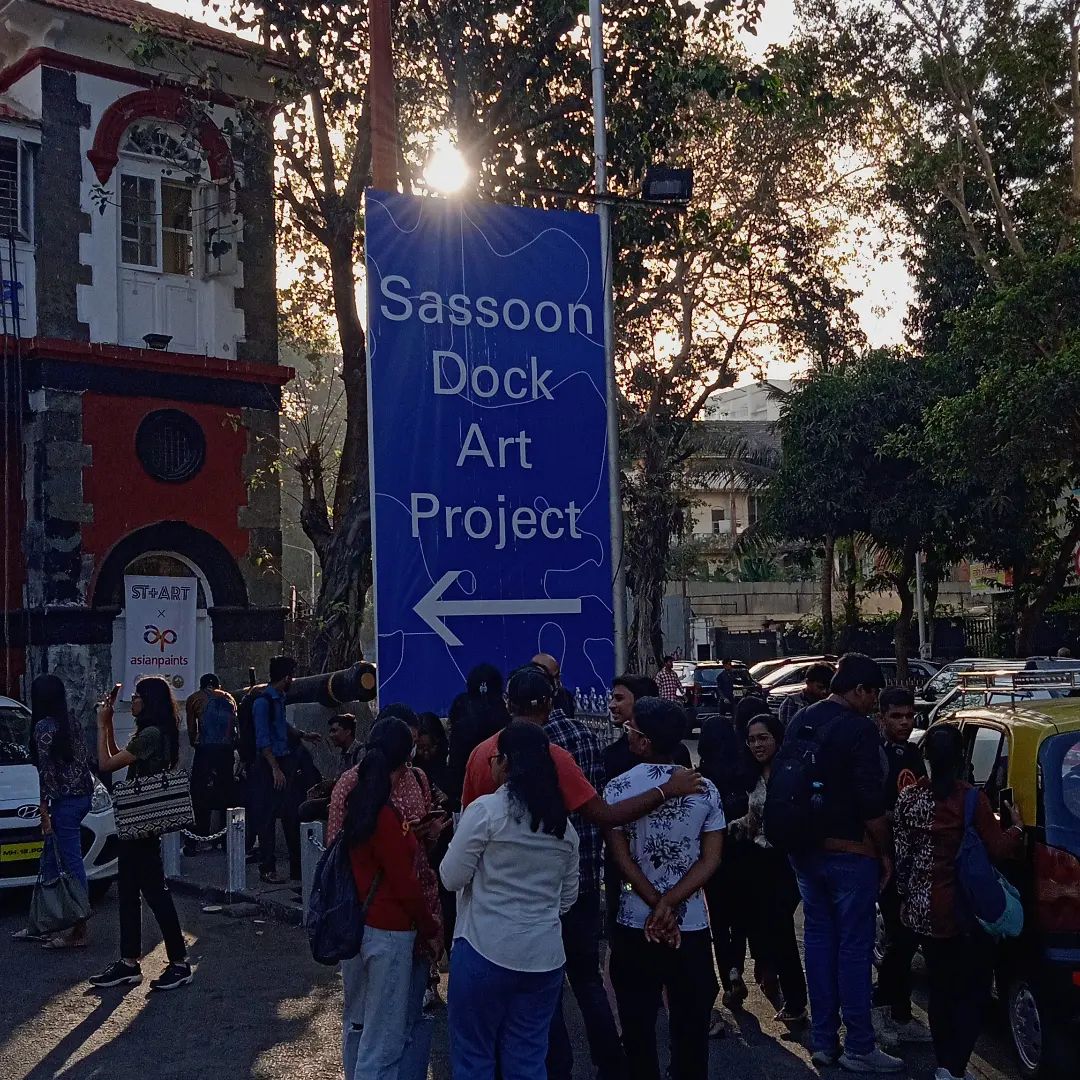
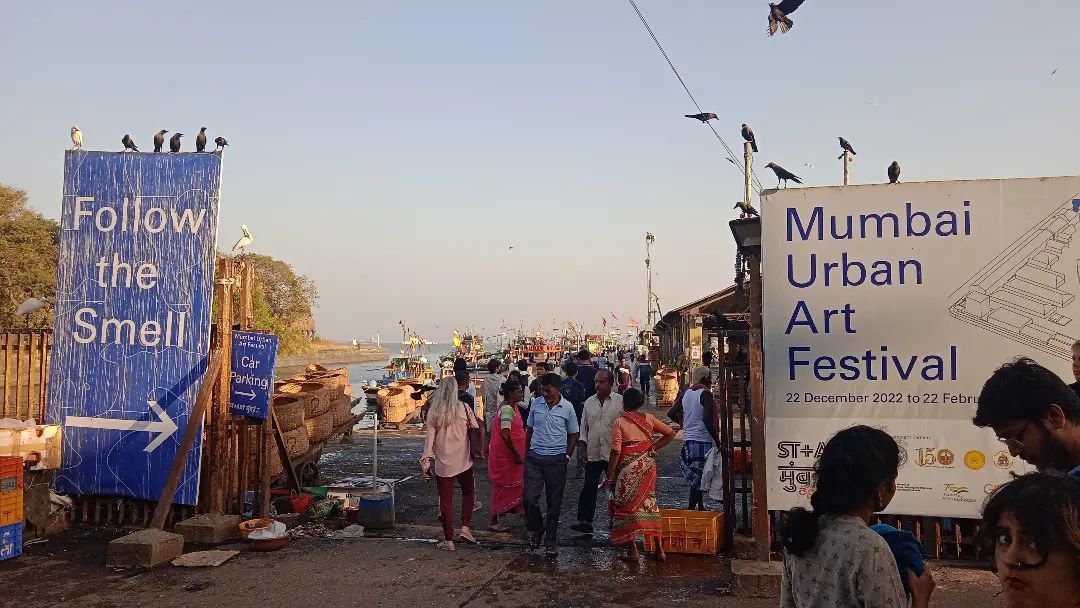
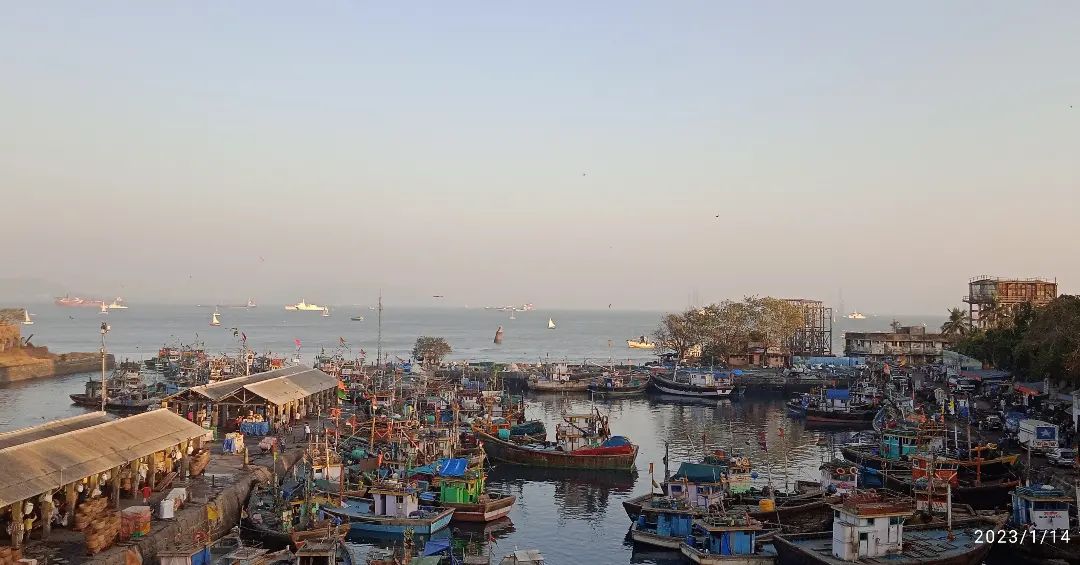
Indian Ocean Bombay come alive. The Sassoon Docks, a reminder of an Imperial Bombay- a Port Trust Area thankfully away from the gaze of the real estate sector have been brought into the spotlight of the Insta generation through art, which has converted the derelict dock into a reimagination through the art of the city, opening registers and invigorating commerce in the Colaba area, as the art set flock to the shores over the weekend. The title of this photo essay draws from Scholar Isabel Hofmeyr’s book of the same name that thinks with hydrocolonialism as a lens that lies the Indian Ocean from Bombay to Natal.
The politics of resistance is subtle in the gentrified global veneer. Water centers Bombay and the curators bring it out well. Hydropolitics as has been written by Nikhil Anand in the context of politics in Mumbai in particular the leaking pipes exhibit depicted a Mumbai which relies on time-based water supplies for sustenance. The exhibits on waves and the relationships of the coast with the city, the artwork and the video montages spoke to an imaginary of the city that has been often lost in the territorial linguistic stasis of politics. A reclaiming of the hydro frontier through art, even of the elitist sort is a relief. The ‘East Indian’ coastal communities of the city, the ‘orang asli’ of the place- have found a register through the art spaces in a roundabout manner. The politics behind art is well layered in the curation. Dalit poetry finds a stage on the walls of the art spaces, to give voice to erased actors.
Curation has a scale and ambition with decay and life sitting together. The writing on the exhibits is sometimes better than the exhibit itself. The writing describing the installations is exquisite and appeals to my sensibilities as an ethnographer.
The festival has an Art Jameel Dubai Indian Ocean Cosmopolitanism aesthetic show cases a Mumbai which rises above its retail politics.
Solving hard problems is always hard. Wicked problems such as climate adaptation or preparing for the next pandemic will need a different level of thinking, doing, and building.
The question is what are the incentives available for the actors to configure together to make sure there is enough in the process for all?
The pillars of the ESG trifecta are all deep subject matter areas in themselves. Yet they make sense or matter not for the green premium but as a calibration factor. Environmental & Social elements are both externalities which are priced in a fashion to internalize them. The Internal Price of Carbon or a Biodiversity Price in the future through impact accounting are mechanisms. Carbon and Biodiversity are tangled with each other. Governance is an input. ESG are tied in through an ANT network as nodes in a risk map.
ESG risk and impact accounting are joined at the hip. Reporting to Ratings Journey has impact accounting somewhere in the middle of the continuum. ESG as a future making approach channelizing funds for a just energy transition is a real end goal. ESG is a core aspect of the ‘Just’ in Just Energy Transition. Making sense of the interlinkages is vital as understanding is patchy at best even among practitioners.
The cascade of reporting ‘upgrades’ in the ESG space is disclosure driven. Disclosure as a driver reflects the climate zeitgeist, we reside in. The reporting pull will enable creation of sustainability data architecture within organizations and organizations will report in turn to various regulators and proxy regulators. The data architecture will create the impulse to comply and win in the unique environment where aspects of the triple bottom line are no longer. It is the way businesses are done. Impact is Business as Usual.
Impact will shape capital flows as well as recipients of that capital. A circular economy of impact is emerging. The M&E of the impact capital is the frontier of reporting that will entail creativity as materiality is context based.
The paradoxes of context and standardization will be features rather than bugs of the ESG data architecture.
Net Positive is a goal as well as a journey with several interim milestones. How it is experienced at various spatiotemporal junctures by various stakeholders in terms of pay offs will determine how the buy ins are generated.
A new category of investments will emerge akin to patient capital for the planet, where being climate positive will be the primary payoff. If the conventional markets are not ready to price a climate asset fairly, it does not mean that other investment assets should not move in and price them.
SWFs and Pension Funds will find the generational scale of climate assets viable as even a metro project or a power plant has a 25-year tenure.