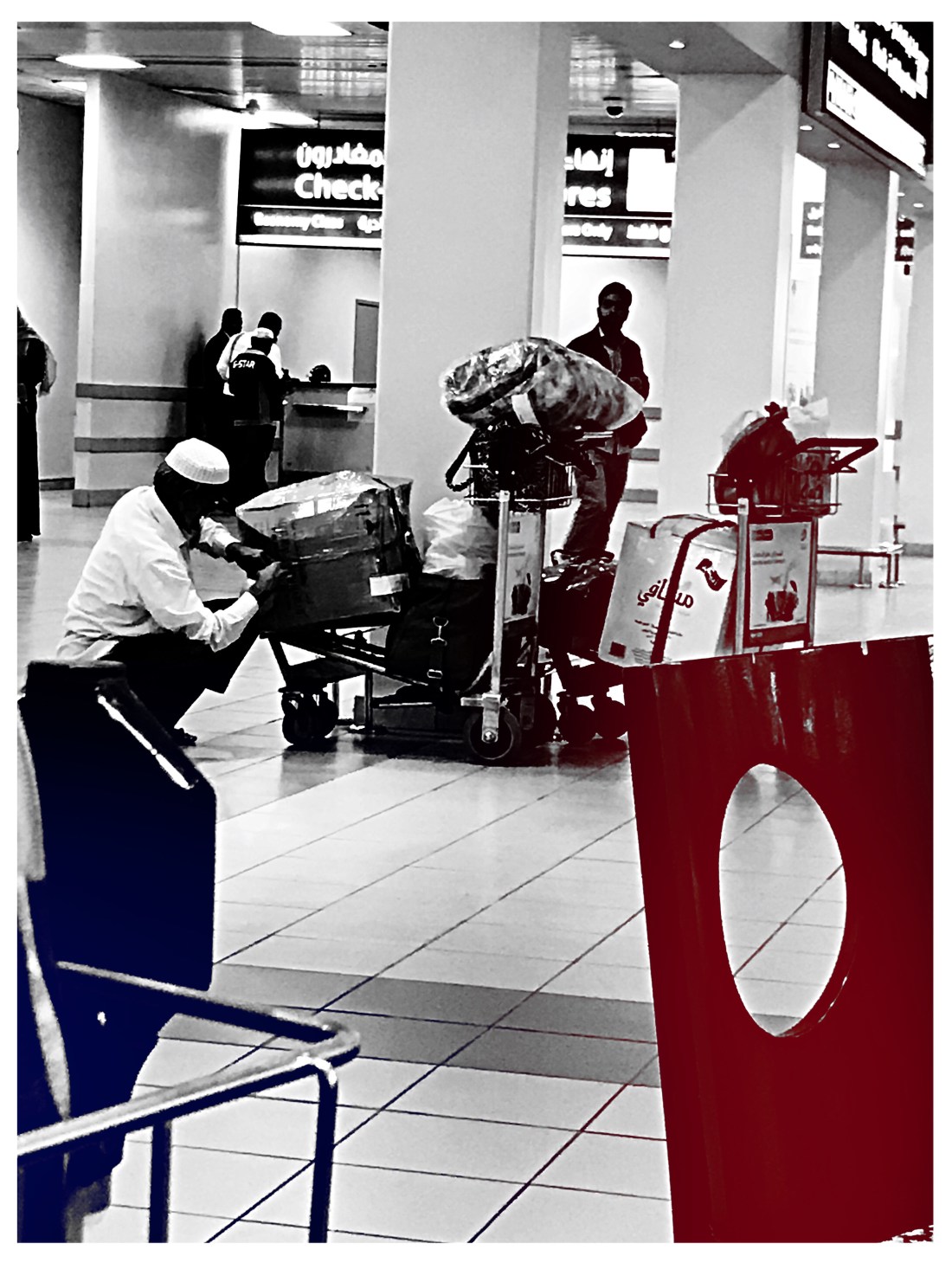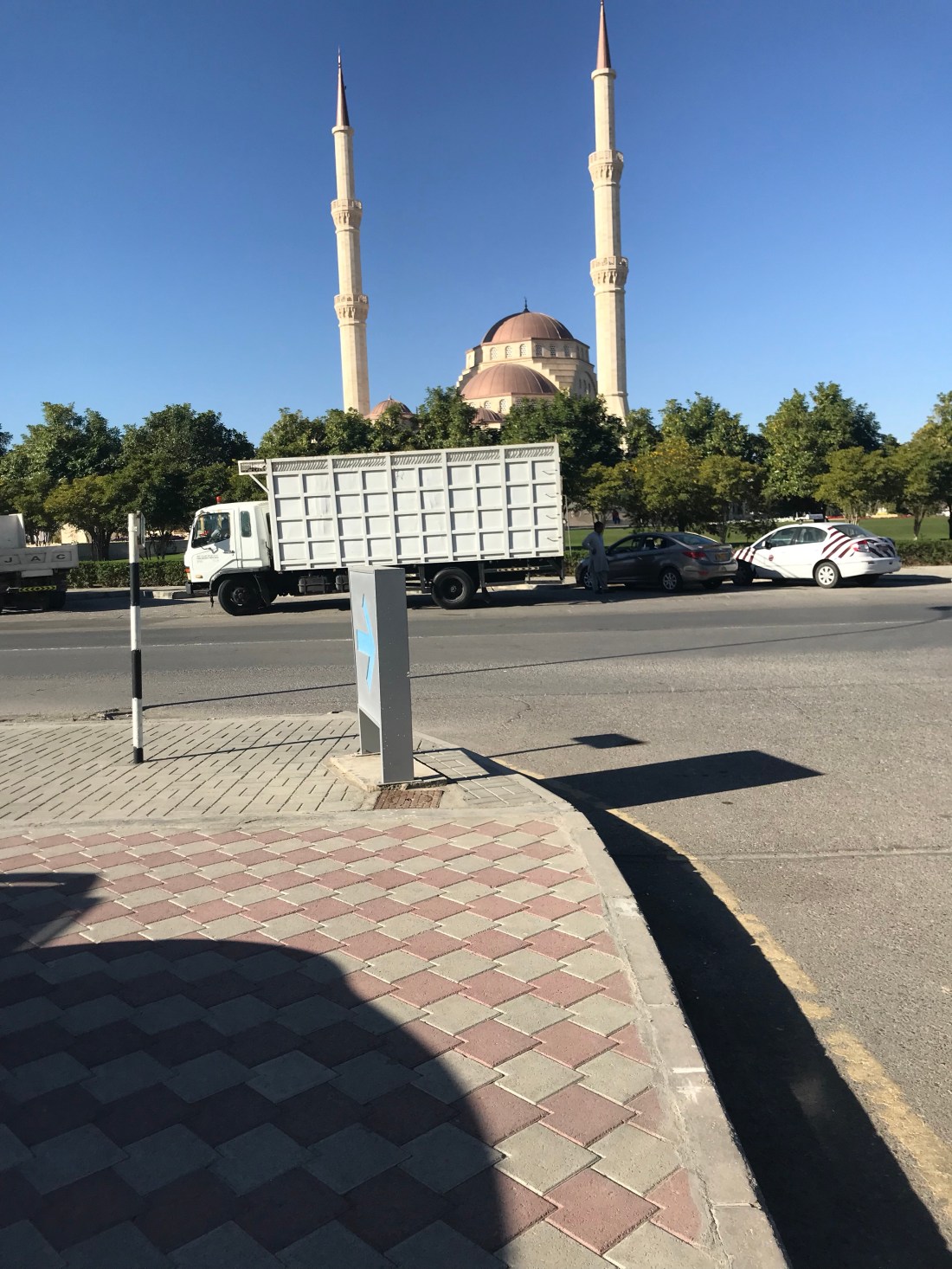
Cities/Nostalgia/Emotions

Cities are emotional landscapes

Especially Home

There is no home

Sans the nostalgia

Emotions of adolescence

Odors, scents, fragrances

Of the Shwarma shop

The Friday buzz in Ruwi

Hamriya is just maniacal

Now, food courts In Bawshar

Are filled with patrons

The exchanges bulge in the first week

All these rhythms are emotions

Which make home, home.

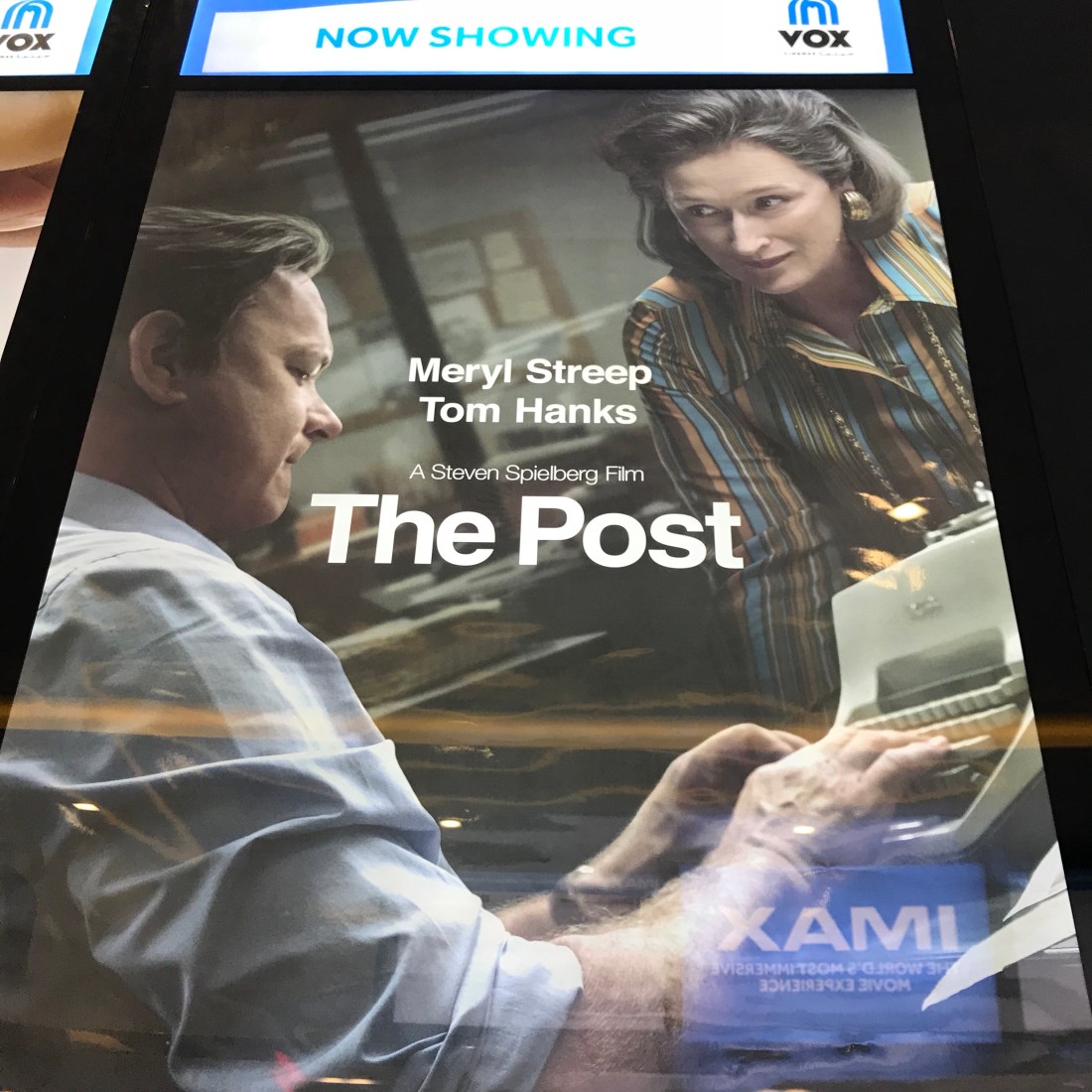
The Post: Cinematic Masterclass on Journalism

The Post, is an all star movie (Meryl Streep and Tom Hanks as lead actors as the owner of the paper and the editor respectively of its namesake The Washington Post) with Steven Spielberg helming the directorial mantle dealing with an issue of contemporary American History with the Dan Ellsberg ‘Pentagon Papers’ on the American war in Vietnam, and the cover up which kept young military soldiers fighting a losing conflict. Ellsberg book is stuff of myth, which has inspired generations of activists including writer Arundhati Roy and actor John Cussack (read their recent pithy book).


The movie genre, taps in to the new paper as a fountain head of democracy via the tropes of investigative journalism, bringing accountability to institutional power. The recent movie ‘Spotlight’ on the Boston Globe investigative team reporting on the child abuse scandal. The news room frames in the movie is almost frame to frame identical, and a reflection of the aesthetic vocabulary of the times.


The movie questions the cosy relationship between media owners/editors and the power elite and the role that media owners were playing in shaping the discourse in the pre digital era. Access to stories and in the power corridors is a negotiation between the media and the ruling elite; The Post and the Nixon Administration and now CNN and Trump Administration. The lens of the movie on the publication politics rather than on Dan Ellsberg and his activism, with whom the movie started.


The rivalry between the more popular New York Times and The Post is presented well, but in the event on the assault on the media, the two were on the same side in a legal battle.


Streep as the widower owner of the paper trying to raise funds through an IPO, in 1971 and the dance around commercial concerns and values of public service with the dilly dallying with publish or not to publish the scoop is an extraordinary fictional window of journalistic courage. Journalism used to be public service. Now it is paid news, apart from a couple of oasis of excellence, depending on paid subscribers.


A timely cinematic message very relevant for the Alt Facts/Post Truth era that we reside in. The movie however is produced by Anil Ambani’s Reliance Entertainment, an Indian Billionaire producing an American Journalism themed movie, on a newspaper owned by another billionaire, Mr Jeff Bezos, founder of Amazon. The networks of Transnational Capitalism are unique, Amen.


The cinematography is sensitive, but not extraordinary. The aesthetics of the early 1970’s is depicted accurately, as if shot through a retro Instagram filter. The strength of the movie is the powerful acting of the crew, tempered rather than over the top. The dialogue delivery is the star of the film, at times understated and understandable. Nixon is pictured at the end of the movie ordering blockade of access to Washington Post after the publication of the incriminating evidence, while the water gate scandal is exploding at the same hour. Just brilliant. Take a bow Mr Spielberg.


A must watch for all J School students, writers, social scientists, historians and the public at large, interested in a vital episode of public discourse.

Beyond Western Union: Gulf Migrants Matter

Diaspora writing from South Asia has a rich legacy. From Jhumpa Lahiri to Zia Haider to Abeer Hoque to Mohsin Hamid to Nayomi Munaweera to Brij Lal writing on Fijian Indian History, and the last reference would be Guyanese Indian Queer Poet Rajiv Mohabir .

The swathe was however missing a voice from the Malayali/Indian Diaspora in the Gulf, the millions of them sending remittances and building cities.

Abu Dhabi bred Deepak Unnikrishnan, a NYU academic captures the Gulf Migrant experience beautifully in ‘Temporary People’, a factual work in a body of fiction. This phenomenal book has won The Hindu Literary Prize for 2017. We are more than statistics in the Ministry of Overseas Indian Affairs roster, and more important than our Anglo Saxon immigrant cousins as ultimately we head home to our villages in Mallapuram and Malda. Now, it is time to claim our voices in the intellectual discourse too. History is dignity as Lulu’s matter more than Wal Mart in the scheme of things.

Orange is the New Blue: The Color of Dignity

The non secondary school educated Indian migrant male construction worker/female household maid has built cities across the Gulf and South East Asia over the last 50 years. He/She leaves his family, dignity and home to fend for a better future. States such as Punjab, Kerala, Tamil Nadu and Andhra Pradesh have reaped the benefits of these workers, whose billions of dollars, dirhams and ringgit have lifted families out of poverty. When the home nation has failed to provide these young men and women employment, their families have sold off the last of the family silver to pay off the employment agent often a relative or a friend to arrange for work overseas. This is a cocktail of despair and indebtedness, and often limbs and lives are lost. Dignity and Respect are unknown concepts.

In this environment of loss and hopelessness, the Indian Government, whose Foreign Minister is the so called patron saint of South Asians abroad, moves to strip the migrant off his dignity by issuing him a horrible orange coloured passport, easily earmarking him or herself for sneering, denigrating looks from airline staff, passport control officials and his fellow countrymen from the so called elite class. Embassy personnel does not respect migrants too much as well. The movie Airlift rarely happens in real life.

The Orange Color as the differential is symbolic violence as it labels the migrant as the other/inferior. It creates a tiered citizenship among Indians overseas. It is very troubling for a person who has lived 2/3rd of ones life as a migrant in Oman and Singapore and had been a researcher on migration as well.

This measure is really short sighted. I would appeal to the government to roll back this misstep. If not anything remember the remittances, the ATM which balances the forex equation for the Finance Minister, with the Indian Budget around the corner.

On Reading: A Snippet

Prof Philip Holden, renowned Literary Scholar on Reading

“We need to create communities of reading. Be less concerned about coverage, and focus on building and finding groups who can read together, and deeply… Make time to read. And if you find it difficult to spend time to read, go to the theatre. Make time for downtime, make time for exploring the space that reading gives.”

Environmental Engineering as a Career

I am humbled to be contributing to EdEx, The New Indian Express’s Future Career 2030 Guide on Environmental Engineering as a career. The book will be launched by the Vice President of India on the 17th of January, 2017. Environmental Engineering is critical skill set to get smart cities and communities, in the future, well future ready. Thank you very much Seema for reaching out.

#environmentalengineering

Food as History

Education is so linear as we learn to learn. The entire future of work argument hinges on put thinking the AI breathing robot. Creativity is reduced to neoliberal innovation to create disruptive value often expressed in the face value of the share price. The language of Dalal Street is really of its namesake of the Dalal, or the broker in Hindi. It surely has a perjorative ring to it. Education is not only of the post 1835 Macaulay kind, after the abolition of Persian as the language of the bureaucracy.

Traditional food and culture is as disconnected to Education as Sattoo (Bihari classic) is to Cheese. But food is more than just mere ingredients. It is a short hand for social history and a repository of cultural values. Bengali food is more than fish curry and is such a rich tapestry that it’s contours are getting lost in oral histories from grand mother to daughter and the grandson is cooking pasta at home. These stories in food and folklore is also Education; albeit of the civilisation kind. The reductionism of the deconstructed kind on culinary shows on the TV is simply mind boggling. Jiya Chakraborty Prasad is working on a draft capturing these narratives for posterity. History is too serious to be left to the historians.