The Beautiful Game

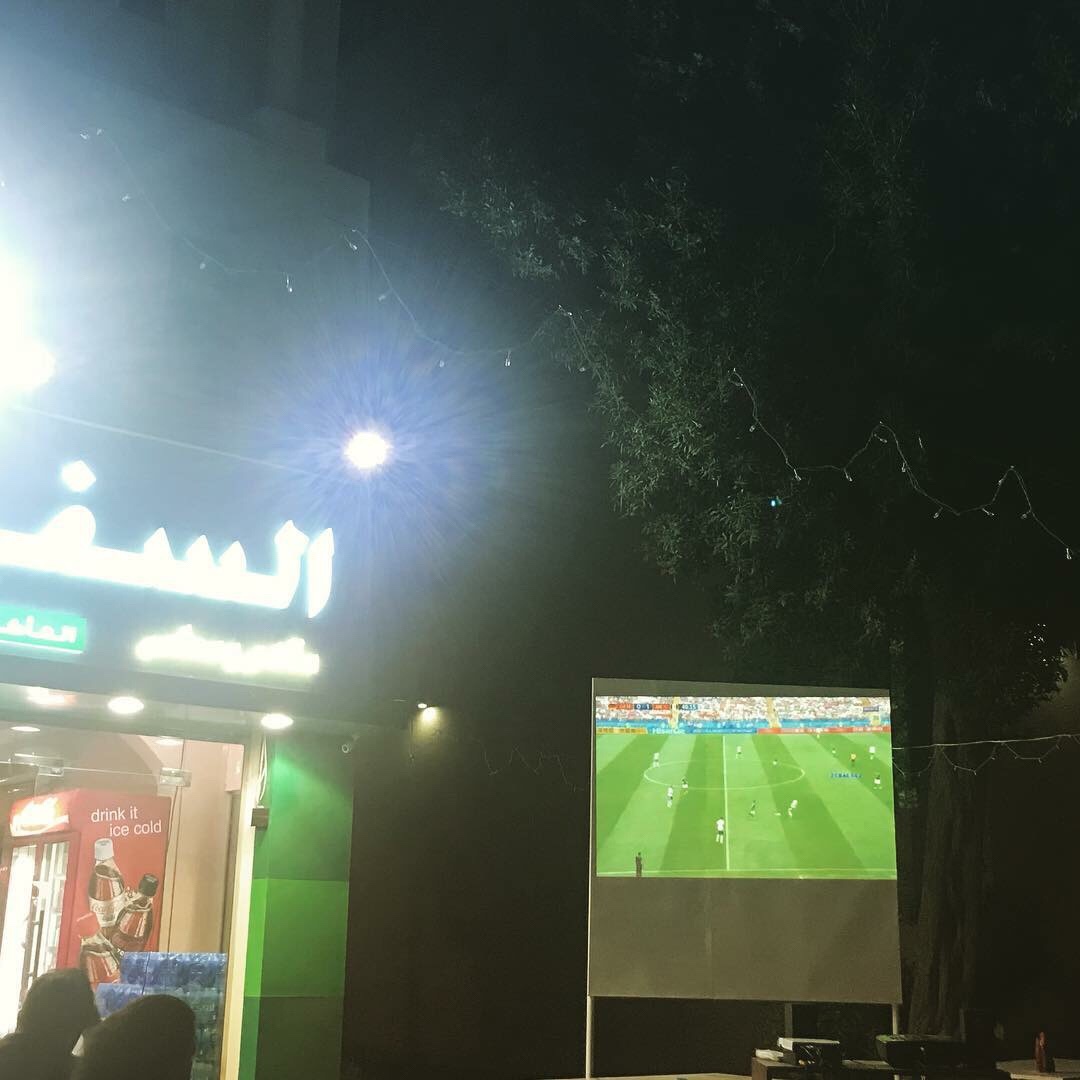
World Cup Football 2018 on a projector at a Turkish eatery with coffee and Shwarma, and frenetic Arabic Commentary in Muscat. Takes me two decades back to France ‘98 when as a child I watched the greatest celebration of the Global Game on Rotana. It’s Mexiki versus Al German going on now. Cannot be more at home.

Indian Trader Diaspora

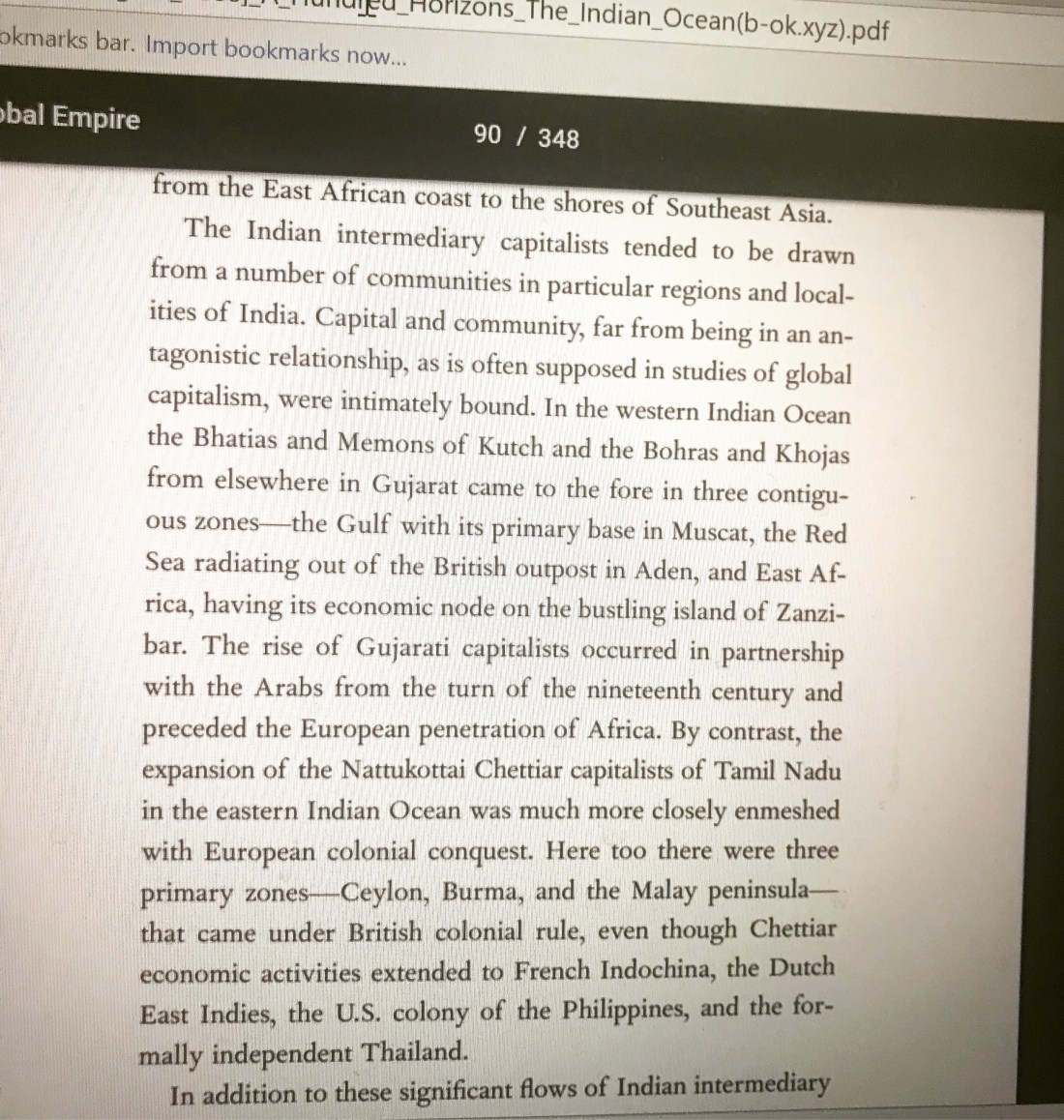
Bania Traders from Kutch (in Muscat) and Chettiars from Tamil Nadu as trade diaspora in the early twentieth century, from ‘A Hundred Horizons: The Indian Ocean in the Age of Global Empire’ by Historian and MP Sugata Bose.

I sometimes wonder how much little do we know about the region we live in apart from living in our ghettos and watching vernacular channels or reading news from back home. The world is not growing more intelligent by the democratisation of data in the era of the digital, information needs to be read. Information is not for the search engine.

Faded dreams

Dreams fade

The exuberance to jump at the deep end of the pool wanes

A dawn happens

Of the times lost

While exploring the wild side

May be the jet skiing was worth it

Or the hours spent on the food court

Or the hours writing away

To realise that

Capital wins

And the 16 year old lost

Poetry for Business

Poetry, and other narrative devices are crucial for business. Poetry helps in locating the human condition. The human condition is not all datafied to be plotted on a curve or fitted in to an algorithm. Markets are communities of people. Your consumer is a human. Analytics should be about meeting your consumer need. Tech Bros get derailed by their lack of empathy. Read poetry. Start with Rupi Kaur.

Rest in Peace, Mr. Bourdain

Bourdain’s work is anthropological and food was merely the pretext. Waiting for some grad school rookie to write this thesis proposal on parts unknown. Rest in Swag, Mr. Bourdain. A Vassar dropout, this judoka was as cool while speaking to Mr. Obama in Hanoi as he was asking the tough questions in his trips to conflict zones. Parts Unknown had a profound impact on me. A wide gaping chasm in the discourse on ideas.

The Bahujan Politics of #Kaala: An Activist Project of Pa. Ranjith

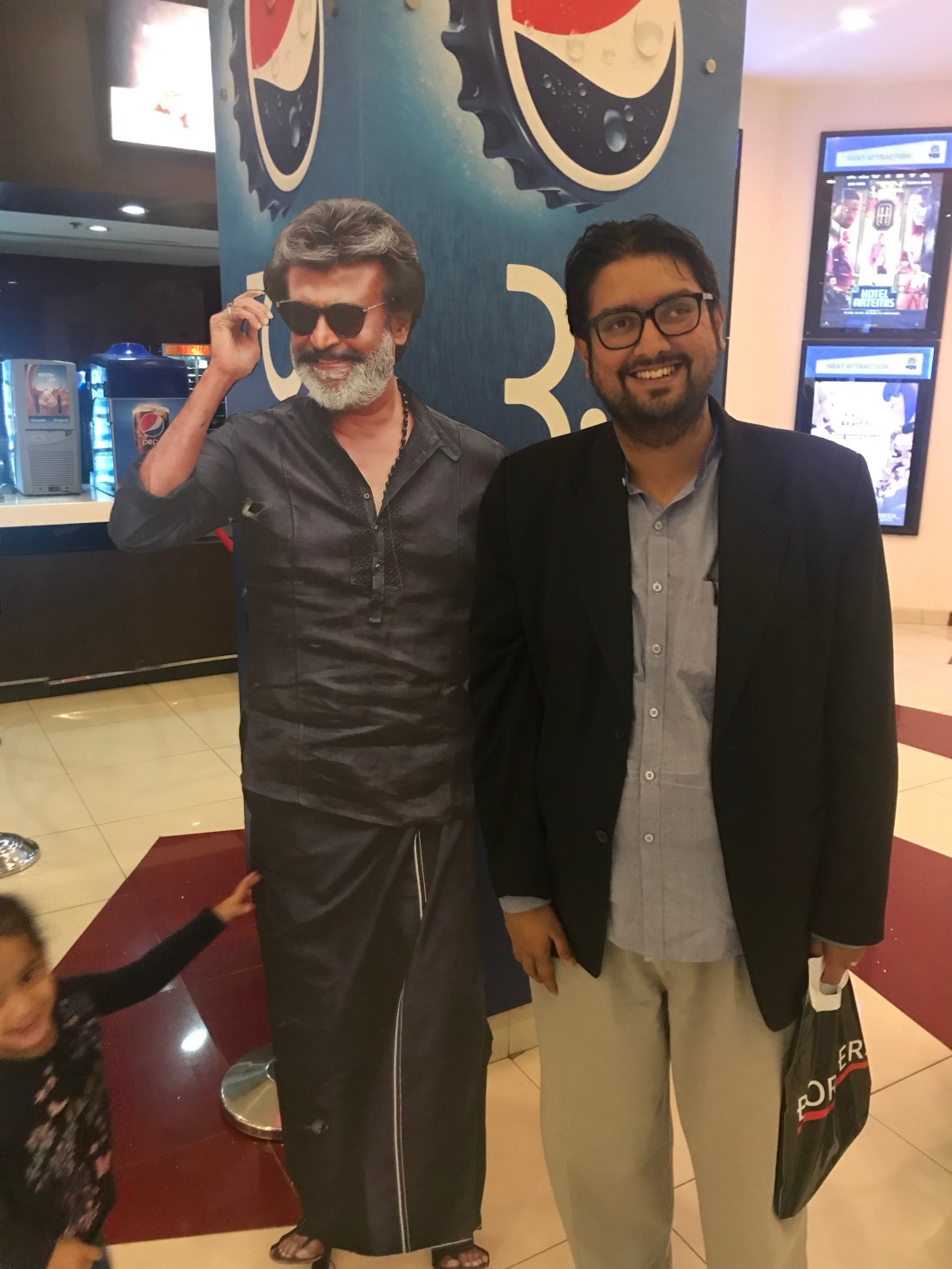
It was a Ramadan Month Weekday in Muscat at a posh mall, for a show at Iftar time and still the hall was nearly full with eager expats waiting for Thalaivar to show his social justice antics with Pa. Ranjith, Dalit Leftist Film maker, whose ideological moorings were evident with Kabali, where subaltern Tamil diaspora politics were the anchor. Shift frame to Kaala, the Bahujan Leftist Progressive Politics is not the subtext as in a footnote, it is rather the full thesis. It is a manifesto for Dalit politics whose framing or context is the Tamil heartland of Dharavi, the largest slum/informal urban hub in Asia, next to the International Airport in Mumbai. Dharavi is known for its Dalit Panther/Republican Party Politics since the 1970’s.
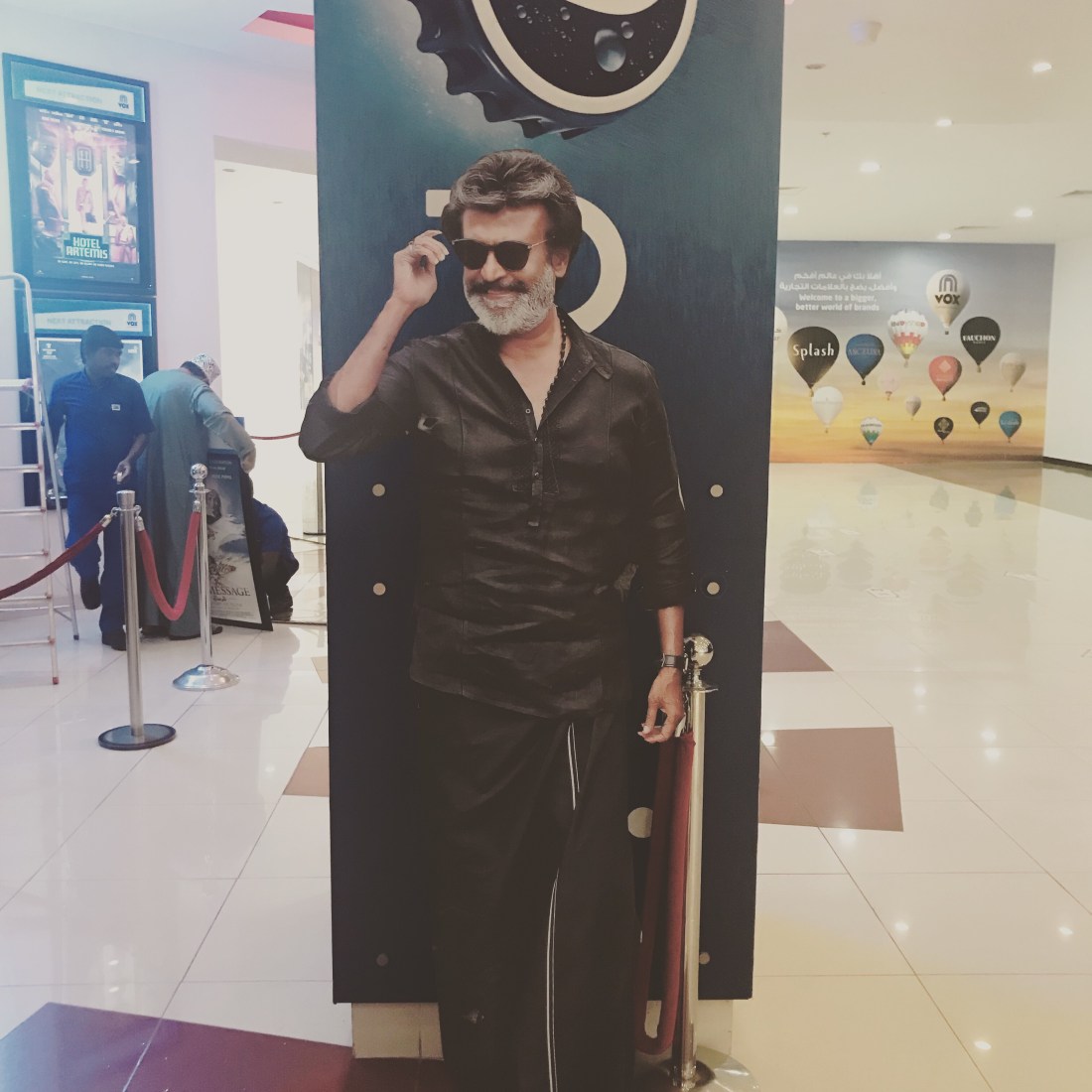
At the soul of this political project with a small p, is land rights for the urban poor in slums. Rajnikanth, the film legend turn wannabe politician is Kaala, the muscle man and community organiser from Dharavi, whose struggle to keep the district away from the clutches of the land sharks in the cloak of development and cleanliness (think Swachch Bharat and New India, as clean and pure Mumbai/ the overlaps are plenty with even a ‘Digital Dharavi’) and politics of religion seems like a direct rebuke of the politics of the BJP. The cold blooded but suave politician named Haridev Dada, as Nana Patekar is a good foil to the strong screen presence of Rajnikanth, and there are plenty of high pitch duels on screen. Huma as the Muslim reformer protagonist plays her part with poise. There are a bunch of star talent from the Tamil, Marathi and Hindi Film Sectors including Tripathi and Sayaji Shinde who are the ballast of the cinematic initiative.
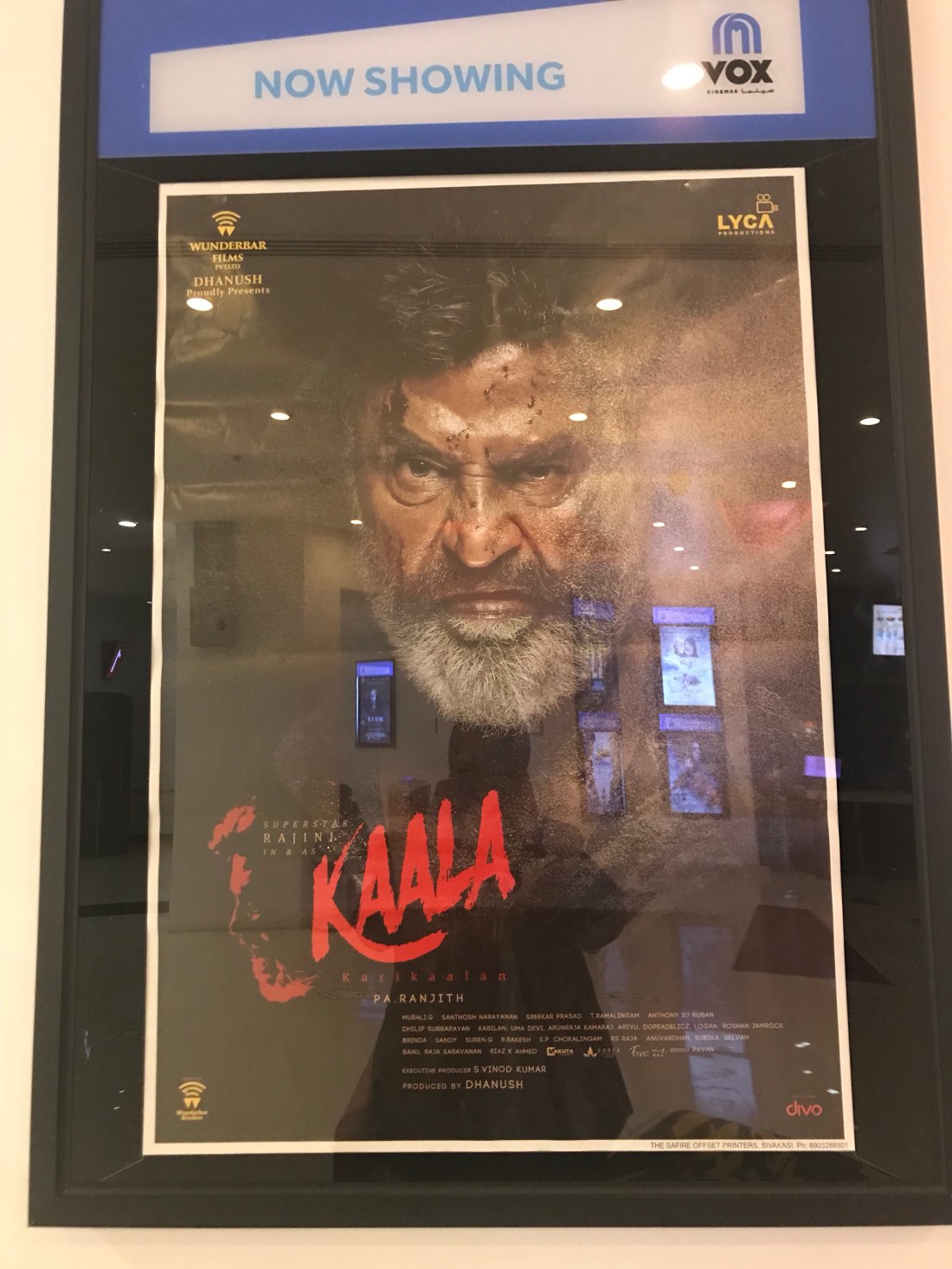
The inferences to untouchability and Buddha/Ambedkar are present almost in every second frame of the film. The red and blue colors at the end of the film are clearly anti Savarna and Capitalism. Raees had the Gujarat riots as subtext as well as Shanghai which was about the politics of urban land acquisition for SEZs. Kaala is about the urban poor, and a massive advert for the Ambedkarite movement. Prakash Ambedkar and Mayawati among other owe a meal to Pa. Ranjith and his Activist school of cinema albeit in a populist foil with rap music and a fancy SUV.

The slum common loo as a locus for social interaction is depicted subtly in the vain of Joachim and Bezwada. The role of meat and alcohol in Dalit life is also stressed. Notions of Brahminical purity are parodied in the film. Kaala is juxtaposed as Ravana, and Hari Dada as Krishna, and parallels with mythological characters are drawn. There is a strong anti a Hindutva bent to the film, with the word ‘Fascist’ being uttered, which is unprecedented in today’s times. A film which is purely an answer to the times we live in. A courageous film at many levels; commercial and activist do not go together, at all.

The politics of Kaala is not Rajni Saar’s politics in the light of his comments on Thoothukudi. Reality and Reel even in politics, do not overlap.
Polymath Tales.

For all the experimental work I have done across the sectors, engineering, environmental, non profit, public policy and creative practice, I sometimes feel the space for trying out new skills and techniques is shrinking as the age of the specialist is inhibitory. Problems are multidisciplinary and several approaches need to be taken to understand how and why the world is disaggregated and integrated in the same breath. I do not think in silos. I have written papers in climate change to Digital Archives to Film Studies. All have meaning and I am not clueless, rather the word is Polymath. #karakchaitales

What is real tech transformation?

A technology is an imagination, such as the Digital which is hoped to be a silver bullet to all problems. Every technology creates externalities, and should be perceived as a lens to shape the future by understanding the present deeply. A digital lens is political as it is not just science but commerce undergirding the mechanics as a technology or innovation is only as good as the money it can generate. E Retail, Uber or Privacy issues all are linked to the ability to generate revenue, and kind off easing and improving standard of living along the path. As Prime Minister Modi recites in every address practically, ‘the transformative nature of technology’ through digital india and start up india, pointing to the possibilities of digital to bypass the bureaucratic inefficiencies that riddle the country. I have wish to Ask in my book project, is the transformation really changing lives, saving lives by creating jobs or improvements or it is only for the Gartner Tech Hype Curve?

The Children of Gold

Children who grow up in the Gulf are a cocooned species, within the family, community events and schools. The Father is usually overworked and too worried about his next mortgage payment to worry about his kids. The kids of south Asian decent grow up speaking better English and Arabic rather than Malayalam. Hometown visits once in a year or two are rituals in growing up non resident in the Gulf. The play station and FIFA become his best friend, or the latest series on Netflix. The weekly trip to Lulu or the Church/Temple is the extent of social interaction in physicality. The brief playing around in the clothes section at Lulu in a very impromptu manner is one of the simple pleasures of Gelf life.

There is a hollowness about growing up here, I did and I did not love it until I realised way later in life that my parents bled their rials to raise me up. My father did not make it to my commencement at NUS nor at Waljat, but he paid for my education. The precarious life of the Temporary People has its unique characteristics. The children of the Gelf expat bears it in his or her lived experience.