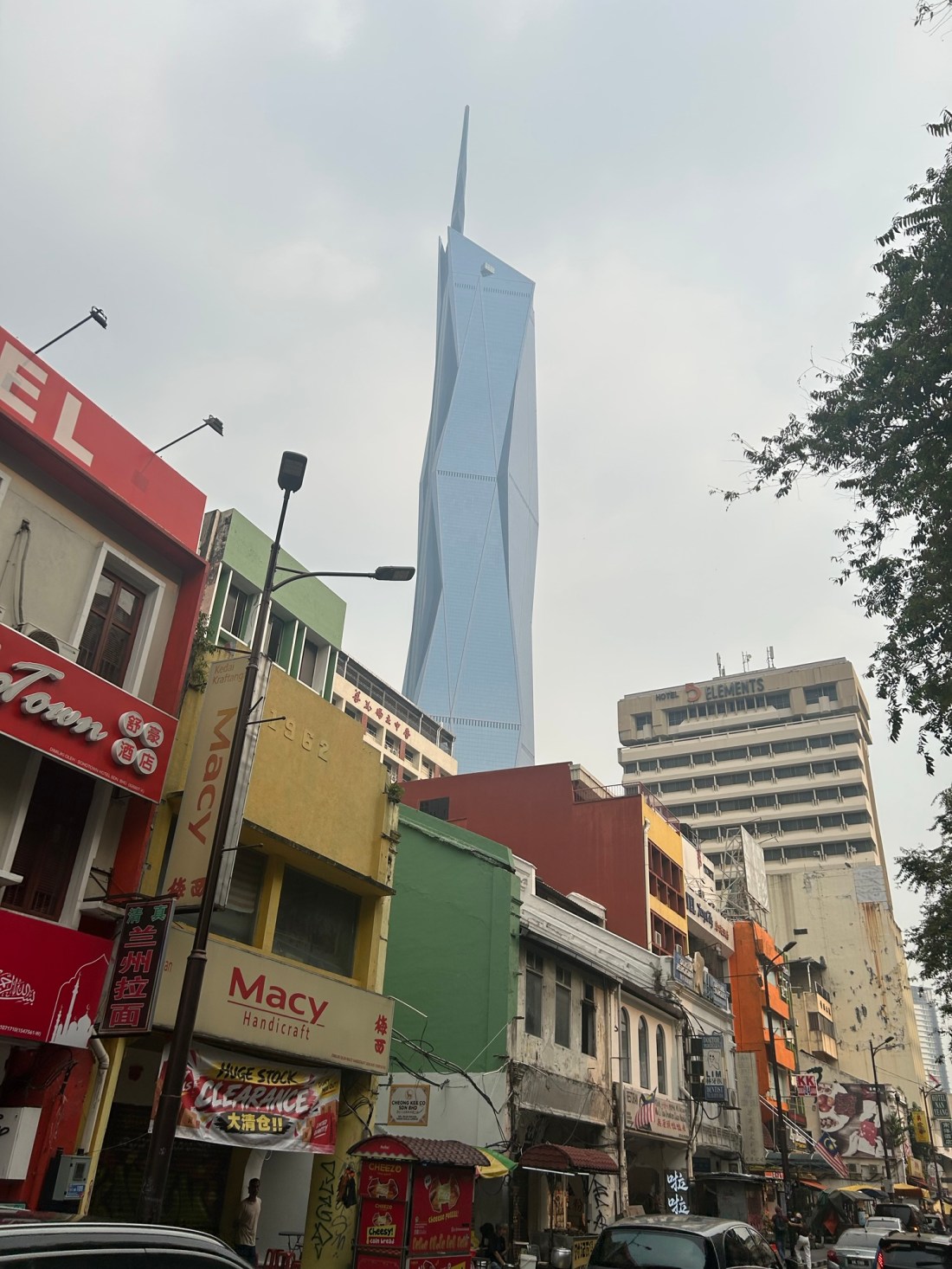
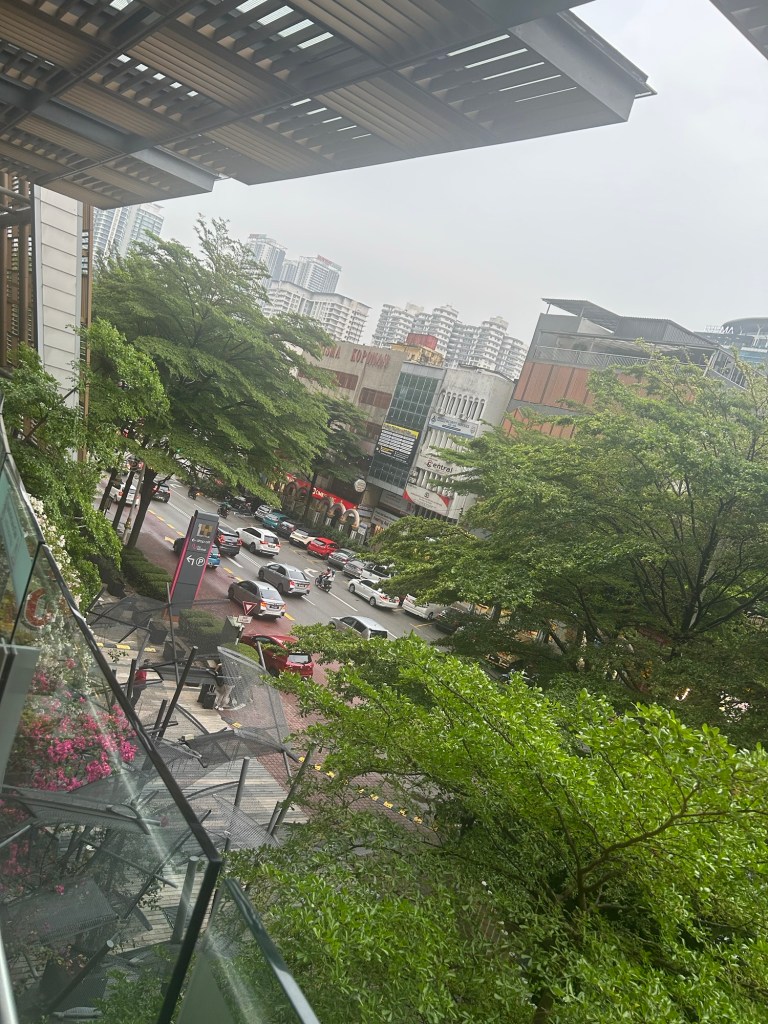
The haze mess isn’t new; Singapore faced it in 2015-16 while I was working at a think tank then. This year has been slow-burning (pun intended) and suffocating, and I have been breathing it in Kuala Lumpur. It is bad for health, particularly for the super-ageing society. This is quite tragic, but expected, as the climate discourse has been reduced to recycling plastic straws and zero-waste shops. Environmental legislation was rooted in public health governance and the impact on the scale of human health.
The financialization of the climate discourse into ESG indicators has taken us all away from the larger questions of politics and livelihoods. The elephant in the room is whether the smallholder farmers in Kalimantan are paid enough so that they do not slash and burn. All the millions in peatland governance grant money in Singapore’s best research institutions should help solve it instead of only aiming for Nature and Science publications. Singaporean taxpayer dollars for research should have an ROI that builds community resilience.
The haze crisis, with a capital C, is one of troubled politics and entrenched interests. The Energy Transition with EVs and Battery Storage with a solar+wind+hydrogen+nuclear energy mix will clean up the air in normal times, but it is not meant to address the haze mess. Environmental matters need to be solved politically with the chequebook.
Where are the blended finance instruments for funnelling funds to smallholder farmers and the palm oil ecosystem in Kalimantan? This issue will continue, as with the winter haze in Delhi each winter, as farmers in Punjab will burn the stubble. Farmers in Punjab will vote in a few months, and politicians need votes to be in power in the crucial border state. There are parallels in various contexts in Asia; the bottom line is the same- the politics and the interests that guard votes and profits.
Nothing fuels change as a crisis; the Hormuz crisis turbocharged EV adoption in Southeast Asia as oil at the pump was skyrocketing. The buffering electorate does not solve for the haze. Palm oil is intertwined with politics in Indonesia, and a major export. Solutions will not happen overnight, but moving towards recognising where the power lies is a starting point. TNFD, RSPO and all other frameworks are merely a band-aid in the midst of a regional public health crisis.

