A Slice of Oceanic Islam: Geylang Serai Ramadan Bazaar in Singapore

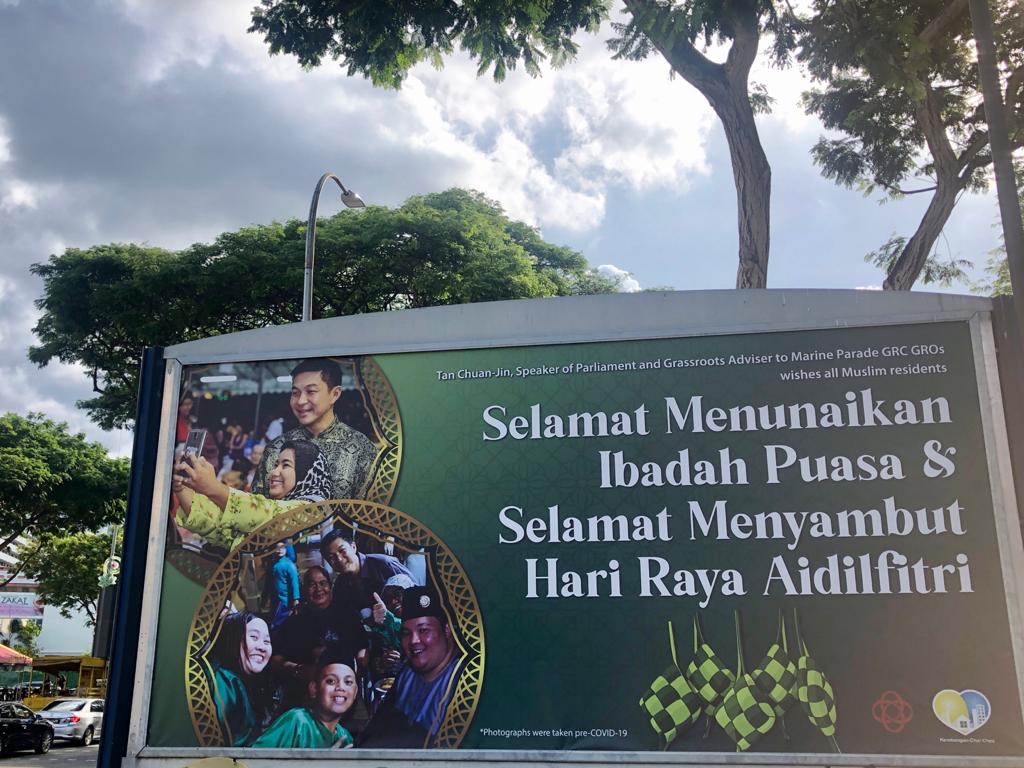
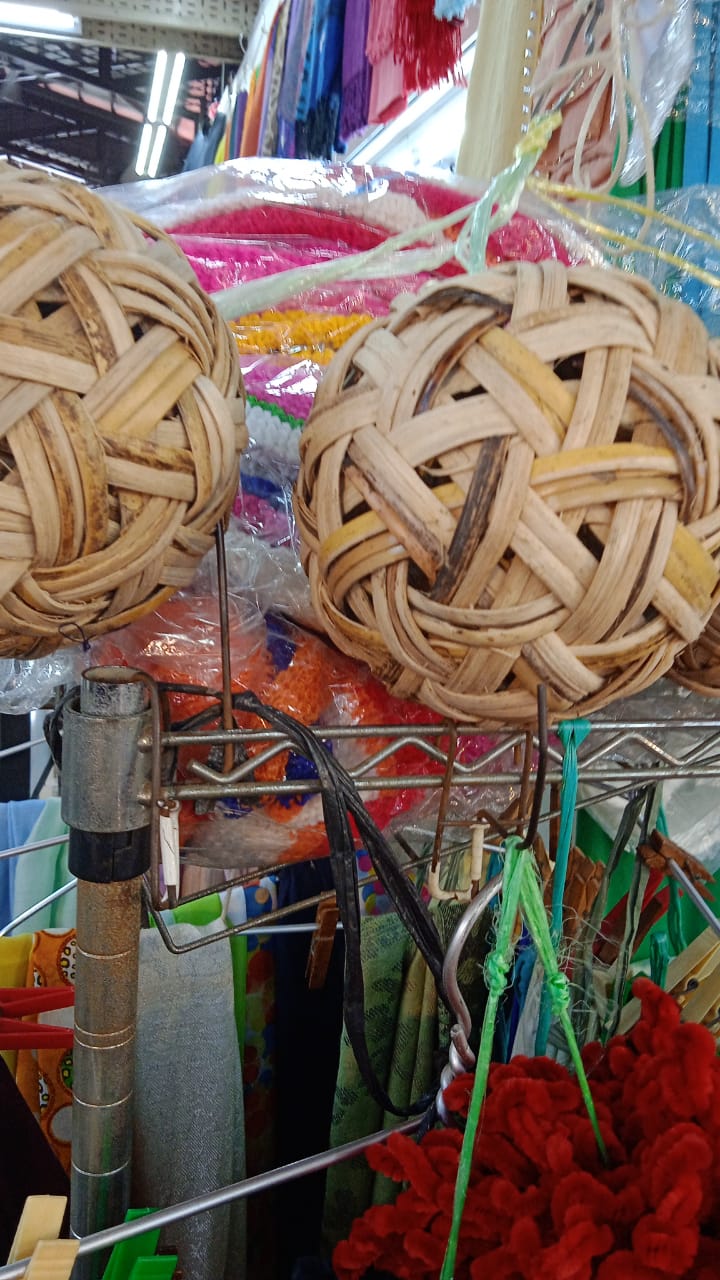
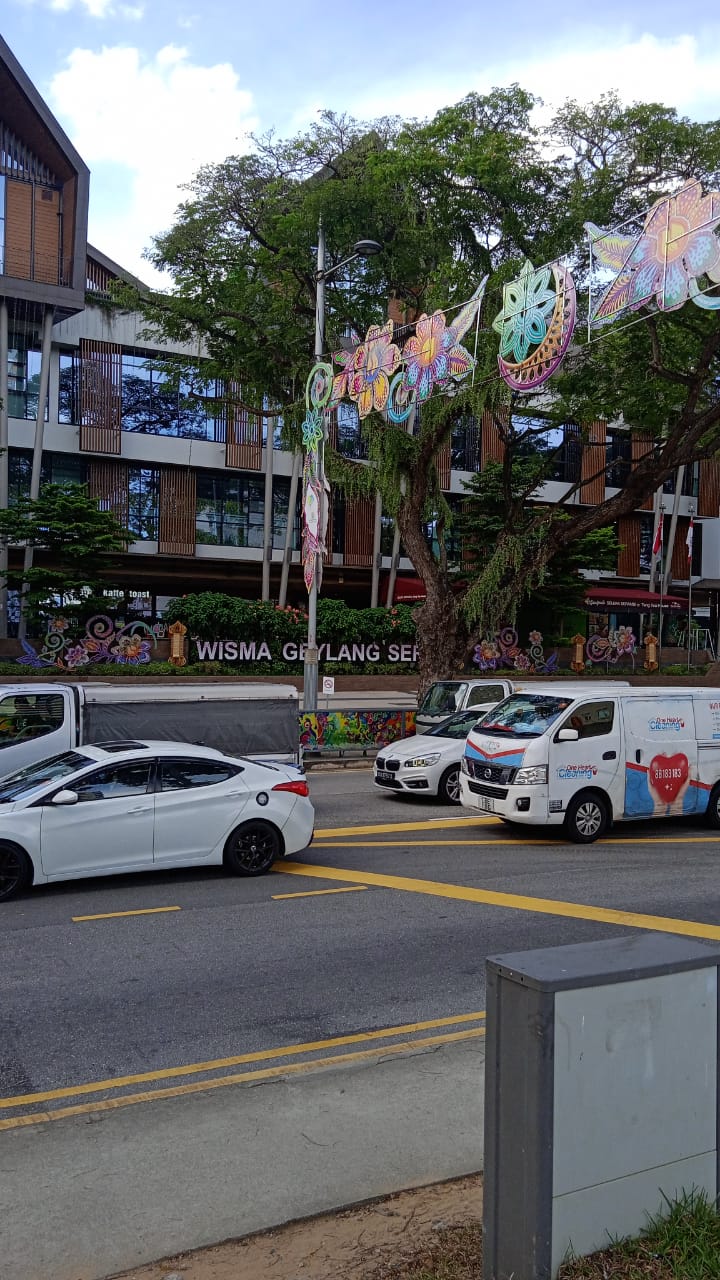
A sonic landscape of Quranic recitations transported me back to my college years in Muscat where the bus driver would play the recitations during the fasting Holy Month of Ramadan. I did not expect this in a food centre in Singapore, and was pleasantly surprised by the innate familiarity of the space at the Geylang Serai Ramadan Bazaar. The colors and the narrow lines of traditional attire was a global space, trans locally connected to the bazaars in the Gulf or South Asia.

The colorful salwar kameez for both men and women, the gem stone rings, the head scarfs are a remainder that Singapore was an important port for the Hajj from Java to Mecca as Eric Tagliacozzo has written in his book. Arab families still feature in the physical landscape in Singapore. As i wrote in a recent academic essay for my Global Cities Module in the PhD Program:

” Singapore as a part of British Malaya was a transit point for Haj Pilgrims from the Bahasa speaking world to Ottoman Mecca stopping by ports such as Bombay, Cochin, Karachi, and British controlled Aden (Tagliacozzo 2013) (Mandal 2018).

Hadrami Diaspora connected ‘the balad’ (the homeland in Arabic) which is Al Hadramout in current day Yemen to Singapore, where Arab traders such as the Al Kaff or Al Juneid families were once the largest property owners in colonial Singapore. Al Juneid MRT and street names such as Muscat Street in the Kampung Glam neighbourhood is an indelible physical signifier in the everyday life of the city regarding the transregional connections to the Middle East (Ho 2006). With the Little India, Bugis and China Town configuring the city as ethnic enclaves in a traditional sense which was ordinary for colonial cities such as Calcutta (still has a China Town enclave) and Penang (Kooria & Ravensbergen, 2018).”

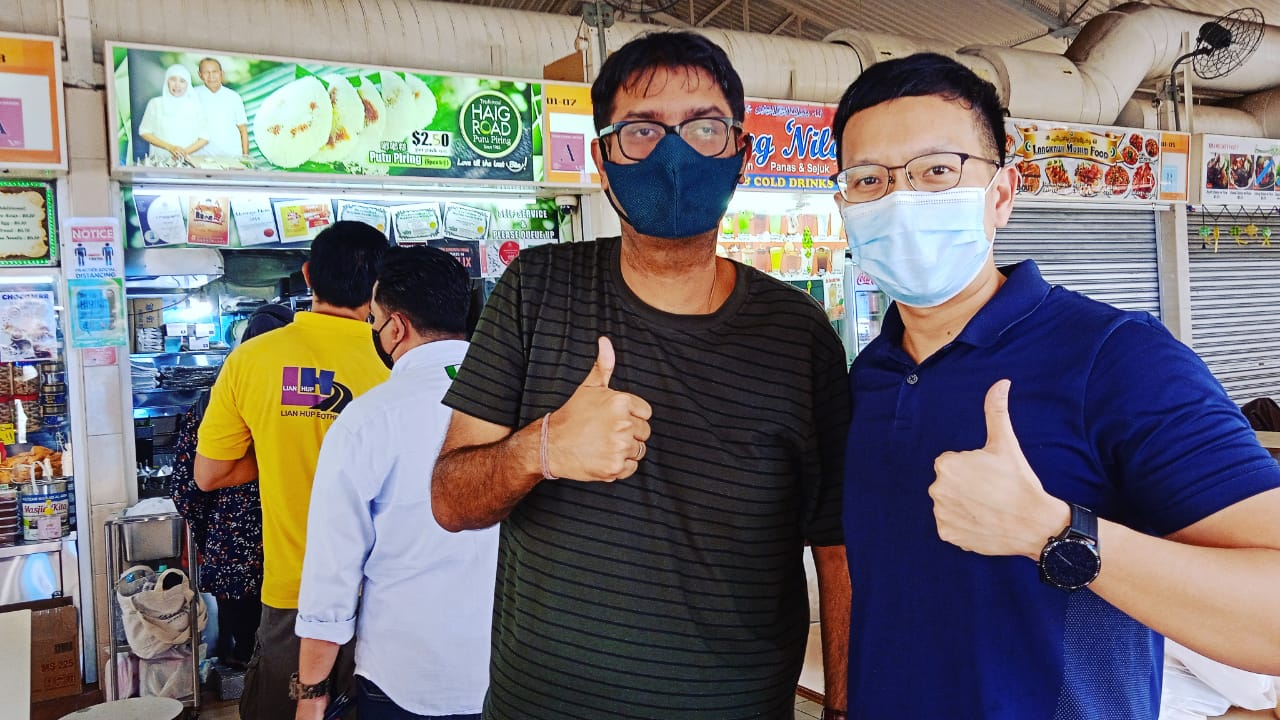
Thanks a ton to my friend Mr. Colin Pang for his time and care to show me around the area, as there are different ‘Global’ Singapore’s to be seen and experienced and may be written about.

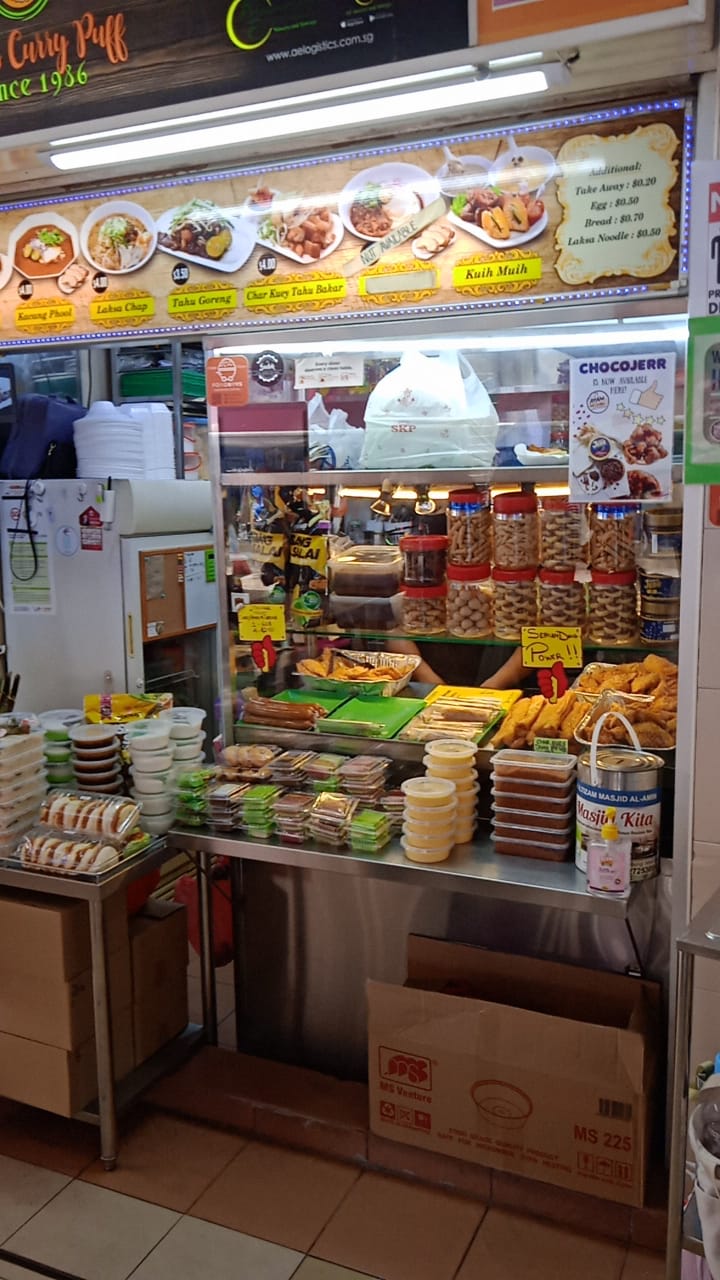
The Bazaar.

Putu Piring Netflix Style: A Photo Essay

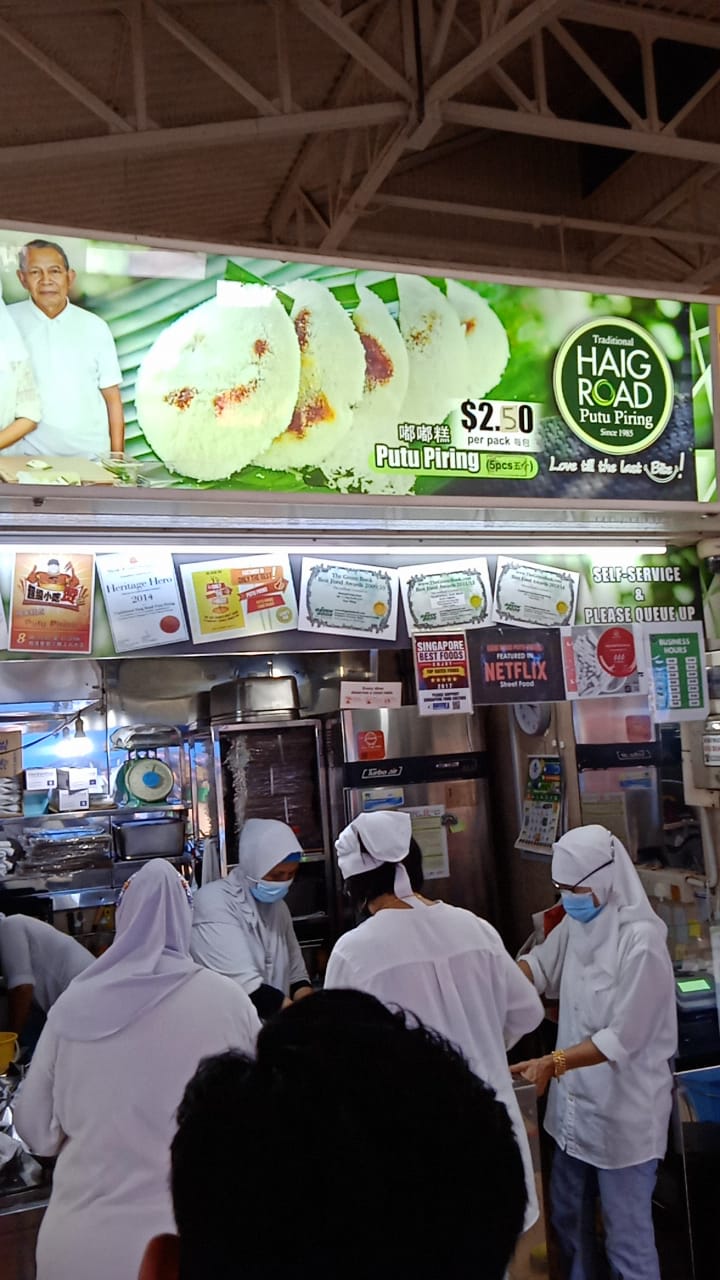
Today, i went to a Putu Piring Place at the Haig Road Market Centre in the eastern part of Singapore which my friend and digital marketing expert/start up maven, Colin Pang introduced me. This particular hawker centre stall has been featured on Netflix. Putu Piring is a steamed sweet, filled with gula melaka quite similar to Pithe had in Bengali speaking parts in India, and of course Bangladesh. The similar flavor profile is an edible evidence of a common cultural grid, one bite at a time.

Khela Shesh.

Having Kolkata style Biryani from one of the few places in Singapore to celebrate ‘Khela Shesh’. What else to mark syncretic kaalchaar?


Aur, Prashant Kishor ji; itni kaanfidaance kahan se laate ho? 🙂


On a side note, we did not need elections during the pandemic.

Carnage.

Having lost one more grand aunt yesterday, i am at a loss for any conception of meaning of progress or productivity. Watsapp pings are dreaded, at the fag end of the semester when submissions are due.
What is the meaning of ‘digital’ or ‘finance’ or ‘innovation’ or citations for academics in this era.

May be we can remember the pain of the current impulse and have more empathy, and bin the cv mindset.

We have lost a generation in a few weeks.

A Pandemic War Response Needed

Public Health is a state subject in India and we are aware that each state in India has a few hospitals (in industrial towns and state capitals in particular) that have the facilities. These hospitals are not built for 1000 percent surge, and for pandemic times. Healthcare is a sociotechnical construction; it needs skilled doctors and nurses, ventilators and oxygen cylinders as well as a caring institutional culture. Each hospital will have its own unique actor network, and during the pandemic the map mutates each hour.

Public health prior to the pandemic was a backburner issue for India. As a state subject, some states have done better than others. We preferred to spend border conflicts rather than prepare for the war within. India, has faced multiple epidemic in our history including the Surat Plague in the 1990’s. Clearly, Gujarat as a state has not learnt lessons from its contemporary medical history. Maharashtra, as a site for the 1897 Bombay Plague seemed to have forgotten the past. The risk of forgetting lessons from history, leads to repeating them at severe costs as the cliché goes.

Our social media feeds for the first time in recent memory have turned into buffering obituaries. Just look at a Twitter feed and all that one can sense is helplessness. I have lost many Aunts and Uncles over the past few months including a health scare in the immediate family this week. Sitting far away from home is a case study for anxiety and stress in the midst of submissions.

There is another migrant crisis underway, however as the last episode they will return as home is is where the work is. The silver lining is the preparedness of non profits and community actors to deliver services and support at the level of the micro everyday. There is a palpable anger against the powers of the day and it is legitimate. But, we need a cohesive response as polity. Please leave the politics for later, we need to save lives now.

And let us build hospitals, and the medical infrastructure on a war mode. Do not forget the priorities in pandemic peace time for Big Boss.