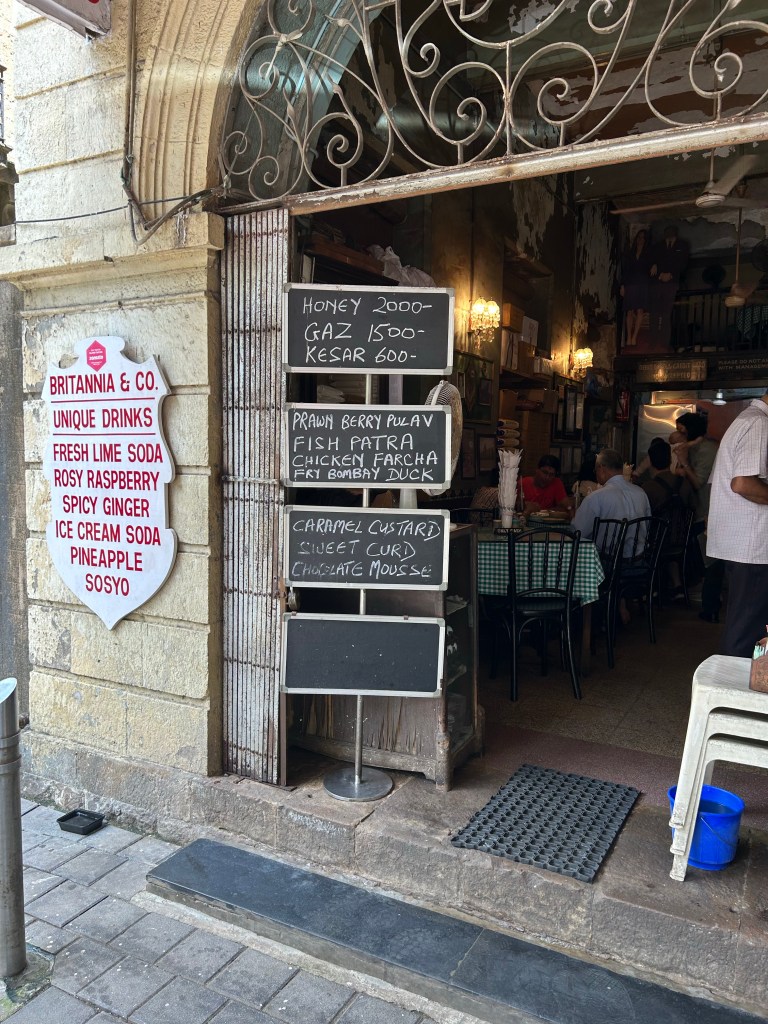


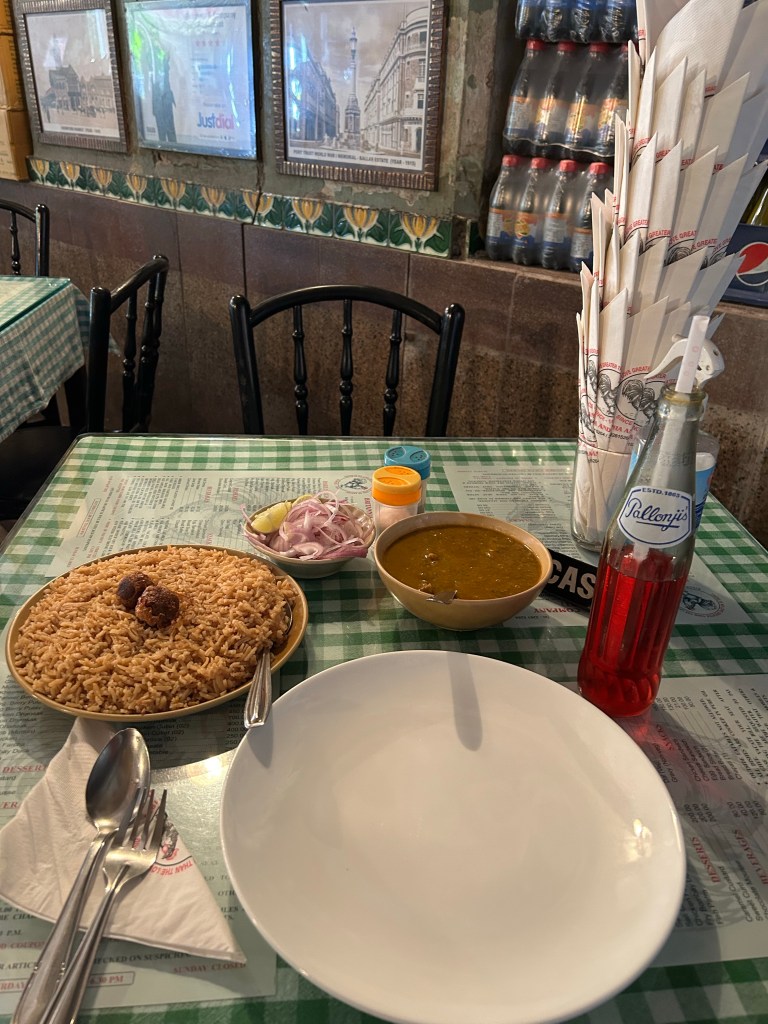
Through the Highways of Globalization

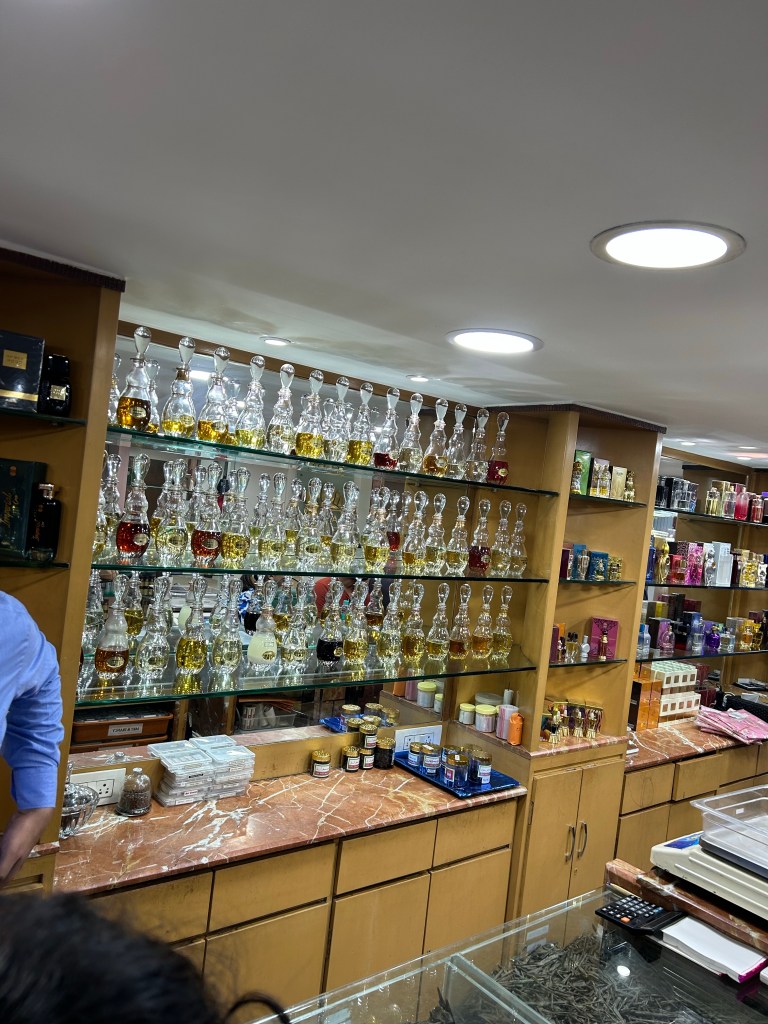
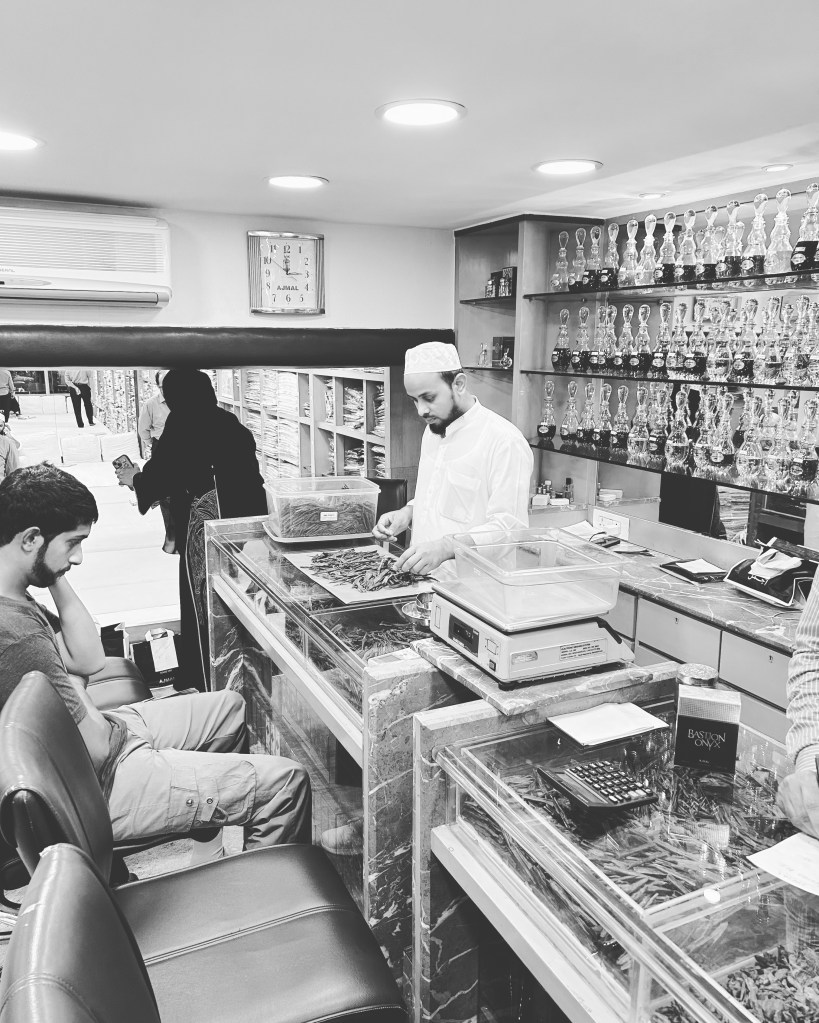
Bakhour.
ESG is the sharp end of stakeholder/responsible capitalism, as metrics, although limited does drive performance. The imperative of quantification, the technology of global governance called indicators works well for carbon as instrumentation sensors and software do the trick. For social metrics, quantification is partial at best. The social indicators operationalize with dignity in the everyday, and ESG is about risk abatement for the investor community as the money makers coined it.
There is always the story behind the data, and real resilience is when professionals think with culture and the entanglements between the various indicators, which amplify/accentuate/attenuate the metrics regard risk.
ESG data looks below the bonnet of a car called the enterprise. But the mechanics of why the firm is not zooming on the growth highway, is in the story.
What is your ESG Story? Think about your social metrics to begin with.
Sustainability Professionals, like every other subject matter expert, think that doing good is the purpose of a business, it is a priority, but the purpose of a business is to serve the customer in the best way so that the customer comes back.
The real bottom line is financial, the companies in the climate zeitgeist think about ESG as its better access to capital and markets. As Sustainability folks let us not delude ourselves, and in turn incapacitate us in helping organizations in the ‘responsible capitalism turn’.
We lie to ourselves; we think of the impact of a career and a business. But 90 percent of the problems in life are to do with money. As a lot of us grew up in paucity of the resource, the relationship is deeply problematic. The focus must be thus about creating freedom.
I had no money education while growing up. But it must be as indispensable as math or language.
I have worked with migrants on the research and emergency welfare side of the spectrum for a decade plus in the Gulf and SE Asia and when I read migration studies literature, I see theorizing which hardly has any representative voices. A literature gap certainly there.
And the removal of the migrant as category separates from the mainstream where these migrants care for the families while parents earn, and build your cities is perpetuation of racial biases, and needs decolonizing. Can it be done with scholars who are western or white or both, while they have the confidence of parachuting in and harvesting data is another question altogether.
I am a third generation migrant and a migration scholar, always in that order.
Onam Ashamkal! Onam takes me back to Sadya lunches at my friend Nikhil’s place during engineering in Muscat and the mad rush at Kerala eateries in the Gulf, where the diaspora celebrates. The Gulf diaspora is the economic spine of the state where NRKs have led a different development model to the rest of the south to a varying degree.
Singapore needs a plural lens to think about its migrant spaces, as the temporary guest worker is not a transient ‘bachelor body’ in a ‘bordered security scape’ (Ye 2013) (Loong 2018). The structured invisibility in terms is being layered by an active digital subaltern social media presence via tik tok, and that most workers are grateful rather than activistic, as the remittance feeds mouths back home. But Singapore is also their home, visa categories are not that important as they will head back to their families in Thanjavur or Kakinada or Panchkula. Citizenship is not their primary purpose, but belonging is a lived experience reality- the chai at Mustafa Cafe or biryani at Fakruddin is transnational belonging, and the dormitories are transnational too next to Johor as the North Coast Lodge. The peripheral centres are transnational if not global, and are an element of the global city, a free port such as Dubai since 1905. The empire made ports as spaces of mobility, as ‘migration infrastructure’ on a city scale.
 Change Thinker