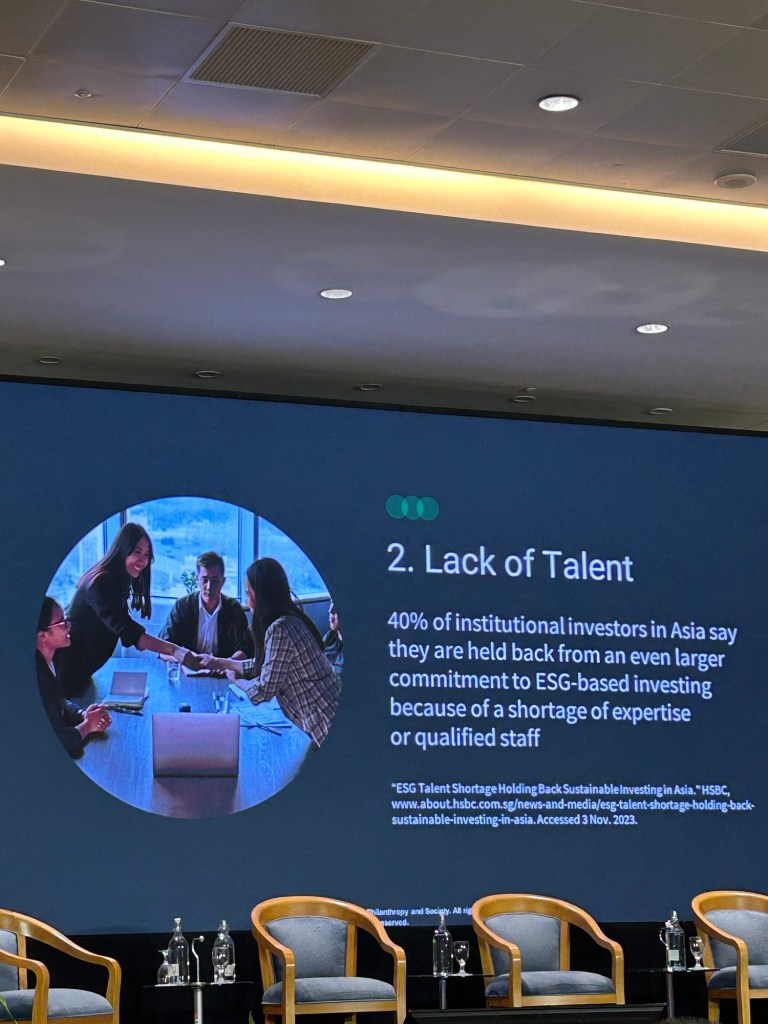
There is a quiet shock with the data point that companies spend more money behind disclosures rather than innovation. To me it is hardly surprising as the entire climate zeitgeist is being operationalized through disclosure and data, through an ESG regulatory maze of alphabet soups which keeps expanding by the day, without anyone seriously asking, is there any outcome or impact towards climate action in the just transition which is the larger frame. Sustainability professionals are managing the green tape, or the new regulatory cholesterol of our era.
Disclosures are building blocks and baseline data and can create the driver towards the transition. The focus on transitions is the classic case of missing the woods for the trees (natural capital, anyone?).
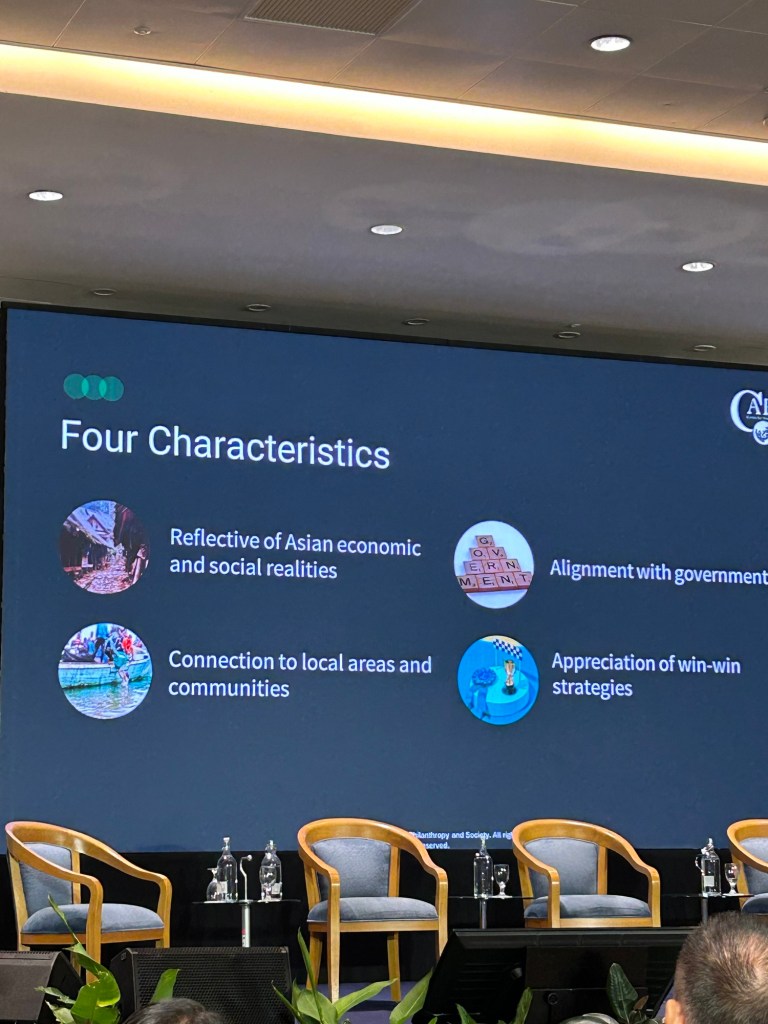
ESG Disclosure Frameworks are conceptualized in Brussels, New York and London and the Global Middle/South merely follows, although India through the BRSR has done excellent work. This is the phase of a new carbon globalization and transition geopolitics; however, it should not import colonial tendencies in the name of global standards.
Let us build our own standards, it is my call this Independence Day.