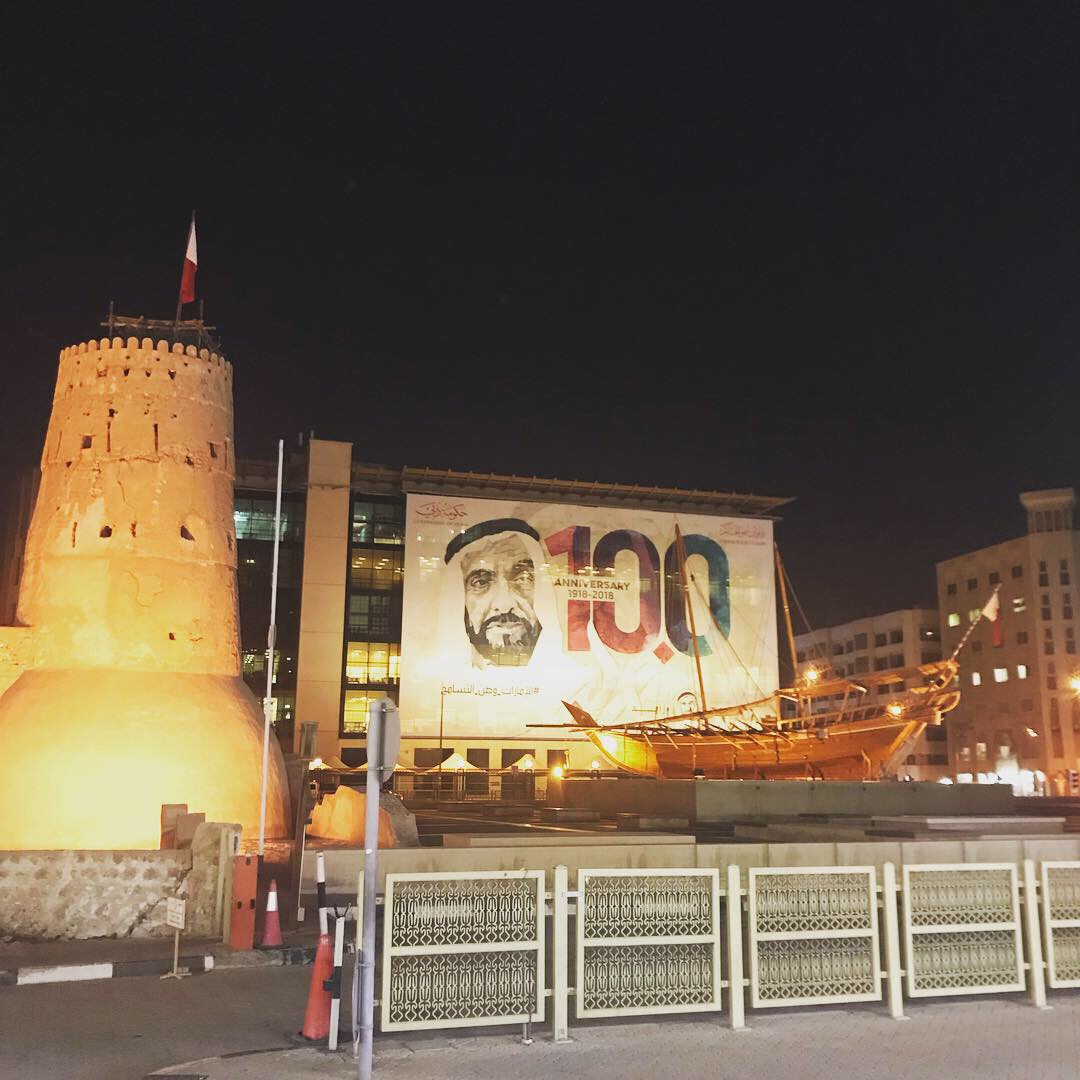
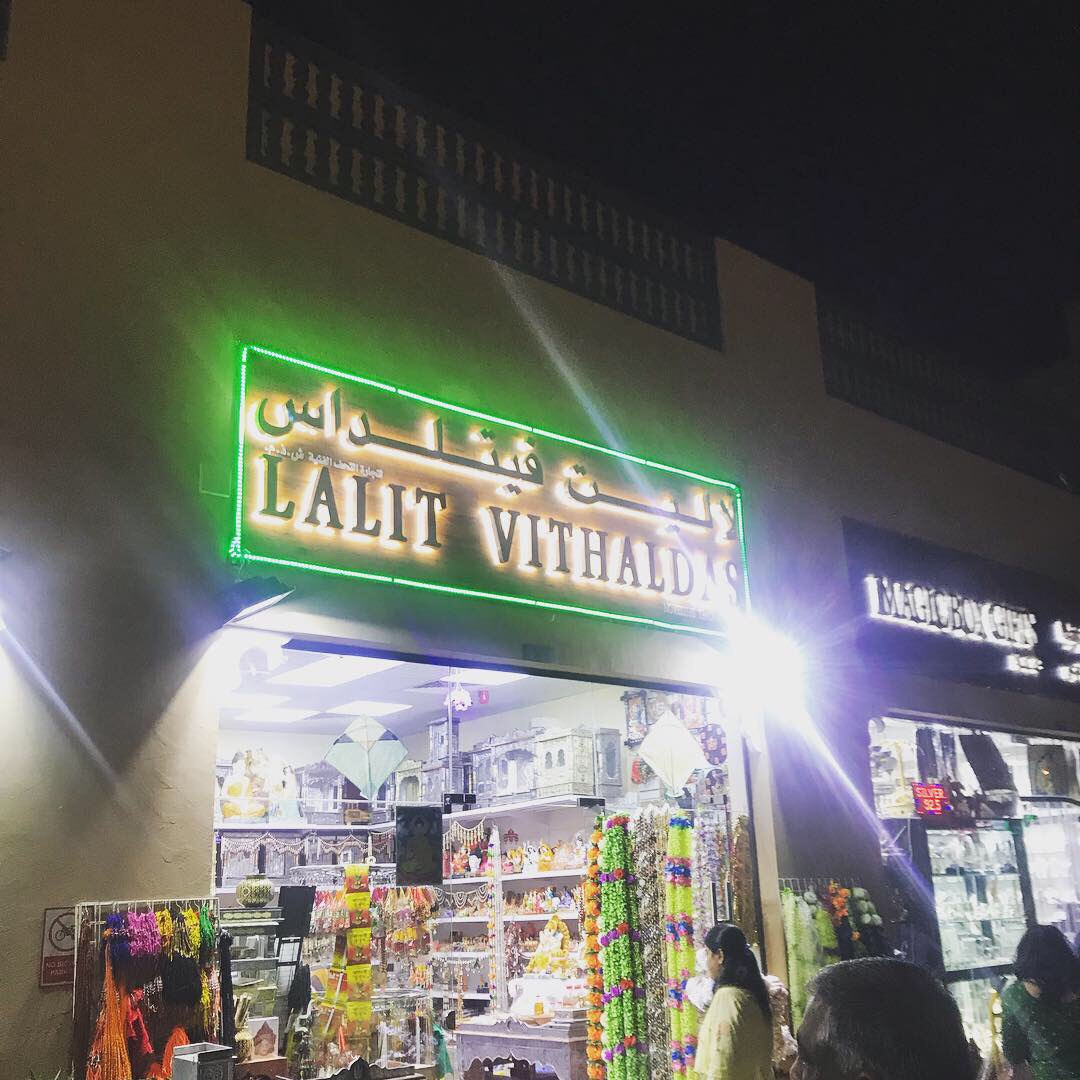
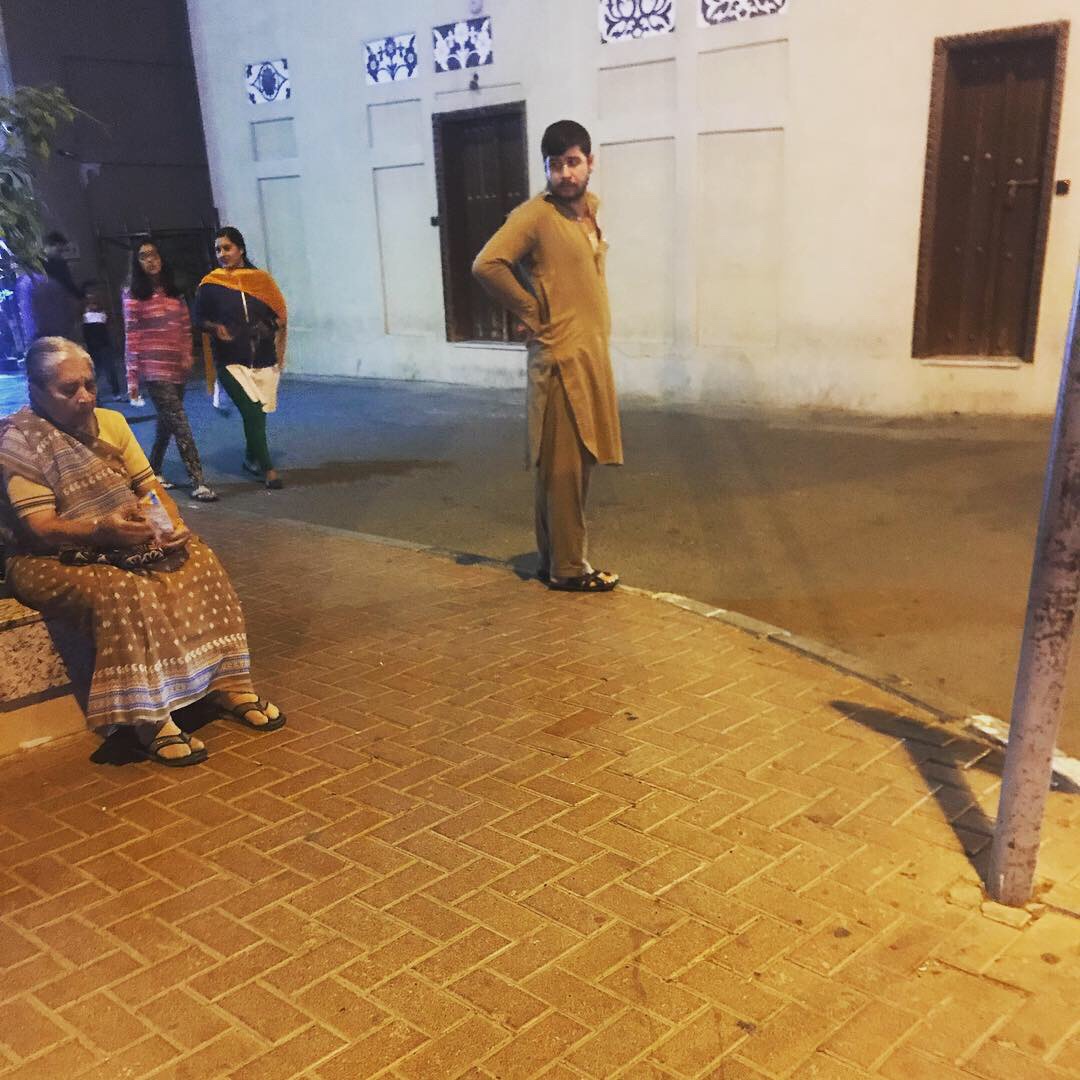
Meena Bazar, Bur Dubai. The only Hindu Temple in the UAE too adjacent to a Masjid. Dubai exemplifies tolerance. @ Dubai Museum





Through the Highways of Globalization
Meena Bazar, Bur Dubai. The only Hindu Temple in the UAE too adjacent to a Masjid. Dubai exemplifies tolerance. @ Dubai Museum
Happy Republic Day India! We celebrate the audacity the vision of an inclusive constitution in 1950, a people’s constitution in the words of Rohit De. From Porbandar to Itanagar, we are Indian- the strength of the nation is its fragmented, yet thoroughly inclusive character. We are many, yet one when we vote in 2019. Jai Hind, BMKJ!
Incomplete wins
Tolerable loses
Dreams deferred
Sounds familiar?
Also known
As Adulting
Got chatting with a barista at Starbucks from Thimphu who studied English at Fergusson College Pune, who was very articulate, and nostalgic about Juhu Beach. From Thimphu to Pune to Dubai, The Land of Gross National Happiness is having a low but rising representation in the diversity in the Khaleej.
Pema Eden was a great barista in Muscat from Thimphu.
#migration
I belong nowhere
The paycheck is the destination
Hence I belong everywhere
The belonging is to an imagination
The physical destination, is however a luxury
Few can belong to
Ten years back (no photos here), I was working at a consulting firm for projects in South Sudan in Oman, and moved in to NUS, Singapore for my terrific masters, an idealist who wanted to make the tiny red dot home to now after 4 countries, two masters and a few gigs later, a man who is just revved up for life more than ever.
I am blessed to have been on international media numerous times, written articles and papers to been rejected by PhD programs for grades to being not wanted by organisations for whom I had given my everything. It’s been a good decade, richer by experiences although with little money left in my account. A house library in Mumbai and a repository of writings is all I have to show for.
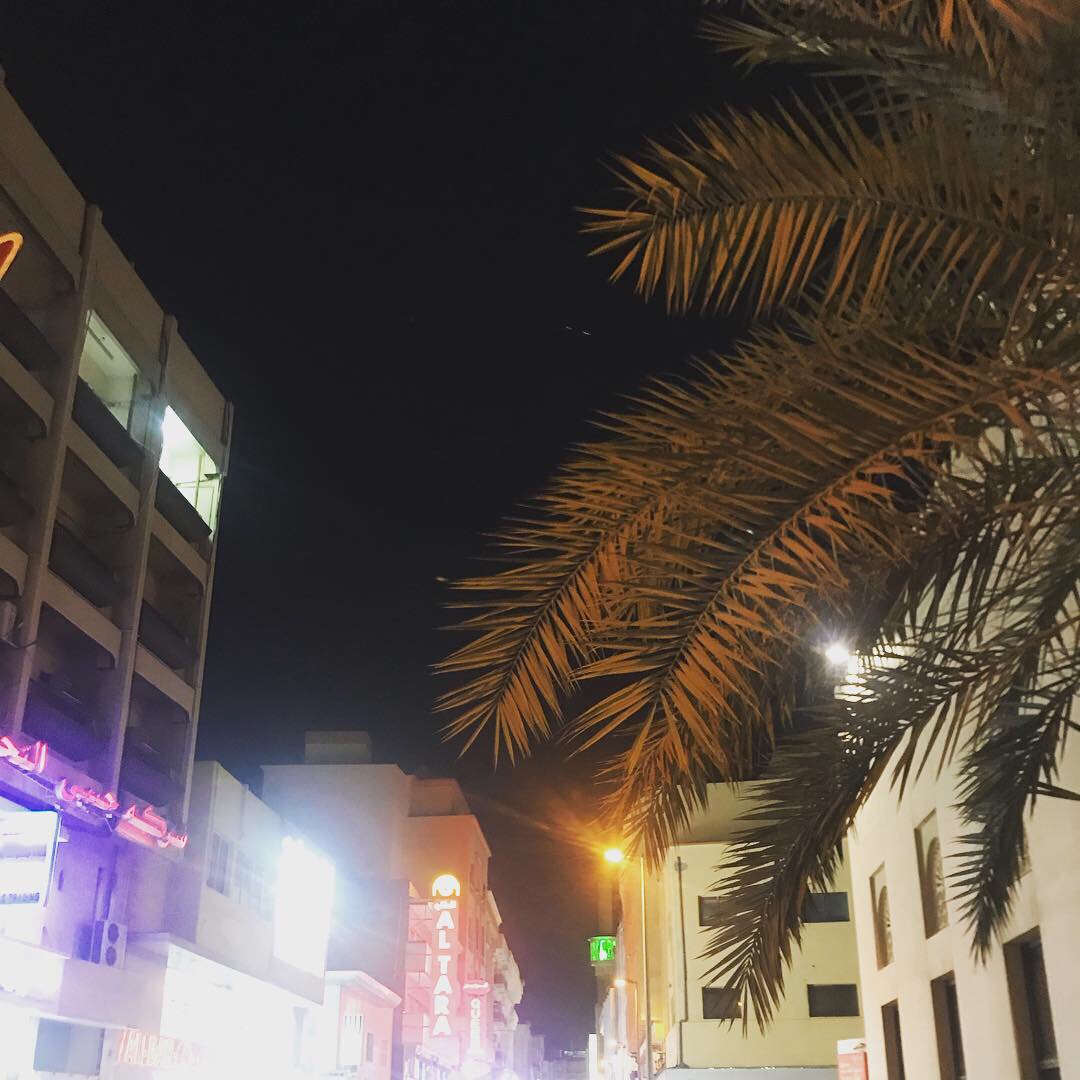
Had a fascinating evening chatting up with a bewildering cast of characters in Bur Dubai from a Moradabadi Barber who landed up in a salon via his time in Trissur, Kerala. He was talking about the entire economics of survival in Dubai. Years of maturity than his 9 grade education and his young demeanour.
I met a cabbie from Cameroon who graduated from a cleaning professional to a cabbie in 5 years. He spoke about his 12 hour journey from Cameroon to Dubai and ultimately as a cabbie. He is French speaking but picked up English in Dubai.
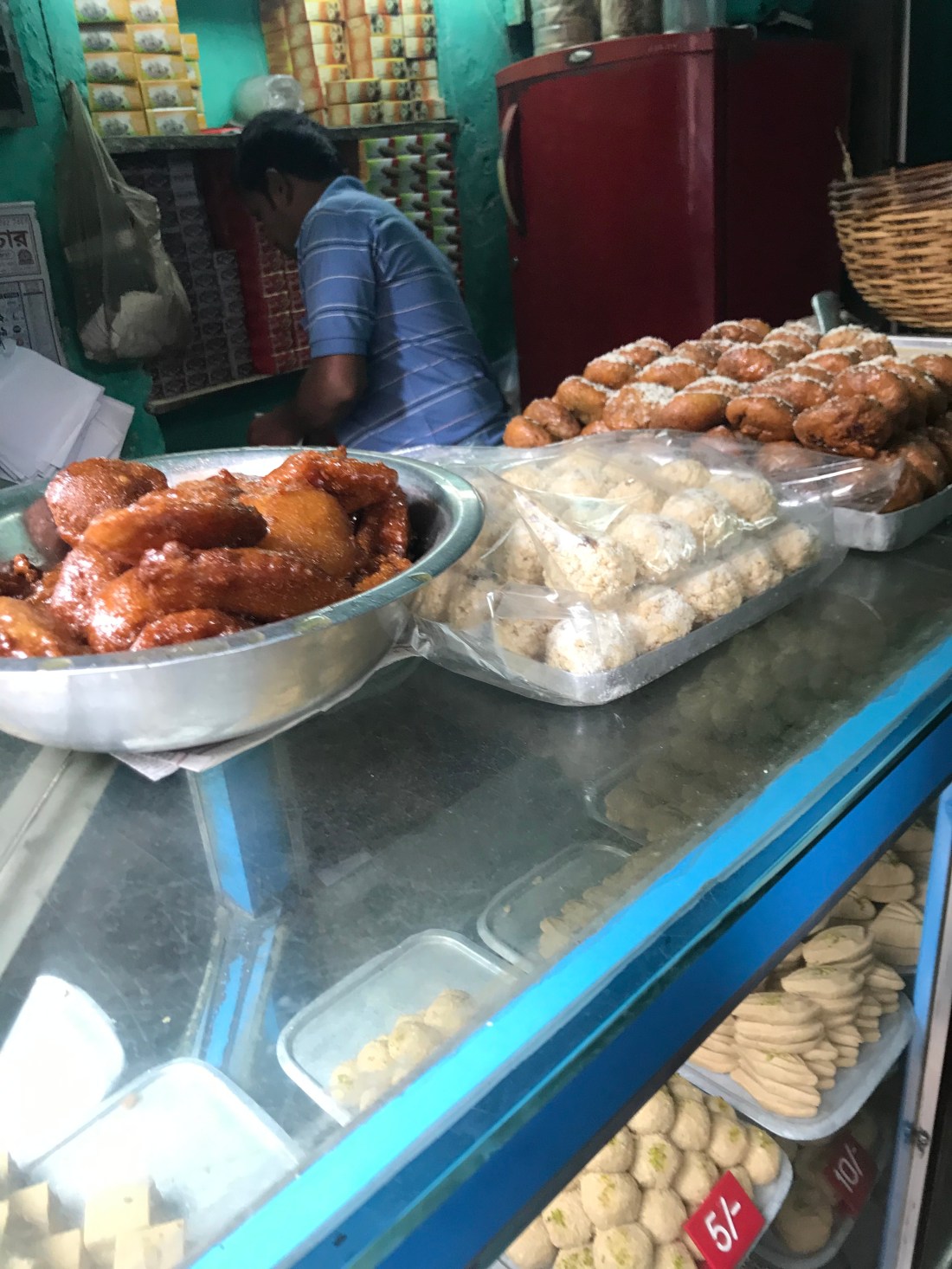
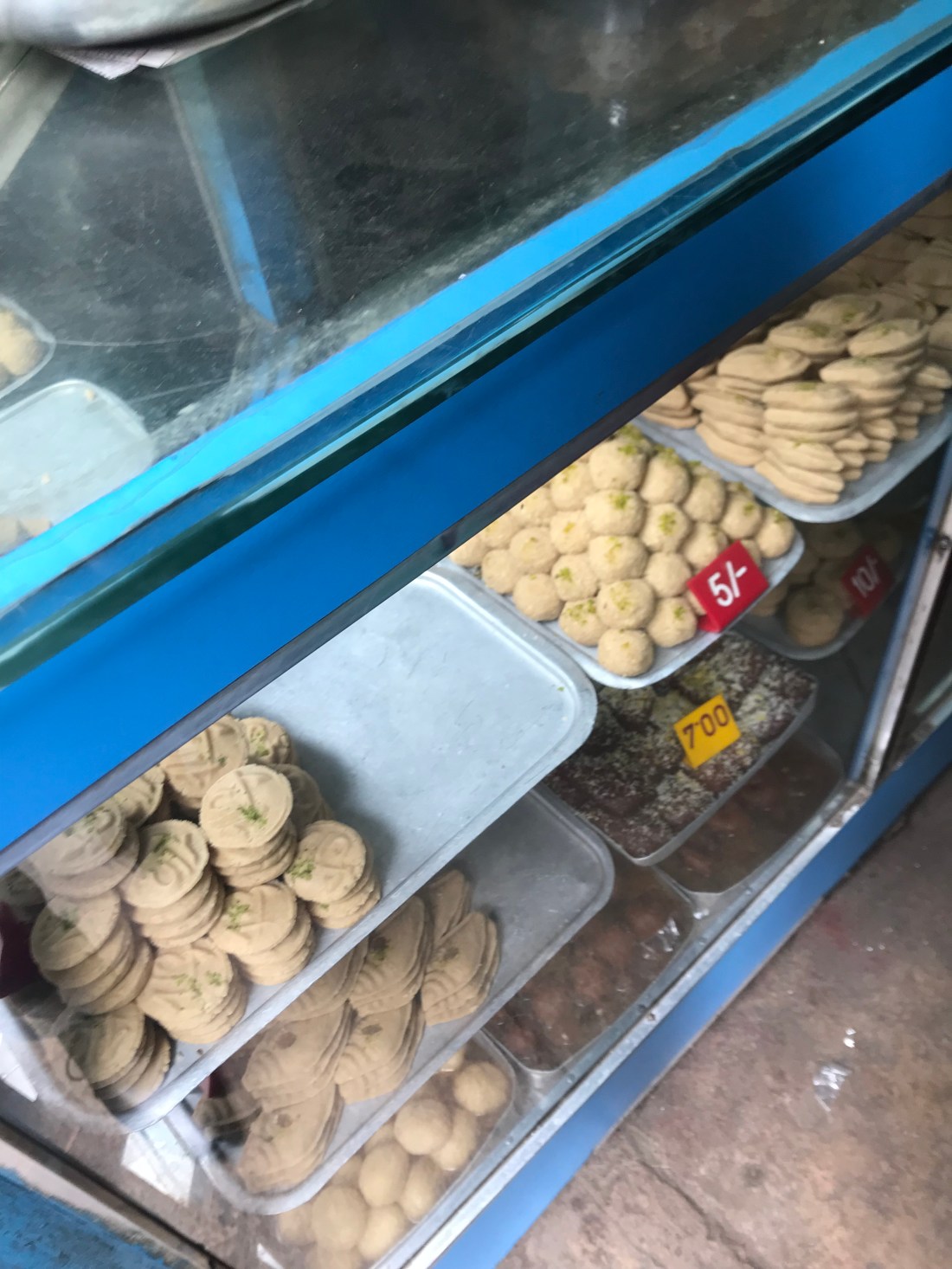
In the spirit of Prof Amit Chaudhuri @amit_chaudhuri ‘s Exhibition on Sweet Shops in Kolkata, I caught a few pics of an artisanal sweet shop in Bally, Howrah. The sweet maker was blissfully crafting his Gur Sandesh, sitting on the ground, while customers were entering the shop, while the winter sun was shyly making its comforting presence felt.
The ambience was humbling but the product was world class. Everything in the world need not be branded and e platformed.


Airports, these non places
Sites of aspiration
Conveyer belts of dreams
Nodes of emotion
Hot spots of commerce
When, Skype is limiting
Airports, melting pots
For middle class Modernity
More than civil engineers
Aim for
How do you write the history of a place which is yours, but not yours. Relegated to the margins, where survival is a everyday negotiation, is documentation and memory that vital? If our lived experiences are not noted, who else will? How do I acknowledge my privilege in this process. How does History writing with a small ‘h’ change when the margins become the core. When the temporary becomes the mainstay?
Middle class consumer citizenships in the Khaleej are a proxy, and consumerism is a mode of negotiation rather than aspiring to the ideal as the social contract is one of work and the life apart from work is considered marginal.
Temporary People by fellow Gulf Kid Prof. Deepak Unnikrishnan at NYU Abu Dhabi paints these narratives of the ‘Pravasi’ in the labour camp is a powerful start. Please don’t write about Migrant lives with cushy offices in the west. We are not narratives for your PhD dissertation.
 Change Thinker