Why Are Migrant Histories Not Written?

Most migrants are focused on earning a living, however the issue is that even middle classes and trade diasporas do not write their stories. If it was not my interest in history and museums, I would not not known that there are Indian trade communities in Oman since the past four hundred years from Kutch. These histories are not seen in national museums in the GCC, neither in India where diasporas are not considered mainstream enough apart from when it comes to enjoying remittance riyals.

There are hardly any contemporary work on trade or migrant diasporas of the Gulf. There are documents available in the vernacular within communities, but scholars are more interested in mainstream archives. British Historian James Onley confidently writes of hardly any written archives of Indian communities in the Gulf, which may be the case in English. What about Kutchi, Gujarati, Sindhi and other south Asian languages?

Such because it is not available in English does not mean it does not exist.

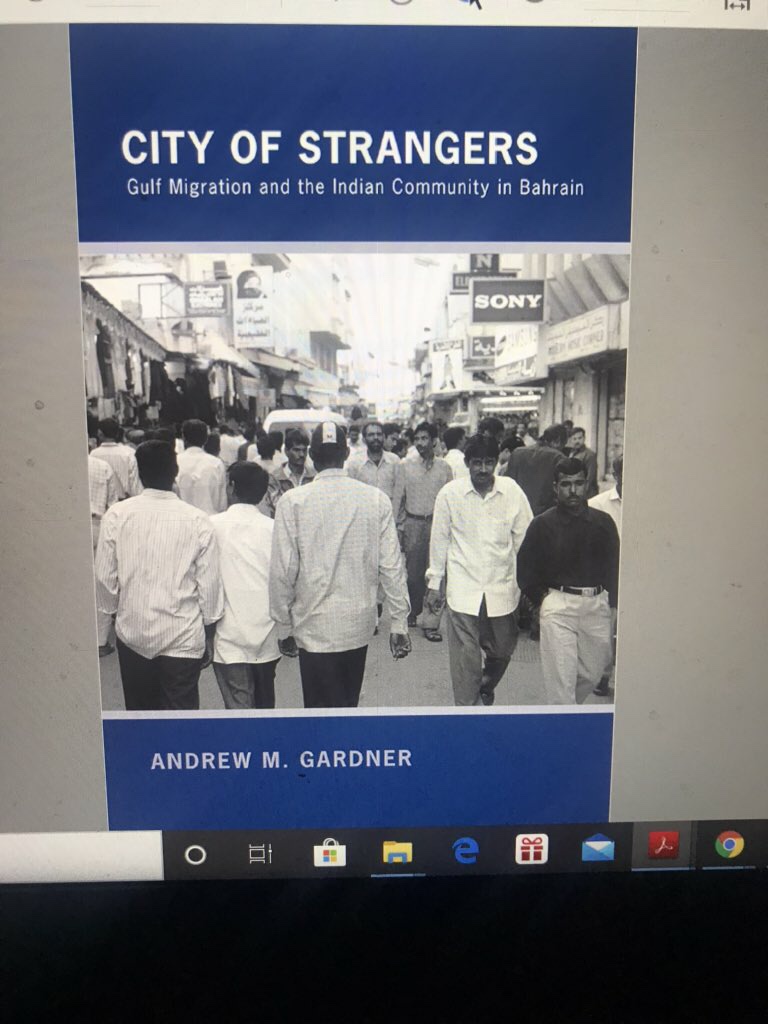
Upon researching up an article on Omani Bania last month for the American Gulf State Institute in Washington DC, I could hardly find one book by Prof Fahad Bishara in recent literature which talks about the community, based on documents reviewed from the Ratansi Purushottam clan and a paper by Sandhya Rao and well James Onley again.

I partially count Deepak Unnikrishnan’s Temporary People although it’s deceptively termed as fiction.

I am happy that migrant workers in Singapore and Malaysia write their own stories and poems, in Bangla, Tamil, Bahasa and Tagalog. If we don’t write the histories ourselves some western academic will write in for us, on a Routledge contract. The book which will cost a hundred quid.

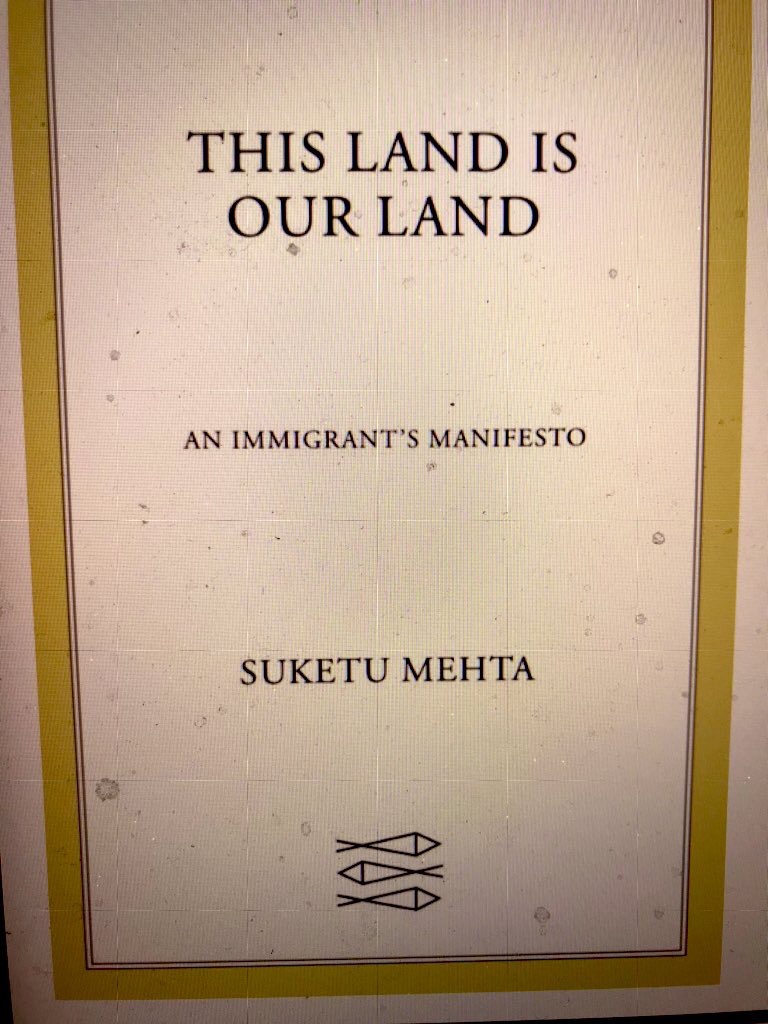
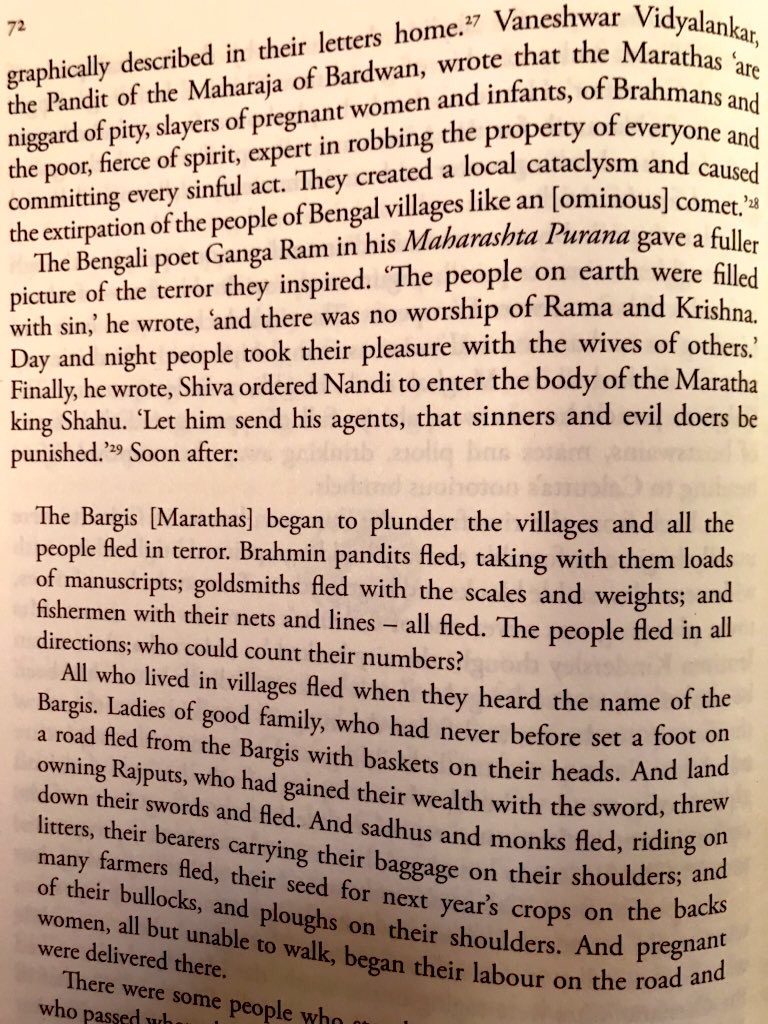
History writing is too important to leave it to academics or the state. There are good non fiction writers researching through the popular publishing route such as Manu Pillai, Anam Zakaria or Aanchal Malhotra.

If one cannot write much, take photos, archive them and create digital spaces, on Instagram such as Gulf in South Asia page. Instagram is a digital museum from the ground up.

I write sans any formal training in history or politics. Read up. Collaborate. Soon the time will evaporate, and the stories will be lost.

Travel is the biggest education

When I was growing up, with a massive shutter and severe confidence issues including periodic bouts of obesity- all that I wanted was to write, and immerse myself in worlds I have not travelled. One of the pluses of a policy consulting life has been travel, meeting people gauging in lives much more interesting than mine. I admire folks who are well traveled such as marine engineers who have been friends and mentors in Singapore not necessarily the most well read, but their tales can fill up a library.

I admire polymaths, who translate their complex work lives in a mellifluous manner in to words, think of a Atul Gawande or a Siddhartha Mukherjee.

Experiences we obtain are a privilege. Education is a singular dimension. Traveling with an authentic spirit to learn, is true education. Not for Instagram but for oneself. No Zoom call can replace physicality of experience which comprises the ‘ruuh’ or essence of being. I hope we can travel again, sometime.

Impending Avalanche.

There is an impending avalanche of workers from Gulf, Malaysia and Singapore who will come back when flights begin. The lack of jobs will push more families into poverty than C19. A majority of migrant workers are poor.

Bangladesh, India, Egypt,Jordan, Philippines and Indonesia will be massively hit.

Better Migrant Care Needs Resources

I am really glad that so much conversation has happened on the migrant worker issue in Singapore and to a limited extent in Malaysia. A lot of NGOs and well meaning citizens have taken steps to help out in the crisis. These are however at best band aid measures, as after the crisis many new regulations will come in including encouraging Singaporeans to pick up work in the construction sector.

The negative PR hurts tourism intensive economies. Singapore will make amends creating incentives to grow a local workforce. C19 is an inflection point. The vast proportion of migrant workers will still be around. Solutions will include better housing which will be better enforced from a public health standpoint and reputational capital. Costs across the board will increase as ‘input costs’ step up. #stakeholderengagement

Speaking to the Post COVID Generation

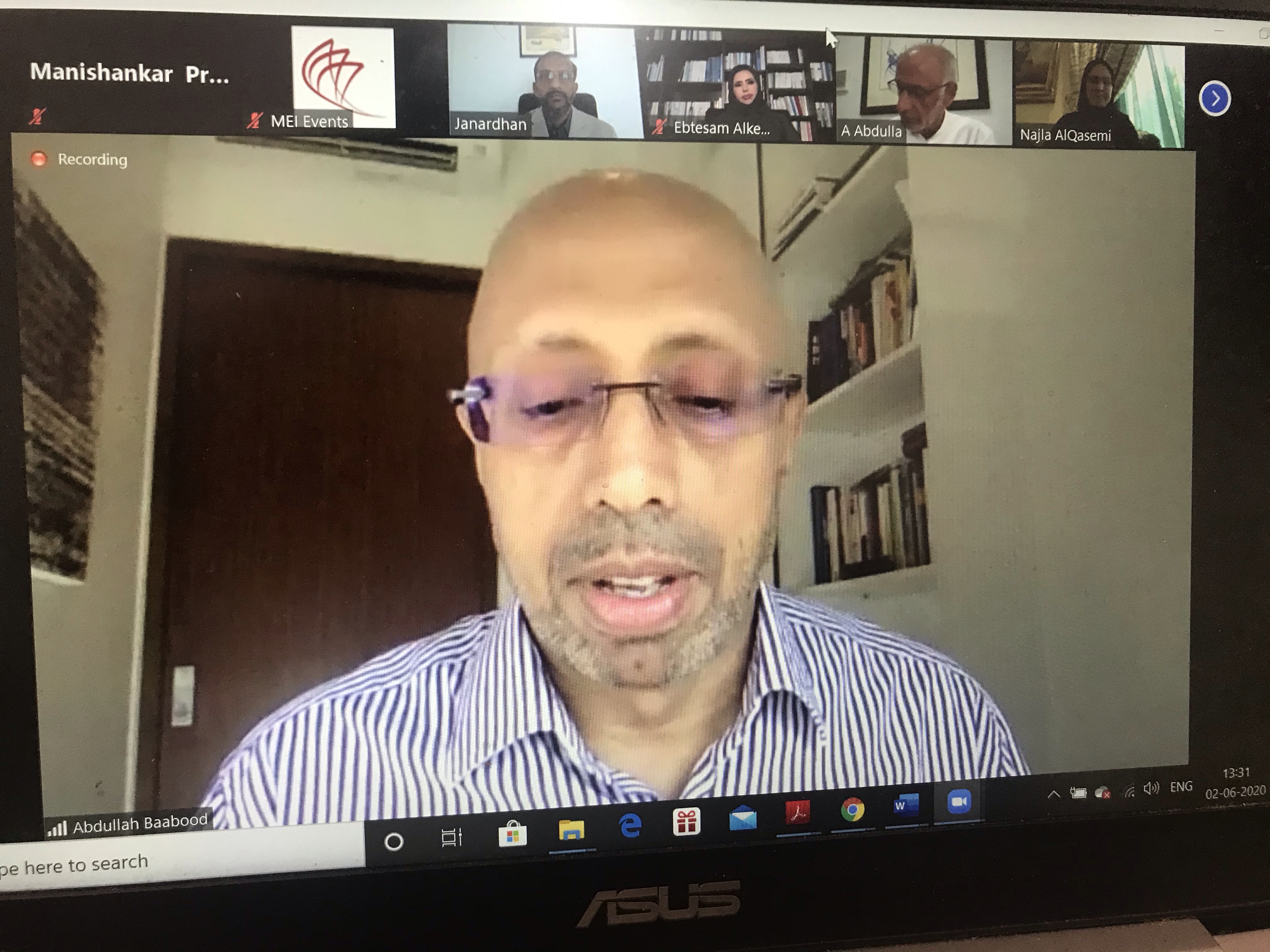
It was an enriching experience to speak to MBA/MMS students of Indira Institute of Business Management, Navi Mumbai on May Day on ‘Jobs Post COVID-19’ via a Zoom seminar. The interaction post my talk was a window in to the fears and aspirations of the COVID19 generation on the verge of graduating. The key focus was on employability in an era where value creation via skills takes precedence over the routine job placement.

Zoom Seminar

A rewriting of the work culture is required. #covid19 #workfromhome #elearning