The HBR article by Prof Clayton Christensen on Consulting Disruption came out in 2013. It was way before any AI wave. The writing was on the wall then. With USD 50 subscriptions to ChatGPT Pro, entire sustainability reports are being written. This situation is a clear warning for lazy consulting work. Such work does not warrant an expense.
Consulting, of all typologies, was never about reports, it was about solving a problem. Clients never paid for EIAs or ESGDDs. They paid for ticking off the requirements for conditions precedent on a loan tranche. It could also be for a construction permit. The shift from risk management and compliance to value creation is never more urgent.
Entry-level analysts will face challenges. Consultants need to add technical expertise. This need is evident from expert hires at the MBB strata too. Cost arbitrage which India and the Philippines brought in for its English prowess is nullified by Grammarly Pro. The Client with a lean ESG Manager with a college intern with LLM can fill up all ESG compliances such as BRSR and CDP.
The knowledge provider ecosystem includes consultancies, law firms, university think tanks, and research institutes. They vie with information providers for the same target audience. The client has plenty of options unless there is a critical reputational capital risk at hand.
Consulting firms will shrink unless the focus is on value creation through implementation support and getting back to the ‘jobs to be done’ focus.
The key question for fellow consultants is:
What are we doing which LLMs cannot do?
Or
What internal teams can suffice as they have domain expertise?
Professional Service Firms that do statutory compliances will sustain. This is especially true in the regulatory sphere such as Assurance. However, tech will encroach there as well. There will be a nudge towards process reforms such as self-verification.
Expertise and Trust are non-negotiable, as Private Banking and FinTech have their respective clientele.
Category: ESG
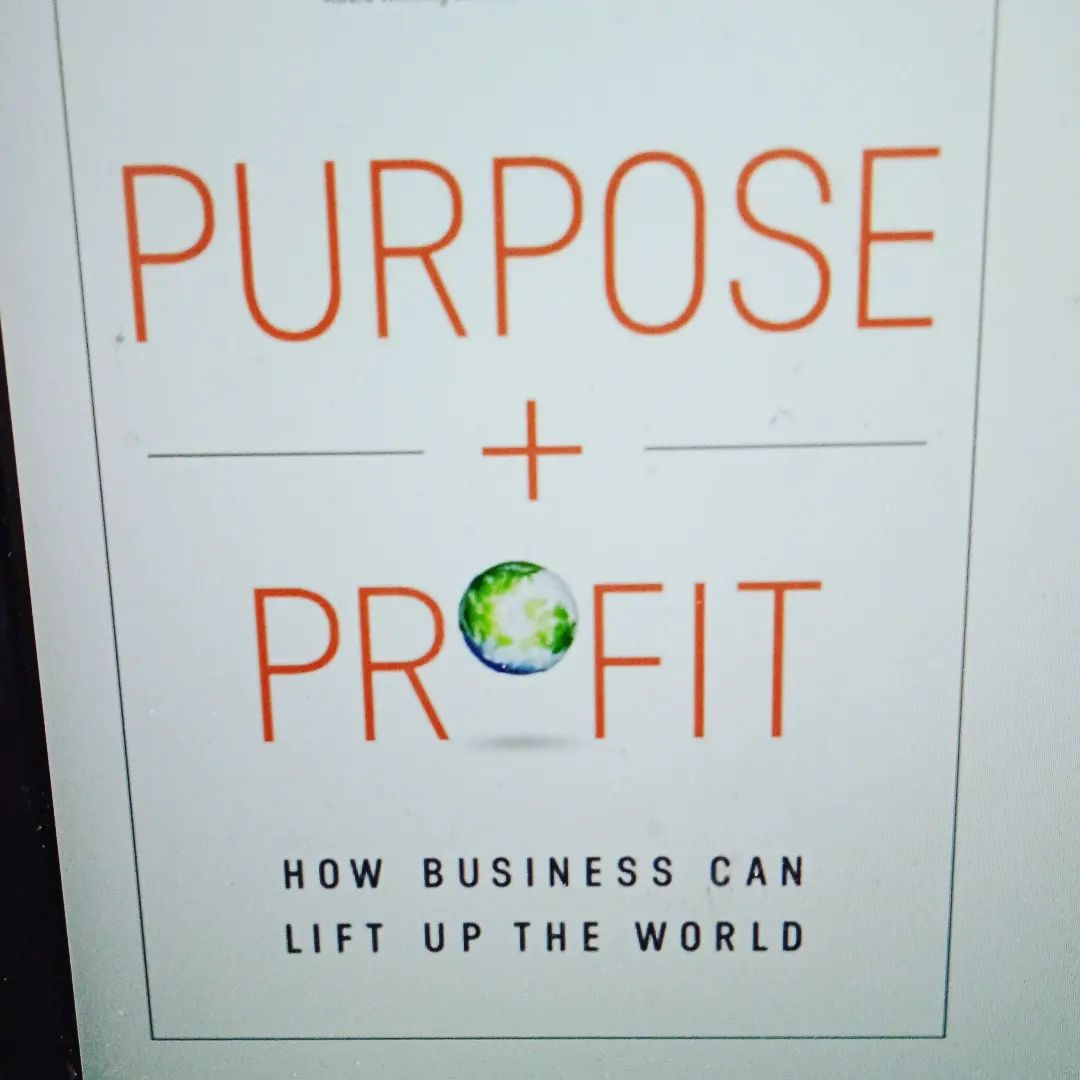
Purpose+Profit: A Book Review
It’s not often that I wolf down a book on ESG during a work week. However, some works of accessible scholarship entail that kind of attention. Profit + Purpose is an intellectual tour de force which provides a ring side view to how sustainability can be operationalized on the ground from a PE Fund focused on SDGs to the B Corp movement.
The author explicitly lays bare the issues with making sustainability happen through projects and that intentions are not enough.
Doing good should not be impossible, it should be the only way to do business. The lens on implementation is refreshing and case studies educate rather than pontificate through high theory.
The writing is direct and is meant for the manager on the frontline of the sustainability trenches.
Must read for all sustainability professionals.

Follow The Money.

Waste is not Trivial
Social Justice can be as simple as a flush in the toilet.

The Pressure Works.
This is what labor action and labor laws do. Well done, the Indian Worker.

Re-Centring Labor in Digital Conversations

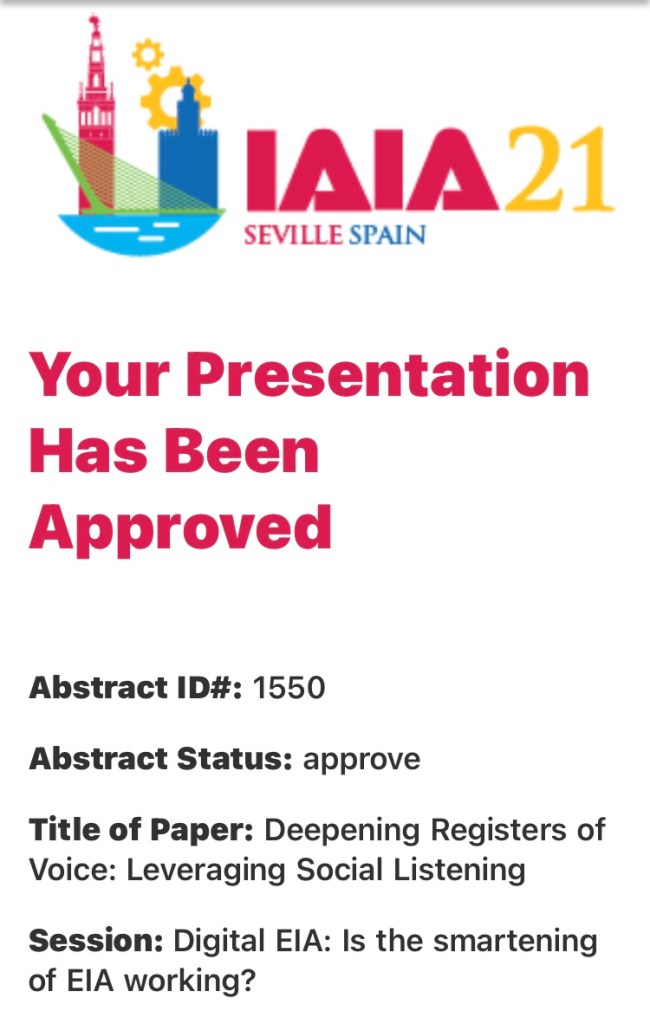
IAIA 2021 Abstract Acceptance

Twice in two years at IAIA! Such an honor as an environmental and social impact assessment practitioner to have my paper abstract accepted. I hope that they will have an online presentation pathway! Now on to writing the full draft.
A shout out to Hardik Ramaiya for his support and a generous sounding board.
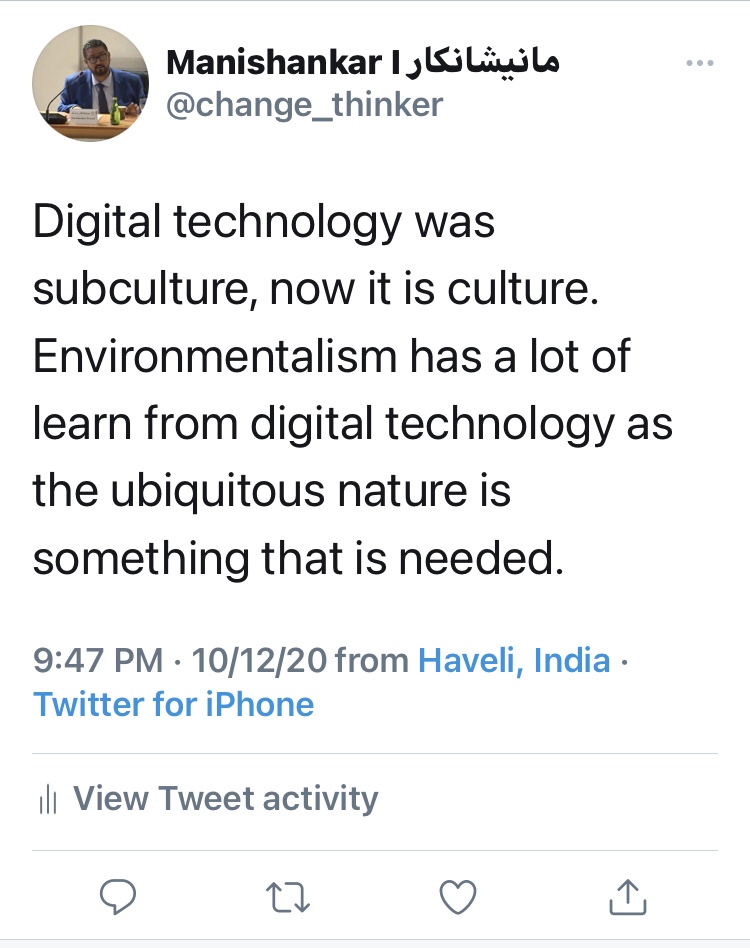
From Sub Culture to Quotation

Reframing Stakeholder Engagement as Trust Building
The job of the stakeholder engagement and social license to operate communities is to foster trust and transparency in subaltern groups which are on the receiving end of the power grid of ‘development’ , technology and progress of transnational capital so as to ensure a decent conversation. Outcomes comes much later. History shapes culture and politics is downstream of culture as the saying goes. As far as infrastructure is concerned, the myth of technical best practices embedded in a defined set of values is a smokescreen at best. Each intervention context is deliciously varied, and the so called non democratic Gulf as active societies such as Kuwait. Nothing really is a monolith.
Stakeholder engagement has to be seen from a perspective of forging commonalities in a divisive era of Brexit, US Elections and Tech troubles.
Context Centric ESG