Geoff Dyer and Dayanita Singh Conversation on Zakir Hussain Exhibition at NCPA

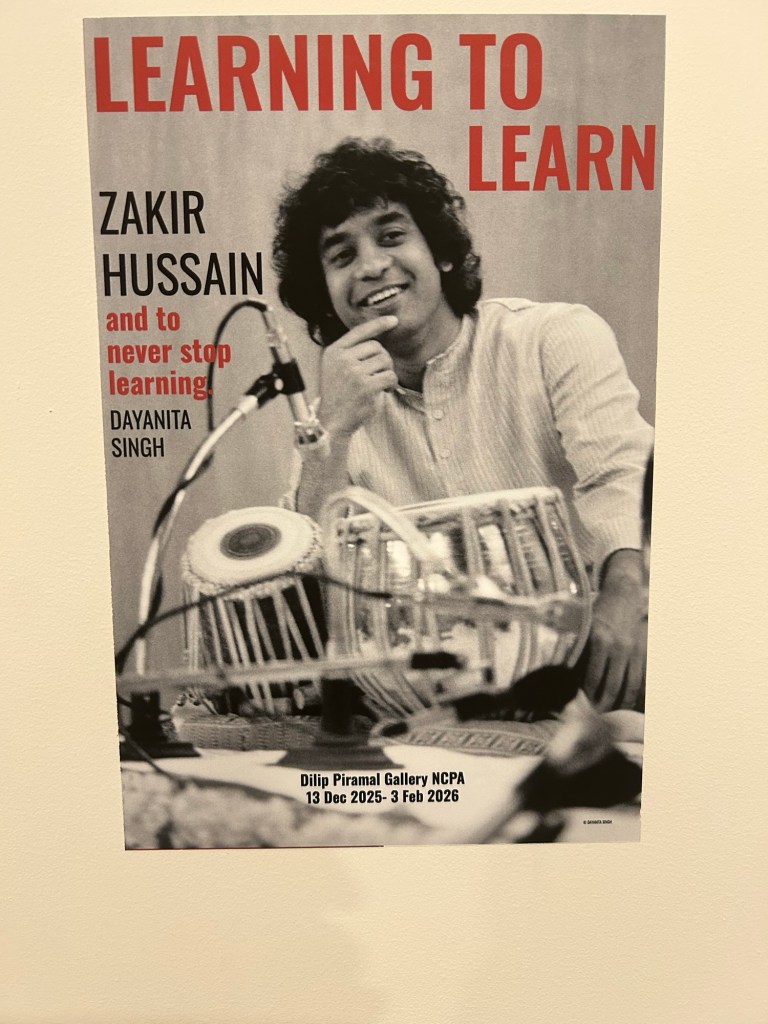
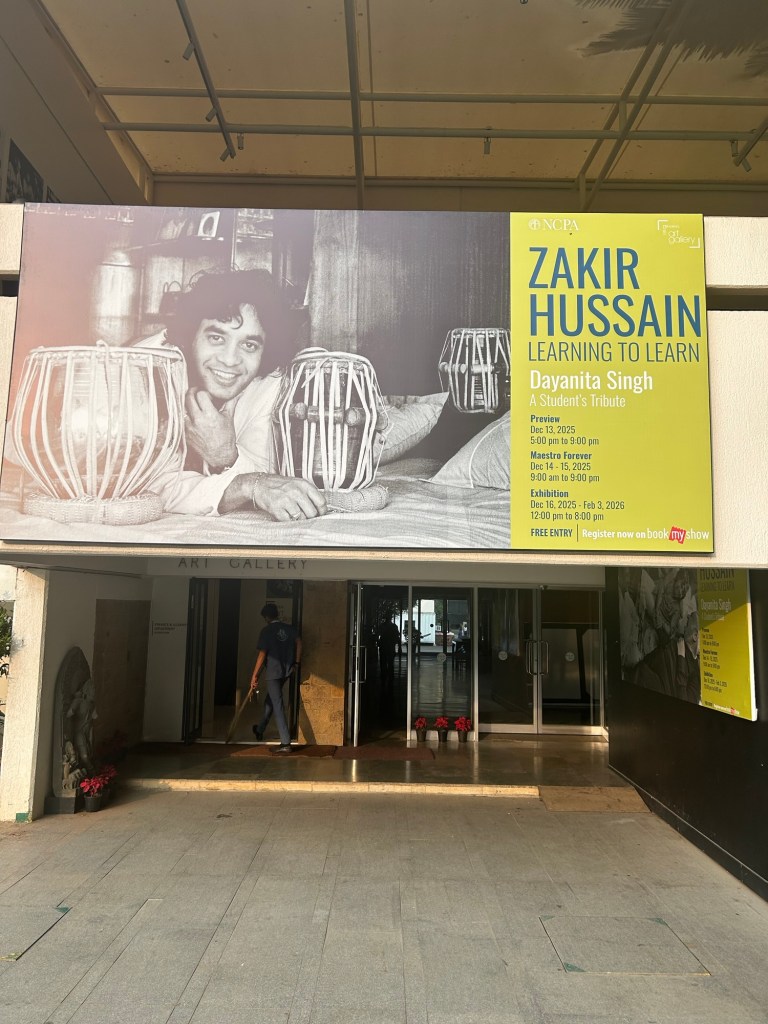
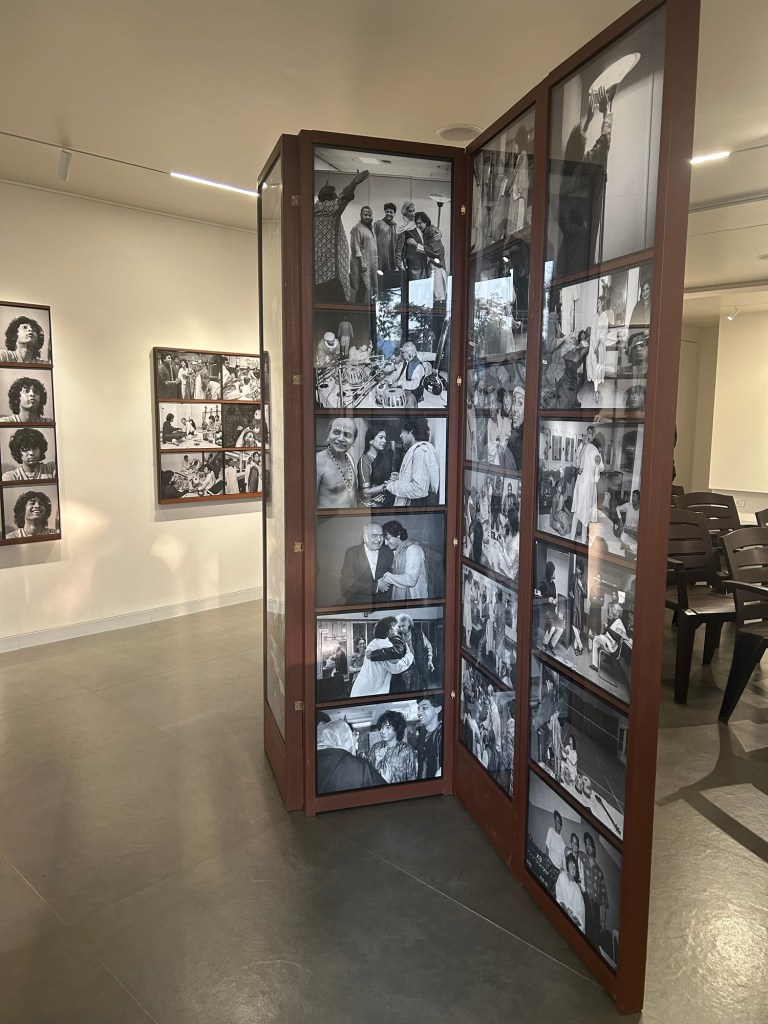
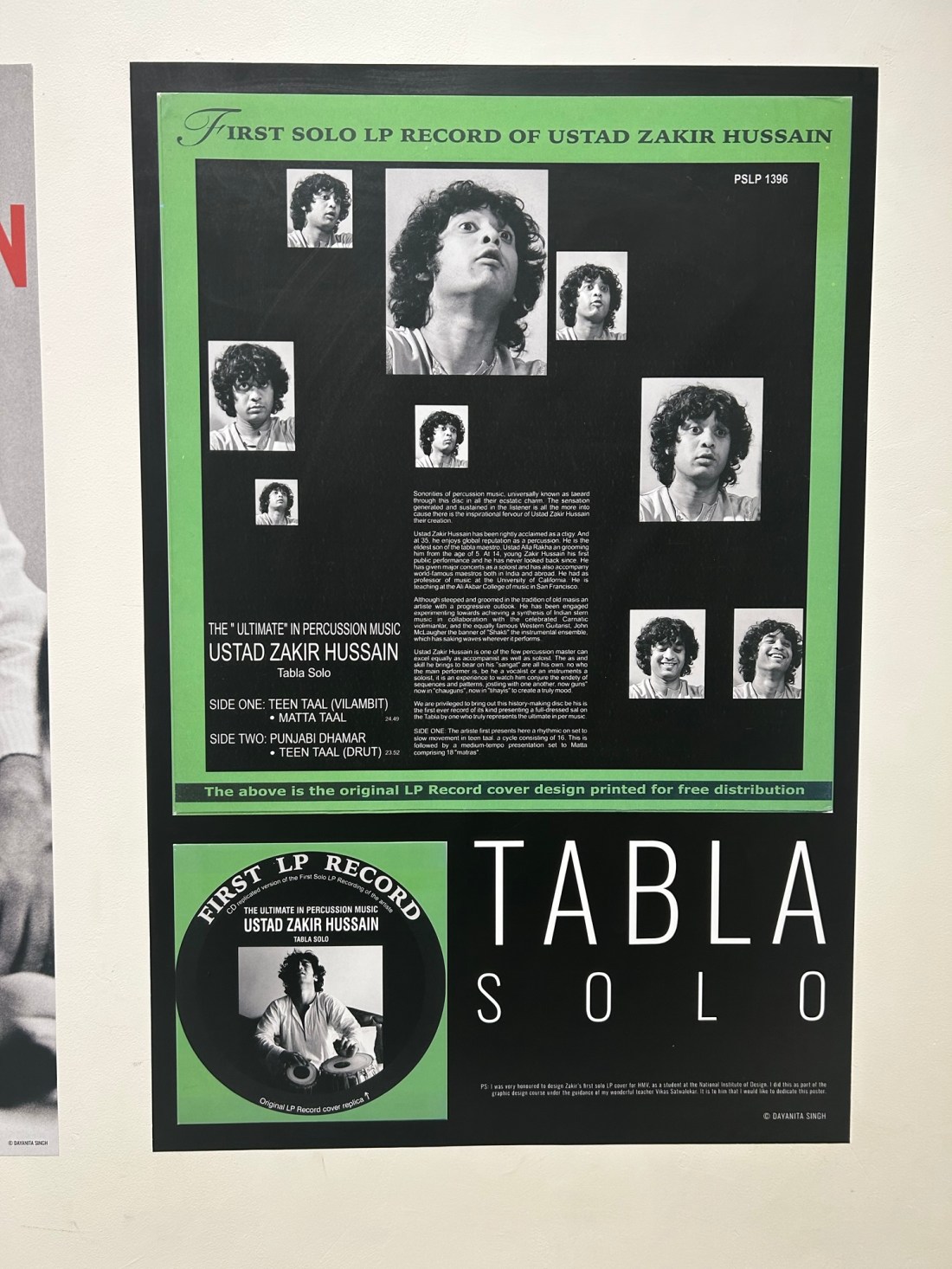
Entering a space is often an invitation to an exhibition of photography, a sensory attempt at learning the visual language. The exhibition on Ustaad Zakir Hussain photos by the legendary documentary photographer and artist Dayanita Singh was an education on how an archive to remember an icon, which captured the public imagination for decades, is done. The photos tell a story, of the artist, of the photographer and the act of taking the photo, and when to not take one is a story is itself. The editing of the photos and the sequencing of it, with the music of Zakir Hussain in the background is a way to remember the icon of ‘Wah Taj’ in a particular way.

The writer, Geoff Dyer who is an erudite commentator on the world of photography over many books and essays, led the dialogue with a deftness which only an acute observer of the realm of art and music can facilitate. An hour of conversation, was equal to a deep lesson on the art of taking the image. I had met, Mr. Dyer in Kuala Lumpur where Seni Pusaka had organised a dialogue at the tony Cult Gallery with the Malaysian public intellectual, Mr. Eddin Khoo. The tuak had nicely watered the conversational setting.

I am a compulsive photographer and writer, and do it in the spirit of documentation, in the same vain as Dayanita Singh. It gives me great joy that documentation itself is an art, or a means to it. The role that access and social capital plays in the art was a significant acknowledgement in the dialogue. As the final moments literally before the exhibition closes, it was a moment of celebration for the work of Dayanita Singh and the memory of Ustaad Saab, who was ‘charm personified’. These archives are what remain of an icon, as the photo returns the person from death, paraphrasing Barthes.
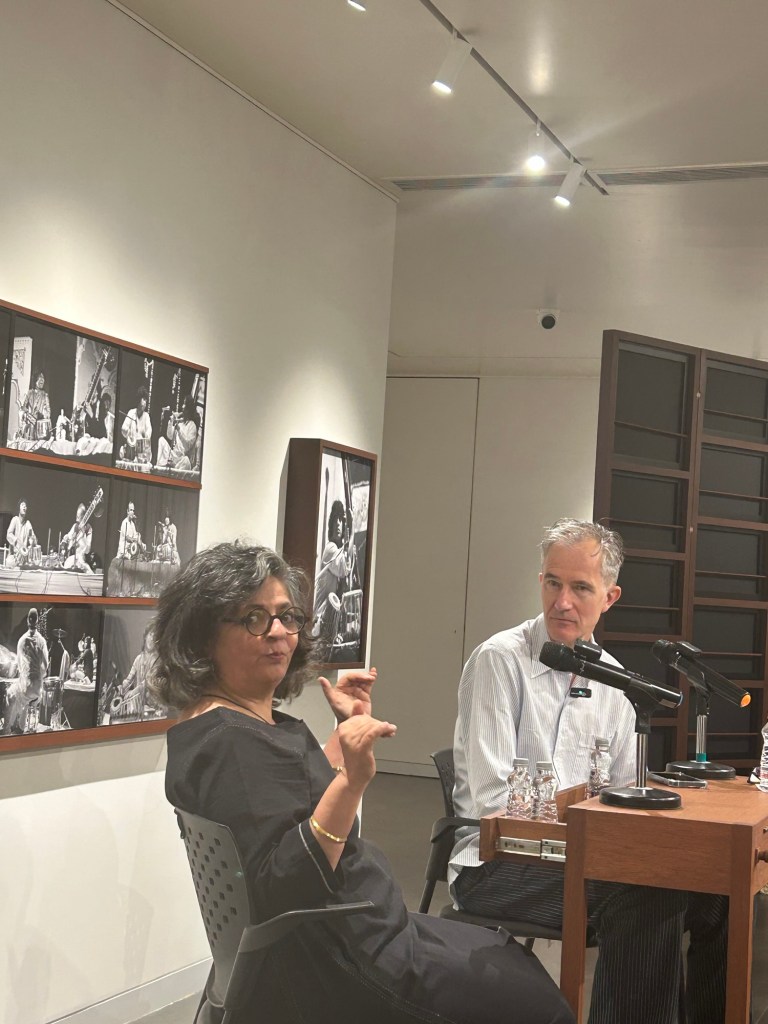
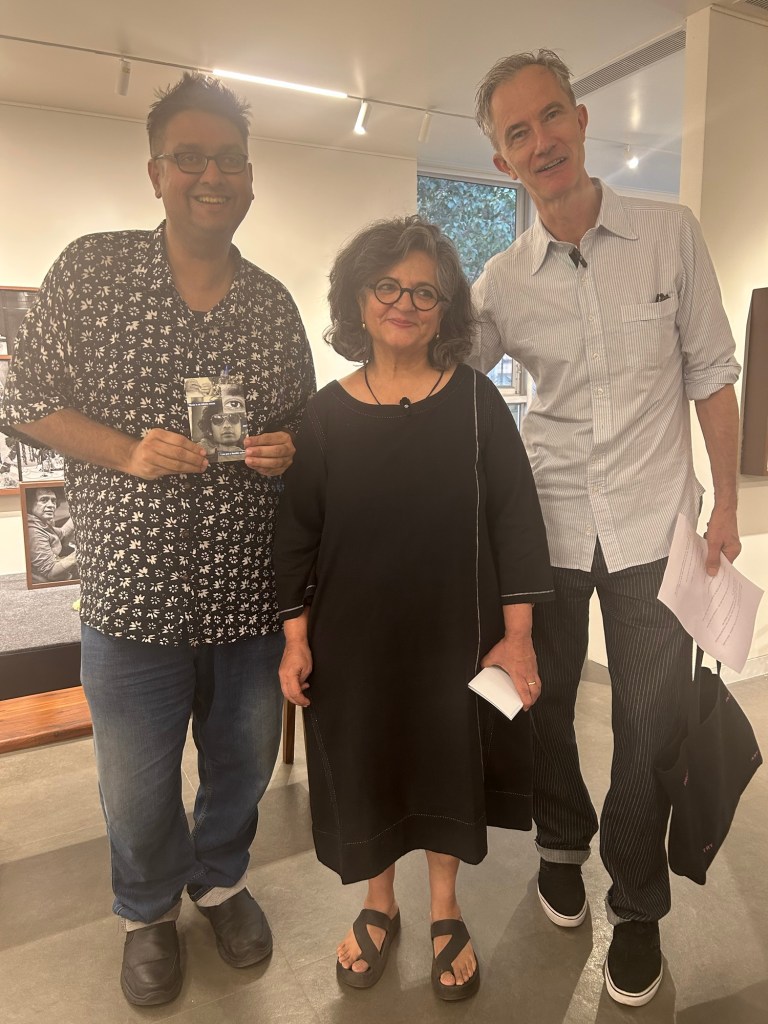
An animated Dayanita Singh with Geoff Dyer
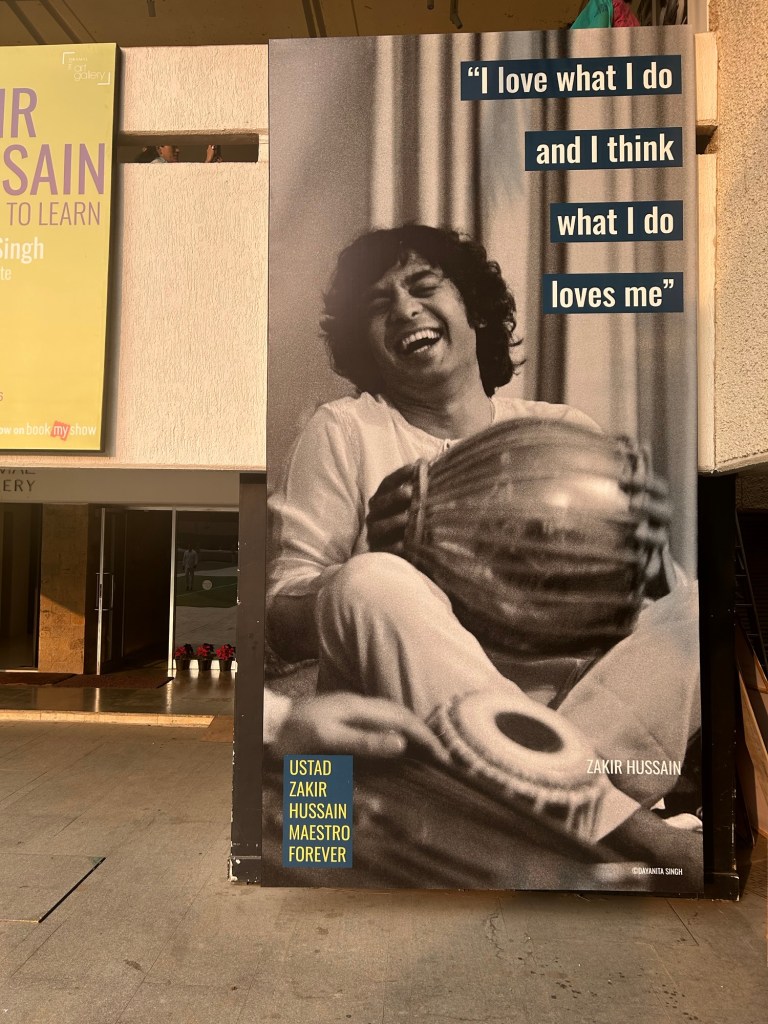
A prized photo
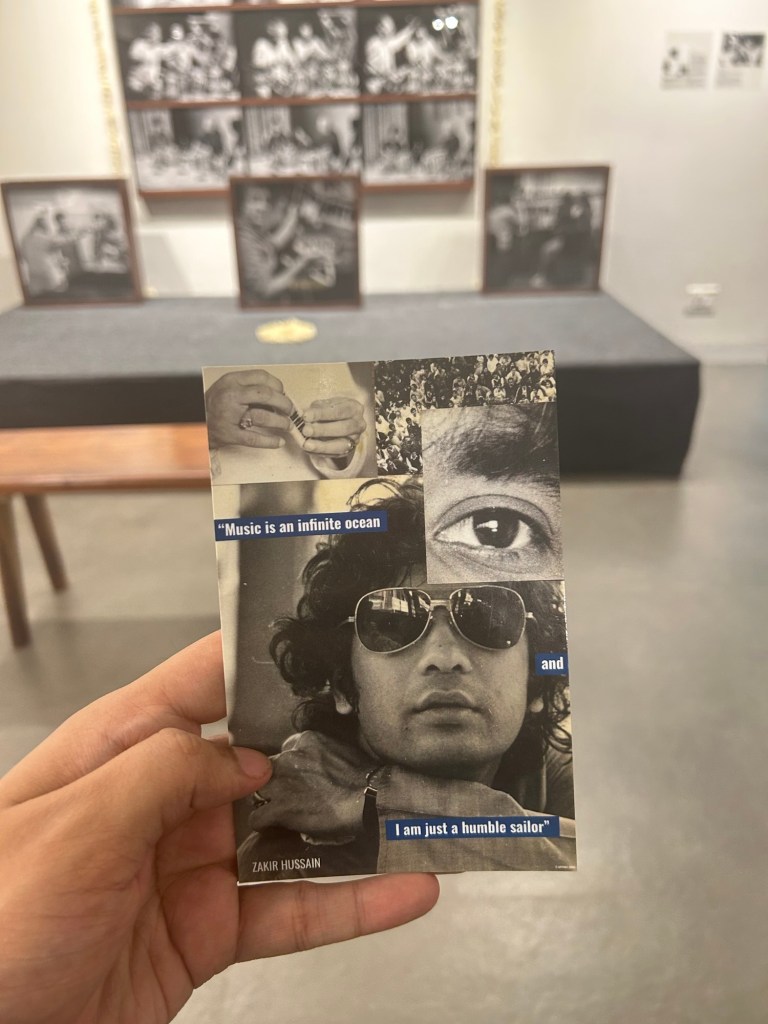
A memento
Fortunate to catch the exhibition in time
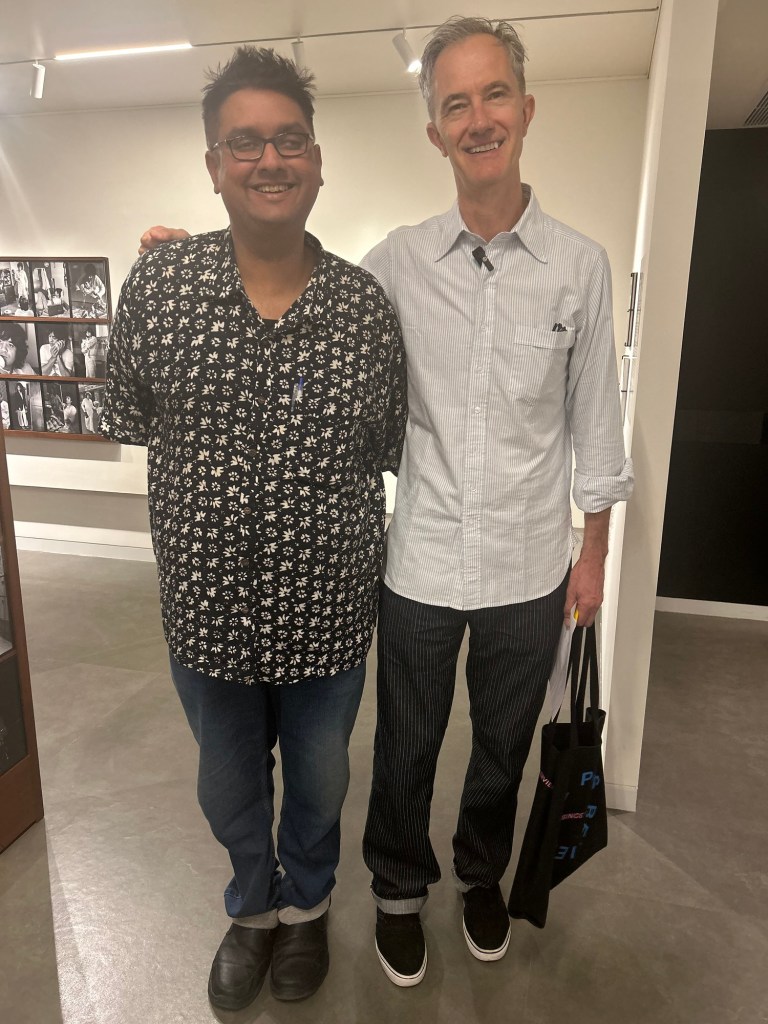
With Geoff Dyer
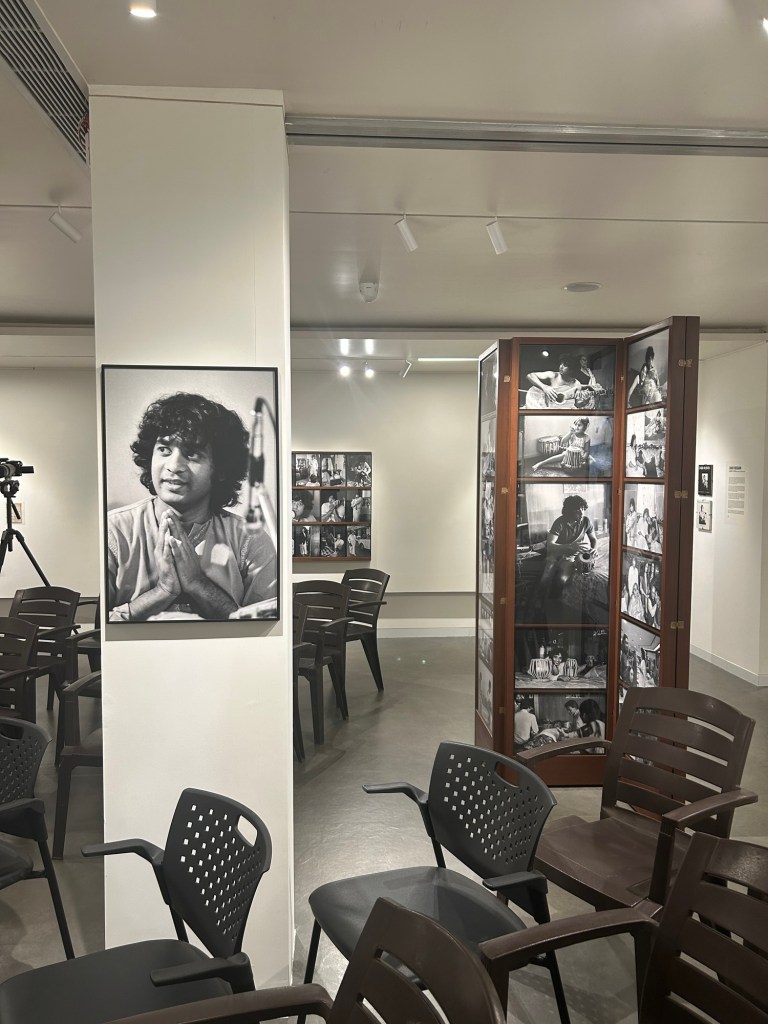
The archives
Piramal Gallery, NCPA
The Exhibition
Such a wonderful line
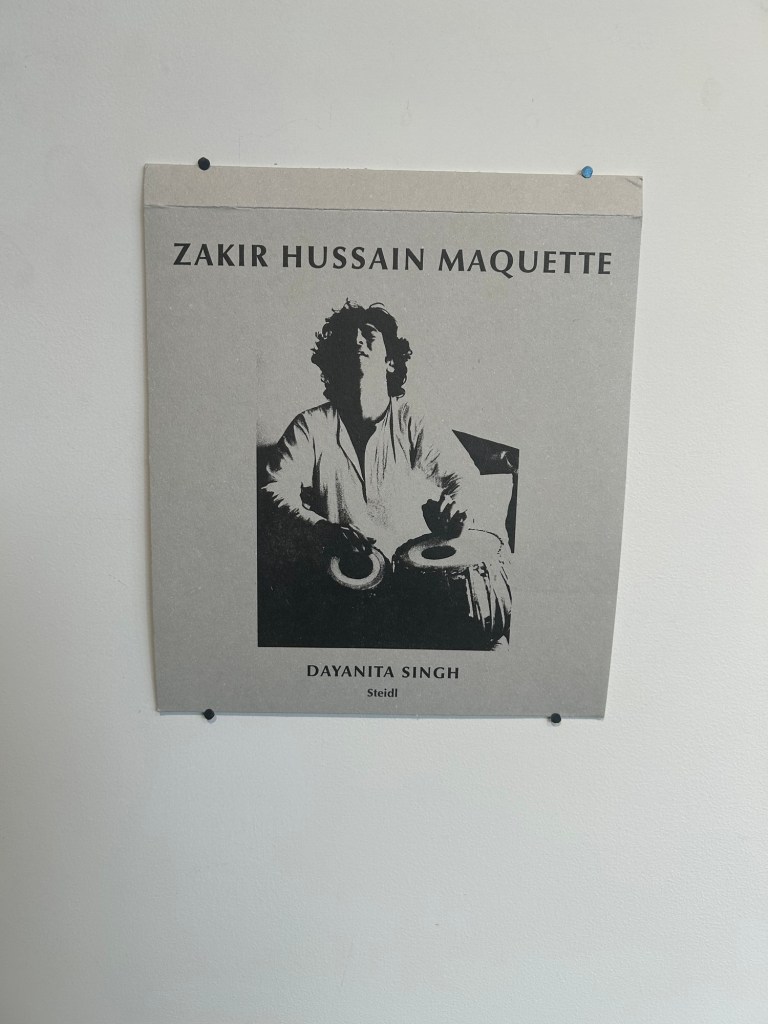
The photo book

Le Thinnai Season 3: Katcheri ‘It’s Cooking’ Conversions

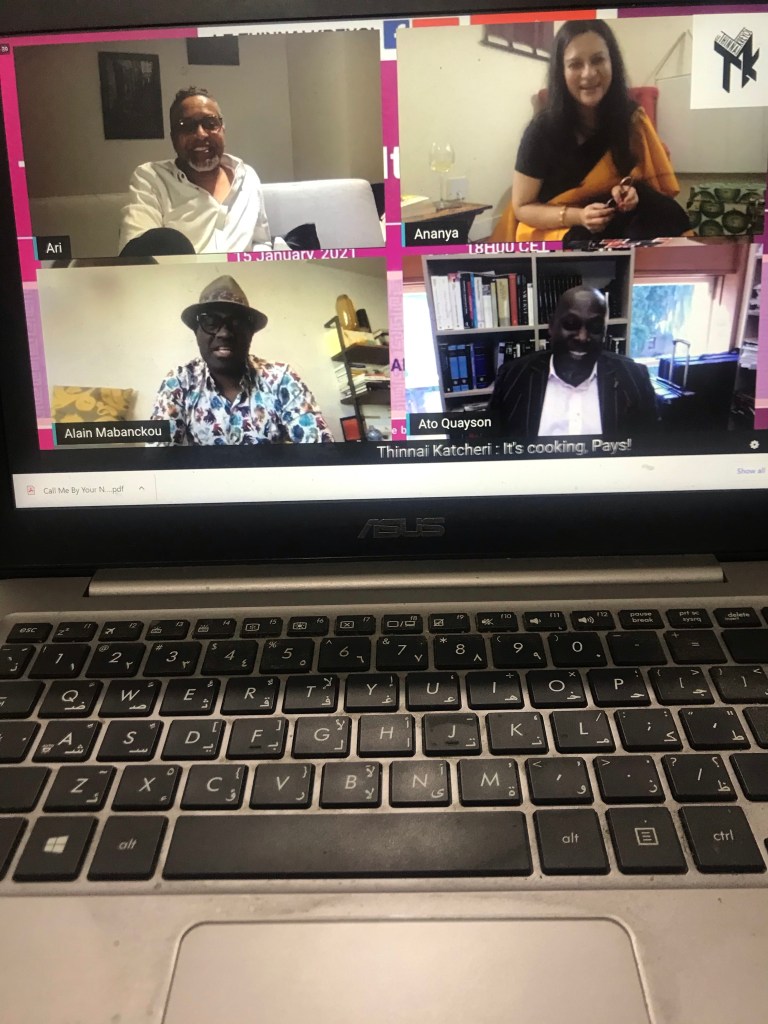
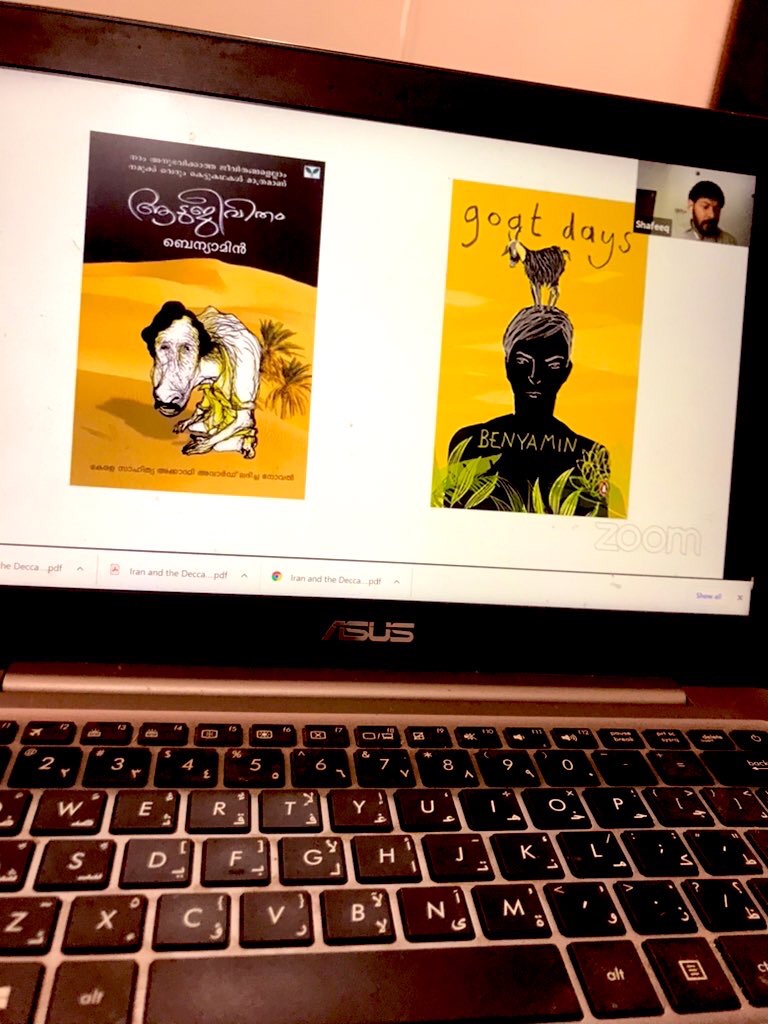
The fantastic research platform Le Thinnai Kreyol kicked off with ‘Its Cooking’ Session on Pongal with Prof Ato Quayson, Critic and Stanford Academic and Alain Mabanckou, UCLA Professor and Novelist.

Prof Ananya and Ari Anna in the frame.

The Le Thinnai platform has shown the world the power of digital collaboration in the pandemic age, the community building threading disparate threads in to a web of meaning, excavating characters and cultures by theorising new analytical categories on the go. The scholarship and the public engagement can coexist, rather the community is the site of intellectual ferment for theory building. For me, the light on French and Portuguese India’s as the entry points for expanding our understanding beyond the static conceptualisations of Post Colonial, in South Asia. It is refreshing to find the seminar room on my Facebook page, which is the inverting of the ivory tower in delicious ways particularly as I am back to research as a career after four years (yayyyy!)

The Panel.

Cooking is an ethnography of entering into the private sphere as Prof Ato said is striking as cooking creates an affective space of feeling. Food is communal but cooking is an intimate act of the everyday. Kitchen is a source of family stories for women in Ghana. Intelligence (or generally gossip) is obtained from the kitchen particularly post funerals.

Ari Anna noted that the writer projects a progressive character by writing on food as a male writer. This is an important point in the passing by point as how writing is a particular kind of bodily performance. Prof Ato, talked about the ethnic food store as a switchboard of nostalgia which activates images of the home one left behind. Entering the ethnic food store is always a space of the values which one left as well, although it is a great social equaliser. Dal is a Kenyan dish, which is a tasty bite of diaspora data points.

Food is a node of cultural politics (gastronostalgia is a unique term) yet of succour. The person who cooks gauges the necessary vulnerability and emotional landscape of the family, which is why Prof Ato asks his sons to cook. ‘When we cook, we open ourselves to vulnerability’ is a terrific anchor, for someone who started cooking just last year. Recipes are ephemeral traces of the past (in the terrain of relations) as Madison commented on the comment thread.

A parallel reading in original French by Prof Alain, from his novel ‘Broken Glass’ which Prof Ato read in English. I got to know of this book which I plan to read, as i know very little of African Francophone Literature.

Broken Glass was written in 2003, and was rejected by major French publishers. But it was picked up by one, was a best seller. Sometimes the writing produces its own modes of reading as Prof Alain’s novel has a distinctive linguistic palate as per Prof Ato, in particular the absence of full stops.

The real purchase of Le Thinnai is the potency of introducing new texts, movies and music to an audience used to a fixed frame of mainstream media and professional education.

To more soul filling conversations!

Writing Philosophy in a Blurb.

My writing practice is undergirded by the ethic of representation and recovery, a response to the chaos of the everyday mayhem where where things seems just about ‘normal’. Writing ethnographic archives is the core of my written word artistic practice. Long term projects are painstakingly hard, takes a lot of time, yet the series of conversations with Autowallahs and Cabbies are a glimpse in to urban life, entrepreneurship, tech innovation and the view from below. It is a chronicle of agency more than any other tangential impulse.

Conversation with an Entrepreneurial Autowallah in Pune/ January 2021

I have been writing this peculiar series with conversations with Autowallahs and Cabbies for a decade now across multiple cities. Whenever I feel fleeting, and desperately need a reality check (read a rap on the knuckles) I speak to self made people. I reach out to Autowallahs are an erudite bunch of people who know the value of every rupee they earn. In the course of my year long independent ethnographic research project with the digital subaltern, I have been understanding how Autowallahs talk back to the tech behemoths through the ‘Weapons of the Weak’ method channelising James C Scott’s ethic. My research interlocutor ‘S’, is a self made micro entrepreneur running multiple revenue streams via his auto business. He is in his early thirties, originally from Pandharpur in Maharashtra, moved to Pune in 2002 after college where he studied history. He joined the warehouse division of automotive gear manufacturer as a manual helper rising to the head of the warehouse in 15 years, a salary jump from 1800 rupees to 17000 rupees apart from benefits. He had a team of six staff which included fresh MBAs who were clueless.

He lost his job as the manufacturer moved to the north and ‘S’ wanted to live in Pune with his family.

He moved to the auto business a year and a half back spending about 2 lakh 40 thousand rupees including the auto permit. He had a hard time during the lockdown however he diversified to last mile delivery of parcels for local hardware shops. He tied up with hotels for drops to the airport/railway station. He has totally moved offline, deleting Uber and OLA, keeping Watsapp for sharing Google map locations.

We were having a chat today outside a veterinarians clinic, where he narrated his work philosophy. He considers work sacred, and utilises his avant grade communication skills to build relationships and repeat business. He earns about 1500-2000 rupees per work day, excluding fuel. Years of managerial experience have given him a business which experienced Autowallahs have not achieved after years. He had invested in a car which he had to sell as he was not able to manage both an Auto and Car.

‘S’ tells me that he hates paying rent as his previous employer paid his rent, and lives in the same urban village as me. He tells me that people are working 12 hour shifts at 7 thousand rupees in the clinic that we visited today. This objectivity is stunning as it shatters me in to clarity, and helps me to check my enormous privilege as a writer. Drive creates waves, and there is so much I learn every time I speak to an independent transport entrepreneur, the gig economy veteran called the Autowallah.

‘S’