My theory of change is anchored in the ‘jobs to be done’ approach, solve immediate problems but operate at a different scale and velocity to build options for the future
Author: changethinker
Born and raised in Mumbai, India with an undergrad degree from Oman and a masters degree from the National University of Singapore. I am an Environmental Professional with a passion for Sustainability, Social Innovation and Governance related issues. A Change Agent in the making who believes that small is beautiful and that impact can be achieved -one soul at a time.
Reanimating ESG: Best Served Politically Hot
ESG is the flavor of the season, post Glasgow where it has transitioned from regulatory to risk to climate (sorry cash) resilience with the key to access to climate finance. At the grave risk of green washing, ESG has been the favorite hot expert title on LinkedIn, with each one a freshly minted ESG expert with little appreciation for the intellectual genealogy of the term from CSR to SROI to Impact Investing to Triple Bottomline to Sustainability. ESG or Environmental, Social & Governance is a meta-framework meant to capture non-financial risk with a multiscale import, as it works both top down and bottom up with global scales of compliance jostling for competition with local politics. ESG as a global ethical barometer is driven to tick box measures and standardized aggregated metrics for rating agencies, gives the impression of being politically aloof, masking its origins in ecological and social justice for communities located at various places, nested within scales of Global Production Networks (hat-tip to Prof. Neil Coe, my Labour Geography teacher).
The problem with non-financial disclosure it that it is non-financial, with no clear translation of E&S risks to the bottom line. There are academic researchers who attempt to build in the E&S Risk to the balance sheet, however the alphabet soup of GRI, TCFD, SASB and BSR add layers of complexity which add to the paper trail. The datafication imperative of ESG couples it to the digitization agenda. But data is good for evaluating performance, however culture as a local determinant is hard to quantify.
ESG needs to ground itself in local realities of workers’ rights and environmental loss. People work within local laws, although global SA8000/RBA standards help express worker voices. Worker collectives take audit findings to take companies such as Dyson to court in the UK, by workers. Local politics adds teeth to the global ESG regimes. Many Malaysian suppliers have been banned from exporting to USA and Canada over forced labor complaints.
ESG should be taken as dynamic toolbox to solve problems taking up from the notion of dynamic materiality to solve business issues, rather than an embellishment. ESG from a ‘Jobs to be Done’ approach compels the paradigm to think beyond green washing. Materiality thresh holds for ESG risk, brings the skin back into the game, as the woke millennials feel for brands who take care of their workers, even if companies do not. The CFO will care for the quarterly numbers.
Hustle.
The ability to hustle is the key skill set without stopping an entrepreneur brings to the table. A thick skin is a part of the process.
Value That We Produce.
The difference between a content writer and a consultant is the value that the ‘content’ or insight that it creates. Every academic think that the transition to the consulting private sector is easy, there is the hidden transcript which is not considered in the transition.
Consultants take work as an extreme sport.
Culture Centered Digital Problem Solving
Digital is an assault to the senses whenever we scroll our feeds on Twitter or the hard copy pink papers such as the FT. There are a few characteristics of the digital which are exemplary, ability to aggregate users and for pattern recognition, and fundamentally to shrink space-time. We are surrounded by technology, and the ubiquitous nature of digital has taken quarter of a century to emerge as is gauged from a16z’s conversation to Kevin Kelly. The human being in the realm of the digital is a ‘data-double’ which is a data point or a coordinate available for transition. Data is the new oil, but for whom?
The prowess of the digital spans a spectrum from the core to the periphery as per my conceptualization as a scholar of technology and society. The traits of technology will interact, refract, and diffract of the terrain of the community and the company, which ensure that the other vital C, the client has its pain point in everyday operations remediated or solved. The sectors which generate a massive tranche of data at a velocity are well suited for the digital economy. Aggregators of any typology from real estate to retail will bring the service to the tap of a smart phone. ‘On Demand’ is a feature of digital economy, however the digital incorporates human labor as a technology in terms of ‘Humans as a Service’ as per Jeremias Pressel in his Oxford University Press Book of the same name. Digital is not sans human labor, however digital maps, morphs and mutates the human of the human into digital features, which are conducted by human coders only to optimize the business value. However, the question which cuts through a knife into the haze of digital rhetoric is.
What additional value is the so-called digital transformation, adding to the consumer?
The core purpose of a business is to serve the client at the point of their need, to solve their problems at the best sustainable price, rather than blindly jump on to a band wagon without critically thing through the second order impacts. Oman struggles with the digital economy as the local cartography is pinned to the building number and the way number rather than a name, which makes deliveries harder to make. The cash centric culture also makes it challenging for the digital players to map transactions. The Omani consumer is price sensitive client and seeks to touch the product before making a purchase, although the culture as other things with time evolve.
The cab transportation sector in Muscat was ripe for disruption as flagging a cab on the street at 45-degree August heat during peak summer was a strain especially when one is with elderly parents. But with the presence of digital cab aggregators such as O Taxi, it makes for a better quality of life in turn better businesses. In India, Cash on Delivery is a feature of local adaptation of the aggregator economy. The digital is therefore a plastic wrap which covers the product. The optimizer rather than the substrate, bringing a disparate set of actors to the consumer, and not a universal panacea.
Each local culture will lend imports into the digital paradigm, and Gulf will do the same. The applicability will also depend on the user case. It is about time that the focus is shed back on the need rather than the shiny possibilities that the digital offers, keeping in mind the culture. With the gulf in the post oil, post pandemic scenario laser focused on job creation, digital is an opportunity for reskilling but also deskilling where low-income labor will be impacted. Digital is therefore deeply contextual, and the youth would have to be skilled as per the risks as well as the potential.
Re-blogged from : Digital Transformation | Solving pain points (ketnode.com)
Pandemic Labour Geographies FGD
A Sunday Evening spent with migrant brothers from Bangladesh at the Banglar Kantha office understanding the variegated pandemic micro labor geography of the construction worker in Singapore.
I was joined by my uncle and Cousin in the dialogue in Bangla.
Thank you Mohsin Da for your guidance and mentoring over the years.
Listening to first person narratives is a humbling experience.

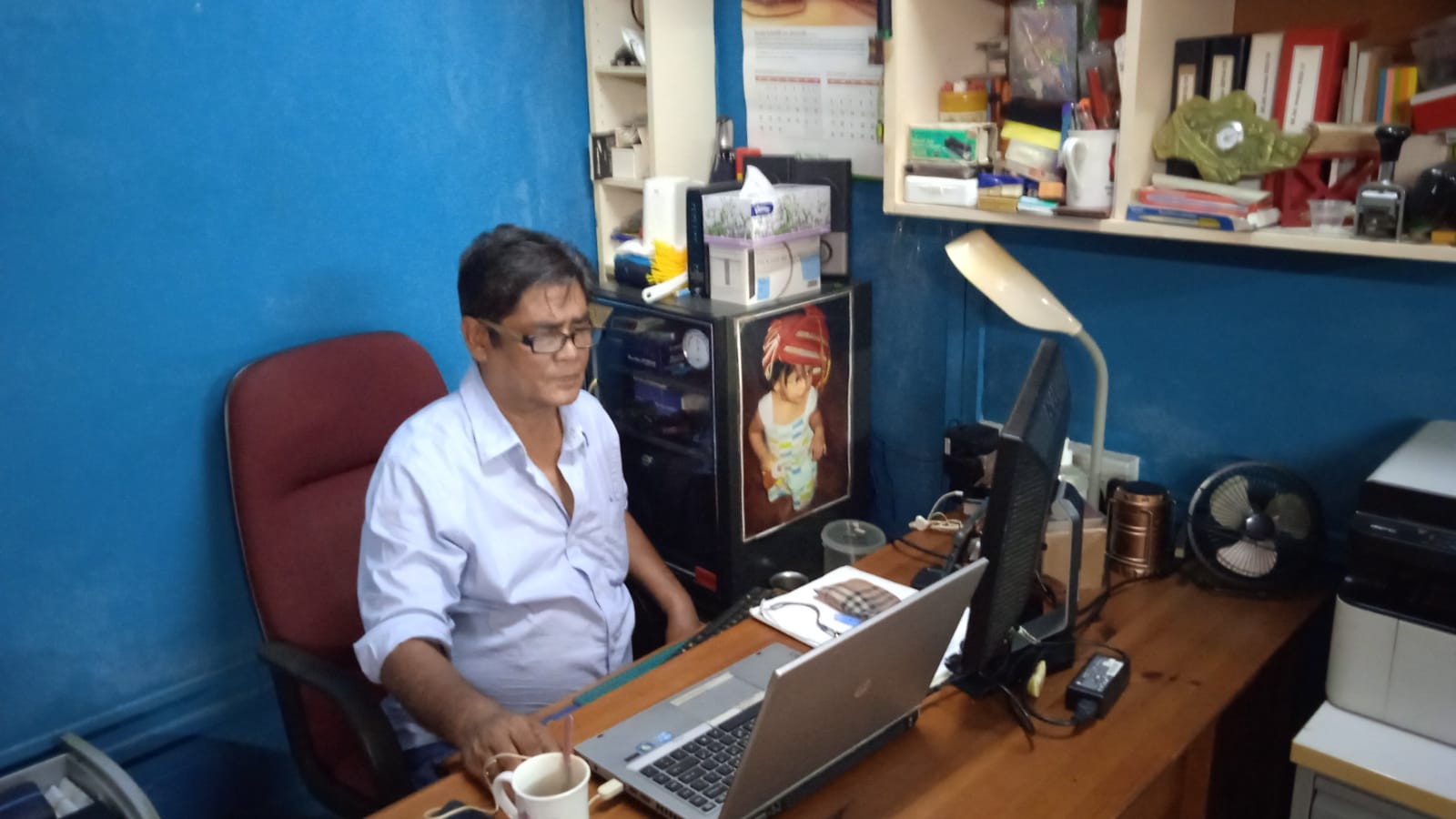

Oman through the Indian Ocean Lens
Oman needs to be viewed from the Indian Ocean rather than the Rub Al Khali, the vocab for Beirut can’t be applied to Sur. Oman was never really one country until 1971, or 1979 with the Imamate and the Dhofar Revolution but national integration was successful during Baba Qaboos, the Late Sultan. Oil was a booster pack but never had the leverage of Abu Dhabi. The locus of analysis itself is problematic. Oman should be compared to Ajman in UAE rather than Dubai.
The former Sultans are being reinstated at the National Museum at present, and large realignments happening with Riyadh via Ibri.
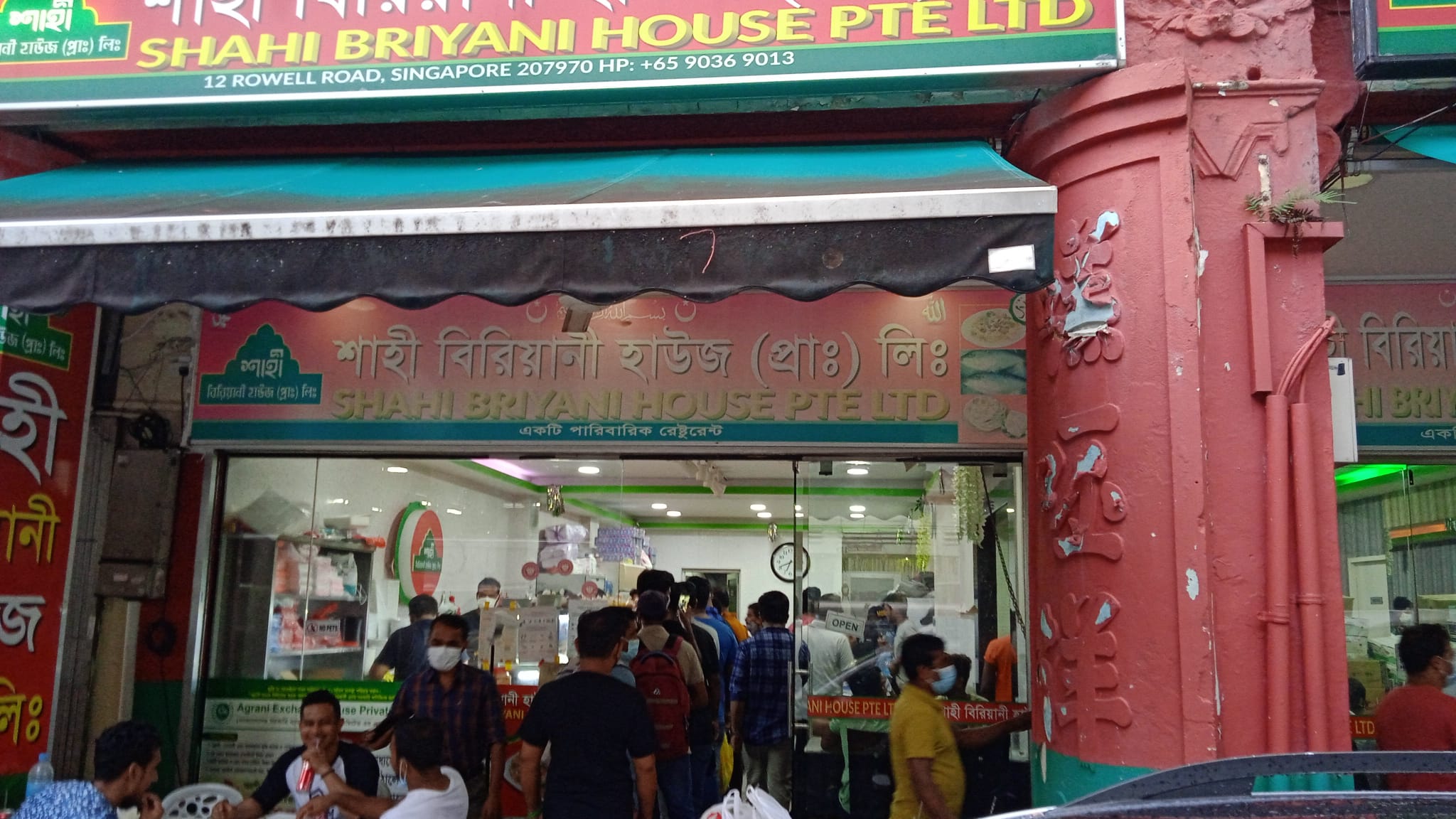
Kichuri in Singapore
Today i found Bangali Kichuri in Pasar Panjang, run by a man from Digha who was chatting away in Tamil with his owners. The tattooed chef serves up a mean khichuri. It had the essence of ghorua khichuri. Happiness comes in a bite (or a full plate)!
Radical Hope.
In a time where mere survival is an achievement, the sense of meaning can make a world of difference.
Joy is hope and somewhat radical. A remaking needs hope.
Pre-Oil for Post Oil.
Culture is a vital aspect of any entrepreneurship venture as Oman has a culture of dhando vado, with the Shia Lawatiyahs and Hindu Banias from Kutch, however the inland tribes were not as mobile. Oman had a maritime empire before oil, and that spirit needs to be recovered. An effective way would be to tap talent within the trader castes aka Omani Lawatiyahs or Ajmis for entrepreneurship. Oman is not talent void.

