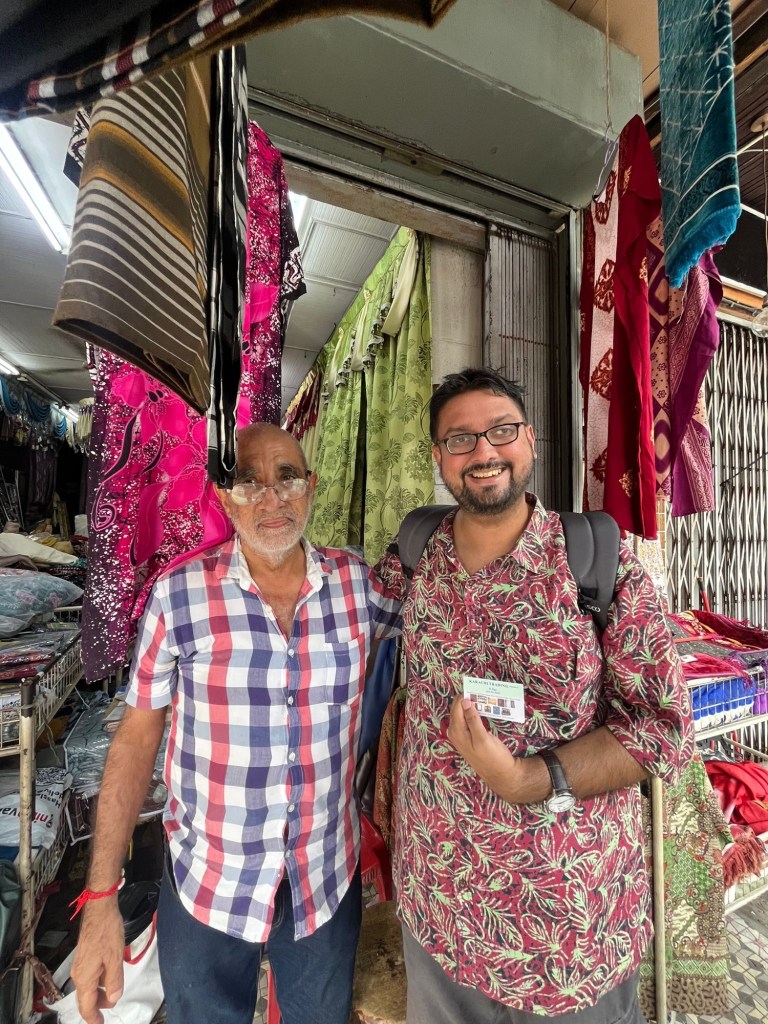
Born and raised in Mumbai, India with an undergrad degree from Oman and a masters degree from the National University of Singapore. I am an Environmental Professional with a passion for Sustainability, Social Innovation and Governance related issues. A Change Agent in the making who believes that small is beautiful and that impact can be achieved -one soul at a time.
Writing is trapped in the lexicon of the h-index, I index and other impact metrics such as grant dollars won, prizes won and so on. There is a life of the mind, beyond the violence of the metric, an Arundhati Roy never did a PhD, but PhDs are written on her work.
Scholarship has lost it’s way, weaponised beyond redemption, whereas it was supposed to offer alternative futures such as the era of wars, or as Roy wrote in the FT article during the pandemic, a portal to a future.
Writing is about giving hope for an alternative, when we are in the midst of polycrisis. Where are the new frameworks or models to grapple with the change, apart from recycling the same ad nauseum?
Is academia truly doing its job, beyond this ranking and that publication? And a grant proposal to be won?
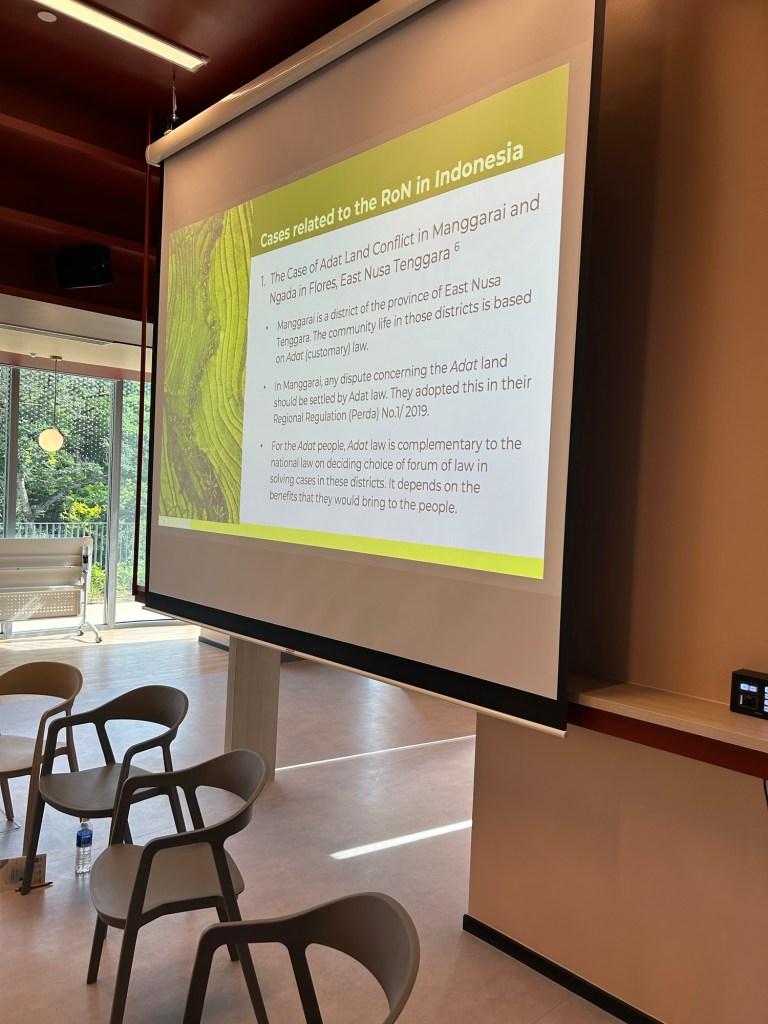
In the age of AI, the knowledge in our communities and cultures will be of utmost value. Meaningful stakeholder engagement is key to understanding materiality and FPIC, as the risk hidden in our communities, through body language and reading between the lines is key to black swan weak signals.
In a poly/perma crisis, each data point can get amplified in a turbulent context of tariffs and hard conflicts. Speak to your communities, do your human rights due diligence and materiality assessments.
The Khareef is here in Monsoon Asia. Tarikh and Trade are intertwined with the Monsoon season, in the pre coal era of globalisation, and there was a globalised world before European colonialism.
Bombay, which was a dowry turned out to the jewel of the Crown on the Western Indian Ocean, as can be read from Nile Green’s Bombay Islam.
As one looks beyond the edges of Bandra Bandstand, a tourist magnet thanks for Bollywood celebrities having one of their homes, the Sea towards Aden, Salalah and Mombasa gives hope, and the Dhow trade continues through Vahan’s as given in Nidhi Mahajan’s book- Moorings.
Looking forward to Fahad Bishara’s new book coming up soon as well.
There has been plenty of AI disruption talk in the professional services space in the digital realm for the past year of so. The LLMs are brilliant, and a fantastic cognitive aid- does entry level analyst work well, but does not solve for why consultants are required by companies. They are hired to augment in house teams, problem solve as an aid, and the most important reason is legitimacy for a regulatory requirement.
The engineering consultants will still write EIAs, design roads and aid with the innovative capital needed to build back better for a world of global heating.
One of the toughest things in business is to sell consulting services, and the client only buys when there is a need. Find the need and the work comes. AI or no AI, people buy from people.
The basics remain the same, no one buys research, they buy a solution.
Tamizh Kuil in the Indira Dock port area in South Bombay amongst the precarious housing which used to be home to Port Workers in the heyday of the Raj.
Bombay is home to historic Tamizh communities from the Tirunelveli area especially in the Bhandup and Dharavi belt. There are a few Mariamman Kuils scattered across the city. These are a part of a larger imperial entrepôt grid from Penang to Durban.
Over the last three years of living in/off Bombay, the city is a great muse, a character that provokes a genre by itself. Yet this city of stories is prone to an amnesia which I call the resilience syndrome or chalta hain, as people are on the move trying to survive. If anything defines this maximum city is it’s innate ability to sustain anything, 11/7 or 26/11 or the annual deluge, people are back to work the next day as the city means business, or dhando vado, a Gujarati speaking city in many parts with Bhojpuri the language heard more on the street.
This city is soaked in a history of trade and commerce, yet there is no time to note or remember it even while one passes by it in Fort or Colaba Causeway or Marine Drive. The cosmopolitan character is a function of its survival instinct, yet is rife with ghettos that sits uneasy with its larger than life idea.
I try to capture the present through an Indian Ocean lens, mapping the spots which are archives in the cityscape. The past echoes in the present only if one is trying to listen to it, in the Parsi joints such as Britannia, or on the stroll of the Marine Drive, which is an UNESCO heritage site.
The Al Sabah Mansion on Marine Drive speaks of an Arab Bombay where Kuwaiti merchants used to frequent prior to oil in the Gulf. Bombay was the capital of the ‘Other Raj’ (James Onley’s book) in the port cities of the Khaleej where the rupee was the legal tender until 1970.
Aden used to be a part of the Bombay Presidency, where Dhirubhai Ambani went to work in the 1950’s. Aden had a Gujarati Chief Minister, until the British pulled out giving Dubai the pole position. Adenwala Road in Parsi Colony, Dadar is a physical testimony to this history.
I write very slowly, and most of my work is long duree in nature, but I try to map the Indian Ocean, one image and paragraph at a time, and hopefully something valuable comes out of it.
Archiving An Indian Ocean Bombay
Marine Drive Kali PeeliBandra Bandstand Mannat, for the Bollywood FanOn the move. Flora FountainDadar Flower Market
An honor to be a minor part of this pioneering carbon market social safeguards study by Transparency International Malaysia led by Mr. Yi Jian, Mr. Justin and Ms. Afrina.
Learnt a ton about the intersections of racial capitalism and carbon infrastructure in Malaysia and SE Asia. This was truly a learning by doing experience.
@cafemommyjoon is the best of Bombay, great food, lovely laid back Bandra vibes and a reminder to a syncretic Nehruvian Bollywood with the office of ex MP Priya Dutt, next door.
The Iranian Haleem and Bread was the highlight for me, and the bread pudding was a home run.
Haleem is a personal favourite as i search for it through KL to Singapore to Karachi Darbaar in the Gulf.
The Persian music was peppy and popular, a great foil for the vibe. This Sunday afternoon, the crowd is fashionable yet has an easy vibe.