Climate Education Reading List

The Future of Work is a Climate Change Issue, as the weather changes our capacity to work also evolves, especially for employers in the physical workspace such as construction, delivery work or mining. Time to think through green in a complexity thinking approach. Thinking about the climate transition in a single-issue fashion is deleterious as mere reports will not roll back the ‘global boiling’ moment There needs to be genuine skills in cross disciplinary manner as climate modelers need to be conversant in STS and econometrics. Or doctors apt in the language of heat induced stress. Too many of our academic programs in science and engineering are simply inept as a superior design is not as effective with the lack of stakeholder engagement skills. In the era of climate litigation, we need biologists who have a law degree or finance major with decent skills in conservation science for Nature based Climate Solutions.

We need a new script for climate education, for the global boiling era.

The Clementi Boy.

At Mr. Prata
Old home
Block 107 A Kopitiam
Familiar Haunt
The epic bakery

A decade in Clementi seems just like yesterday as today I was back to my neighbourhood after a year, and the guys at the Prata shop and the Uncle at the Kopitiam recognised me with nods and the where have you been question.

Home is a familiar space, even when it is lost. I often dream about the space. I am used to losing spaces of care, with Muscat being the first at the age of 30.

The Clementi Boy will be back again for Kopi.

Kino at Takashimaya

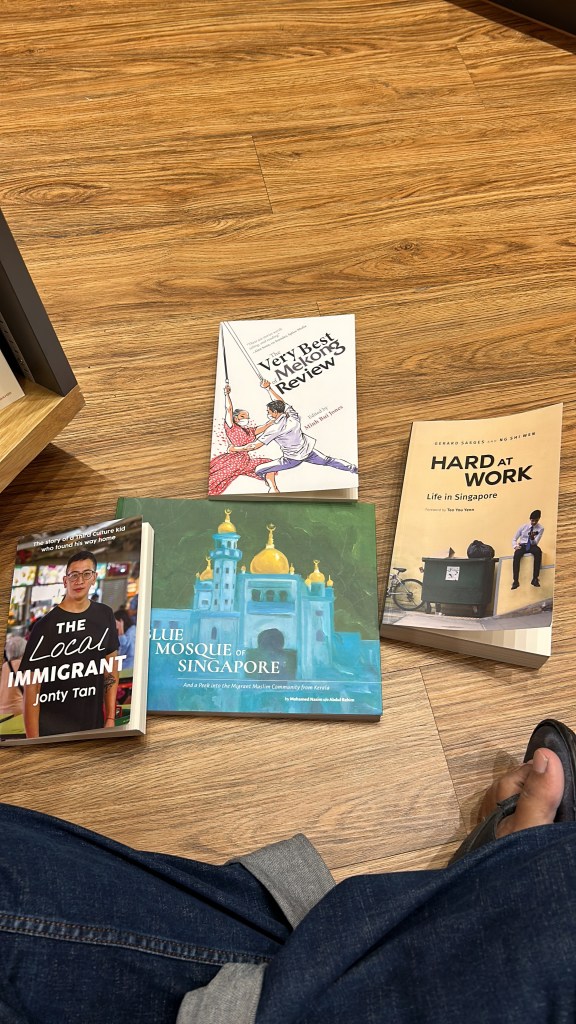
The Singapore section

Sitting in between the narrow shelf ways of Kino at Takashimaya in Singapore, has been a personal favourite over the years, and I am back here after almost a decade. It is a near spiritual experience to breathe in the breathe of physical books in the era of Amazon, where people hardly read.

The Singapore section is a delight as a window into work on the global city.

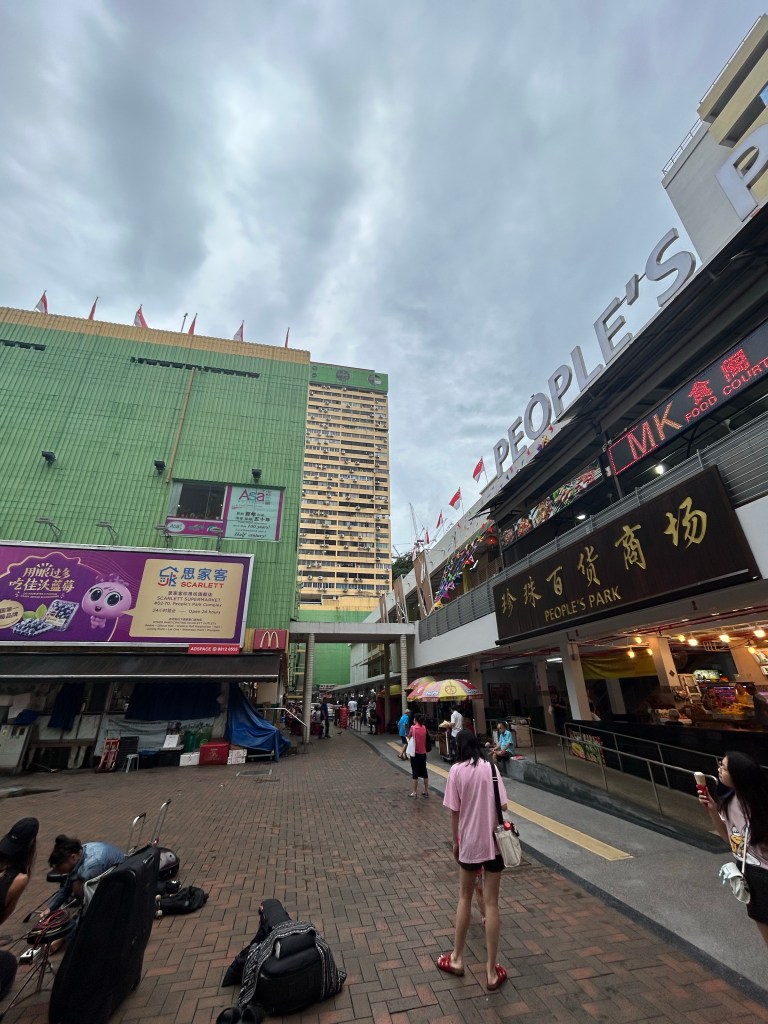
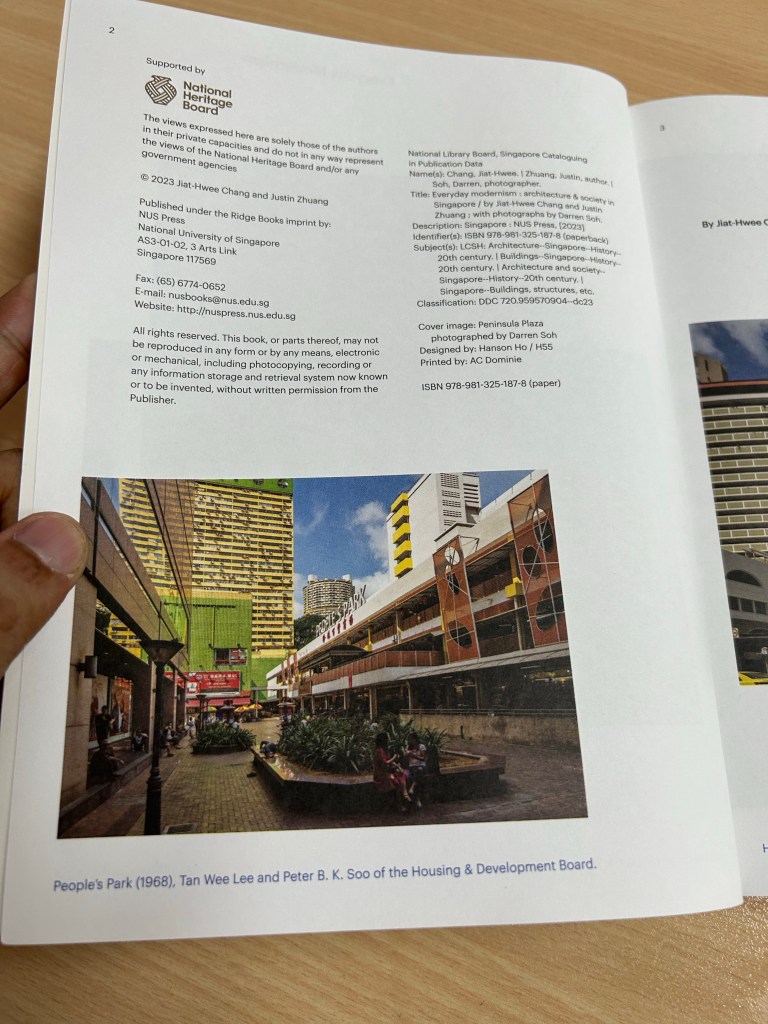
As one of the few writers who have written on Singapore in the Indian Media, the coverage of the global city among South Asian Academia is rather limited. There are plenty of thesis on India written at NUS/NTU each year, however vice versa cannot be said.

ESHIA in Responsible Transition

The impact assessment practitioner has been at the forefront of environmental and social safeguarding while the infrastructural needs for a changing world for a long time. The ESHIA is the foundation of ESG with its strengths in reporting, impact measurement and replicable character and scenario planning with all the technical modeling which TCFD needs is all in the traditional paradigm of impact assessment.

The language of integrated risk is similar as in ESG and ESHIA, both have moving parts as human rights, climate and community are common to both. ESG is an everyday operations matter while ESHIA and EMP and an ESAP are a pre construction and construction phase affair and usually is asset oriented.

The H in the ESHIA is now Human Rights with Health being an embedded element. After all, Environmental and Social Planning is not new with an rich intellectual genealogy since the 1970s.

ESHIA is a key intellectual mechanism for the responsible transition, as stakeholder social licence to operate has been a key part of the process, albeit imperfections being carried into the future.

The French Affair.

The French street violence in the afternoon of a tragic death is a reflection of a post colonial reality which is reflected in its football team to the working classes. Large immigrant populations whether transient or citizens or multigenerational are the shadow of a global grid called empire from Tunis to Hanoi to Dakar to Pondicherry. Taxes are paid, work to operate the system as European white populations get older and the birth rates do not match.

Through the power of Berber Rai Music of Rached Taha and Cheb Mami – the structural alienation of the Maghrebis are felt in the tunes, especially Ya Rayyah and Khalid’s 1996 classic, Oran Marseille, a tune of transnational belonging. The suburbs don’t erupt without a reason, and migration as policy is imperative for many nations. The College De France recently held a conference on migration and the role of migrants in the economy of France either through labour, skill or taxes.

Race, Slavery and Colonialism are entangled and persist in subtler formations in capitalist societies because there is a neat business model. Sometimes the model breaches it’s safety valves. May be take migration research seriously into policy action for once?