Thinking with/through Brickfields- Conceptualising ‘Little India’ as Method

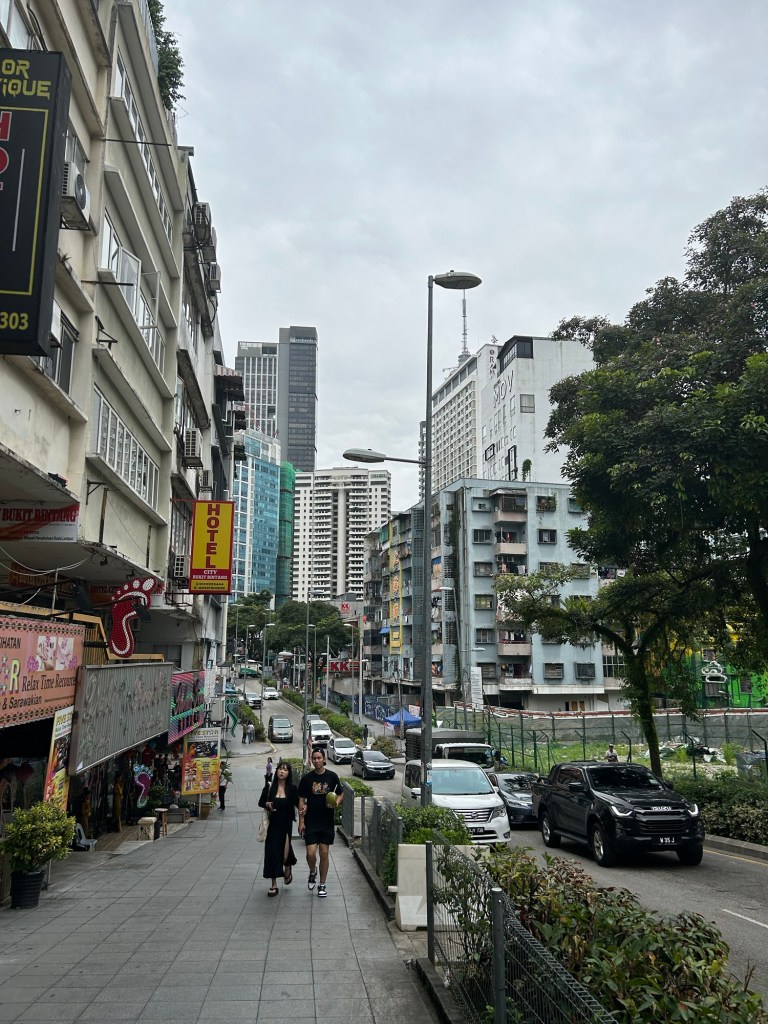
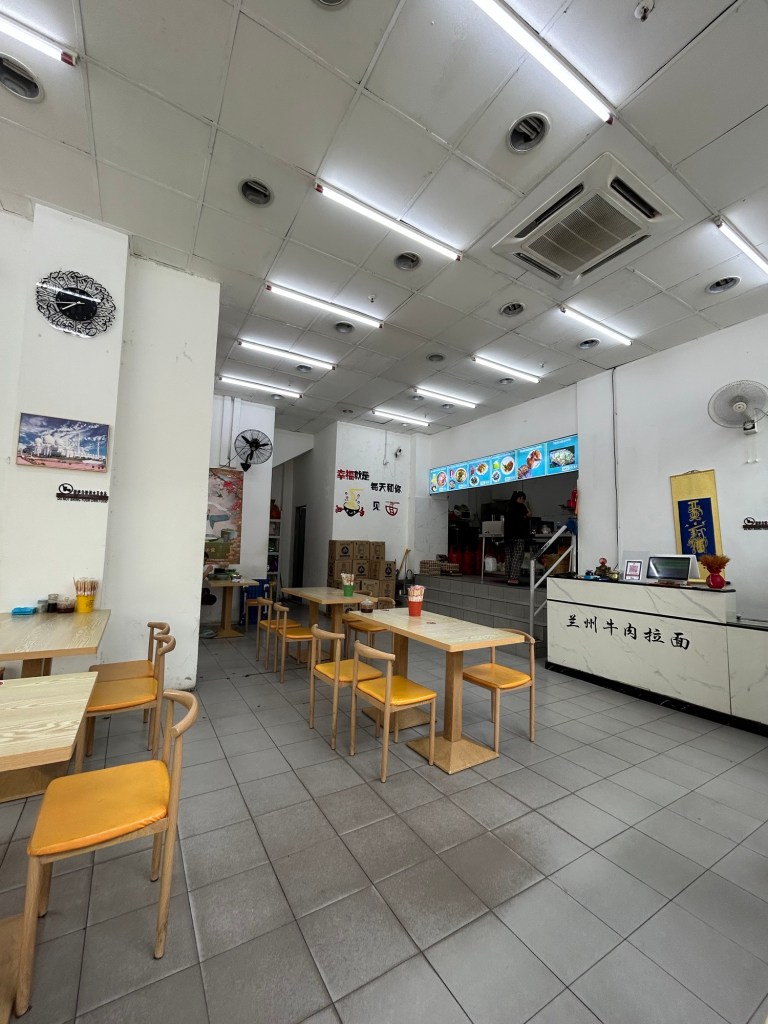
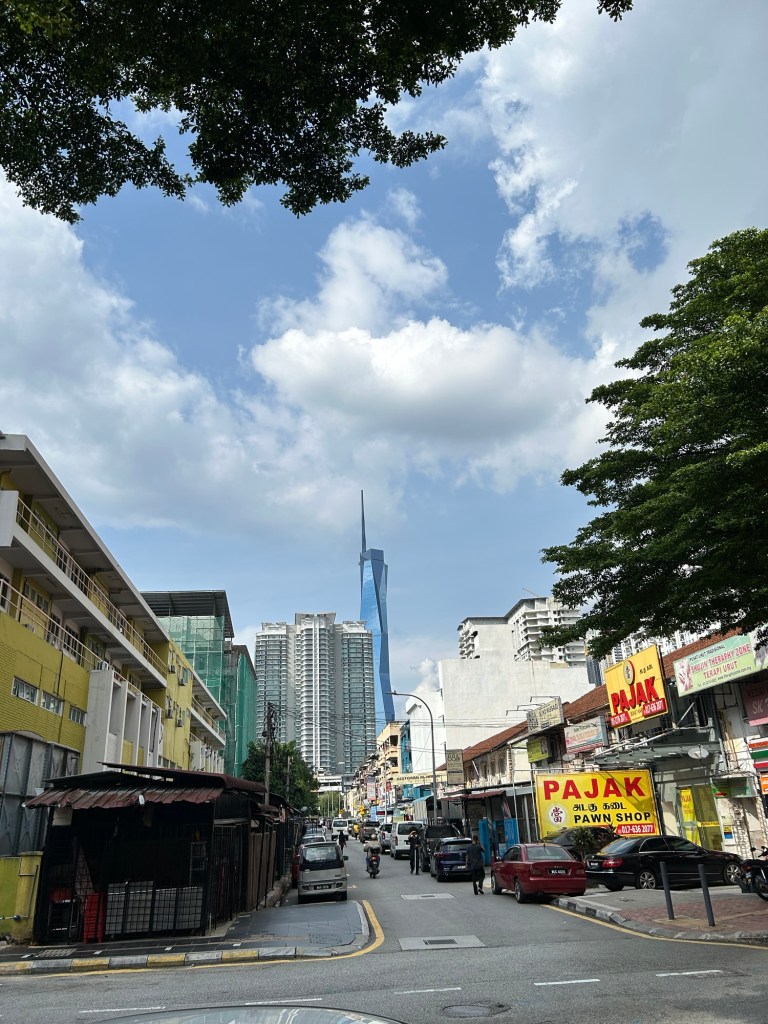
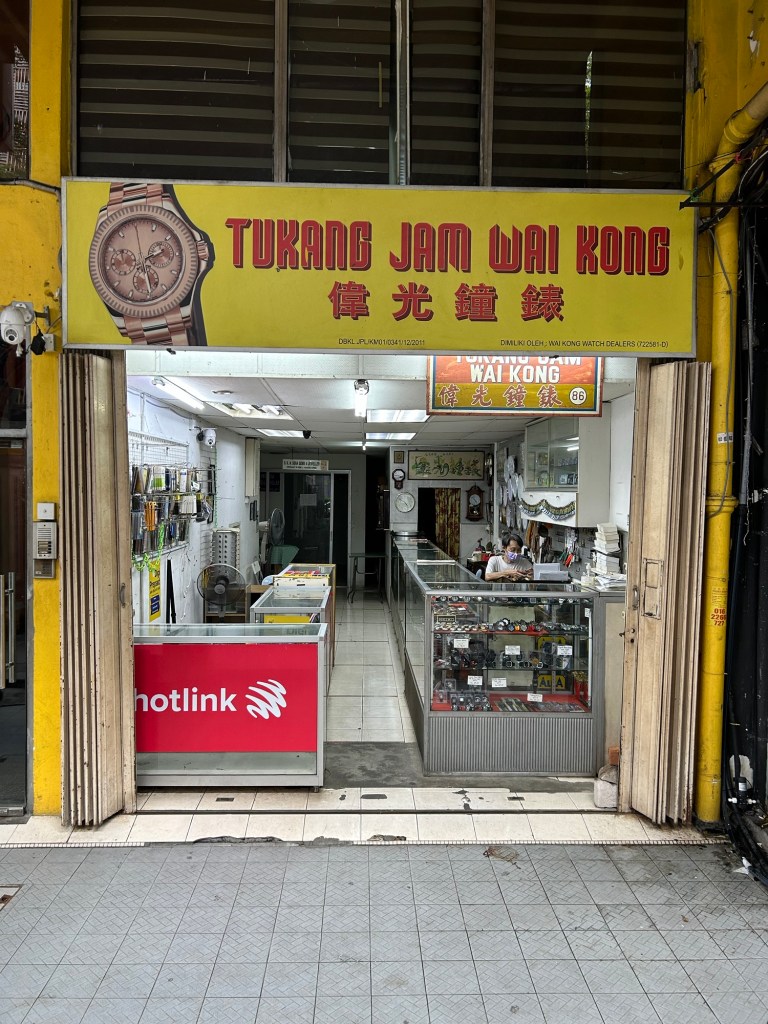
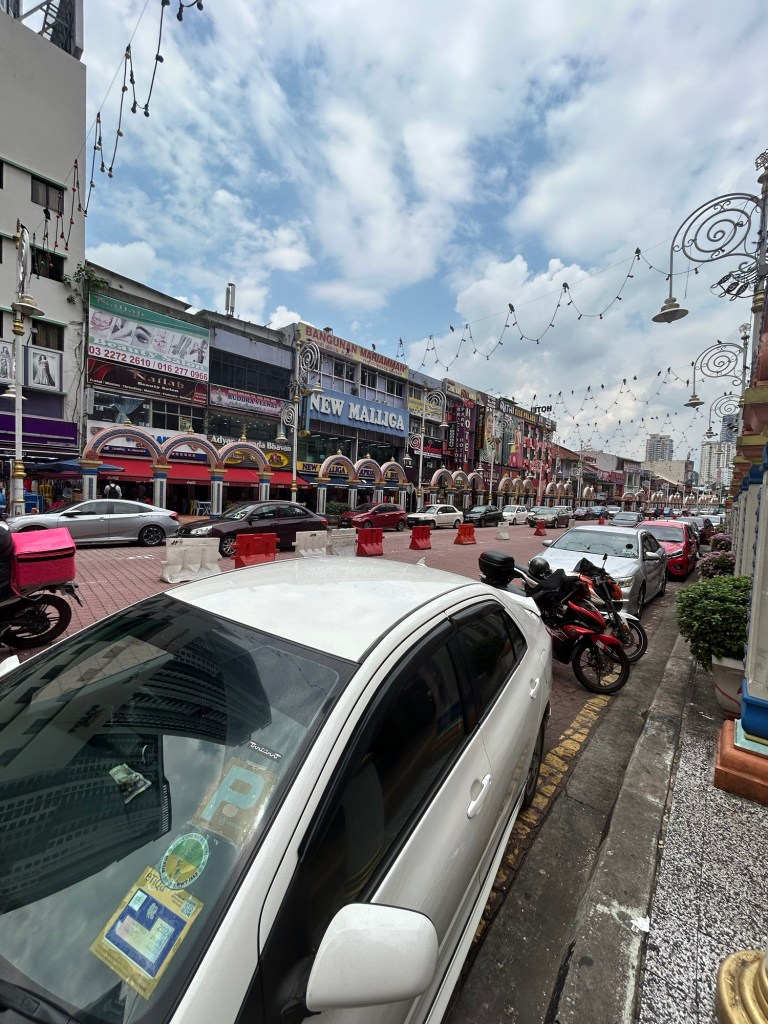
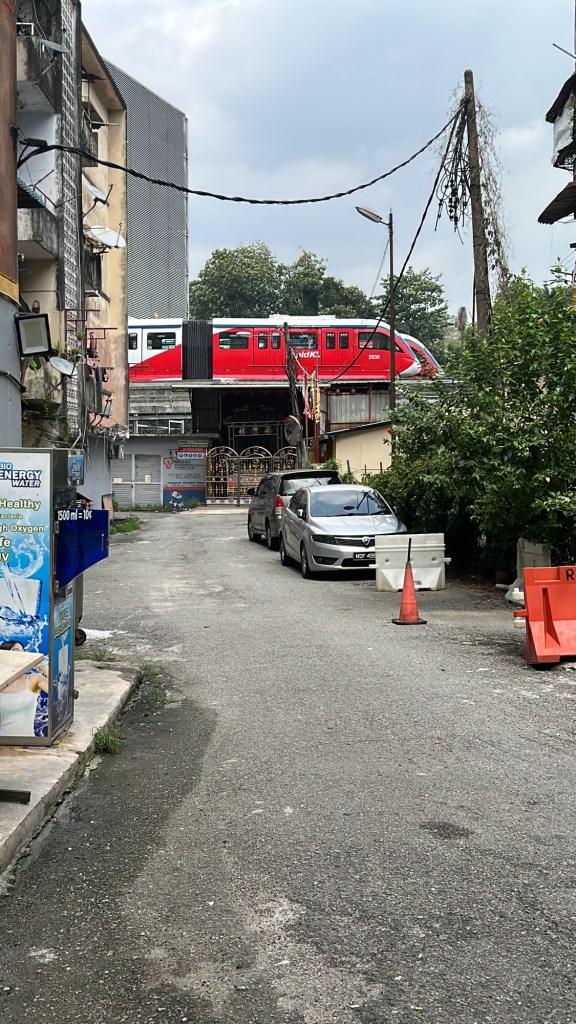
Brickfields- History is etched in the urban.

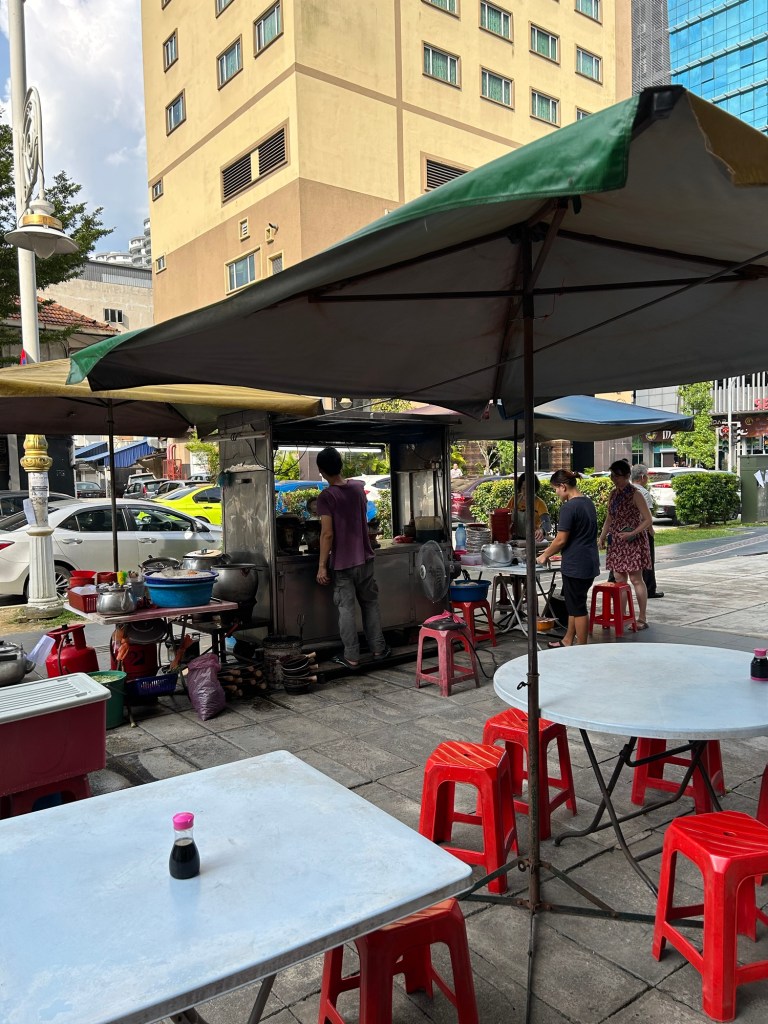
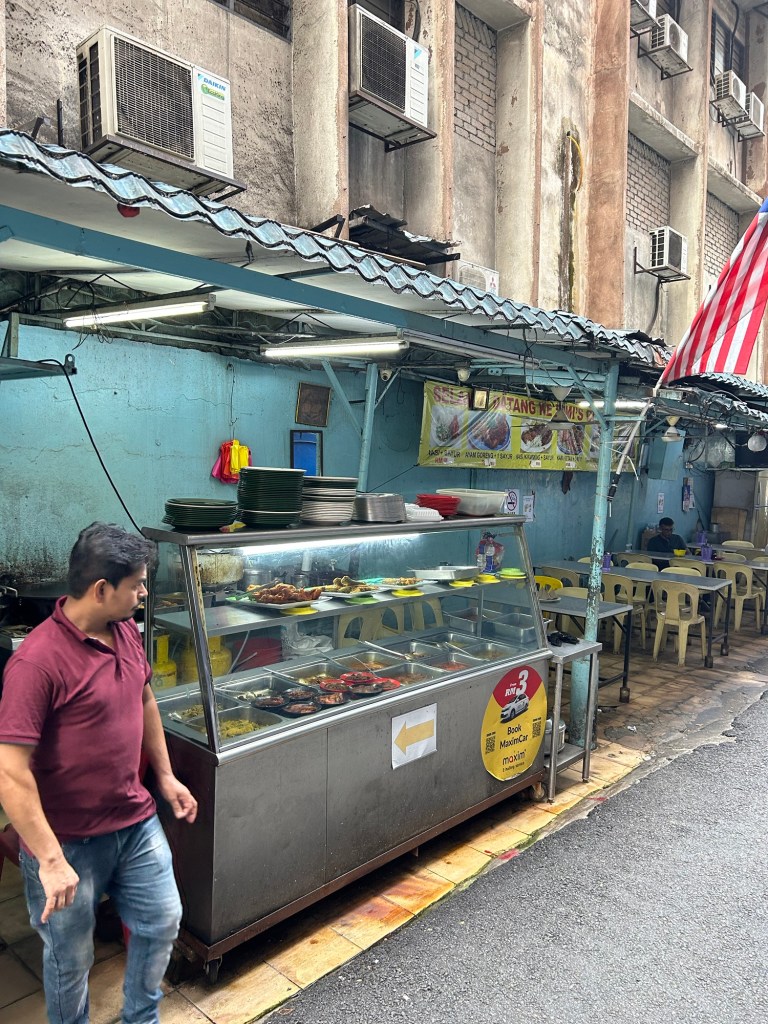
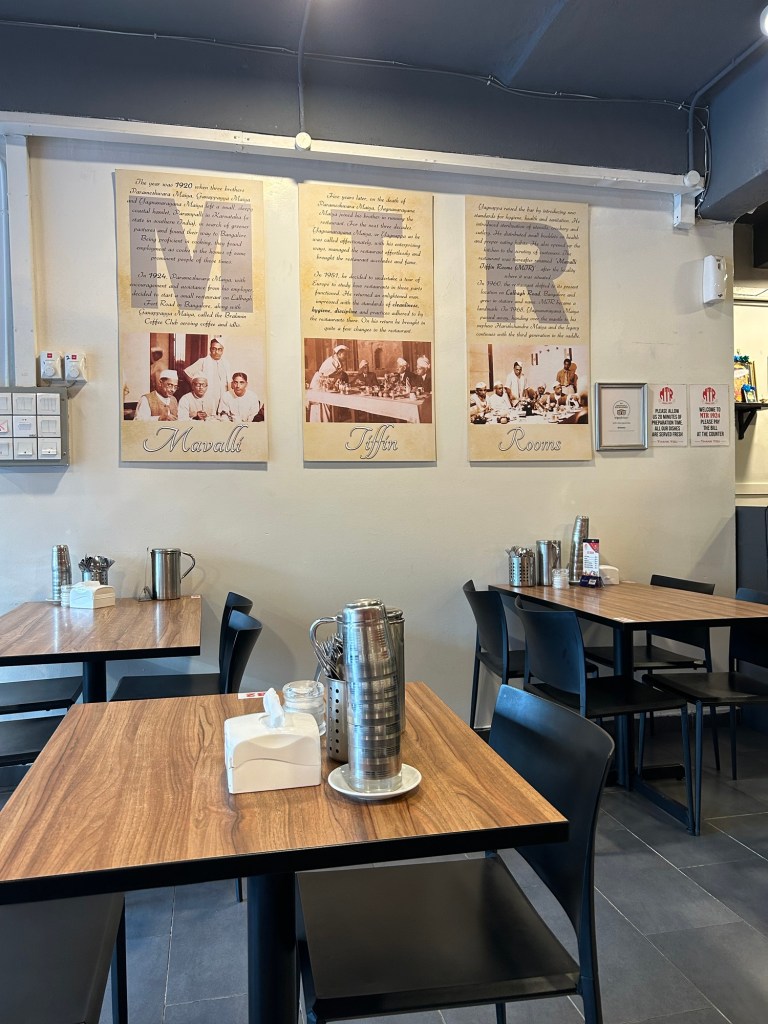
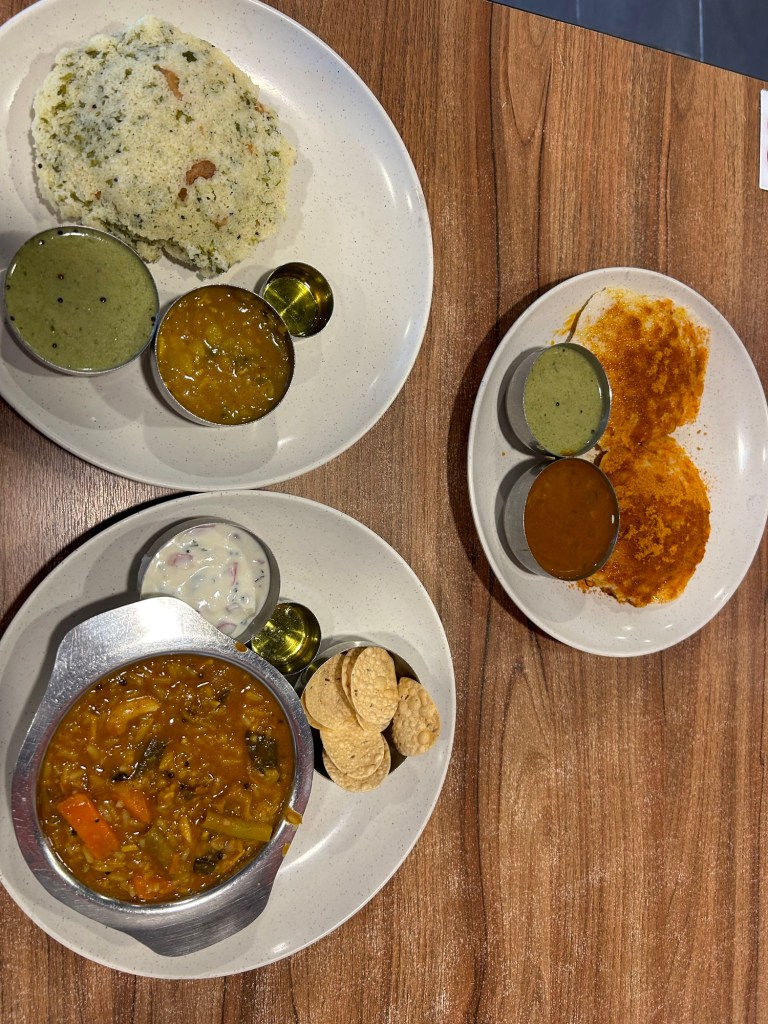
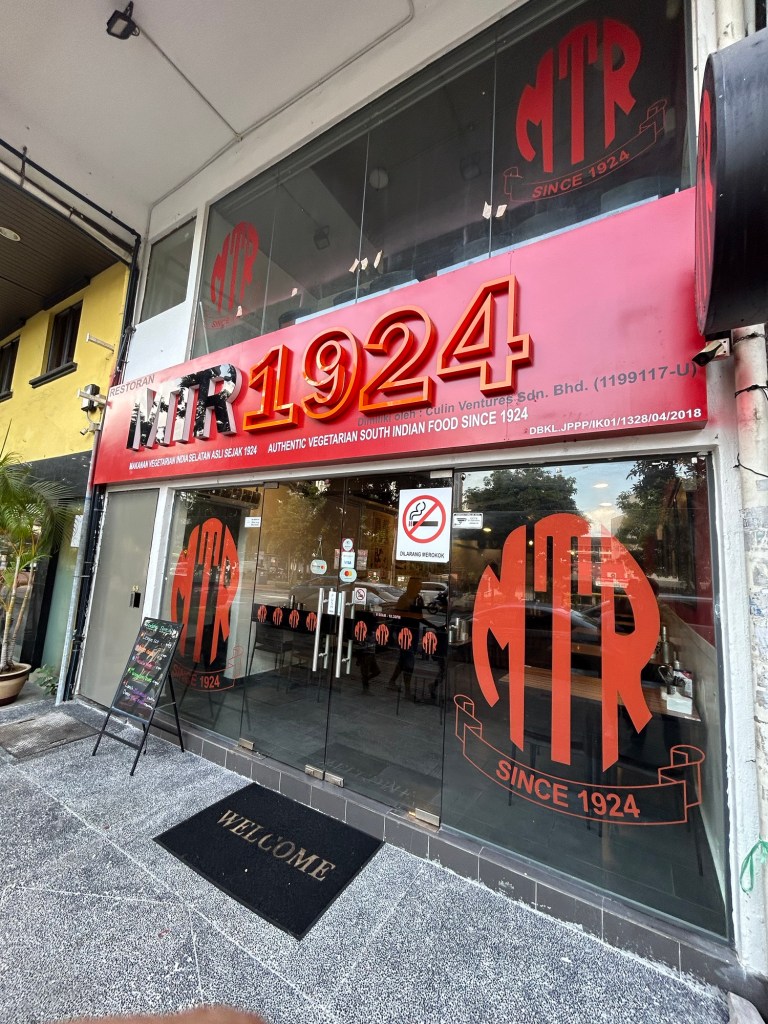
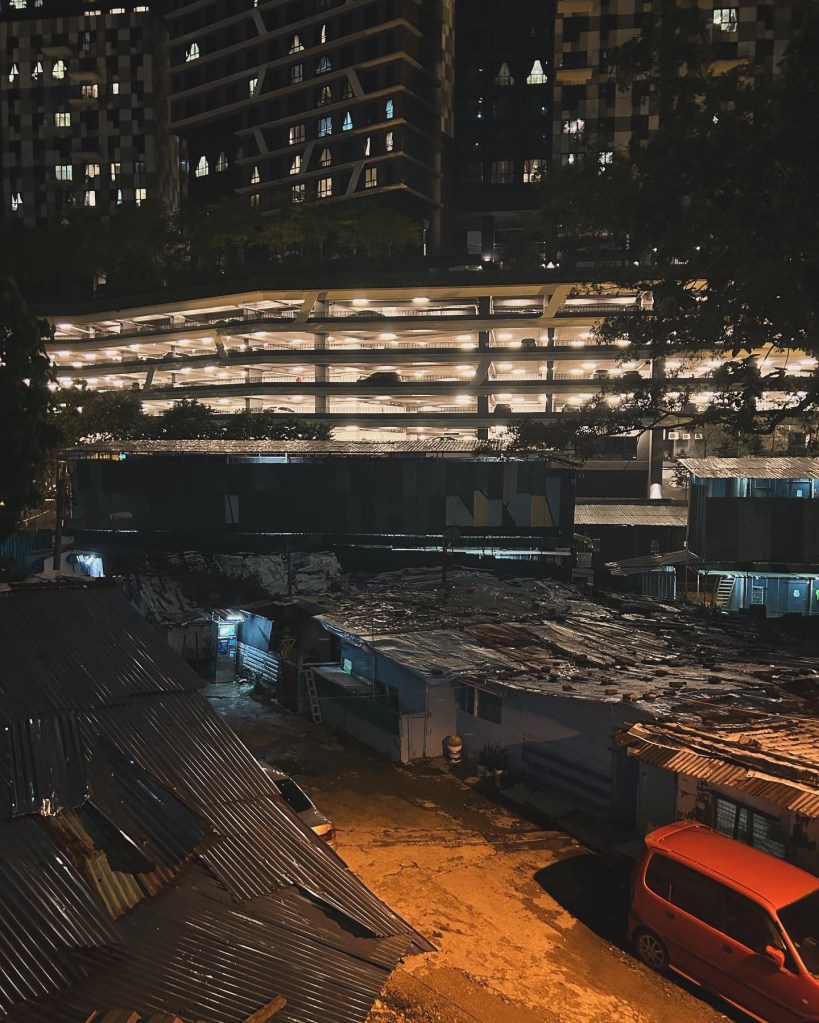
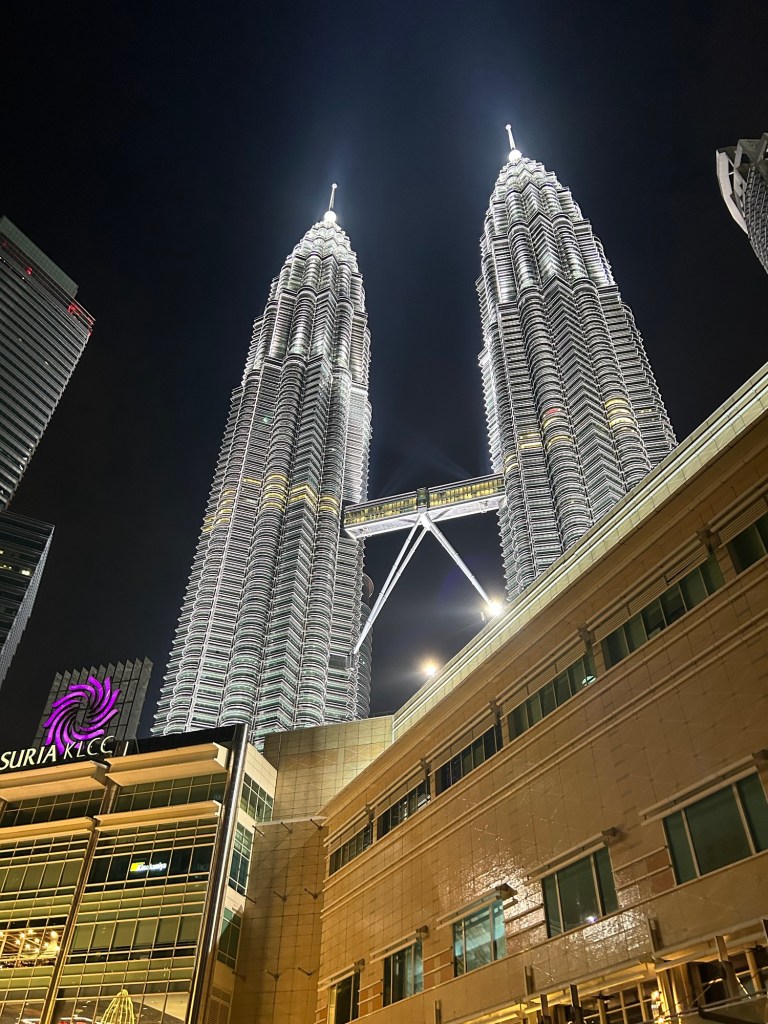
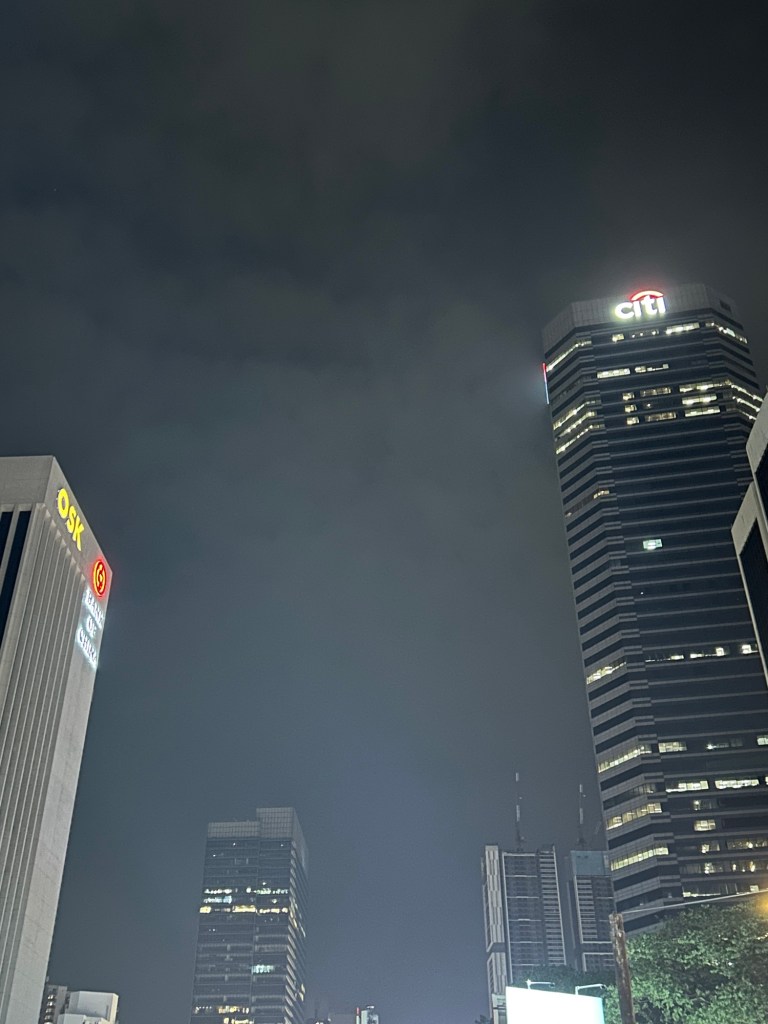
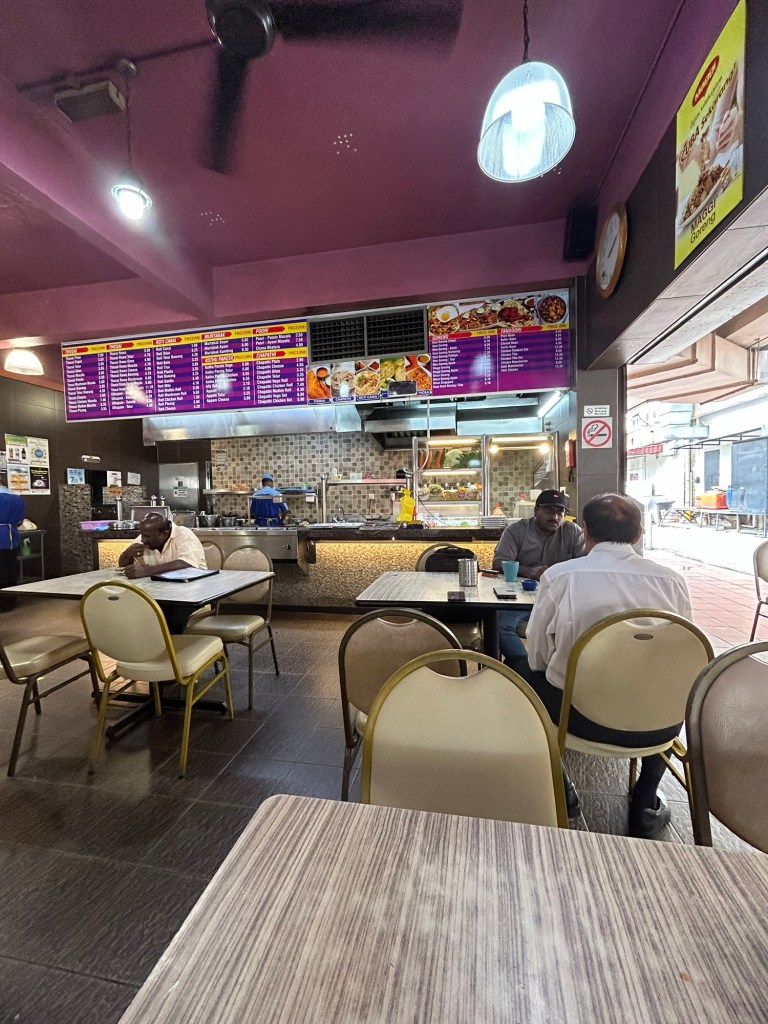
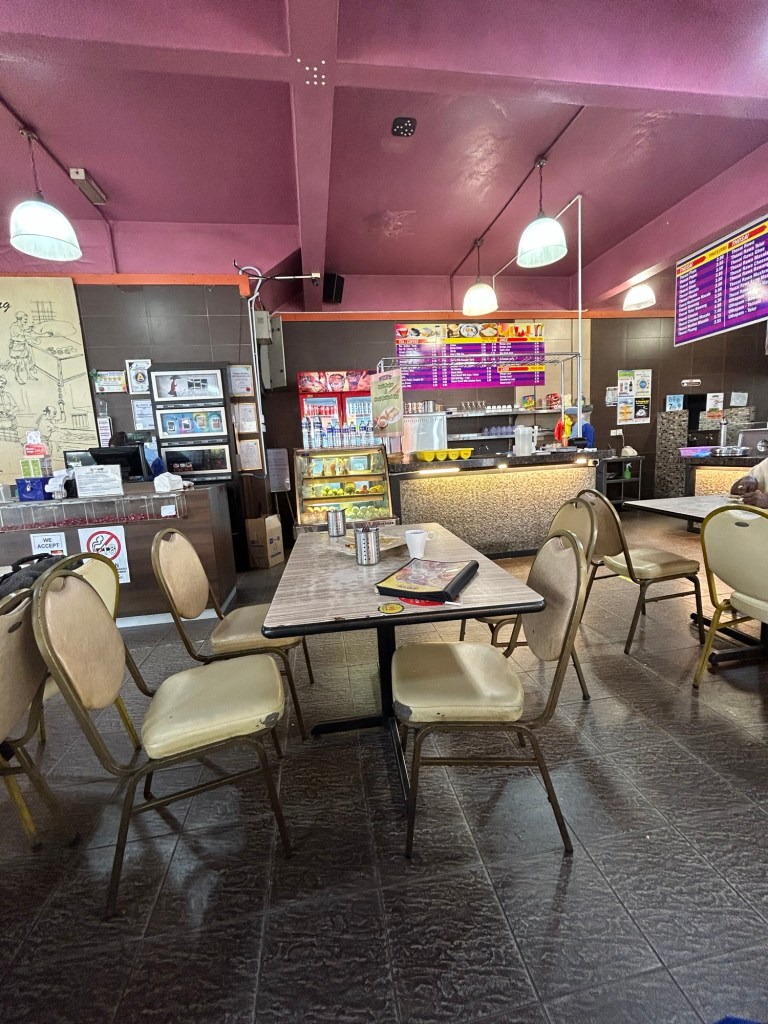
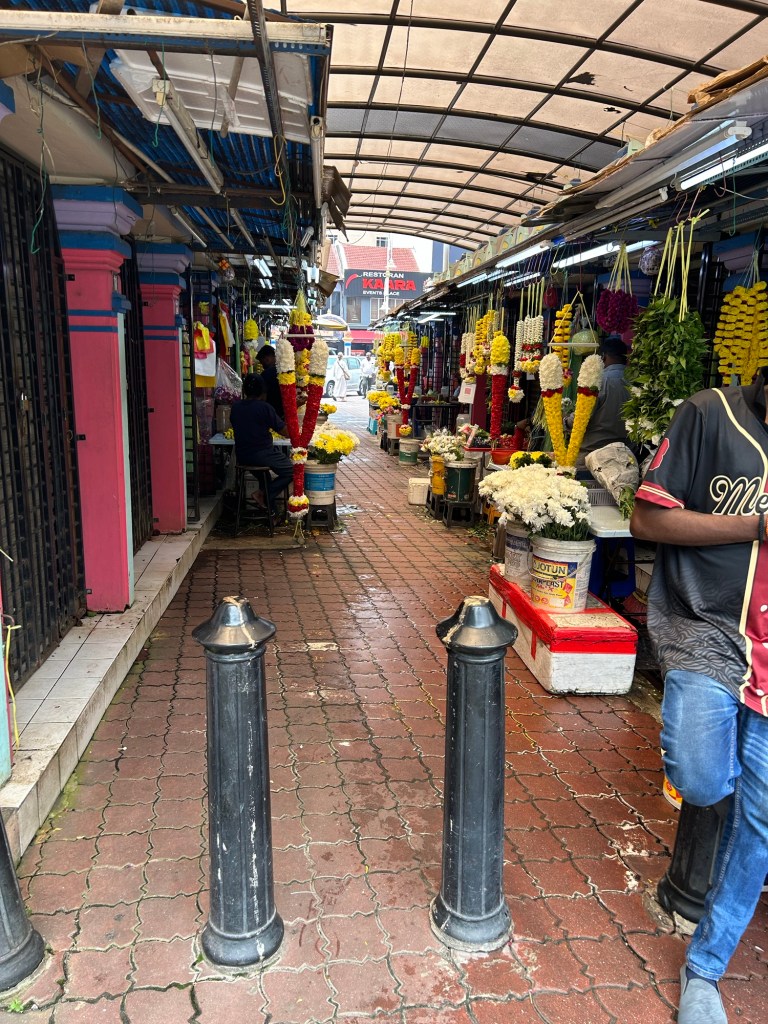
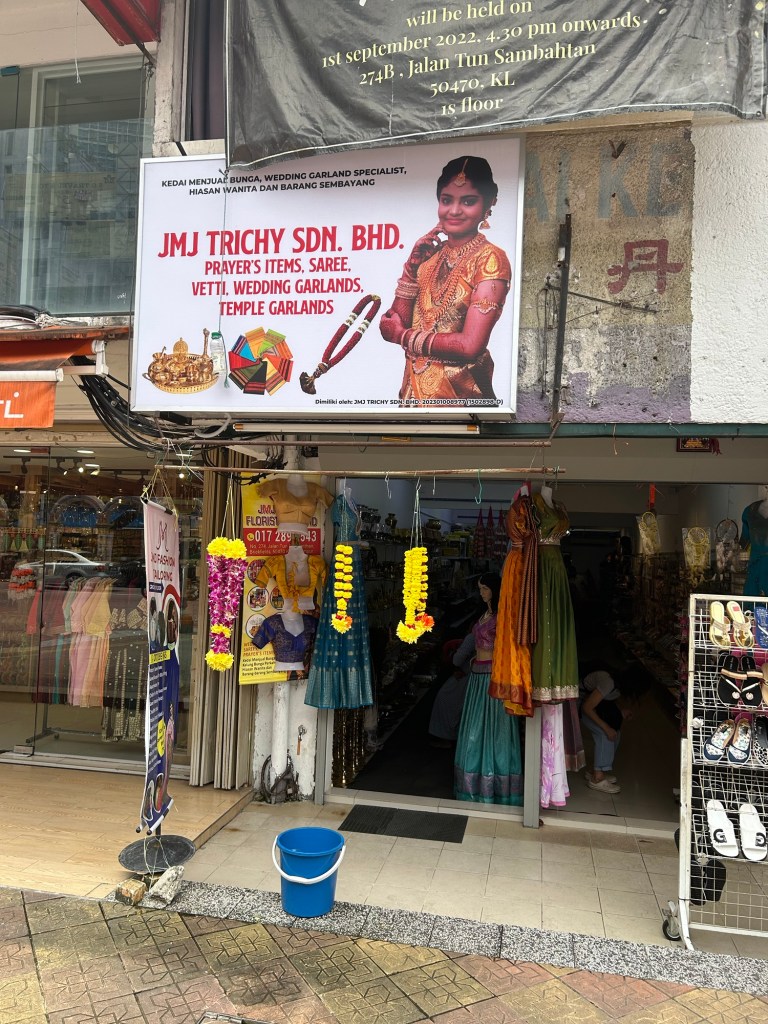
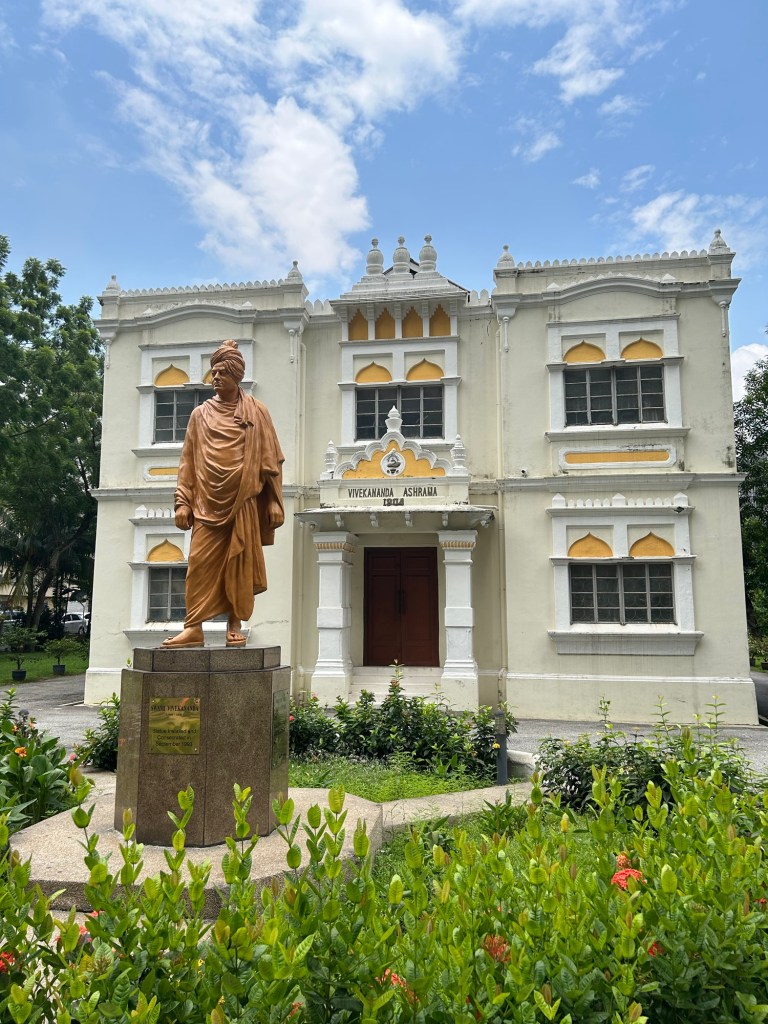
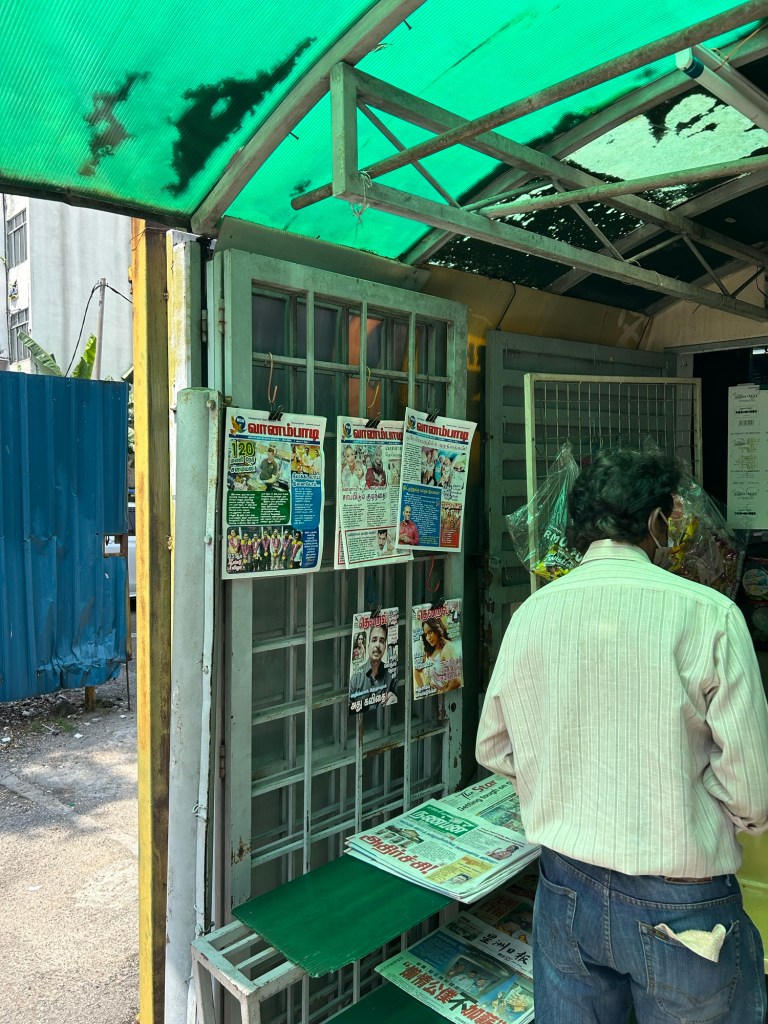
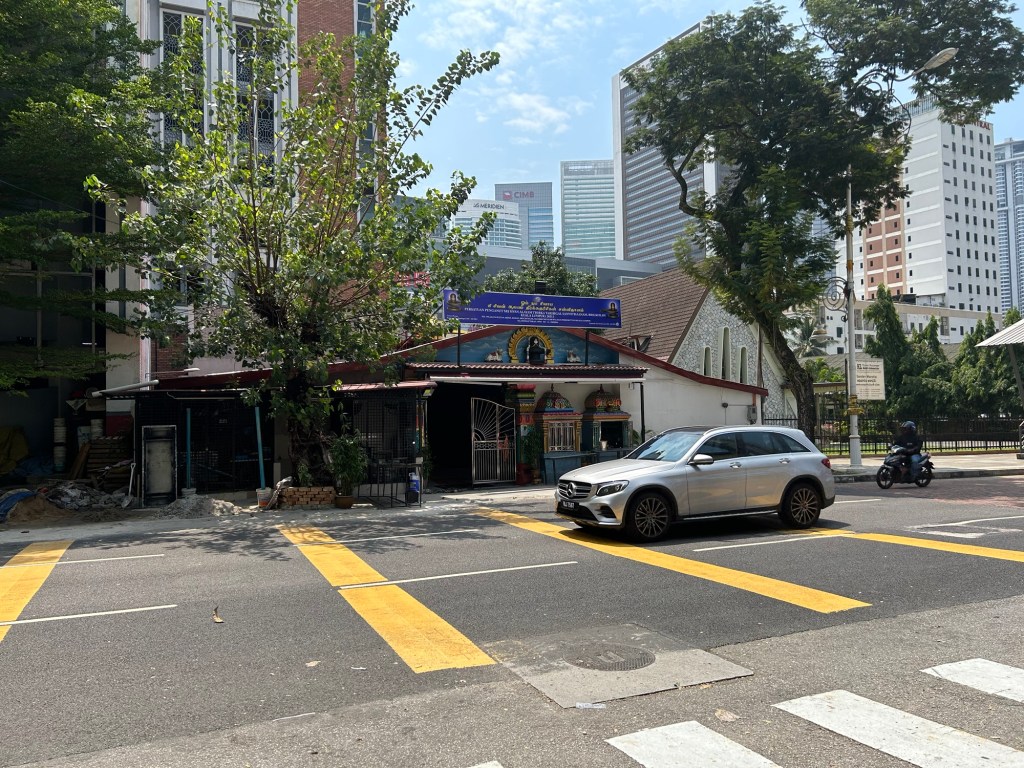
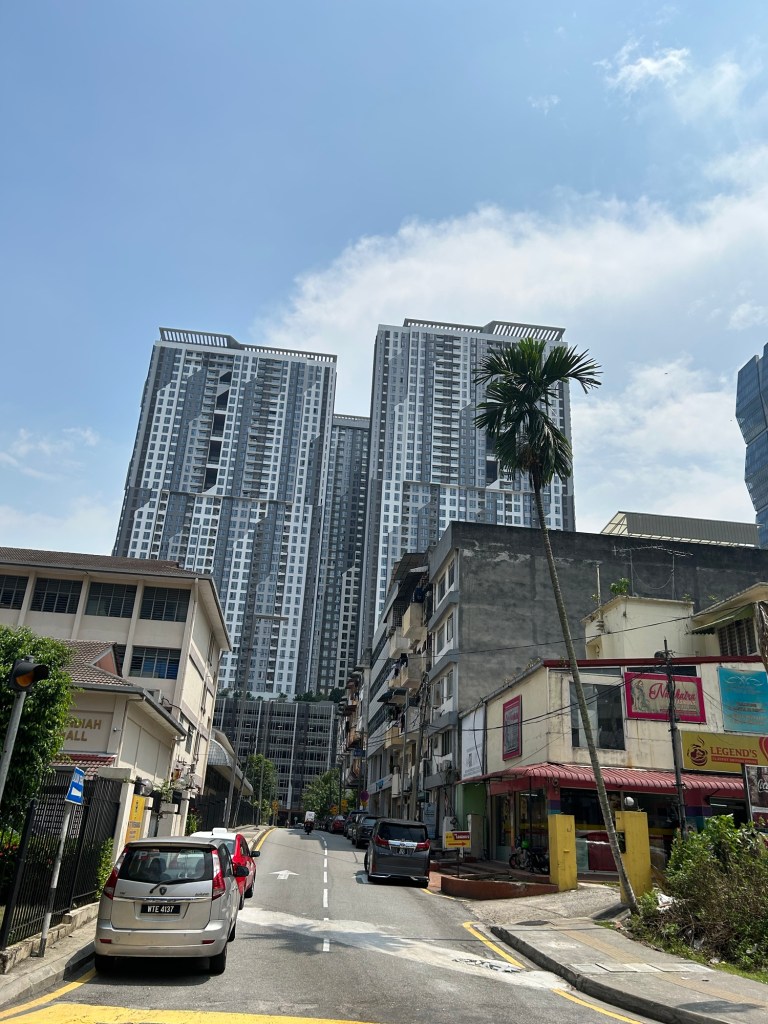
Diaspora sensibilities have their own articulations. The Punjabi migrant worker selling masala chai is unmistakable. The photo of Swami Vivekananda in the flower shop next to the Kovil, and the realisation that history does not need to be performed, yet heritage has a tourist dollar value. The modern towers and office blocks share a historic terrain which the glass tower might not recognise, as the intangible cultural significance is hardly captured on a balance sheet.

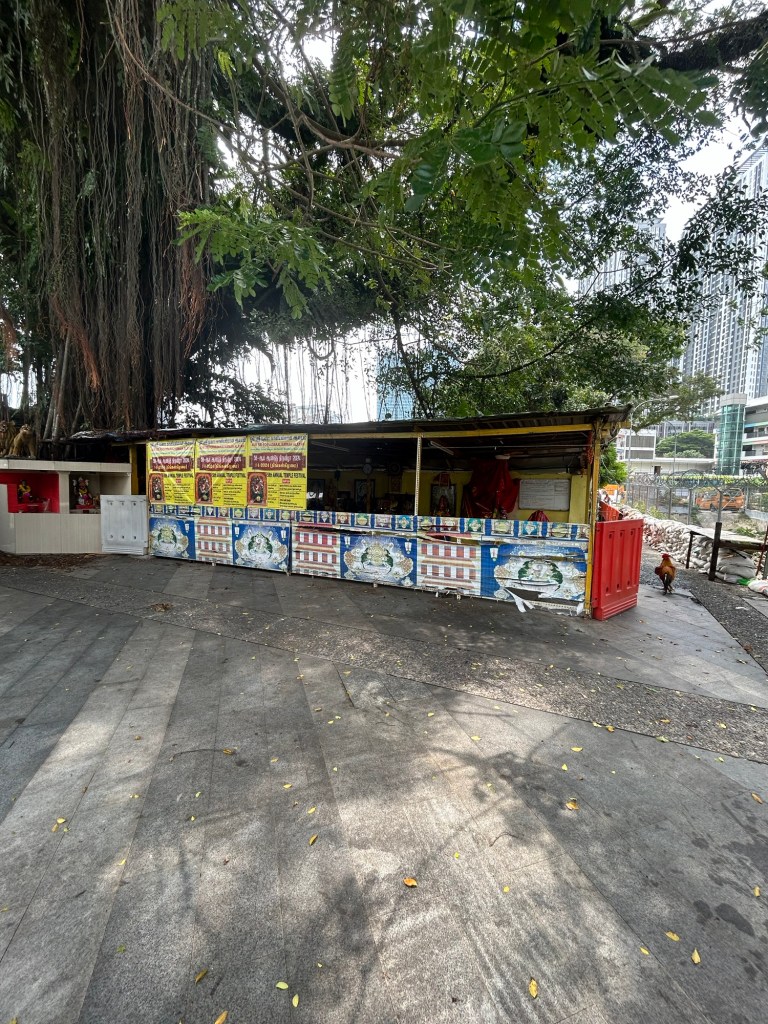
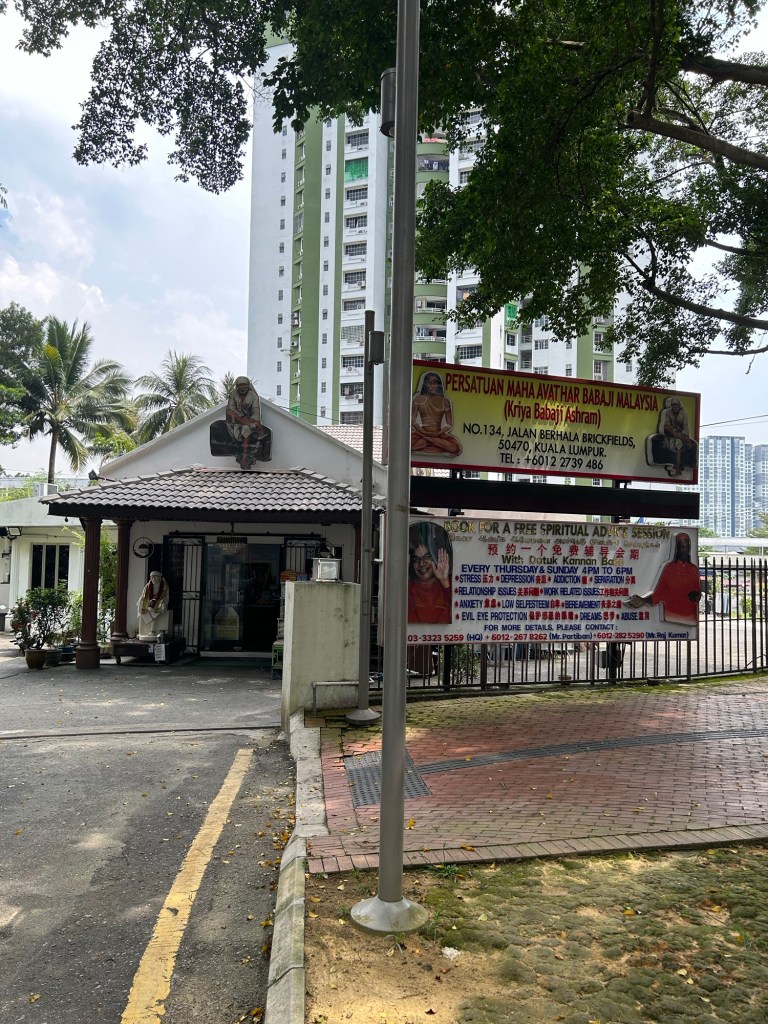
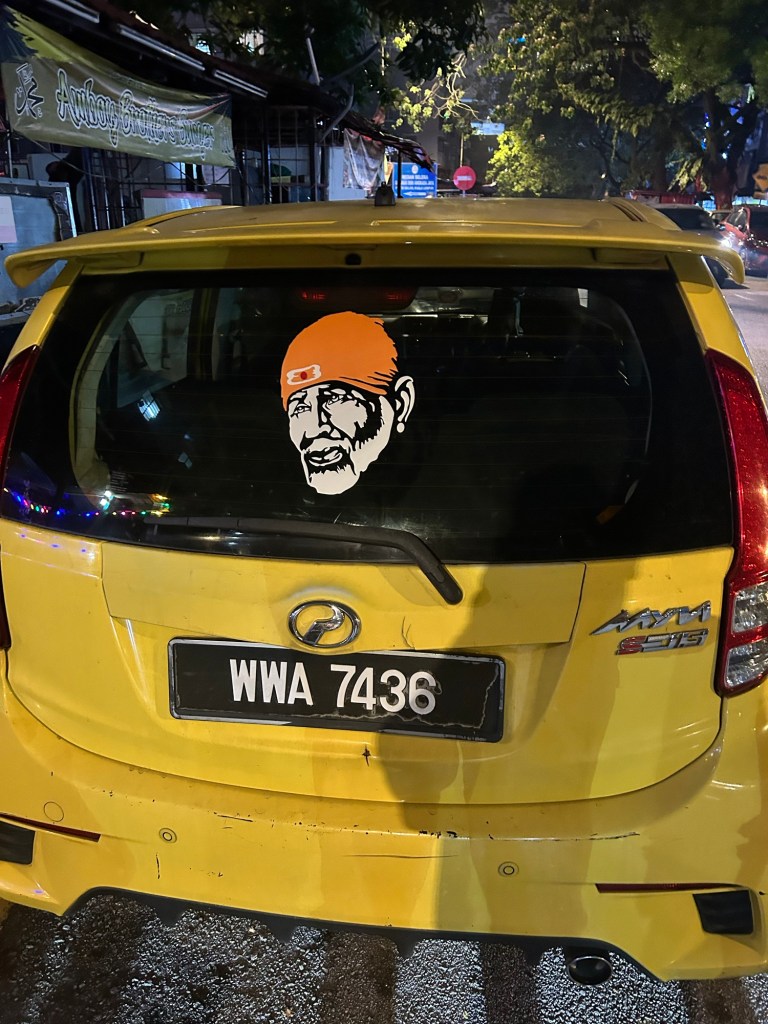
The Ganesh Temple which shares its neighbourhood with three Hyderabadi biryani places and an Andhra Church nearby shows a part of Brickfields which is from current day coastal Andhra, and not Tamizh. The Sai Baba mandir with the two Sai Baba’s from Shirdi and Puttaparthi, and the Kailash Mansarovar pilgrimage poster in the same vicinity, depicts a global Hinduism, which is key to the idea of India from the diaspora.

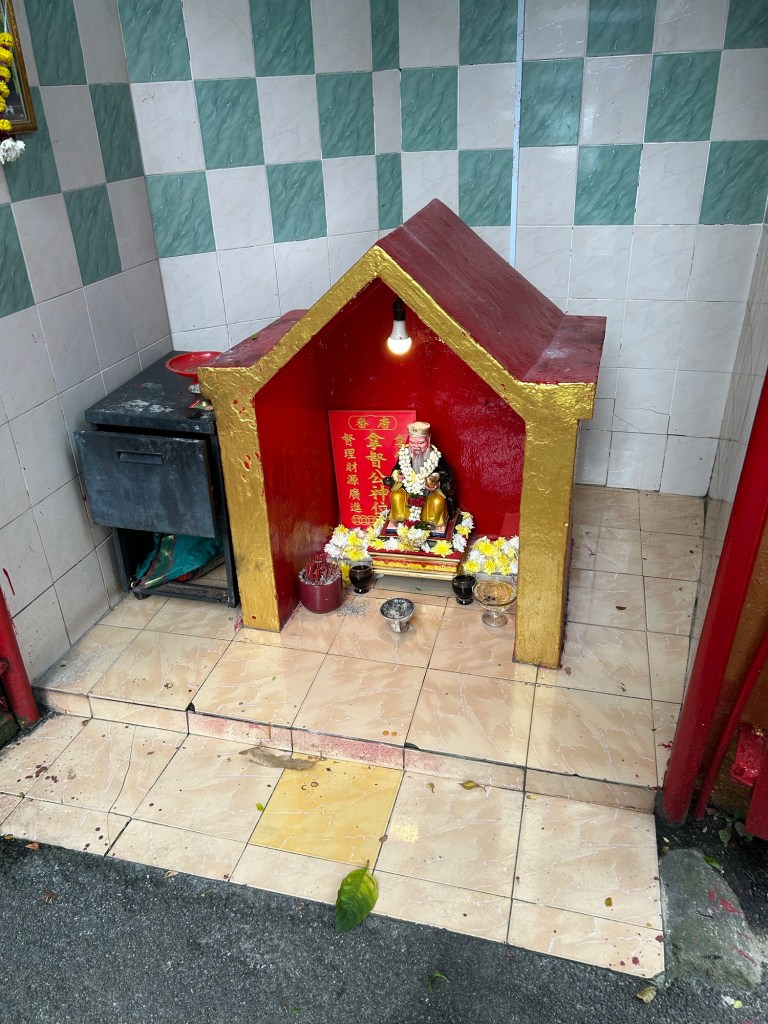
The multiplicity of faith institutions in the enclave and the sheer density of it makes it global, from a Vihara to a Methodist Church.

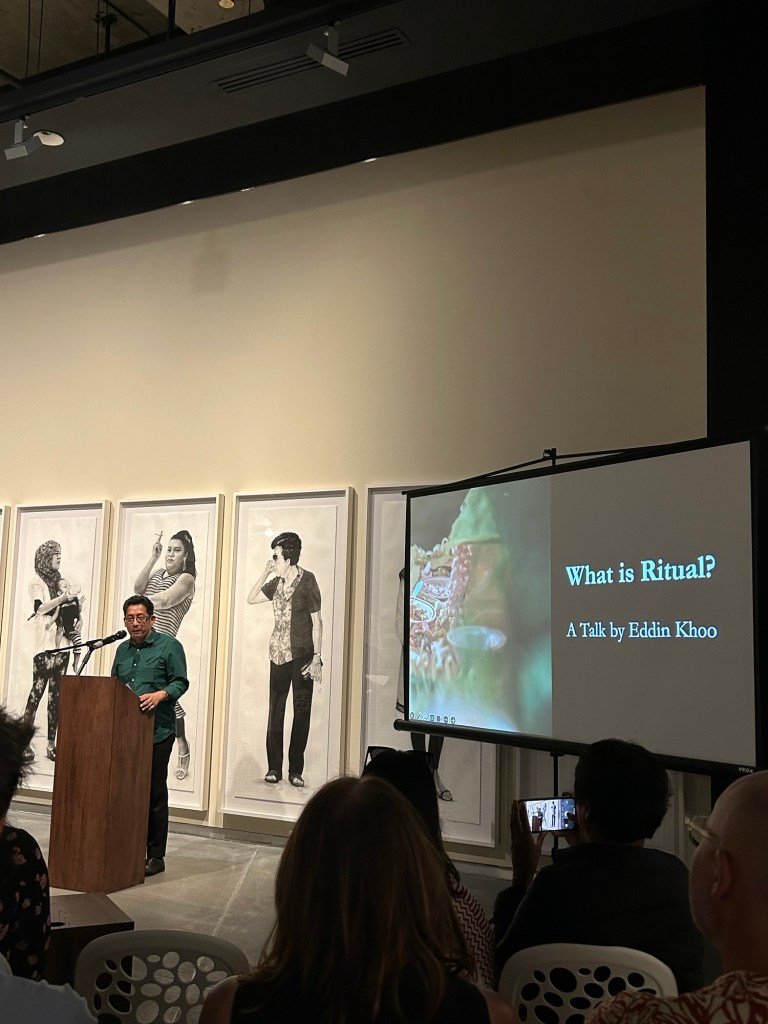
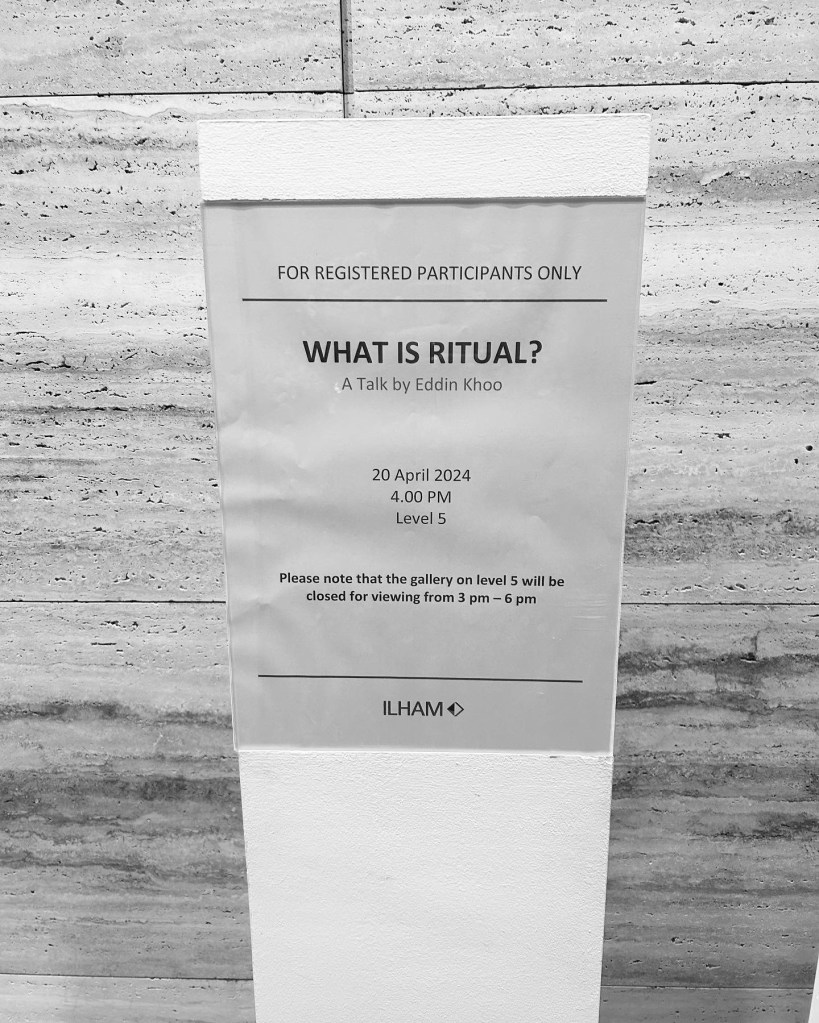
‘What is a Ritual’ Masterclass by Mr. Eddin Khoo
Resisting through Rituals is usually not the way that one thinks of the traditional arts, yet unravelling the layers of contradictory meaning yields much to understanding of cultural work in SE Asia.

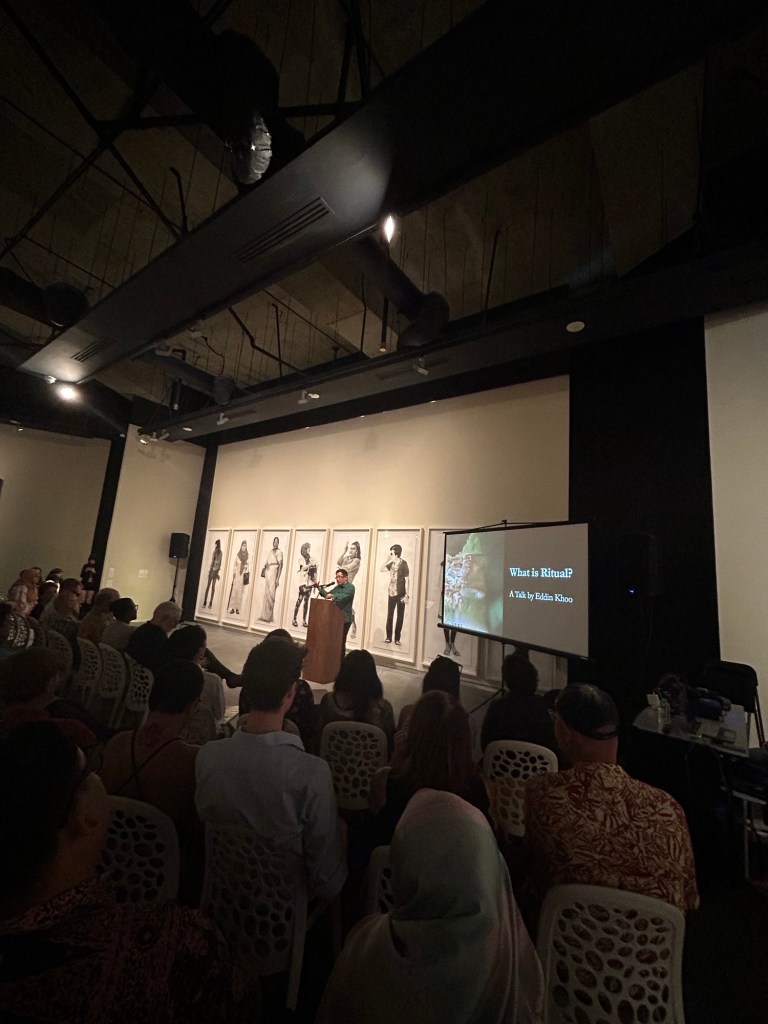
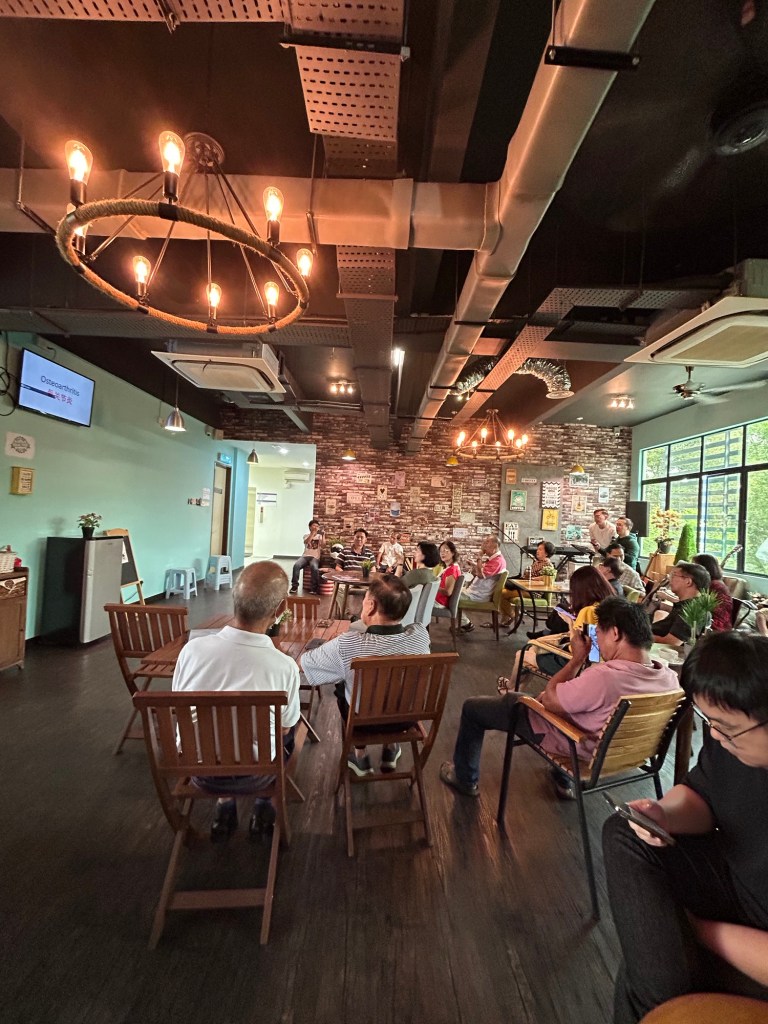
A Masterclass on Rituals by Mr. Eddin Khoo on a Saturday late afternoon to a packed room of art connoisseurs at a lovely art gallery. Listening to the 90 minute talk is a tour de force of ideas which was one big question on What is a Ritual? In the northern state of Kelantan, which is the rich space of arts and ‘Pooja’ or rituals such as Mak Yong and Myin Puteri, for both therapeutic and cultural purposes, is a site for celebration, preservation and contestation. Rituals ultimately belong to the realm of the sensual, sensory and the sacred which inhabits a zone which is both psychological and material. The interesting anecdote is that the art form, Manora travels differently from Kelantan to Kedah to Creole Penang.

The talk delved in to the element of the political as it should be, and ask bigger questions about identity and it’s pluralistic notions beyond the bureaucratic. Three decades of cultural preservation work bears a rich legacy, and the talk was an archive of cultural history, although I am not sure that was the intention.

I often listen to great intellectual expositions on YouTube such as Edward Said or Fareed Zakaria, yet an opportunity to attend an intellectual, yet an anti academic, eclectic lecture on rituals present an opportunity of what real public facing scholarship based on long duree work could offer, outside the seminar hall and into the mainstream of cultural life, the curated art gallery.

Cultural Heritage Organisation’s such as Bangla Natak in Kolkata can take a page or two from Pusaka’s archives to foster political engagement with art.

The Beauty of Historical Ethnography at Stadthuy’s Malacca

Food for thought for the ethnographic soul at Stadthuys, the ethnographic museum of history at Malacca’s heritage district which has a 500 year history on par with Goa. Waves of globalisation started long ago, with the Dutch VOC, the first global MNC. The resource wars over spice are well documented in the Nutmeg’s Curse, by Dr Amitav Ghosh, a successor to his Berlin Family Lectures.

Malacca is a few hours by ferry to Sumatra, and no wonder the VOC had its imprint here. The museum covered a wide aperture, from Parameshwara to 1957. The connections to India were clear and deep and makes it’s evidently clear of its importance in the region.