#notinmyname protests today was a glimmer of a muted outrage brewing across India. India is not lynching-stan or a banana republic. Junaid or Pahlu are not names to be erased off history books or caches from the net, they are what can happen if things go to the extreme for an ideology, where anything minority is shorthand for not Indian or anti establishment. On today’s news hour on #HateNow channel, John Dayal and Poonawala were called to prove their Indian ness, which is puke worthy. A Pakistani student expressing solidarity is called names. Where have we as an educated polity regressed to? Is the metric of success for the right the strike rate in election victories and nothing else matters. Perennial electoral mode rather than governance is the prevailing sentiment of the Day.
Ideologies are conceptual categories as well as a political practice borrowing Prof Bidyut Chakraborty’s work on Indian Communist movements. The Hindu Right, might just be extending its good luck a bit too far, by equating electoral victories as hegemonic support in the absence of an opposition of note. The nation asked for decisive leadership, and what we received was quite short of it.
India is in Nagaland, Kerala, West Bengal too. The politics of Hindi heartland is infectious, from Raisina Hill to Davos. BMKJ.
Author: changethinker
Born and raised in Mumbai, India with an undergrad degree from Oman and a masters degree from the National University of Singapore. I am an Environmental Professional with a passion for Sustainability, Social Innovation and Governance related issues. A Change Agent in the making who believes that small is beautiful and that impact can be achieved -one soul at a time.
Expanding Spaces of Discourse
#Reflections
In the past decade, more so in the past three years as I have taken social science research and writing more as a career, with quality writing for commercial consulting works a core activity as well, I have read across the board from engineering to creative writing to photography theory. The percolations are surprising as the cross pollination of ideas gravitate towards populating the interstices and create spaces which are enriching. I have been blessed to have mentors who are brave academic activists, have taught me that theory building comes with fronting the ‘body’ as a site of performance/resistance on the frontline.
Corporate sector is not a sterile space as well, from start ups to Fortune 500, business is where everyday reality is lived, engine of economics. These neoliberal spaces, as per dominant academic literature is the ‘other’, the ‘impure’ the hegemony of capital, excellent as objects of analysis, when hardly these theories seep in to spaces that are potentially spaces for change, little is acted upon. Ask a CEO of a tech company facing diversity issues from Silicon Valley regarding Chandra Mohanty or Judith Butler, the answer will be quite obvious, leave alone an opaque Spivak.
The recent discourse about low flame lynchings all over the country, resulting in a #notinmynamecampaign especially among left liberal urbane friends and inherent critiques of not addressing caste based inequalities amongst the tribe is a minority with little purchase in the mainstream.
As spaces of discourse shrink on the ground, they only move online.
The Blurring of focus
A large majority of India lives in Thanjavur, Kohima, Panaji, Reva, Kalimpong, Bastar, Gadchiroli where the K Issue and Jadhav’s abduction are disconnected with everyday living. Jobs, Farmer income, malignant urbanisation are issues which cripple lives. National security and identity politics are taking the focus away, as the new opium of the masses. The country’s security can get only stronger with an inclusive buy in. Look after better of your subaltern soldier class for a start. The beef of the matter lies elsewhere. BMKJ.
Ramadan in Oman: A month in Faith in images


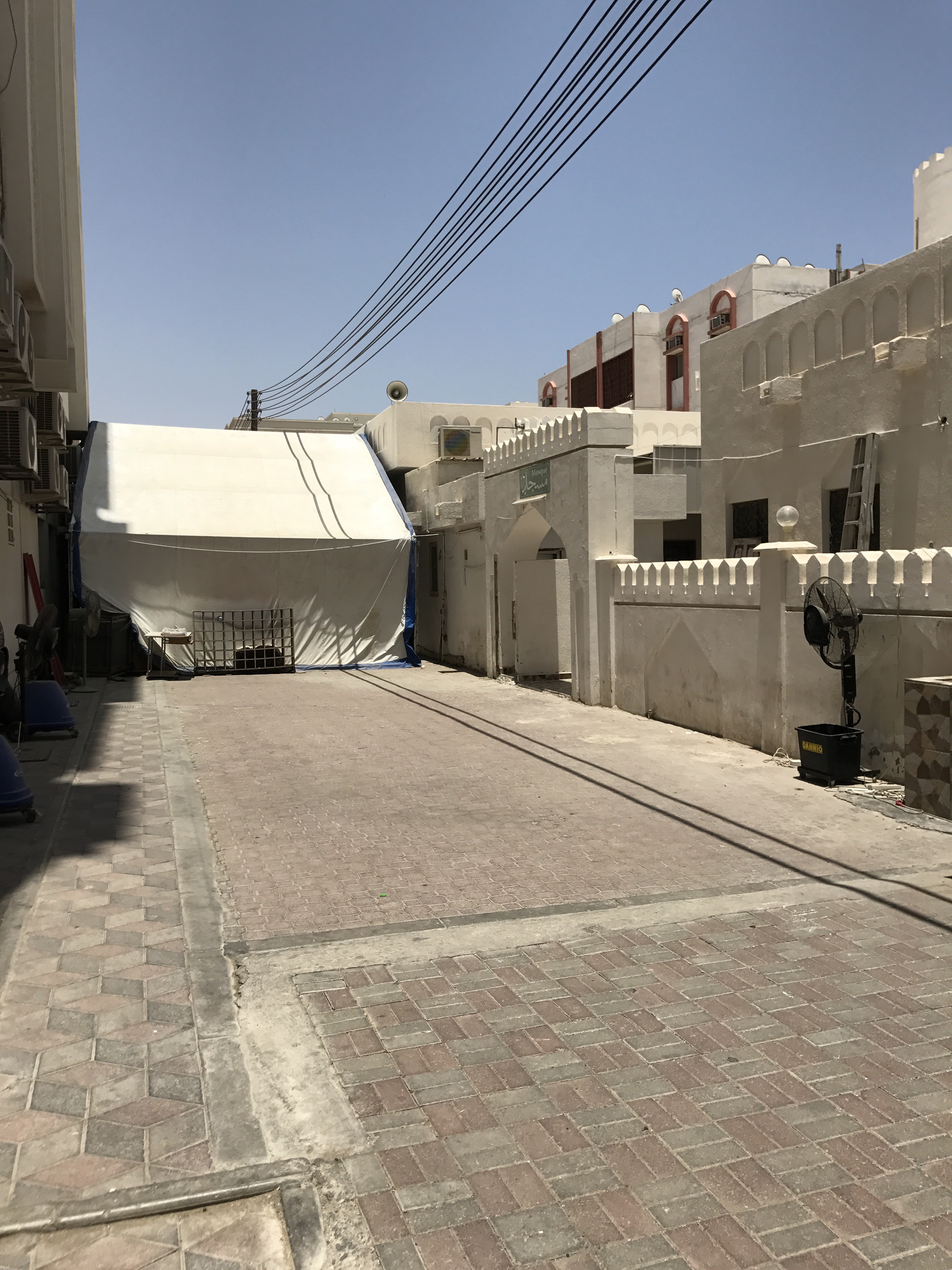


As Ramadan comes to a close, some select images over the past month celebrating this month of faith.
Ramadan in the Gulf
Reclaims faith and humanity
Reclaims family over profits
Privileges Culture over Neoliberal Productivity
The march towards modernity is halted
Albeit for a month
Celebrates faith, like no other part of the world
Departure, a Poem
Sometimes departure brings agony
Life before that was a speeding car
Life was all about the fast line
That we did not care about the debris by the wayside
Now that we will be relegated to the bins of Memory
We try to locate sorrow
And make peace with it
The peace is elusive
As we did not try to define peace prior to this
Hence the agony
Malls, A Poem
Malls are cathedrals of late capitalism
Symbolise a vague sameness
An unnecessary similarity
Whether Muscat, Mumbai or Medan
Same shops, Daiso here, Starbucks there
These sterilised structures of wasteful consumption
Refuge for the middle class during summer
These communal spaces of ‘brand brotherhood’
Often uproot disenfranchised communities of their land
Only, to offer them a watchman’s job
Anti Expat Nomenclatures
Cities have their own nomenclature for expressing non welcoming behaviour against ‘expats’ and are quite creative at them. The acronym for the gulf should be as indicting as FILTH (Failed in London, Try Hong Kong) Singaporean version: Fallen Talent, Foreign Trash for FTs. There are various hierarchies amongst expats too, South Asian versus Western Passports etc.
Bangladeshi migrant takes his politics to ‘Probash’
Today, in the sweltering summer evening, as I frequent a favourite Turkish cafe, where three Bangladeshis from Pheni, Comilla and Brahmanbaria work as service staff. All three of them come from Bangladeshi districts adjoining Tripura and hence speak the dialect from the area. The time was in the heart of Iftar time, and my friend from Pheni was sipping away his black tea, while serving a constant stream of driving in costumers including a Filipino man, who was buying Shwarma dinner who was wondering, why is not beef available.
In the fast few days, they were hesitant to speak with me, as they saw me as Indian speaking a Bangla unfamiliar to them in their daily lives. Language is reflective of socioeconomic privileges. The ice was broken when the man from Pheni was subtly overjoyed with India’s capitulation to Pakistan yesterday. He started today’s conversation with India’s defeat and emphasising how humiliating the 180 run was. He then moved to another south Asian passion, politics. A man who has spent the past two decades in Kuwait, Dubai and Muscat, certainly had a ferocious passion for politics of Begum Khaleda Zia’s kind.
He was acerbic towards the League and was confident that the current administration had lost confidence of the masses. He was especially keen to stress that the BNP was not anti minority (assuming that I was of the same ilk) and that the Hindu community has been taken for a ride by the League, which the Hindus are realising. He also alleged that the players in the BD Cricket team were connected to the establishment politics, with a precise distaste for Saumya Sarkar. The BNP runs active cells all over the gulf through cultural clubs.
Bangladeshi blue collar migrant diaspora is very involved in domestic politics unlike their Indian counterparts. As I have attended League meetings in Singapore, where these are not permitted and performed under the guise of ‘culture commemorations’. As the proverb goes, culture is politics and politics is culture’.
Bengali culture has activism embedded in its DNA. The marginalisation of the migrant worker in ‘probash’ causes the migrant to find meaning in politics back home. BD allows for dual citizenship, unlike India although OCI card is a decent proxy although voting is not allowed under the scheme. Dual citizenship allows Bangladeshis to be invested in domestic politics. Indian Policy establishment must be keeping a tab on Bangladeshi politics as the tide seems to be turning with a Gaurdian editorial on it today.
Many Gulf Globalisms
Globalisation or South Asianism is discussing the India-PAK Game with a Bangladeshi in Bengali in a Turkish cafe while sipping chai in Oman.
Ramadan: A Poem

Ramadan in the Gulf
Reclaims faith and humanity
Reclaims family over profits
Privileges Culture over Neoliberal Productivity
The march towards modernity is halted
Albeit for a month
Celebrates faith, like no other part of the world
MP
18/06/2017

