Born and raised in Mumbai, India with an undergrad degree from Oman and a masters degree from the National University of Singapore. I am an Environmental Professional with a passion for Sustainability, Social Innovation and Governance related issues. A Change Agent in the making who believes that small is beautiful and that impact can be achieved -one soul at a time.
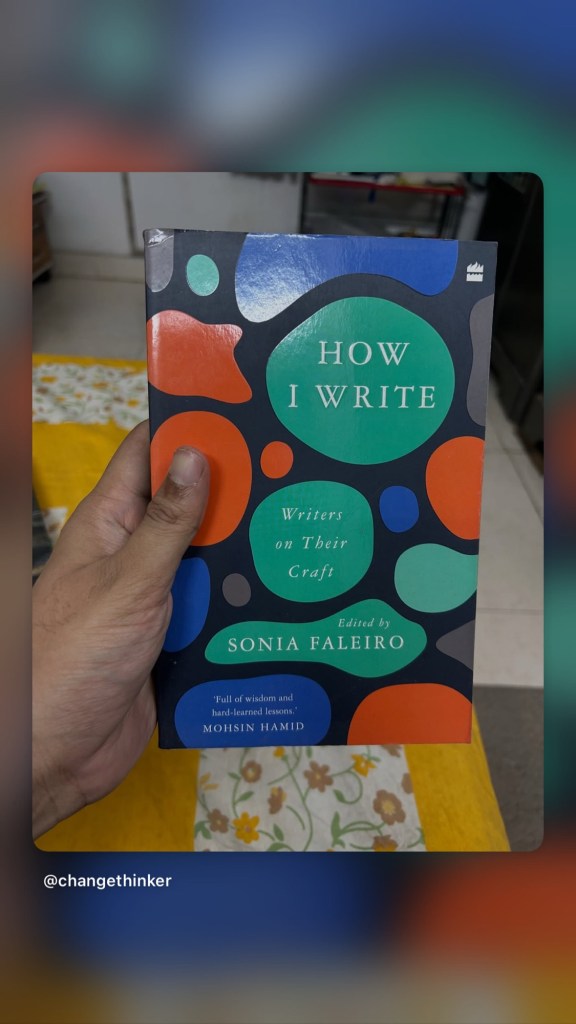
We write all the time, for work and regular communication in daily life, but we hardly take a class in writing ever. I am an engineer who always wrote but never ever took a class in writing. An MFA was never on the radar, so one made a reading list, such as this one. An important reference on the tactics of writing.
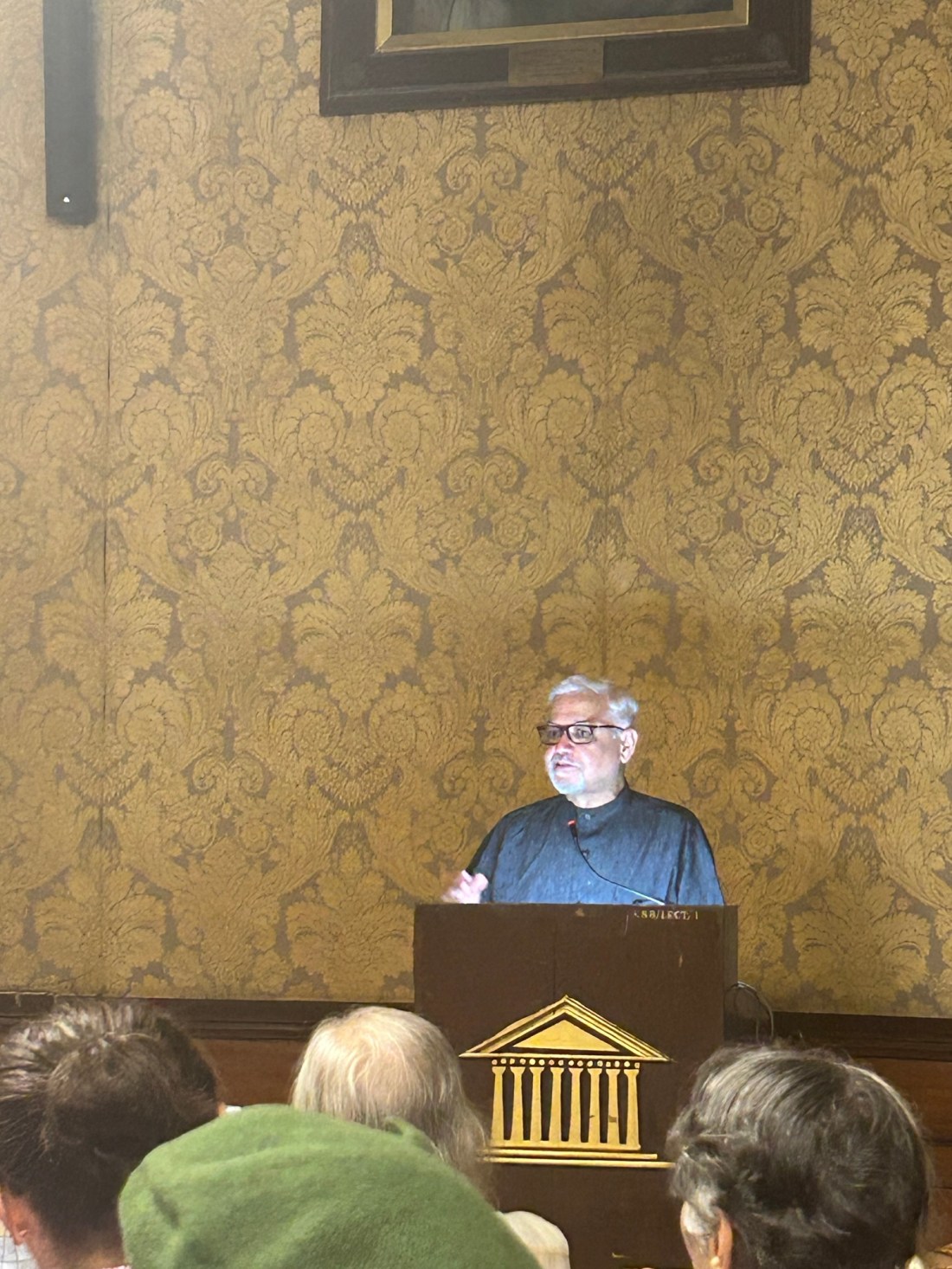
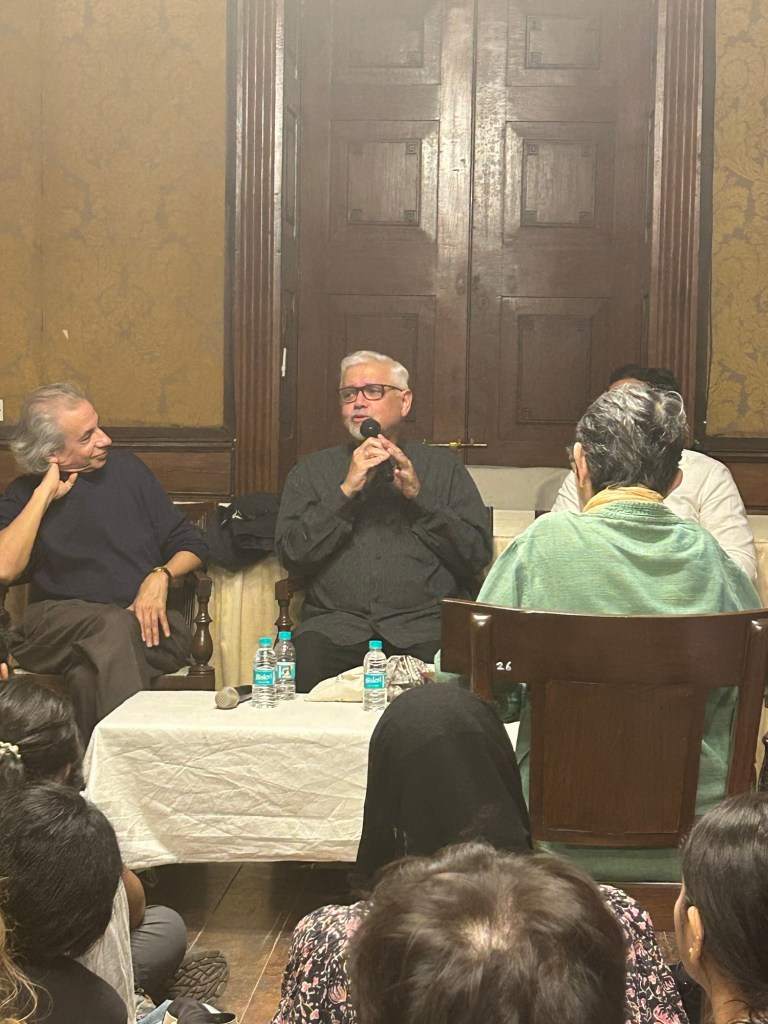
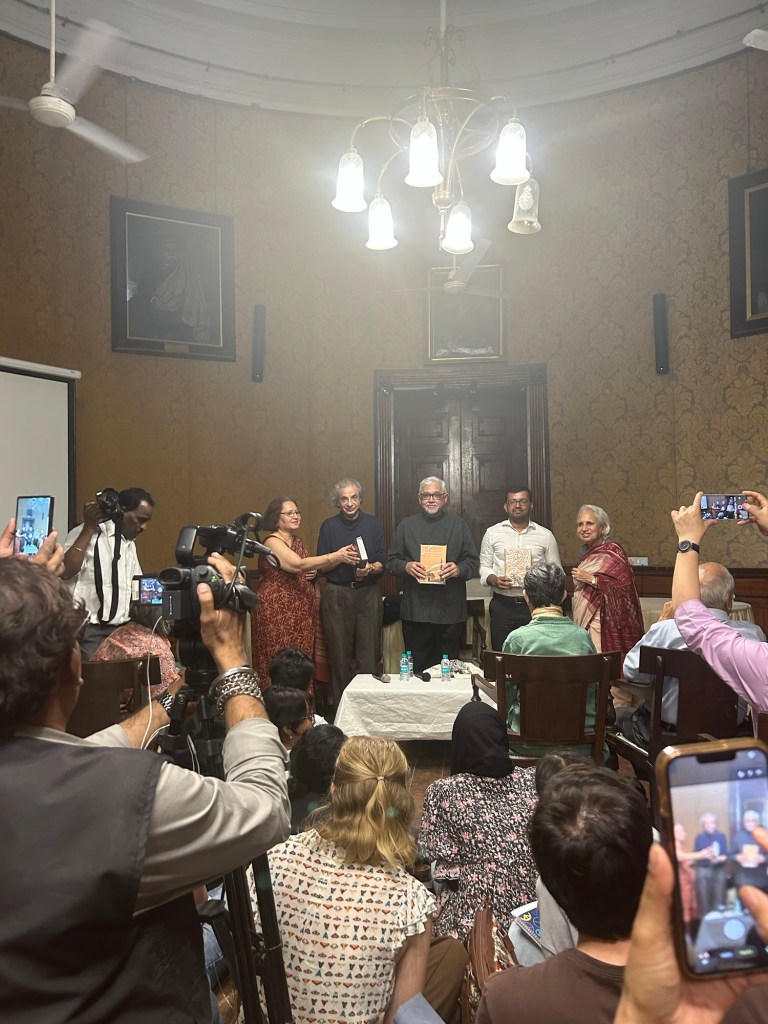
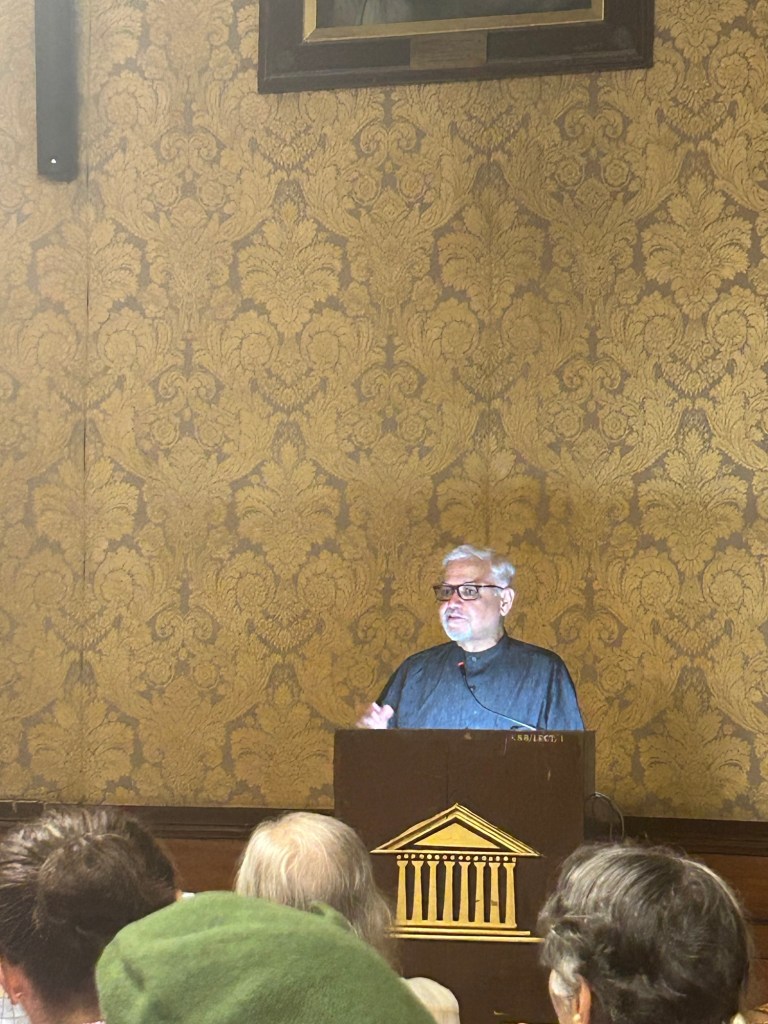
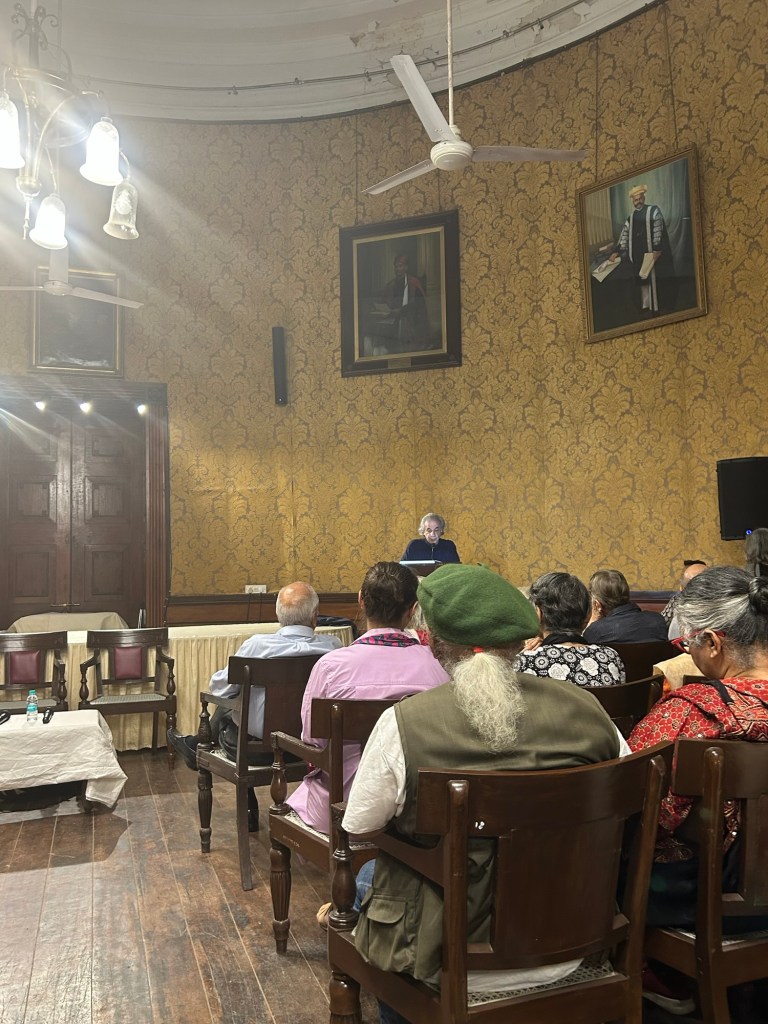
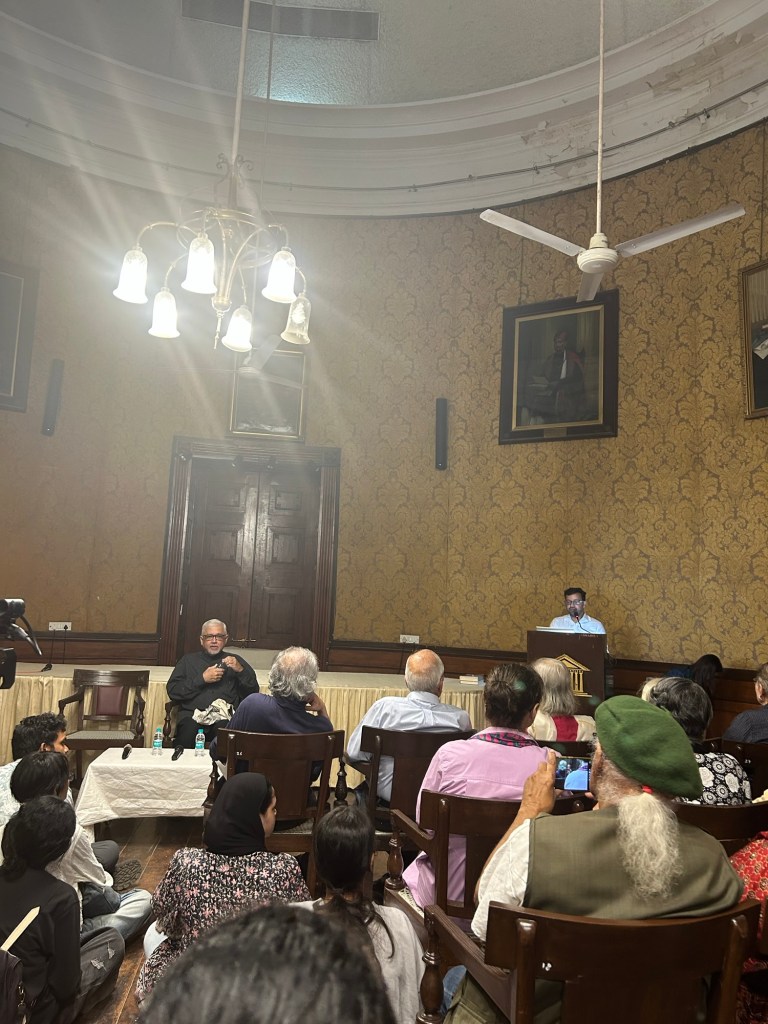
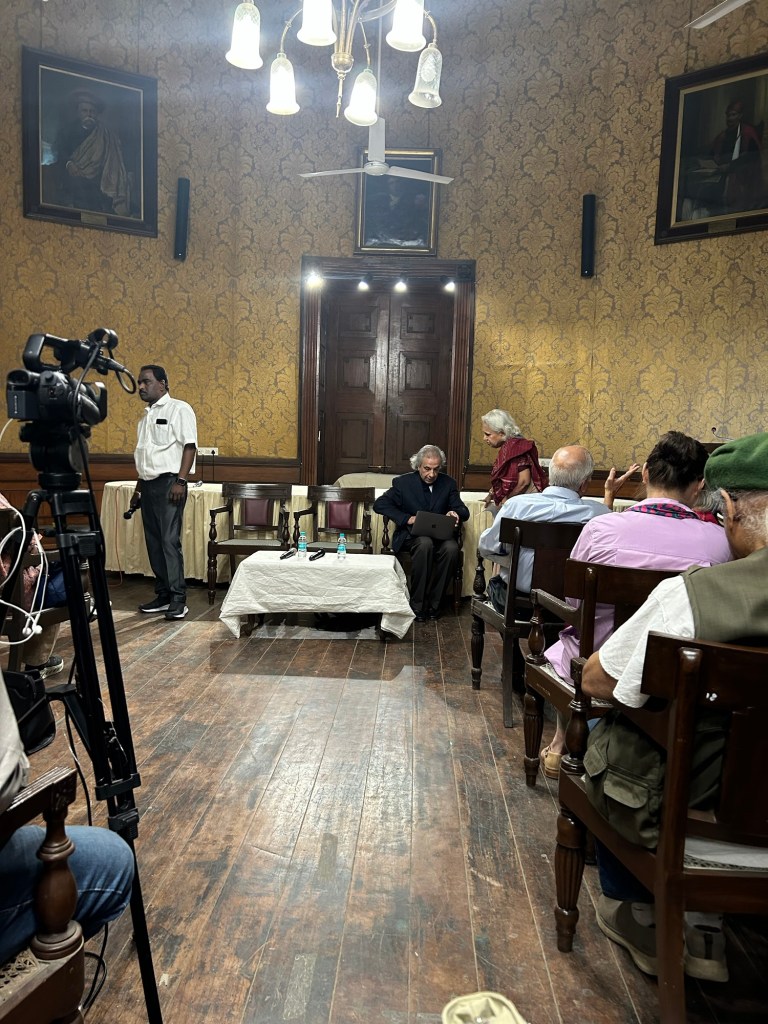
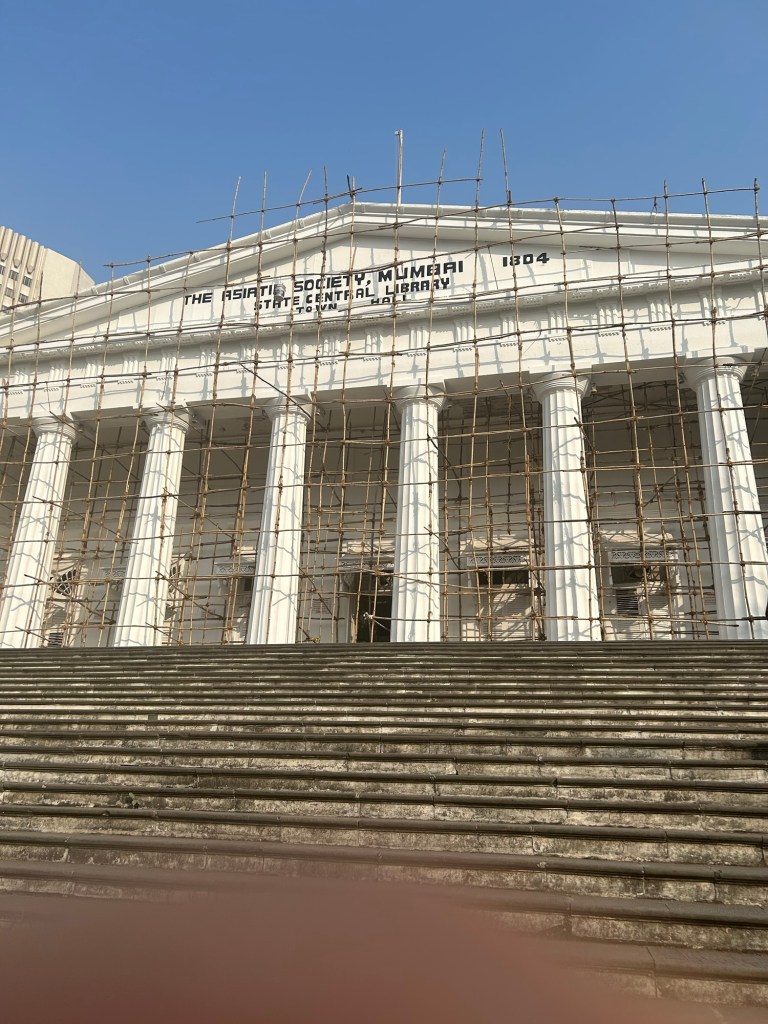
At the Infosys Science Foundation’s event at the majestic Asiatic Society in Mumbai with Harvard PhD Candidate, Mohit. Professor Kooria speaks of stories as indigenous sources. Dr. Amitav Ghosh generously cites Professor Bishara’s work, Sea of Debt and Monsoon Voyagers as examples of innovative histories. He provokes Indian Ocean historians to work with other miracle stories, especially from Indonesia. Sparkling and Imaginative, beyond the h-index hegemony.
The trouble with ESG compliance and real problems (read air pollution, waste management etc) is the detachment with the politics of public health and the disclosure which is risk based, but risk for whom? The investor, community or the government?
Unless environmental issues matter at the ballot box, what will corporates, disclose? Zilch.
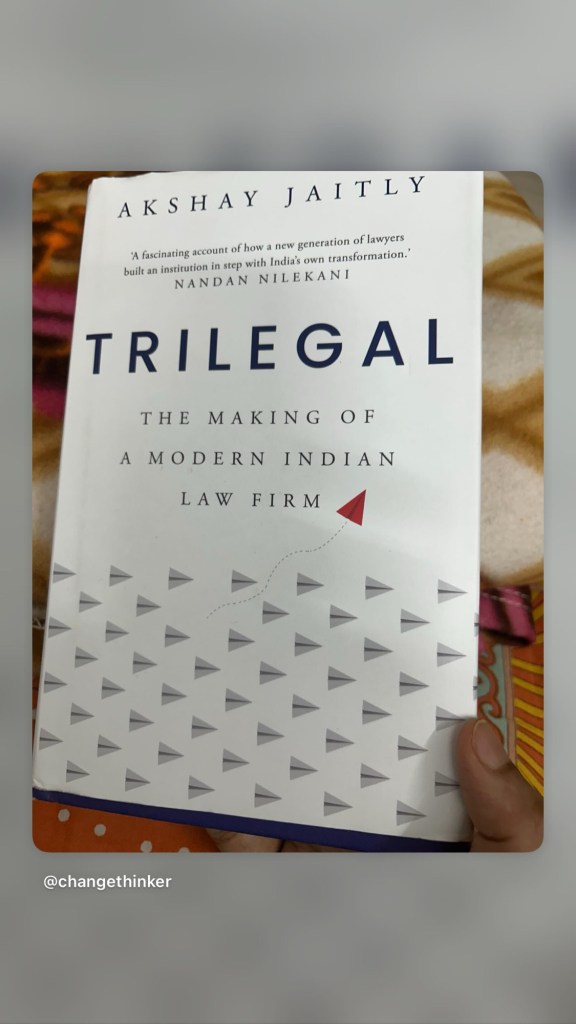
Such a brilliant book, swallowed this read on professional services venture building in two days. As a consulting venture builder who has gone from minus one to one, this book spoke to me loud and clear. I wish i had read this a decade ago.
Trilegal: The Making of a Modern Indian Law Firm by Akshay Jaitly is a must read for any professional in the professional services space, the why, the how and the what of building through innovation and integrity.
The ‘End of History’ has clearly not ended. The Great Power Games have returned, and how we structure purchases in an era of great volatility, which is the act of inducing deliberate disorder and chaos, will be a reality.
We are in year two of the age of hot wars: Ukraine, Sudan, Gaza and now Caracas show that wars are a tool of necro-capitalism, as Klein and Zizek had written many years back. With Taiwan and Greenland (read AI and Critical Mineral Value Chains) joining the proverbial war zone, the global economy is up for turbulent headwinds.
We are in the Age of Entropy. The playbooks since 1991 have been torn.
The hot war environment continues, with a Trumpian Eye-Raan on the anvil. Oil and Gas prices will spike and eventually reduce, giving renewables a tough run. Power Geopolitics is back for good, will be the case even after the mid terms. Geopolitical consultants will laugh their way to the bank while sustainable buys will struggle unless it is a resilience play, and where it structures financing to the places, capital is needed the most.
Great power struggles will frame how we think about transaction risk.
Reporting and Disclosures are the resultant actions of a long process to gather, curate and disclose for meeting regulatory requirements across value chains, it is hygiene- the basic which is expected to be done in line with sectoral requirements on climate action, scope 3, CBAM, and financed emissions for the investor set. These are not excuses for not going further if needed. Hidden value gets unlocked when doing good becomes culture. Poor climate record is a proxy for the lack of innovation, or accident statistics is a temperature check for a toxic culture, as can be seen from Deepwater Horizon or Bhopal.
Risk can be read by seasoned eyes through a close reading of sustainability disclosures.
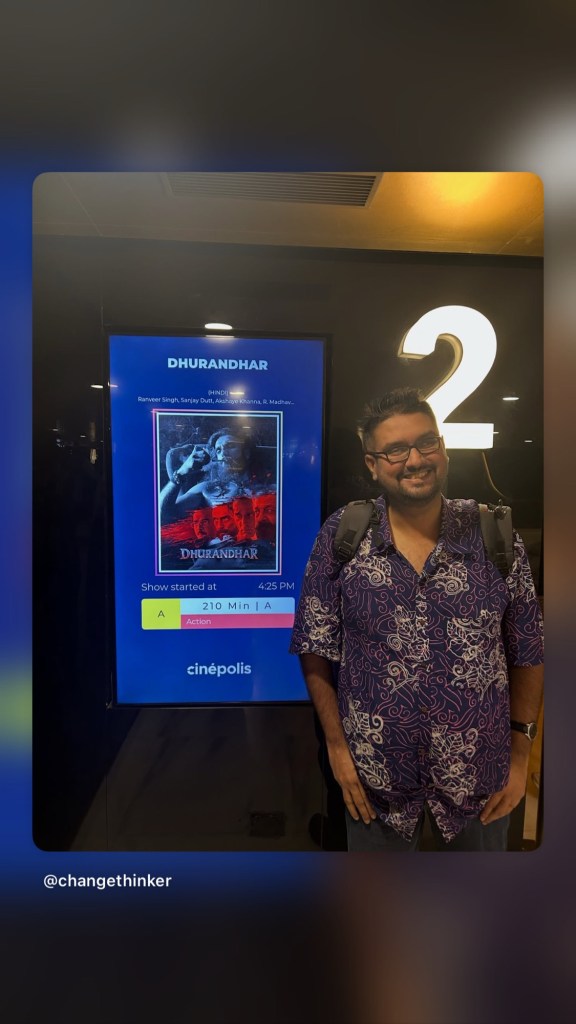
There has been an avalanche of commentary on Dhurandhar, the film and well on its way towards being a cult classic as the music and the dialogues have seeped into meme culture.
The movie is right up the alley as far as cinematic geopolitics is concerned, as does the Bond franchise among others. The movie has a distinct political tilt, yet has struck a a raw nerve as real characters and plots have been referenced with archival footage such as 26/11 and the parliament attack.
The movie has a feel of a web series, which is why it works so well given its length. But great casting, and the movie is unapologetic about its politics to be fair.
I hope instead of only investing billions in AI which will remove jobs and create precarity apart from the octopus class, we create better avenues for social protection including safety and affordable healthcare. The billions only last as valuations if a certain strata of society keep working, add to the tax bracket and there is a hope for a better future. For now, jobs are merely a subscription and we are past heading back to a pre industrial order.
The flux is here, but there are communities who can’t take the assault of technological flux without social protection.
There is more to life than AI, there are people who still depend on jobs for a dignified life, they they vote
This year has been a true inflection year, which all the risk forecast’s were made redundant as the year passed by. The risk registers were on overdrive, as a disruption in the geopolitics ensured that risk with a capital R, was the dominant lexicon. Climate Risk took a backseat, with the EU CSDDD and EUDR being diluted, as the world was worried over active hot wars in Gaza, Sudan, Ukraine and a limited war in South Asia. Disclosures and Reporting intricacies are for a status quo-ist paradigm not where guidebooks are being ripped apart real time, COP 30 was a procedural matter at best as jobs became the theme of the World Bank. The variegated geographies of transition will be at play with some parts of the world such as the EU, linking climate action to resilience.
Tariffs threw the play book out of the window as Power with a capital P made a sharp return, it seems the end of history was premature as a new Cold War between China and the USA is the new theatre in town, with shocks and surprises galore. AI is the new kid on the block for an arms race, with chips and small modular nuclear reactors powering data centre cities. All the decarbonisation progress, is reversed with a new power arms race.
There were youth revolutions across the globe, South Asia has a couple of jolts as did Africa, indicating jobs as the new risk locus for governments. Since the youth revolts in Kathmandu and Dhaka, outward migration across corridors has spiked as per insights gathered from manpower agencies in Malaysia.
The Worlds of Work for the IT professional in India has evolved with large scale shifts to the mass recruitment back office model. In the Zoom era, offices are in sync across the world.
All that is solid melts into air, is true decades after this famous line was written. As many things change, people will find an anchor in their beliefs as the old gives way to the new as if in a portal, as Arundhati Roy had written in a FT article during the pandemic. The pandemic it seems was simply a shock towards a new, unknown world, where risks need to be thought afresh, for investors who do due diligence need a new frame to assess risks to their investment portfolios.

 Change Thinker