Schumpeterian Destruction: DeMo, a year later

Last year, about this hour in the evening, I was speaking to a suave Kashmiri colleague in the start up in South Delhi that we worked in. He got a pop up on his phone that Modi ji had banned 500 and 1000 rupees denominations from that midnight. As i walked back from the office to Kailash Colony Market, I picked up apples and the fruit seller was clueless. Then, I walked in with a junior colleague for a quick drink to a lounge next door and there was a palpable panic and they were more than keen to take the final 500 rupee note in my pocket. The quick shot of rum was to dispose off the note.

The next few weeks were mayhem; serpentine lines in front of atms and a sense of perverse happiness that the rich man is suffering. I interviewed the Urban poor/service class from the Banta Wallah (street card vendor selling lime soda) to the maid to the cabbie across Delhi, Kolkata, Delhi and Mumbai to get the drift for 4 months after DeMo. I left my full time job and turned independent researcher for six months to write full time primarily on the issue of the digital. My bank account literally became cashless.

This was to capture/note the zeitgeist of the times; the biggest shock doctrine application of Chicago school economics on a sub continent size nation, on the narrative of black money and tackling graft. An audacity of hope, with the Uttar Pradesh election in mind.

Clearly, poorly executed event which broke the back of the rural economy; DeMo became the issue which divided the nation. I had not seen the nation so polarised. The nationalists who saw standing in a bank line as national service to the person who thought this as an irrational move.

There has been an entire narrative ecosystem built around justifying DeMo; signalling effect or the nudge towards the cashless, digital economy to a Big Bang measure. The banking data has proved that 99 percent of the notes back in the system, all the lives lost was not all worth it. All the pain, all for a bad policy move.

The silent heroes were the banking staff. A big salute to them. A cash based economy which was demonised by DeMo, is back to normal after a year. The digital wave has stabilised. Cash has not been beaten.

Our present day modernity is shaped by digital forces and neoliberal capitalism and is set to continue by DeMo last year, and AI tomorrow. Politics took the digital and leveraged it as a totem of creative destruction to re shape a society culturally shaped by cash. Technological determinism, a pet peeve of the tech savvy think tank crowd, usually fresh water economists think of society which can be reshaped by technology and the mirage of data driven policy making. The small voices, the subaltern have to be at the receiving end, and that’s the destiny which they have to reconcile to. Lutyens via Chicago and Boston shall design the destiny of the country.

The illusion of the technology is built as a silver bullet to our nations issues. The detritus in the closet cannot be cleaned over night, by a single move. A bold move to a lot of my country men, usually the well healed with Amex cards, dreaming dreaming Changi but living in Chanakyapuri.

DeMo, was an inflection point which redefined policy making in India. A big day needs to remembered for its worth.
Hype Cycles

All hype cycles fizzle out. The real deal eeks out once the funds dry up. Long term value creation cuts through the hype cycle. Life science hype ran out, but the pharmaceuticals people remain. Food, Water and Renewable Energy nexus needs big money and Big philanthropy such as BMGF and CZI shall be the way ahead as in Global Health and Vaccines.

Language/Innovation

What is language needed for reimagining the status quo, to curate an alternative. It certainly cannot be the same static vocabulary of the problem to search for a solution. How do we start thinking about job creation in post IT India in the age of AI or Post Oil GCC with the same constraints of imagination? Or How can sustainability be re thought as a social technology to reframe the resource allocation conversation, rather than one which is limited by present day cost centre narratives?

Visual/Nostalgia

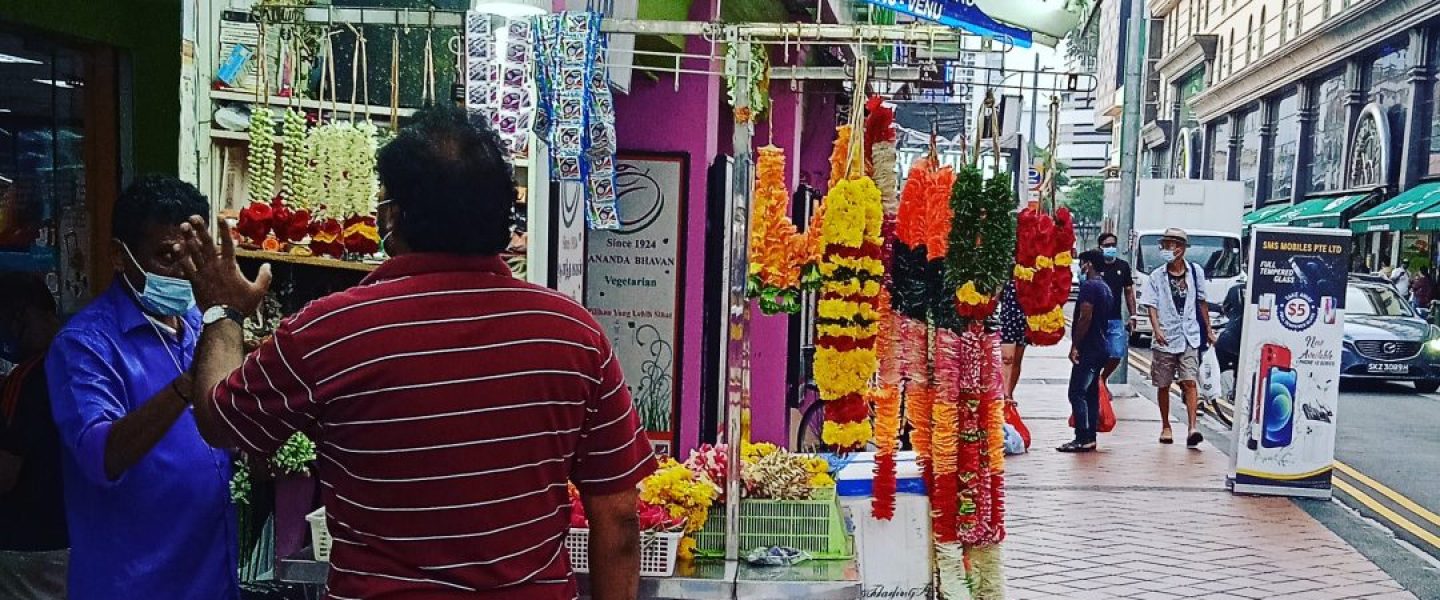
Just saw a pic of Tiny Roaster, a chic cafe in Sunset Way where we lived next door at East Lodge for many years. We passed the place for our 1.5 SGD Teh Halia at the 108A Food Park Kopitiam next to it, where I spent many a weekend. The Clementi Boy within me never goes away. Images are visual memories, never underestimate their power to unsettle you.

The work relevance audit question for the AI era

In the Future of Work paradigm the important cognitive map shift is one for being a salaried employee to being a co creator of financial assets for the firm, as your job is ready to be automated or shipped overseas in this cloud and remote work space if the value added to maintain the position is not good enough. The onus is on the employee to maintain his position in the structured, internal market called often as the organisation.

The work landscape is into cascade mode, and societies are not adapting past enough. Is your job relevant in five years time?

Friday Biryani Tales

It’s great to see the eyes get lit up of the elderly gentleman from Trissur who runs Kerala Dum Biryani Place in Muscat, in the neighbourhood where I grew up in when I said that for the last two decades, his place has been a family favourite for Biryani after jumma prayers. He has been running the place since 1994, and charges a token of RO 1 (cheaper than places in Delhi and Mumbai) the cheapest wholesome dum Biryani around town. It runs out in 10 minutes of the eatery opening up for meals (he makes the Biryani in very limited quantity, a kind of boutique, limited edition sans the frills) and is a melting pot of cultures eating at the same place cutting across socioeconomic groups from a Pashtun Truck Driver to an Indian Accounts Executive. Muscat has these entire ecosystem of Kerala and Bangladeshi food eateries which are unknown and non branded, with obviously no social media footprint which are down right reasonable and great food. The English spoken is vernacular though, the way it should be. The food available in these places is Shwarma and Karak Chai to Porrotta and Curry to the Friday Biryani, a minor celebration of life in the low tide of life when the business is not the best.

The Biryani in Kerala and Southern Tamil Nadu is special. I wonder why it is not on the same list as Hyderabadi or Kolkata, in the pecking order of Biryani.

Rethink Risk in the AI era

I was reading again recently through two seminal works in Science and Technology Studies, which I religiously read in graduate school; Risk Society by Prof Beck and Normal Accidents by Charles Perrow. These works lay the basis of risk and complexity. I wonder these thirty year old works deserve an upgrade in the form of a conversation while we confront in The Extended Intelligence era; automation, augmented reality, smart cities etc. The Future of Work paradigm deserves a separate mention later in the post.

I wonder how many of the Tech CEO’s have read up on the ethics of AI and the moral scaffolding of risk to sieve through their decisions. The Future of Work in an era where conventional trade, resources and associated limitations (Post Oil in the Gulf and Post IT in India) are showing up when jobs collide with the new economy based on digital and EI, is significant for most societies. Samanth Subramanian’s recent article in MIT Technology Review, on the impact of AI on India’s complacent IT space should be a wake up call.

Tech will prevail over naysayers as capitalism propels it. The velocity of Money crushes any structures of regulation. Things are evolving, and Darwin’s Law will prevail, as capitalism does not stop for anything. Society needs to reimagine risk and mitigate accordingly.

18k

18k hits on changethinker.com

I started this platform about 8 years or 72 months back precisely as i started to document my writings and generally capture fleeting thoughts, as a digital repository of ideas. A lot of positive developments have happened including TV panel discussion spots at BBC and Al Jazeera, multiple interviews/quotes in Forbes, Straits Times and The Today in Singapore. I have written for many independent platforms along the way. It is vital to have a voice in this rather contentious anti intellectual era.

I am overwhelmed by the support of friends who find time to read my utopian ideas and critiques. I am humbled and grateful.

Building a Reading Community in Oman: steps towards a knowledge economy

It was a windy evening in Muscat in a climate which can be depicted as significant; weather wise and symbolically . This weather is a sign of the times in Oman. The country is in the midst of a shift towards a post oil future. Reading is often considered the edifice of a innovation economy. Reading is often the first responder, in this era of fake news and alternative facts. There is no recourse away from the act of reading.

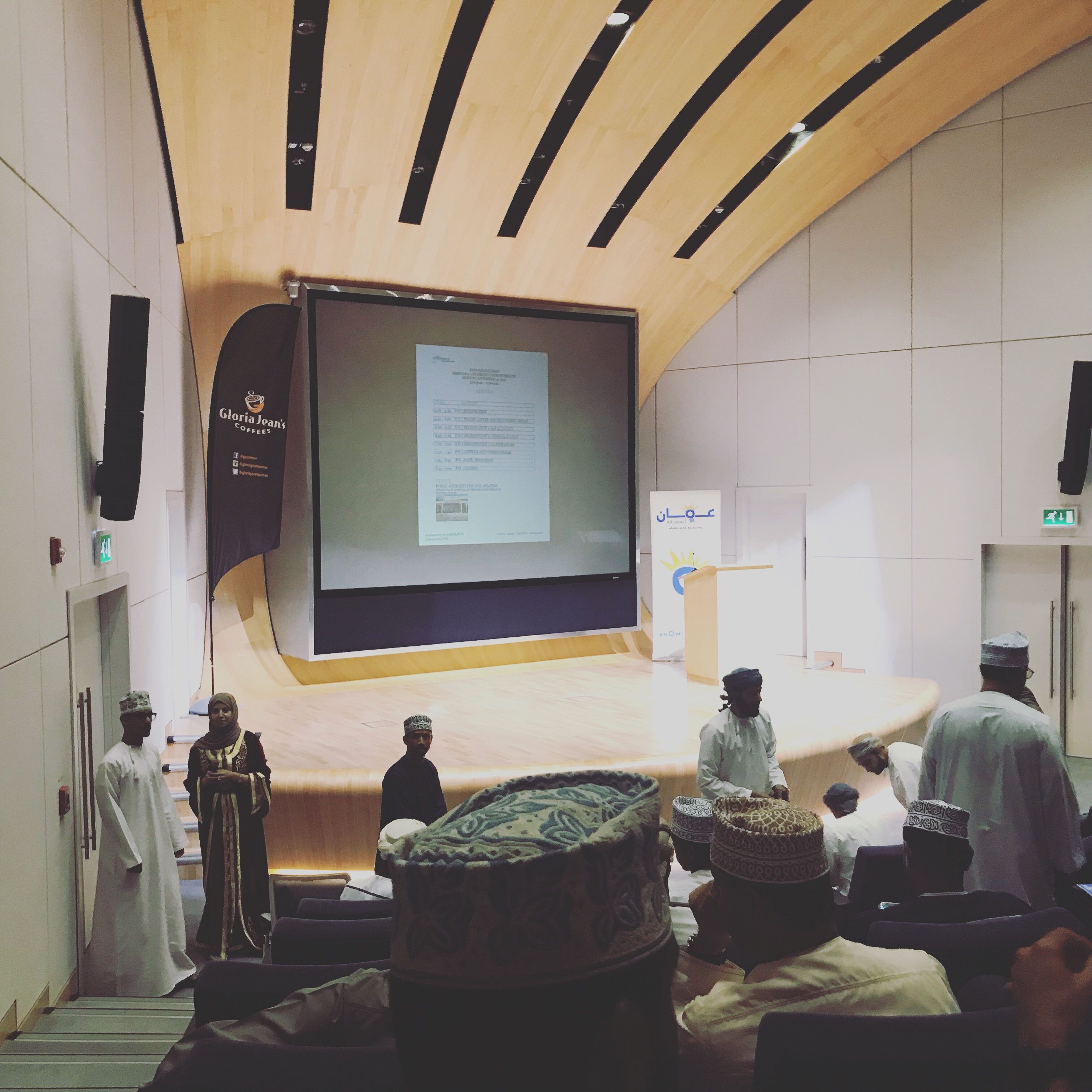
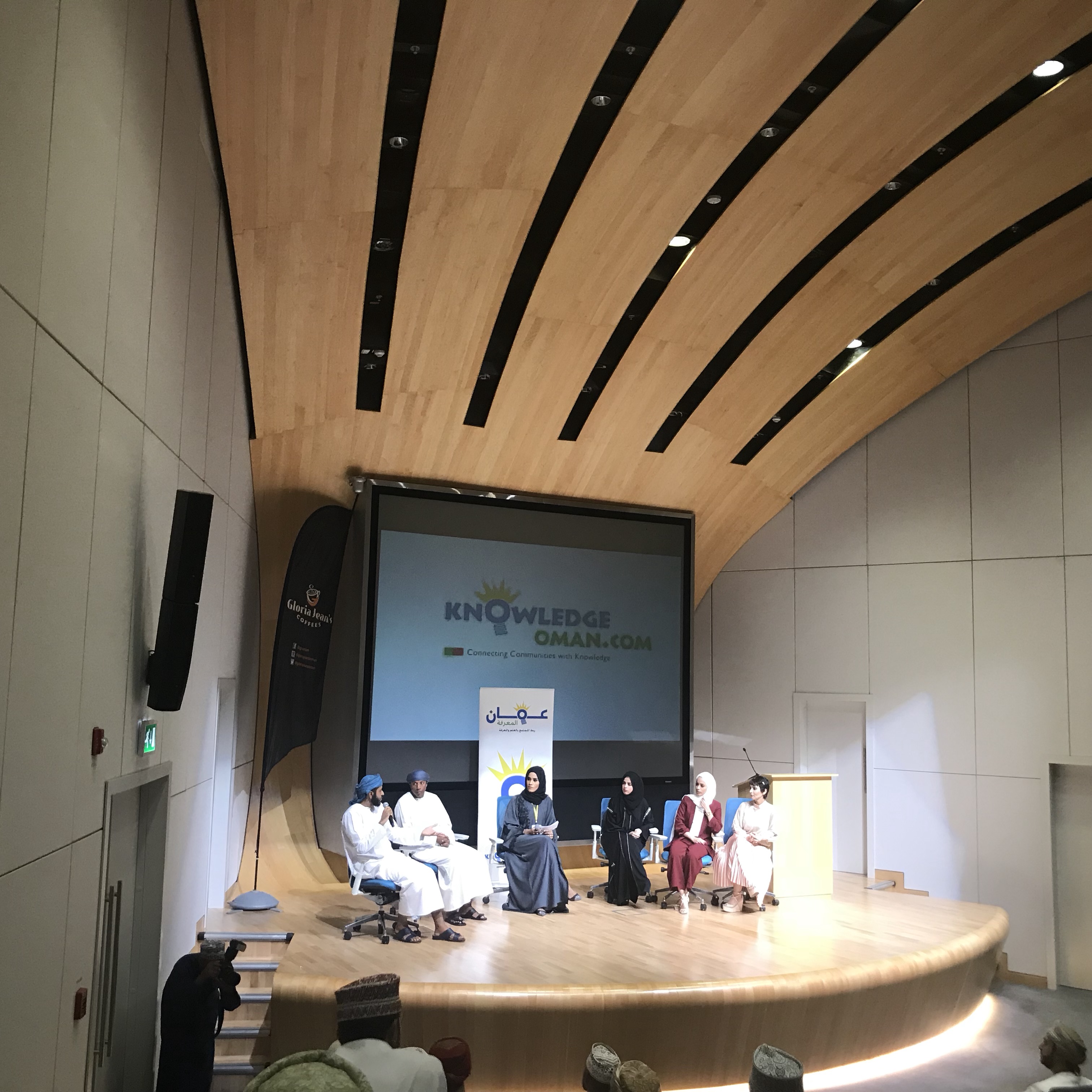
Knowledge Oman, a community organisation which is led by youth pioneer Mr. Tariq Al Barwani and a team of committed volunteers has a number of programs related to entrepreneurial ventures in the information economy. Knowledge Oman has embarked on the book review program to initiate a reading culture in Oman. The evening was held at a shopping mall, in an open space on the first floor. Taking reading from the seminar room to a shopping mall, is novel as it mainstreams reading and certainly refashions the shopping mall as a value added space and Panorama Mall in Muscat excels at this mixed use criteria.

The book review program leader is Mr. Tushar Vakil- a corporate trainer with a sharp demeanour of a banker in a black suit. His performance while reviewing the best seller ‘The Power of Habit’ by a Pulitzer Prize winning journalist was surgical, with the intended focus on the voice of the author of the book, rather the reviewers take on the book. The book presentation was liberally sprinkled with anecdotes and cases. I particularly loved the Pepsodent toothpaste case where, not brushing the teeth was considered a national security problem during the war! Behavioural Economics is at the forefront of public discourse with Richard Thaler’s Nobel Prize win for the economic sciences 2017. The book in that respect is current/contemporary and relatable.

The Habit Loop was interesting to learn off and I look forward to reading the book in detail. It was a full house and the audience post presentation asked questions which were important probes. The conversation regarding the book post event would continue on the web, with further engagements lined up to inspire more thoughts.

A program which was merely an idea about 60 odd days back, would be implemented successfully on a weekday evening mid week, is exemplary to say the least. Community catalysts like Knowledge Oman and it’s team of volunteers are certainly taking a small step towards a knowledge driven journey in Oman.