




Through the Highways of Globalization

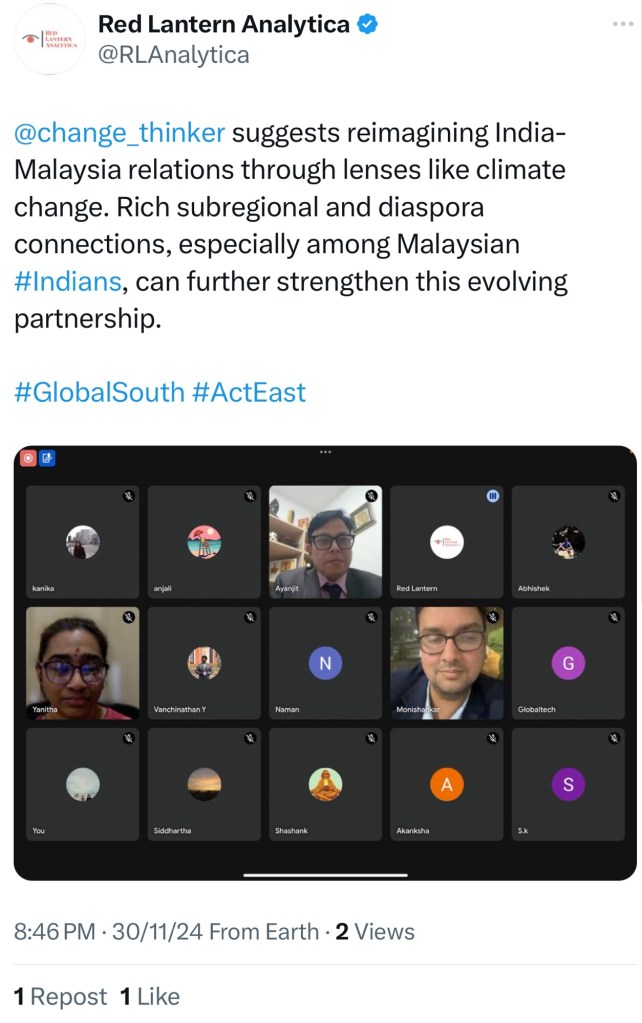
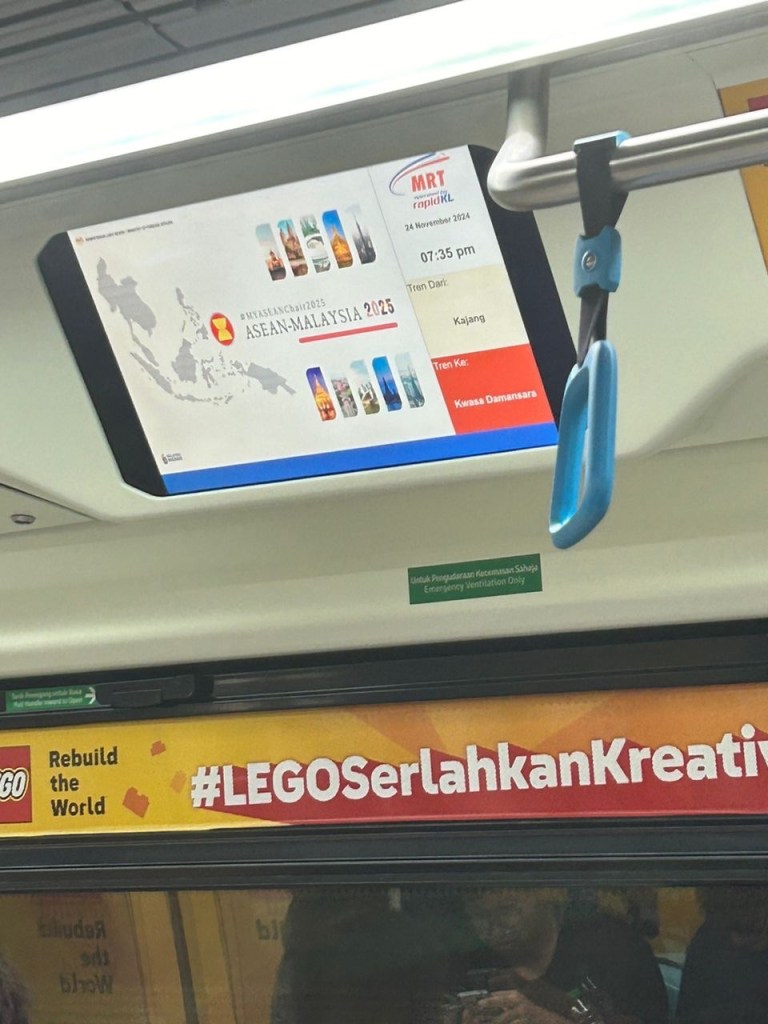
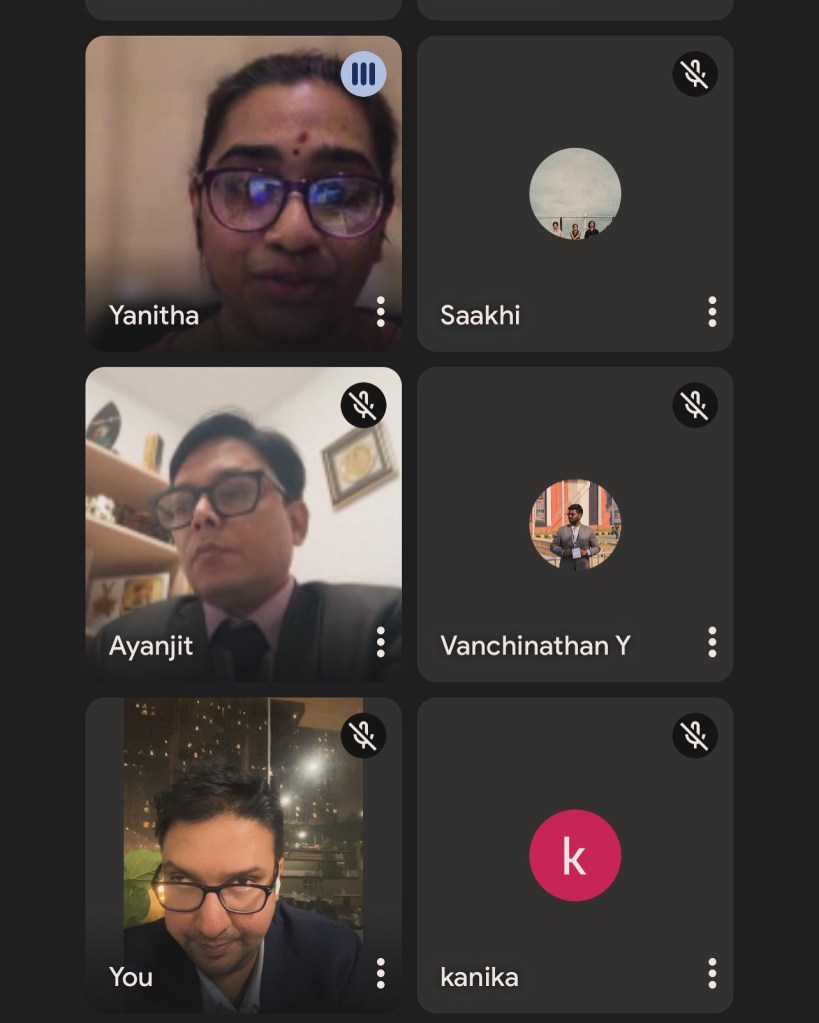
Fantastic Webinar on India-Malaysia relations in the context of ASEAN and its presidency next year. This dialogue organised by Red Lantern Analytica in which the articulate Dr Yanitha Meena Louis and Prof Ayanjit Sen spoke was a masterclass in its true sense.


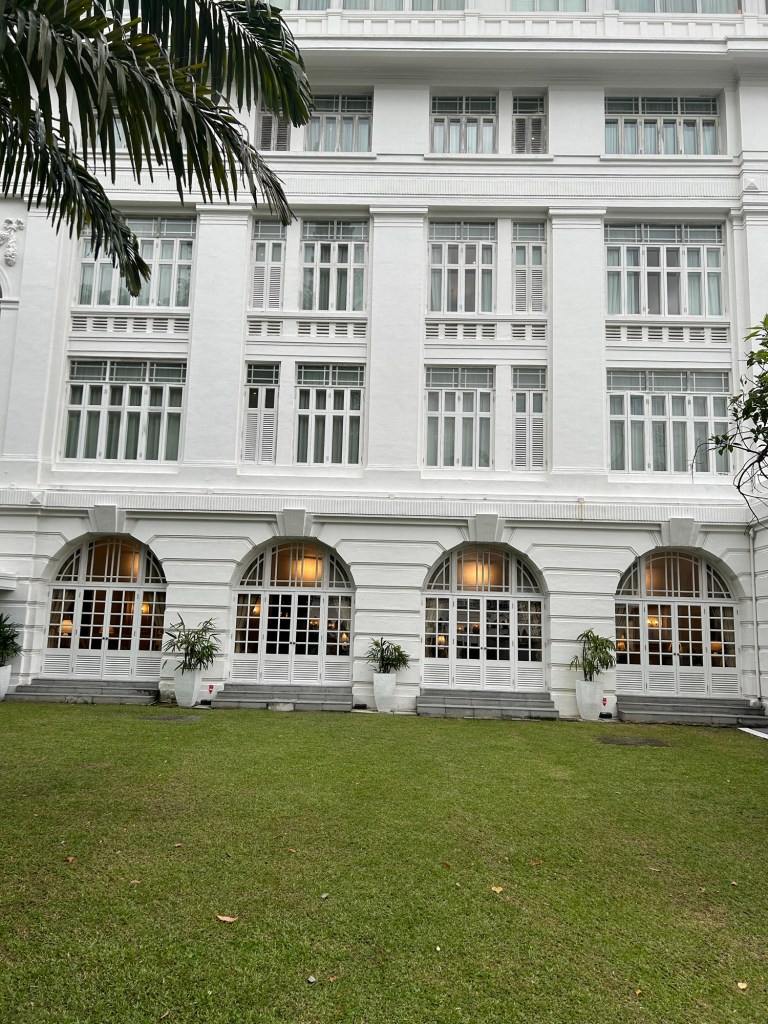




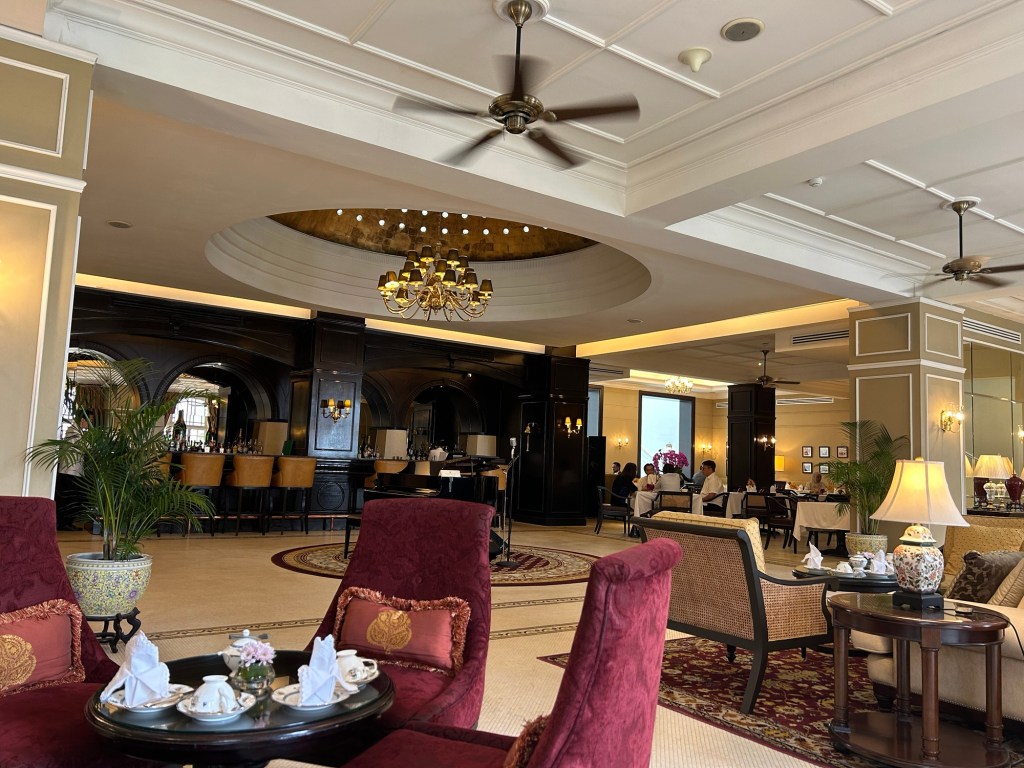
Old colonial charms at the Colonial Cafe, no decolonial sentiments here over earl grey and sandwiches.



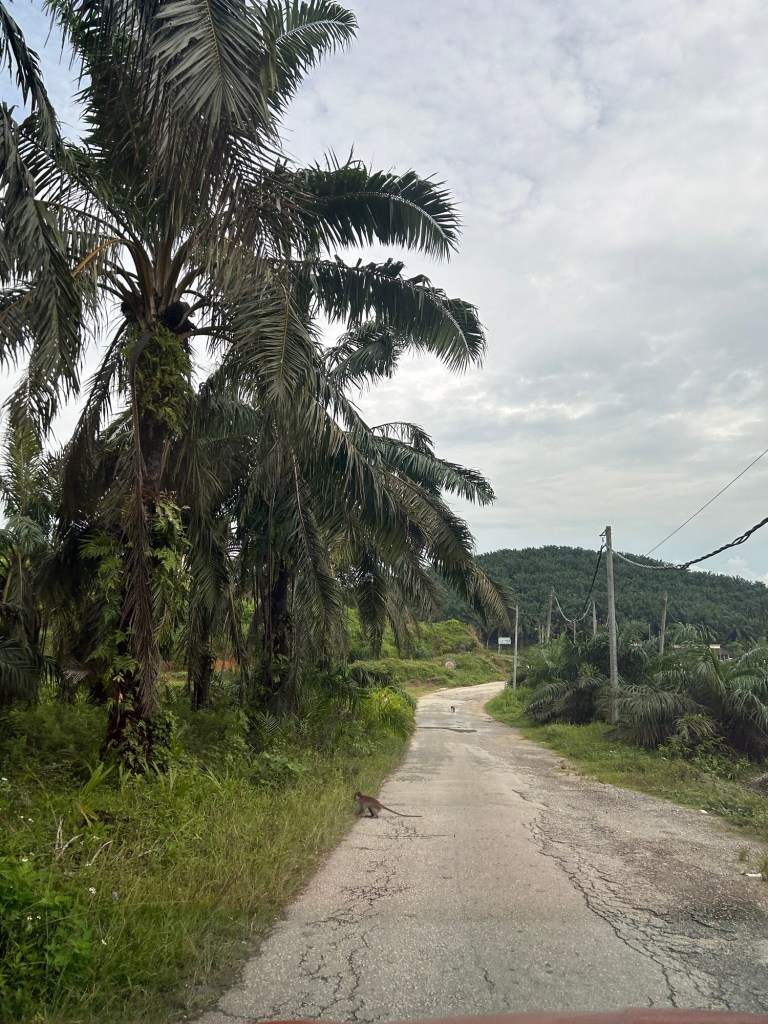


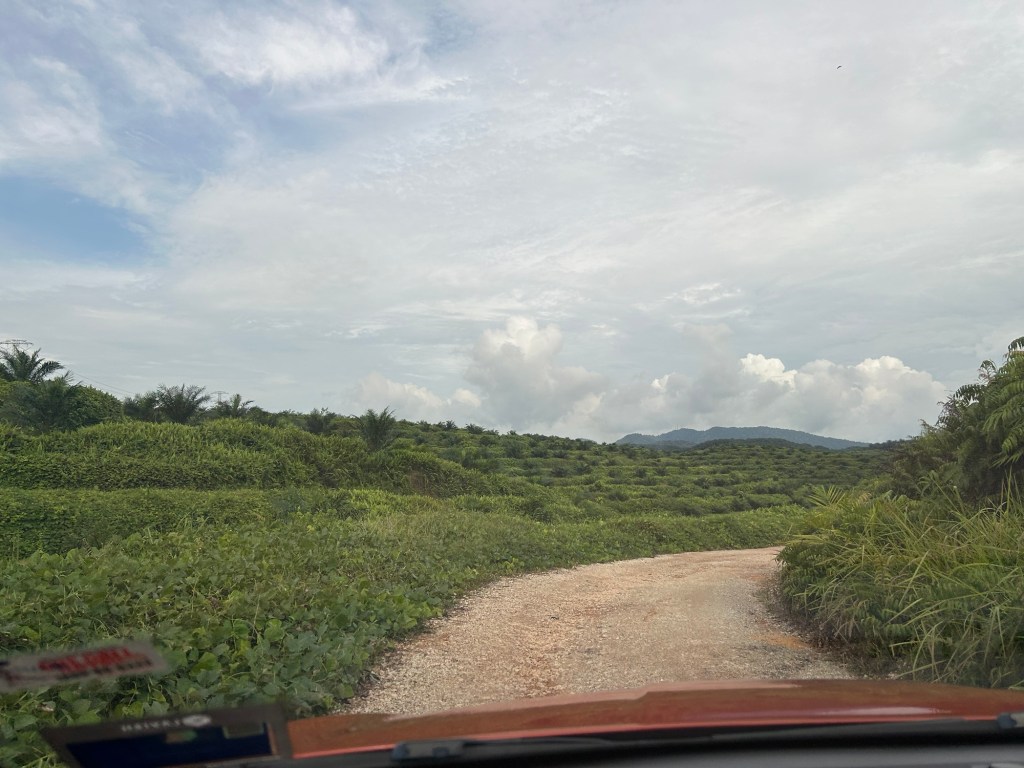


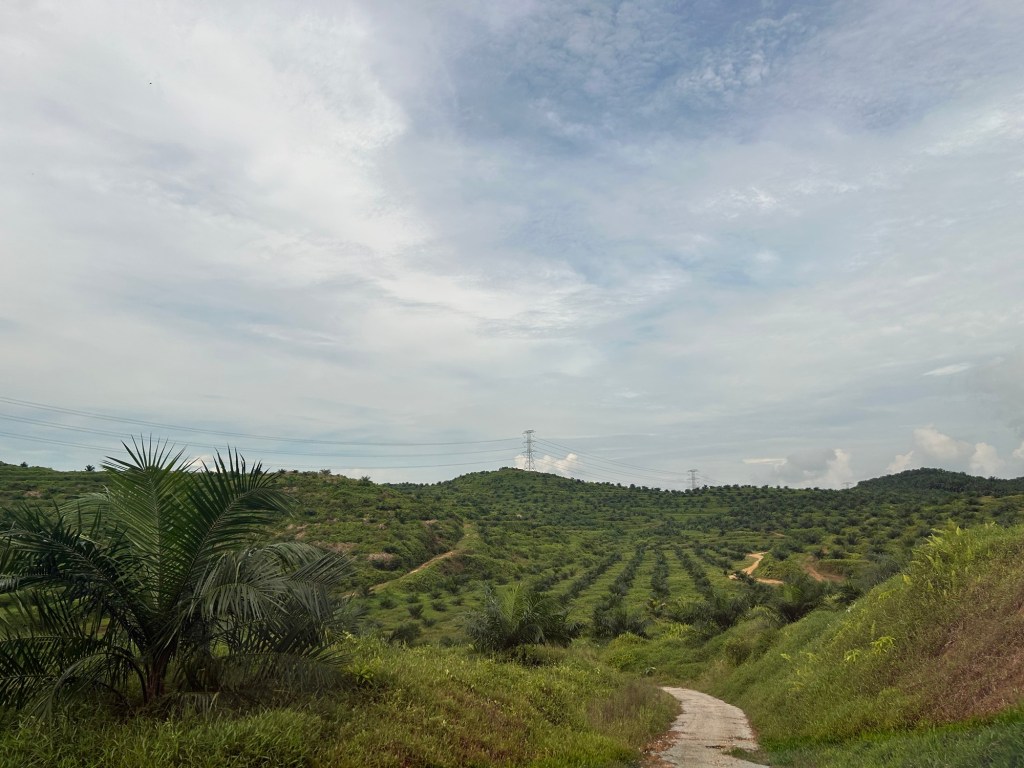


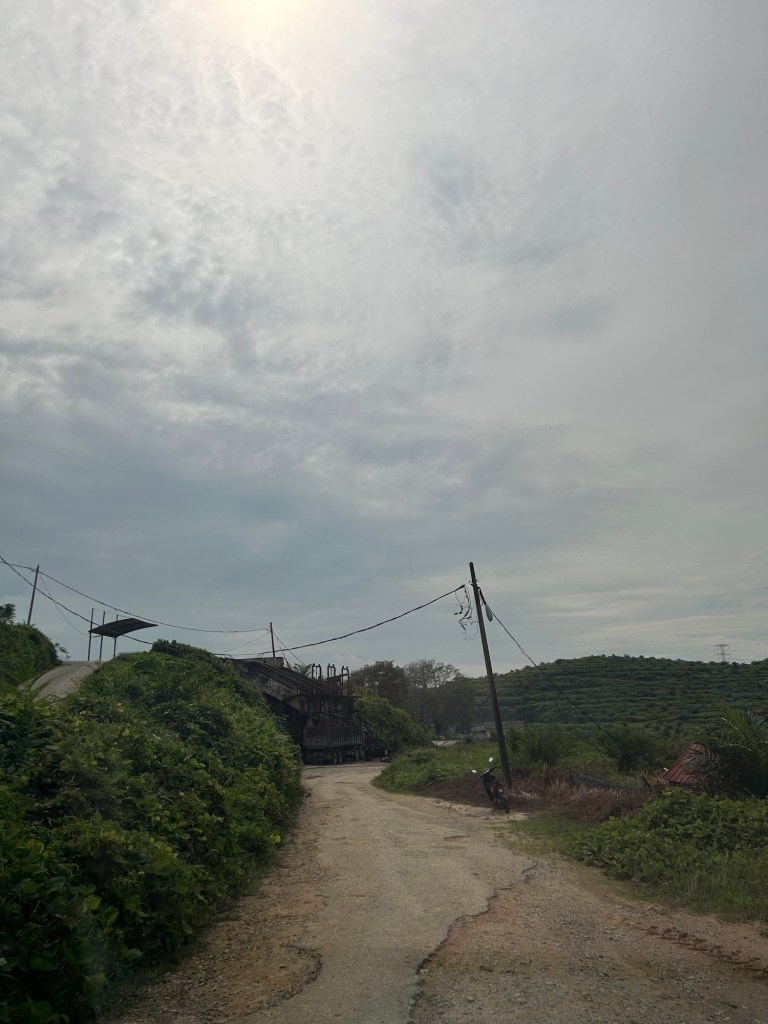

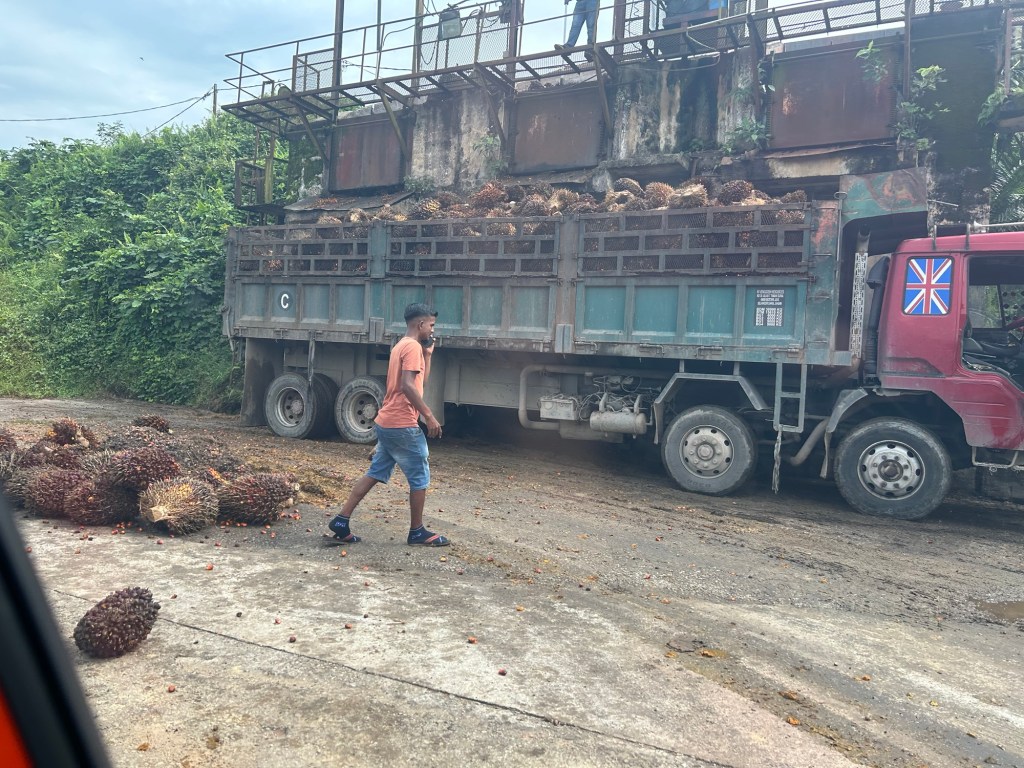
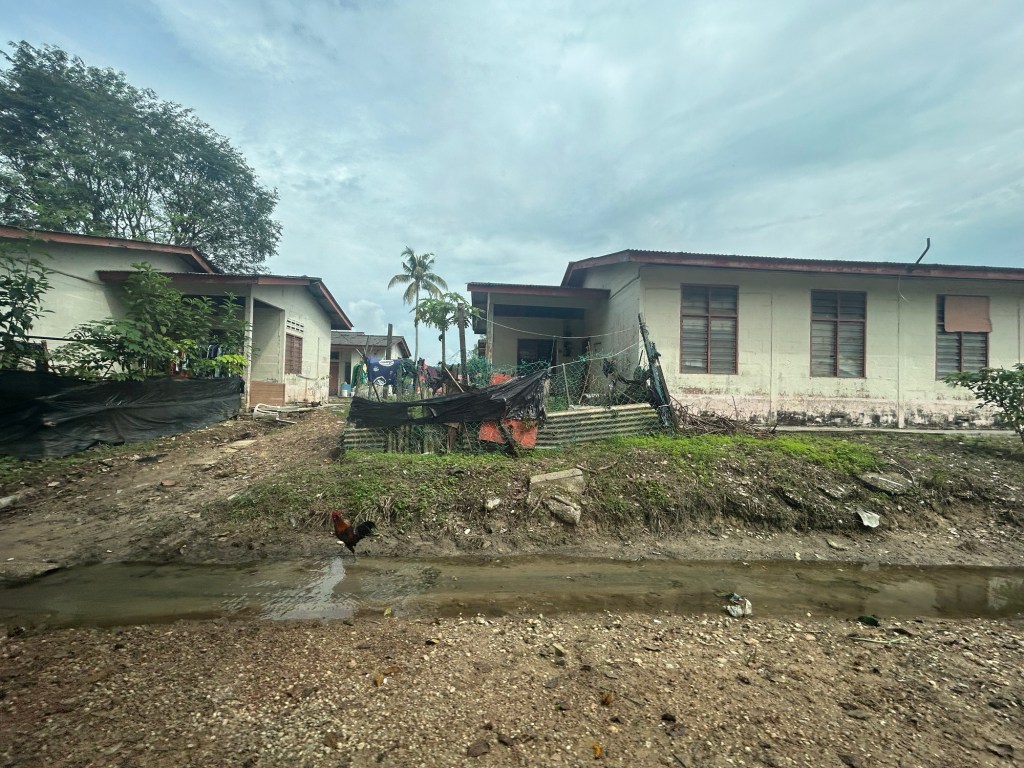
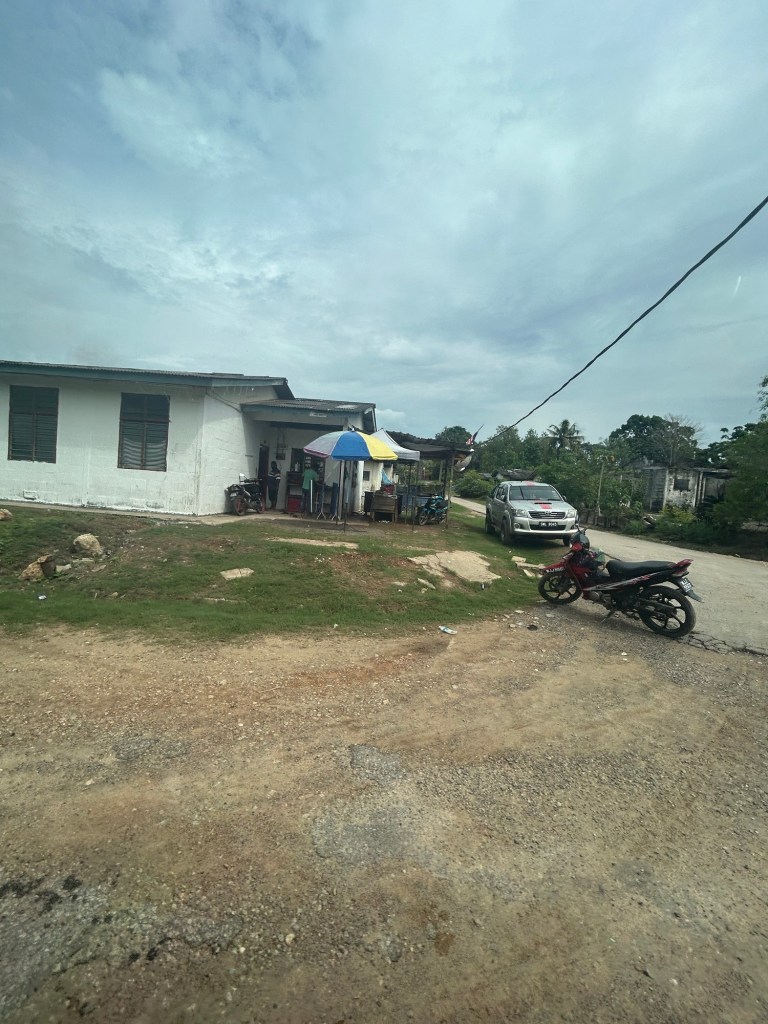
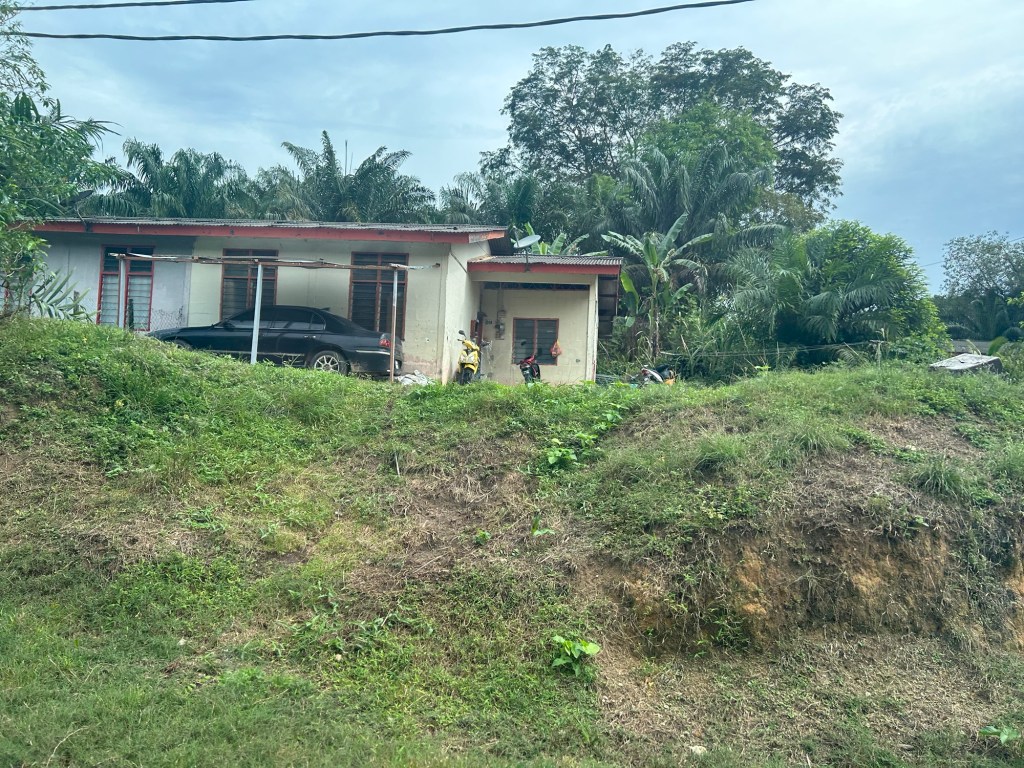


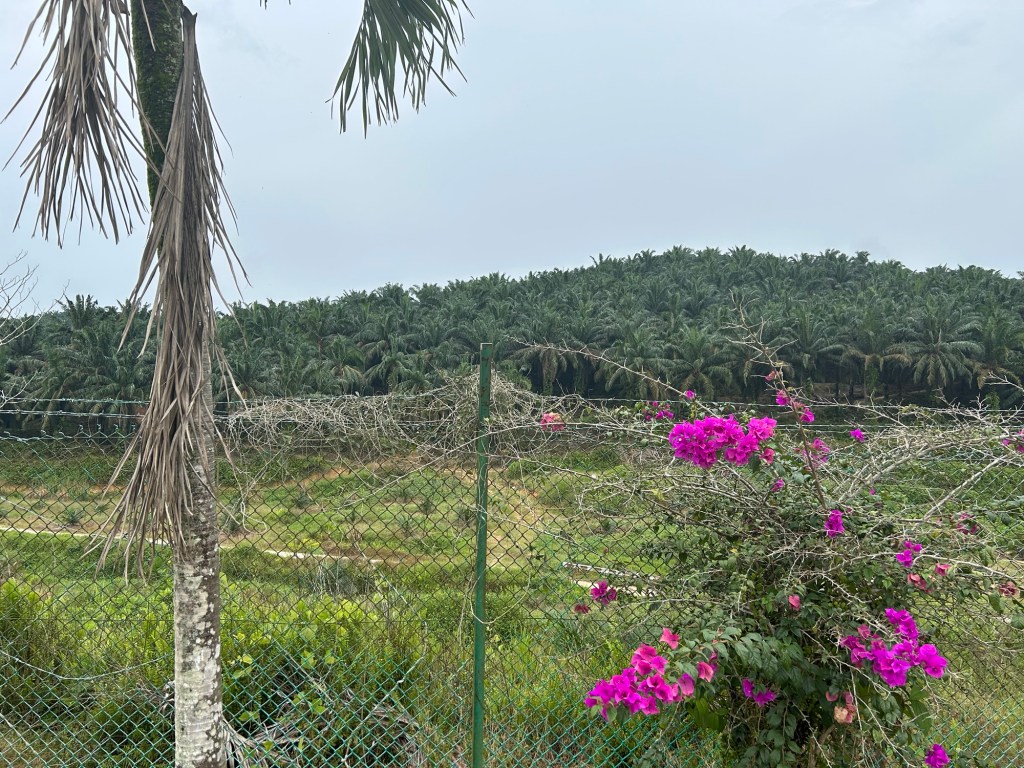
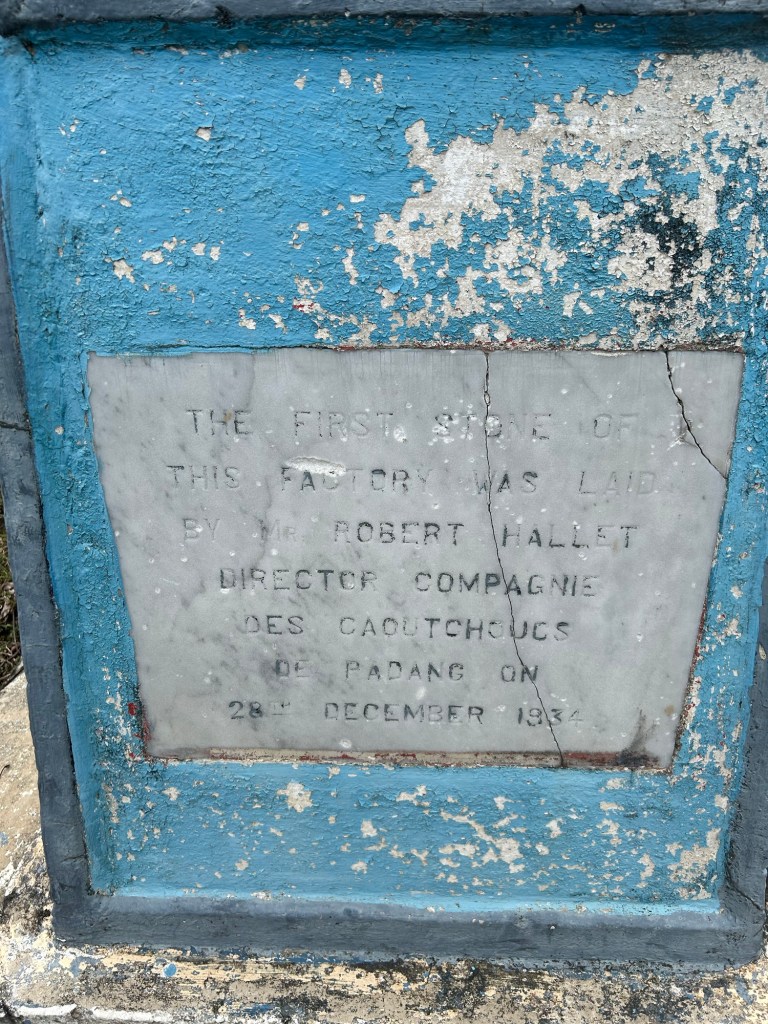

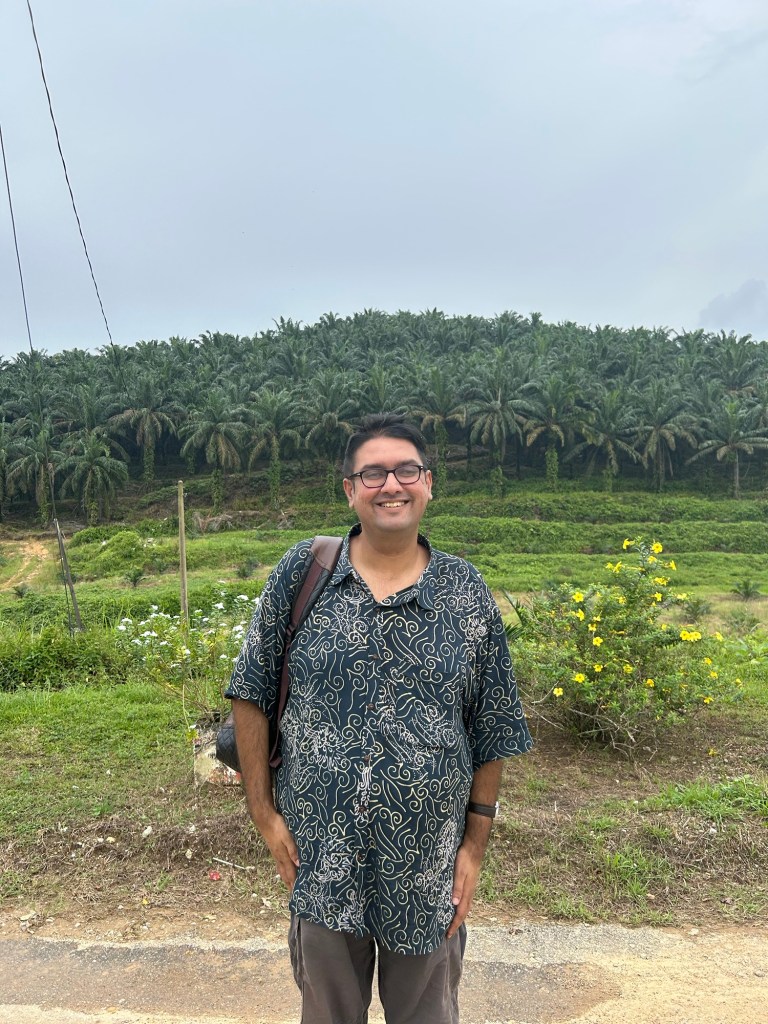




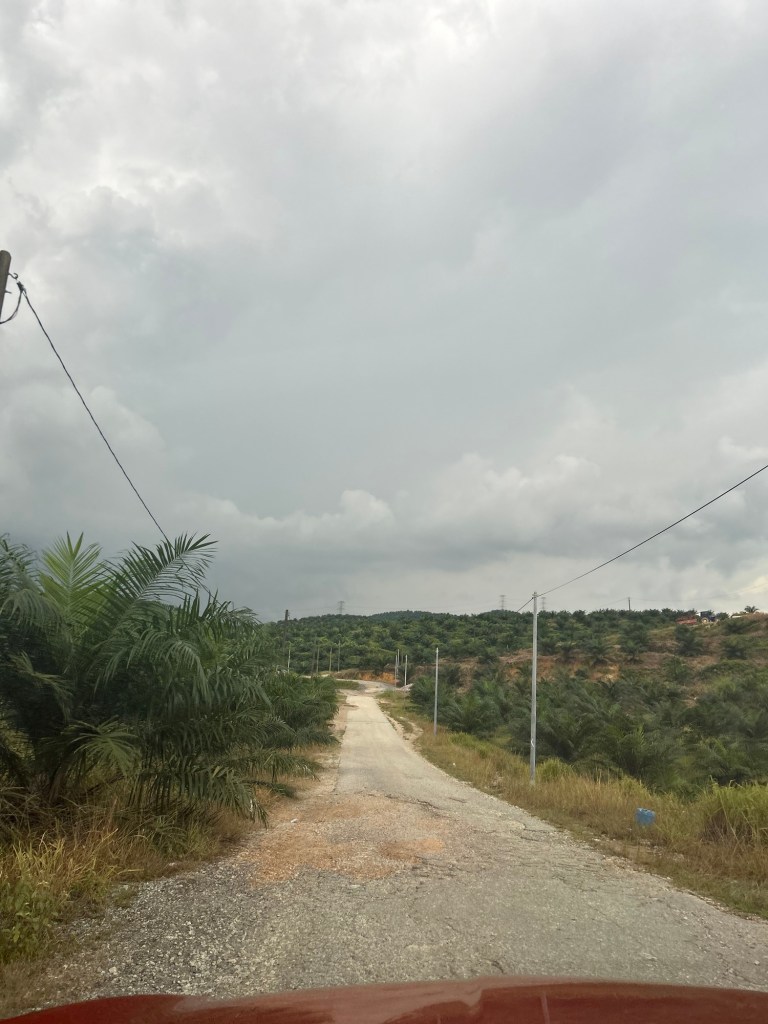
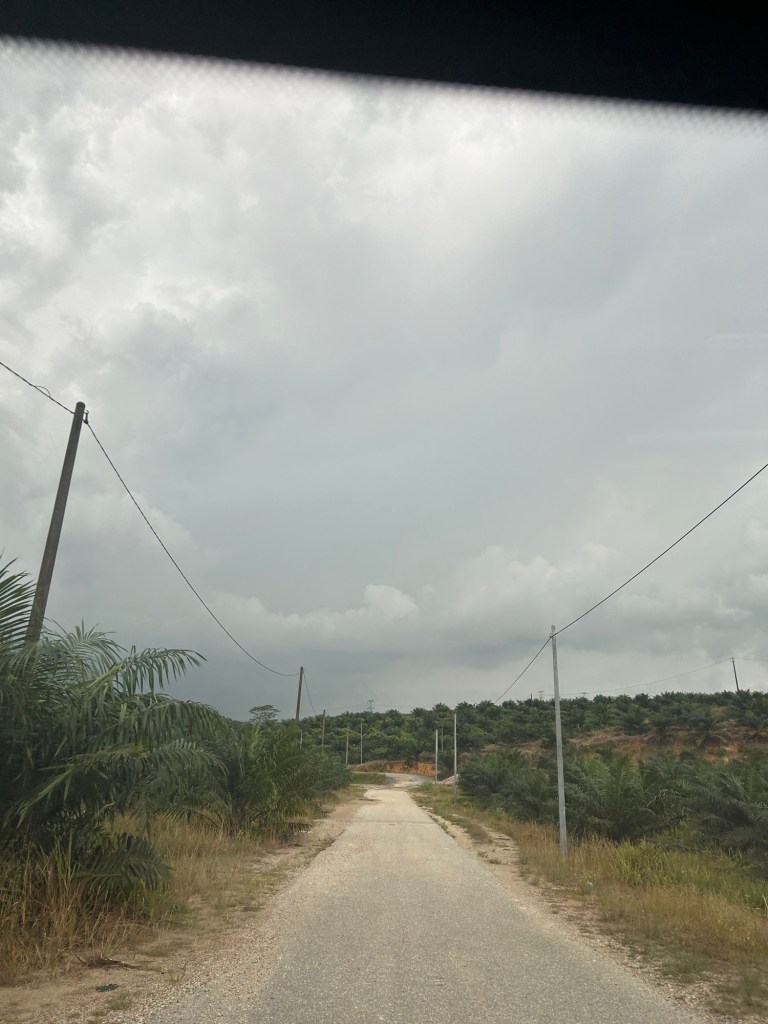




Plantation Capitalism which is uniquely Malaysian.




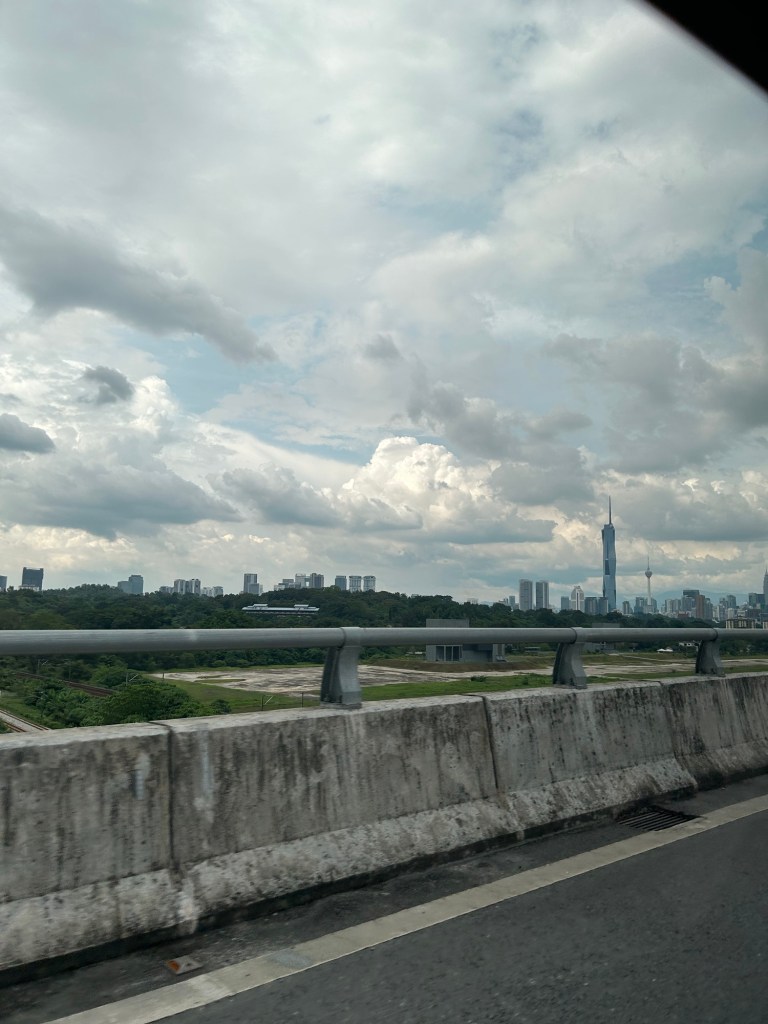
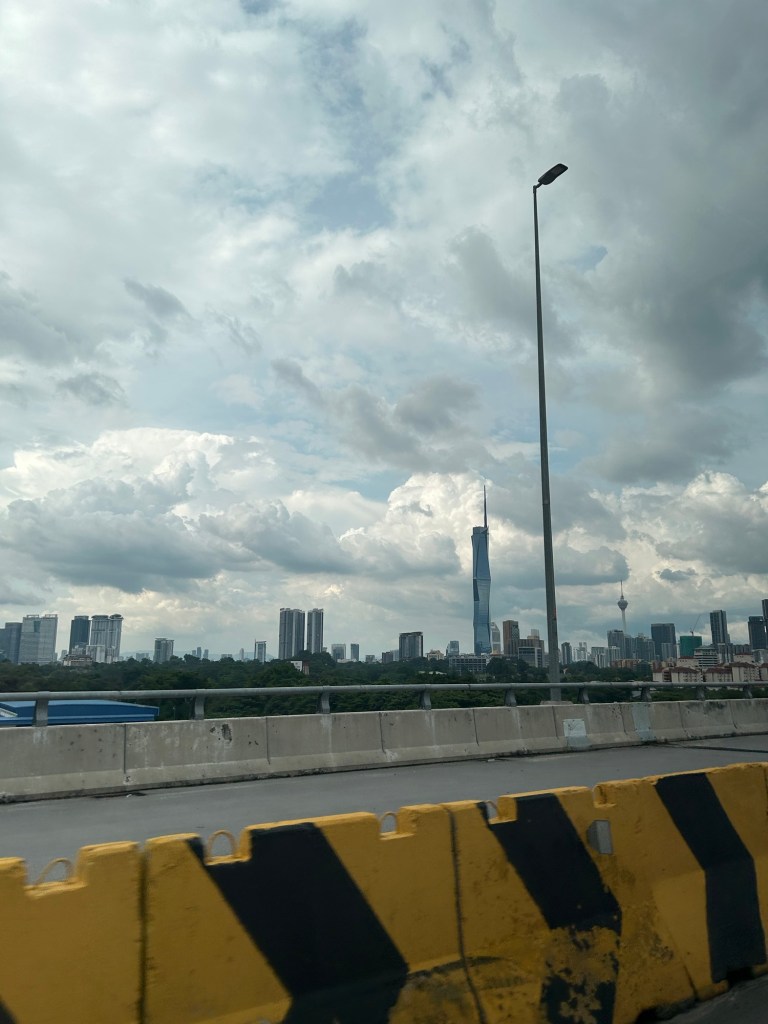

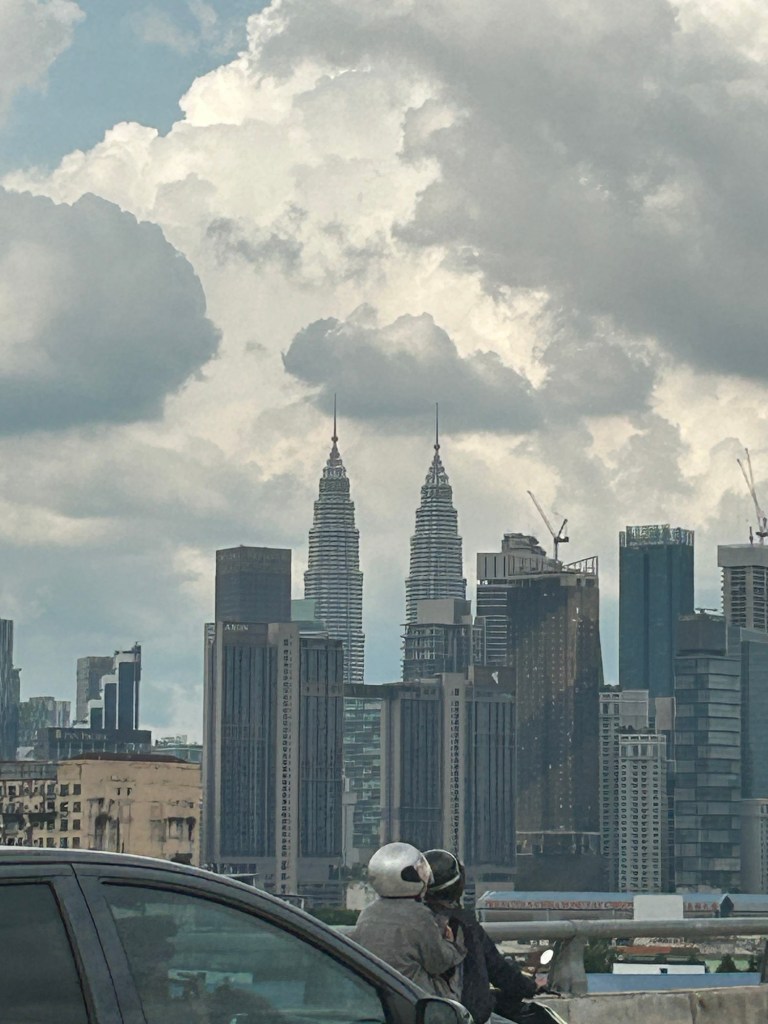


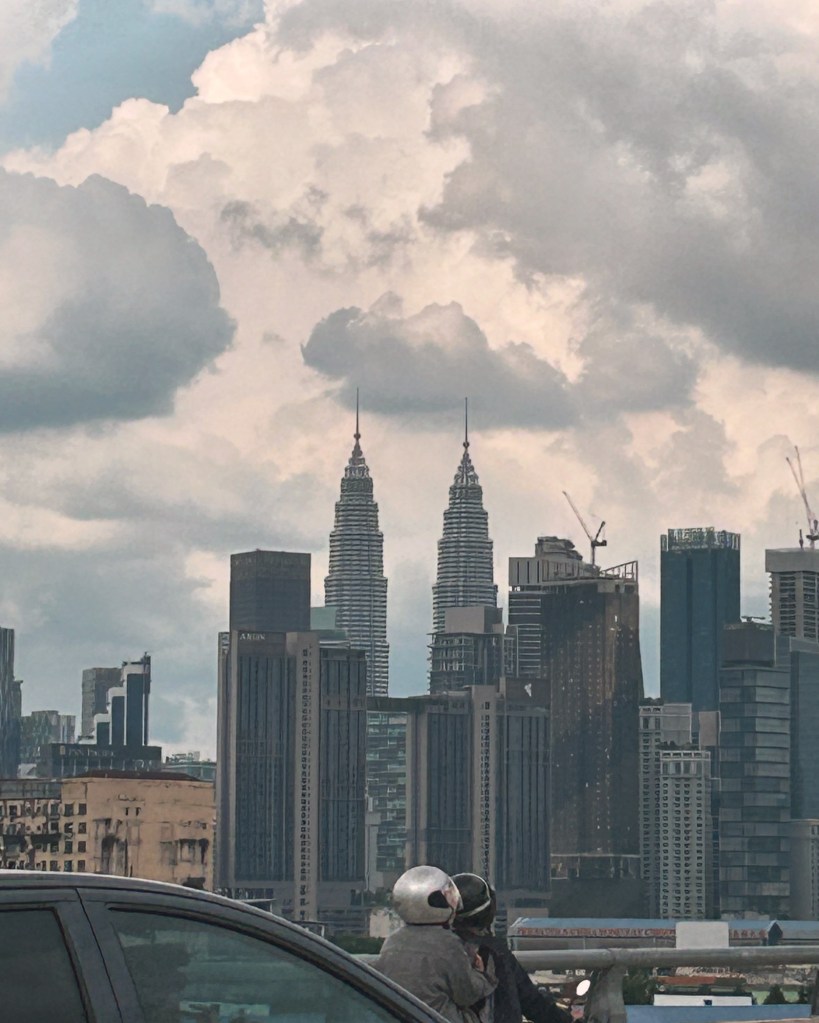






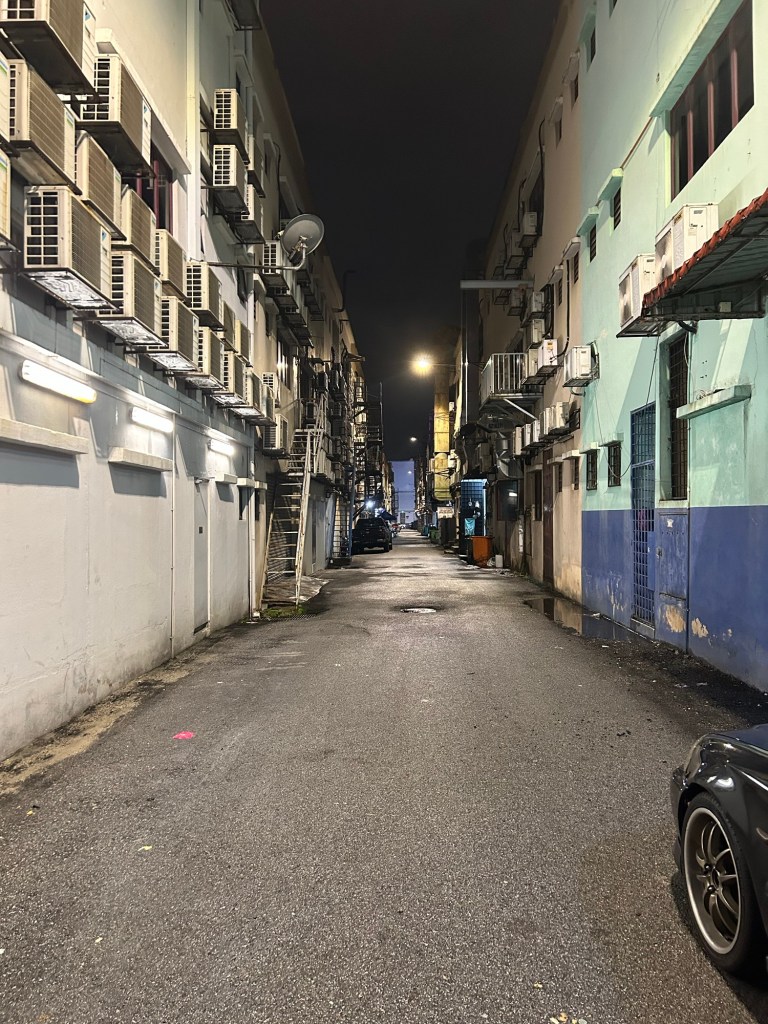

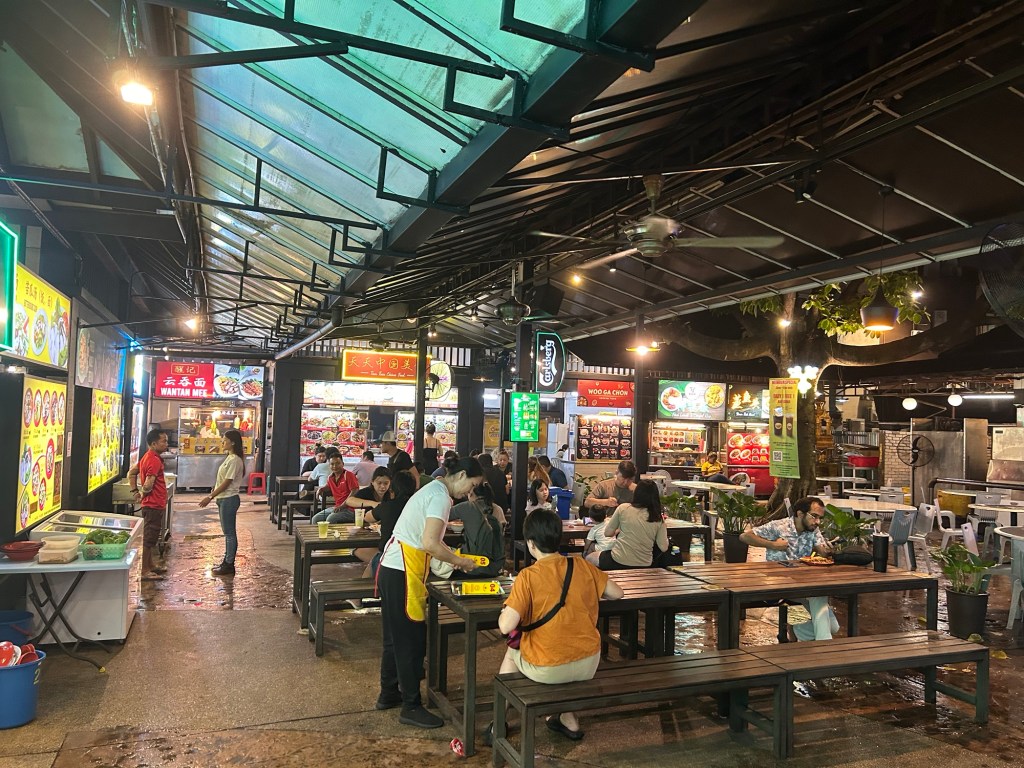





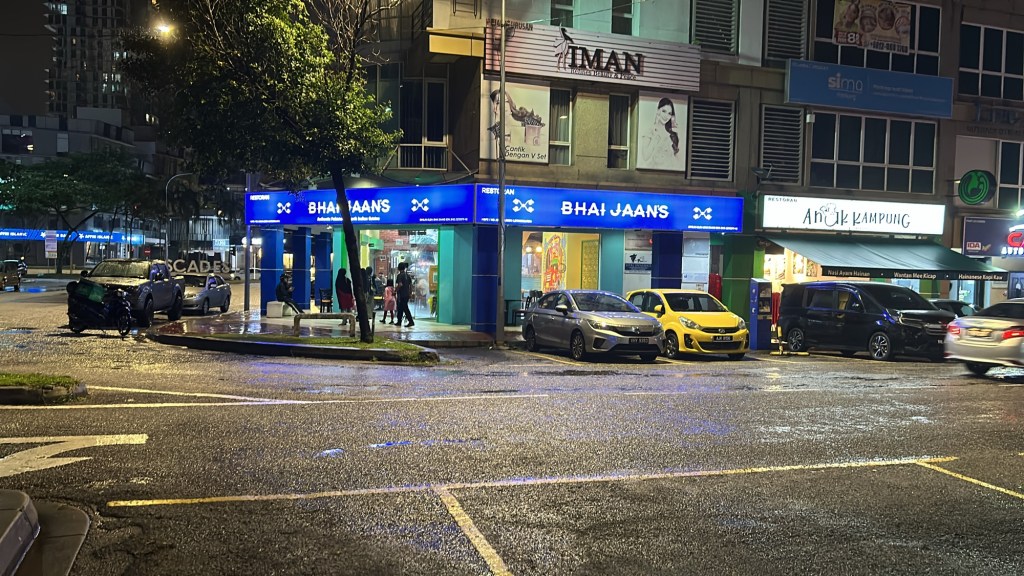






The deluge of carbon market frameworks and everything climate finance this COP season keeps the wicked problem in our media consumption in the midst of elections in India, Indonesia and the United States this year. There is a recognition that climate events impact capitalism, and without the planet itself there is no capitalism. Hence capitalism is building a carbon globalisation to knit together measures to funnel capital where it is needed the most, the CV20 for example.
The world is being reordered through the triple transition, and it cannot take place by erasing and muting communities on the front line. All the carbon credits make no sense if the forest in which the credit is generated, does not account for the development needs of the frontier community.
There is no climate finance sans the dignity of communities, afforded by the UNGPBHR.
I am an Experienced Environmental Engineer having worked on Environmental and Social Impact Assessments for the past 15 plus years in various transaction contexts from Oil refinery at Duqm to Oman’s National Reuse Master Plan to Oman’s first RAP. I have also worked on policy projects in Singapore and Malaysia including government and UN work. The frontier of Human Rights Impact Assessment and its relationship with technology is a deep intellectual interest which I explored in my research work at the National University of Singapore and with an USAID program in Malaysia in the recent years.
Algorithms are shaping the relationship between workers and the principal employer in ways which are not anticipated in terms of reference which were formed a generation back. In this paper accepted at International Association of Impact Assessment Conference 2025, in a panel on Human Rights Impact Assessment and the Technology Sector I will share my ideas on how social licence to operate be conceptualised in the platform work space, as the sight of the ubiquitous platform worker is the buzz of the urban.
This is my fifth paper acceptance to IAIA in a row. This is a significant development as impact assessment is a fast moving process with a multitude of contexts. This is a sociotechnical process with many moving parts from scientific innovation to geopolitics impacting how risks as assessed for resilience in particular new areas such as the platform sector.



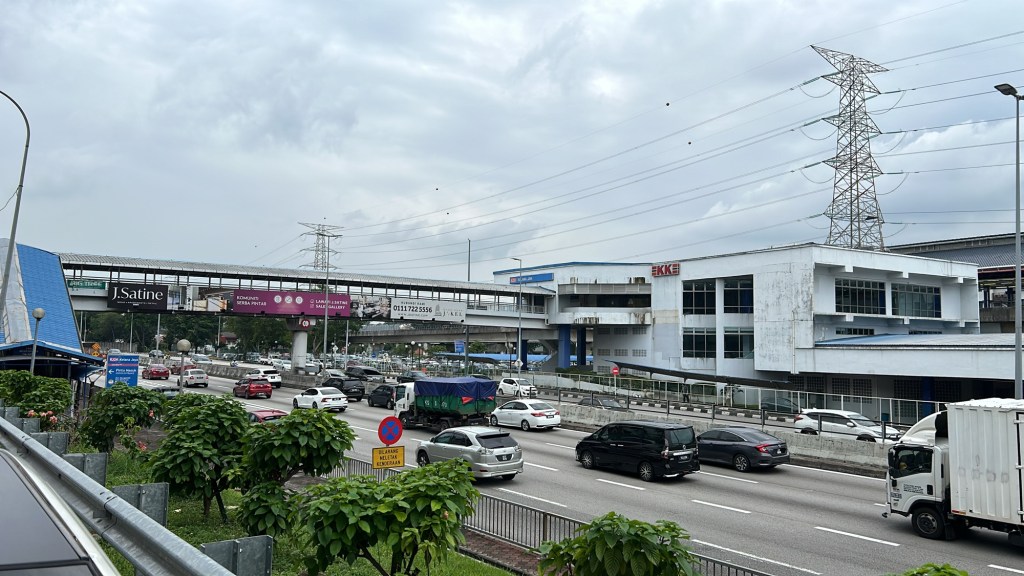


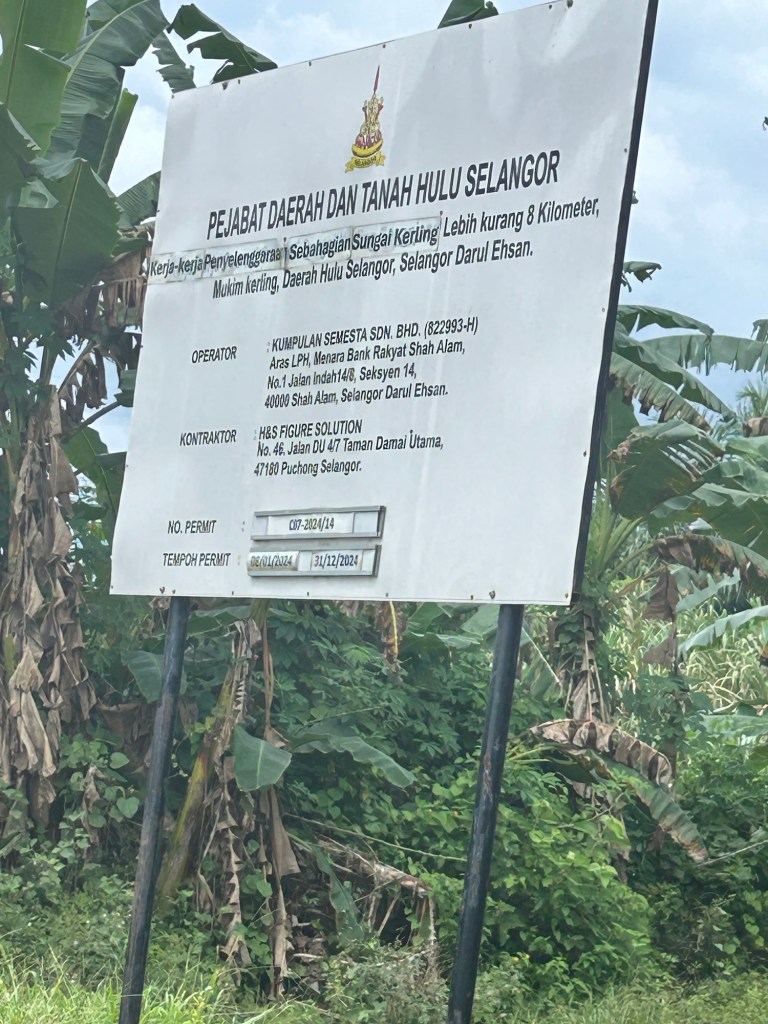
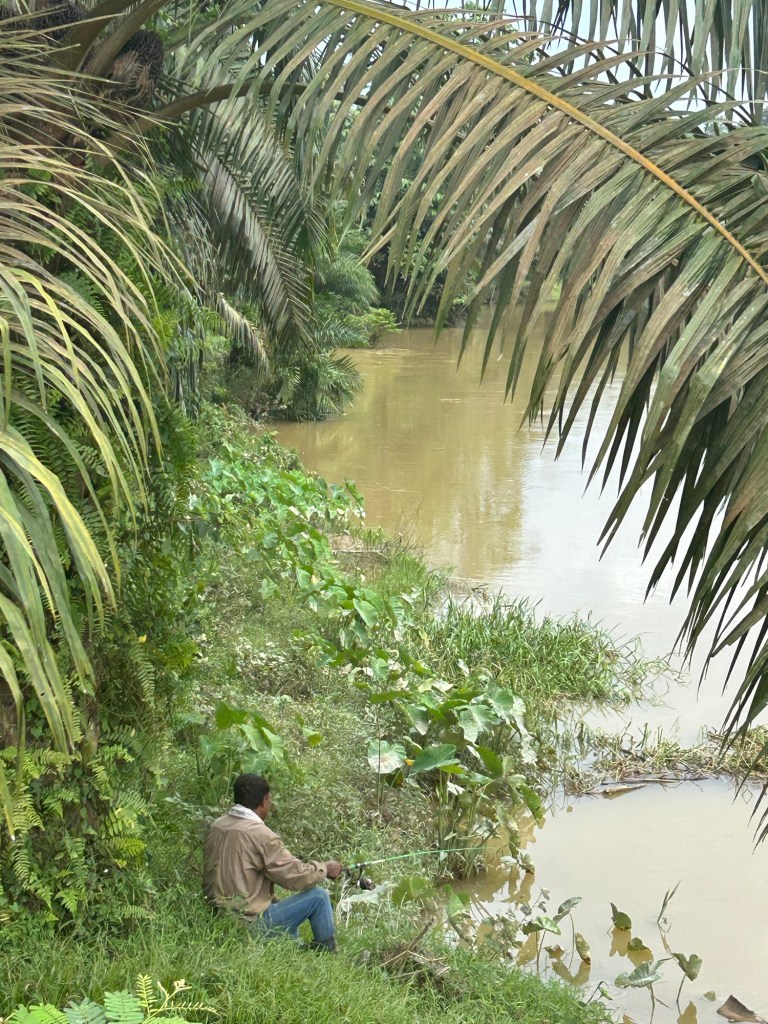
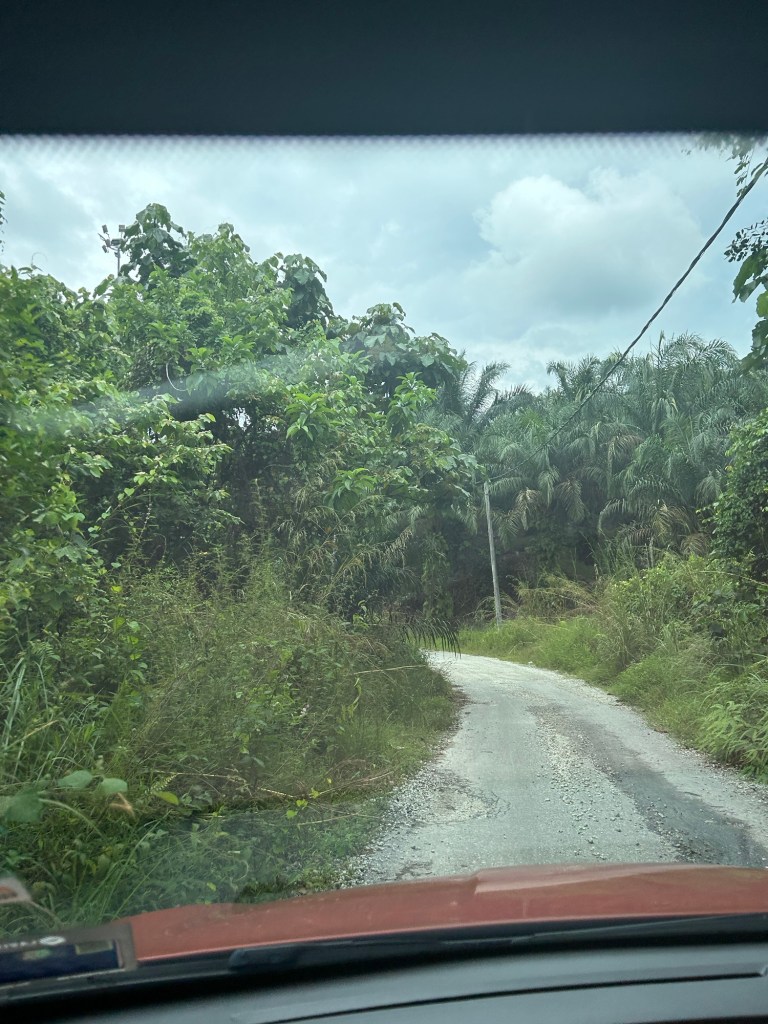


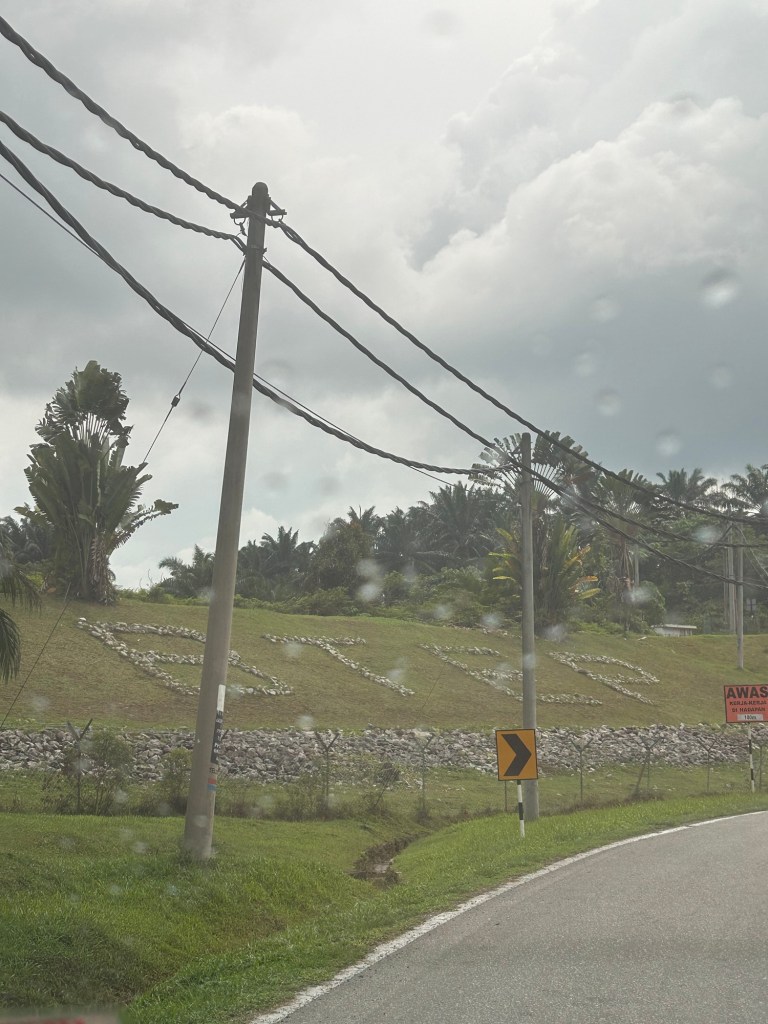

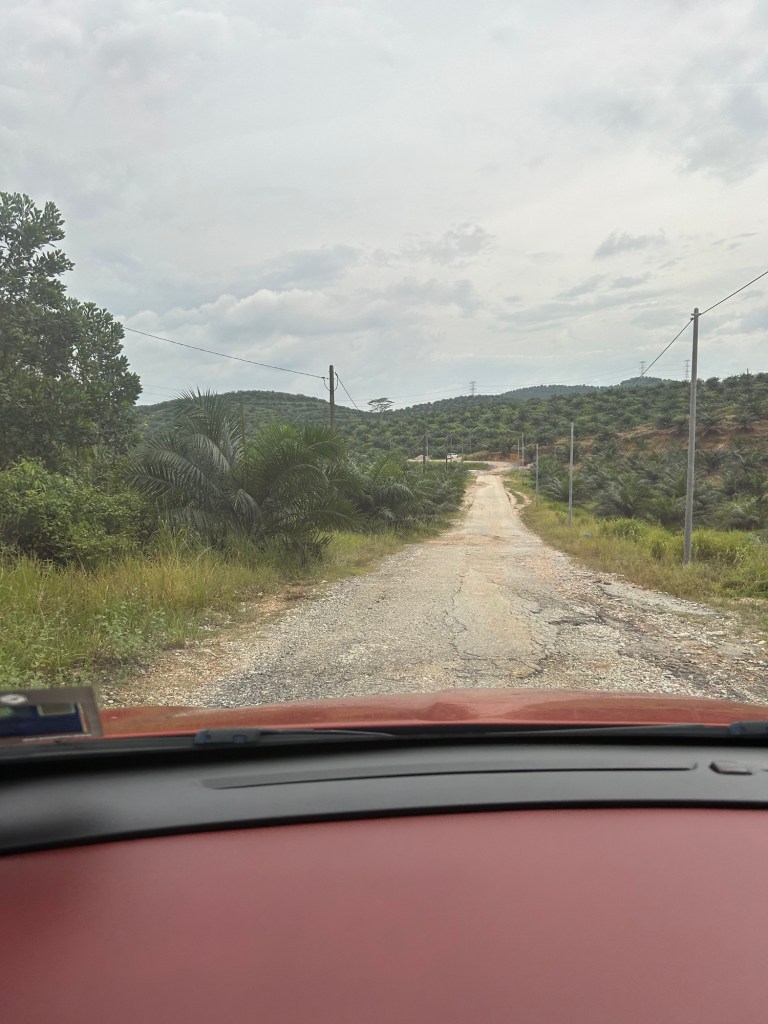

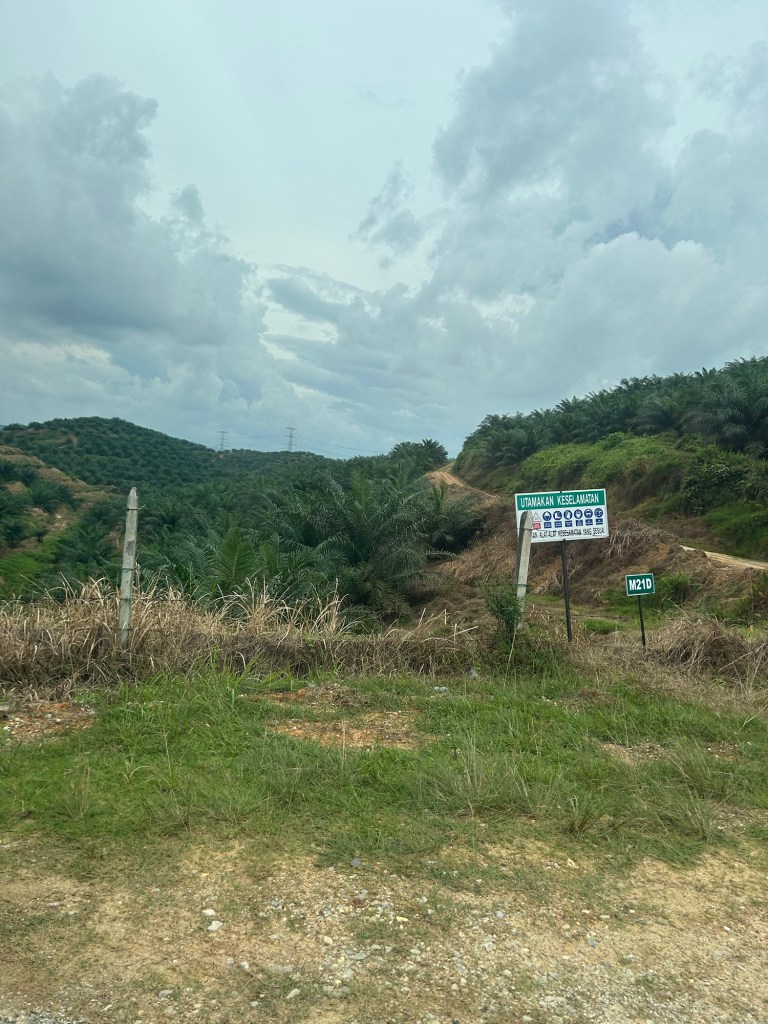
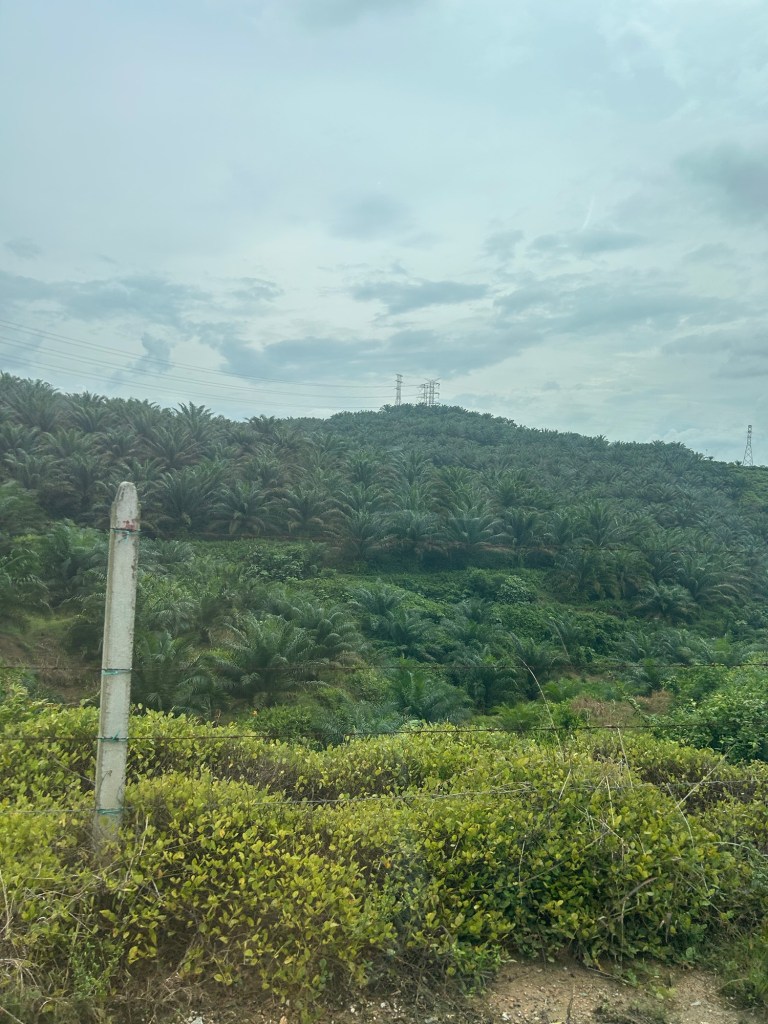
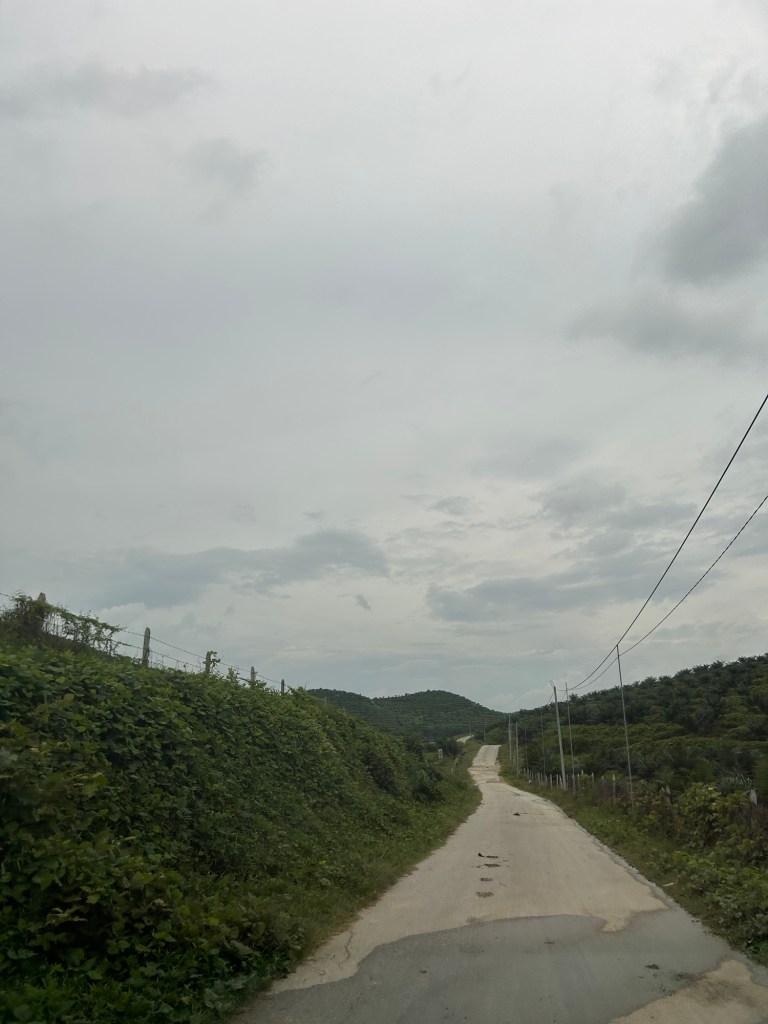
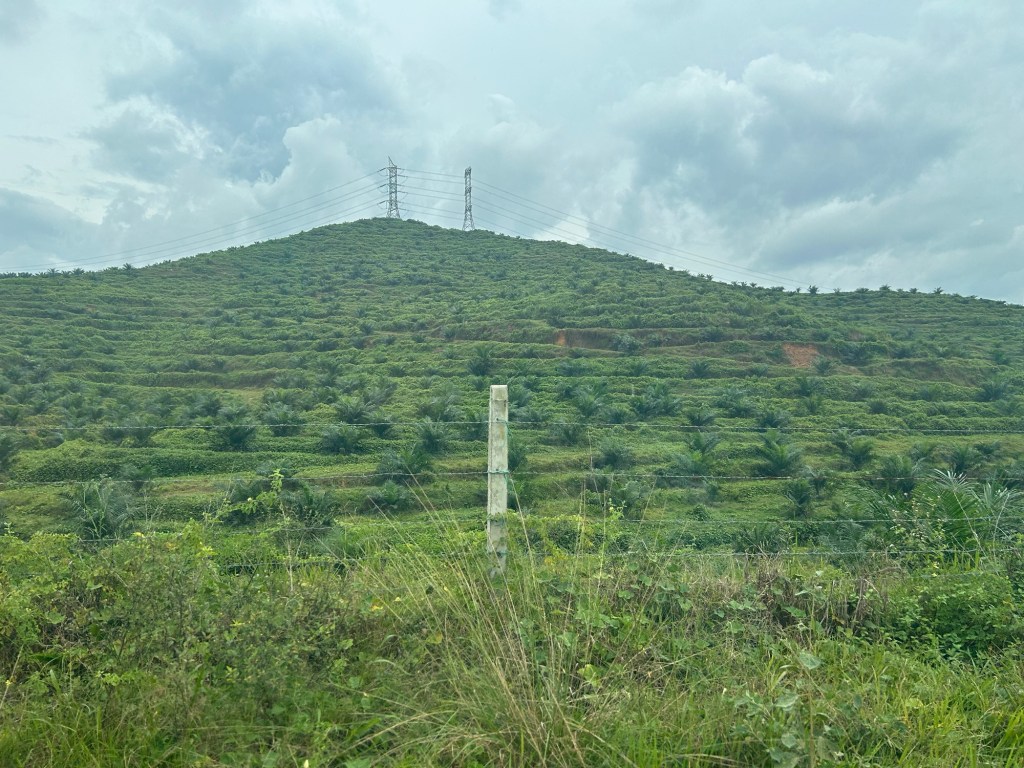
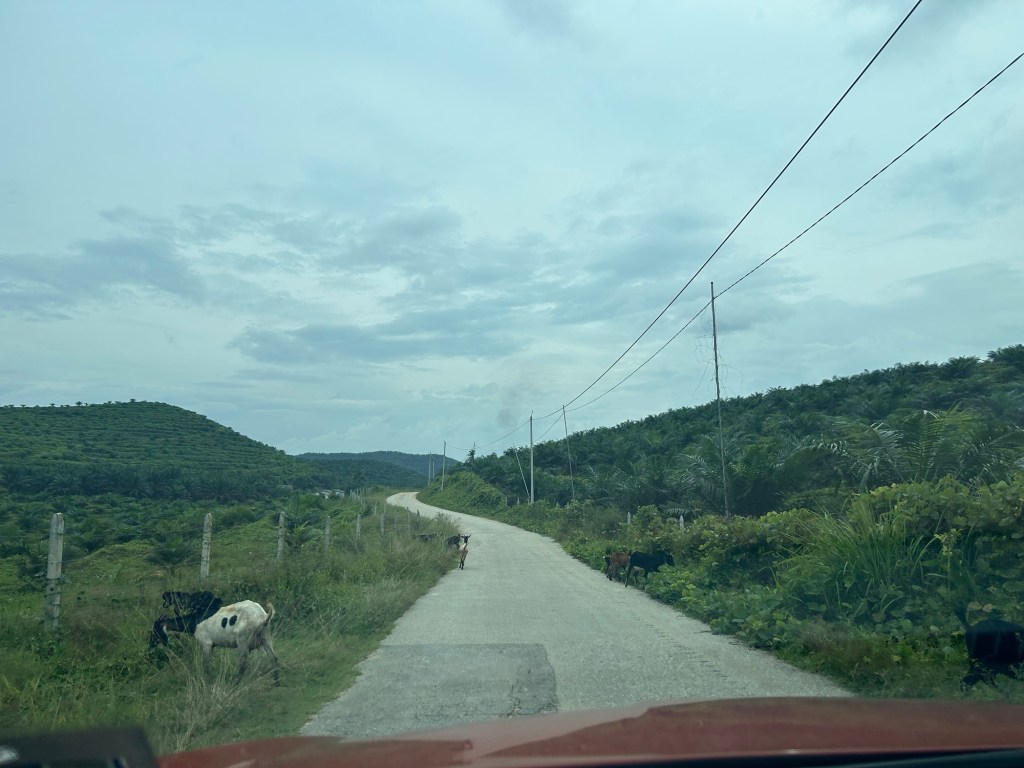

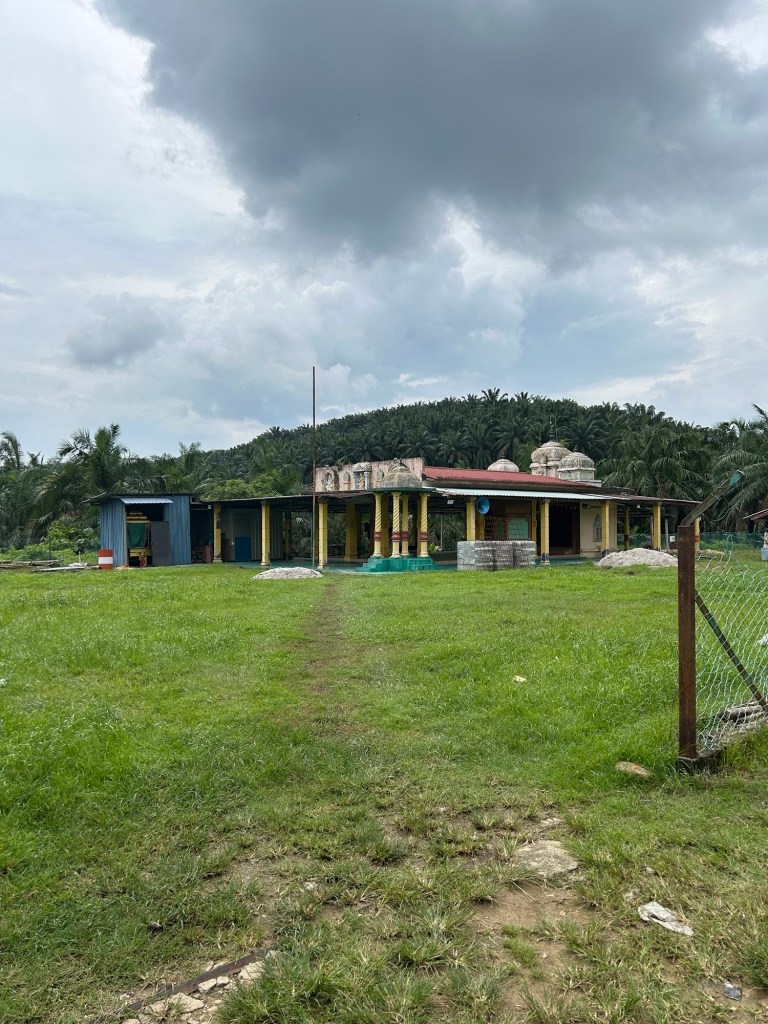
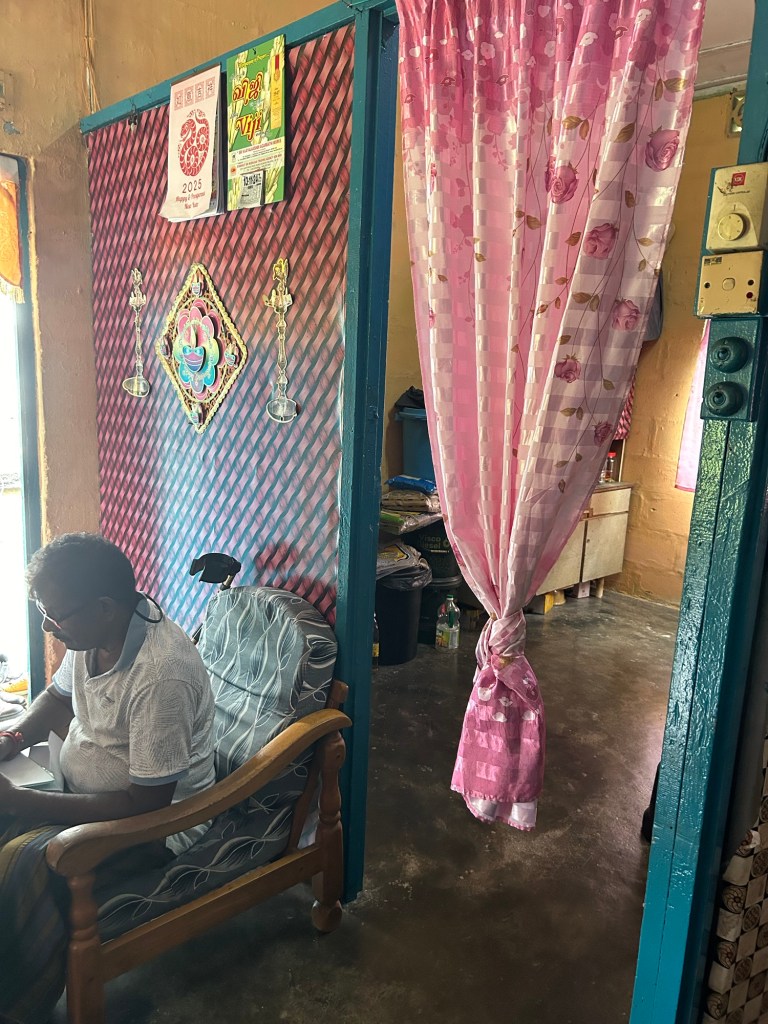


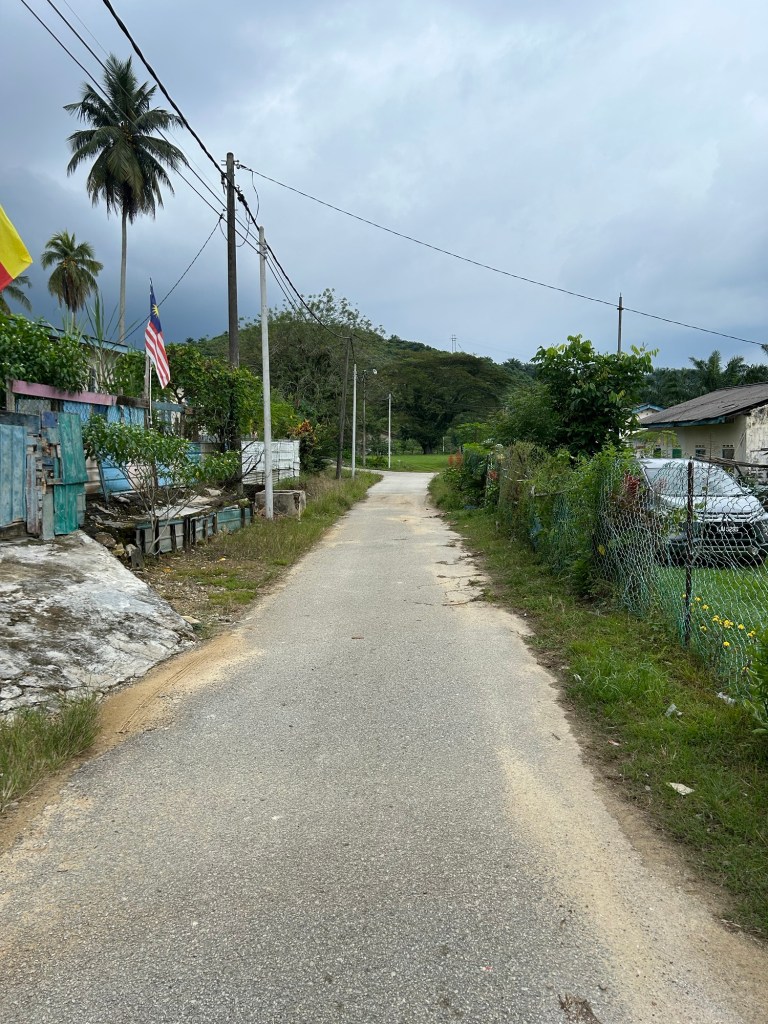


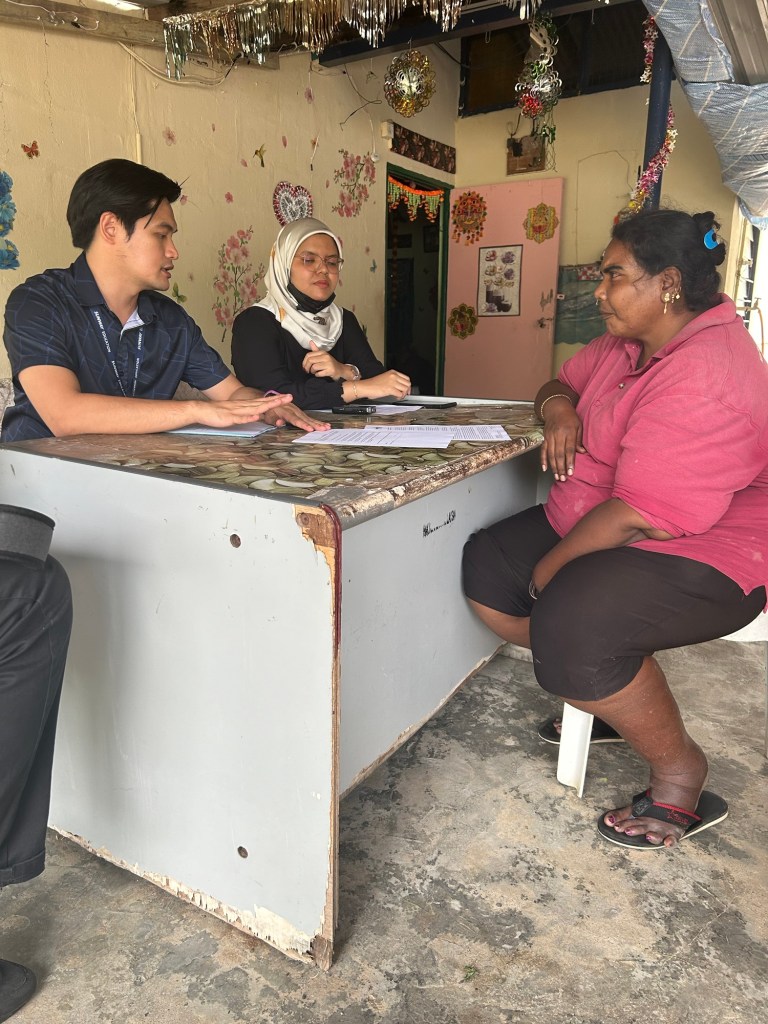
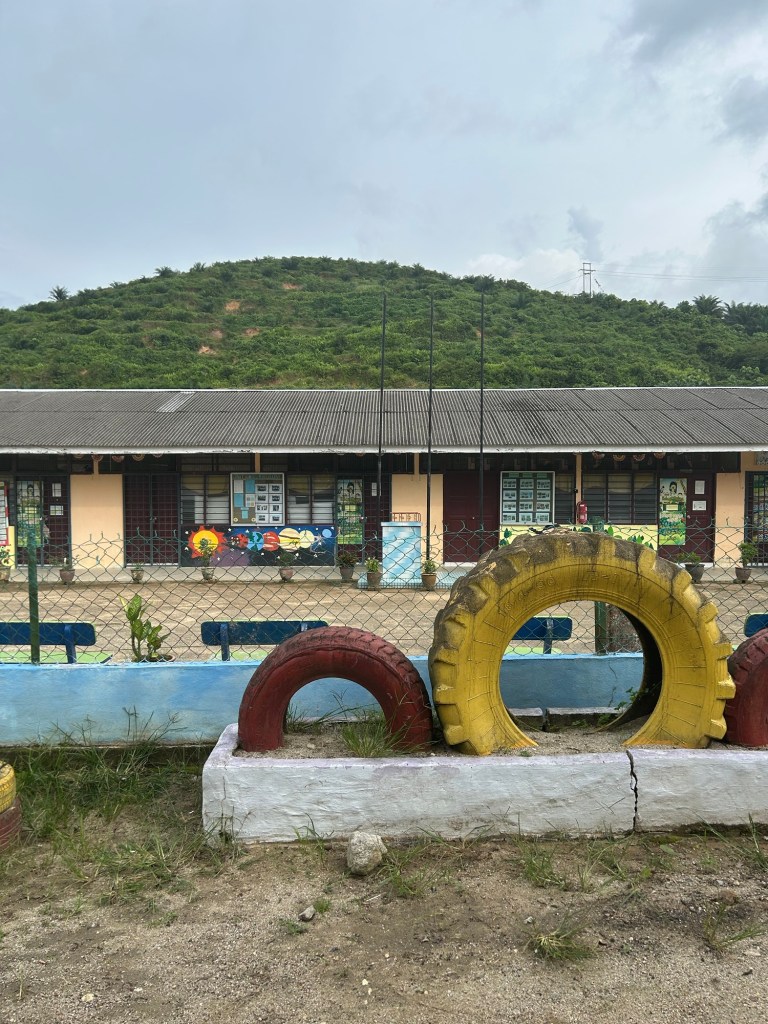
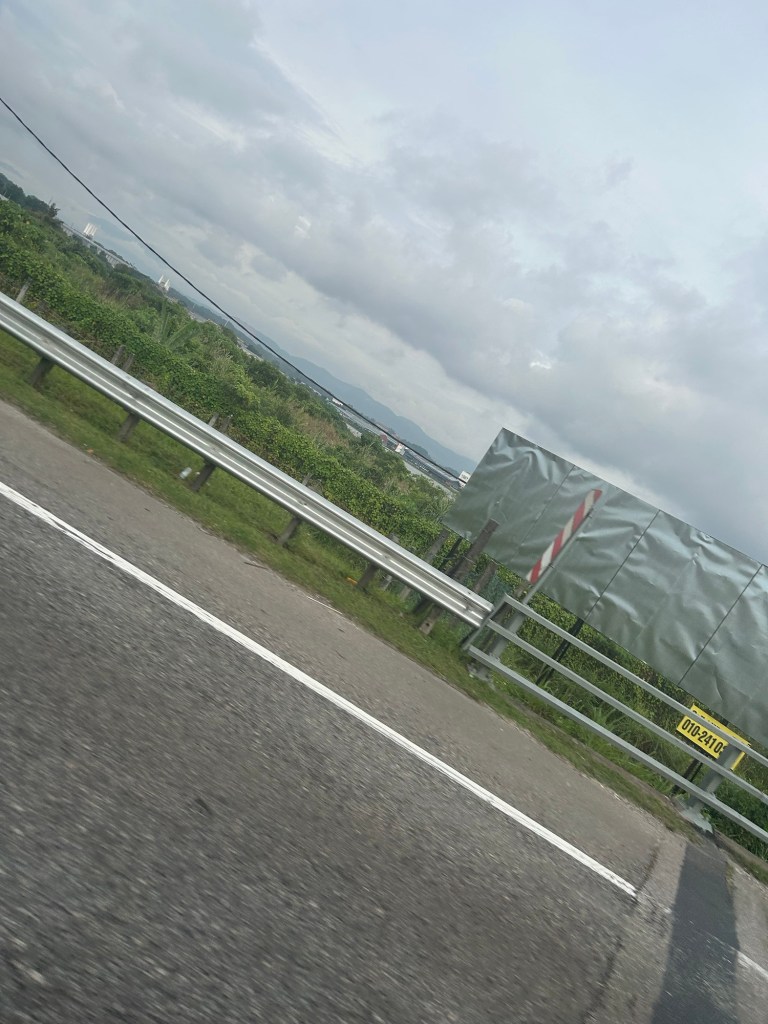
Today was a blessed experience to travel to Hulu Selangor to the plantations which host the oldest plantation communities of Mary Estate which are totally off the main road and is home to the plantation histories of the Indian community in Malaysia. The area off the north south highway is a different country.
The spatial marginalisation of the Indian community was evident with its low key public infrastructure including a Tamil school. The area is not accessible by public transportation. The area is next door to the temple and a river which has seen a depletion in fish in the recent years. The air has a tinge of odour, being nearby a landfill in Bukit Tagar. The homes in the area are run down yet have a beauty about them. The demographic is elderly, as if it’s a retirement home. The young have no work as do the migrant workers. The young have to work in the plantations nearby to make do following in the footsteps of the ancestors.
Each home has a few motorcycles, as there is no public transportation. The community is deeply political with a PKR poster at the start of the settlement. The Socialists in PSM with their estate background have sympathetic supporters as well. Their mobilisation with the estate workers is well known. The area has been gerrymandered in the recent years from Kuala Selangor to Hulu Selangor. Residents hardly get to see their representatives fifty kilometres away in the district office. The place once at the heart of plantation capitalism has fallen off the map only to be popular with researchers and non profits scavenging off the detritus of pathos of the plantation workers.
The disconnect with the state is due to the low density and the remote location. The plantation estate community seeks the fruits of Malaysian modernity only sixty kilometres away in bustling KL. The post colony’s burdens of the empire are still weighing the plantation community’s present and the future.





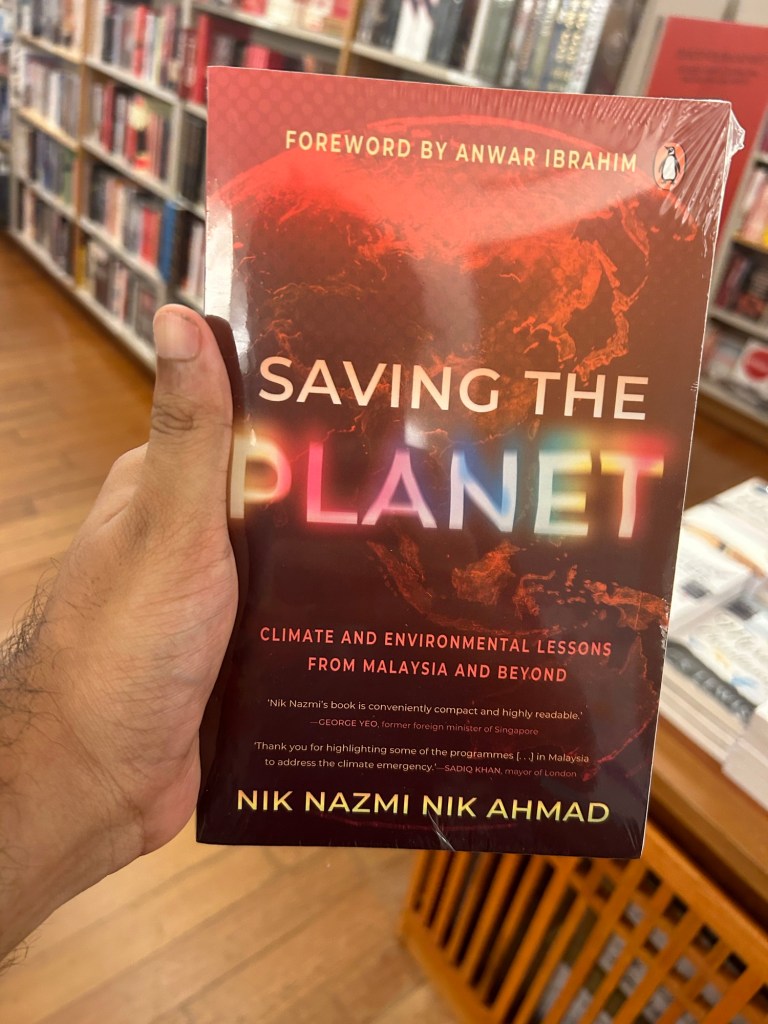




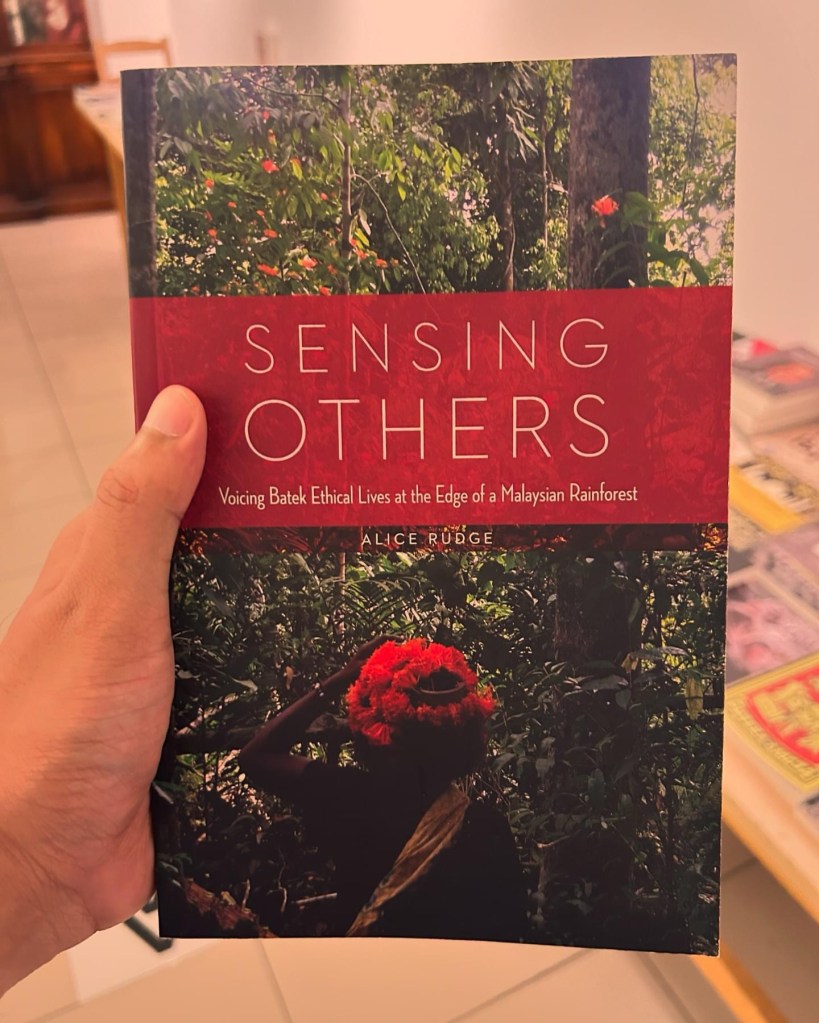
I love ethnographic scholarship which is deeply rooted in communities. This fabulous work of scholarship with the Batek indigenous community in Taman Negara in Malaysia is a window in to the othering processes that indigenous people navigate.
These works should be resources for social impact professionals beyond the reductive world of ESG metrics. Social licence to operate is more than a few performative interviews, it needs deeper insight into the life worlds of communities. But, who has the time as there is a project timeline to follow? FPIC should be more than a checklist in the era of carbon laundering and tech algorithms.
 Change Thinker