National Museum of Oman: A Photo Essay

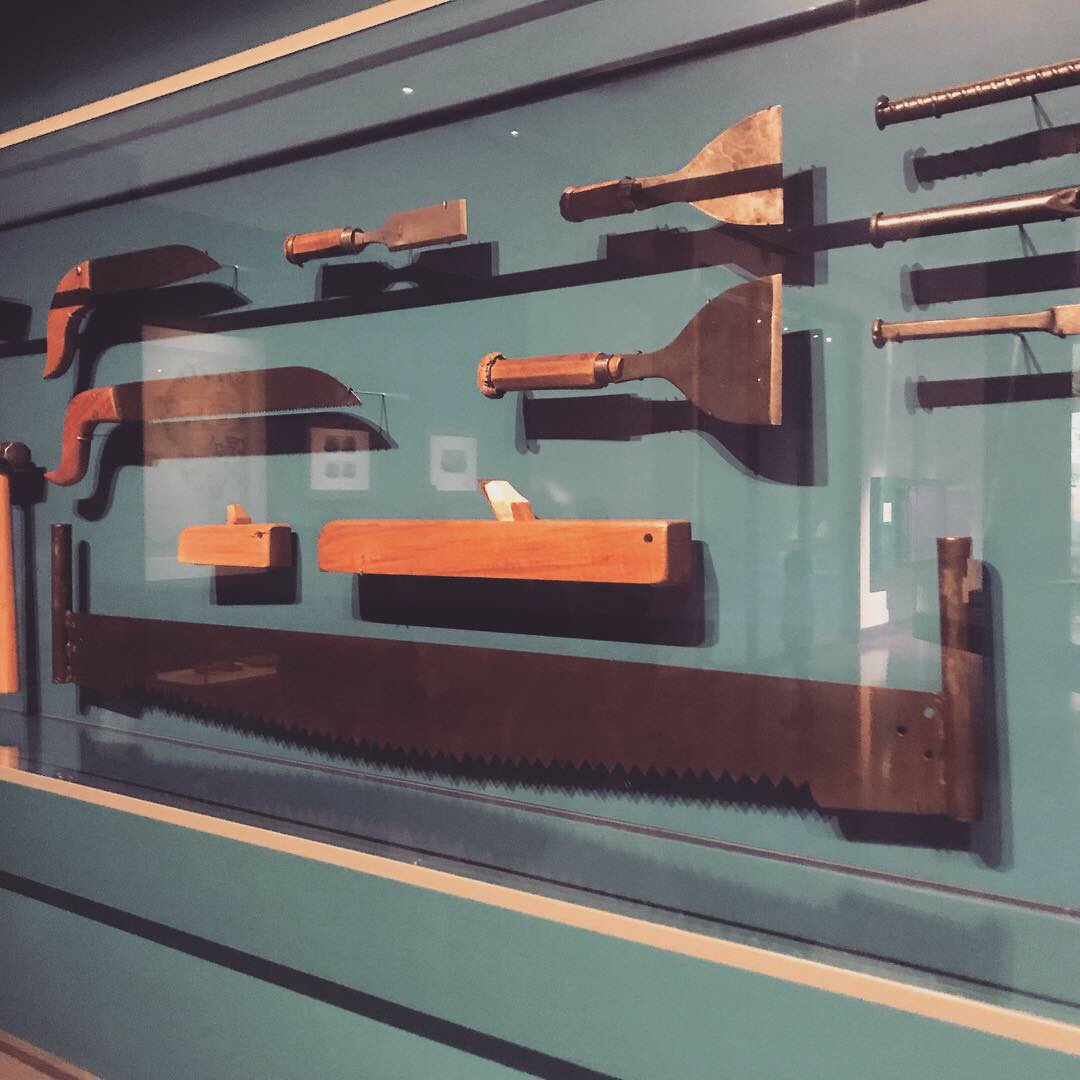
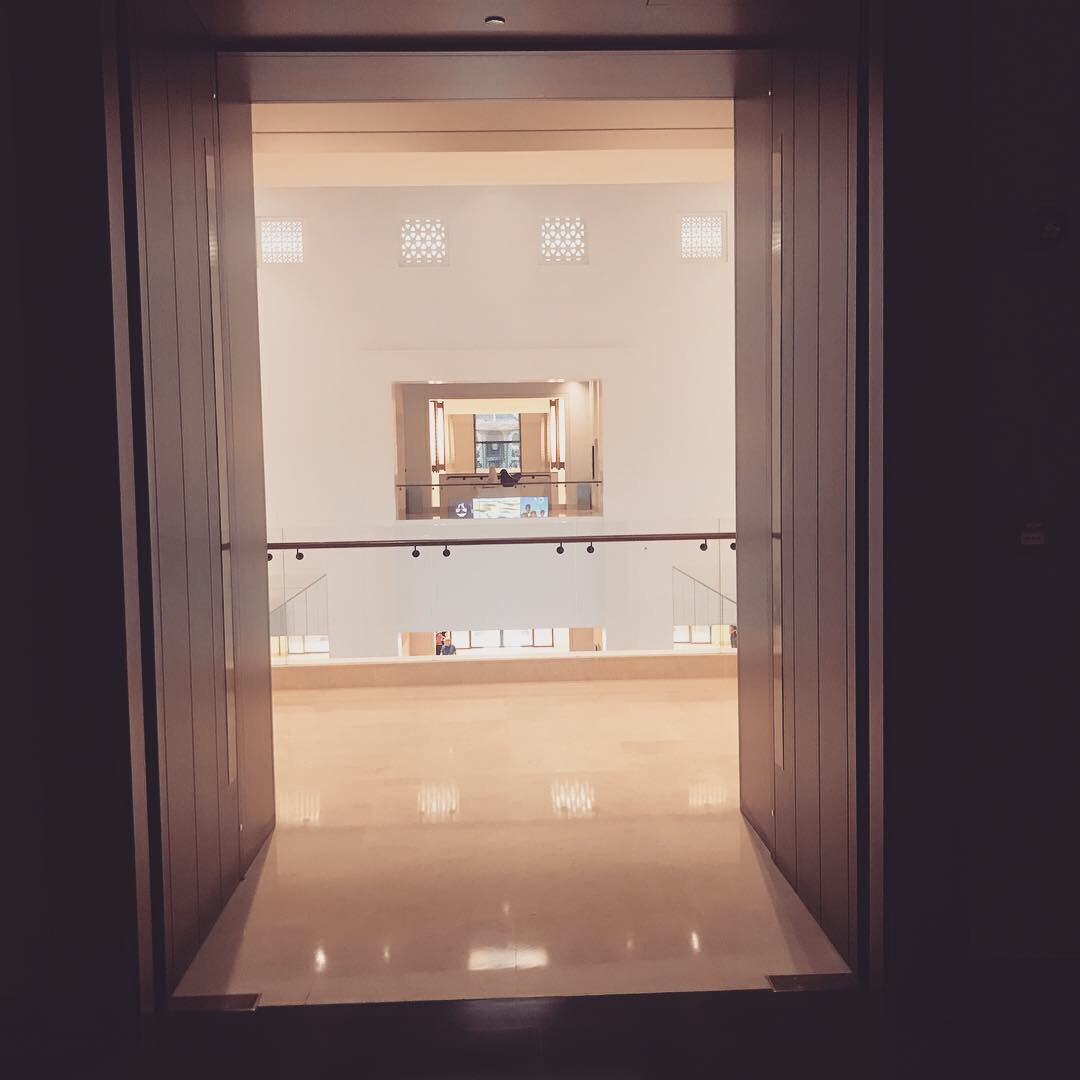
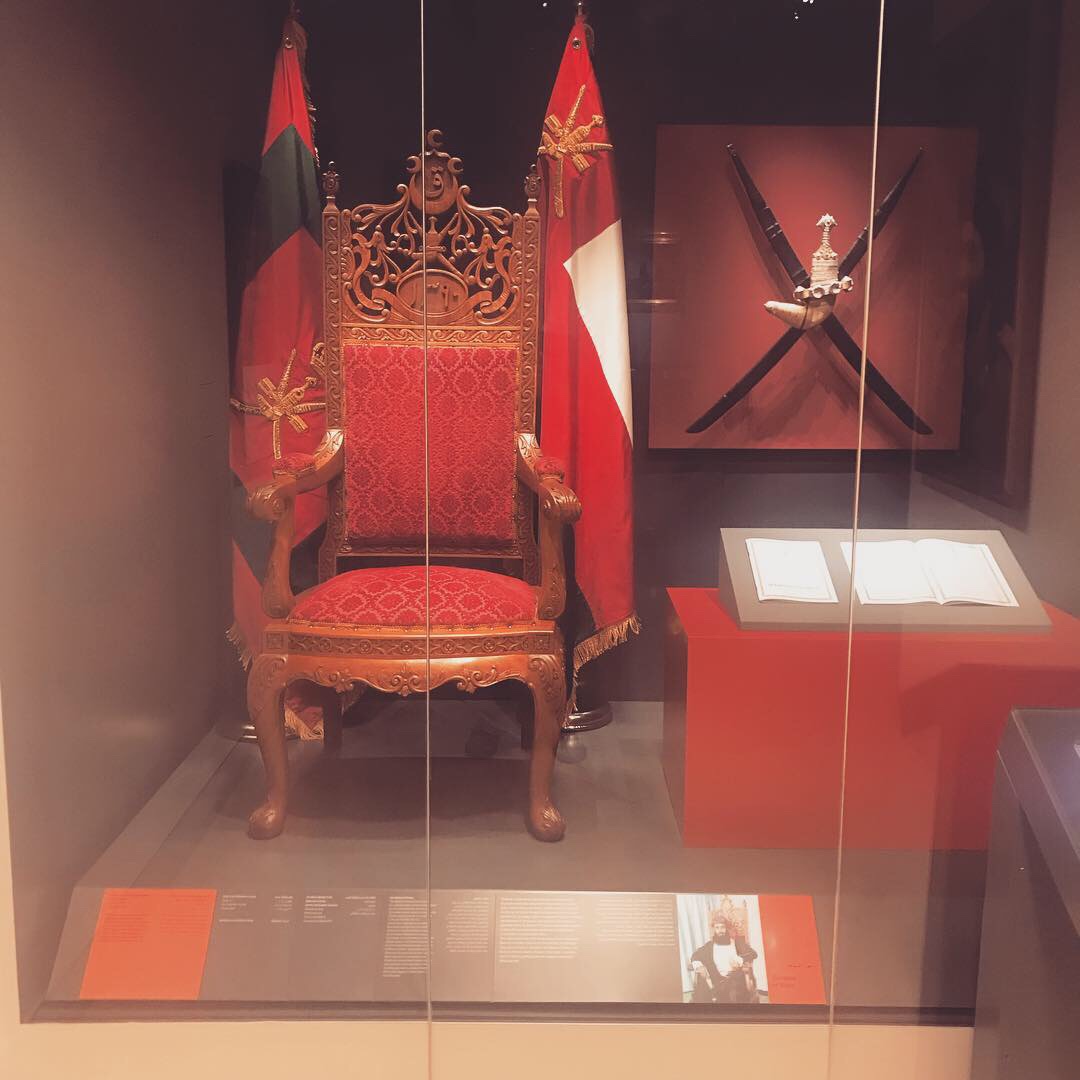
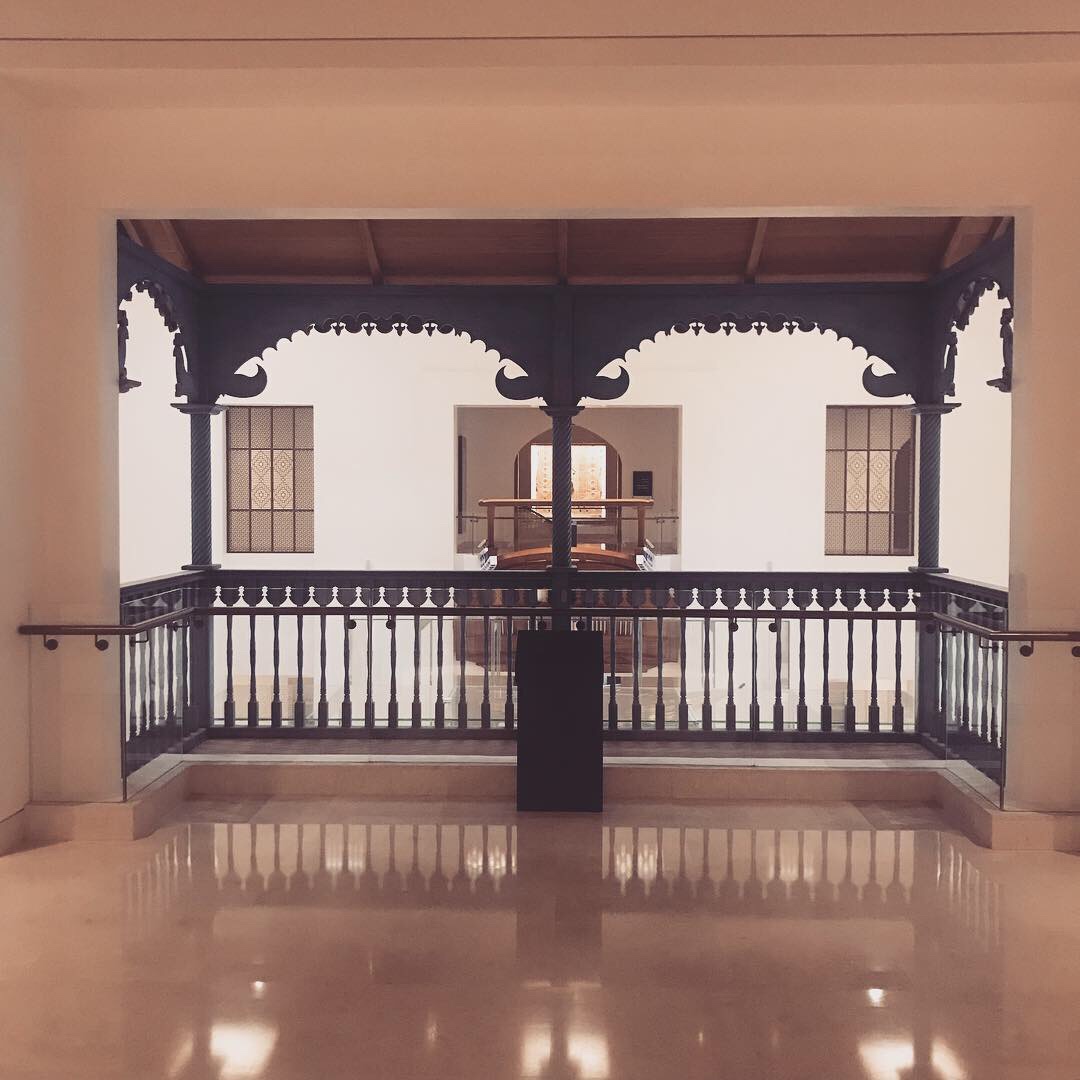
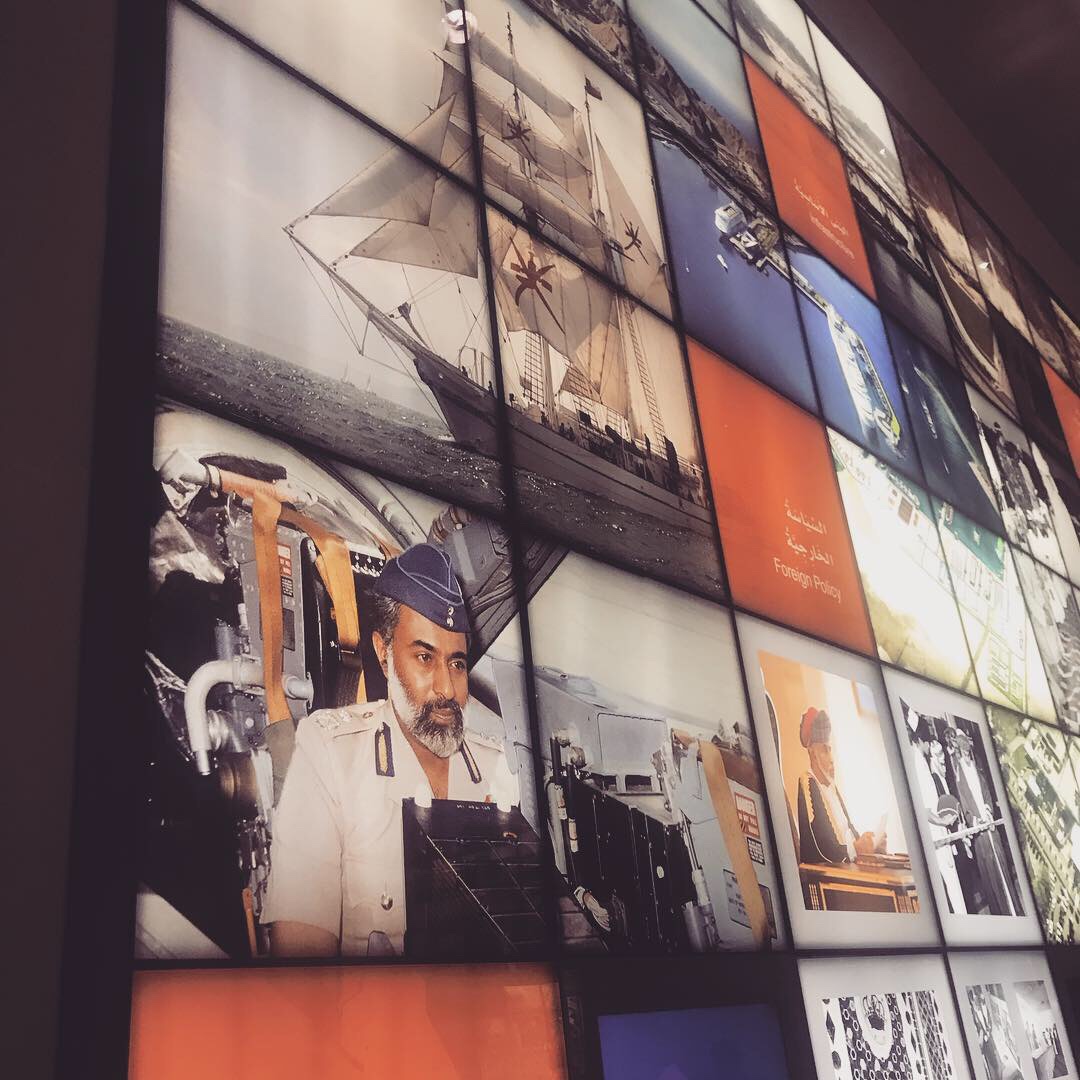
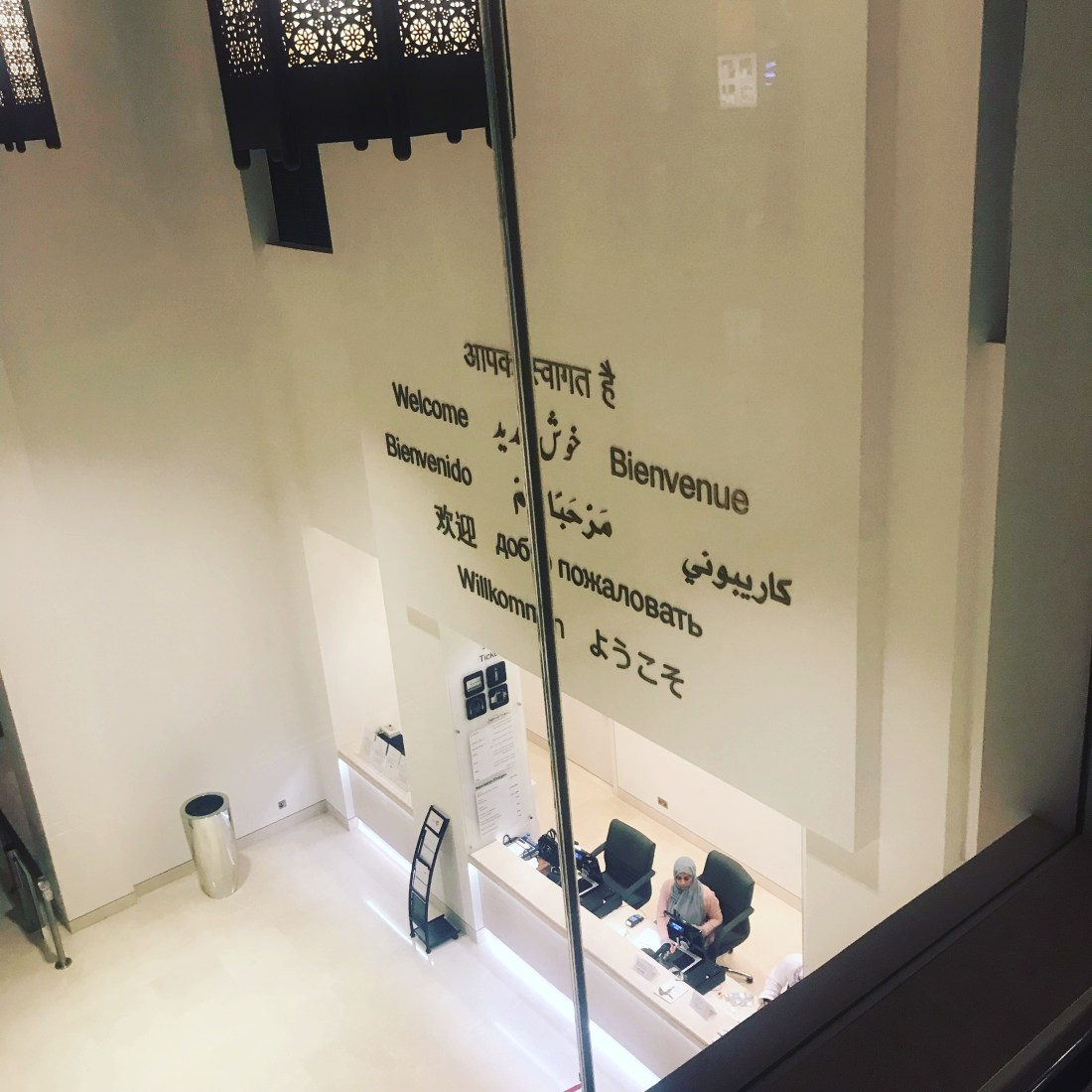
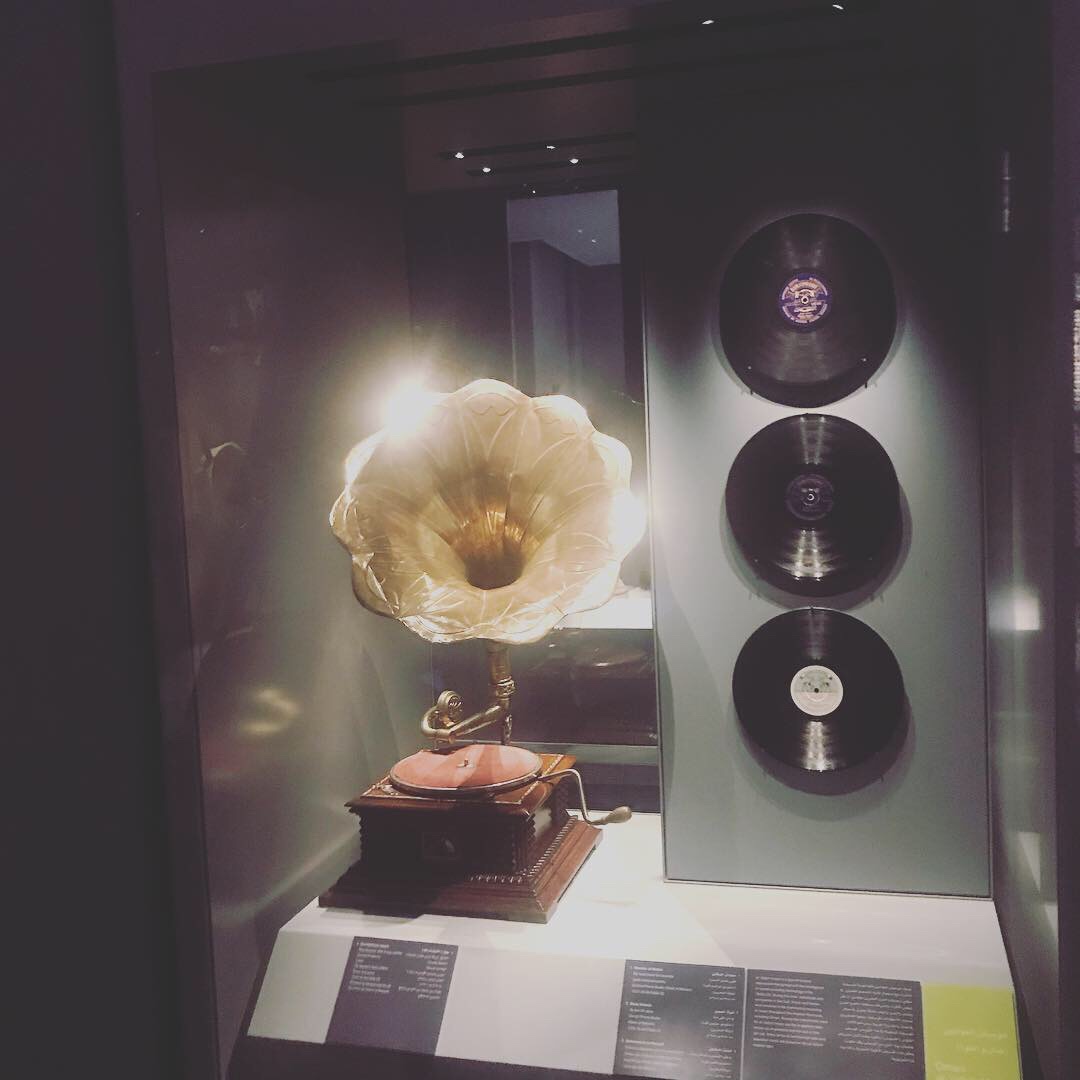
Museums are repositories of a national narrative, a core register of the state. Having been associated with Oman for the past twenty five years, a visit to its National Museum opposite the Al Alam Palace is poignant especially on the extended National Day Weekend where Omani families, with tourists were in full force to understand the genealogy of the Omani nation from pre historic Magan times to the present Renaissance/Al Nahda present. The plush two ground plus one museum was classy, all in white- had a very international feel where History was the context for something much larger than gallery spaces with artefacts, a nations life was being explained.

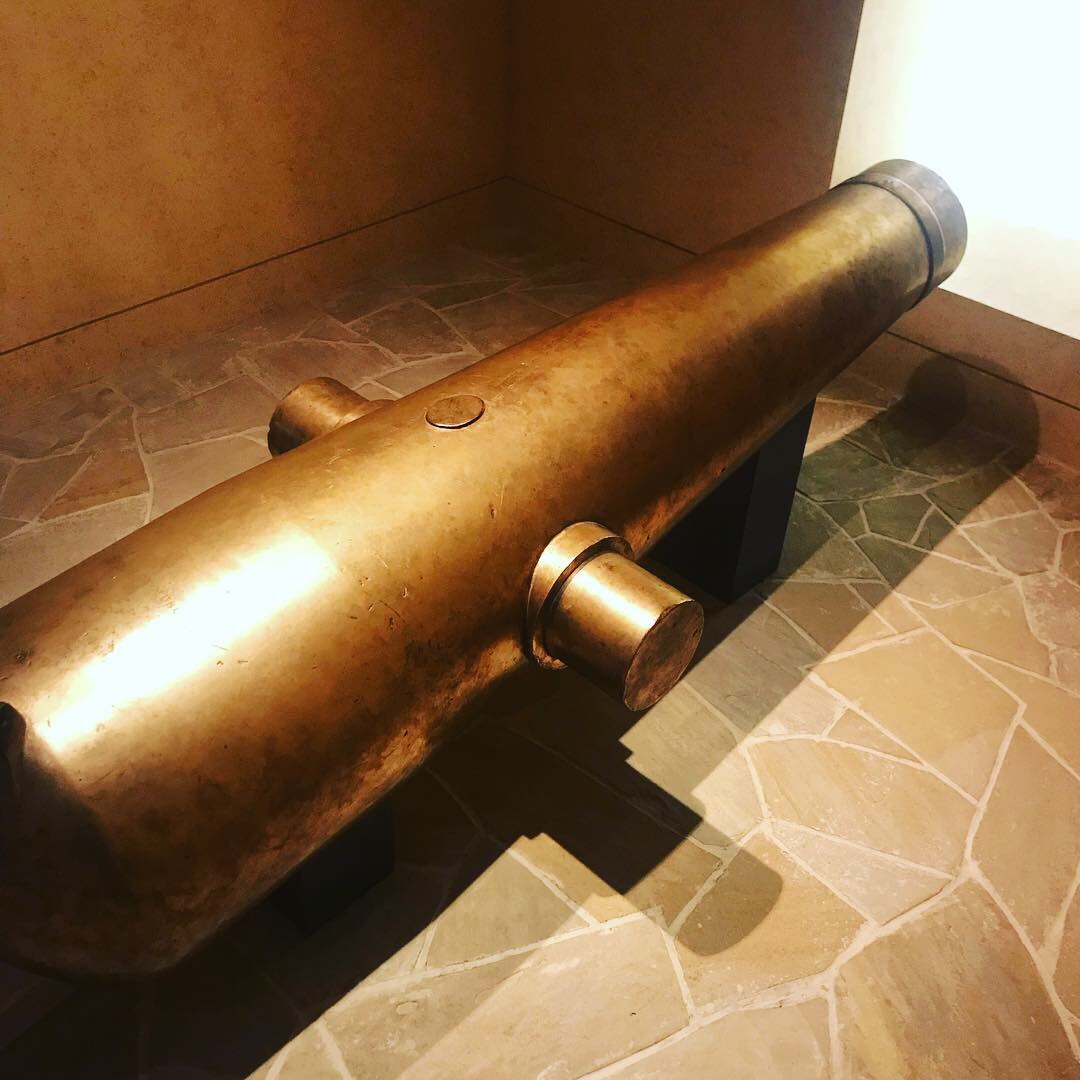
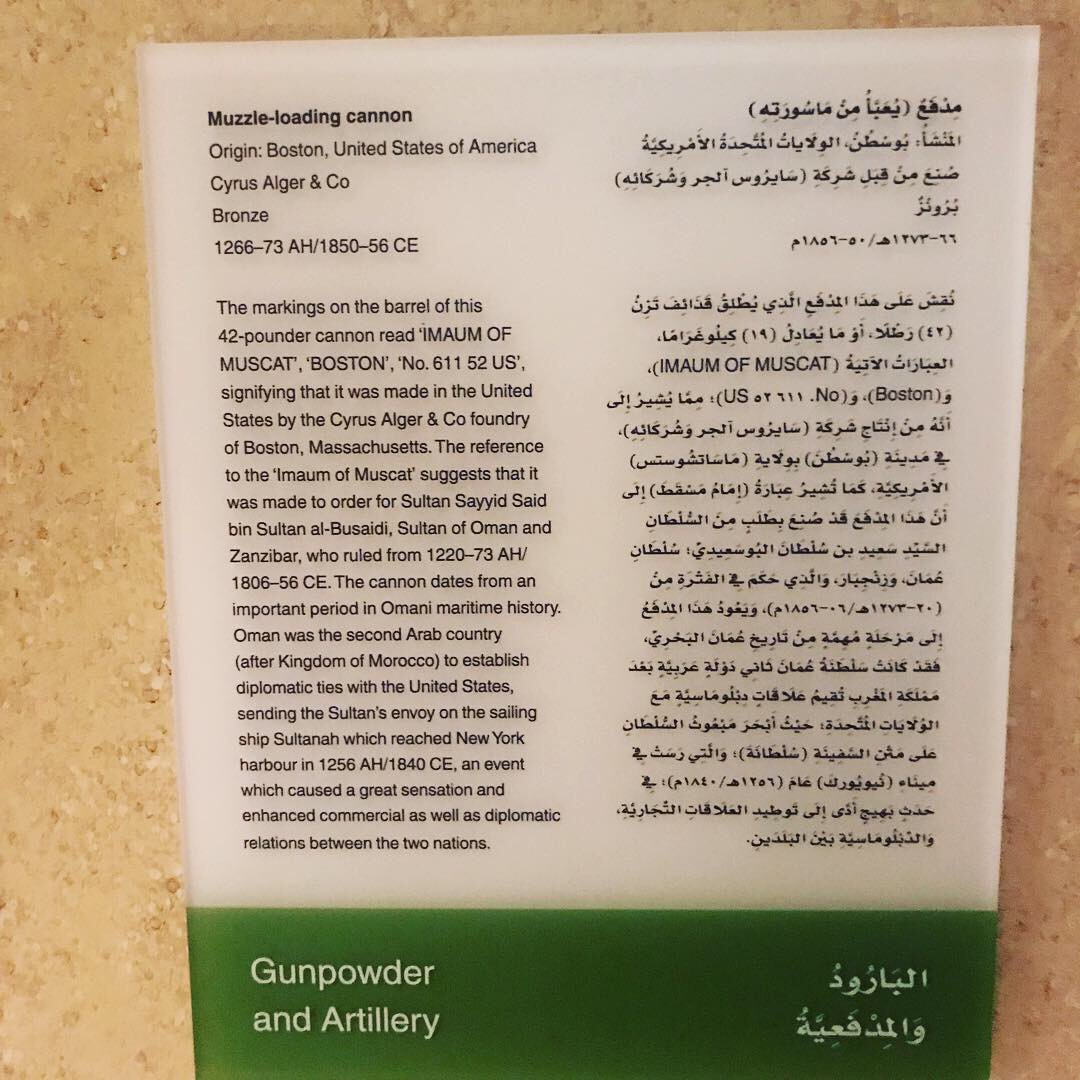
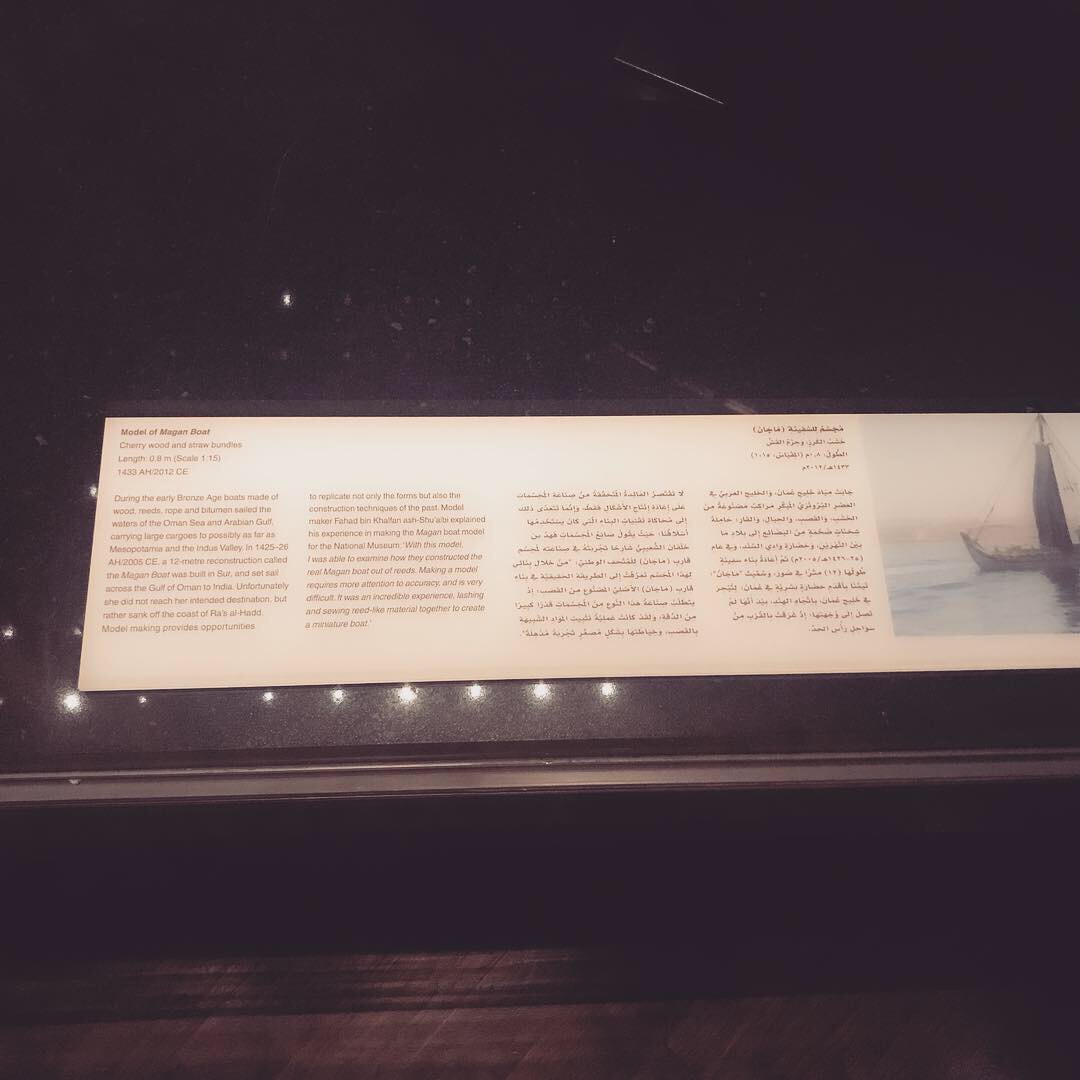
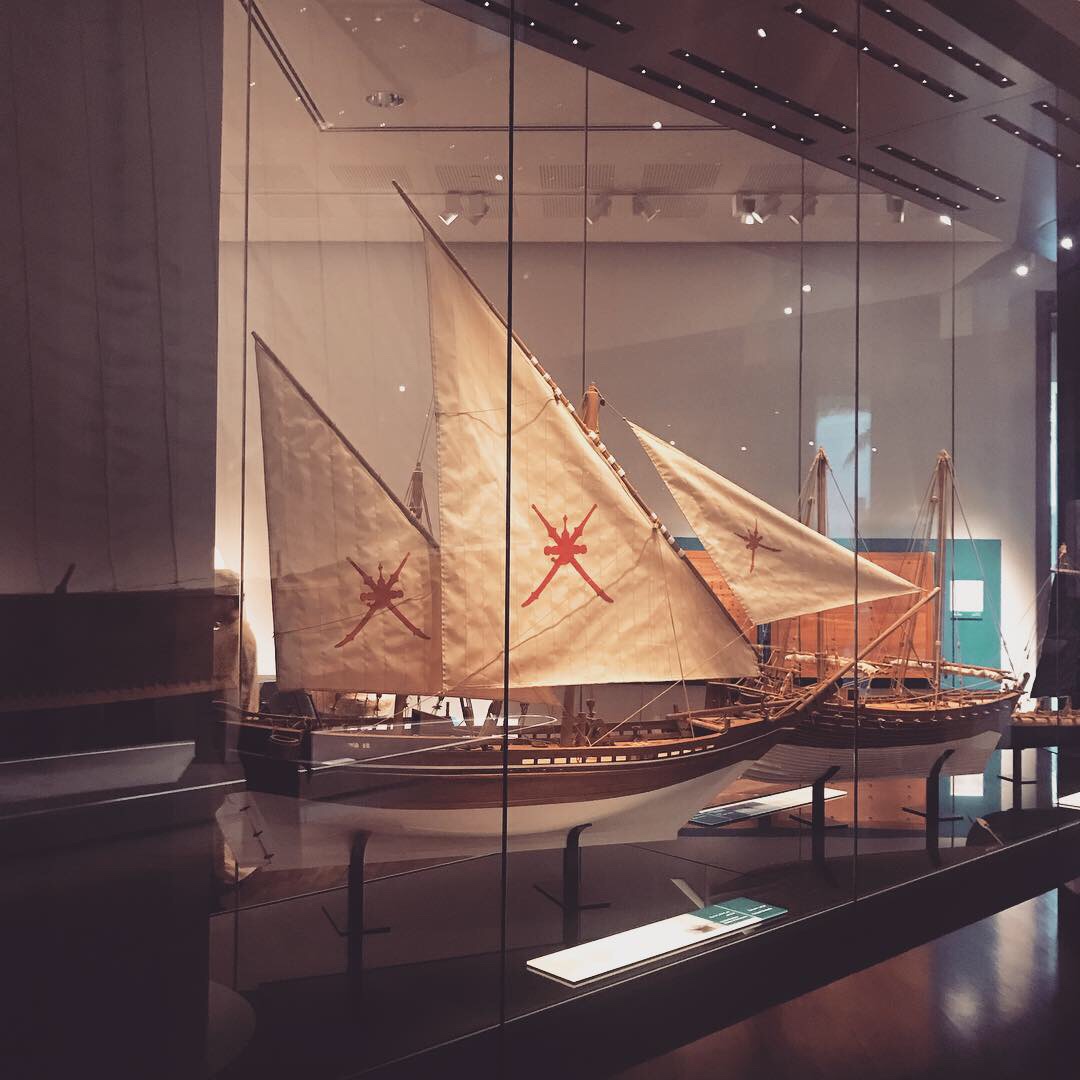
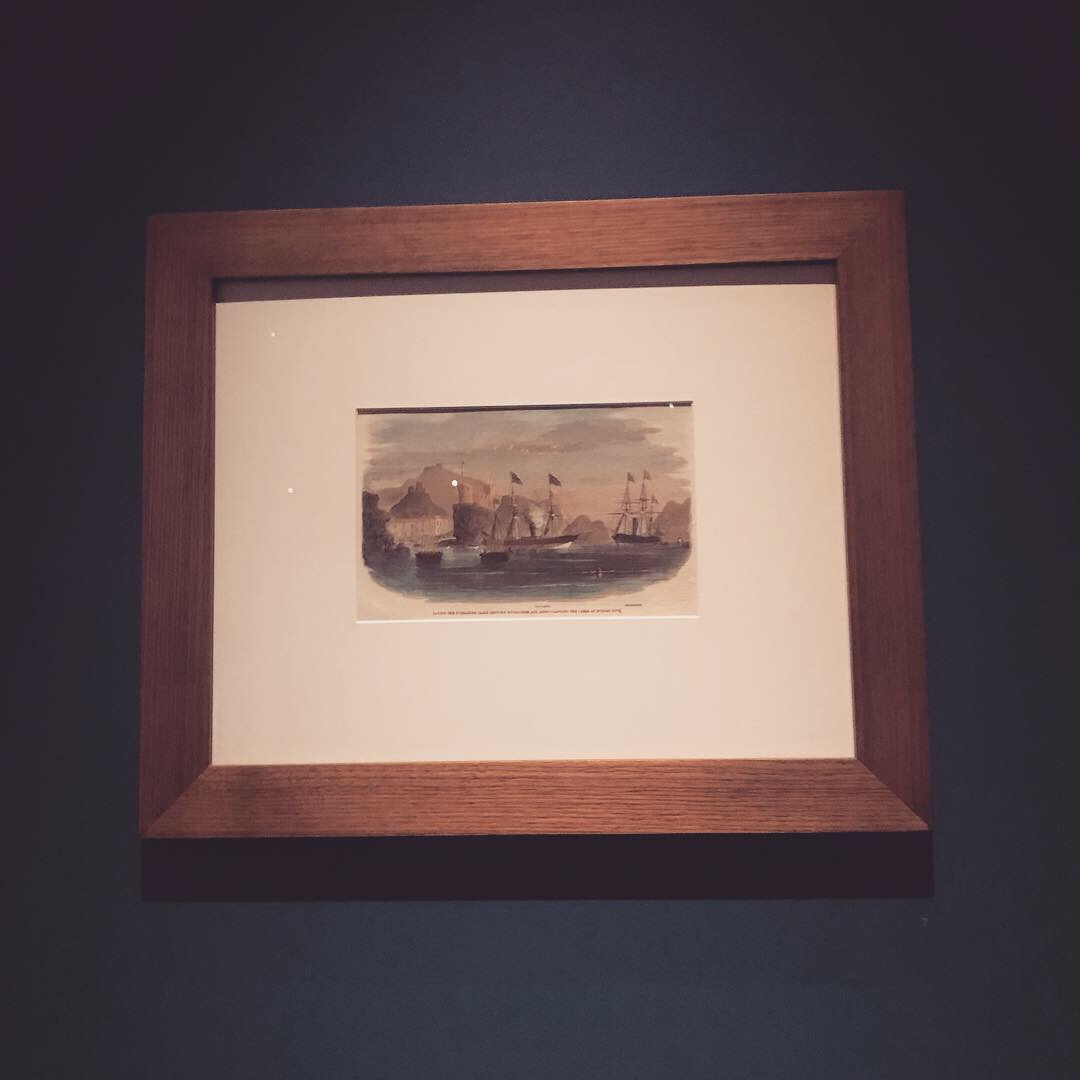
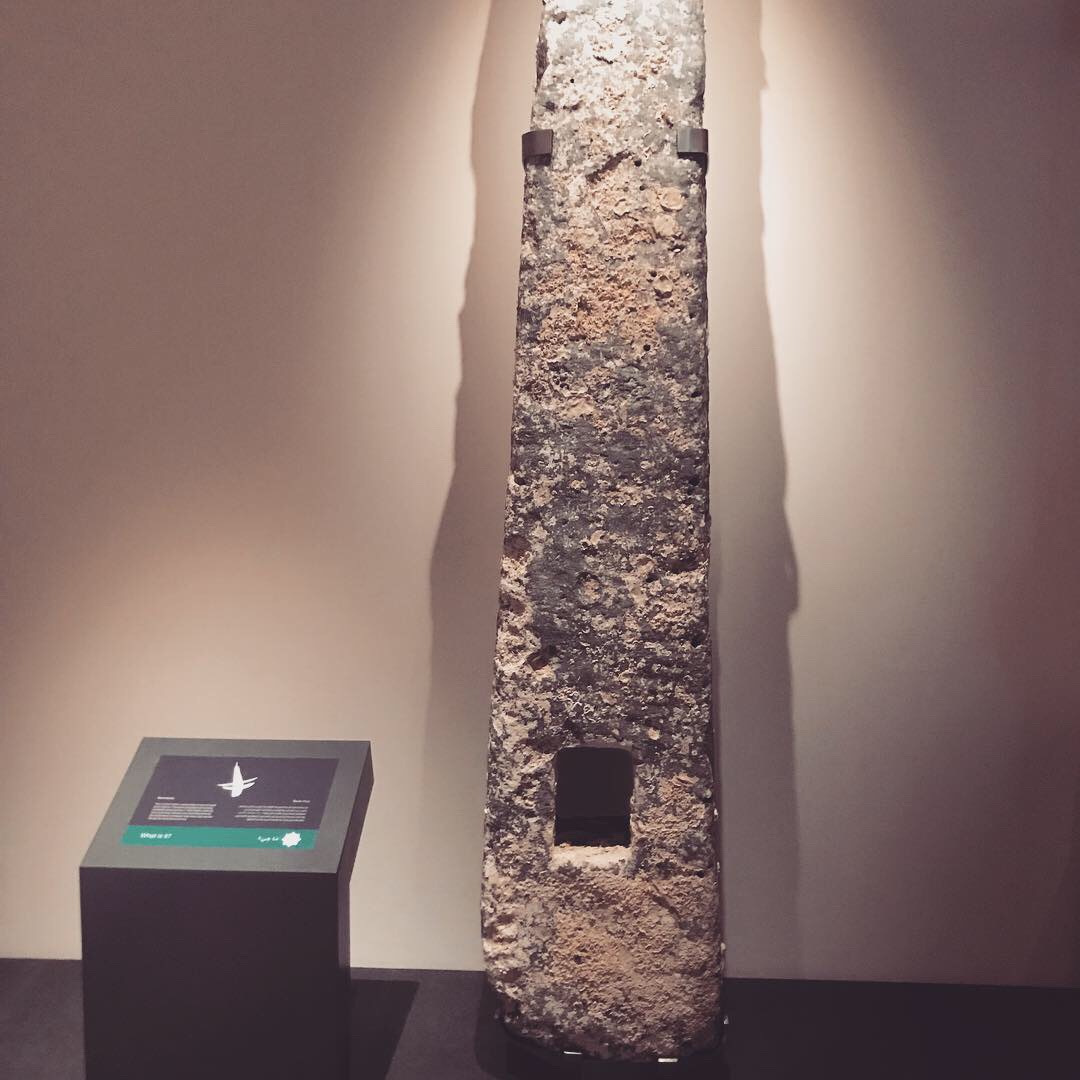
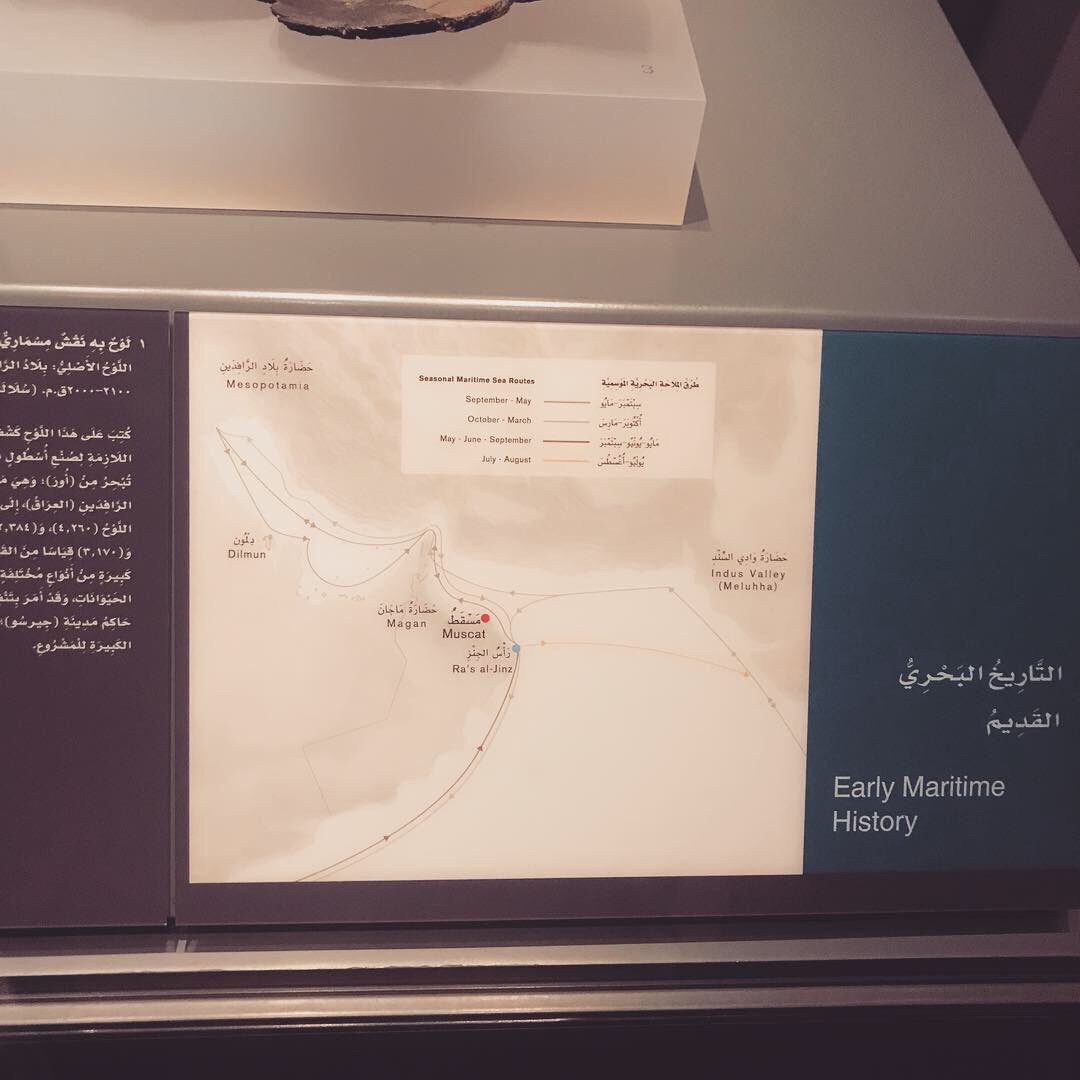
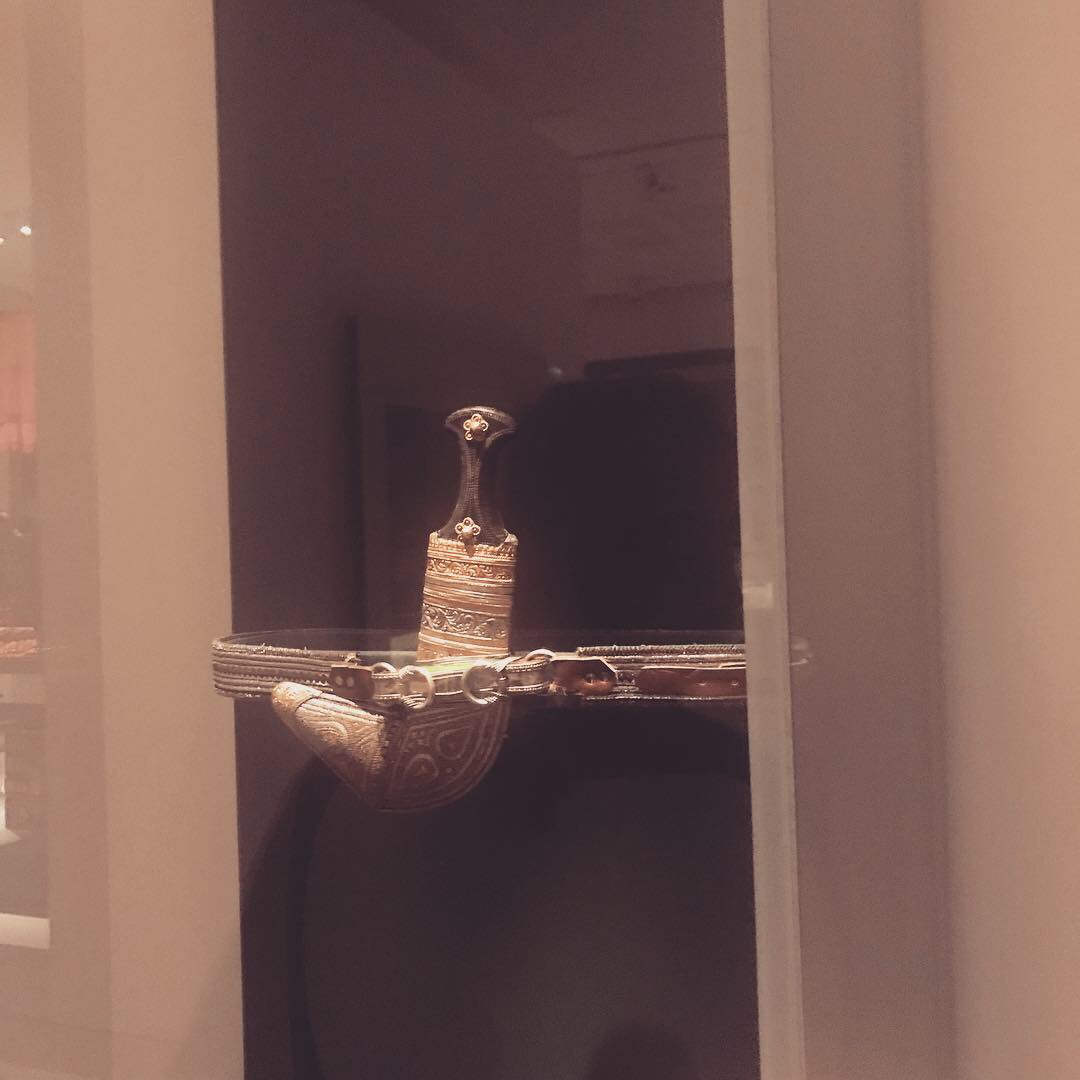
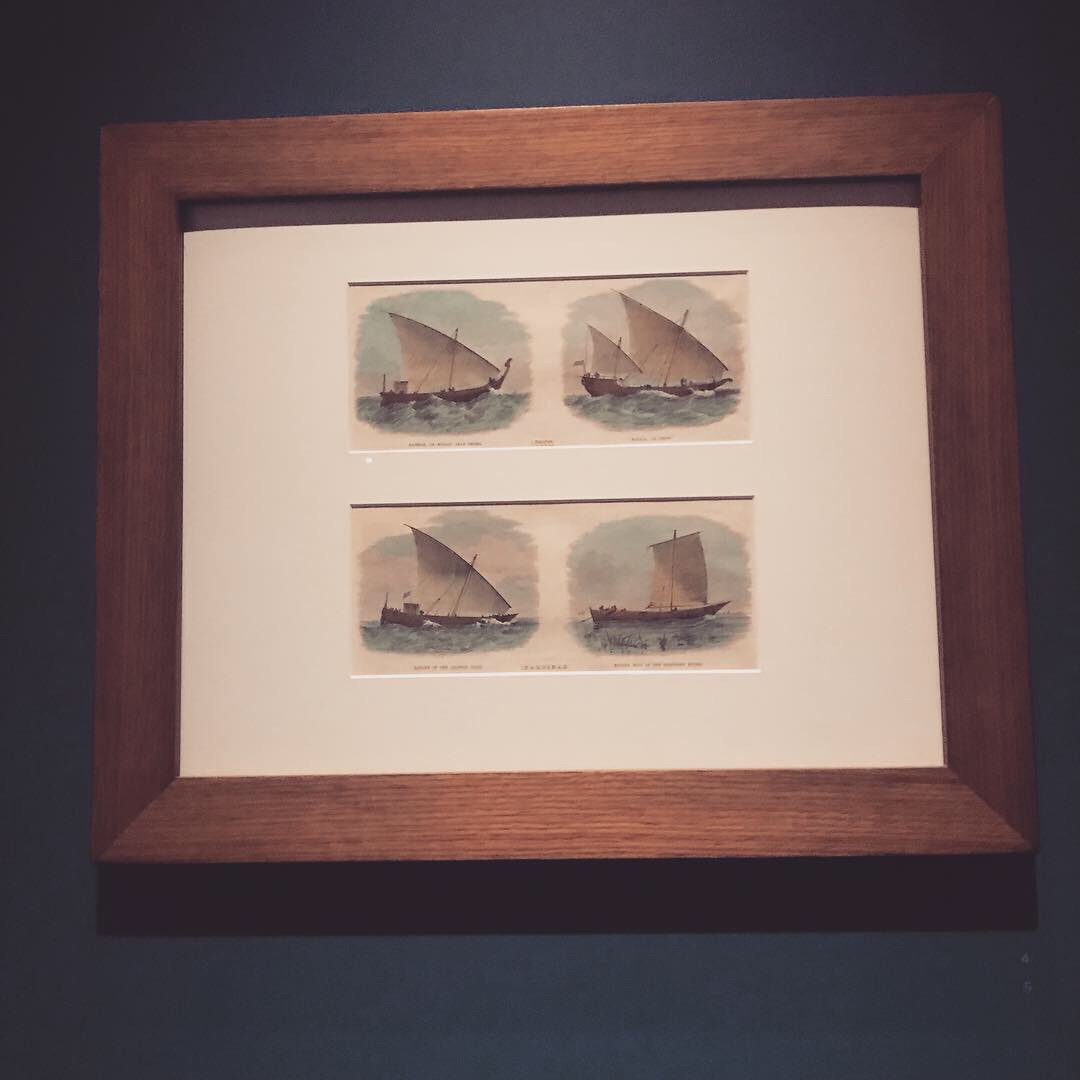
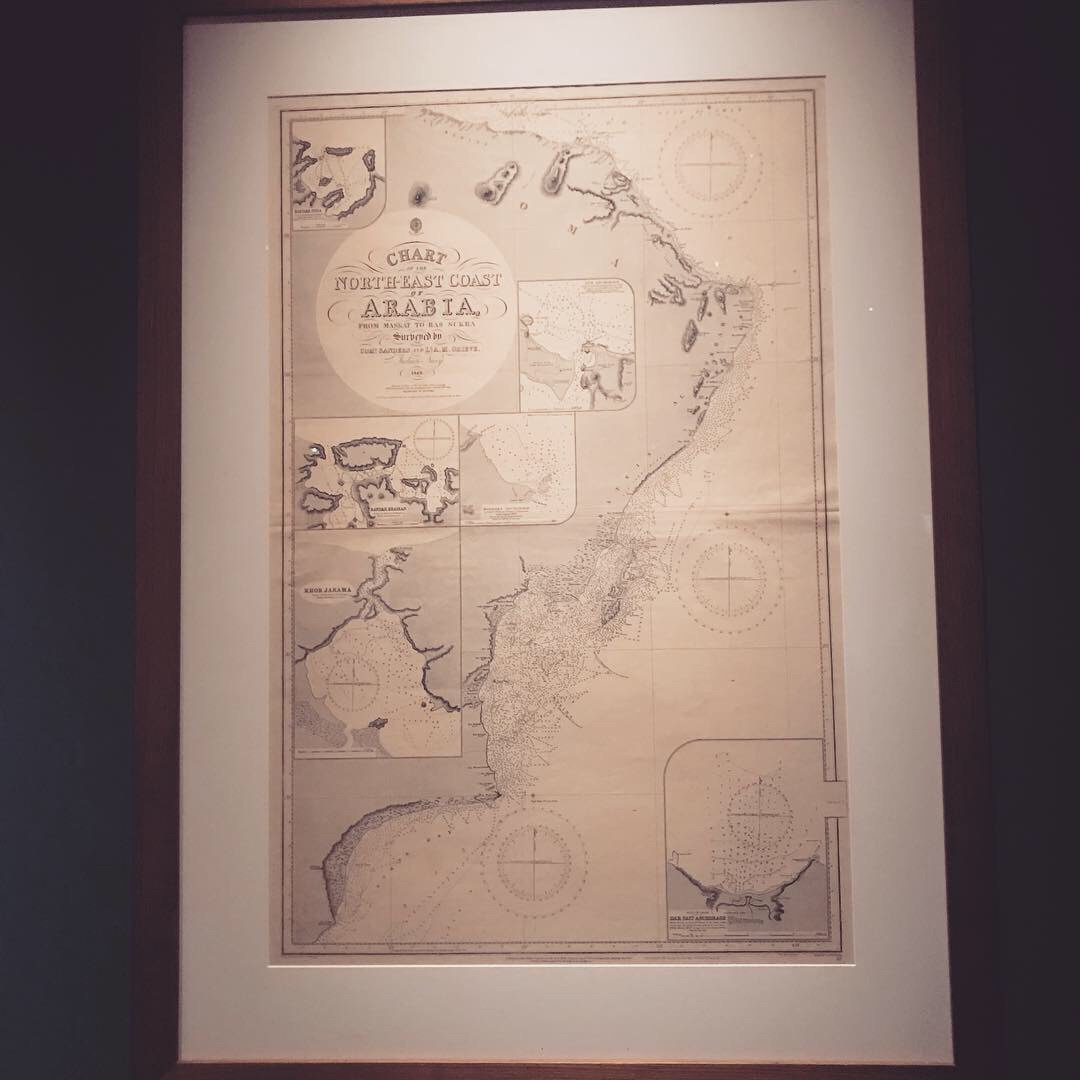
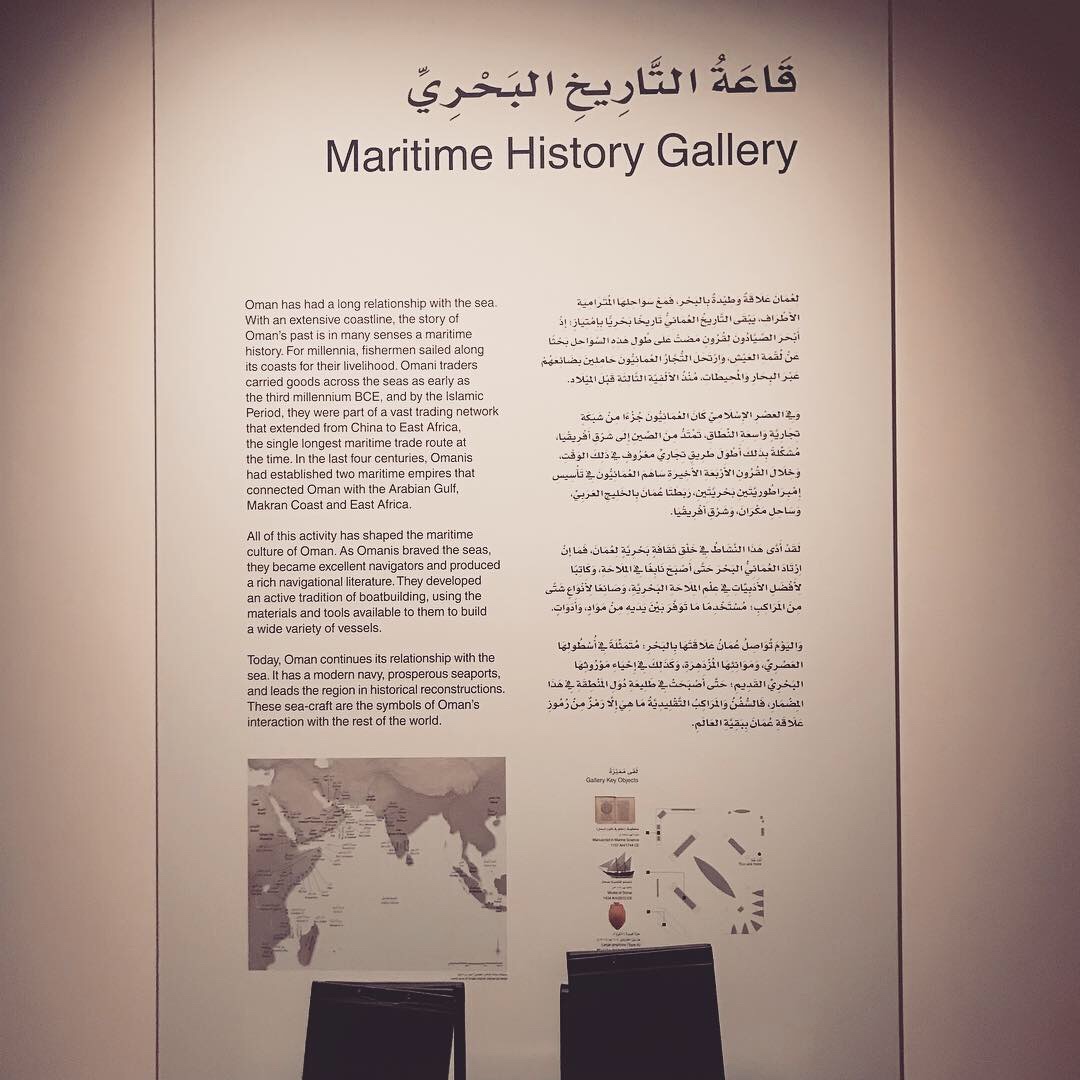
Oman’s Maritime History was explored in a major part of the Museum with life size Dhows and all sorts of armour, with a Boston made canon too. Omani Maritime prowess has played a major role in its history.

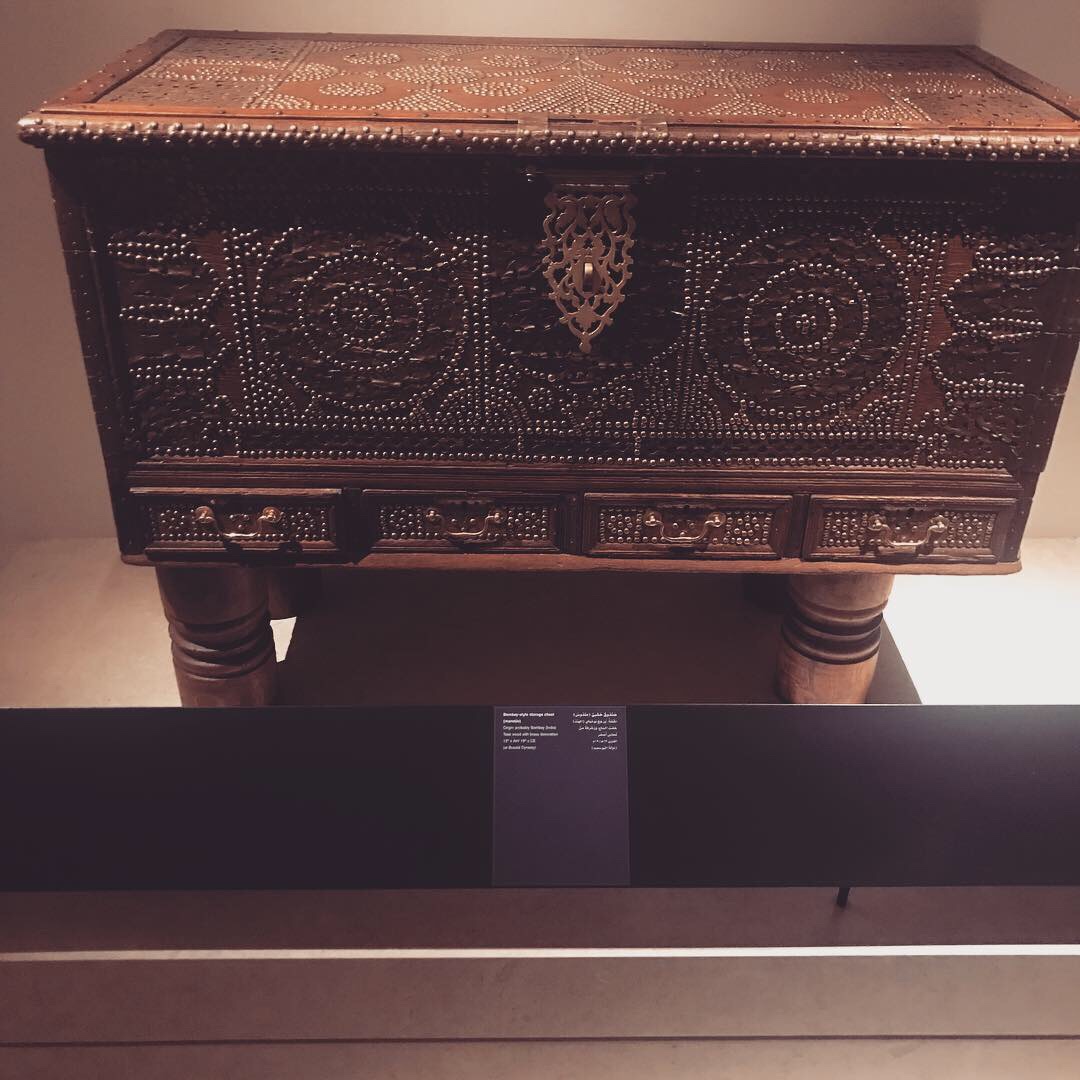
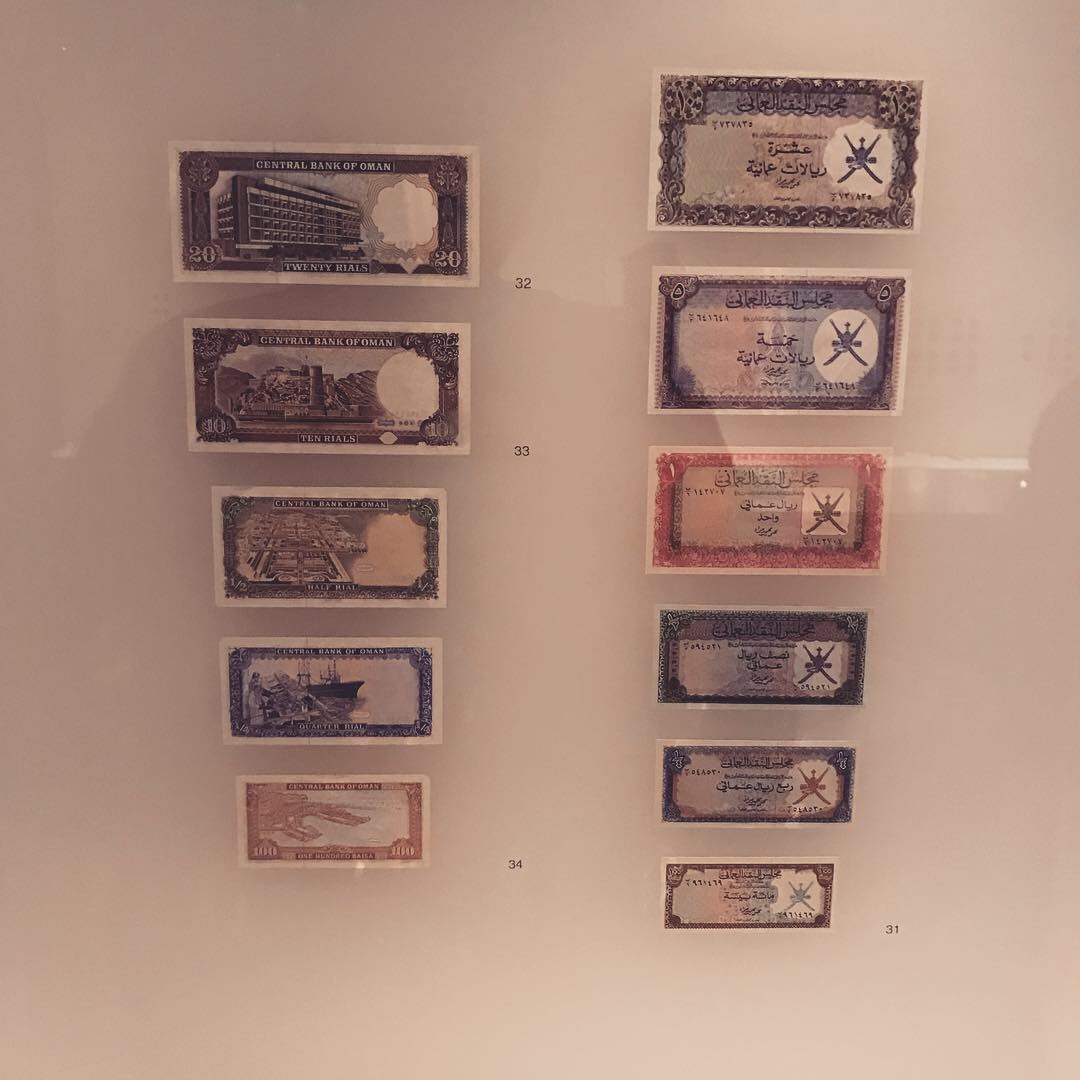
Globalisation started early as Oman had the first diplomatic relationship with the United States in the region. Oman’s History with India was highlighted through a door artefact from Surat made in 1186 AD. Similarly relations with East Africa were depicted through coins and other material symbolisms. The currency evolution was explained visually which caught the fancy of many an expat, as they come to make a living in this blessed land.

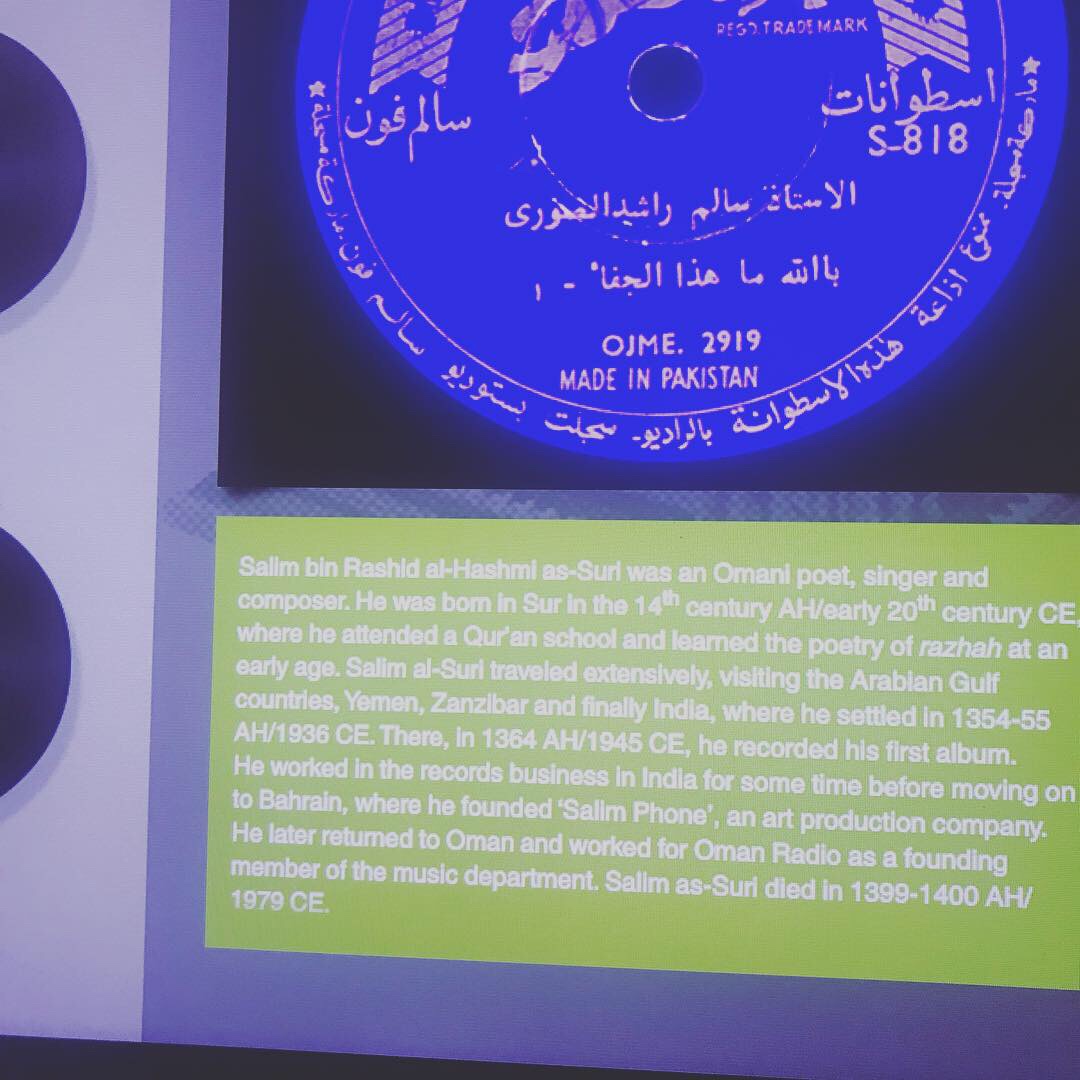
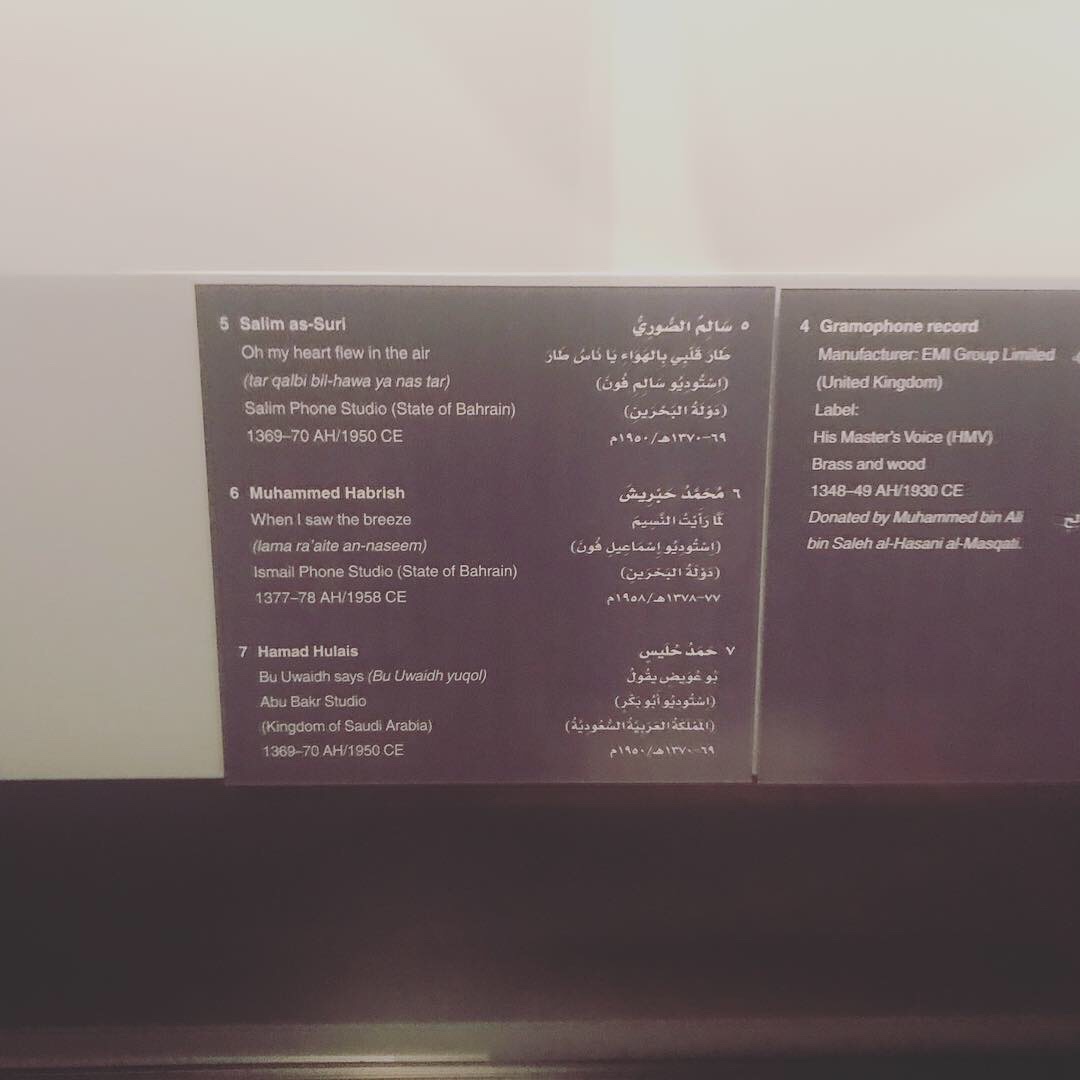
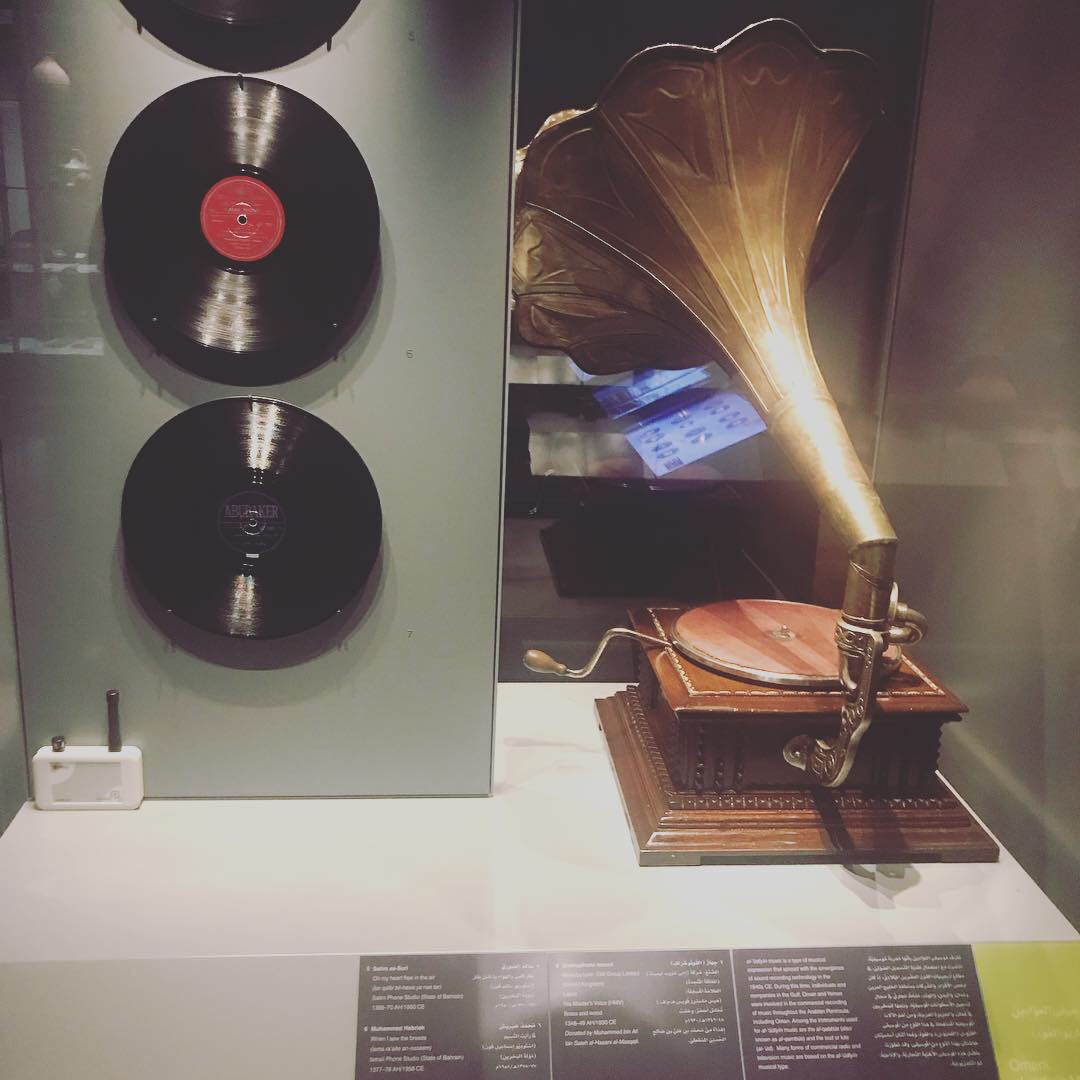
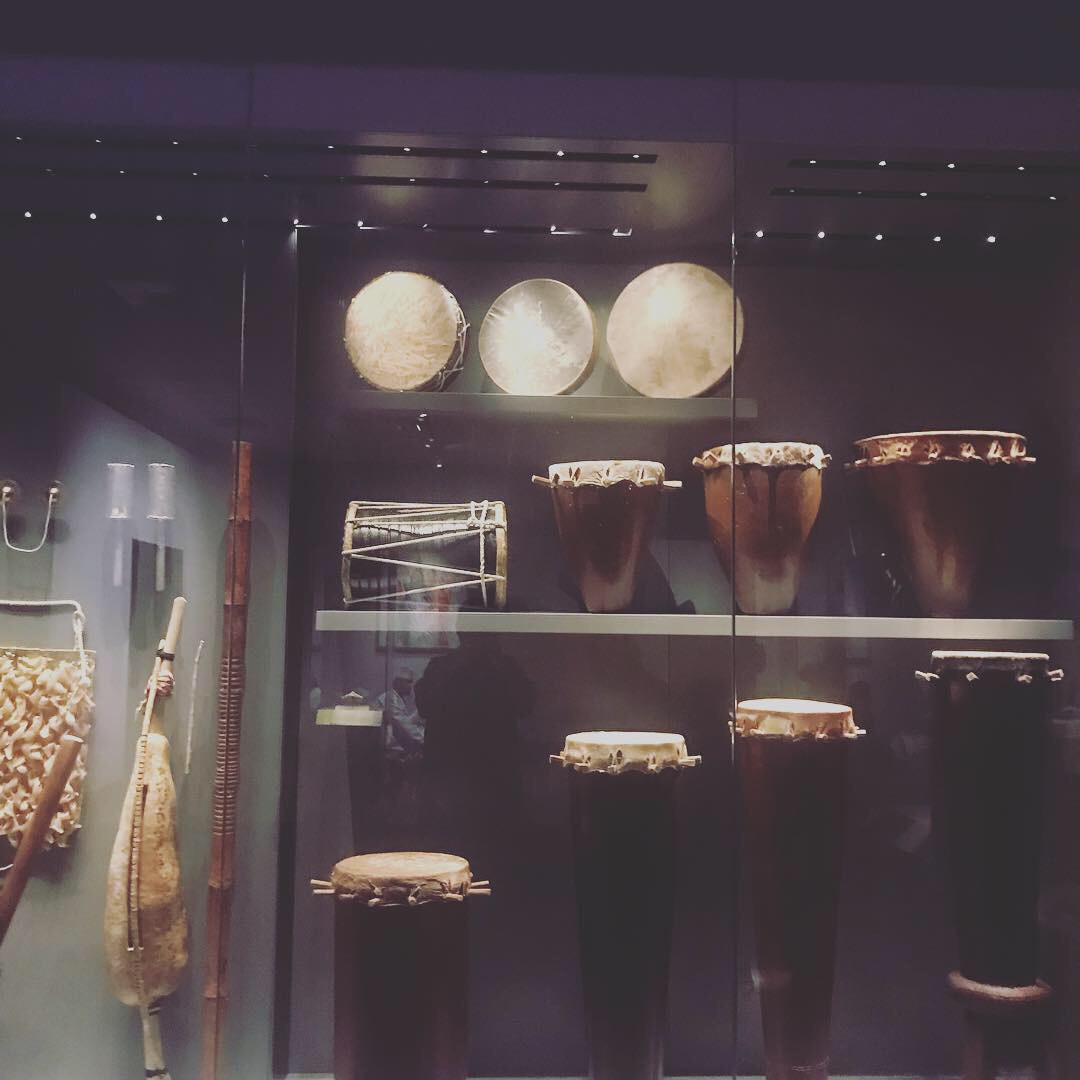
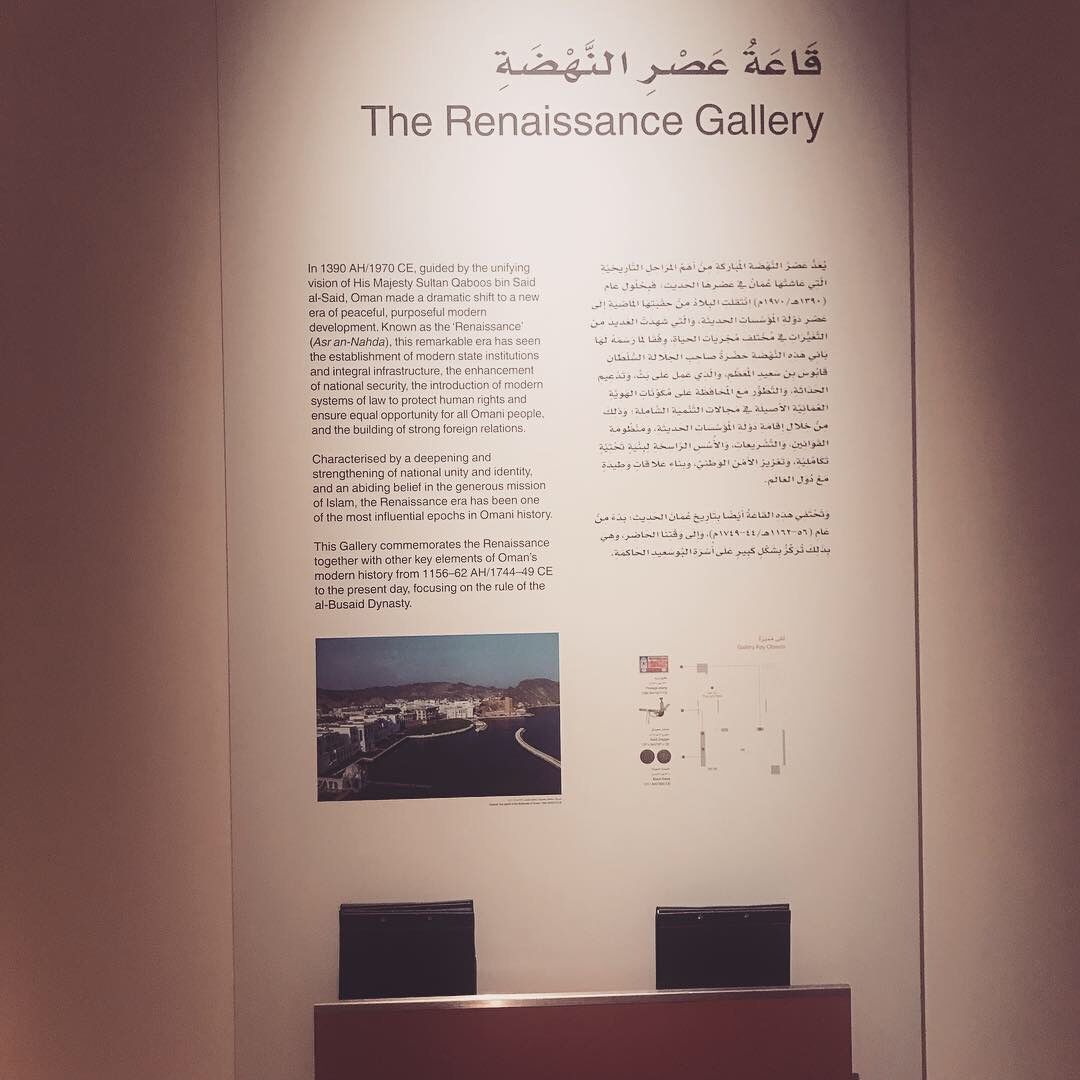
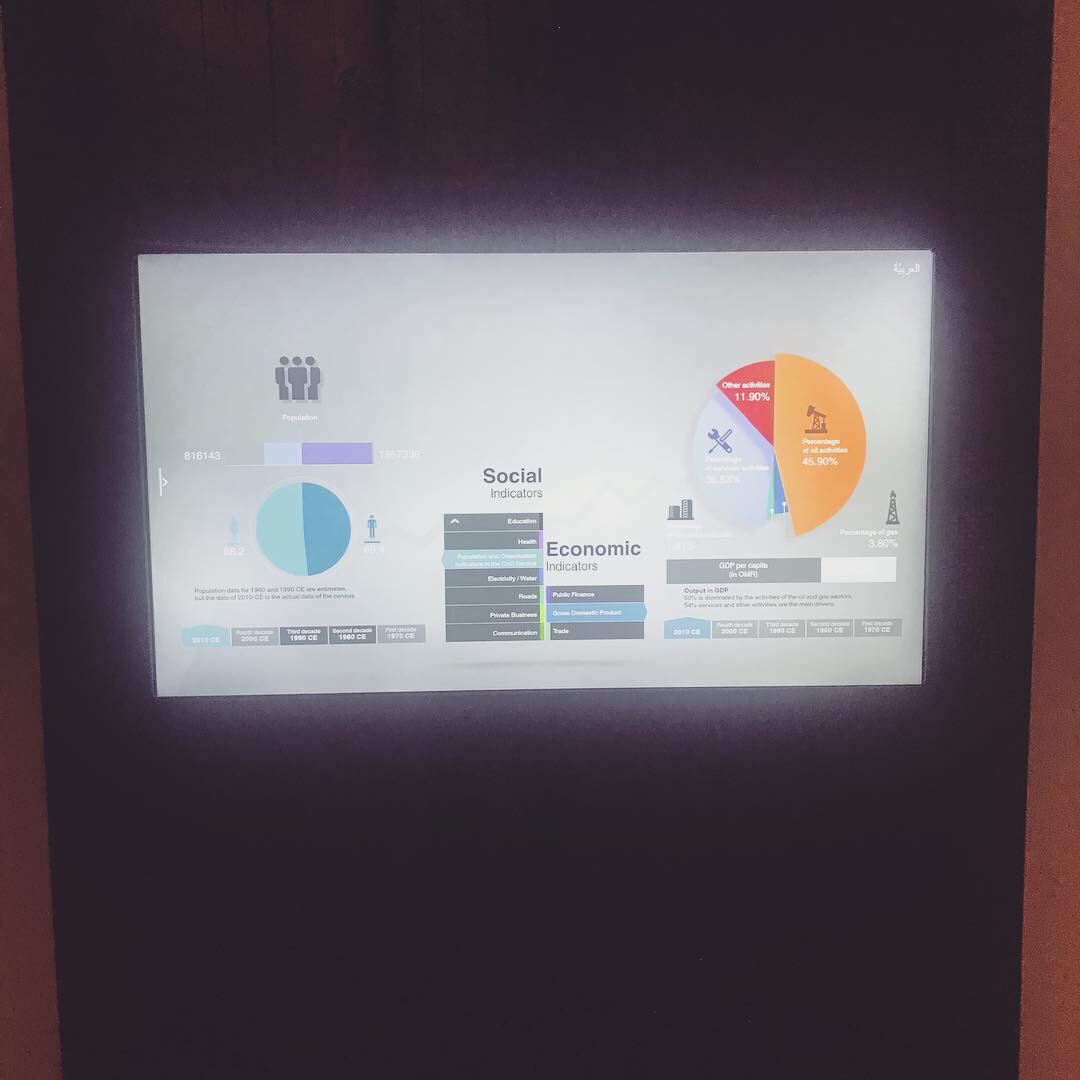
The Renaissance gallery had a socioeconomic statistical data monitor which reminded me of something similar that I came across in the National Gallery, Singapore where art was mapped through big data in May 2018. The musical section had access points to listen to music from Omani artists such as Rashid Al Suri among others. Rashid Al Suri according to the Qatar Digital Archive, lived in Mumbai during the 1940’s.

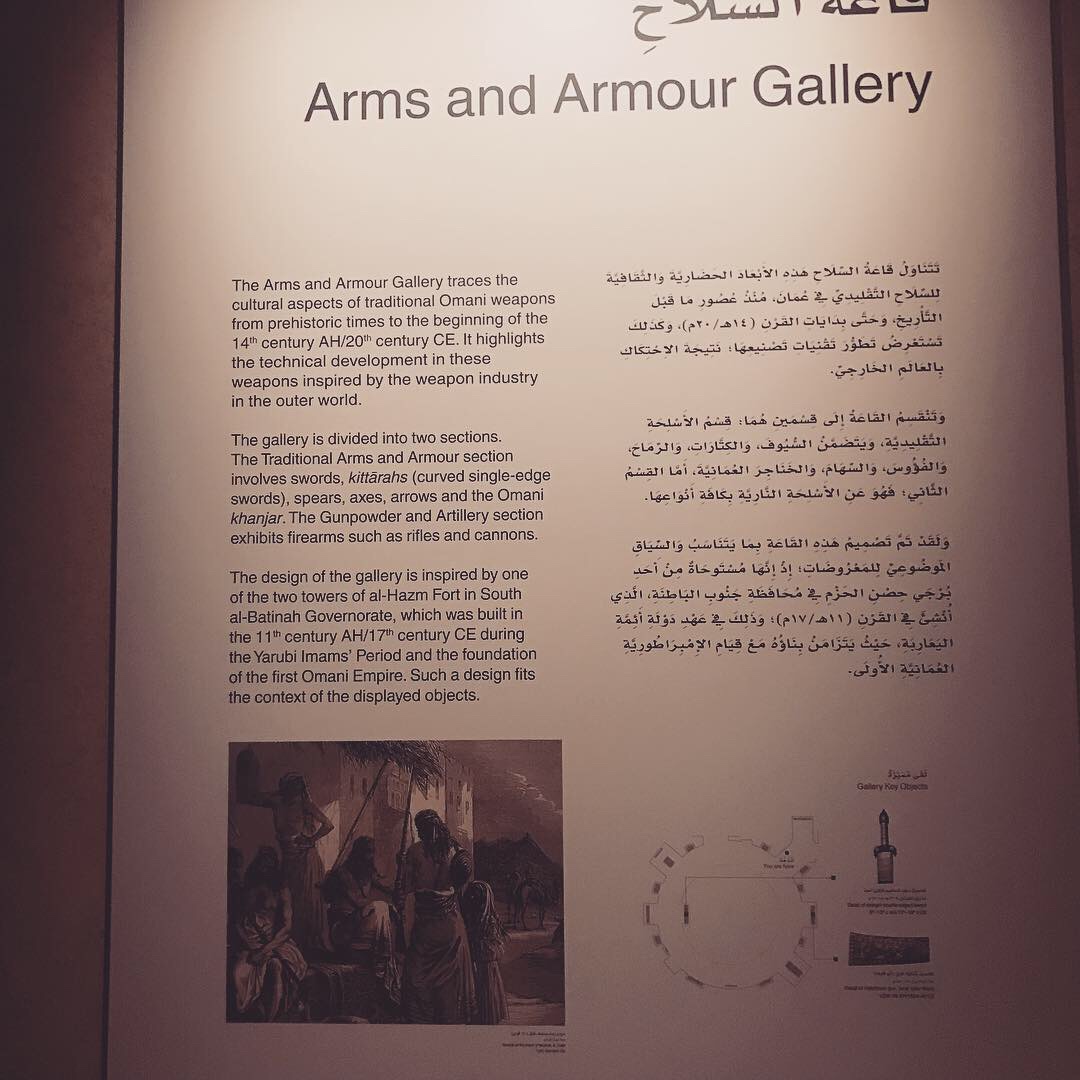
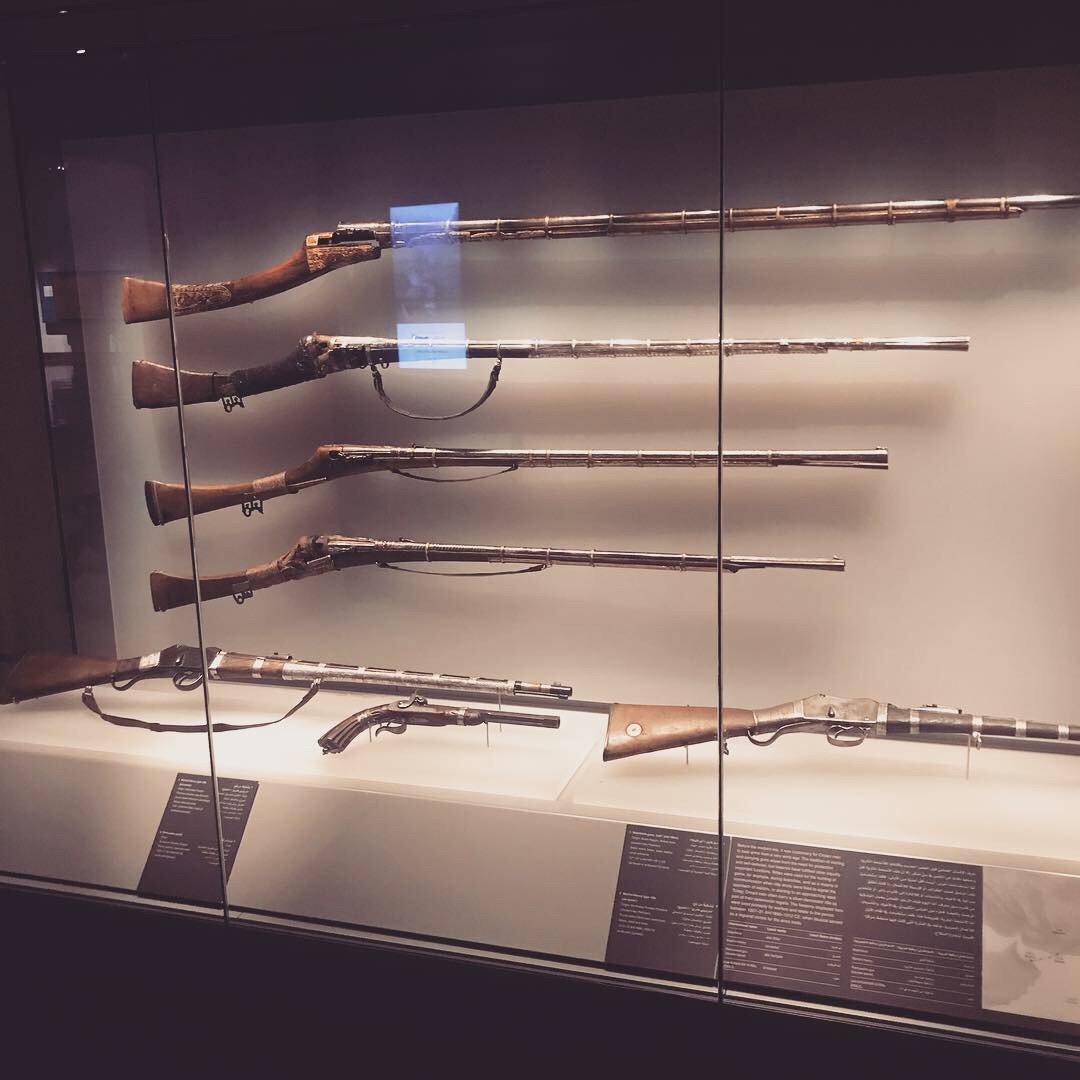
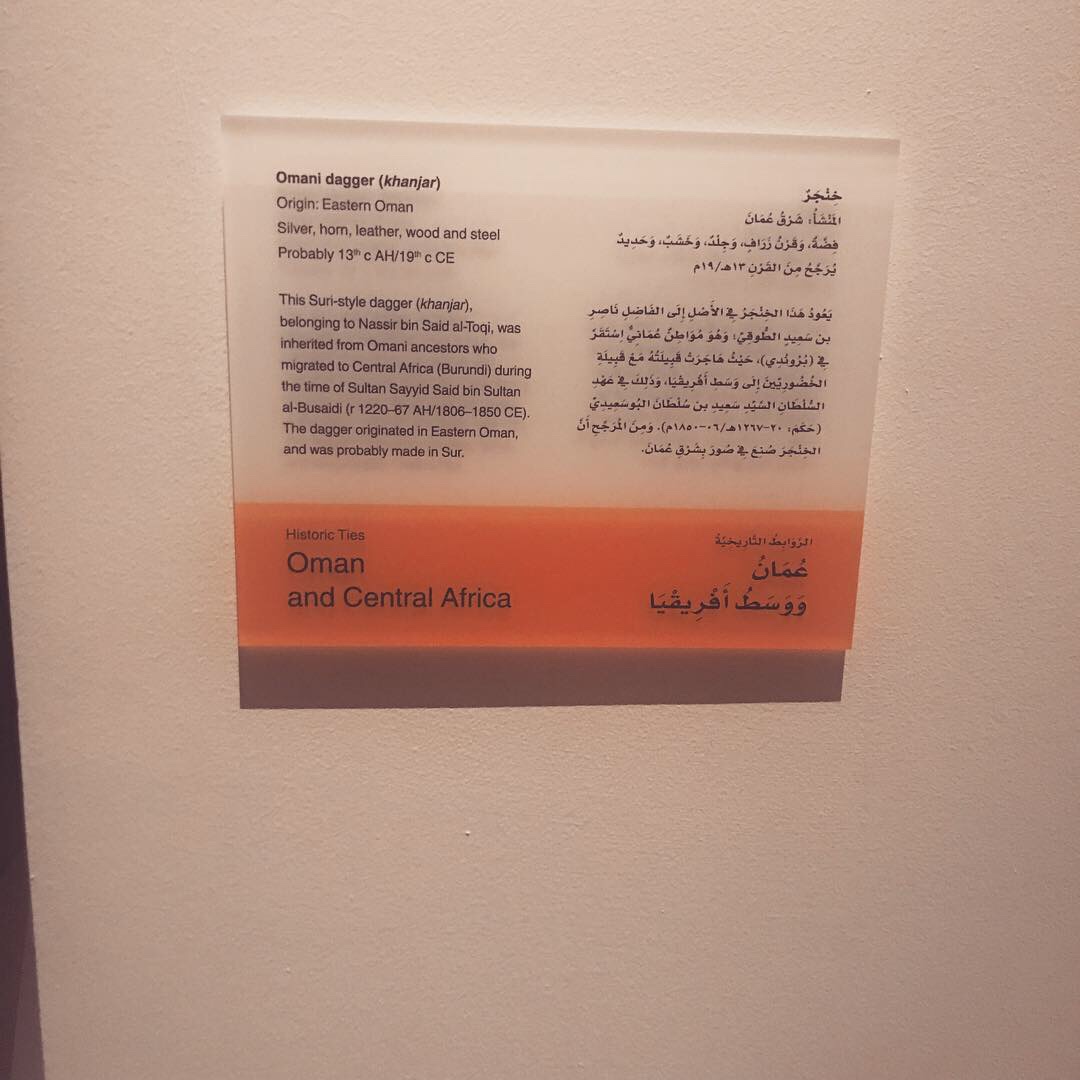
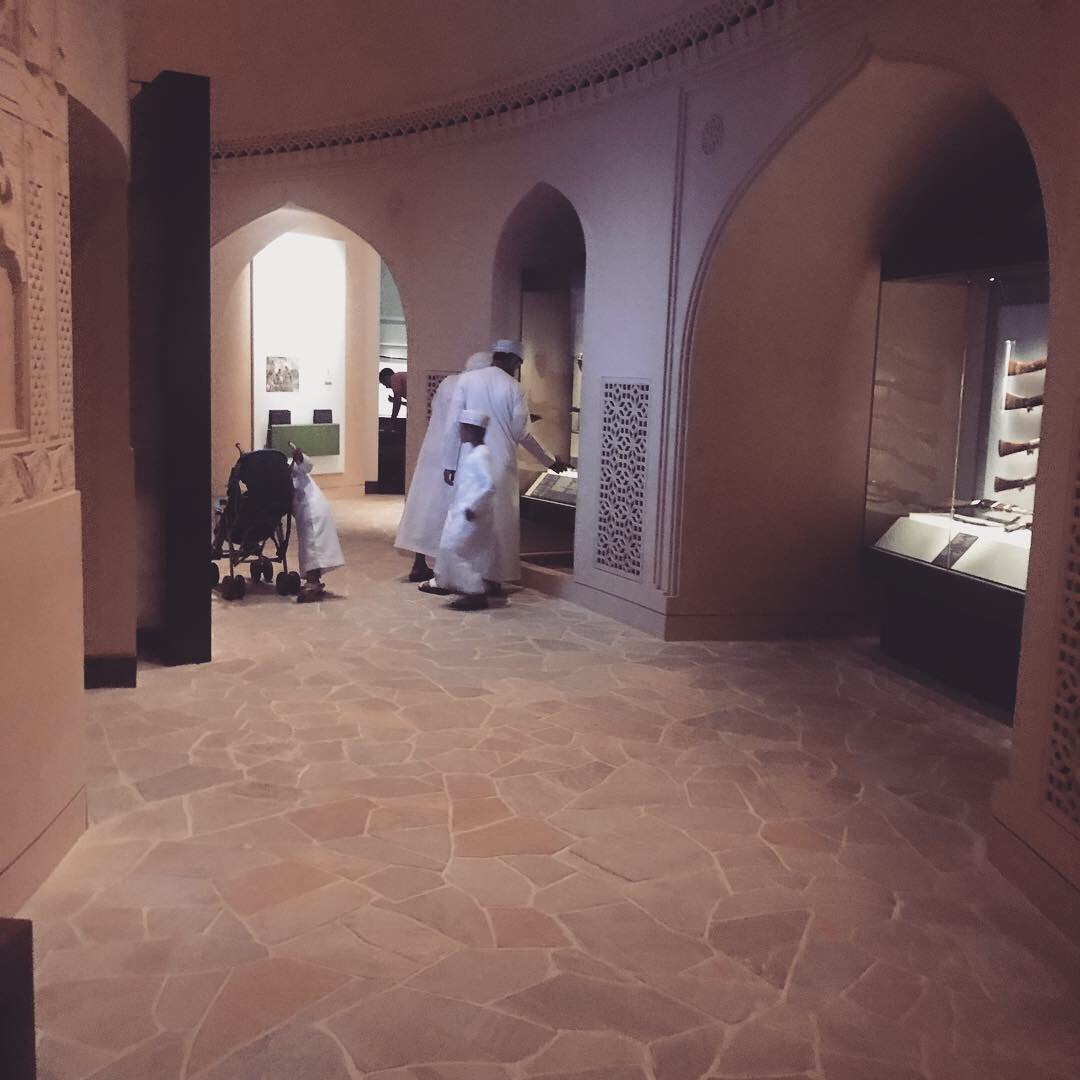
The National Museum was filled with grandfathers explaining to their grandsons various facets of traditional weapons to young men and women dressed up in their traditional finery with flags. History is the crux of building a sense of identity and this National Museum does an outstanding service in illuminating the past for the citizens of the future. National Museum Oman #experienceoman @ National Museum Oman
Ideologies as contested spaces

Ideologies are thought infrastructures, it’s nuts and bolts are implemented in how people think, that is routinely the politics of the text, the text book, the seminar circuit, the media information flows, and the intelligentsia who formulate these thoughts in the first place, as Marx said (paraphrasing him) ‘many have interpreted the world, the point is to change it’ but currently the world over this maxim is being implemented by the populist right from a Brazil to Philippines. The middle classes want change. The left controlled the discourse in India, a counter narrative is being built.

Sur Fort: Photo Essay

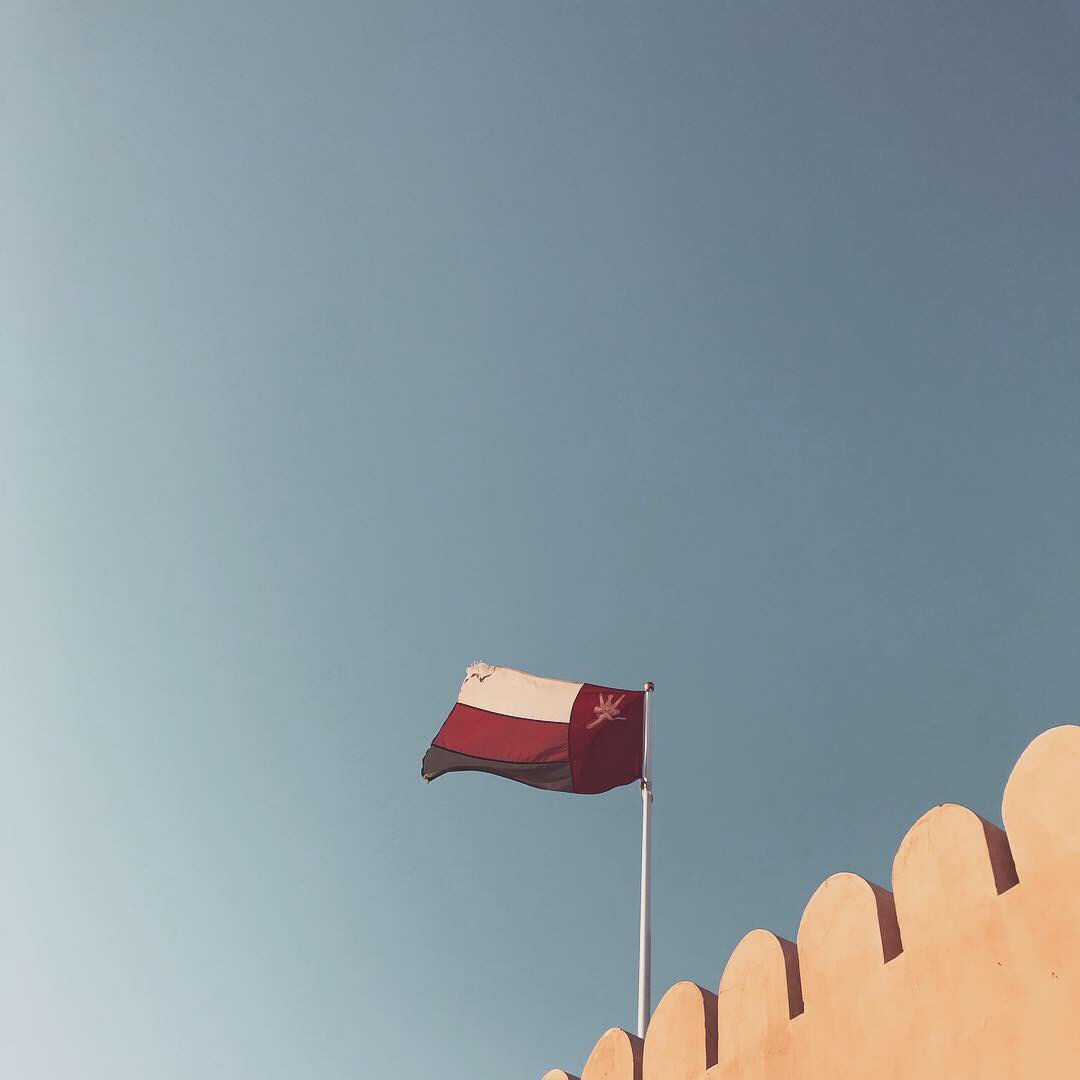
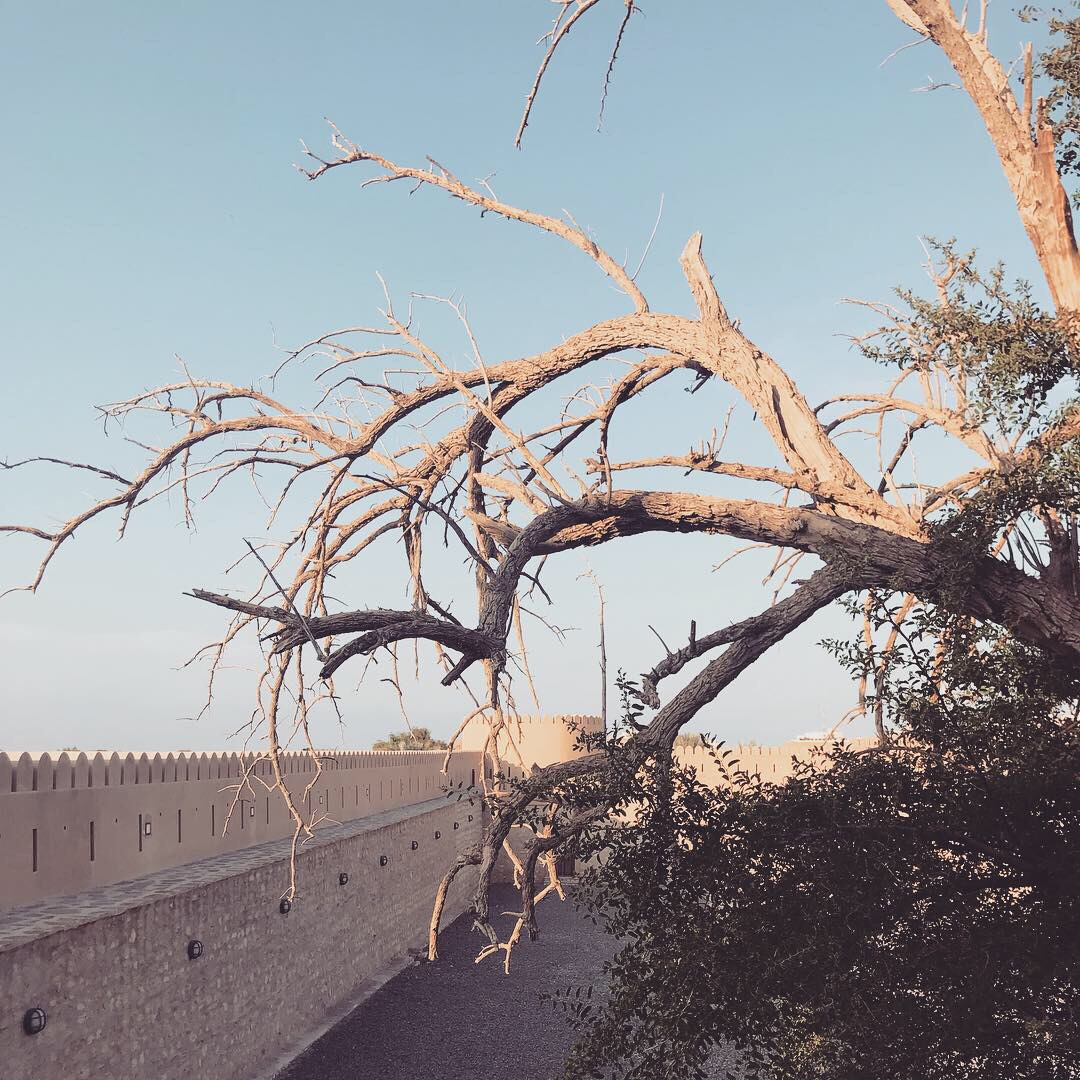
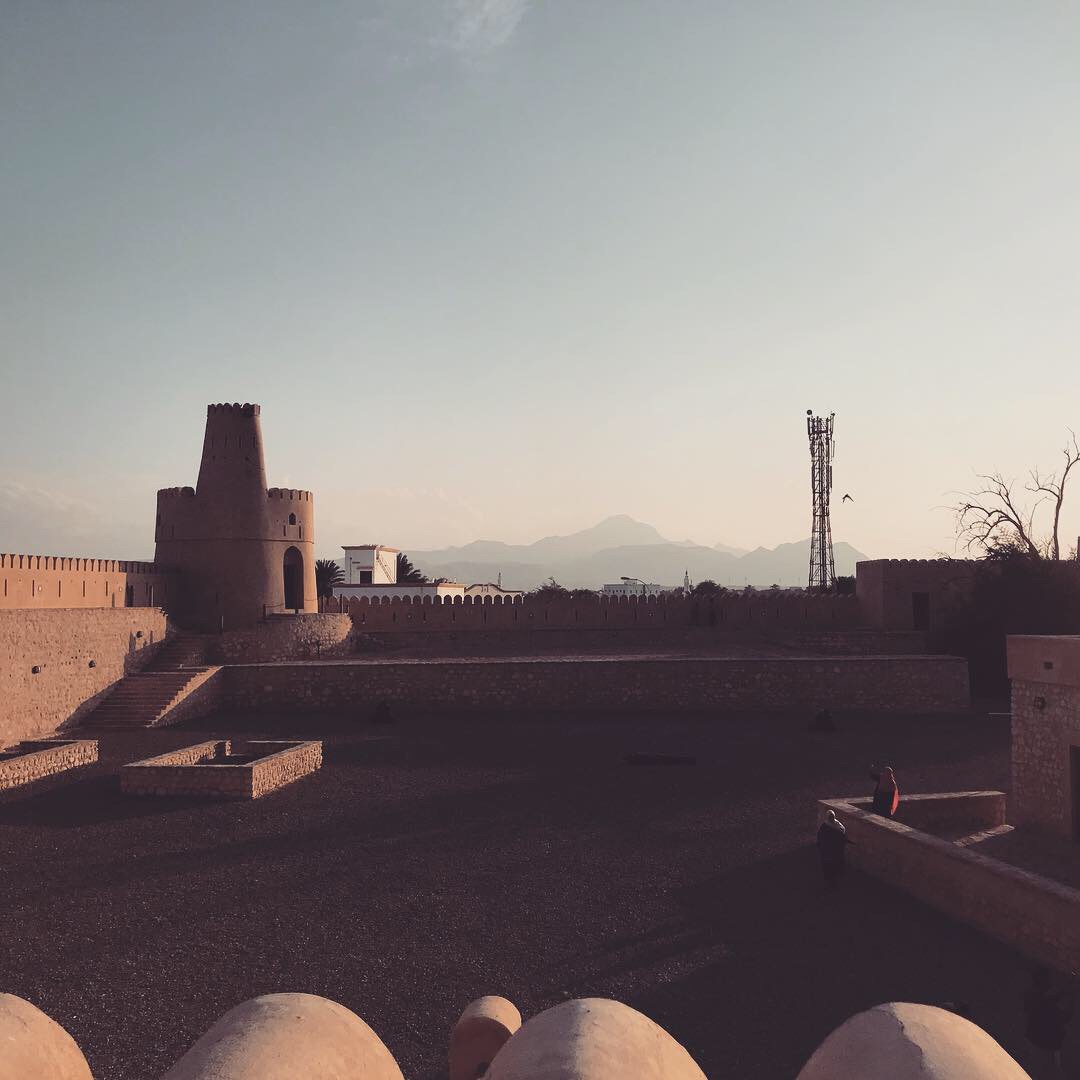
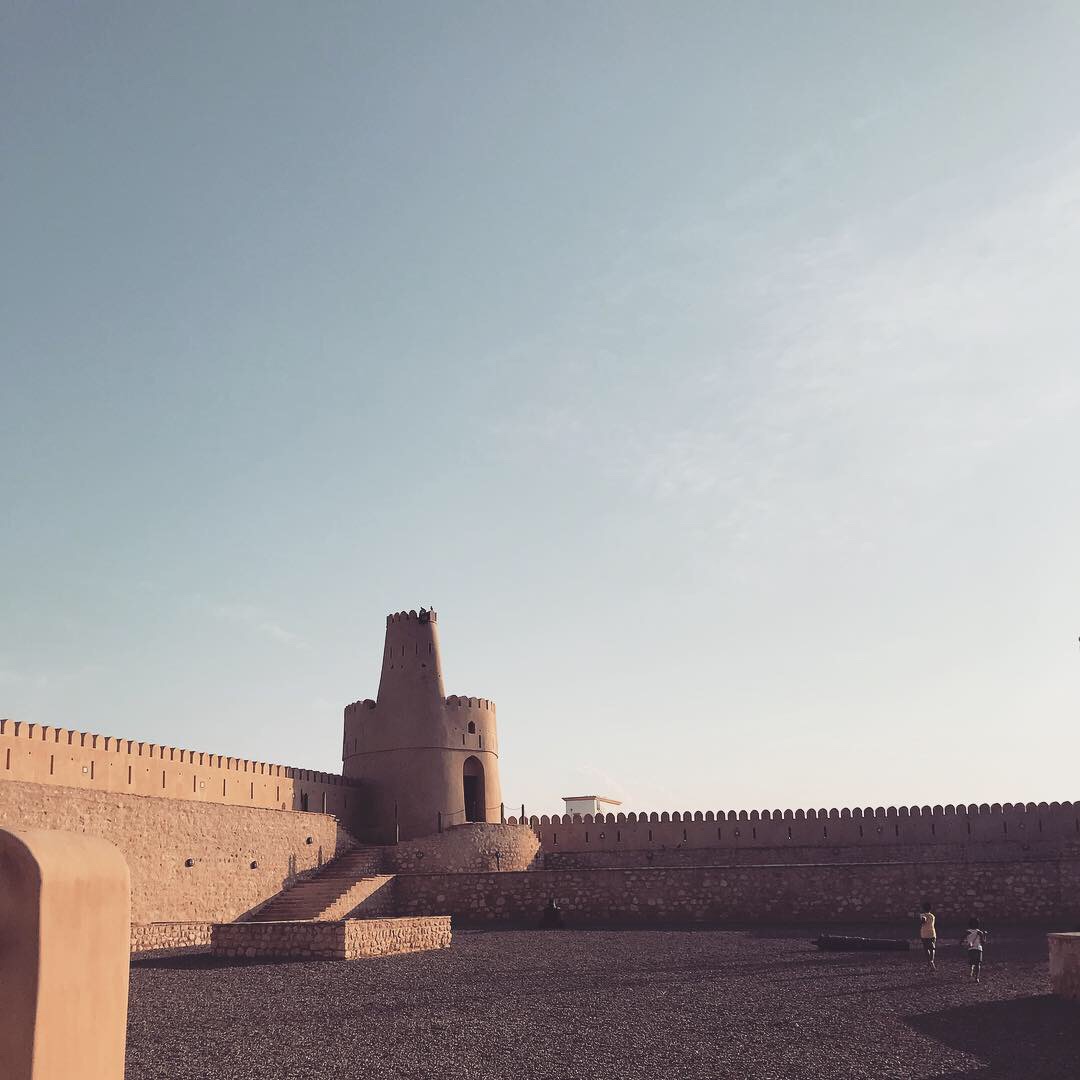
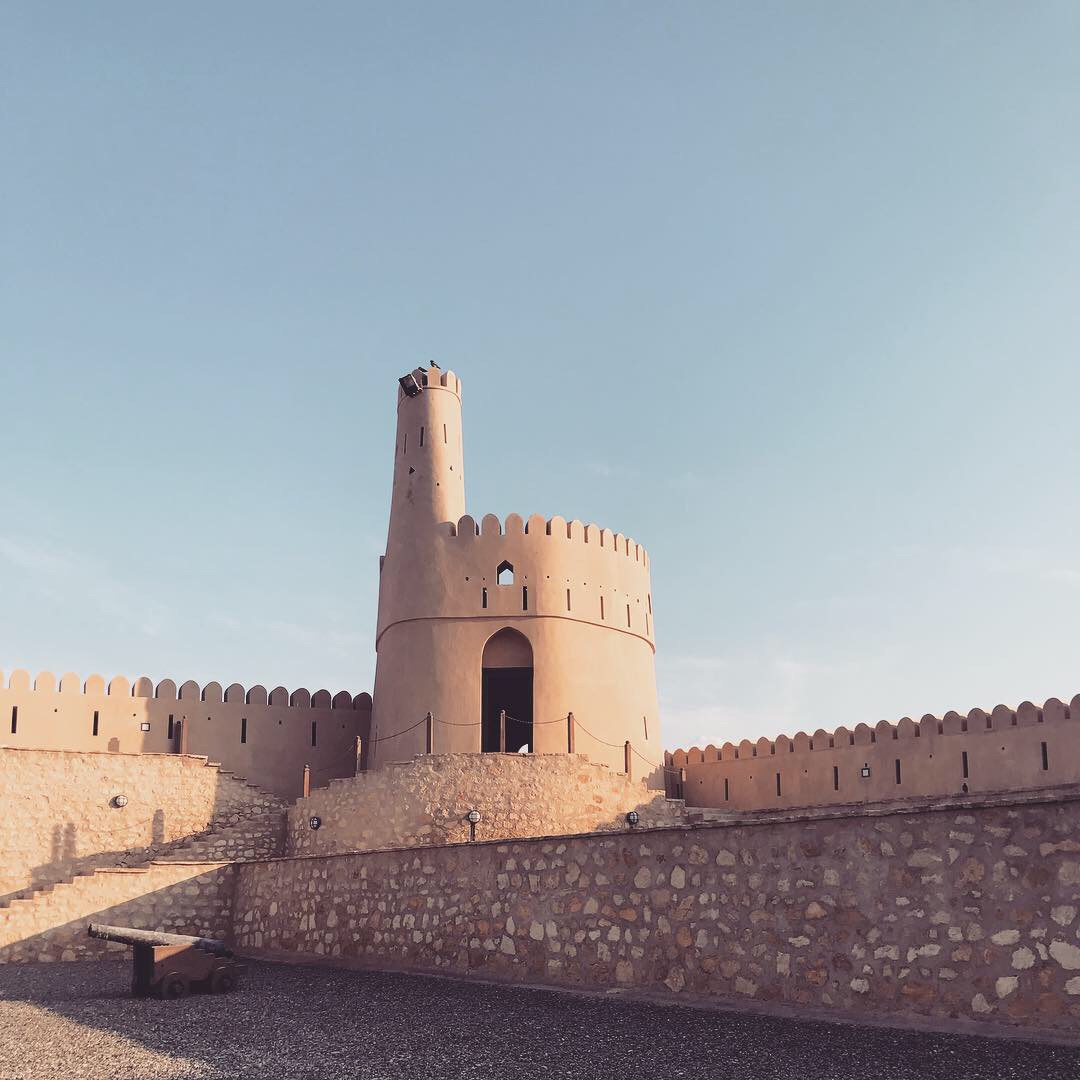
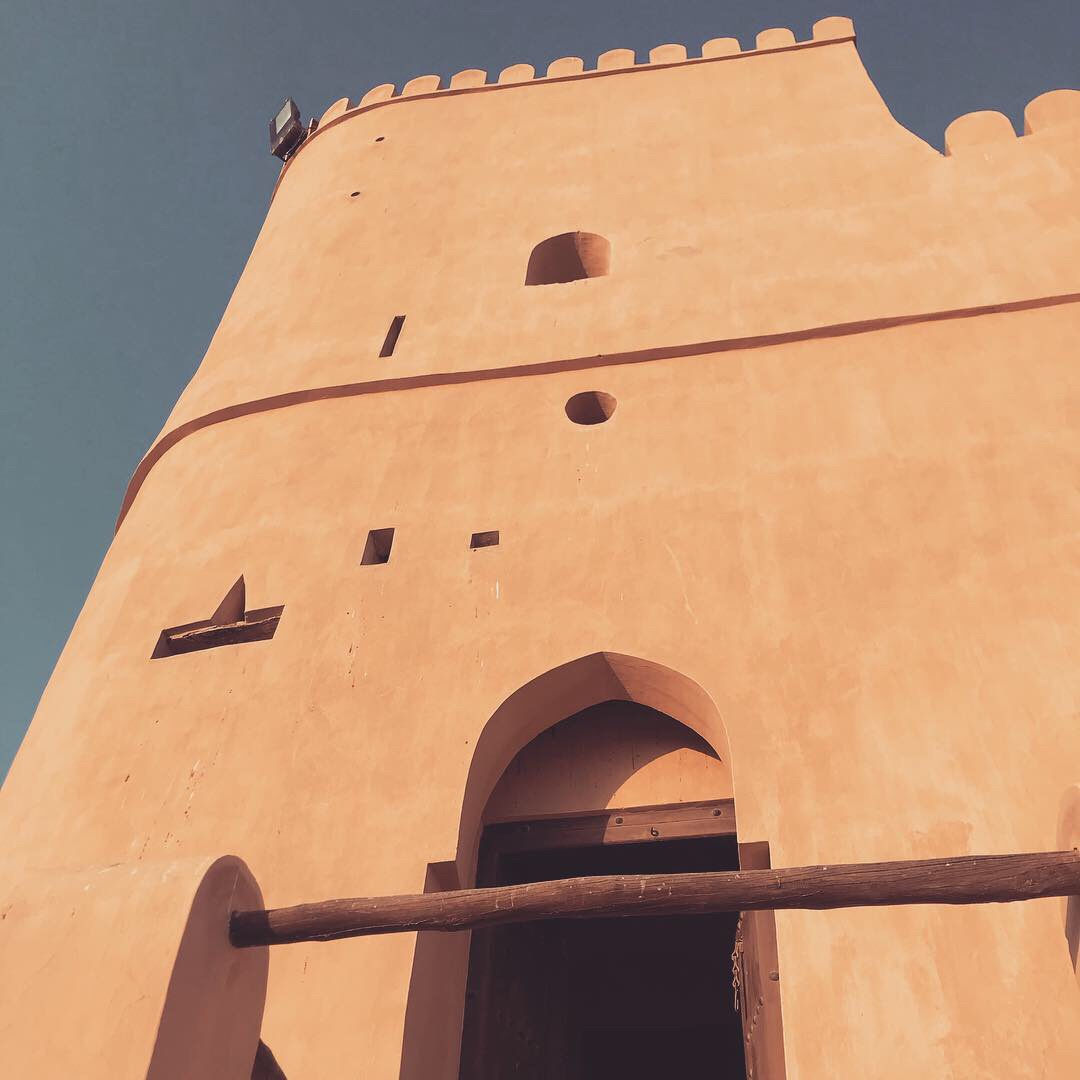
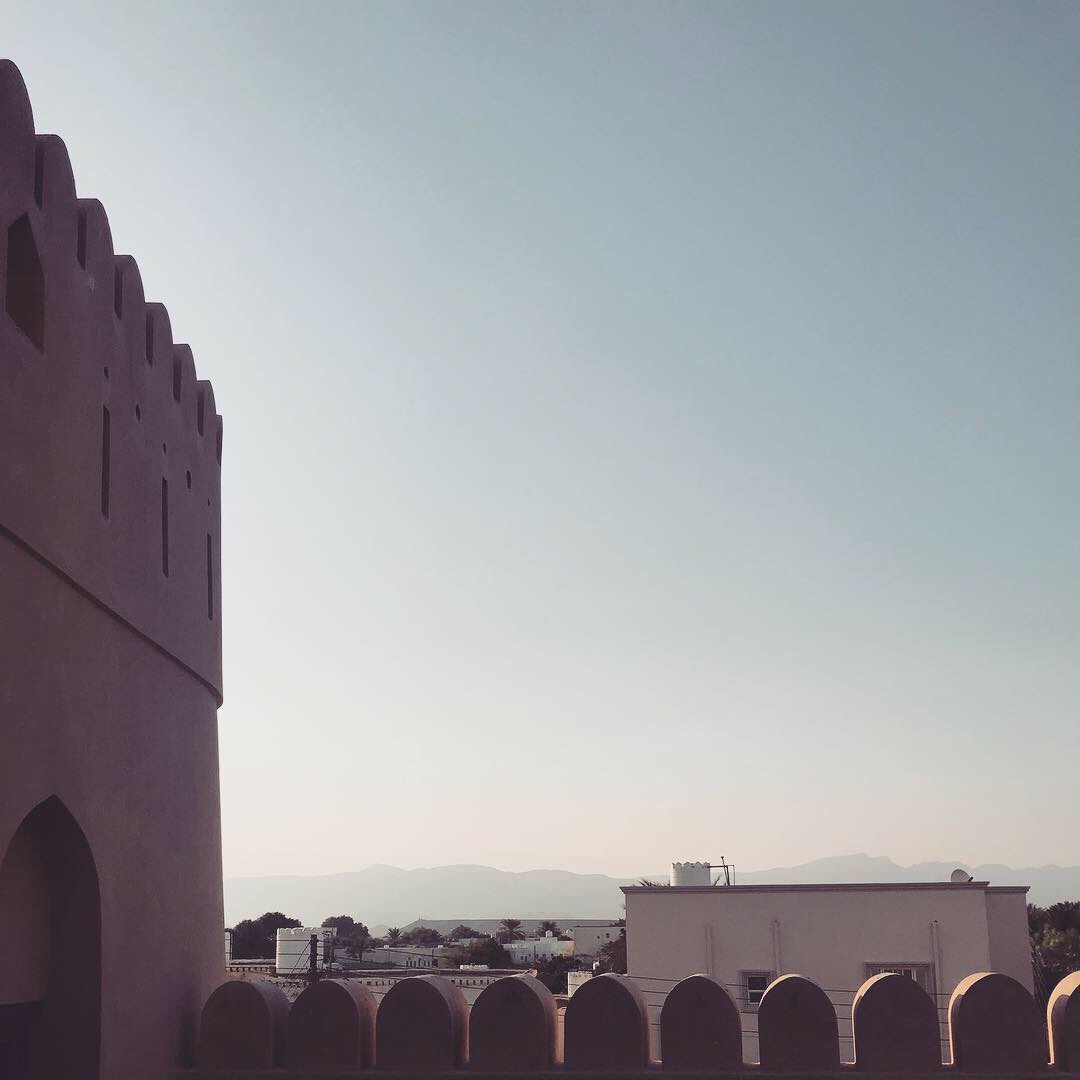
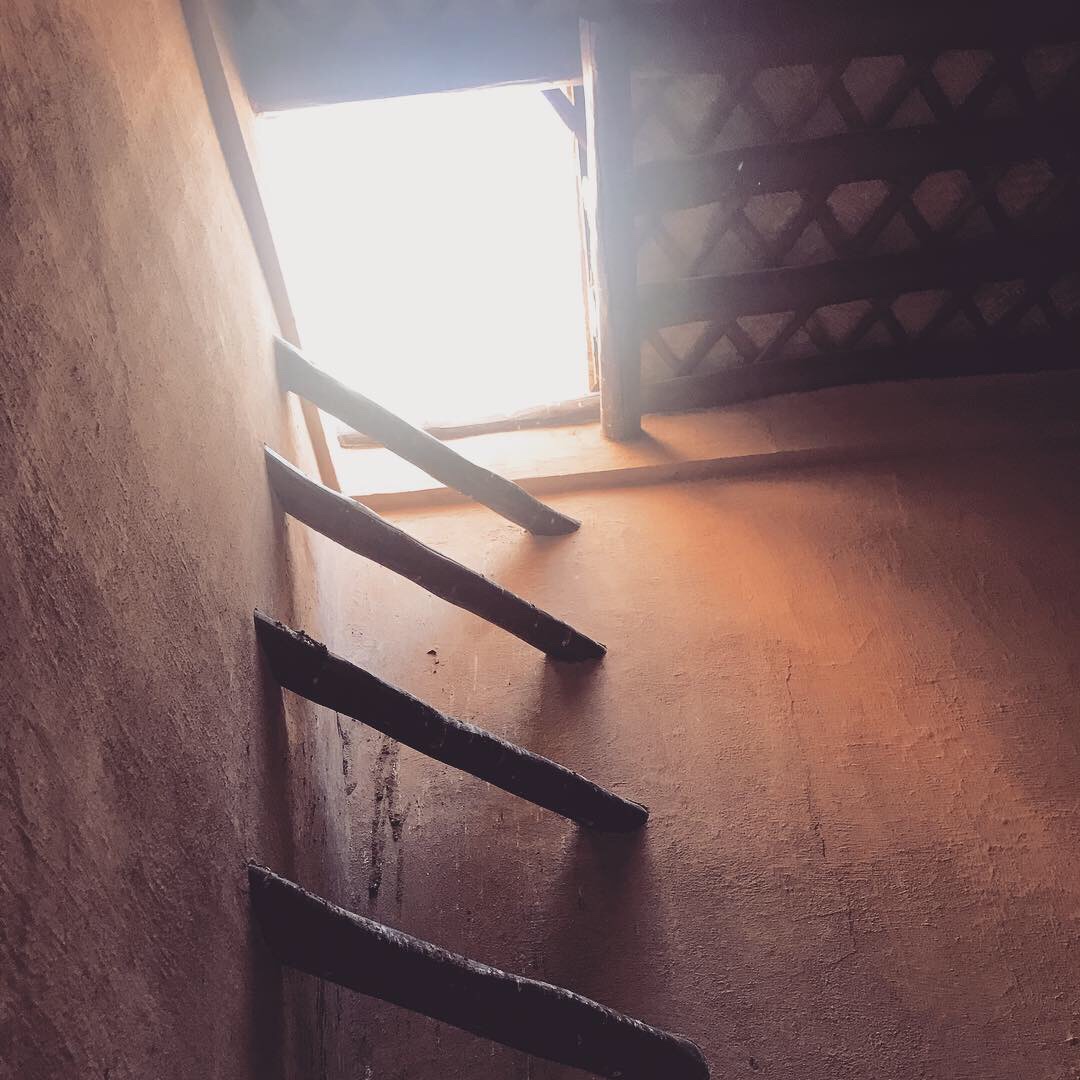
Crossing the Tropic of Cancer into Sur, the historic Omani Trading Town on the Sea of Oman/Arabian Sea interface is a journey into the past and how well it juxtaposes with the contemporary reality of Oman as a shipping and tourism hub is a wonderful case study for Gulf Studies Scholars. I visited the unexplored Bilad Al Sur Fort, a hidden gem in Sur town, impeccably restored to its preeminence.
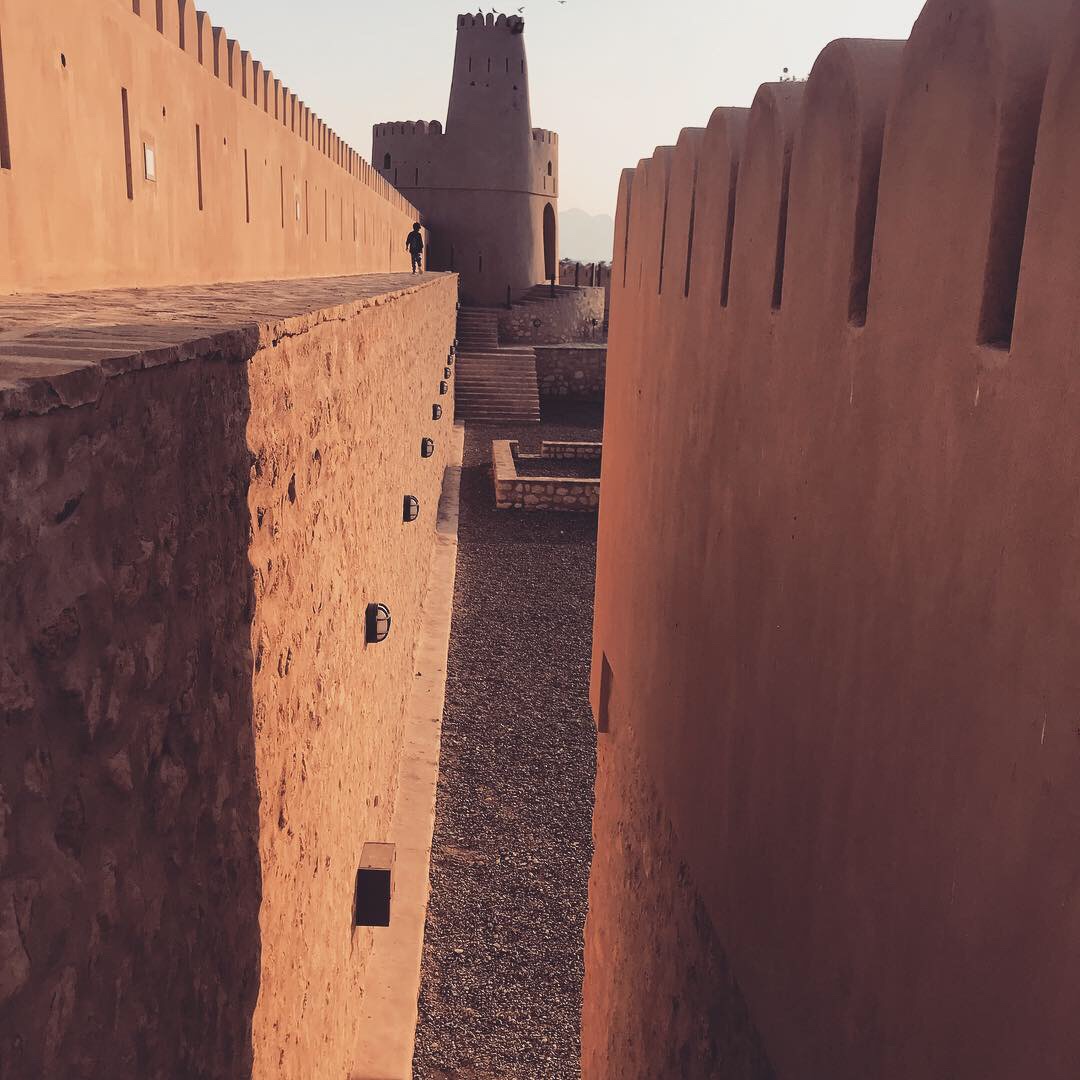
This photo essay is unlike any other. #experienceoman @ Sur, Oman
More than resume bullets
Life is not a resume and obviously can’t be one that is accepted by hiring managers. It is as if we wrap our lives into lines on a resume. There is something called living as well. In all the conversation regarding re-skilling, automation, big or small data, deep learning and smart cities we tend to forget that each journey is unique, have differential set of opportunities influenced by social, economic and cultural capital and habitus.
Life is fuller than reduced caricatures which are essentially lists. We are brands, varnished by LinkedIn, perennial image building is the fuel, but I guess organisations are better off hiring full humans than plastic cvs.

Self.

Survival, short hand for a migrant

Residue of self

Caste, Class,Faith, Race

Find meaning

In art

In the words that are carved

Sculptures of the mind

To hold the person

Deep within

The world outside

Needs paper

Passport,Visa, Bank Statement

To construct the self

Borders and passport stamps

Delineate the migrant

In the amphitheater of life

The border offers opportunity

Also a sense of dissolution

Of the self

Education and Networks

Folks complaining about the decline of public sector higher education in India and globally have to realise that college education is a privilege and social capital does influence outcomes.

In the real world, networks matter and college is a Network. Only the paranoid survive as no one is offering hand outs sans the IRR and ROCE being computed. I realise that having an Ivy League MBA is a huge boost to a professional career but it comes with a price tag. That access to C Suite networks is the opening to talent to access opportunities.

Elections are not theoretical exercises

People react to the circumstances that they encounter whether it is the lack of resources or opportunities. When families can’t put food on the table, the alternative which seeks to demolish the status quo seems viable. People are not interested in theories and policy white papers. Most are interested in the latest Netflix series, rather than evaluating the cost benefit equation of migrants as a value driver in the market economy. People vote against destitution and despair.

Whether it is Naya Pakistan or Malaysia Bahru, or New India; the vote for an alternative imagination is not the sole preserve of the left. Chavez and Lula were not saints. Trump is creating jobs, and Modi leads a fairly popular government. Brazil should be no more worse rather than opeds condemning it from moment zero. Rhetoric during the campaign and governance are different beasts. Left should get out of its theoretical bubble. The battle for democracy is often at the both not in TV studios and critical theory graduate school courses.