Conversation with an Autowallah: Pune Diaries

Had a conversation with a chatty Autowallah, who was in full sale mode with an attitude to overcharge on the pretext of Navratri. He was however critical of an old strongman from western Maharashtra, and very pro Modi, as he finds graft at the local level especially in hospitals reduced. ‘Na khauungaa, Na Kaanedunga’ seems to have found a particular resonance for the urban working class, who still access public services. The Maharashtra polls are around the corner and polls seems to be an academic exercise in democracy.

Modi ji’s Overseas outreach with the optics finds leverage with his domestic audience as confidence building, something which commentators in Khan Market or Soho or Central Park would not gauge with their taxi driver journalism.

Ghuen Tak.

War; The Phillum Review

#War is a masala YRF phillum in the same cinematic space such as the Tiger Franchise. The film is an opulent Spy movie with Hrithik and Tiger, almost an ode to the oomph of the two actors on the screen. 


The movie is uncreative, and is a melange of action set pieces lifted off a catalogue of Hollywood movies from the Mission Impossible films to the Bond series.


As a bollyholic, the movie has instances identical to Ek Tha Tiger and Tiger Zinda Hai, which is even by YRF non standards poor.


The movie is held together by an one actor act, Mr. Roshan is in fine form and a treat for the heteronormative female gaze.


Adi on the other hand, get your creative juices flowing.

Pujo as Diasporic Anchor

This Pujo, as usual I observe the festivities from Japan to Joburg to the Valley, on social media feeds, i realise how the Global Techie Educated Affluent Calcutta Bong, creates these anchors in the probash to feel rooted.

I have very little attachment to the Pujo, given my rather mobile existence over the past decade and a half. However a sociological essay is due from the Aantels, on the Global Diasporic Pujo Industry. It shall be a good read.

Understanding Egyptian Soft Power in the Khaleej

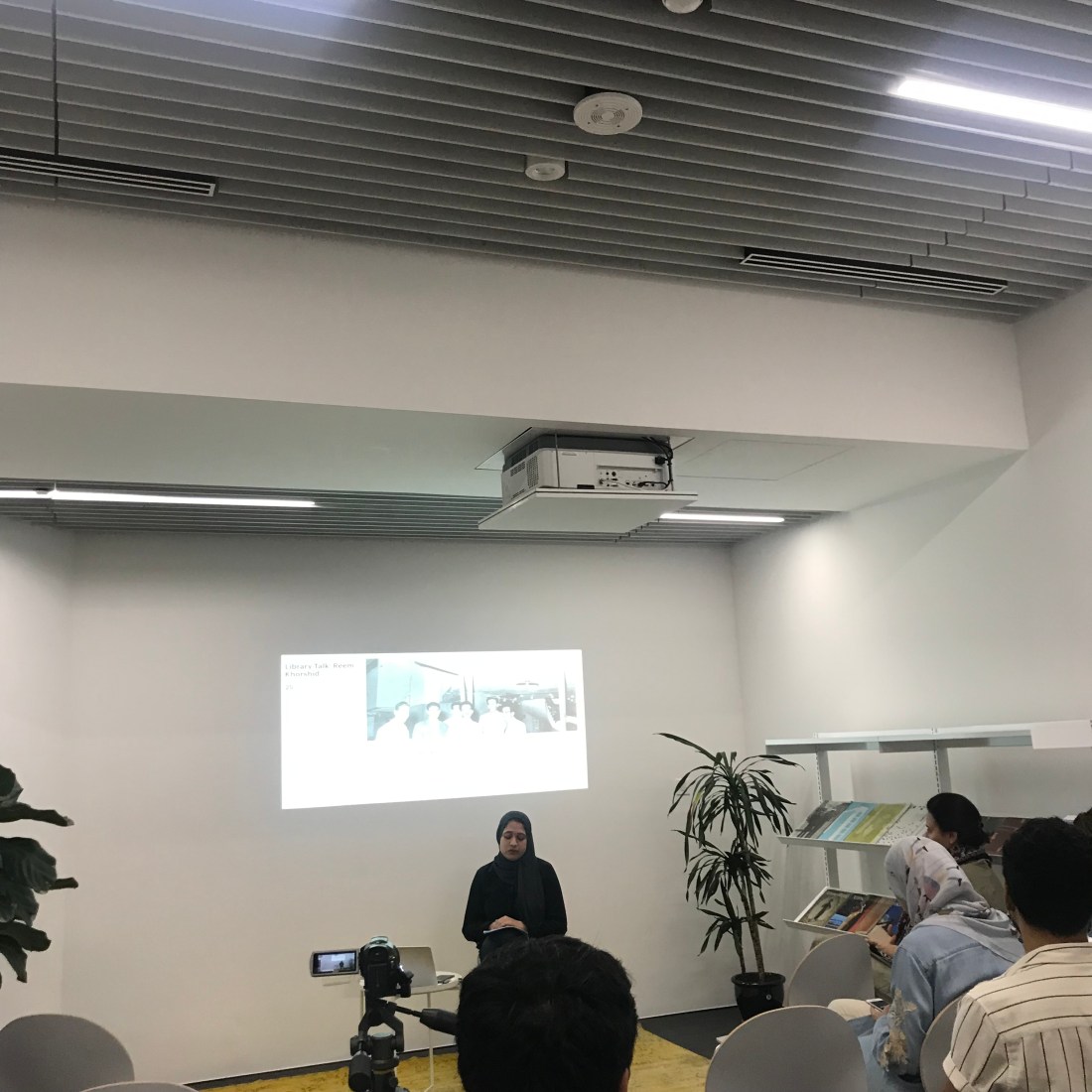
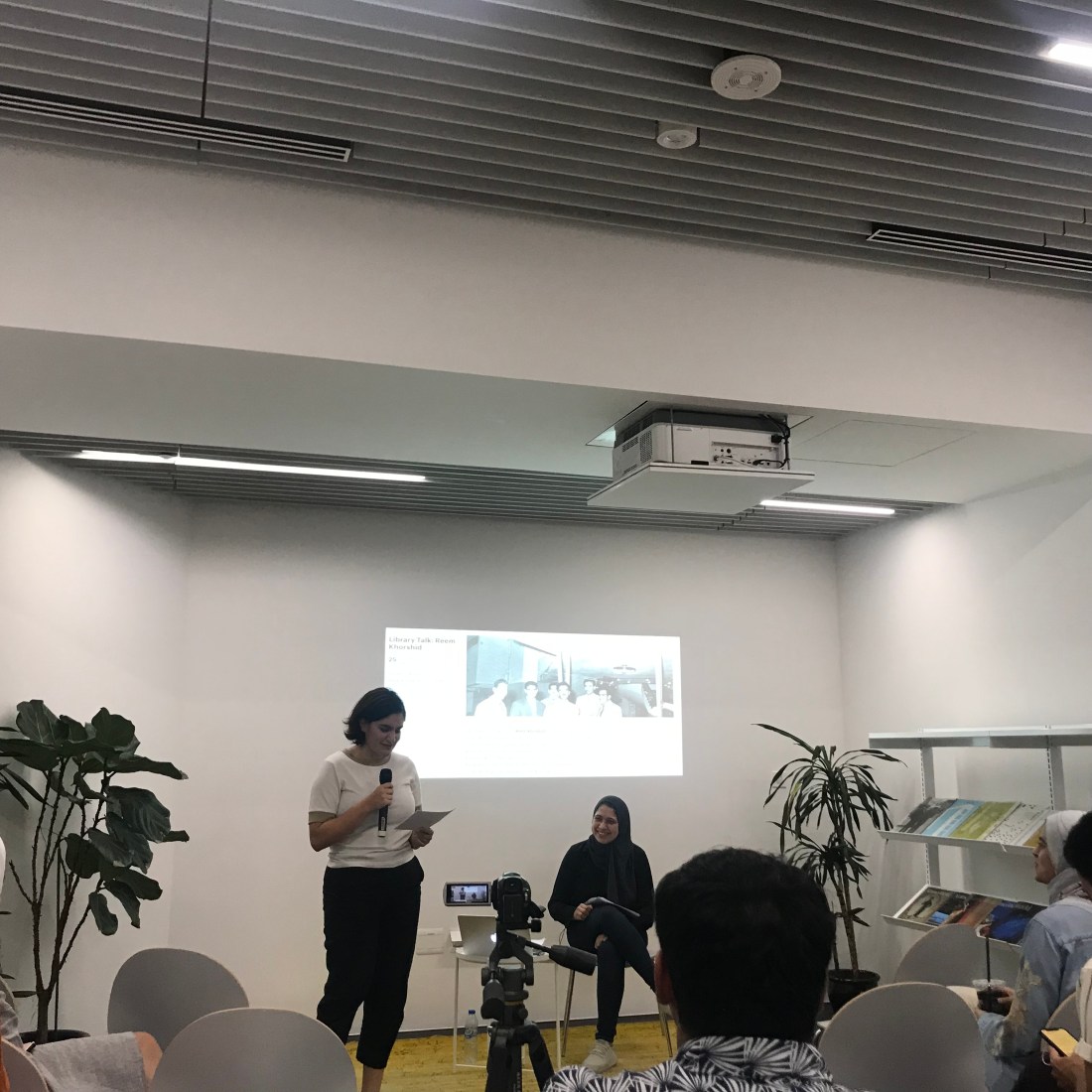
Sharjah based Egyptian Architectural Researcher Reem Khorshed, who Studies Modernity and influence of Egyptian experts in the education and Infrastructure sector development in the Khaleej/Gulf. She spoke at the uber cultural Art Jameel in Dubai.

She digs archives and Arabic media sources and masterplan documents to shape her research journey towards understanding the trajectory of Misr-Khaleeji relationship.

Such evenings about the sheer engagement with the life of ideas in Dubai is a welcoming change. Life is not a timesheet.

Bayt and Belonging

I recently been having interesting conversations recently about the idea of Home for the second generation in the Gulf. We carry passports inherited from our parents and a place we grew up to knowing as home. The place however depends on us holding particular jobs linked to visas and thus makes the home experience complicated.

For the people who grew up in the gulf, we need to develop our own Language to express belonging to this region. Home is a place for me in my past, a memory where it felt/feels at peace. The taste of the Shwarma at Istanboly at Al Khuwair in Muscat or the meal at Oman Express at Ruwi, or the stroll down Mutrah Souk.

We then decouple the sense of home or Bayt with the everyday realities of visas, residence permits and the architecture of biometrics and bureaucratic banalities.

I have conceptualised emotions as a mode of belonging. A scroll through the Instagram pages of friends in Oman or even Singapore brings joy and tears in the same breath. The notion of home is not contingent on the political economy of our times, but where we truly wish to belong.

The Migrant Plate

As a second generation Indian Citizen in the Gulf, with a substantial part of my life also lived in SE Asia, one tries to manufacture myths in the head such as Global Citizen, NRI, Passport Country, Migrant among a slew of vocabulary which one tries to mask the frailties of everyday experiences and also to play the NRI card.

The reality is however residing in what we eat everyday. My faux Bihari Baba is from Birbhum in Bengal and I too grew up eating DBC and posto on my plate in Muscat and Mumbai.

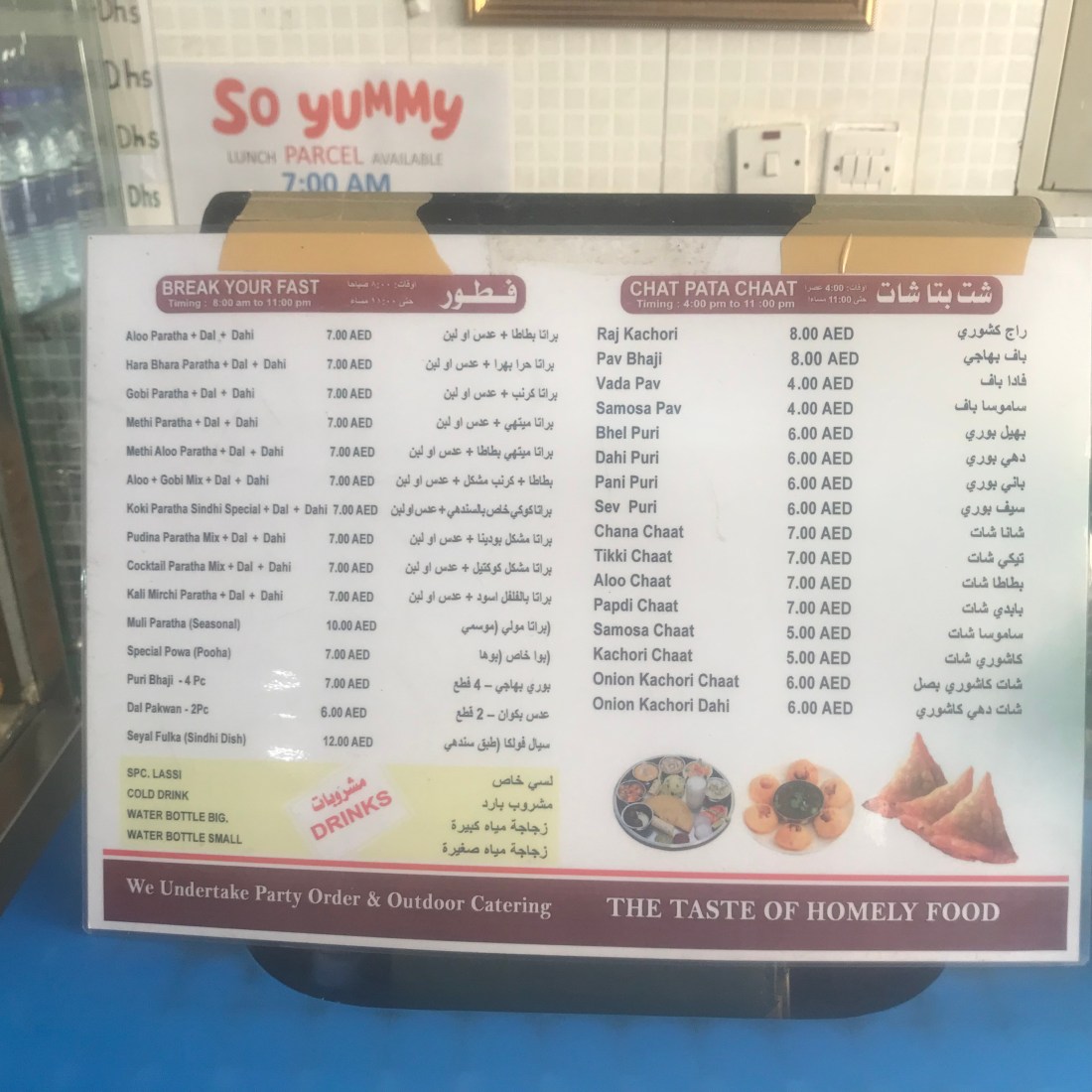
Is manufacturing difference so important when we live and work overseas? Or is the meal at home the true reflection of us (I love my Hummus and Dumpling Noodle Soup as well).

#migrant