In this regional conflict with world war-esque potential/ where oil will probably shatter records this week and have several second order impacts, it is surprising to not read about AI boosting productivity or carbon markets being the silver bullet. Wars change the paradigm.
Author: changethinker
Born and raised in Mumbai, India with an undergrad degree from Oman and a masters degree from the National University of Singapore. I am an Environmental Professional with a passion for Sustainability, Social Innovation and Governance related issues. A Change Agent in the making who believes that small is beautiful and that impact can be achieved -one soul at a time.
On BFM FM Malaysia
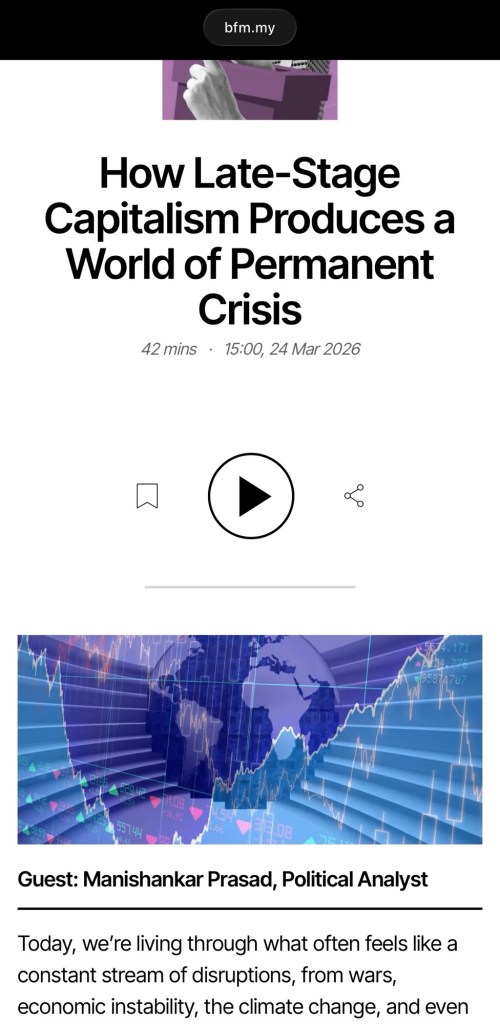
How Late-Stage Capitalism Produces a World of Permanent Crisis
Today, we’re living through what often feels like a constant stream of disruptions, from wars, economic instability, the climate change, and even loneliness and a loss of meaning and purpose in life.
In an article for For Pol India, political analyst Manishankar Prasad argues that these crises are not isolated but intertwined and due to late-stage capitalism. In this episode of BFM’s Beyond the Ballot Box podcast, Dashran Yohan speaks to Manishankar about how these overlapping crises may be a structural feature of neoliberal capitalism, driven by inequality, financialization, and the concentration of power in the hands of the elites. They also examine how automation and AI, rather than liberating people, often displace workers and deepen insecurity, contributing to a broader loss of meaning, and so much more.
Listen here 🎧👇🏾
BFM Website: https://www.bfm.my/content/podcast/how-late-stage-capitalism-produces-a-world-of-permanent-crisis
Spotify: https://open.spotify.com/episode/6NmMUAdHA41KXCYOnEPRra?si=MrqPVjUlTdmT-Tz_zfjHWg
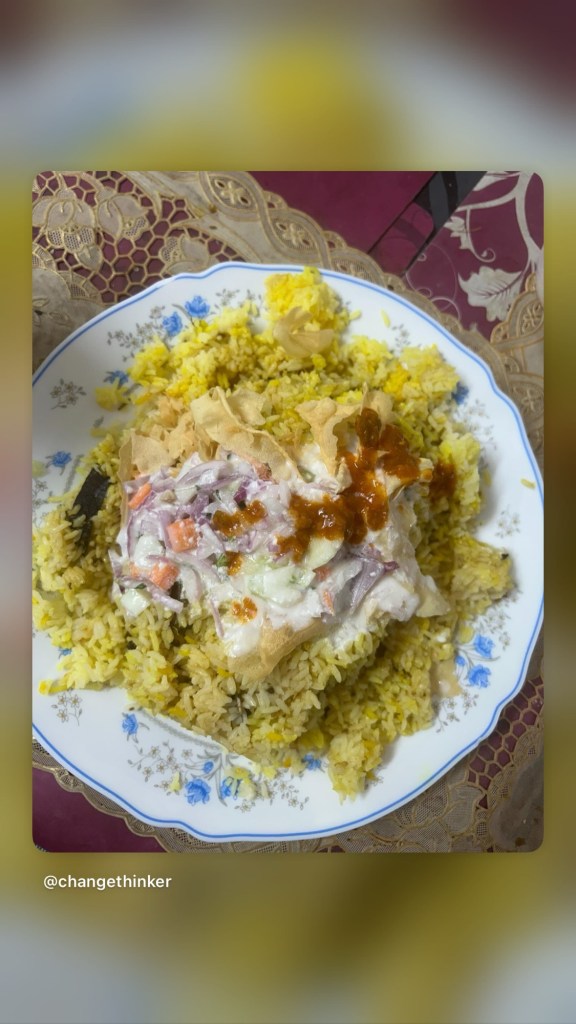
Malabari Biryani as Memory
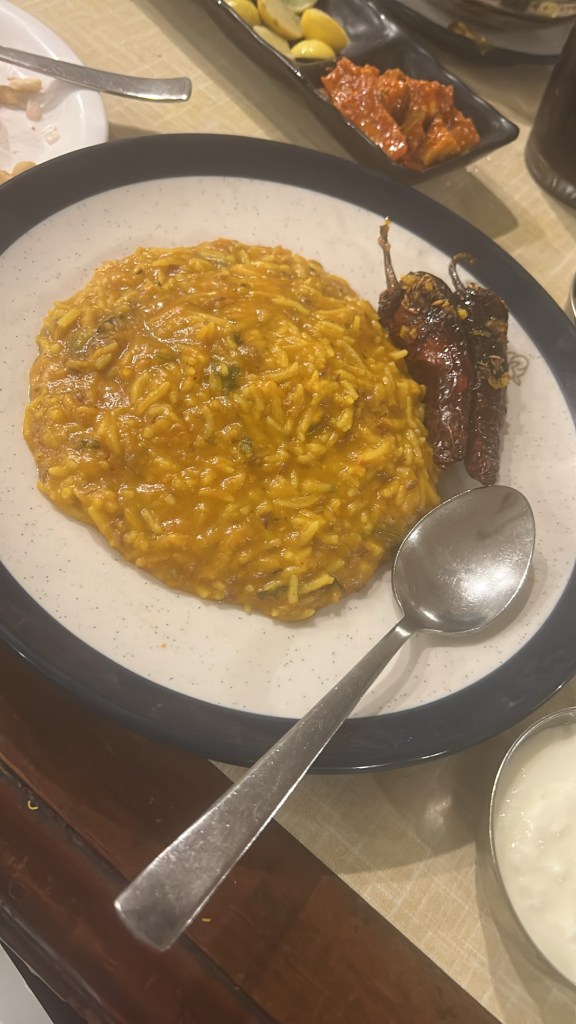
A plate of Thalassery Biryani is a trip back to Muscat, where we used to have this at Al Bawader Restaurant, an old school hole in the wall eatery in Al Khuwair near the now famous Turkish House after Jumma Solat. The place opened after prayers and ran out of biryani after ten minutes. We used to make a line to buy the Friday special. Those were simpler times, where joy used to be a plate of malabari biryani. The real Kerala story is read in malabari biryani or motta set, often in the Gelf.
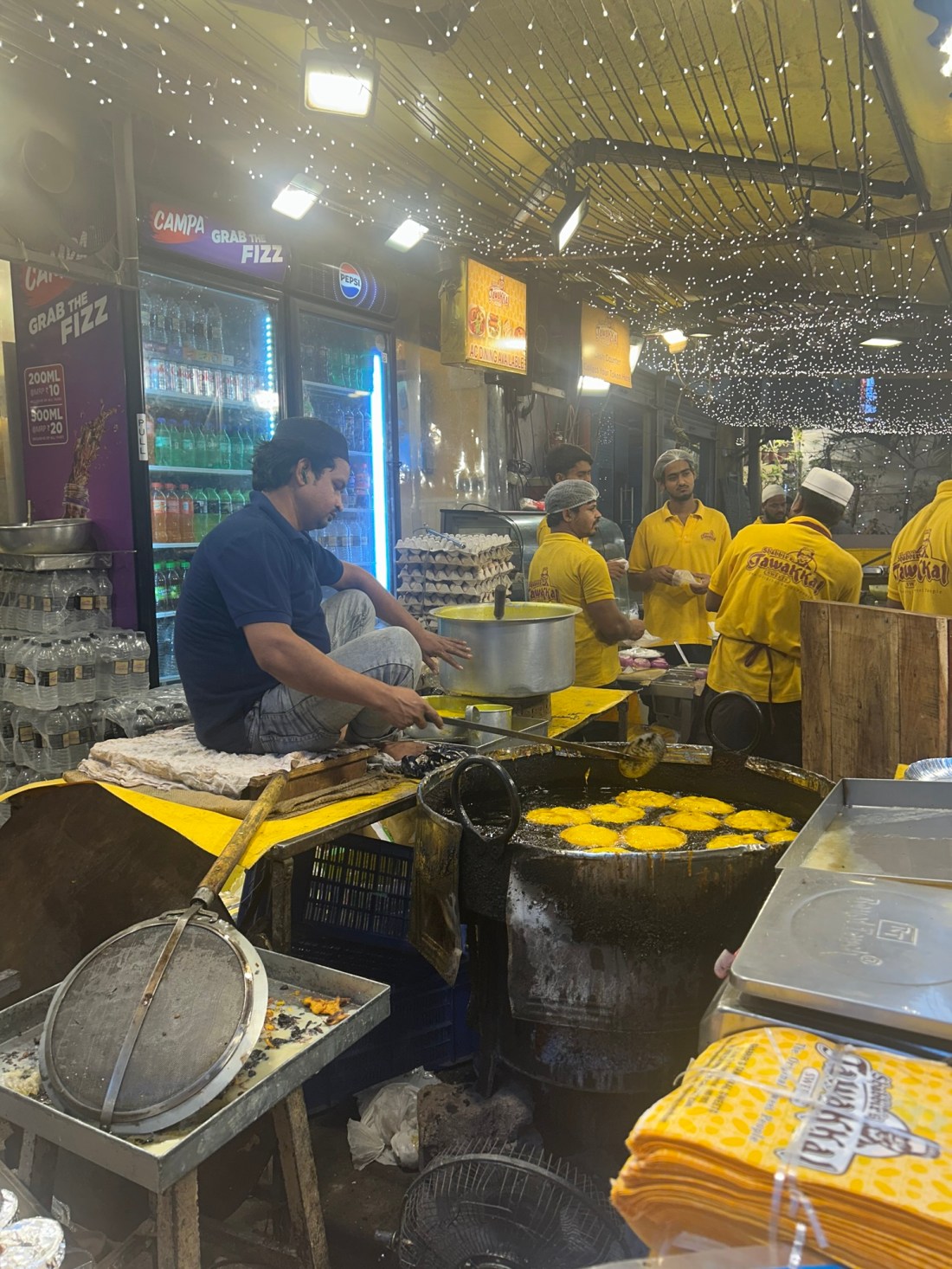
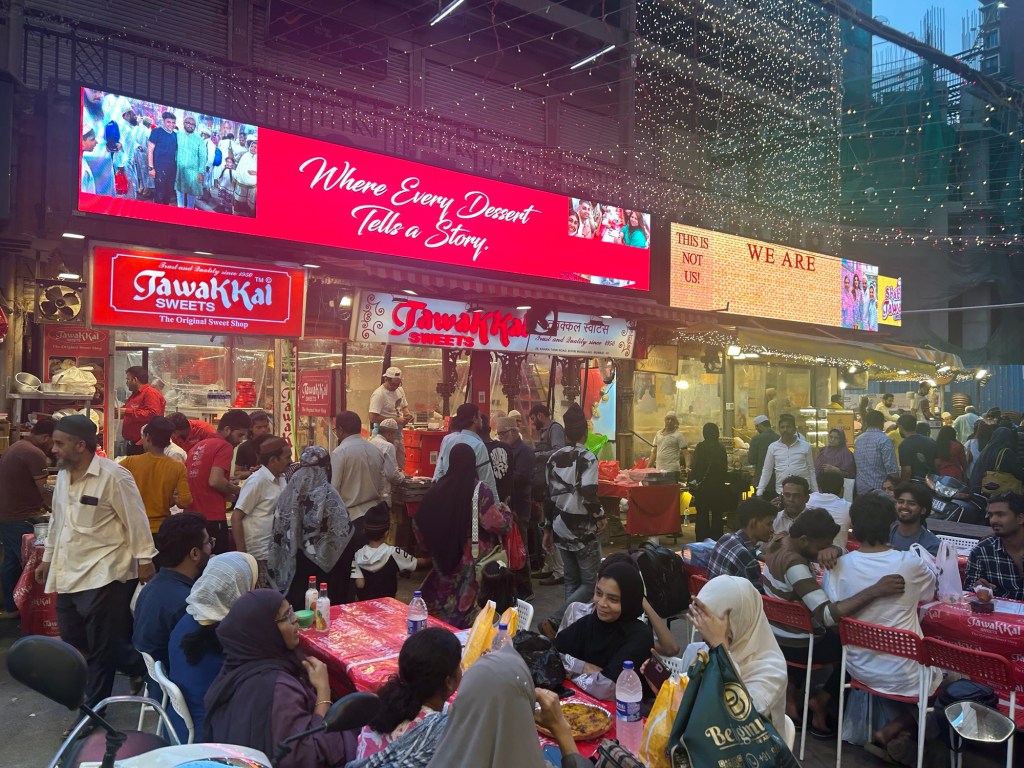
Ramadan at Bohra Mohalla, 2026
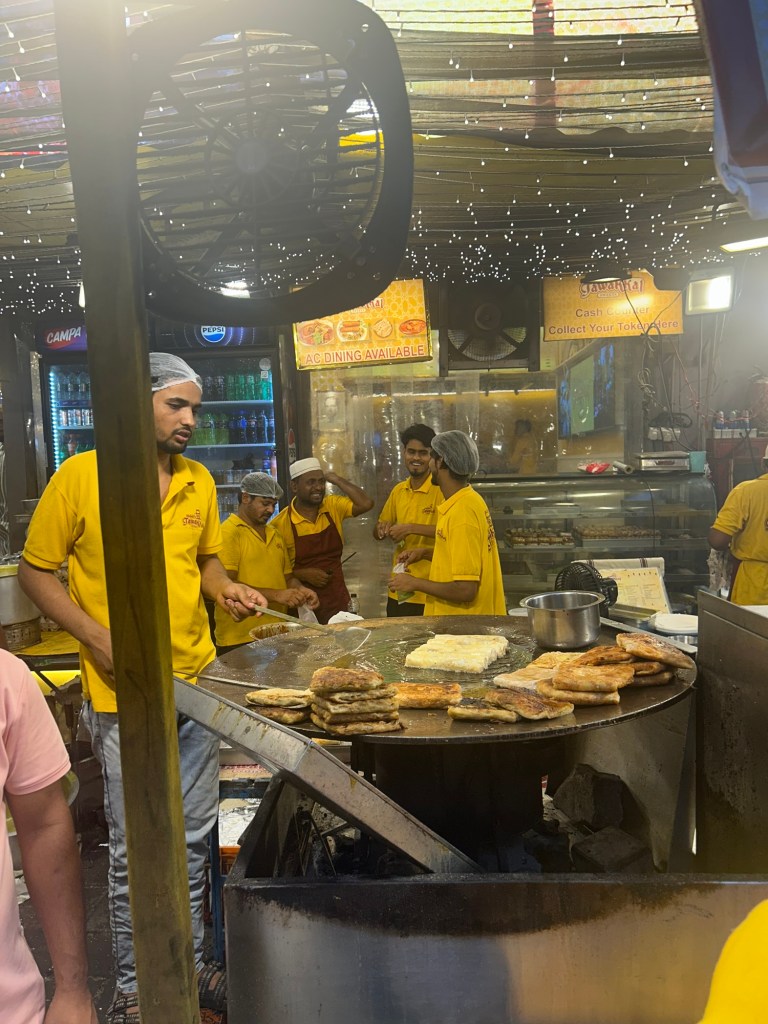
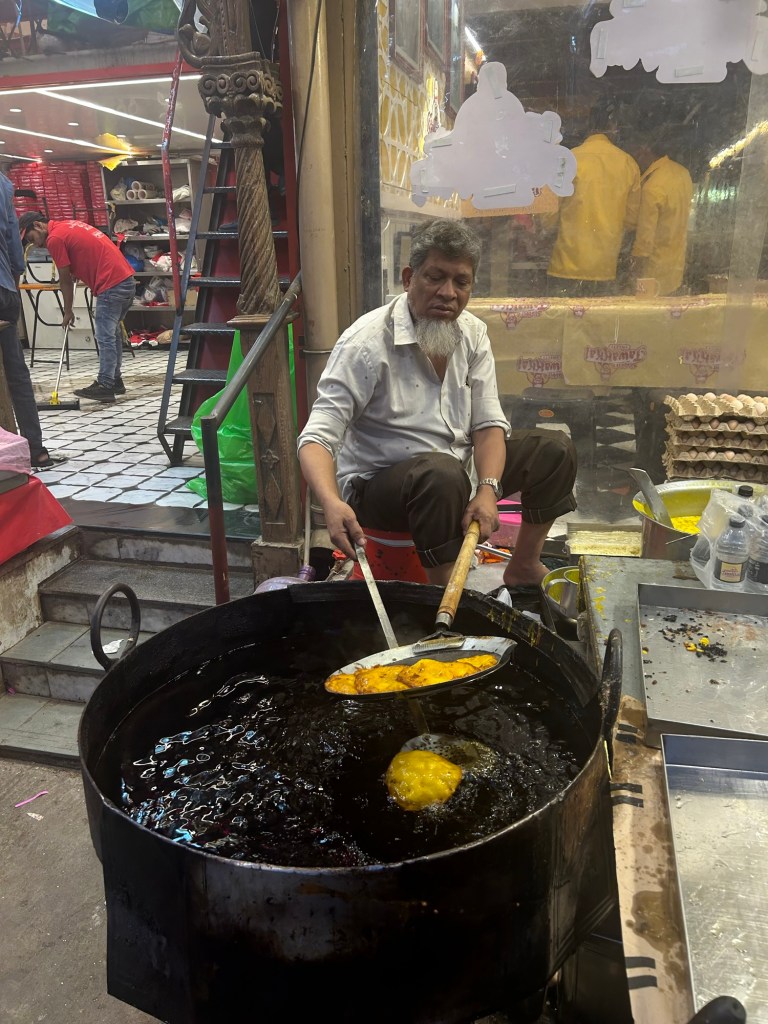
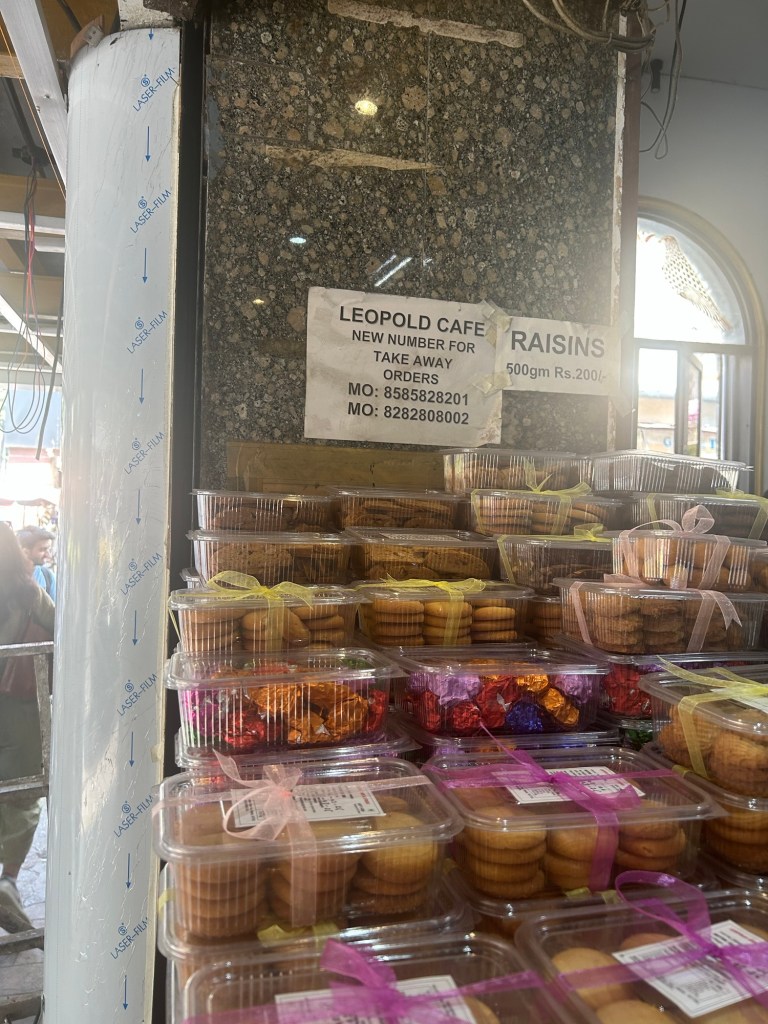
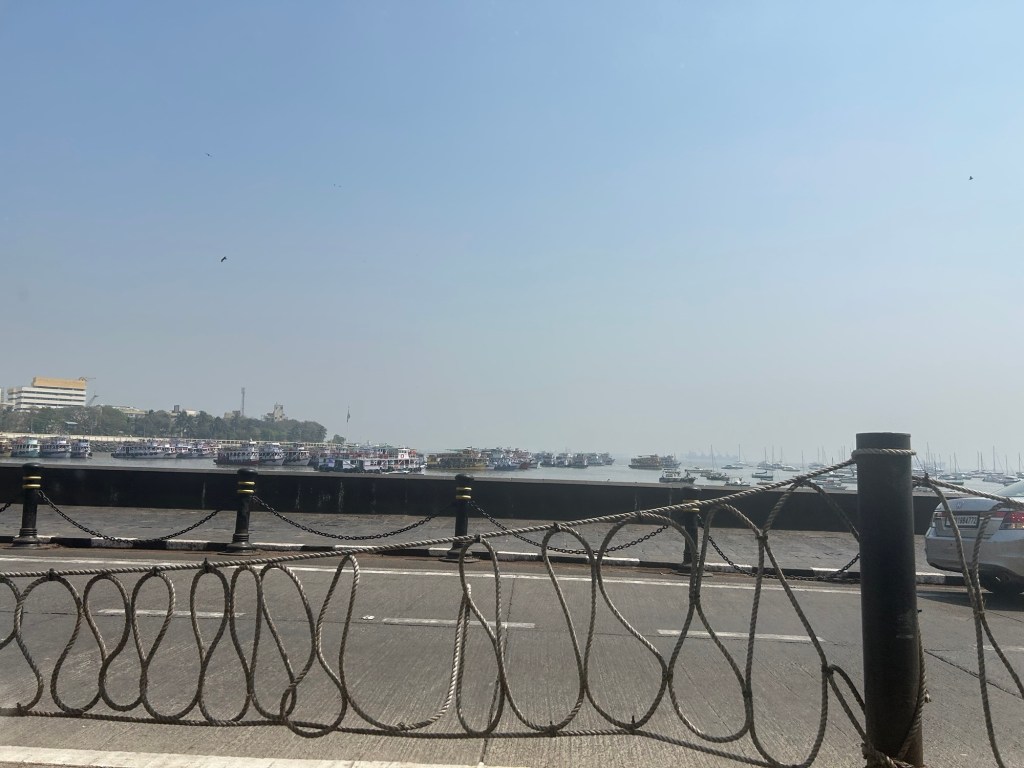
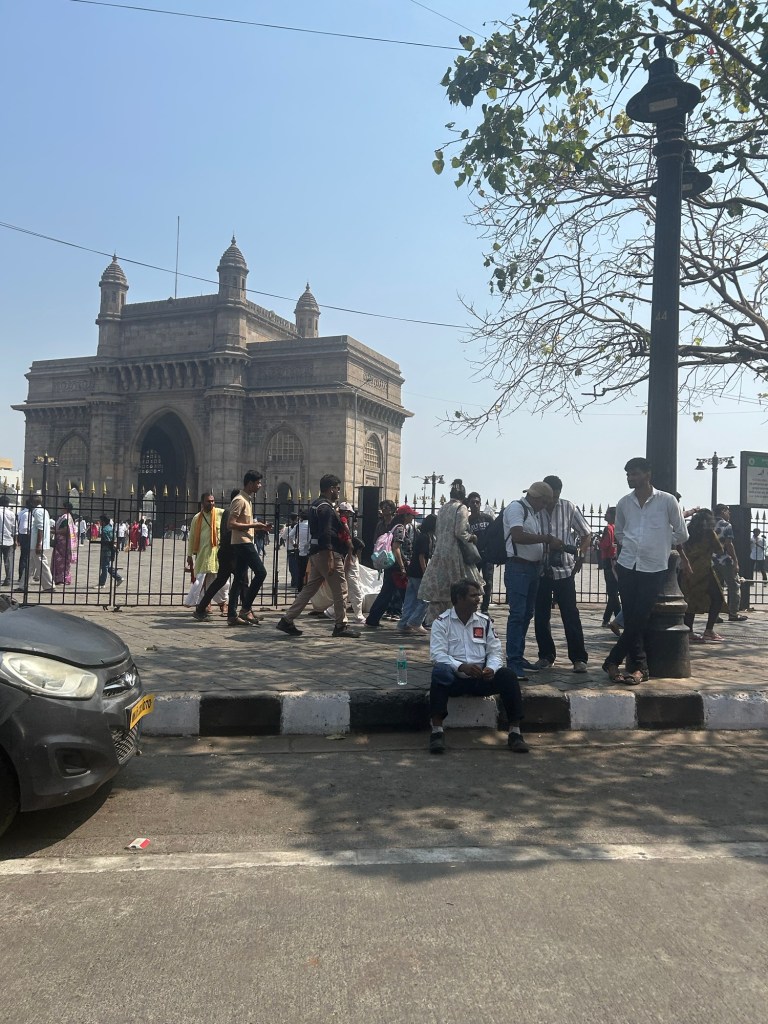
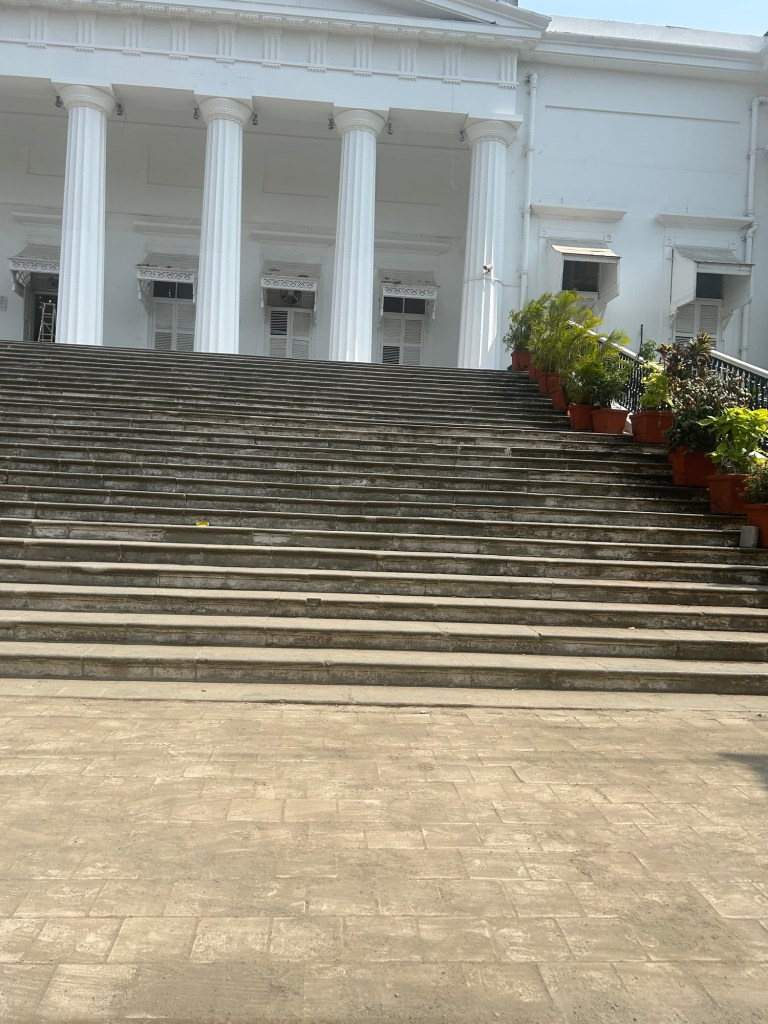
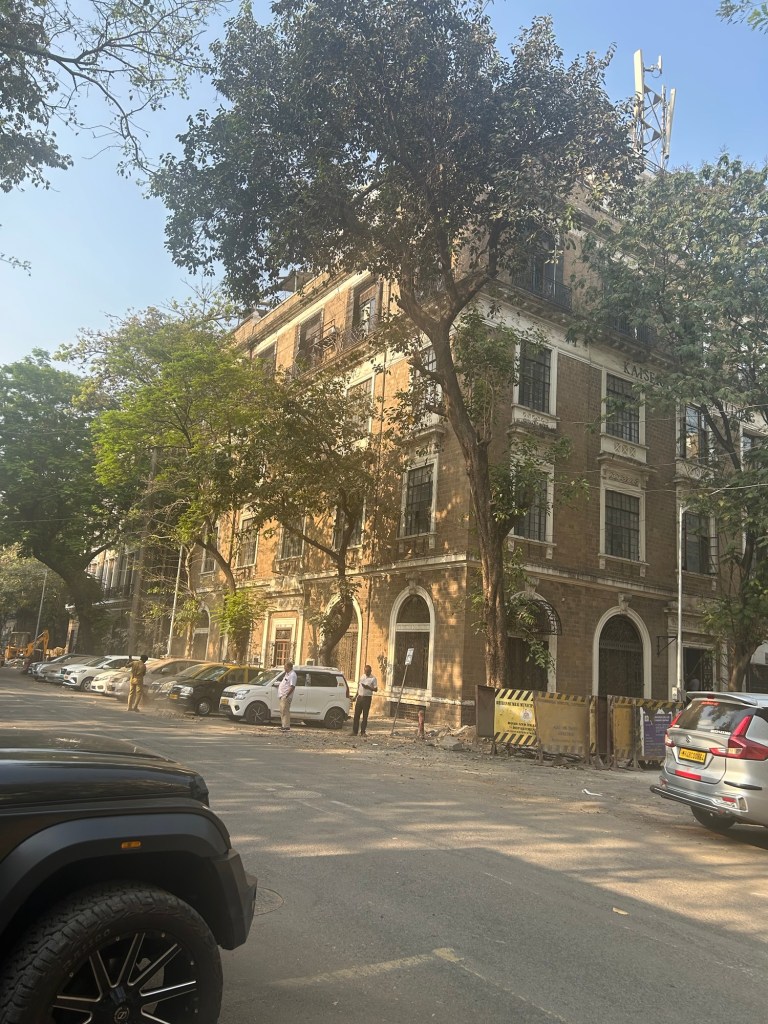
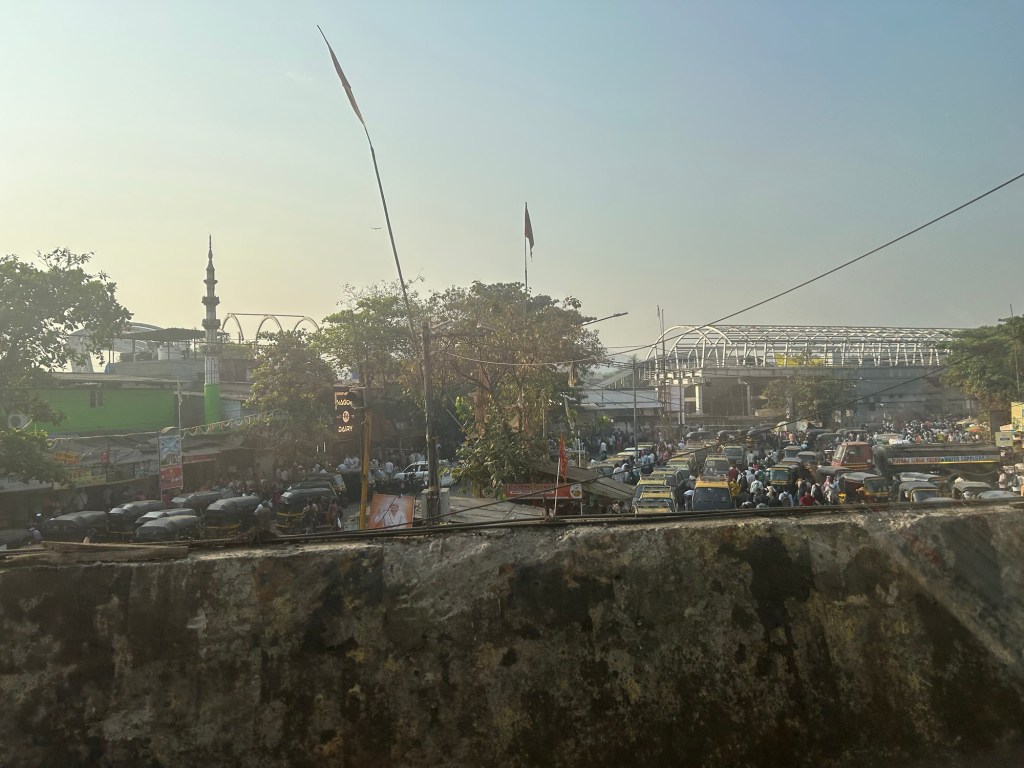
Fragments of the Maximum City
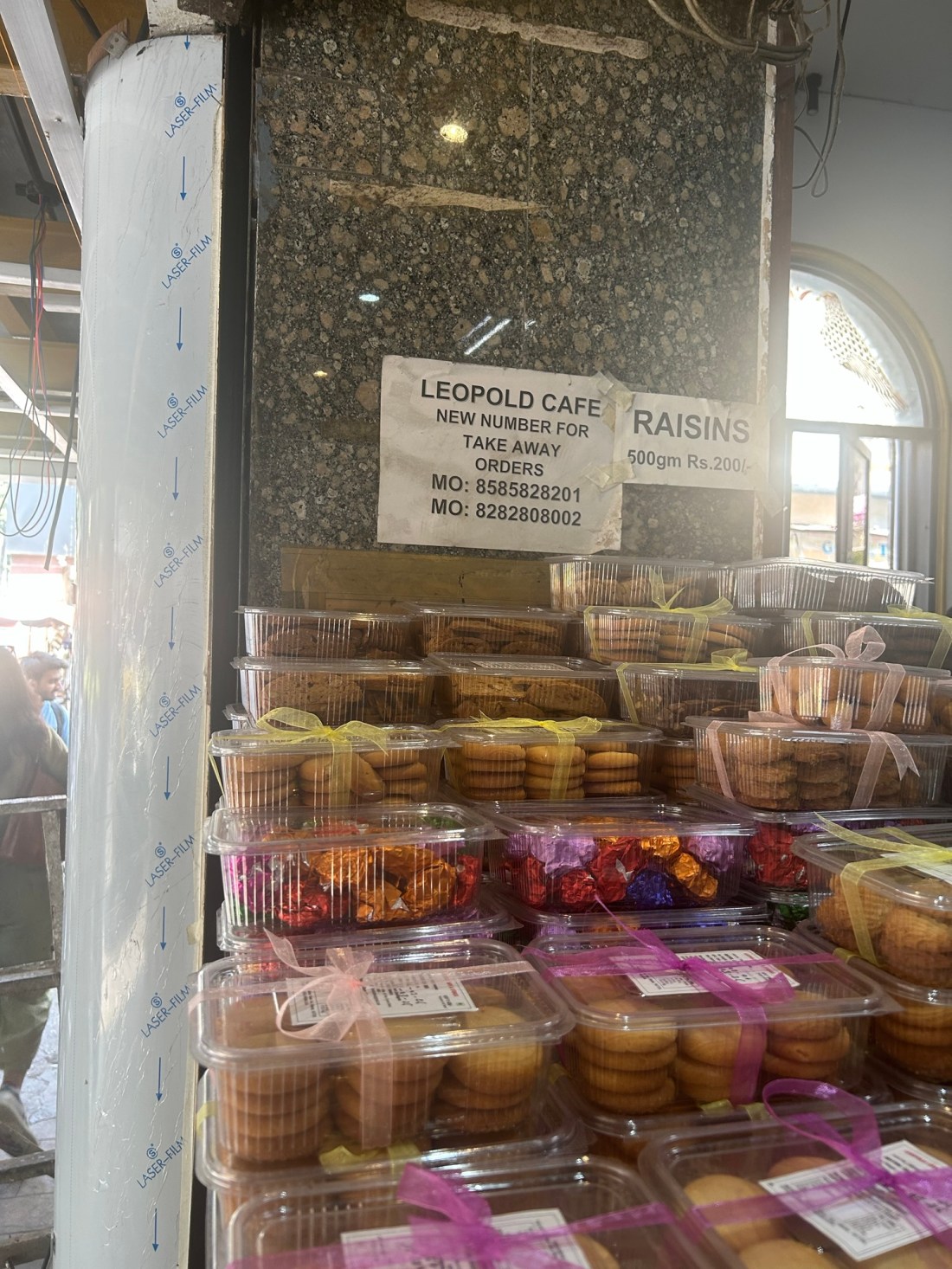
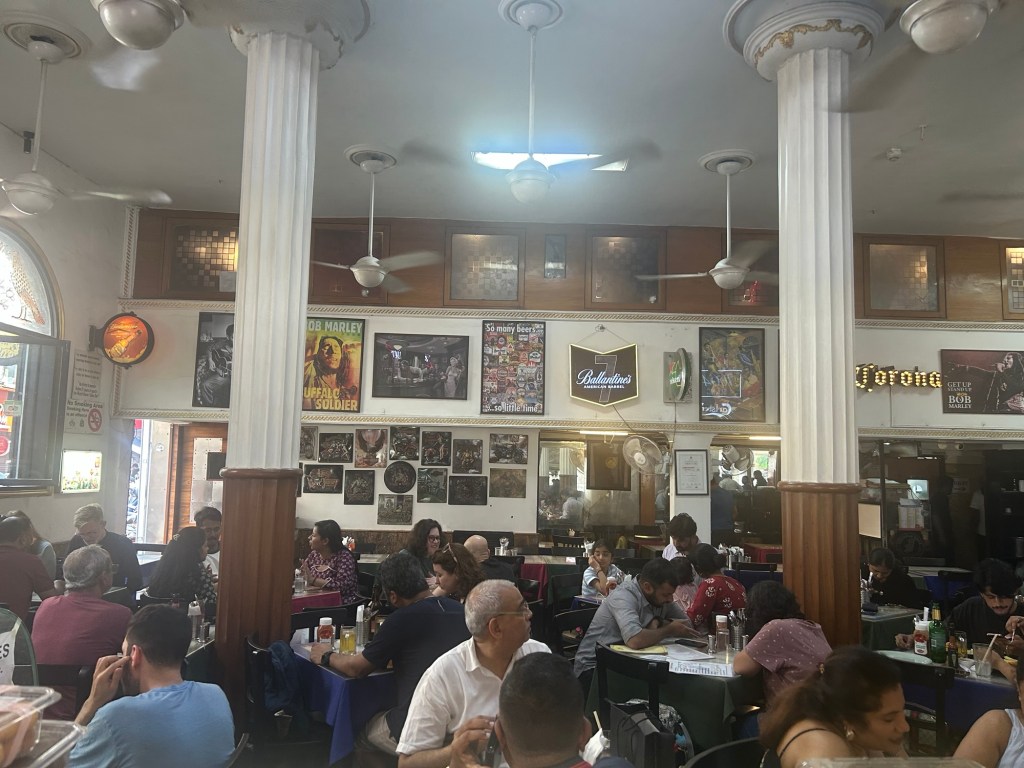
The city has fractals
History and Hustle jostle for elbow room
Is Hustle the History of a Migrant City
An ode to Ambition
Or a space for survival


The Geopolitics Era
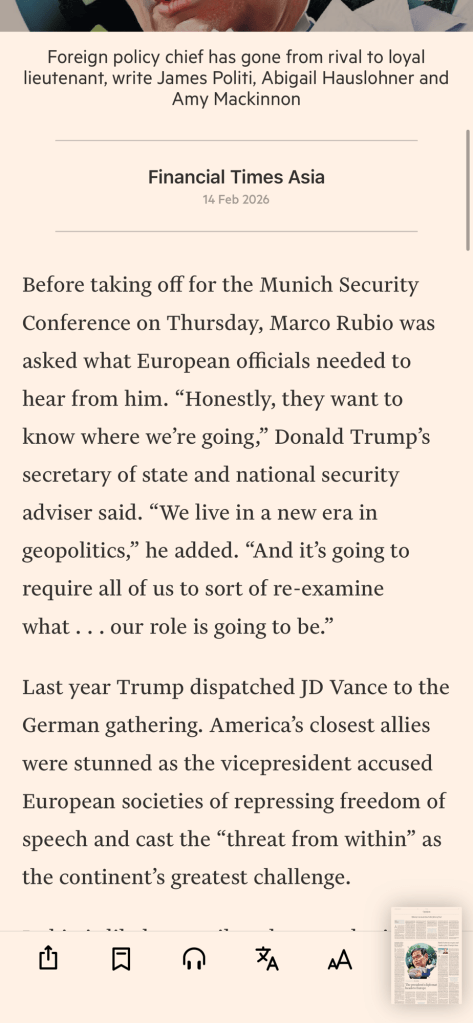
‘We live in an era of geopolitics’
If one hears what Marco Rubio says about climate red tape at his address at the Munich Security Conference, with AI and Data Centres, energy is back to the table. Even EVs need energy to be charged which is not necessarily renewable.
Sustainability needs to speak to this reality, rather than through a stack of frameworks at every mention of anything remotely green or any shade of green.
A lot of communities still don’t have steady power access in the borderlands in SE Asia, hence plenary politics needs to be in conversation with local needs.
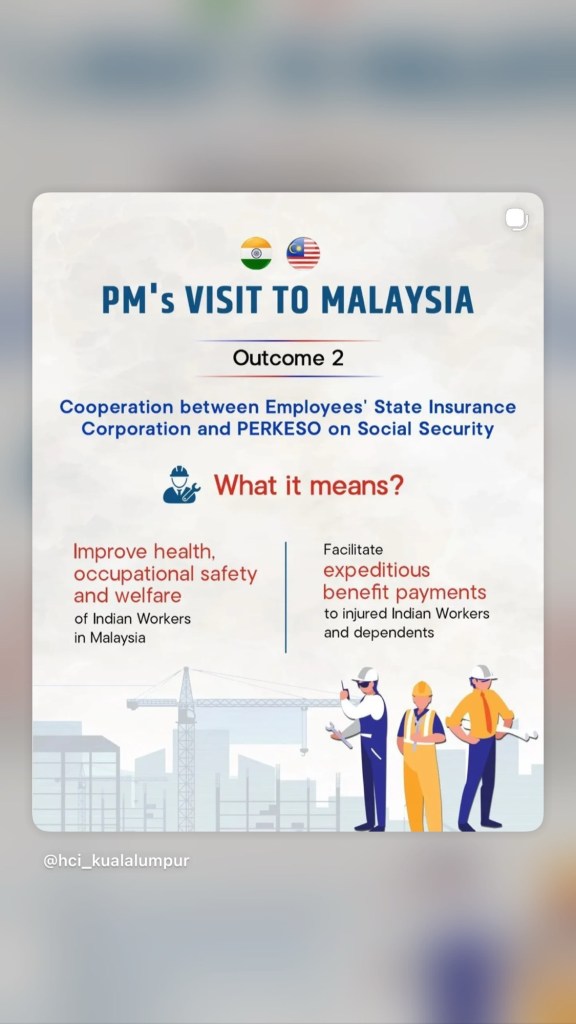
Linking Perkeso and EPFO
This is the most important development for me personally from Modi ji’s visit to Malaysia, as a long time advocate of transnational social protection for migrant workers. Linking social security in the host and destination countries in the labour migration corridor is needed.
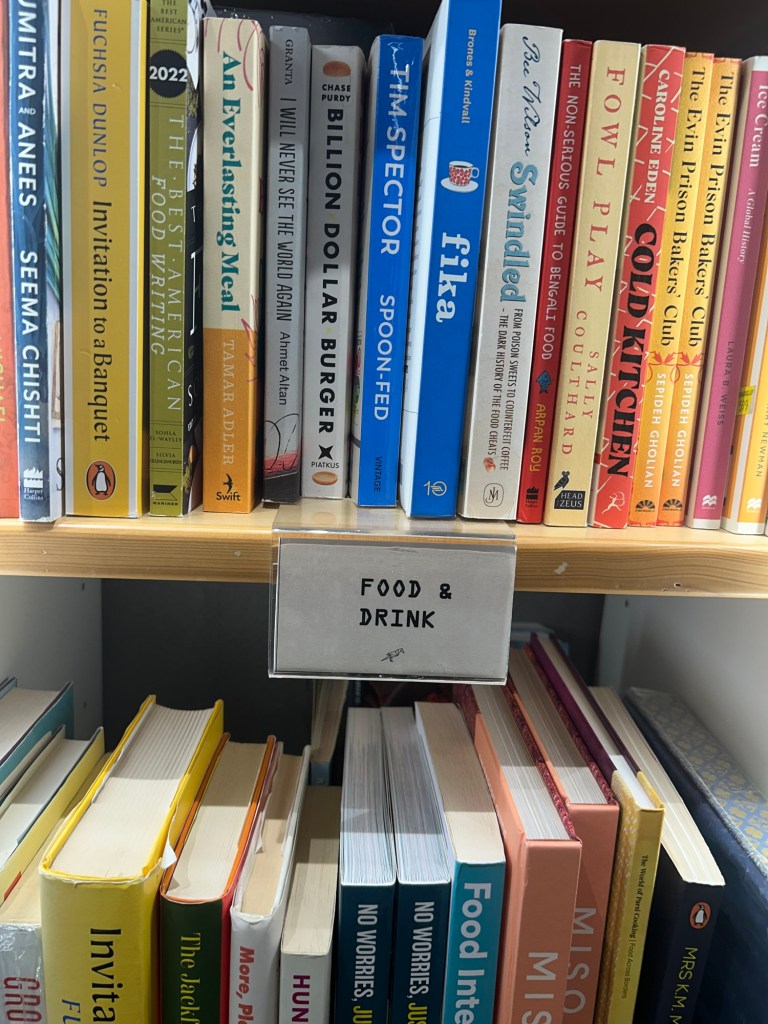
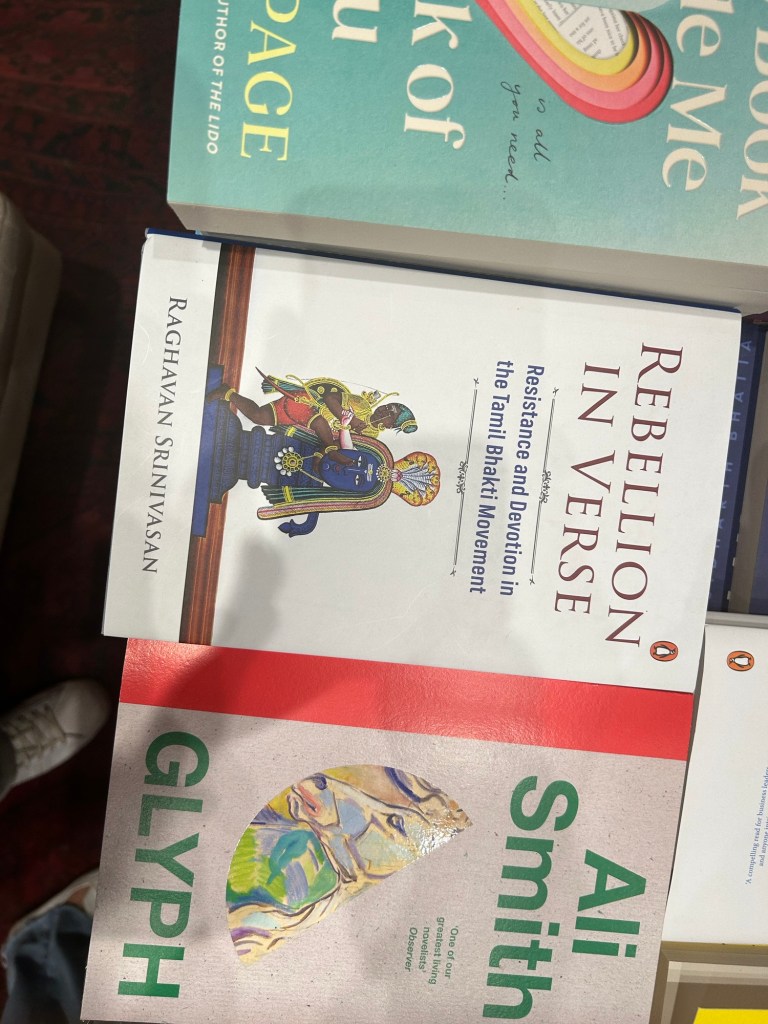
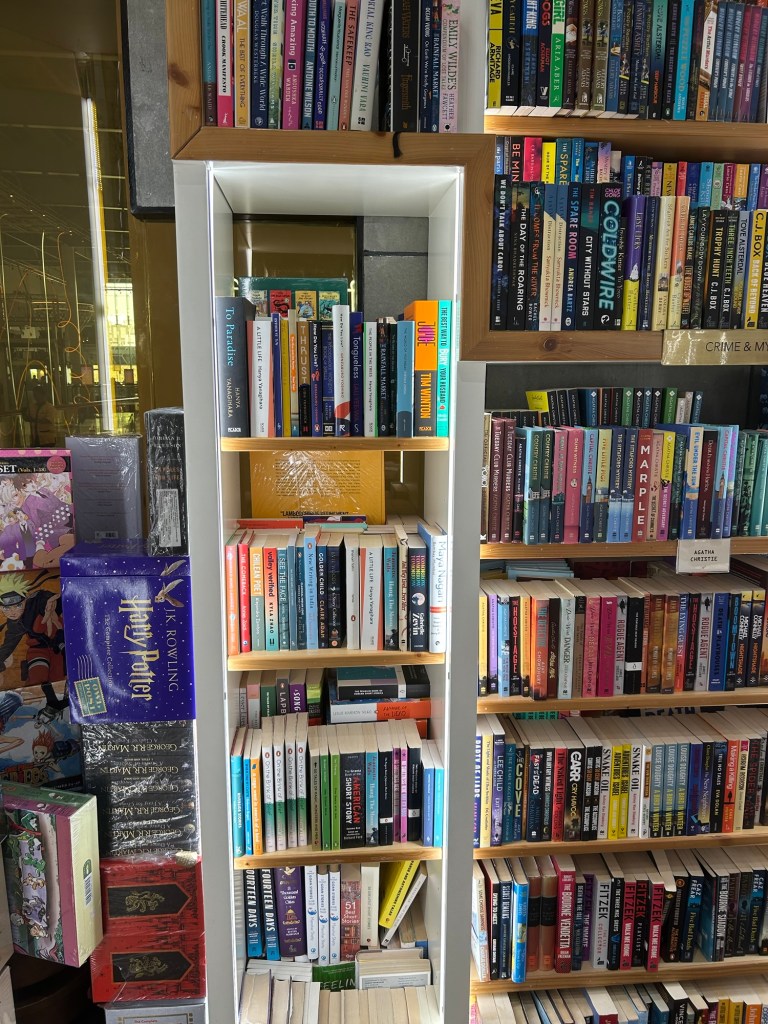
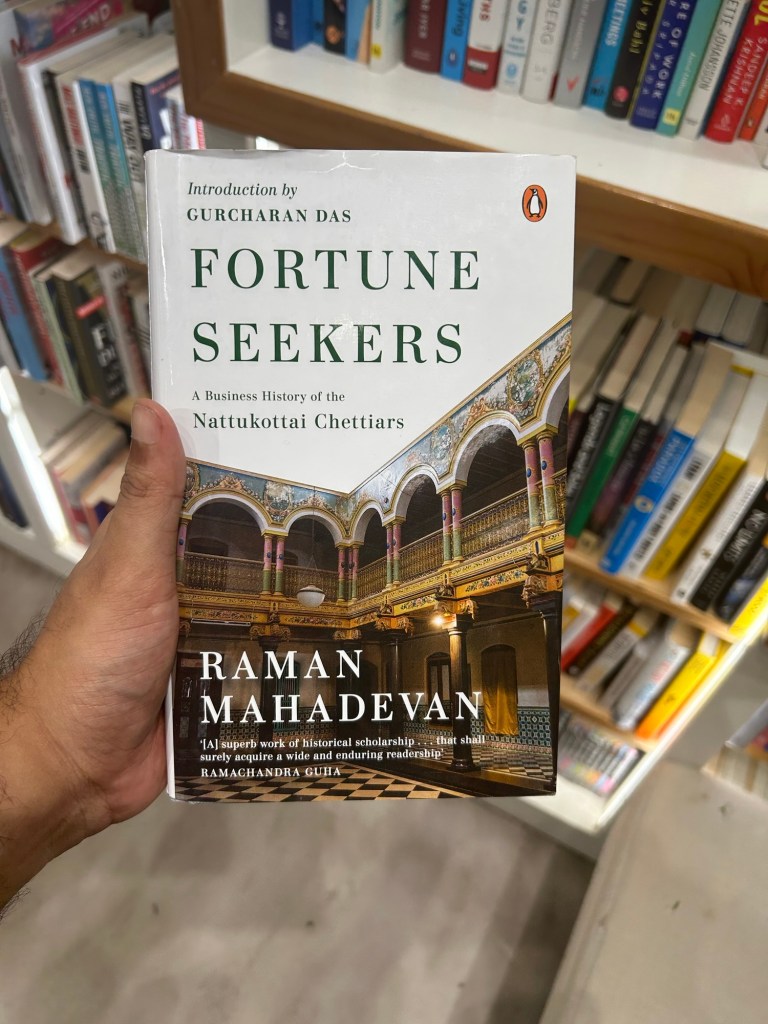
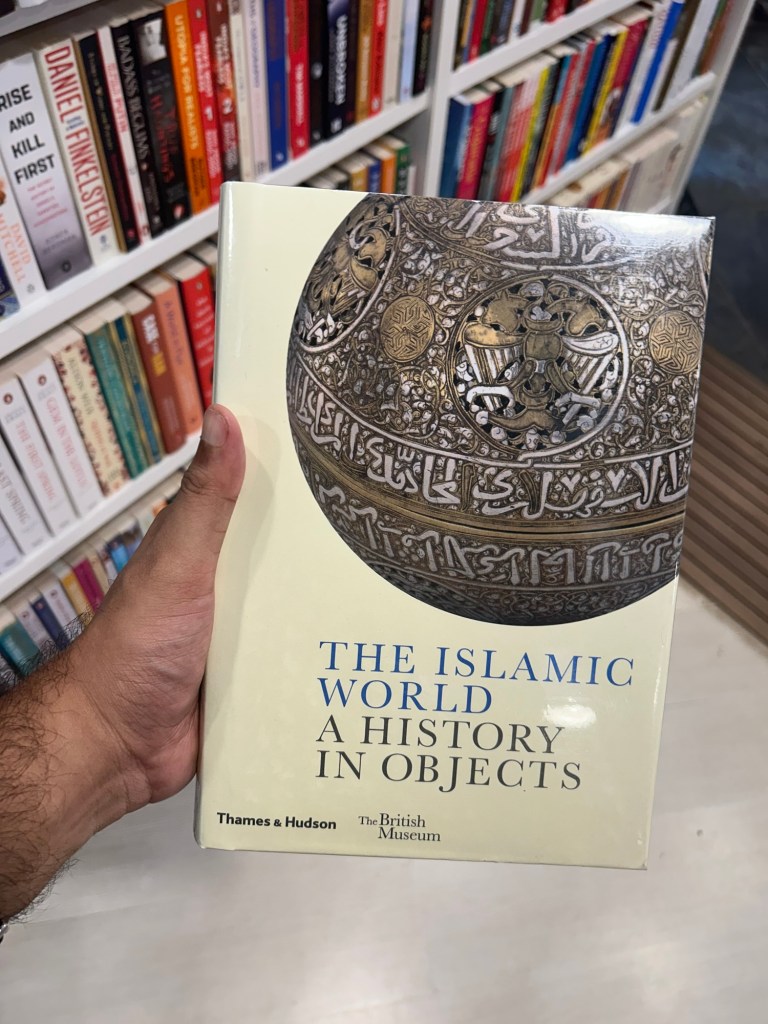
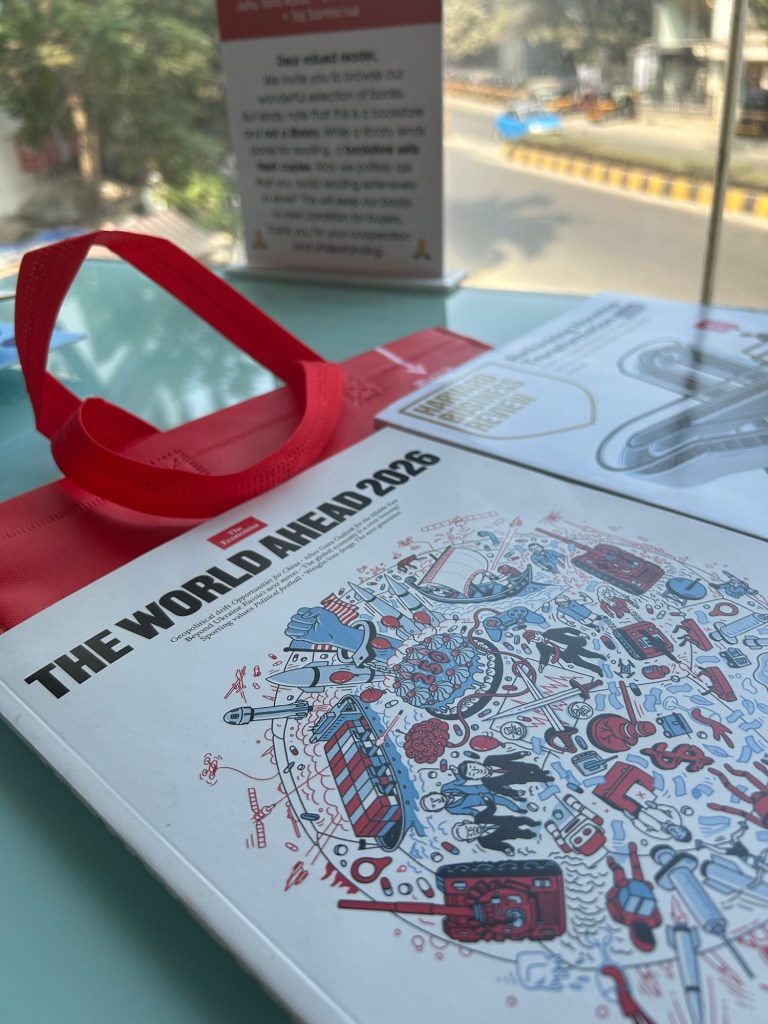
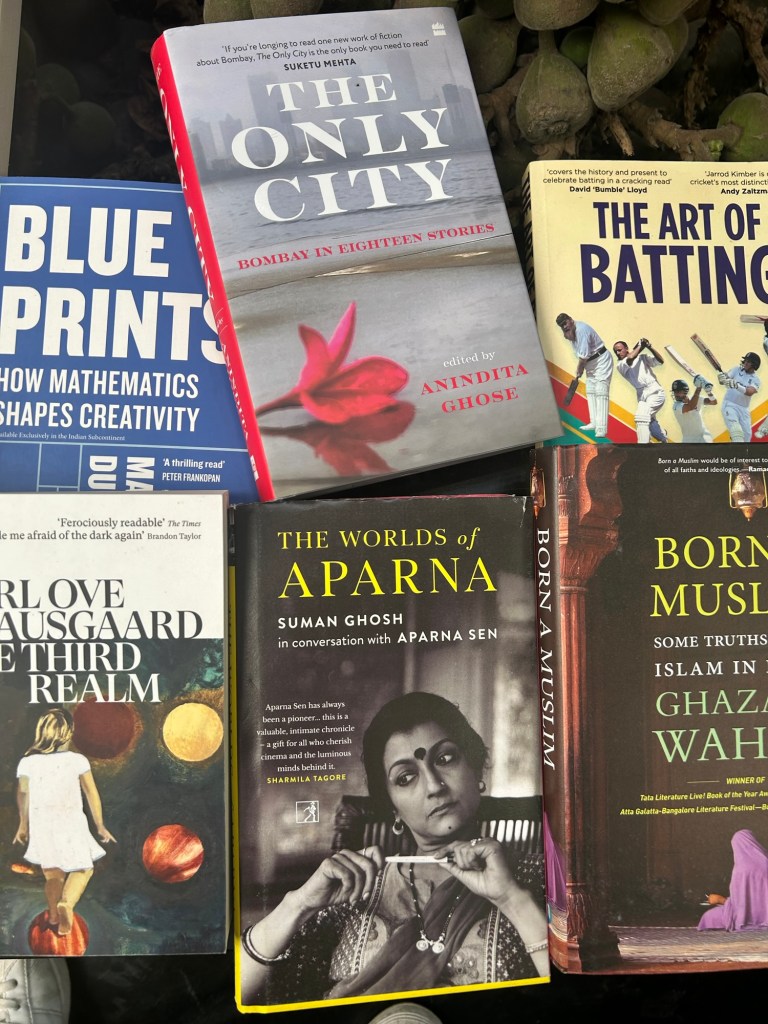
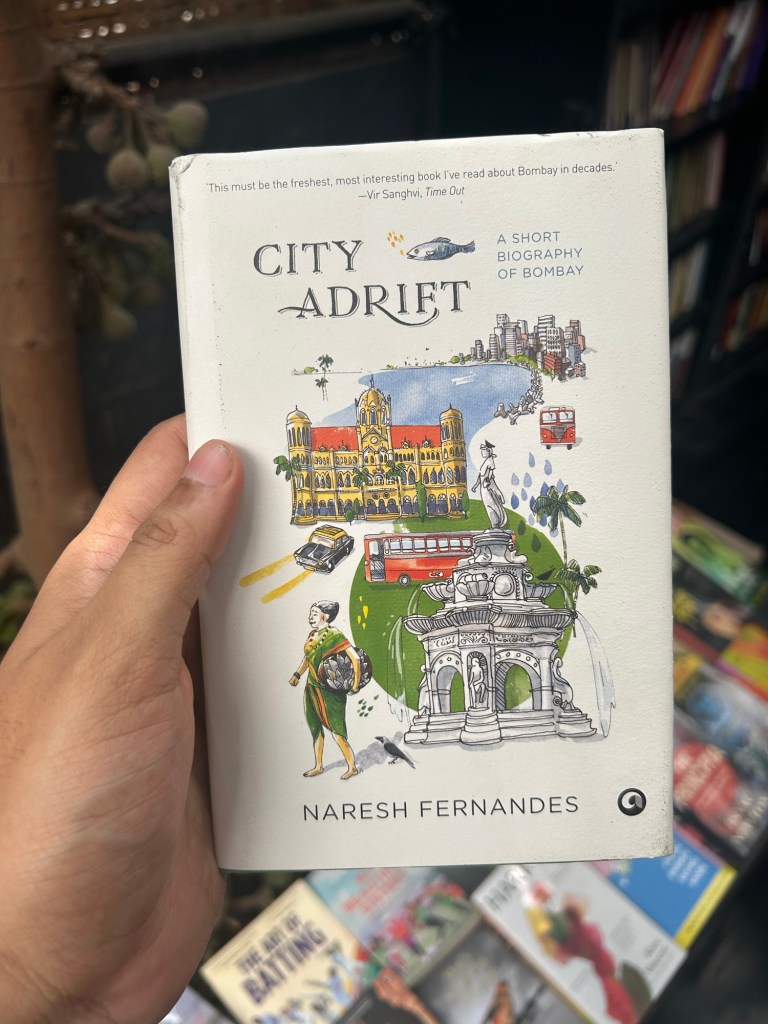
Great Bombay Book Stores


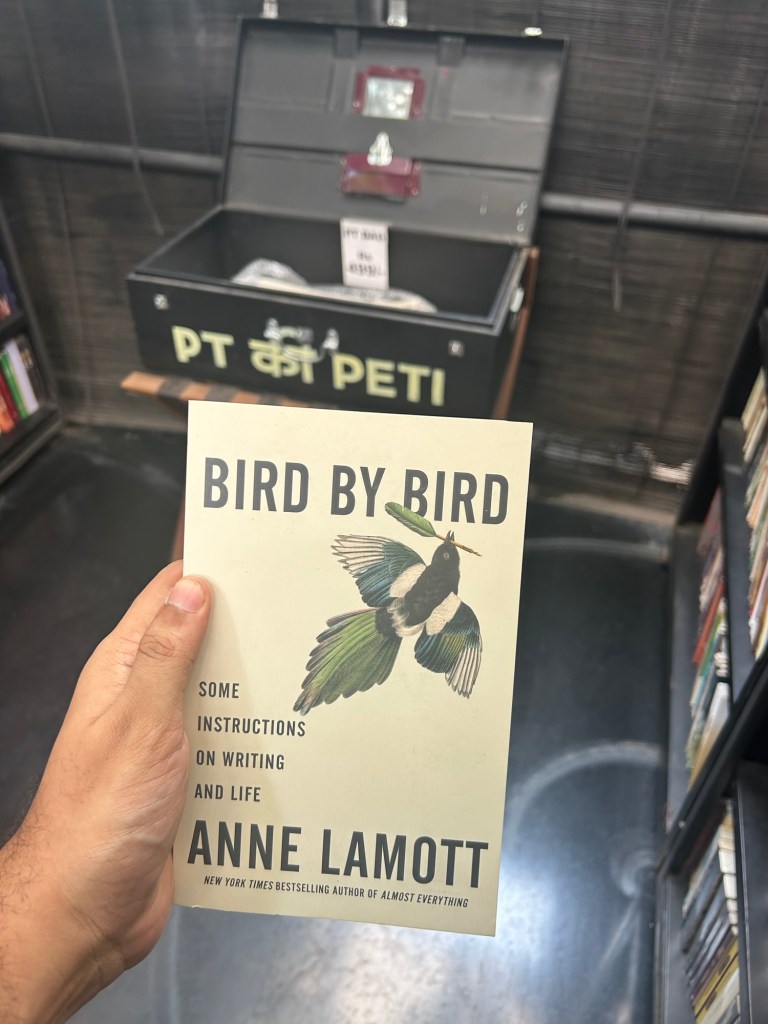
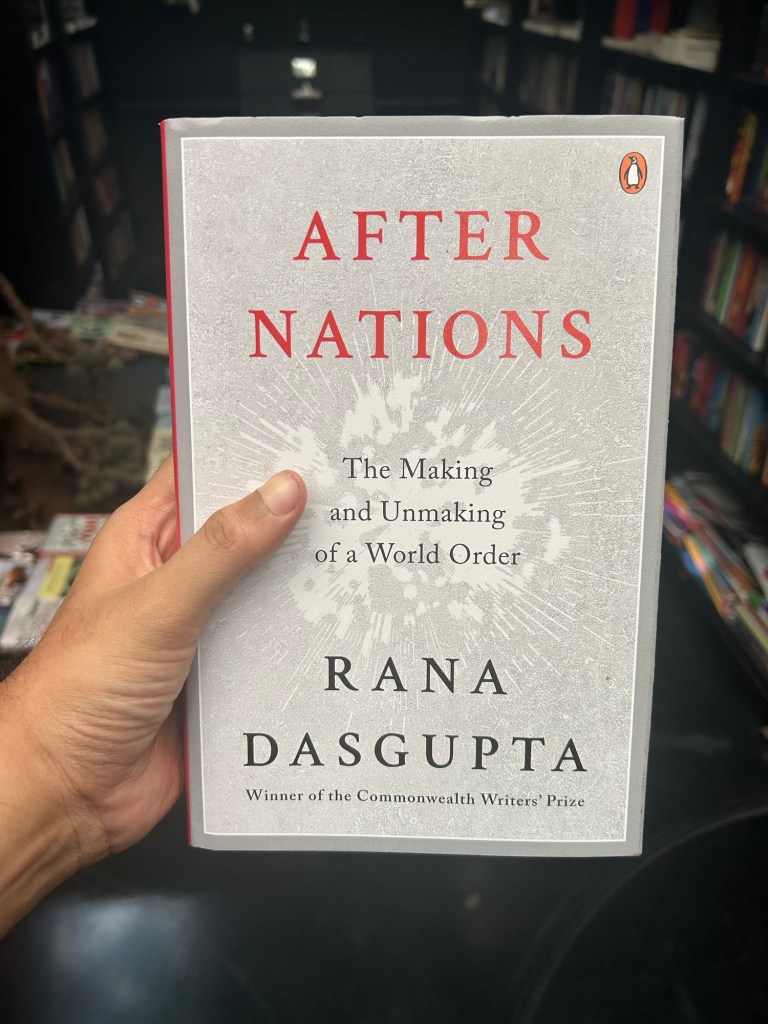
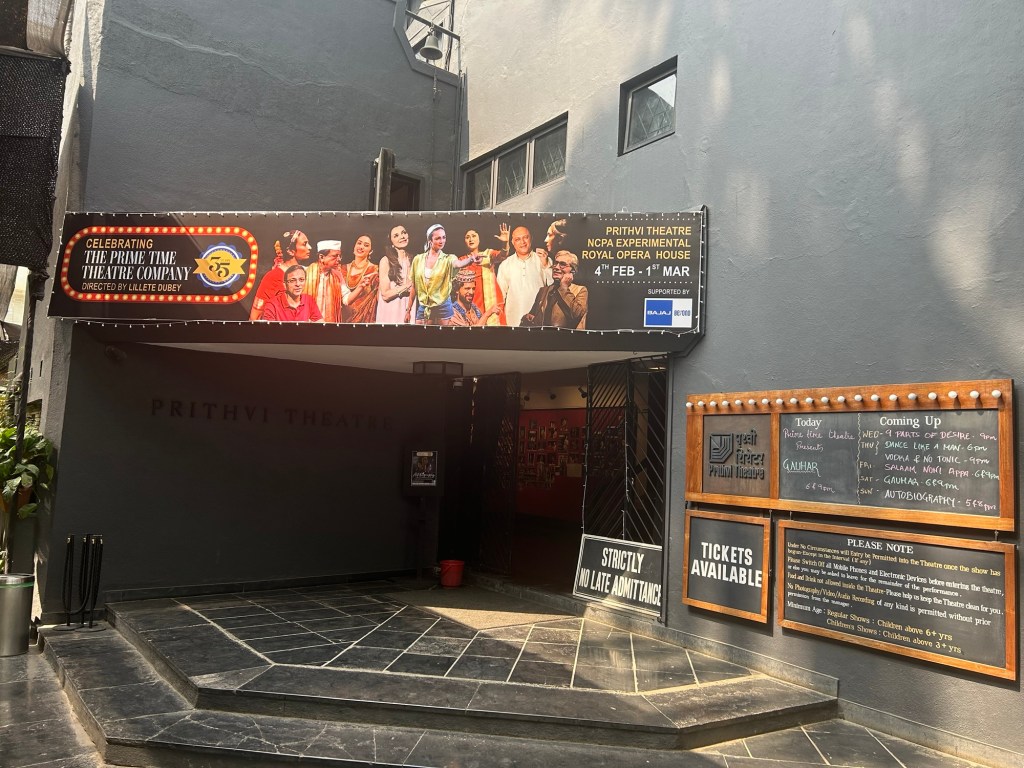
The Bombay Book Store Crawl.
Prithvi Theatre Book Store- great for art and cinema books
Granth Book Store, Juhu – global magazine and book collection
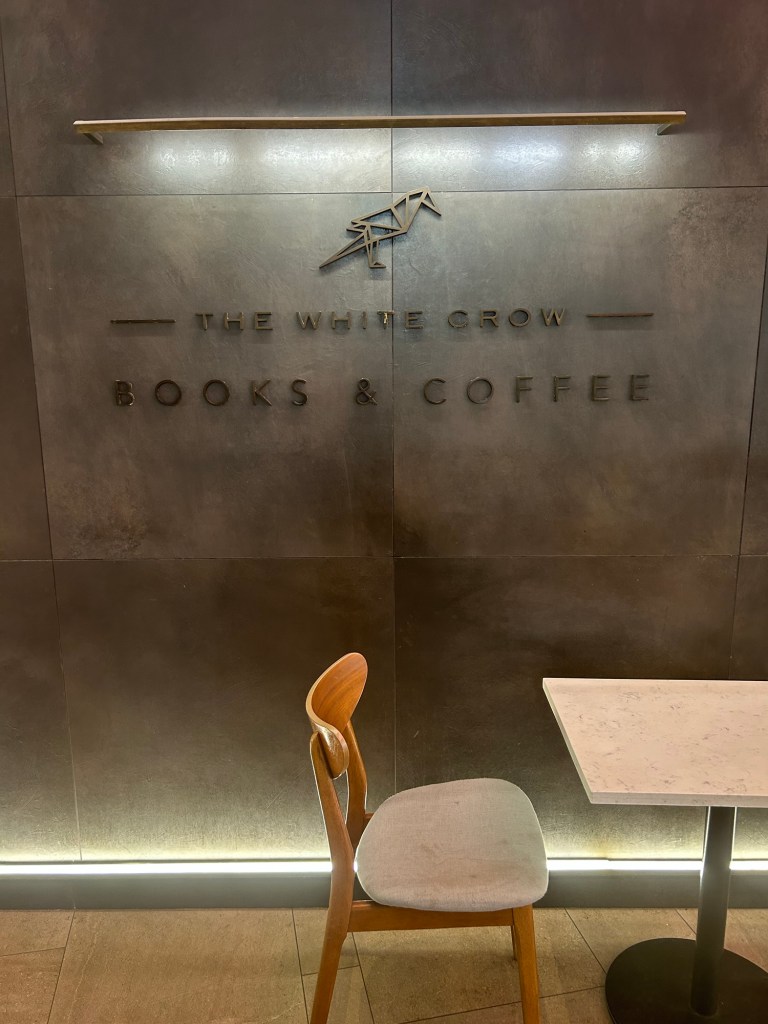
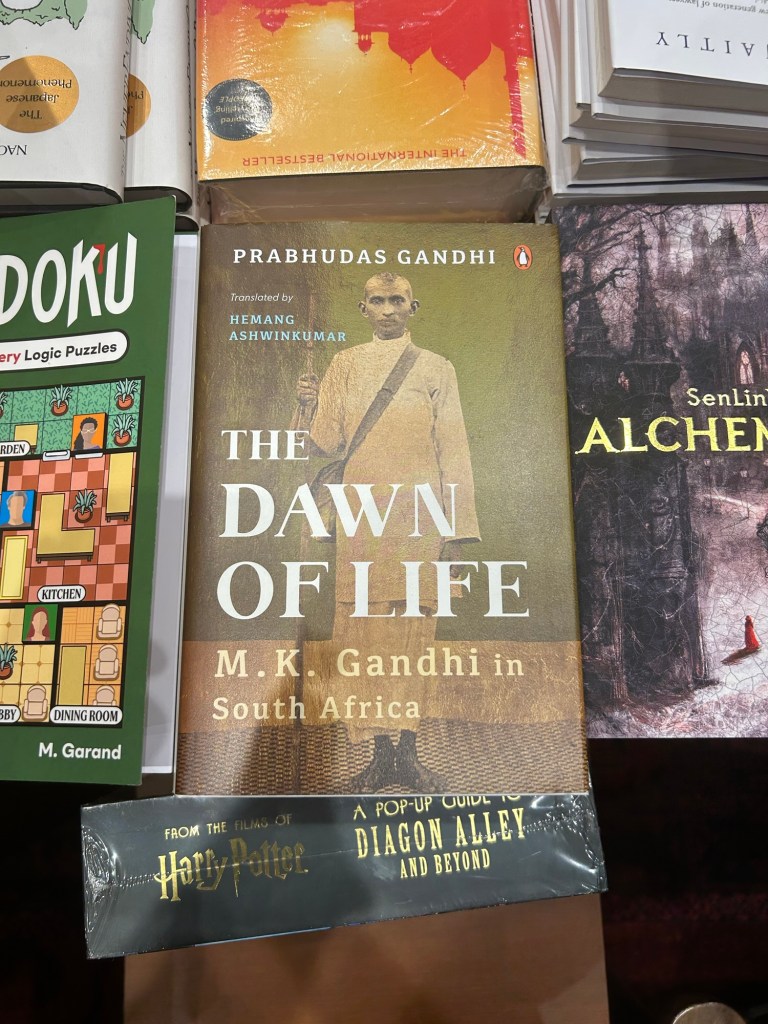
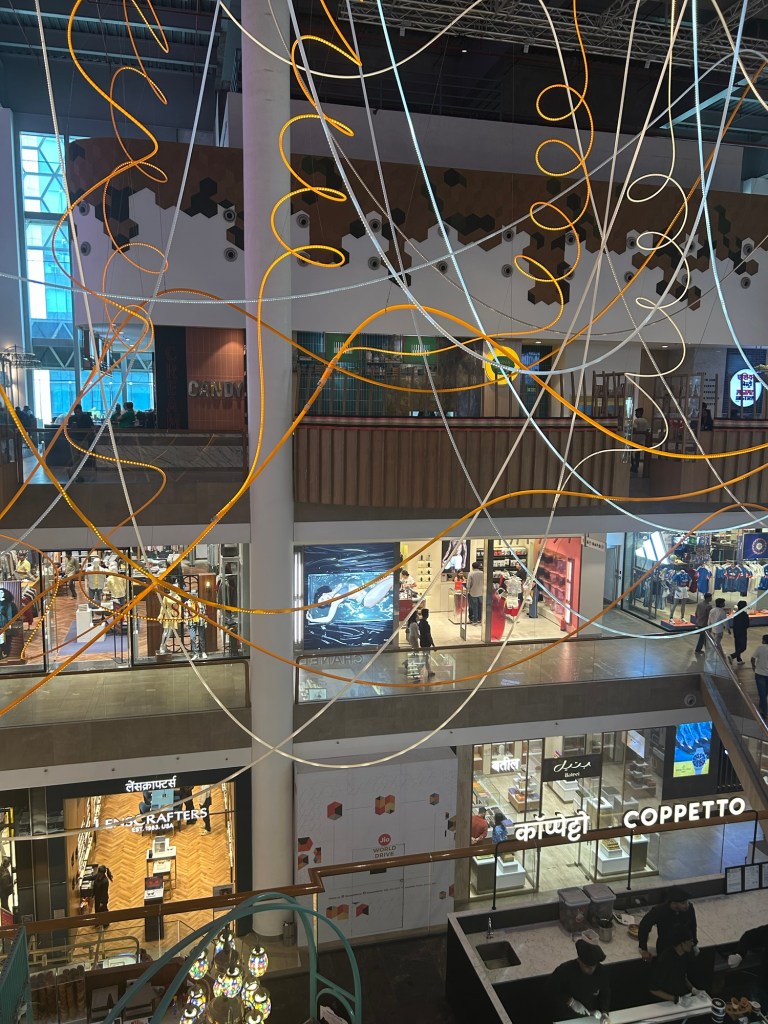
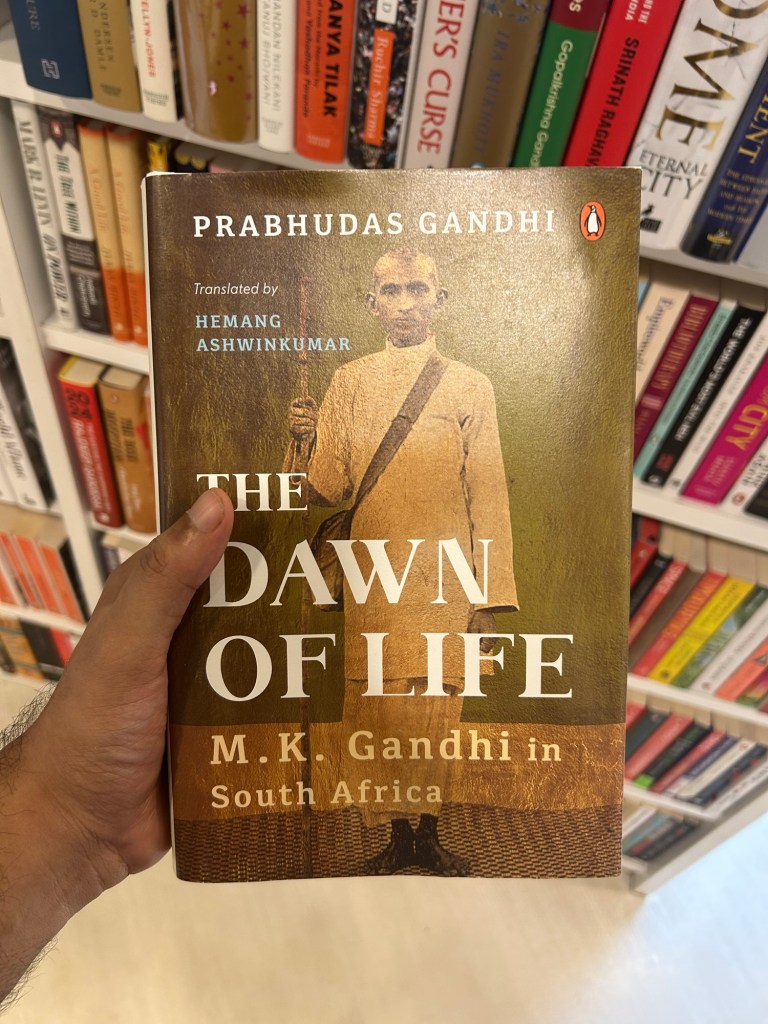
White Crow, Jio World Drive – strong food book collection

Modi ji in Malaysia
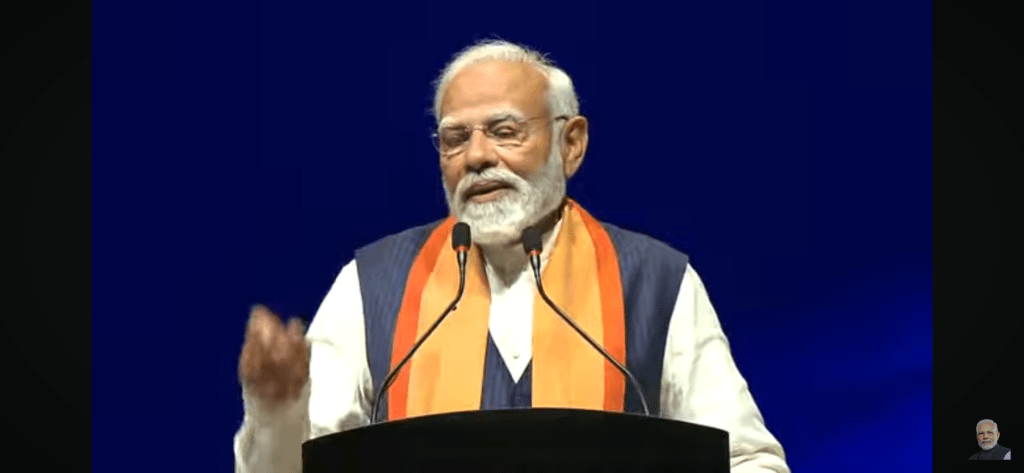
Modi ji in Kuala Lumpur in his address to the diaspora ticked all the right boxes, roti canai, teh tarik, Netaji, Azad Hind Fauj, Tiruvalluvar chair at UM, movies, heritage etc. Modi ji in my rather deep interactions in Malaysia is popular with the Hindu Diaspora, and he paid homage to this very community in the address.
Modi ji called for more Malaysians to visit India in particular the Malay Muslim community, for greater people to people ties. India has a definite cache thanks to its large diaspora, but more needs to be done with larger investments in watering the goodwill.
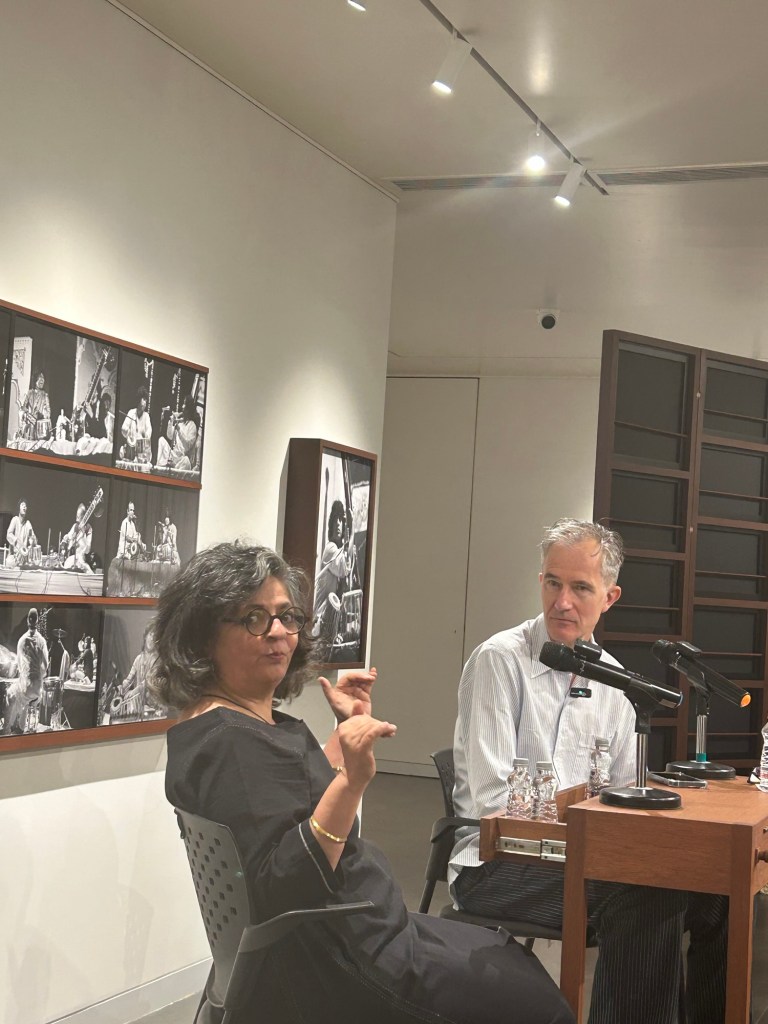
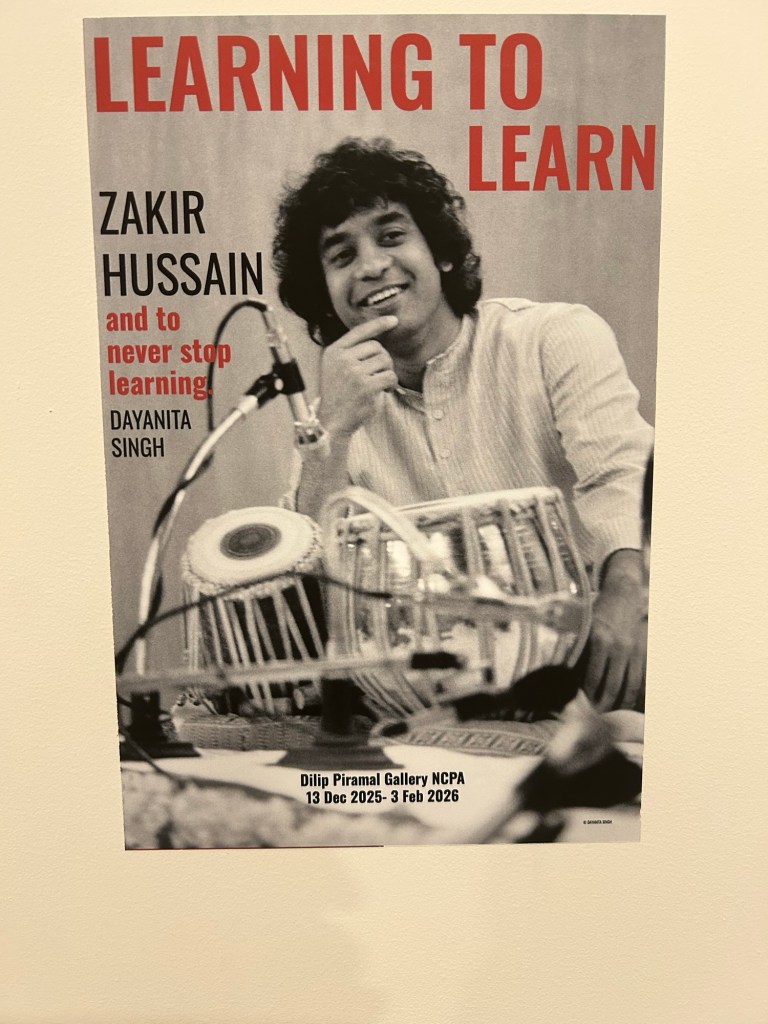
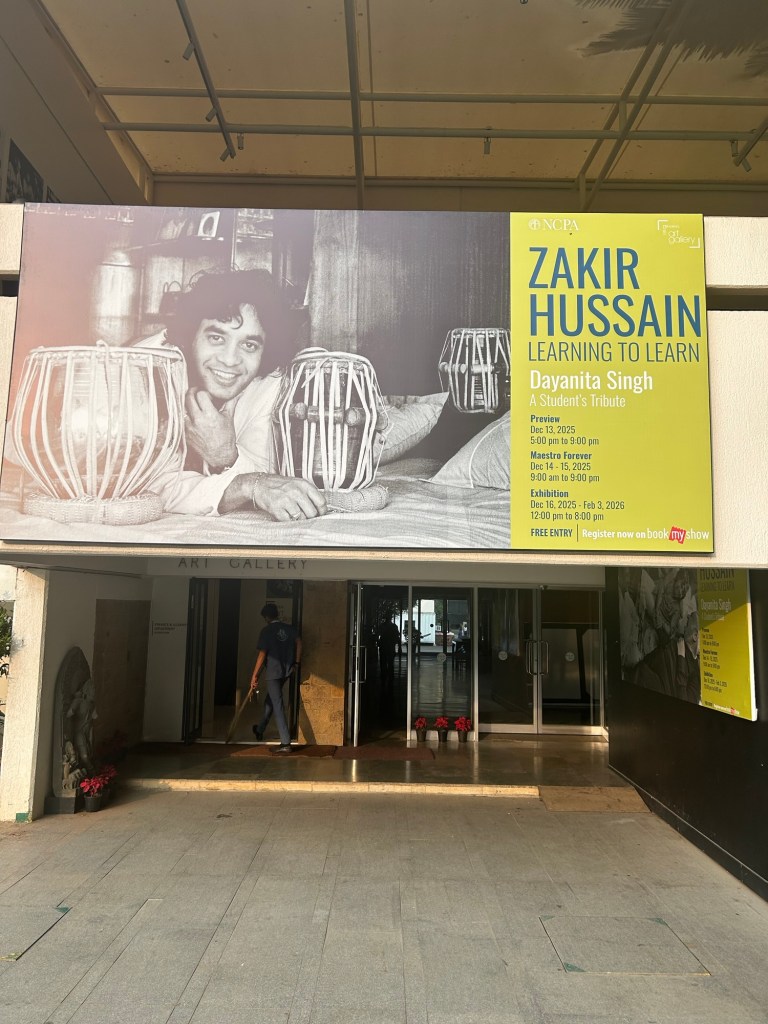
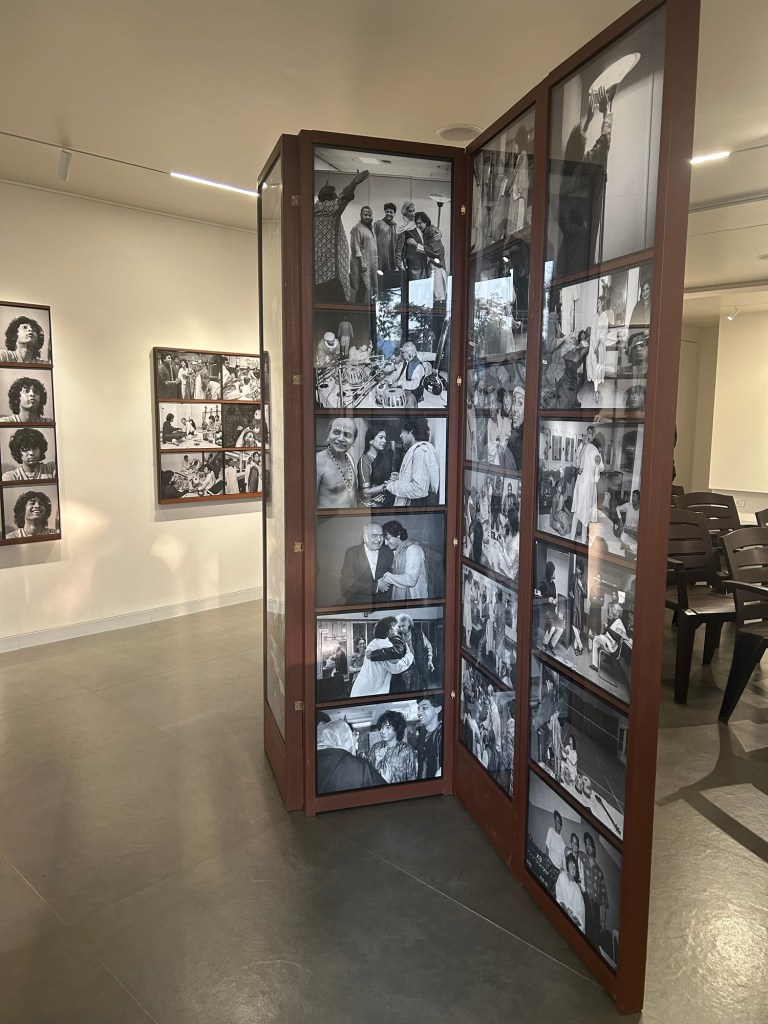
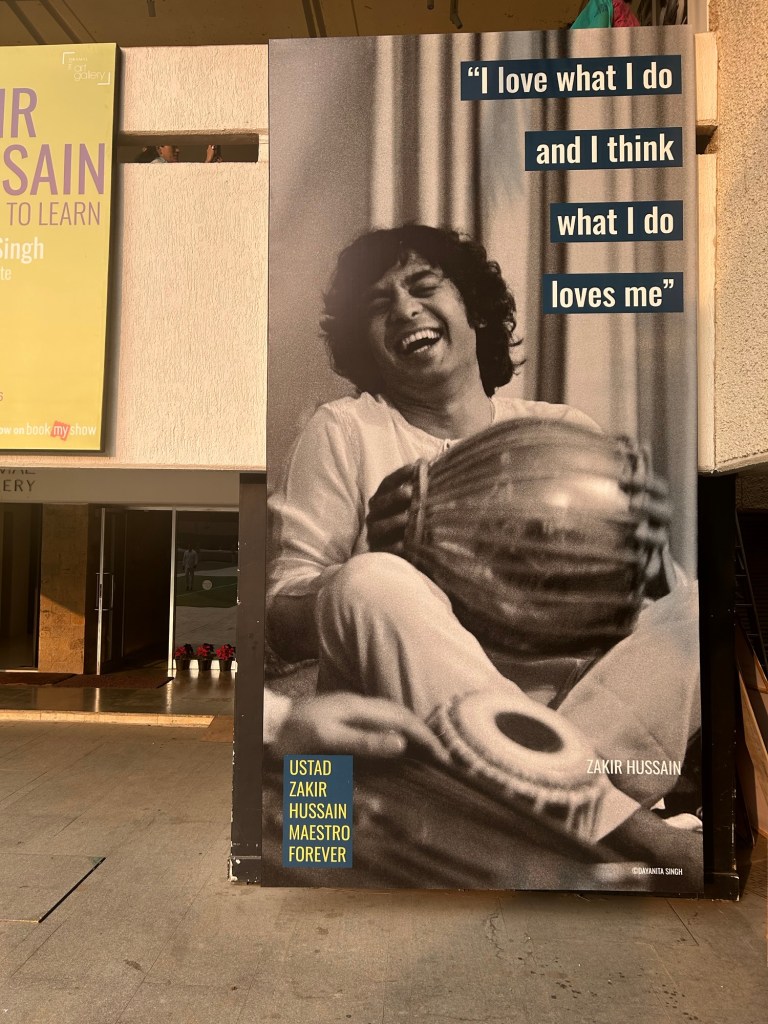
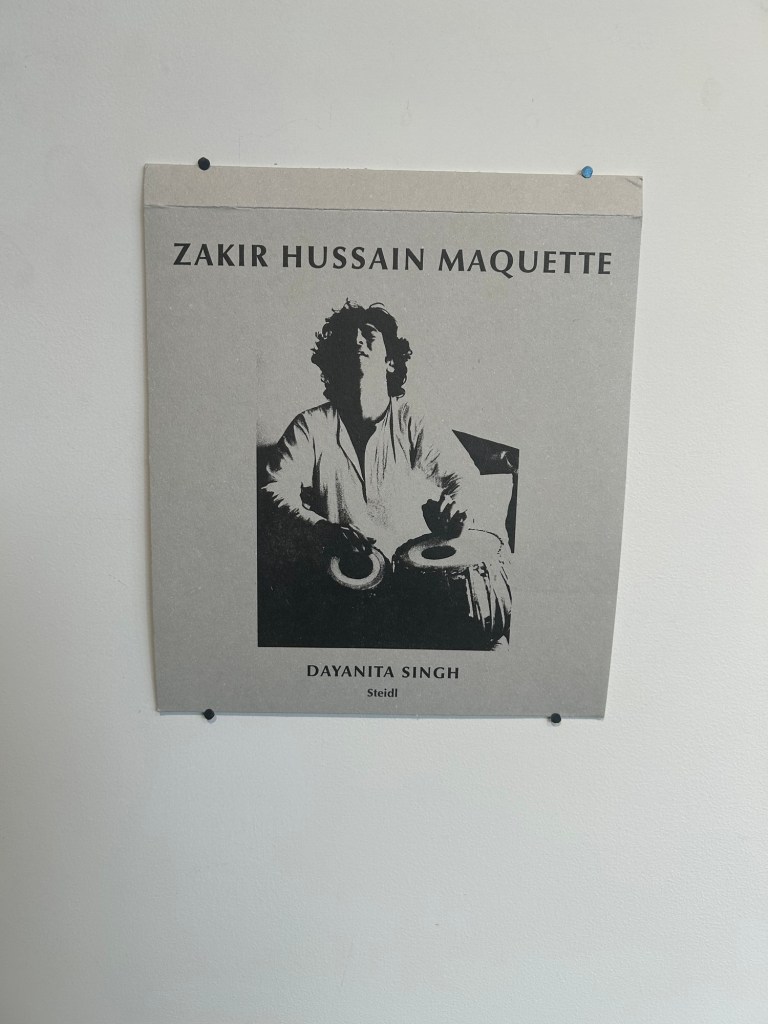
Geoff Dyer and Dayanita Singh Conversation on Zakir Hussain Exhibition at NCPA
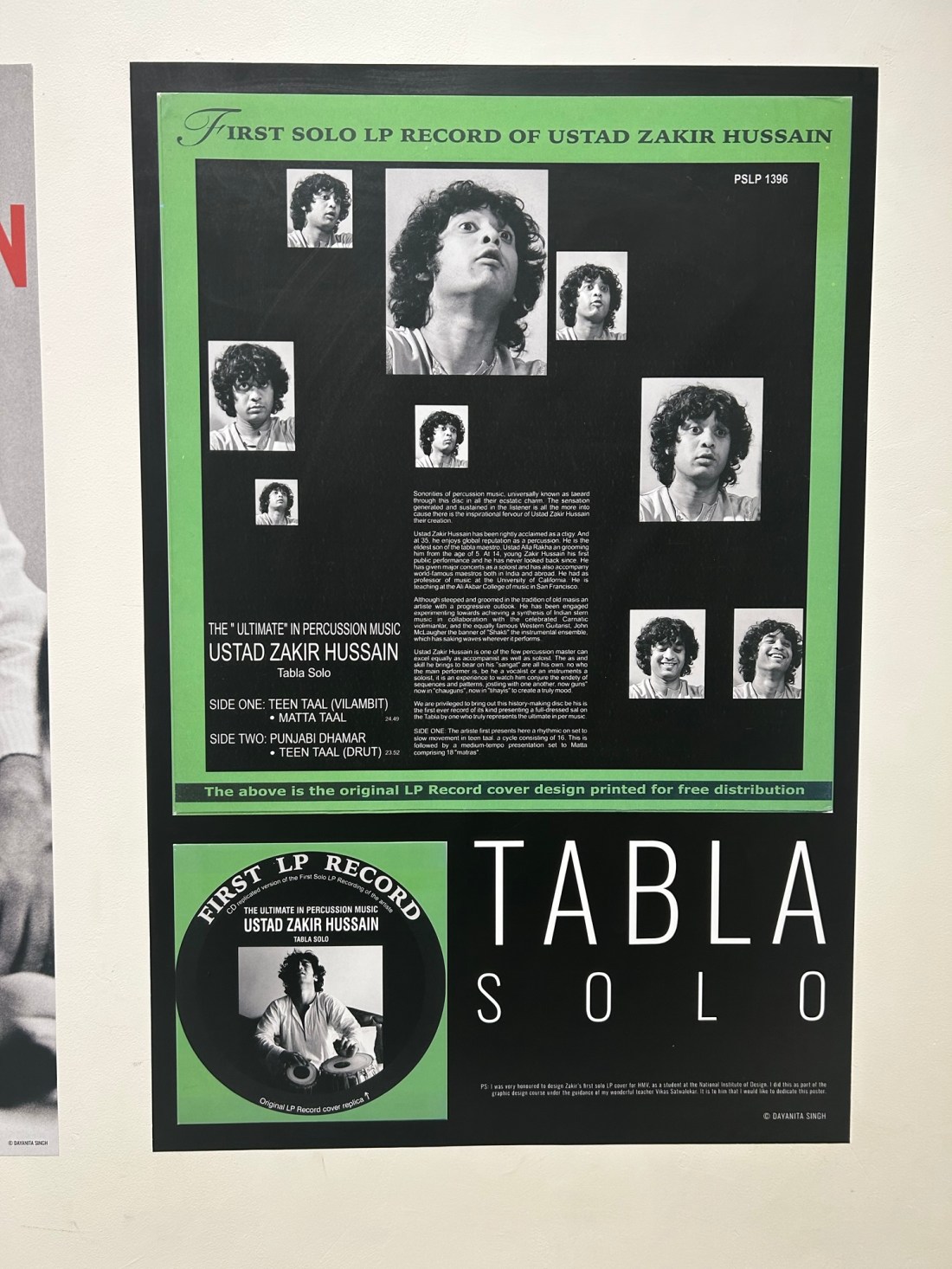
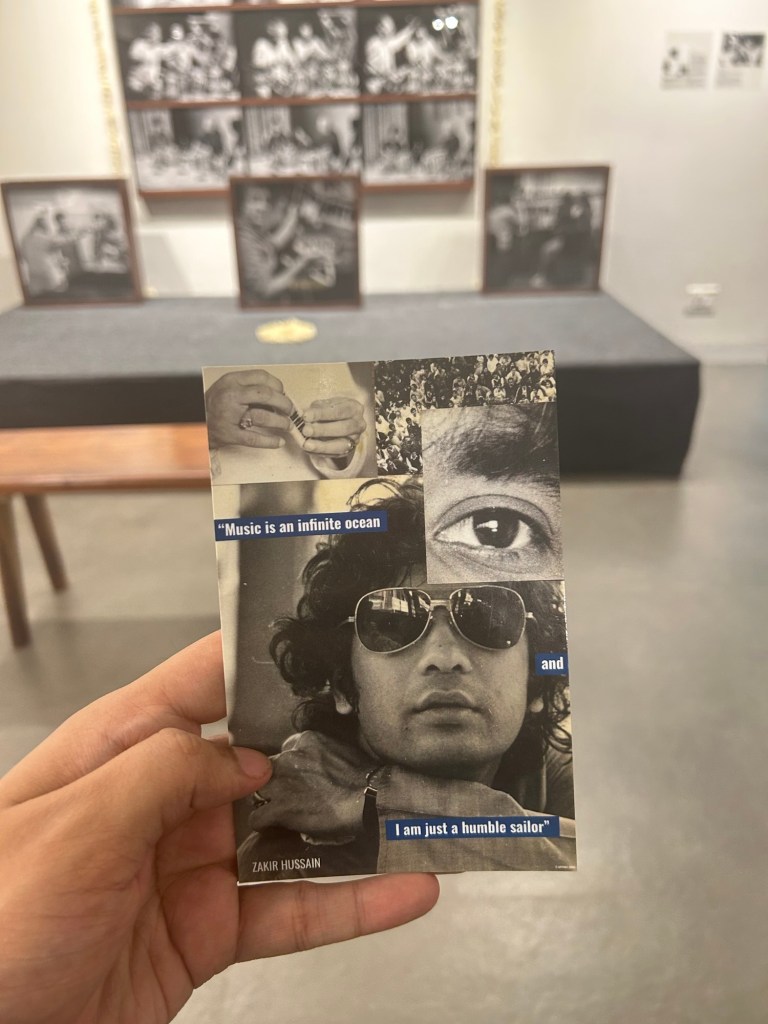
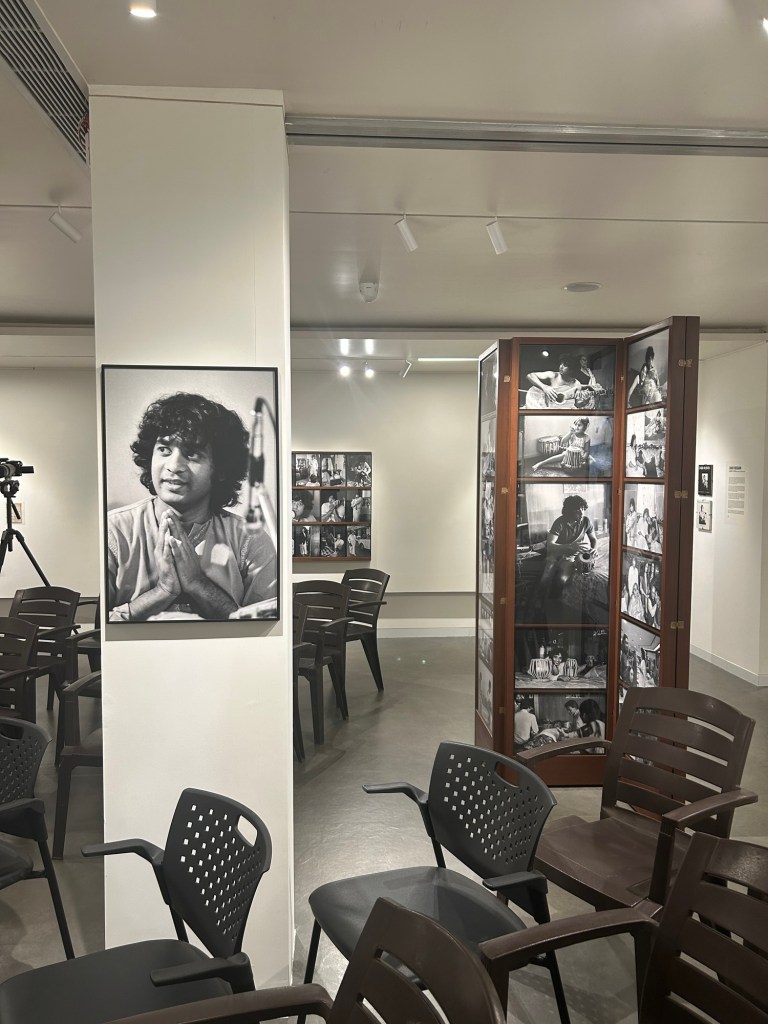
Entering a space is often an invitation to an exhibition of photography, a sensory attempt at learning the visual language. The exhibition on Ustaad Zakir Hussain photos by the legendary documentary photographer and artist Dayanita Singh was an education on how an archive to remember an icon, which captured the public imagination for decades, is done. The photos tell a story, of the artist, of the photographer and the act of taking the photo, and when to not take one is a story is itself. The editing of the photos and the sequencing of it, with the music of Zakir Hussain in the background is a way to remember the icon of ‘Wah Taj’ in a particular way.
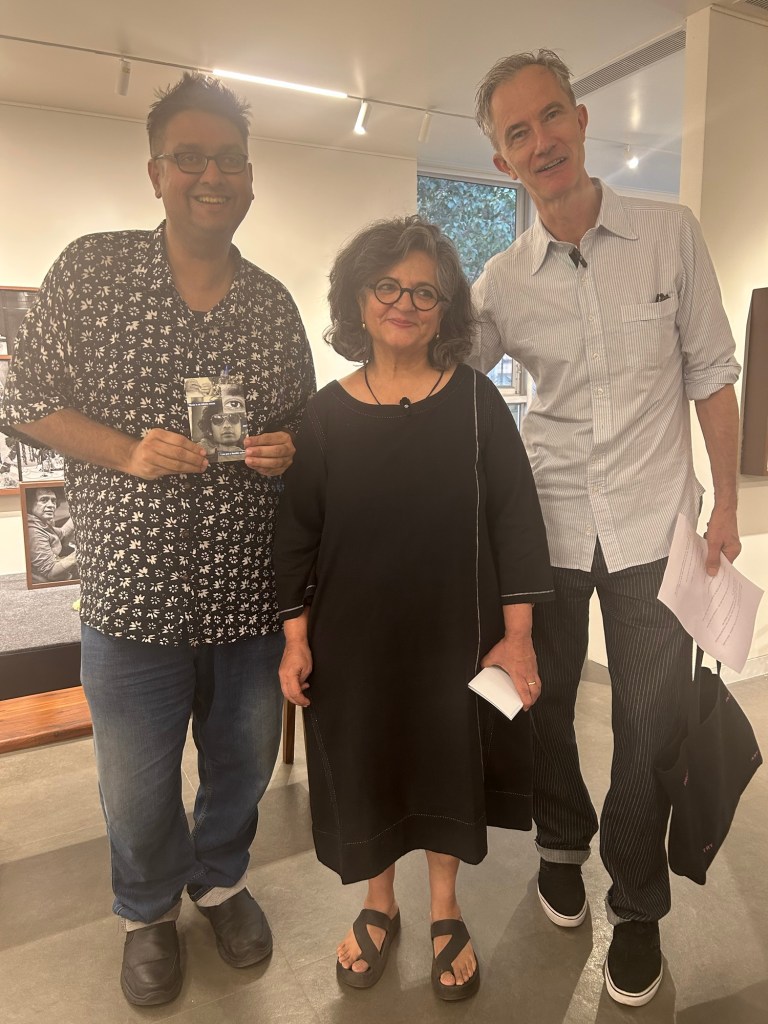
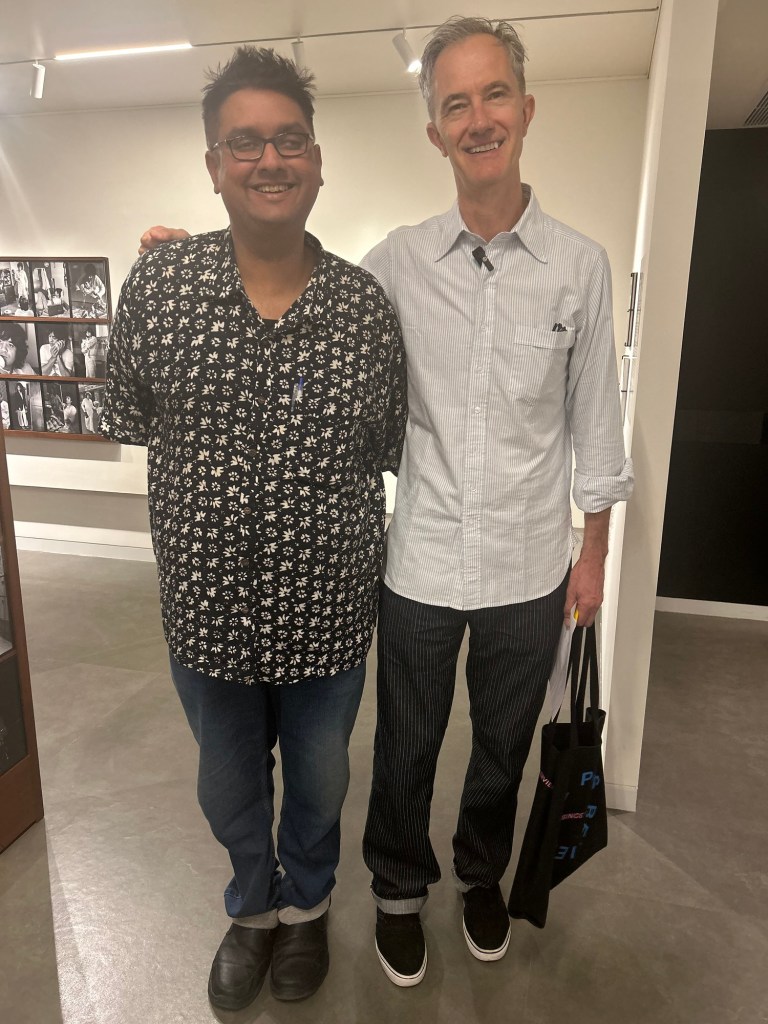
The writer, Geoff Dyer who is an erudite commentator on the world of photography over many books and essays, led the dialogue with a deftness which only an acute observer of the realm of art and music can facilitate. An hour of conversation, was equal to a deep lesson on the art of taking the image. I had met, Mr. Dyer in Kuala Lumpur where Seni Pusaka had organised a dialogue at the tony Cult Gallery with the Malaysian public intellectual, Mr. Eddin Khoo. The tuak had nicely watered the conversational setting.
I am a compulsive photographer and writer, and do it in the spirit of documentation, in the same vain as Dayanita Singh. It gives me great joy that documentation itself is an art, or a means to it. The role that access and social capital plays in the art was a significant acknowledgement in the dialogue. As the final moments literally before the exhibition closes, it was a moment of celebration for the work of Dayanita Singh and the memory of Ustaad Saab, who was ‘charm personified’. These archives are what remain of an icon, as the photo returns the person from death, paraphrasing Barthes.
 Change Thinker