The case for sustainability was never about ROI, it was about doing the right thing which guards reputational risk in the era of radical transparency due to the digital panopticon.
Impact is more than compliance as it adds more muscle to do well over the long term with patient capital.
The polycrisis is about restoration, regeneration and resilience. There are a number of layers to sustainability in an era of geopolitical black swans. SOPs and check lists are simplistic to capture anything meaningful.
When we think about EVs, it’s not only low carbon and clean air but think green jobs and critical minerals from Chile and Congo.
Time for framework jockeys in Sustainability are numbered as the turn towards more than reporting is here.
I read and write to engage with the life of the mind and not for the h-index as I am not gunning for tenure. And i have diverse interests from impact to Indian Ocean Tarikh to entrepreneurship to writing. I am working towards a PhD as well. My day job is as a venture builder in the impact space, and have worked in the policy realm for a better part of a decade in Singapore and KL. In India, I work with think tanks which contribute to governance and foreign policy discourse in the country.
Ideas and action can co-exist, life is a portfolio rather than a linear resume for the hiring algorithm with keywords. The era of AI is for zero to one, as only what is commoditised can be fed into a training engine. Identify problems and solve them, and a white space has not even been defined. The move from diagnostic to anticipatory is the big shift in our polycrisis world.
The issue with carbon markets is trust, and the only way to solve it is a robust social licence to operate through FPIC which is context driven and rooted in the voices of the vulnerable, and definitely not a tick box check. And it needs to be renewed at intervals. But it can be solved through trained critical social scientists who speak the languages of the community and thinking intersectionally are deployed, and use a range of approaches to understand needs and develop trust.
The problem with the offset market is the way they treat FPIC, as almost a headache to be outsourced to an NGO partner. These are vulnerable people with rich histories of hundreds of years. Carbon is stapled with water and biodiversity as President Tharman quipped, yet community is the wrapper of the bundle.
No AI bluster will help here, as there future of the planet is high touch rather than high technology purely not discounting tech based credits and power of MRV in the traceability equation. It’s time to be creative with FPIC, and solving for trust through intellectual rigor is the way to go, in case nature based credits need to scale.
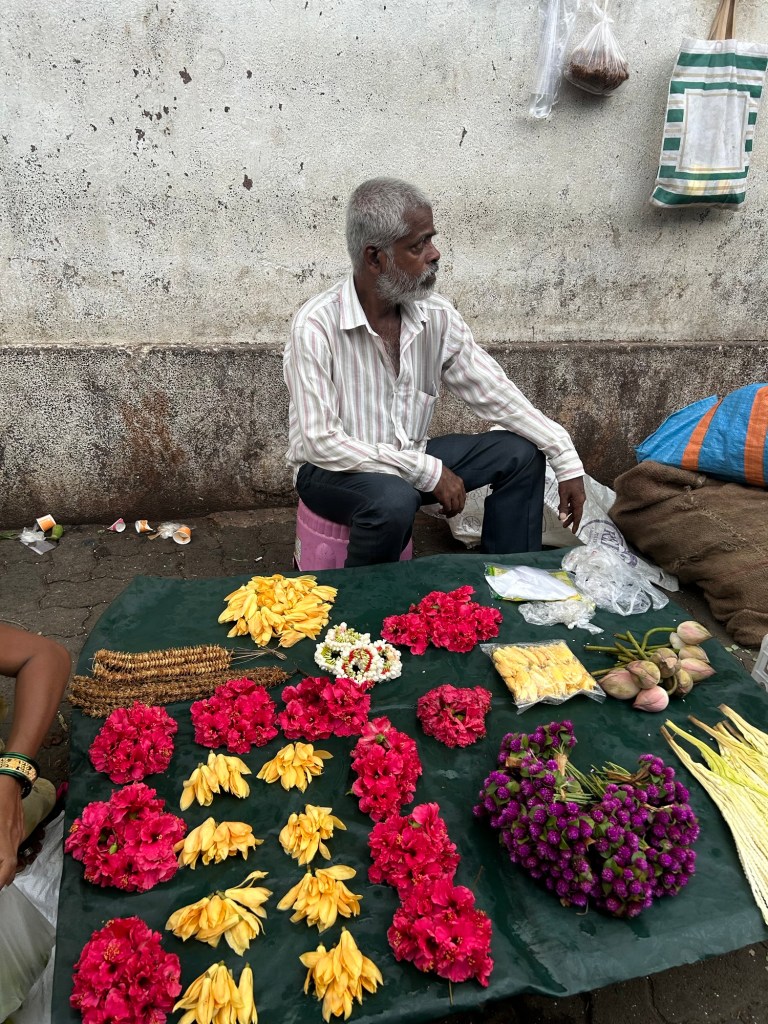
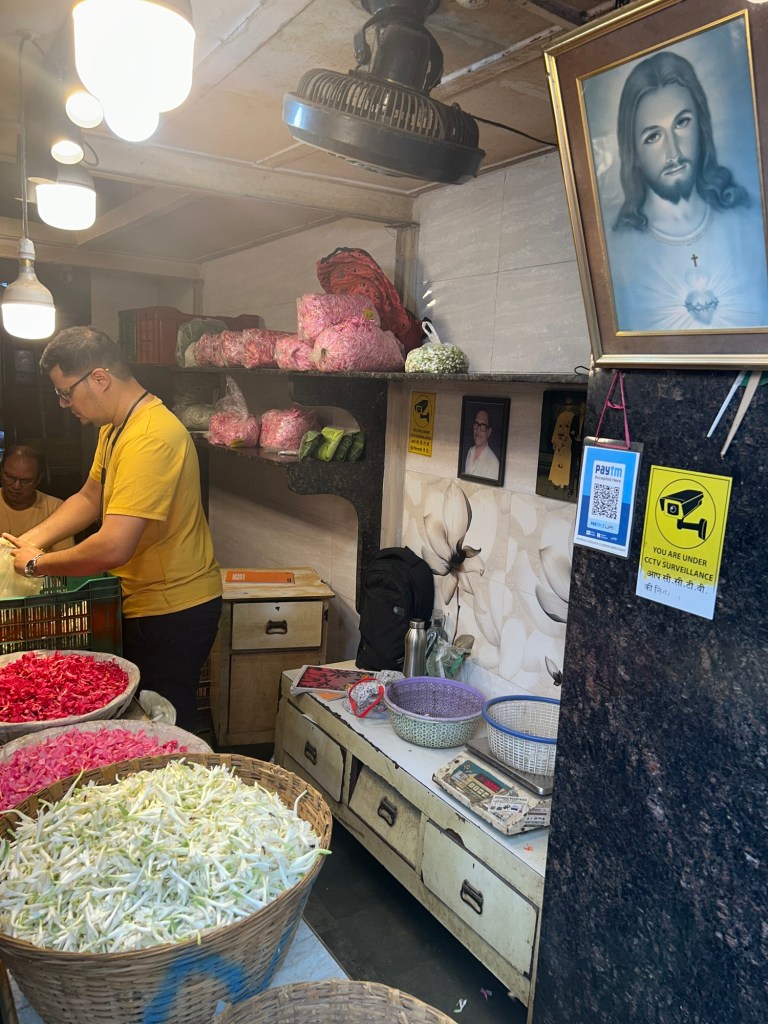
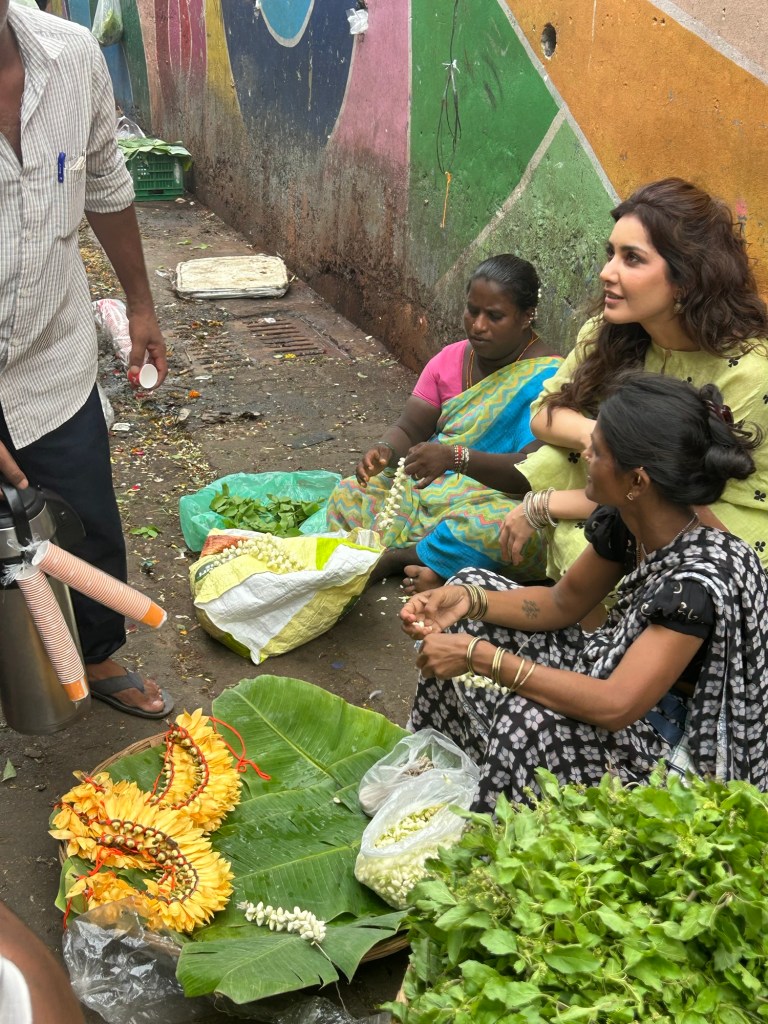
A riot of colorsThe Banana LeafSacred OfferingsThe Flower Seller
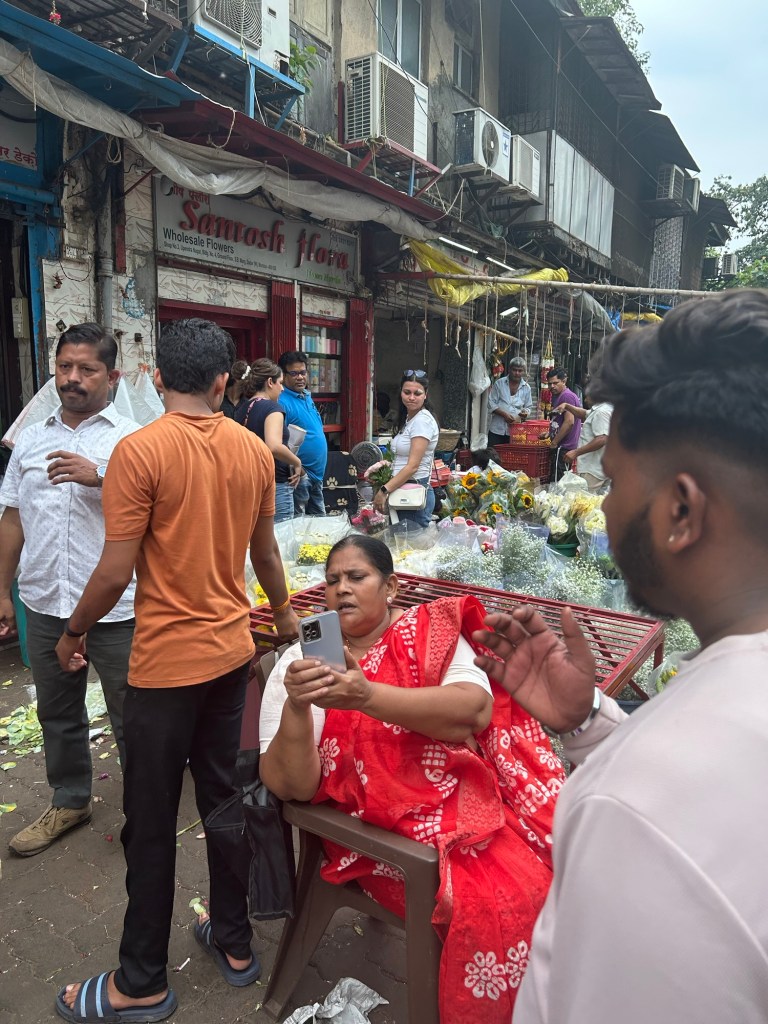
This Saturday morning was spent with an enthusiastic group of image makers at the colourful Dadar Flower Market. The young men and women, mainly techies and start up wallah’s armed with DSLRs and Leica’s went out into the market with a gusto to hunt with trophy images. The market in the morning is buzzing with commerce and chaos, and the hum of the train with the Dadar Train Station next door. The photographers were often gently told off, and many did buy flowers. Yet, it did feel intrusive, and as ethnographers know well- the field has unequal power dynamics.
The urban is a theatre, and the colors of the flower market was a performance of the olfactory, and of the senses. The static image is unable to capture the fullness of the soundscape of bhojpuri dominating Marathi in the most Maharashtrian of Mumbai neighbourhoods- Dadar. The neighbourhood which is home to the Shiva Sena.
Flowers are conduits of the sacred and of celebration. Flowers are a part of the everyday. The images are a part of archiving of a Mumbai where the informal cash economy still dominates, and yet there were QR codes with many. We are not far from a time where flower tech, might be a buzzword. Ferns and Petals has created an online delivery marketplace.
As we image make, we often grapple with the neo-colonial politics of the camera lens or the smart phone, which is even more subversive when we land up to take images in a community in which we are not known. Is there a way, we can take consent in a street photography context? These are not mountains but people working for their living.
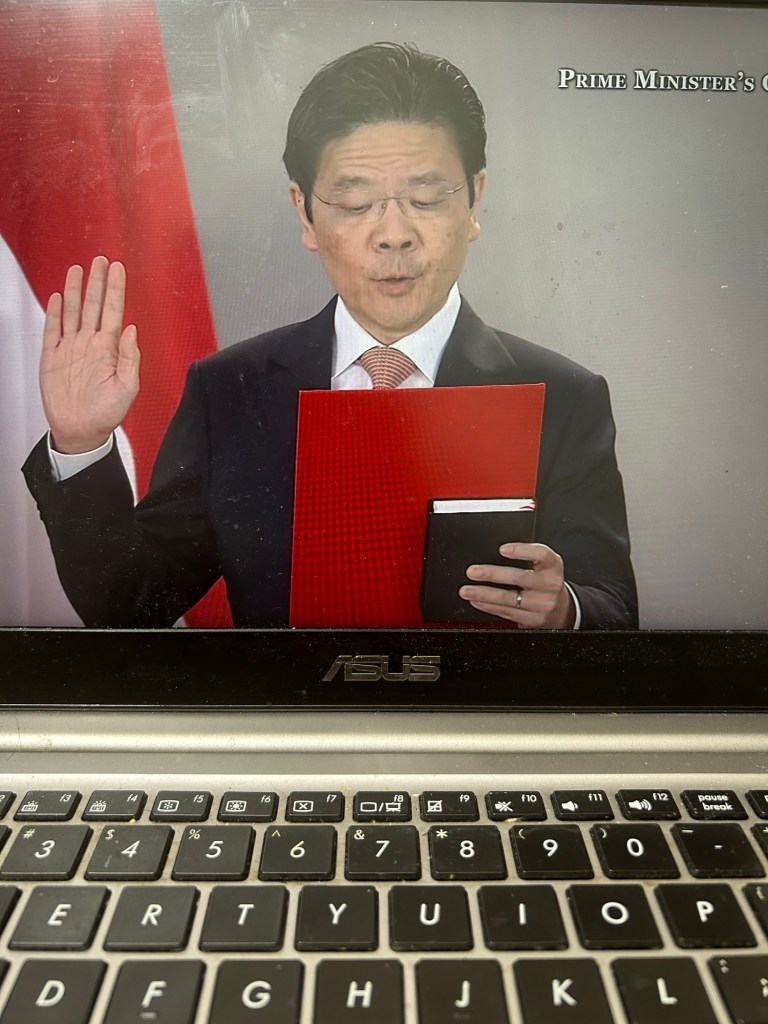
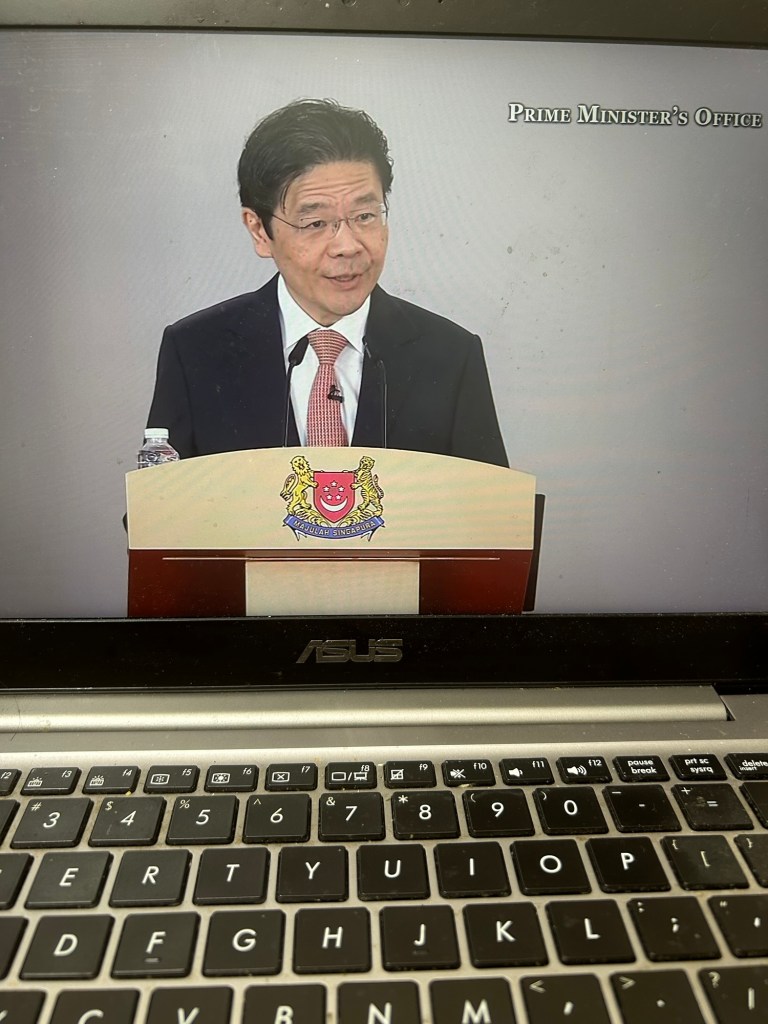
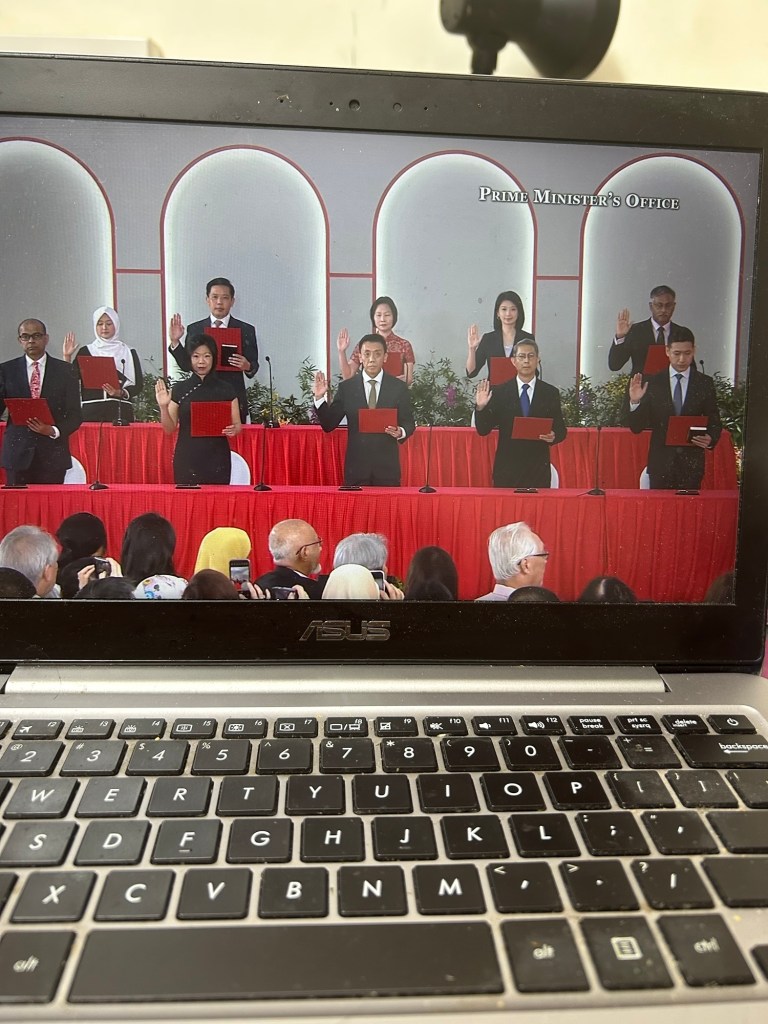
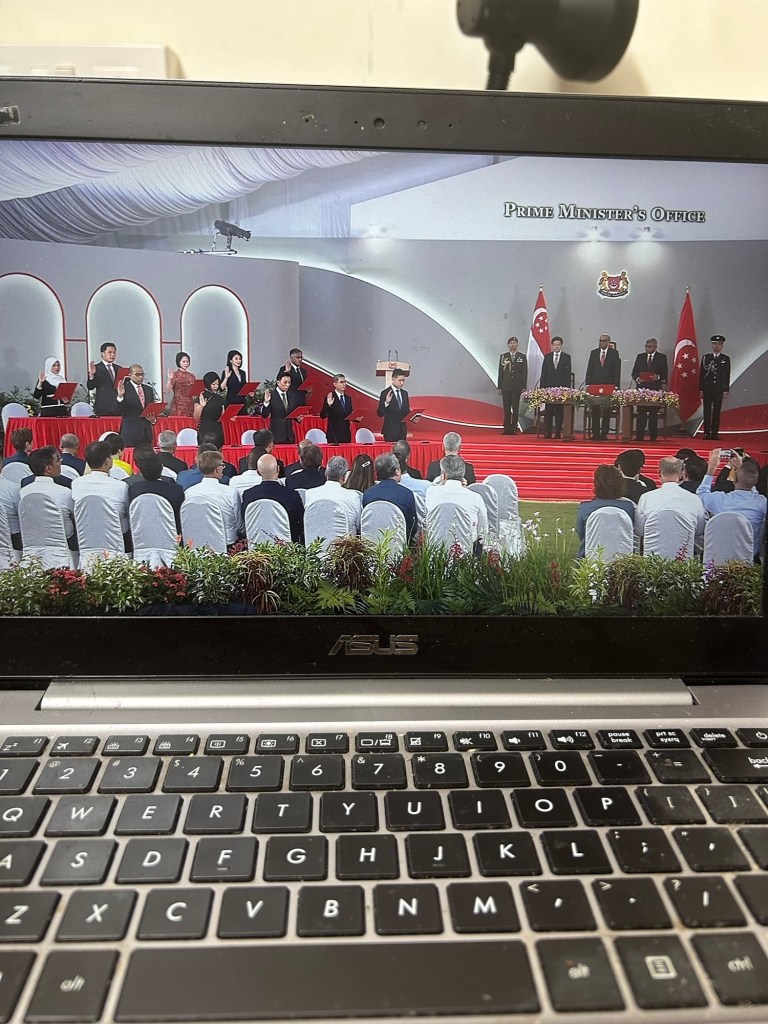
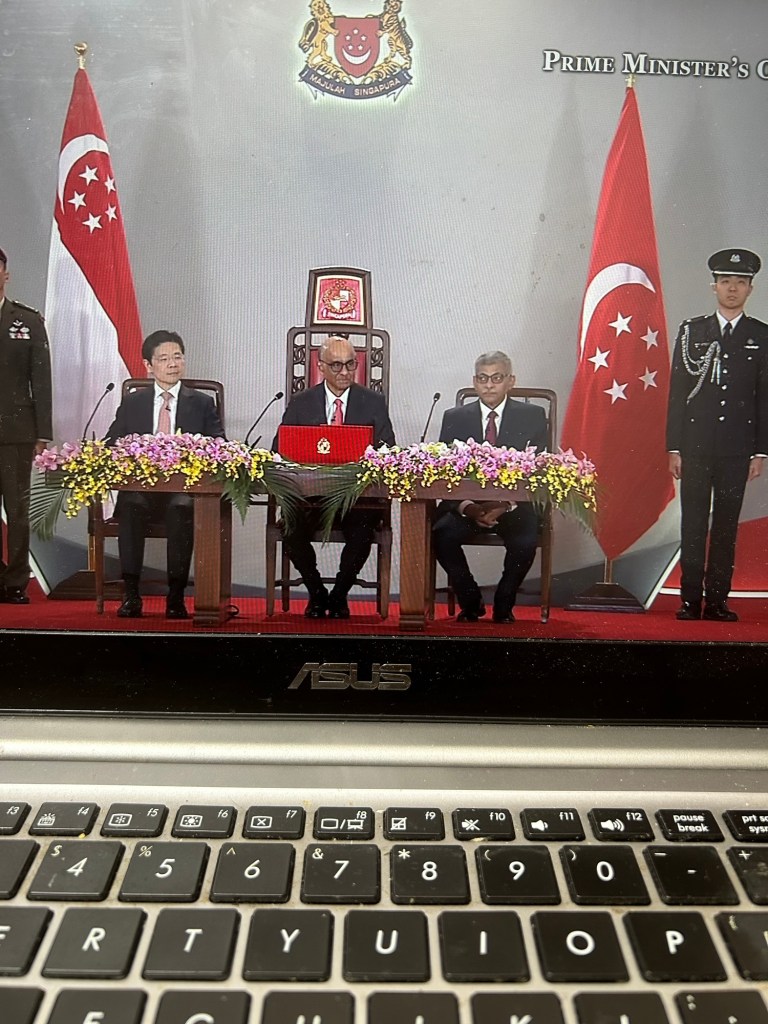
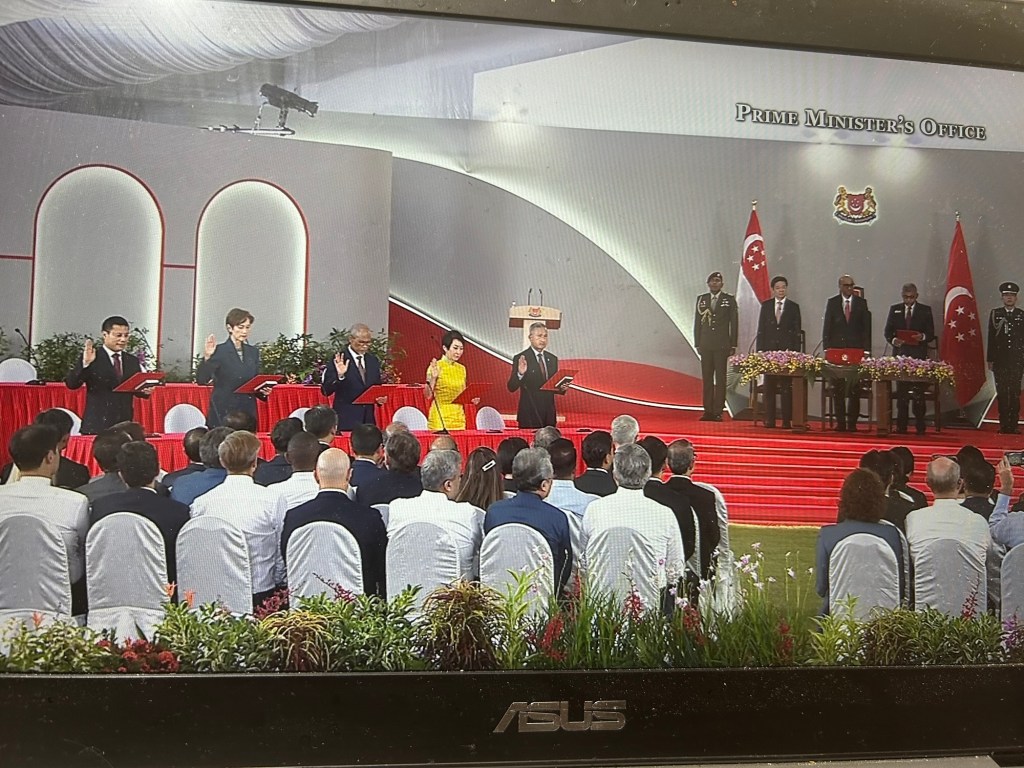
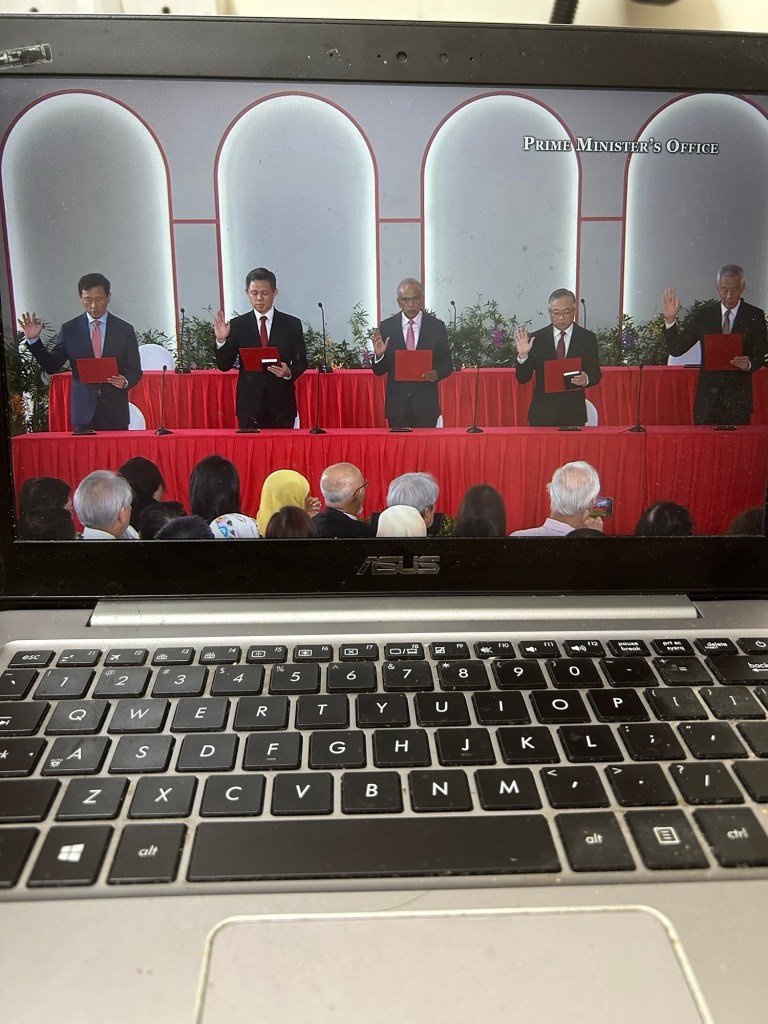
The Lawrence Wong Era in Singaporean Politics is here. A quick glimpse through the resumes of the cabinet members can inspire awe. The PAP state is technocratic with a policy wonk at the helm.
The commentator class is already chattering about 5G or the next generation of leaders. After his swearing in, PM Wong spoke about SG100, and that Singapore will prevail articulated with emotion.
The tariffs turbulence has set the narrative with an uncertain world, Singapore has an A Team with the intellectual capital to wade through the waves.
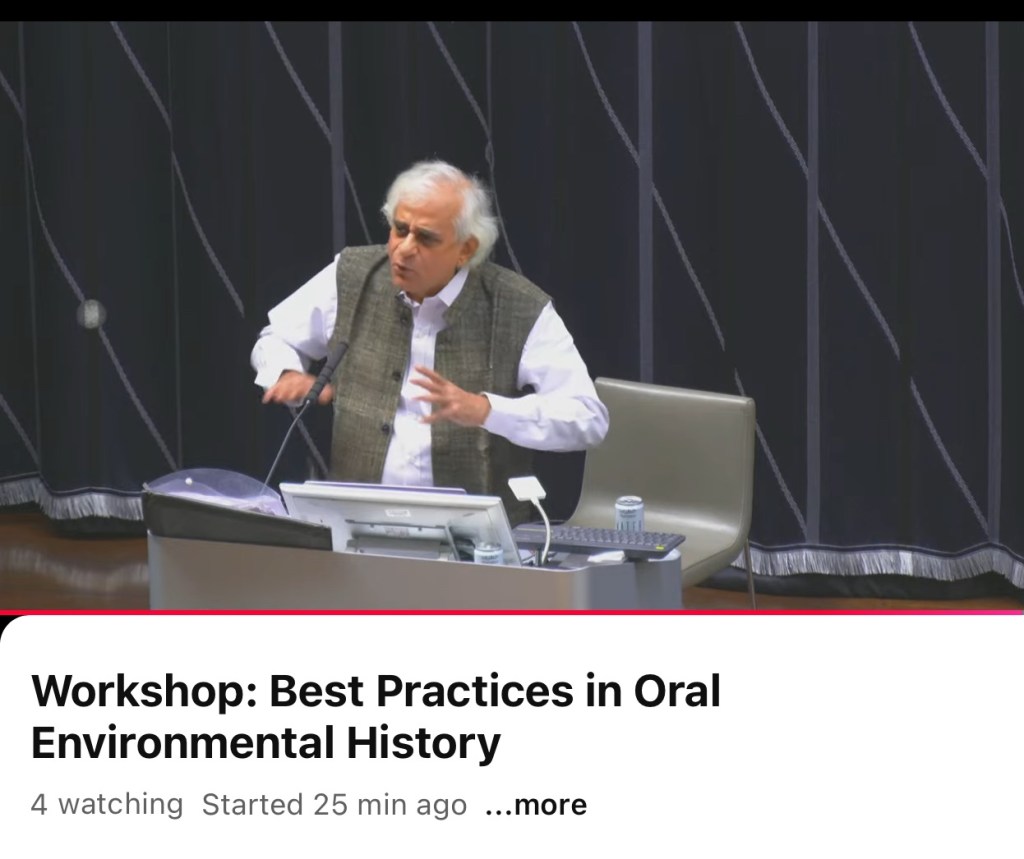
A P Sainath Masterclass on environmental oral history organised by the Qatar National Library live-streamed on YouTube is gold for researchers in climate change and environmental history as well as journalism.
A special shout out to Dr Sayeed from QNL for organising the workshop.
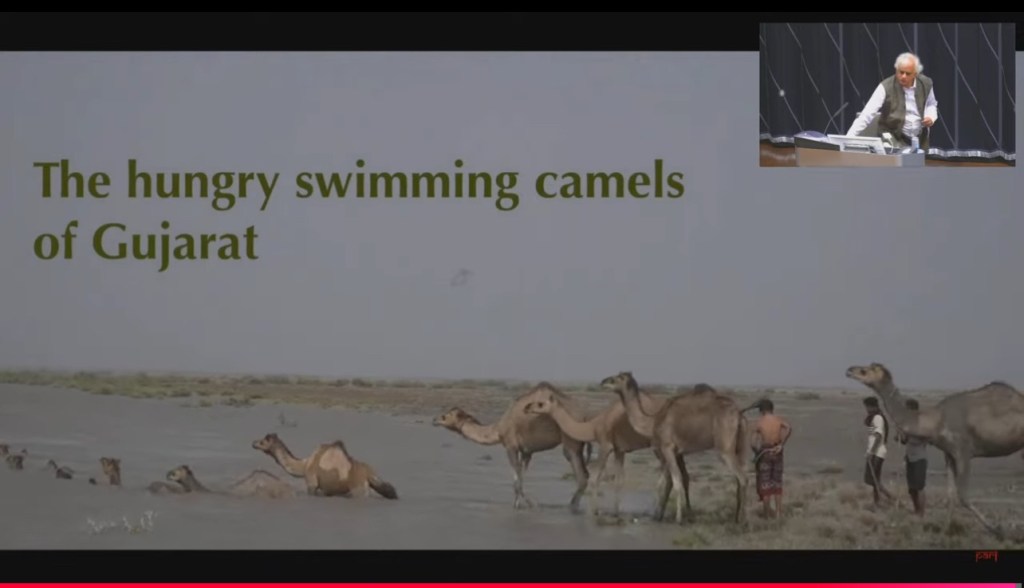
The whole day workshop touched upon archiving, decolonizing environmental histories as well as thinking of community research from below. Peppered with rich vignettes all through from swimming camels in Kutch to Seaweed farmers in Tamil Nadu the work of PARI, was shown.
P Sainath spoke on the value of looking at oral histories of migrants and the way climate change is really global warming, which opens itself to questions while climate change forecloses the potential to ask questions as there are four seasons a year, which normalises climate change instead of contesting the basis.
The various kinds of droughts was interesting to learn, meteorological, hydrological as well as a bureaucratic drought. The politics of data collection in the Indian bureaucratic system was an important reminder in to reading the basis of the data carefully.
The story of the Irish soldiers from Cork fighting the British alongside Indian soldiers in the 1857 mutiny, and how there were common colonial solidarities was simply mind blowing as an account. Mr. Sainath does not like the term best practices as well, as experts have caused a lot of damage in the realm of agriculture.
Oral histories matter as much as textual or architectural histories, especially in rural contexts where subaltern histories need to be recorded.
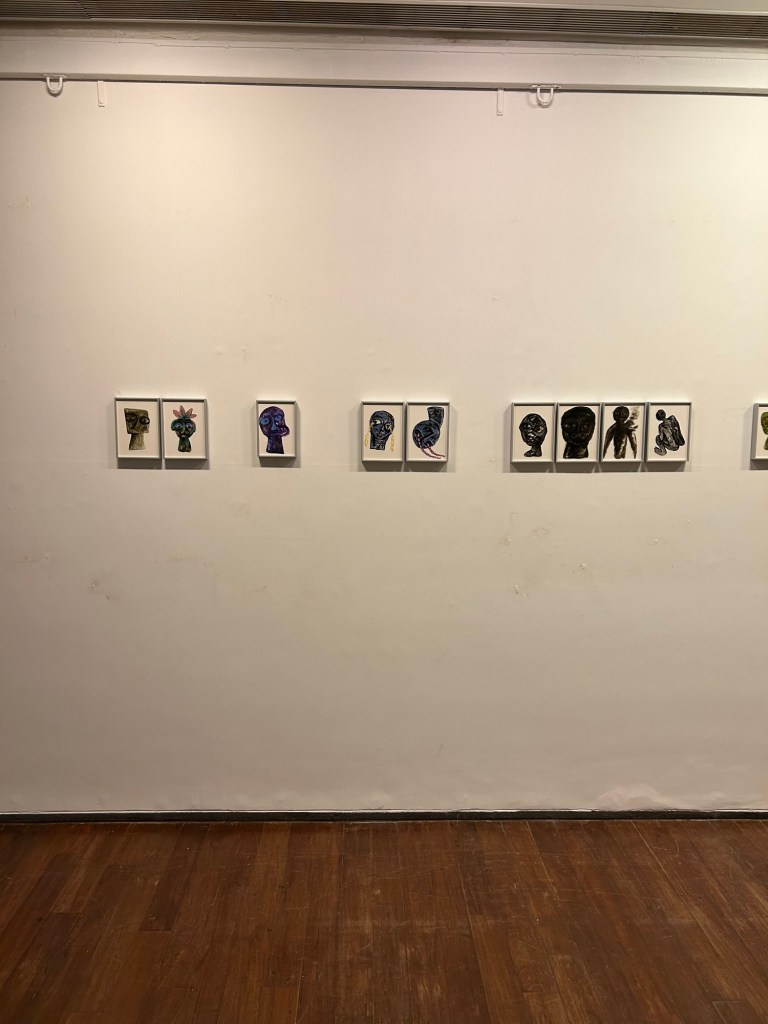
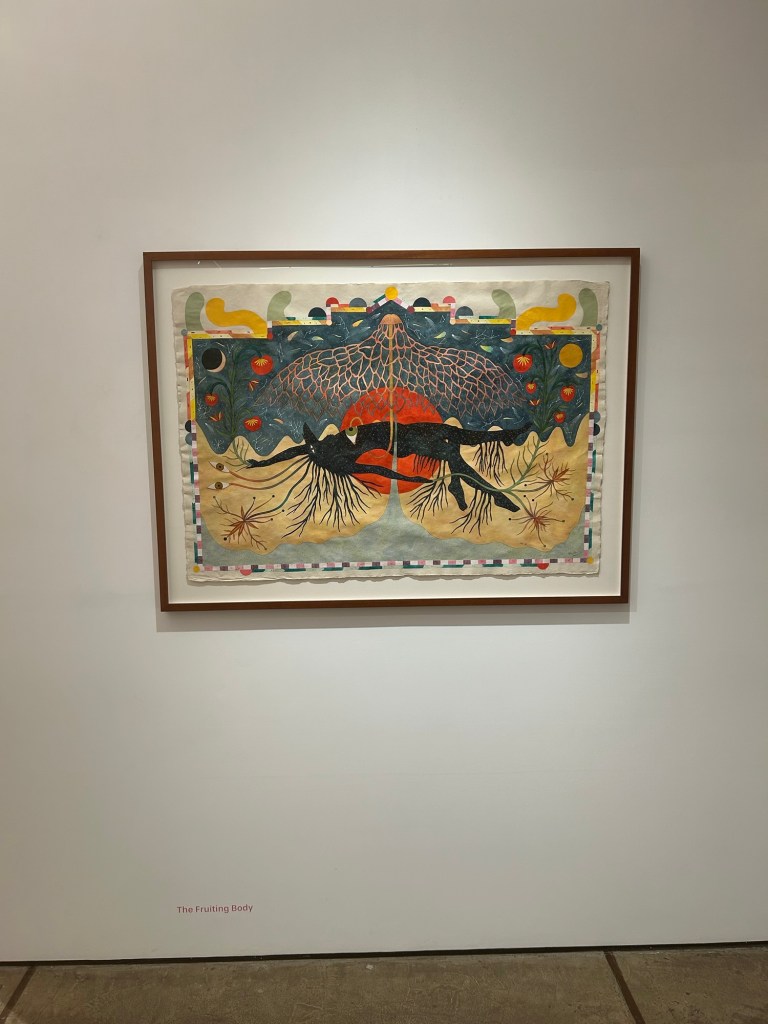
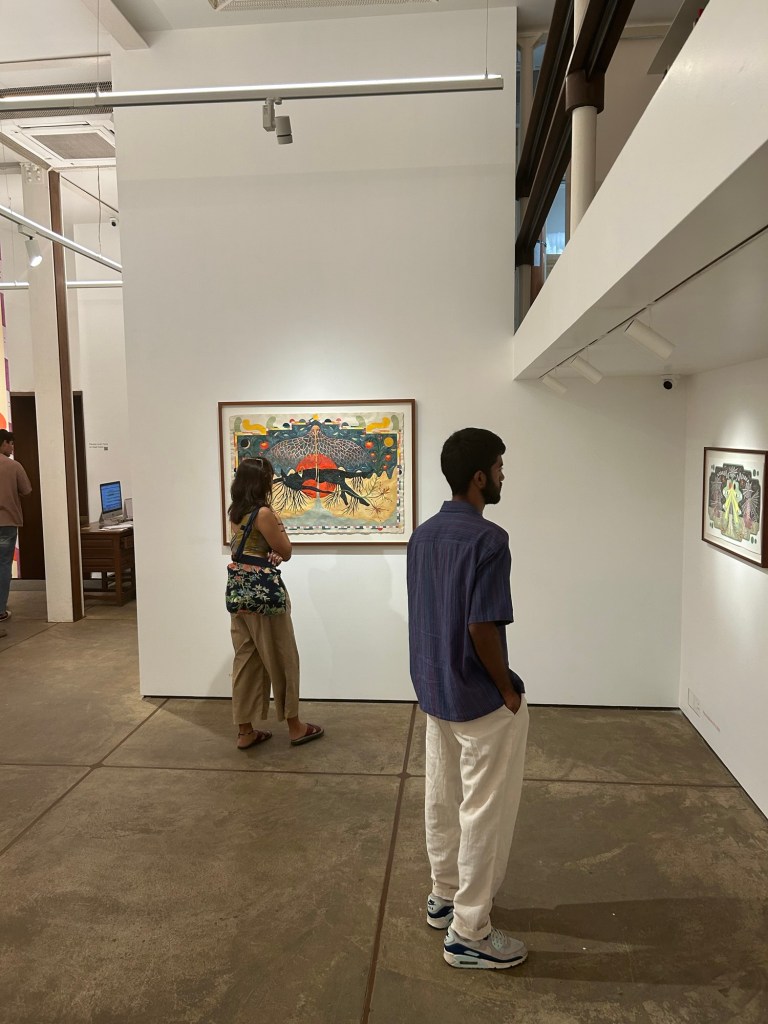
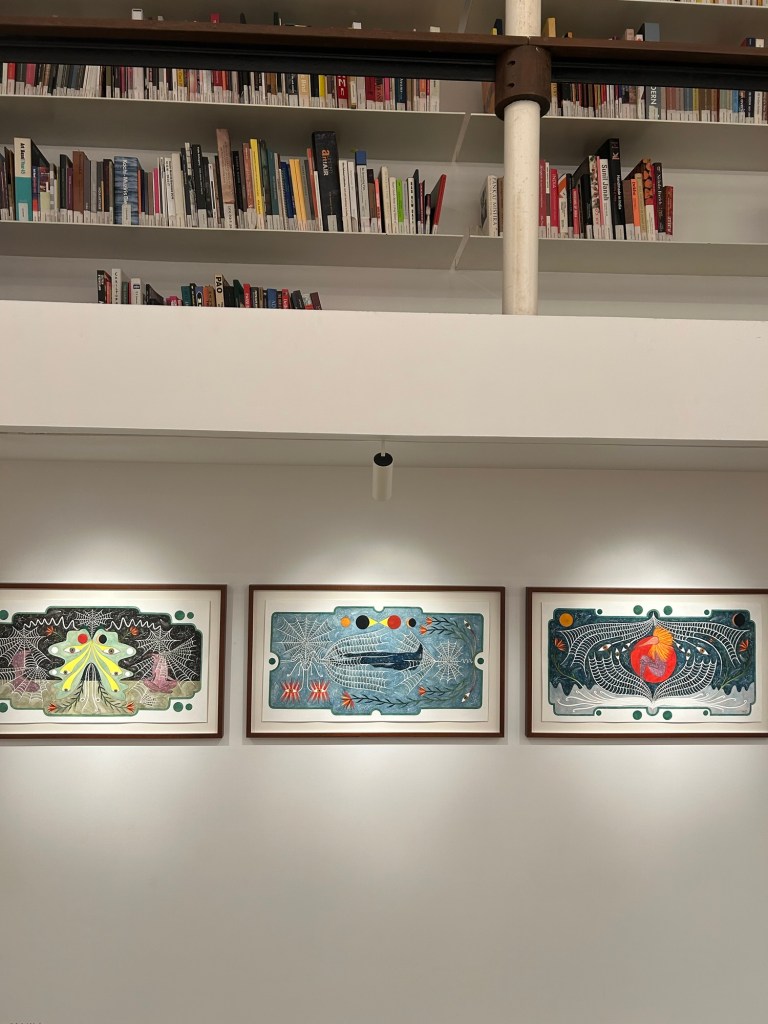
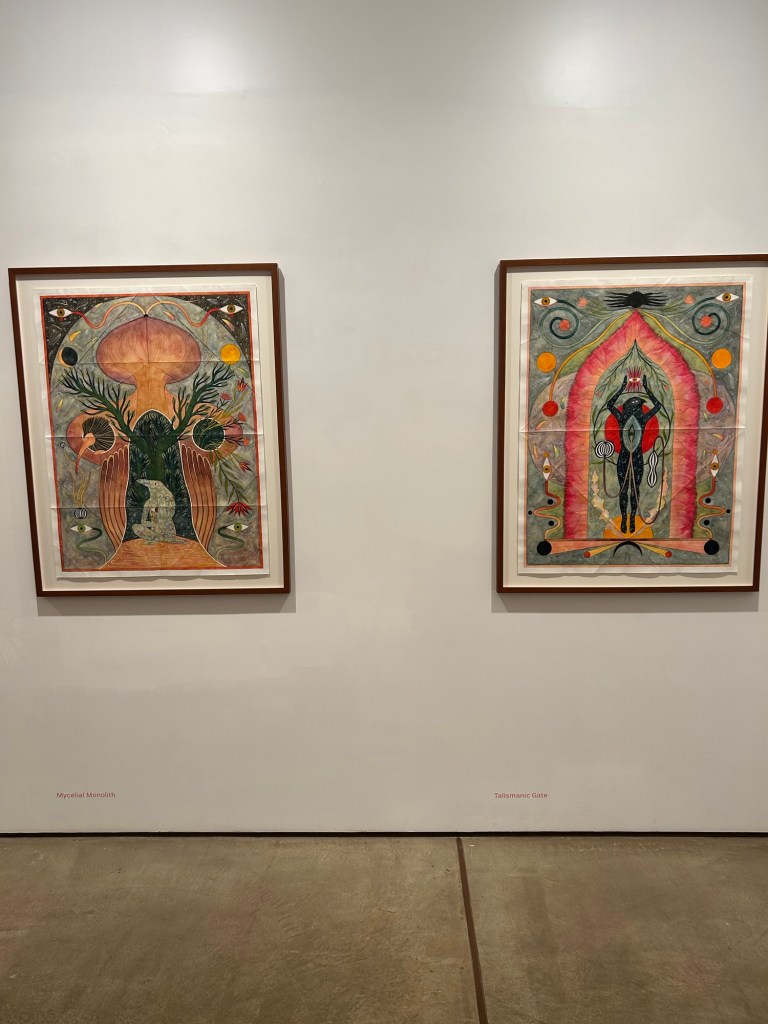
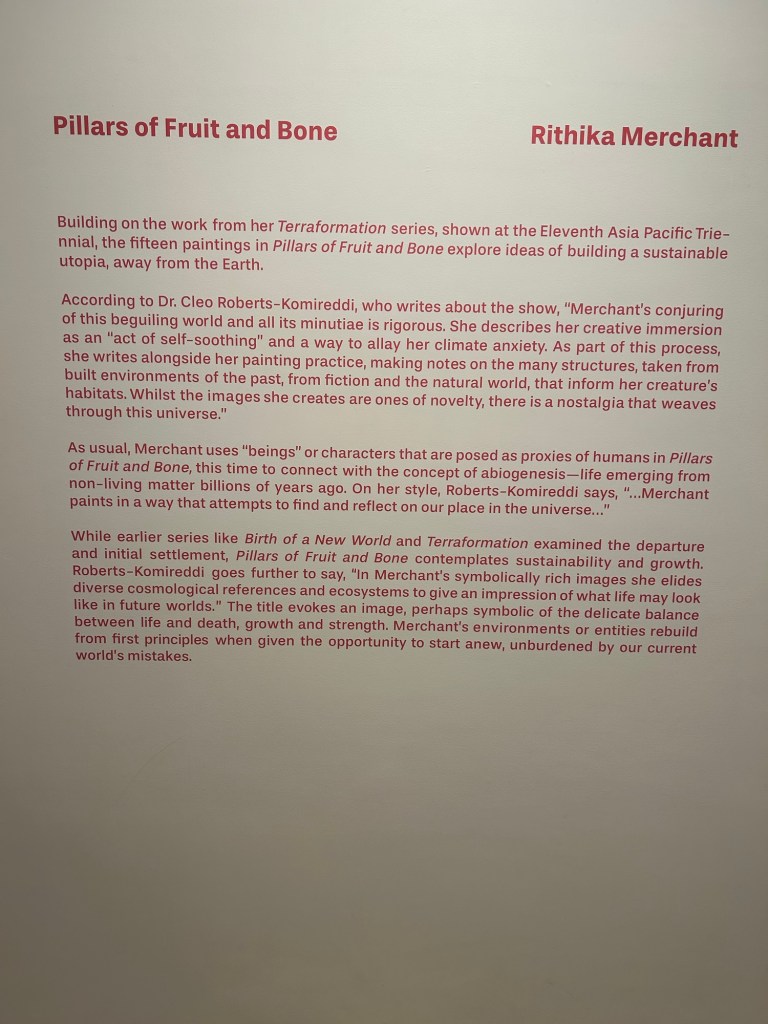
Art Galleries are repositories of the futures, beyond the violence of the present. From Art Jameel in Dubai to Ilham in Kuala Lumpur to the National Gallery in Singapore, galleries is where one learns visually.
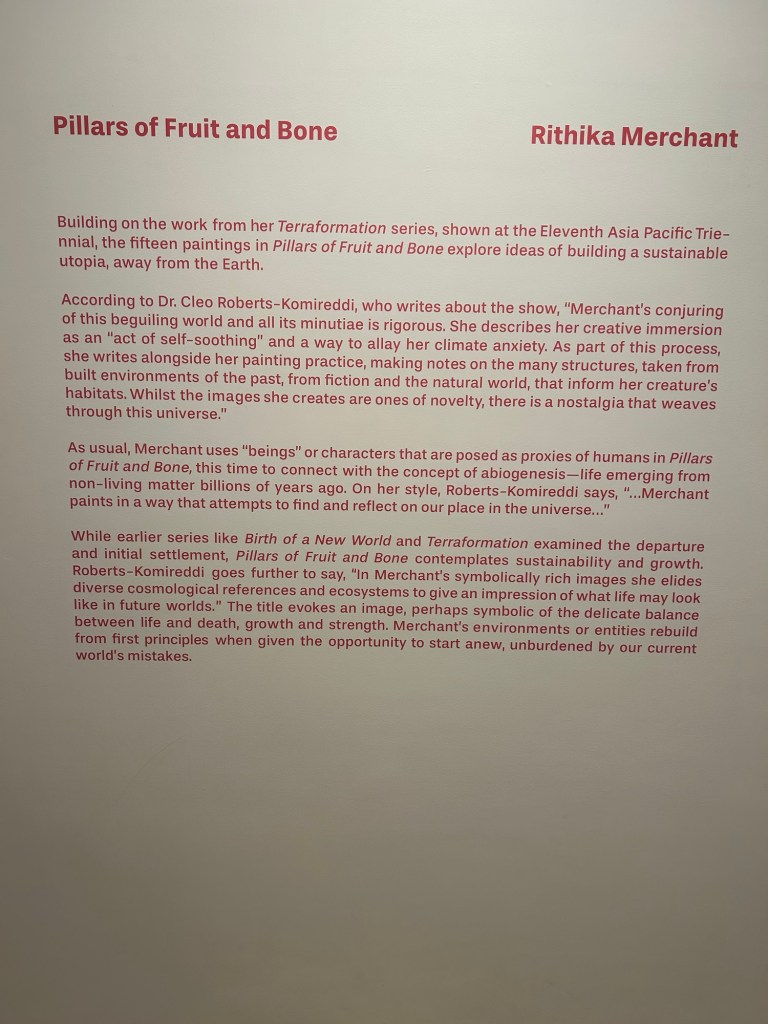
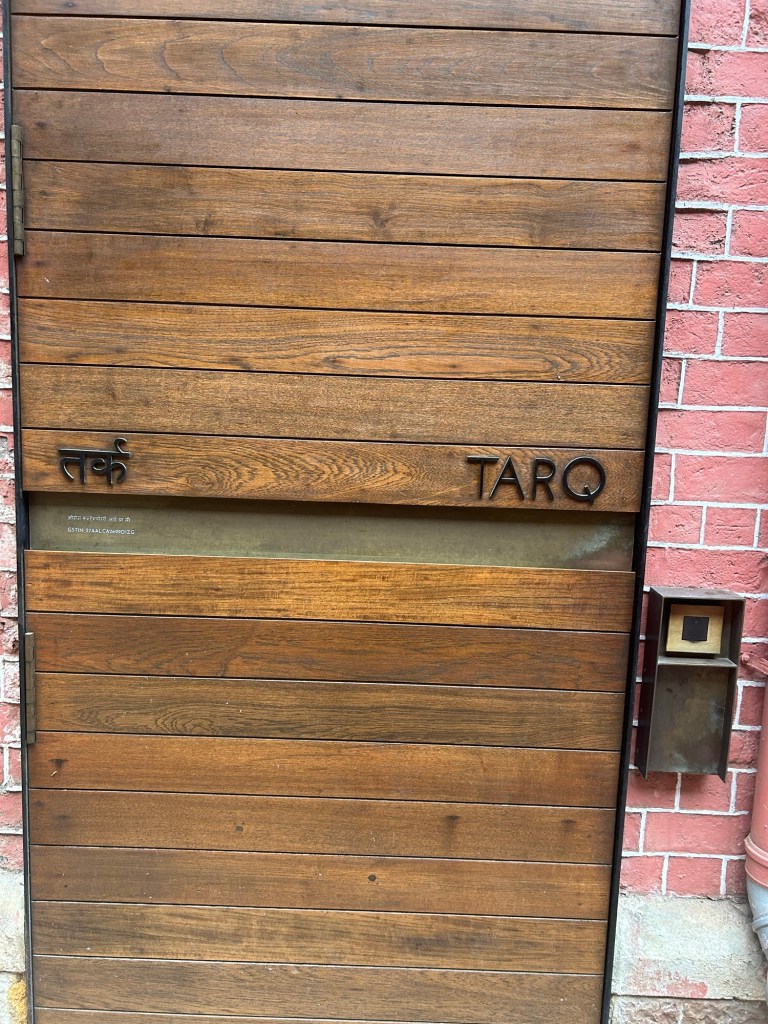
The exhibition at Tarq is on environmental futures which captivated my attention. Art liberates, and creates new registers in the chaos around us.
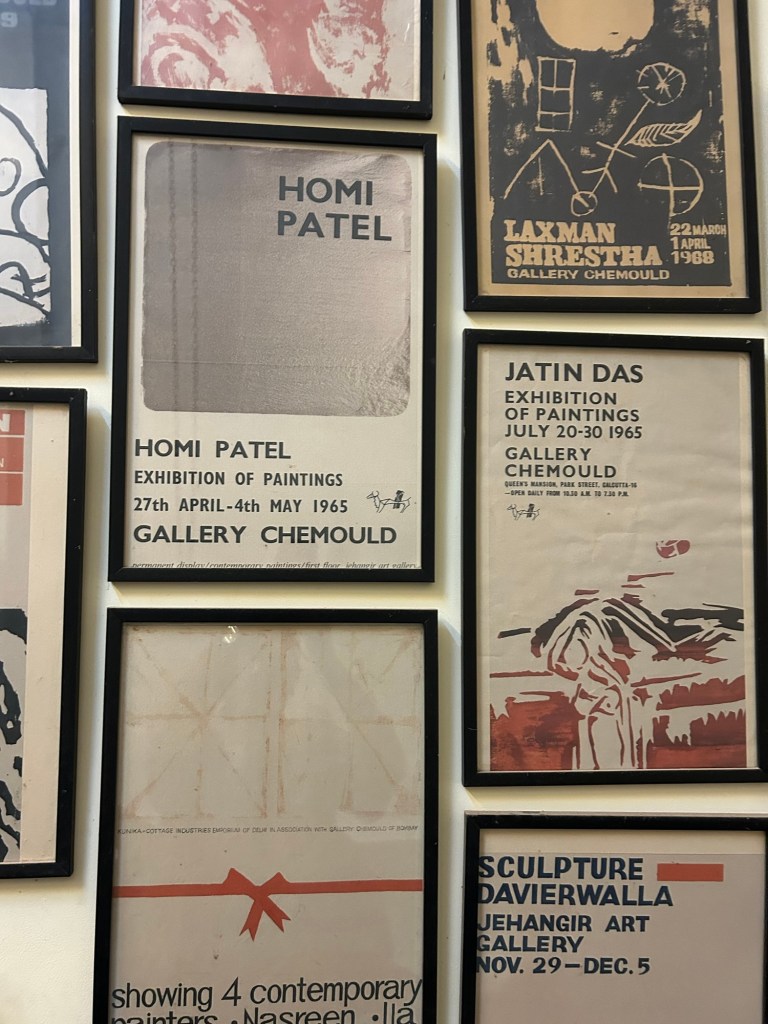
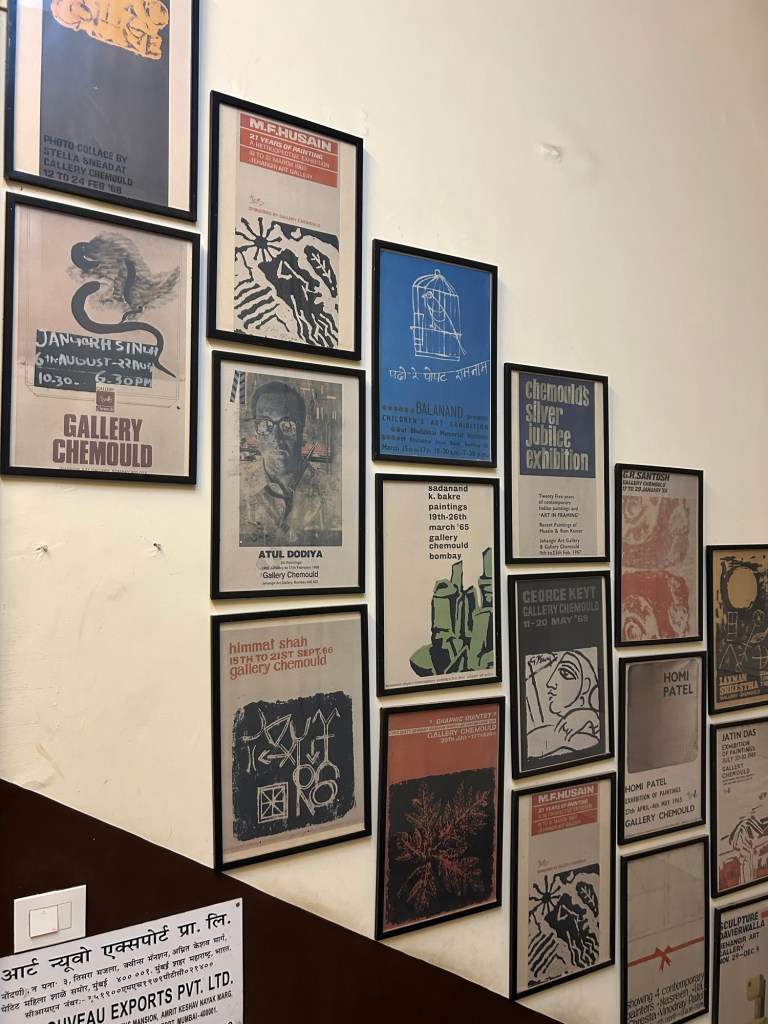
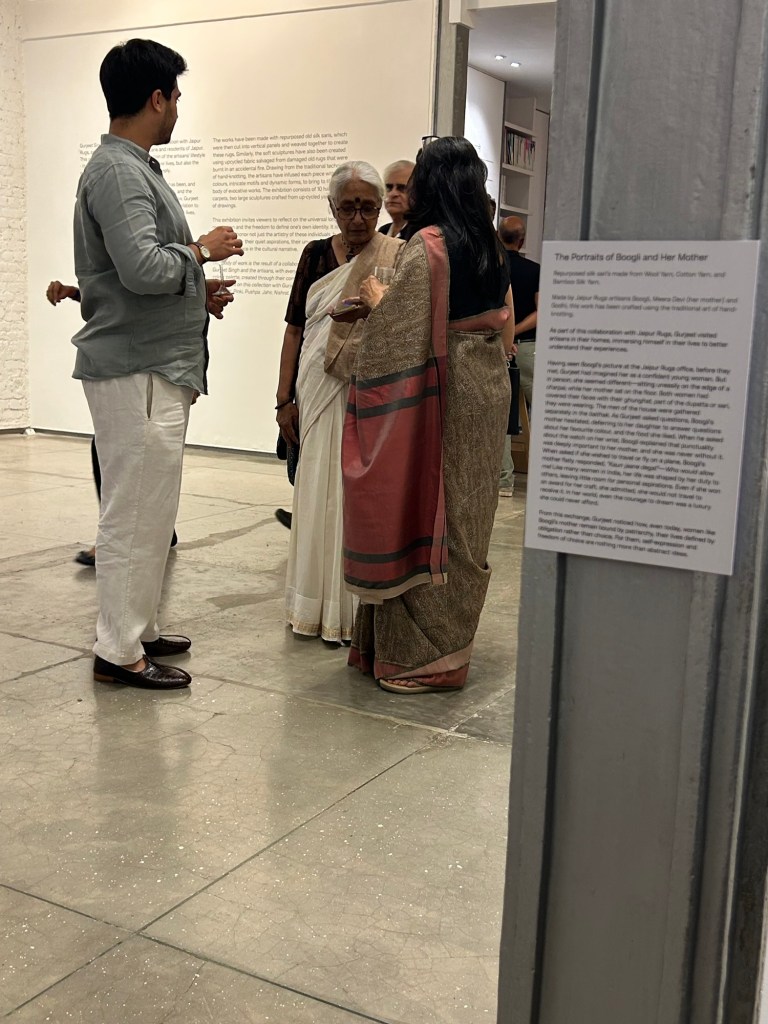
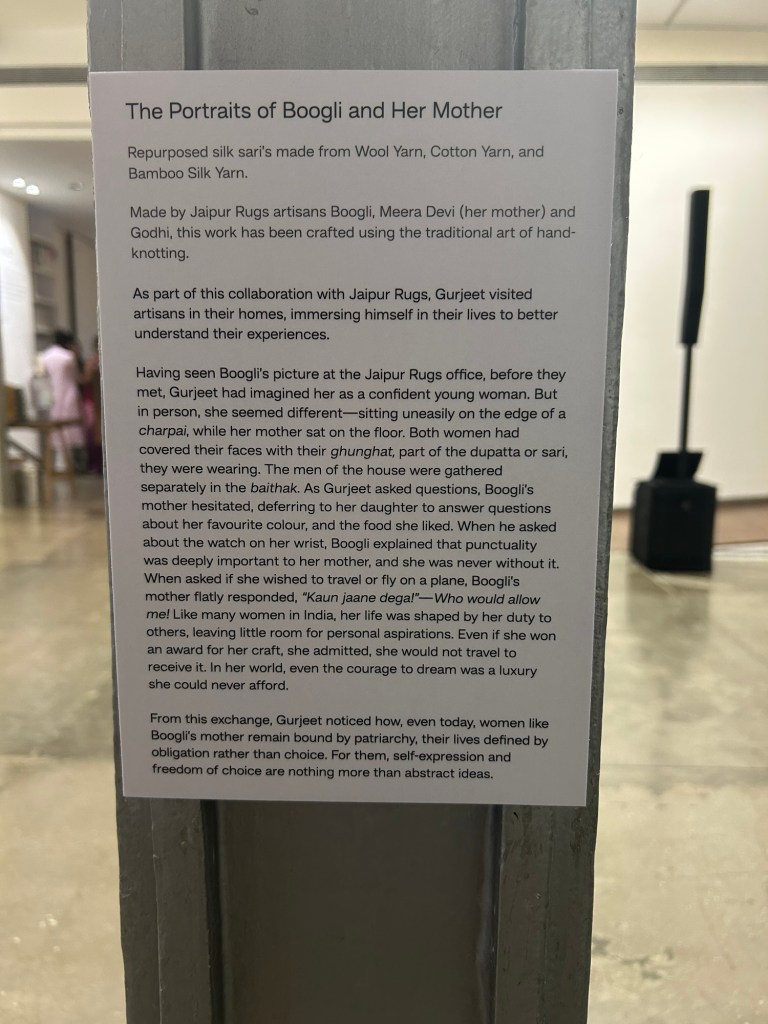
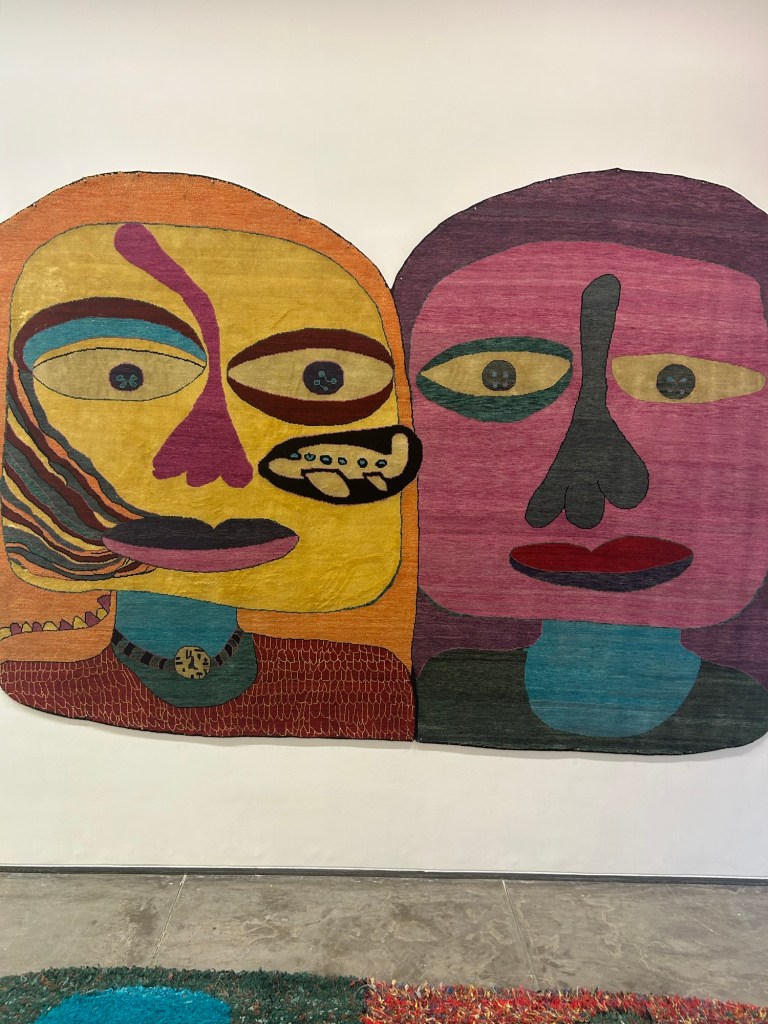
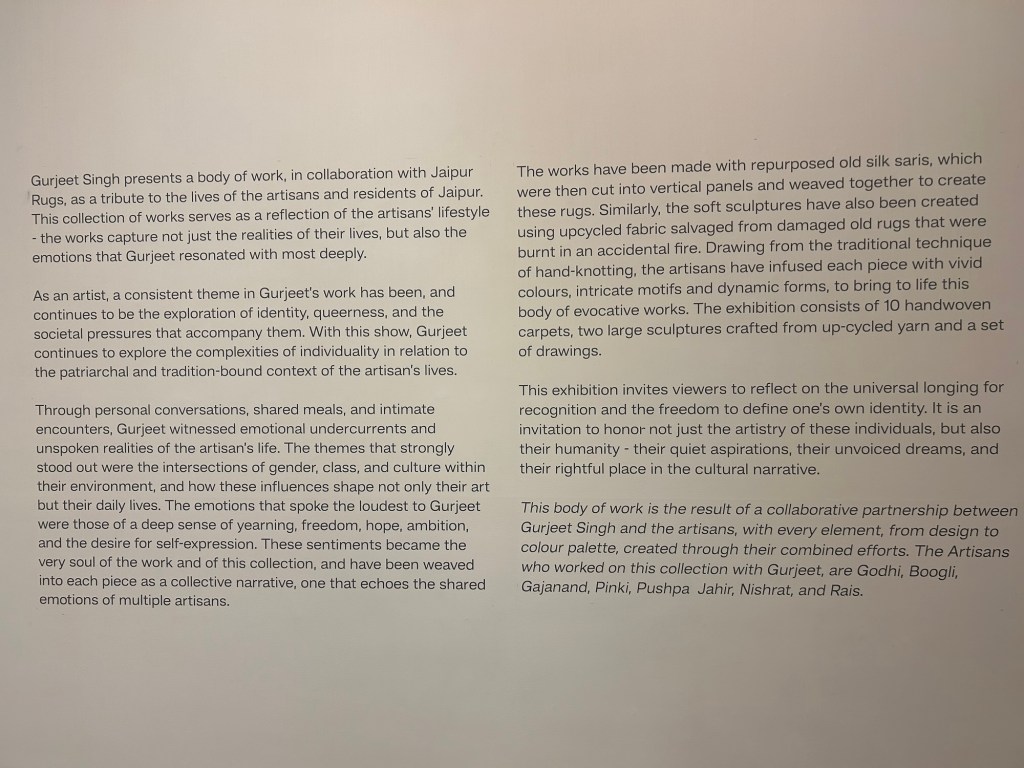
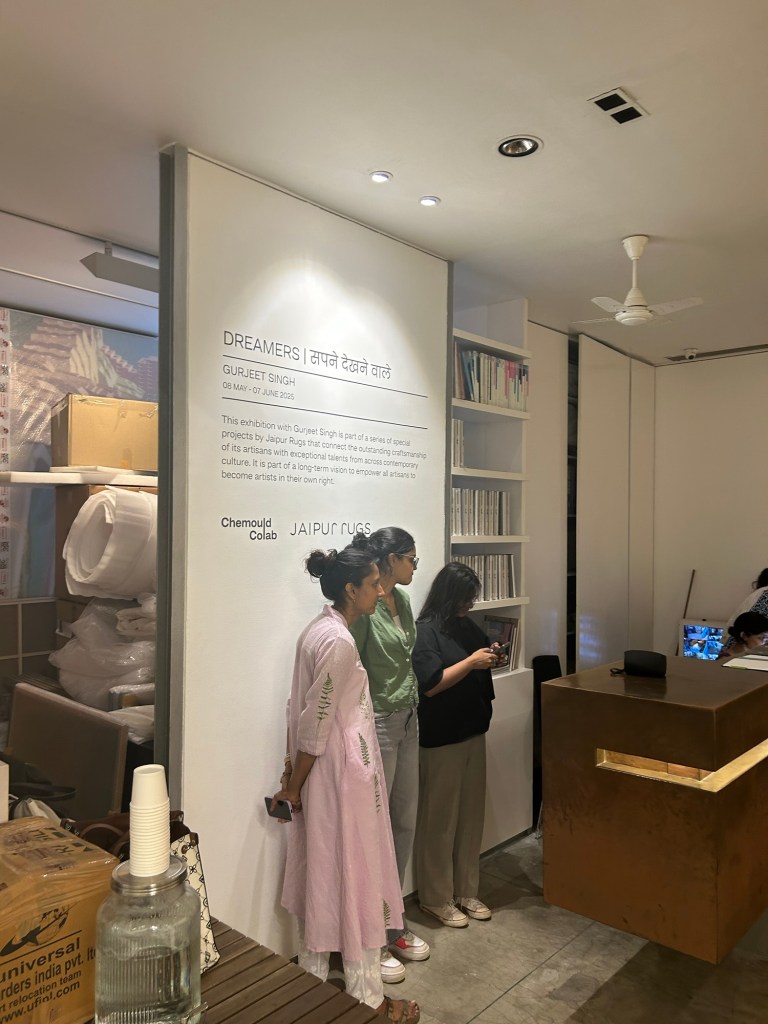
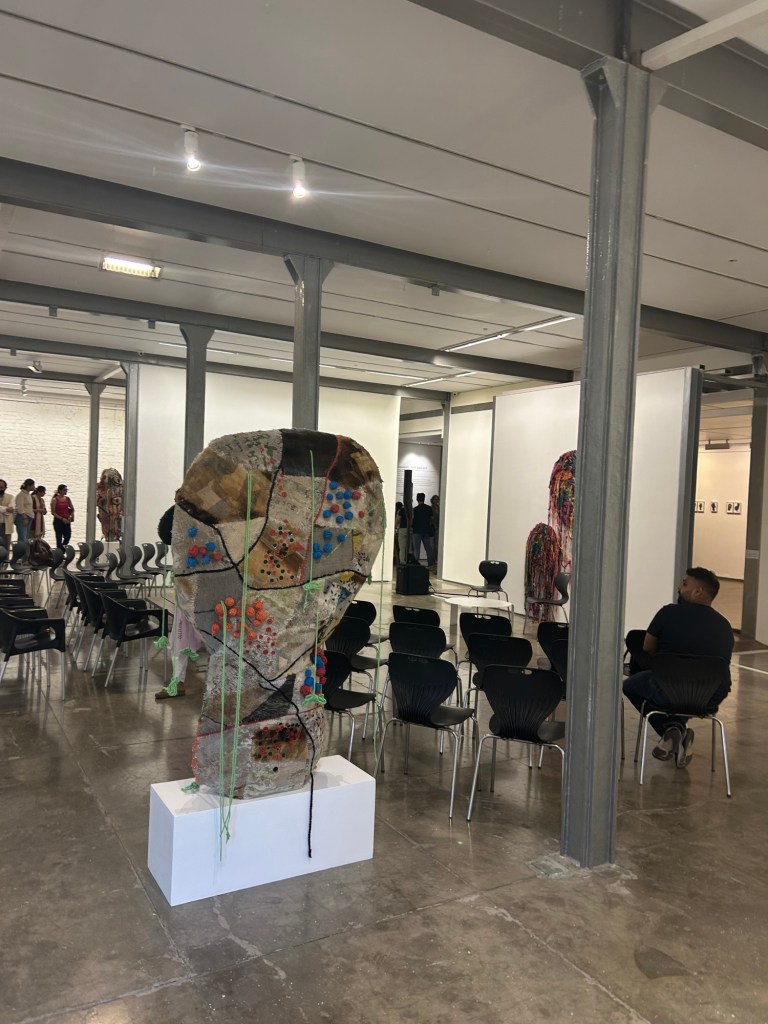
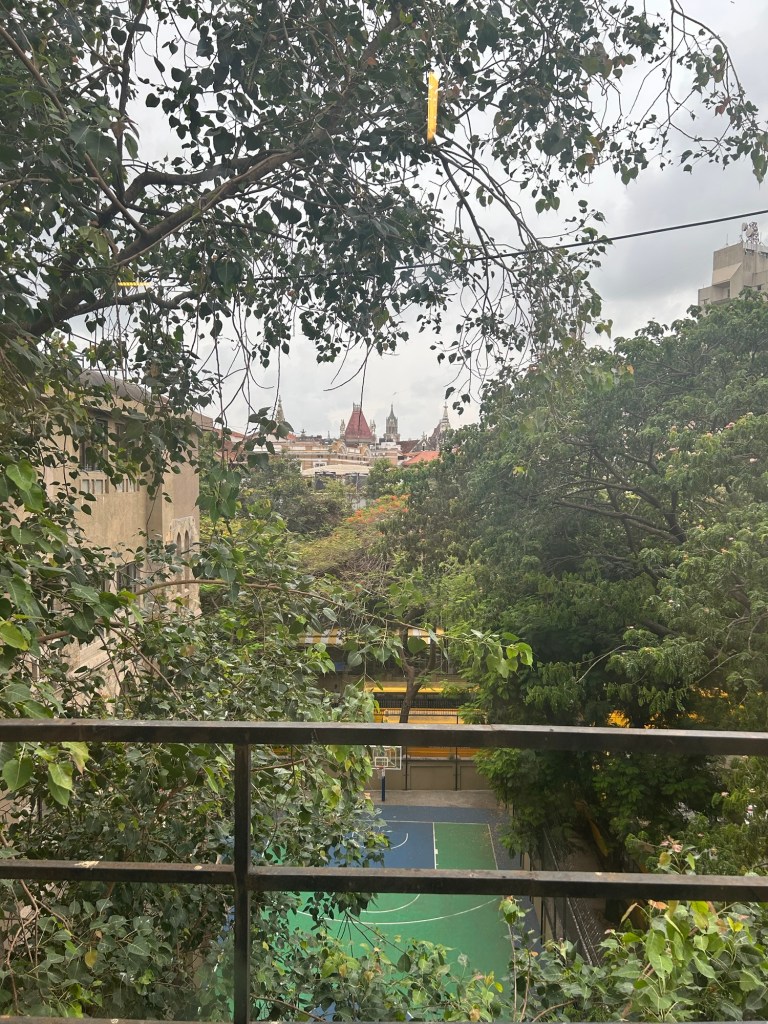
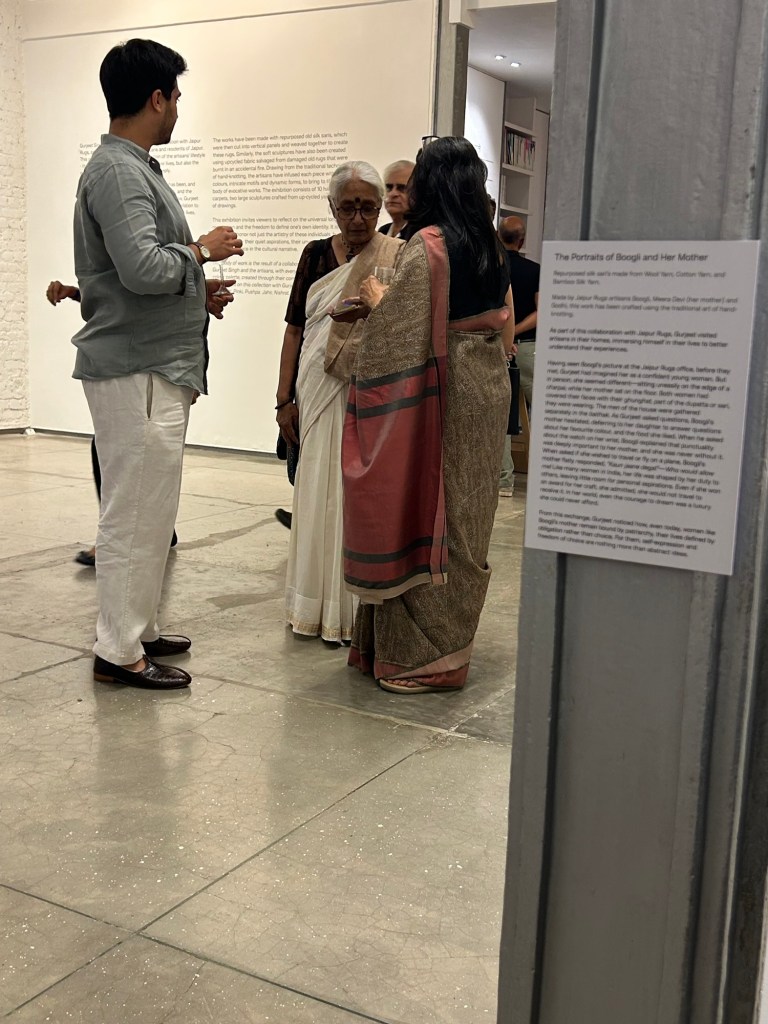
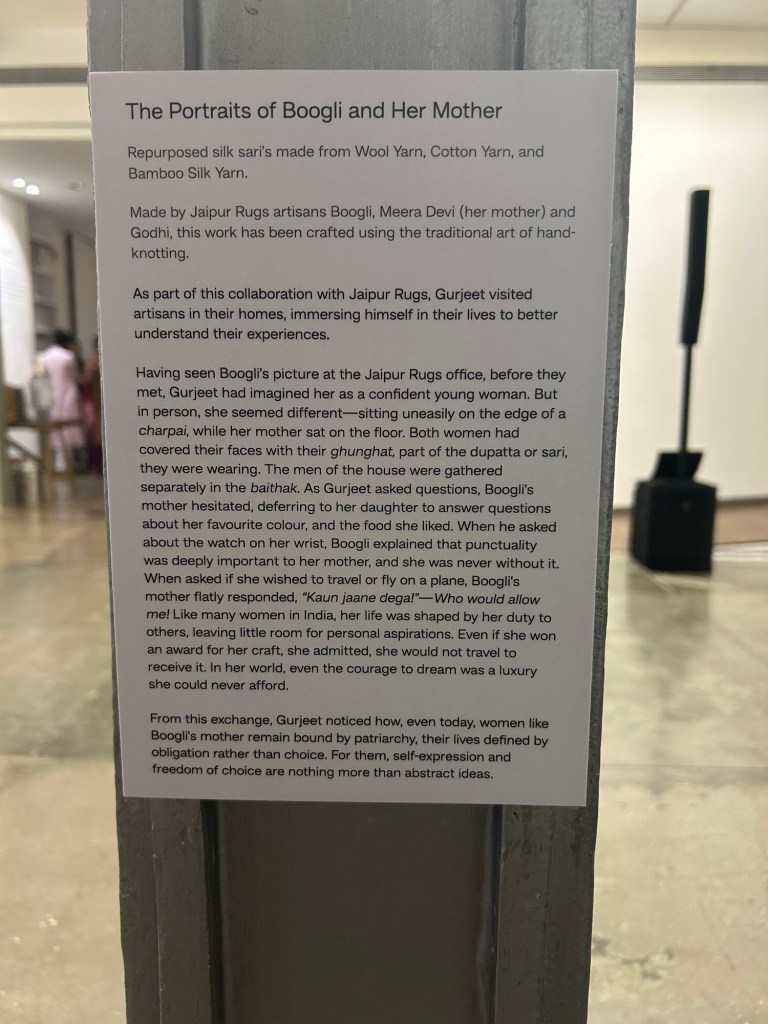
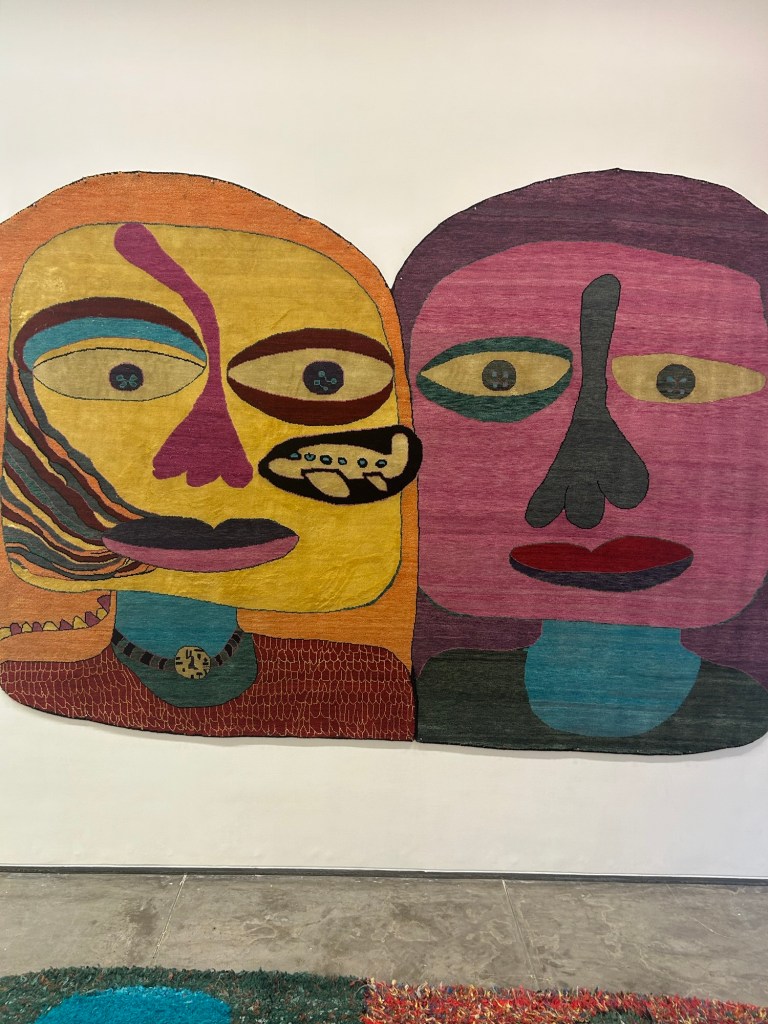
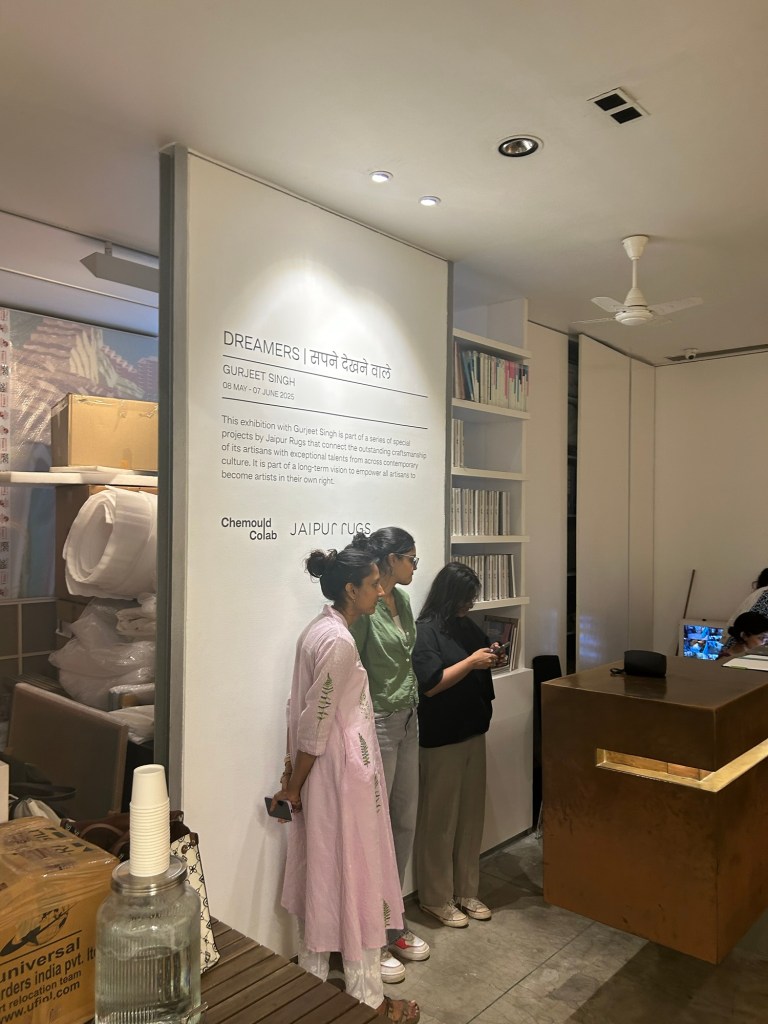
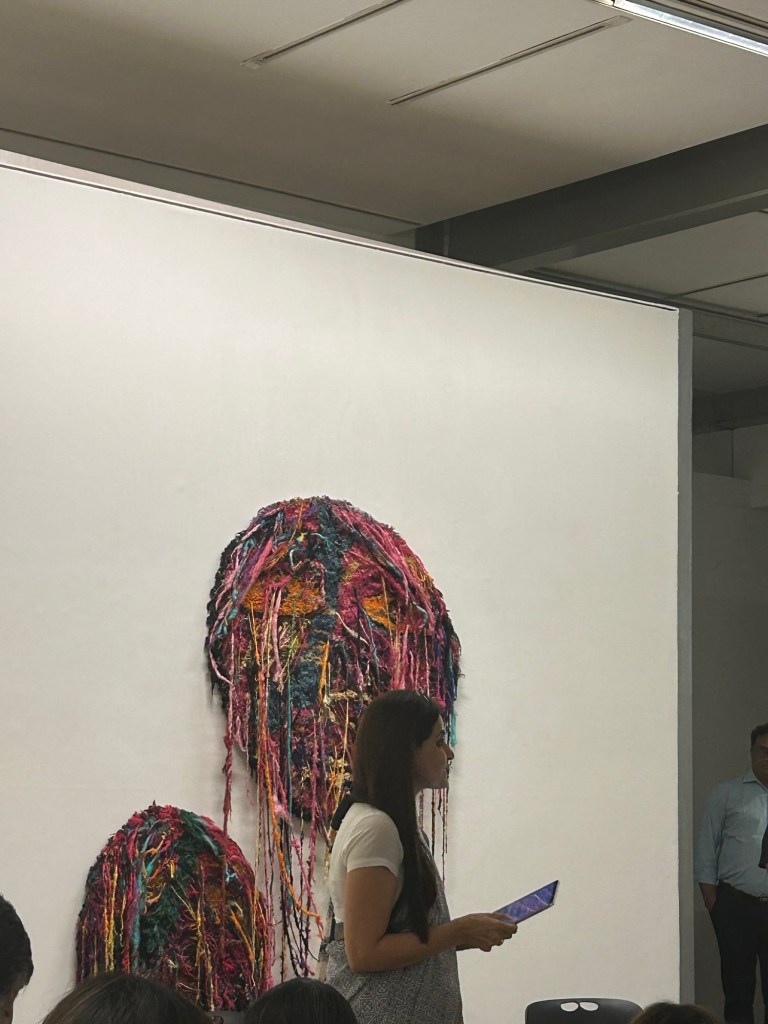
Chemould Prescott Art Gallery is a space of heritage and of convening. The exhibition of repurposed Jaipur rugs had layers of meaning.
Art in the era of AI, creates an opening for high touch art once again which is personal.
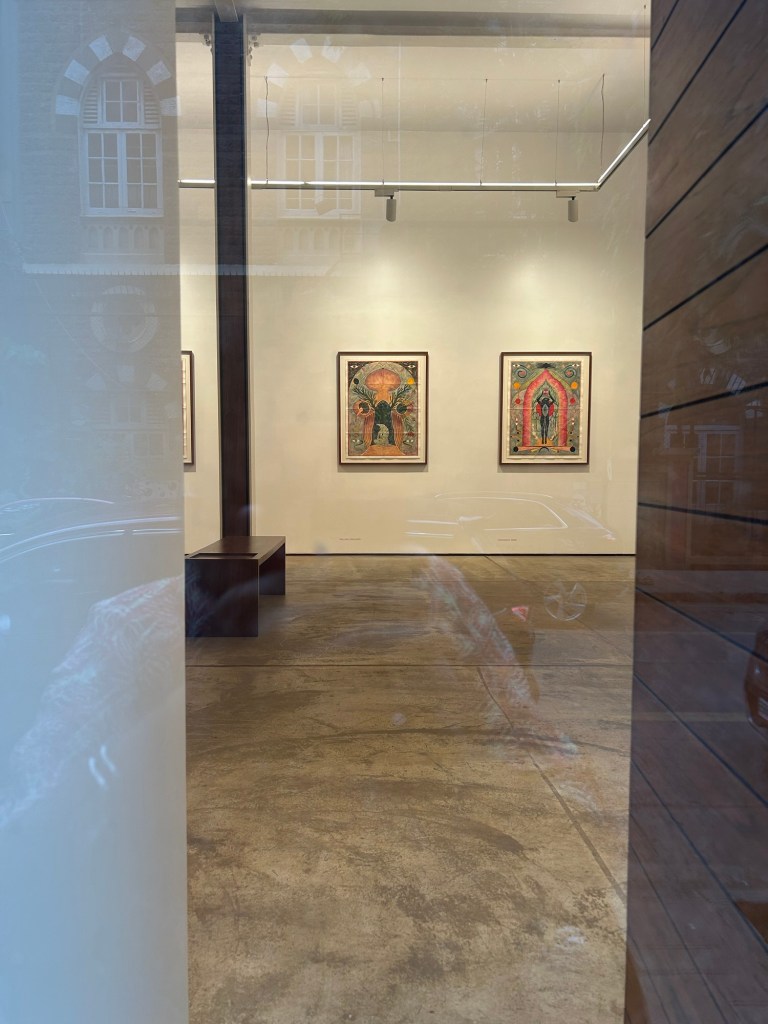
The Exhibition at Chemould Prescott The Exhibition at TarqGalleries as Learning PointsThe Poster of the TARQ Exhibition The Poster.
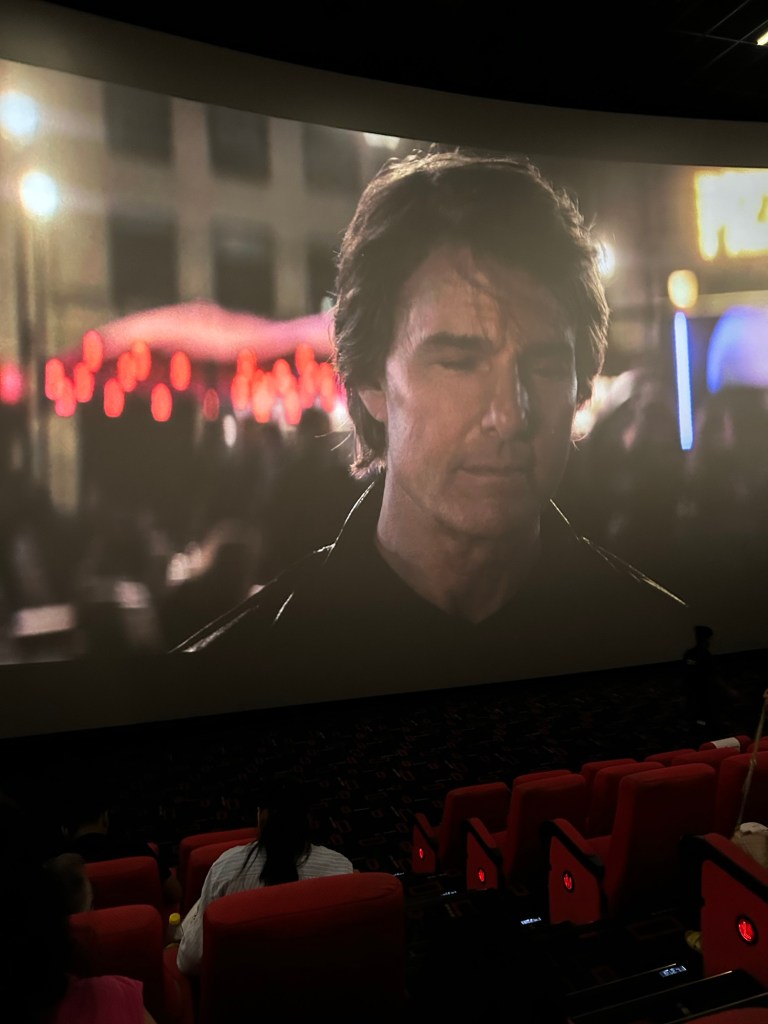
The final instalment of the Mission Impossible series has it’s cinematic geopolitics eerily correct with AI, Nuclear War, Surgical Strikes, Non State Actors giving the cinema goers a sense of déjà vu, in the shadow of Operation Sindoor.
As the final swan song, the philosophical quotient is dense with questions of right and wrong, and a lady American President which looks like Kamala Harris. The film has got its preferred candidate at least on the screen if not in reality.
The movie dialogues in Intuit, renders the arctic colonial politics bare. The film is high on a DEI score with a female blonde East Asian looking character speaking French and non white characters having decent screen time.
Over the past quarter of a century, the Mission Impossible series has been a cultural constant in my life, with the MI 2 OST still ringing in my years. I was excited to watch the episode in Abu Dhabi with Anil Kapoor, with my desi friends in Singapore during graduate school. I had hoped for a silent jhakkas in the film.
The movie’s strength in its action set pieces are one too many and it stretches at times. It is a joy to watch never aging Tom Cruise in action. The cinematography is breath taking and the series will be missed by die hard fans. Old school James Bond-esque movies have a charm.
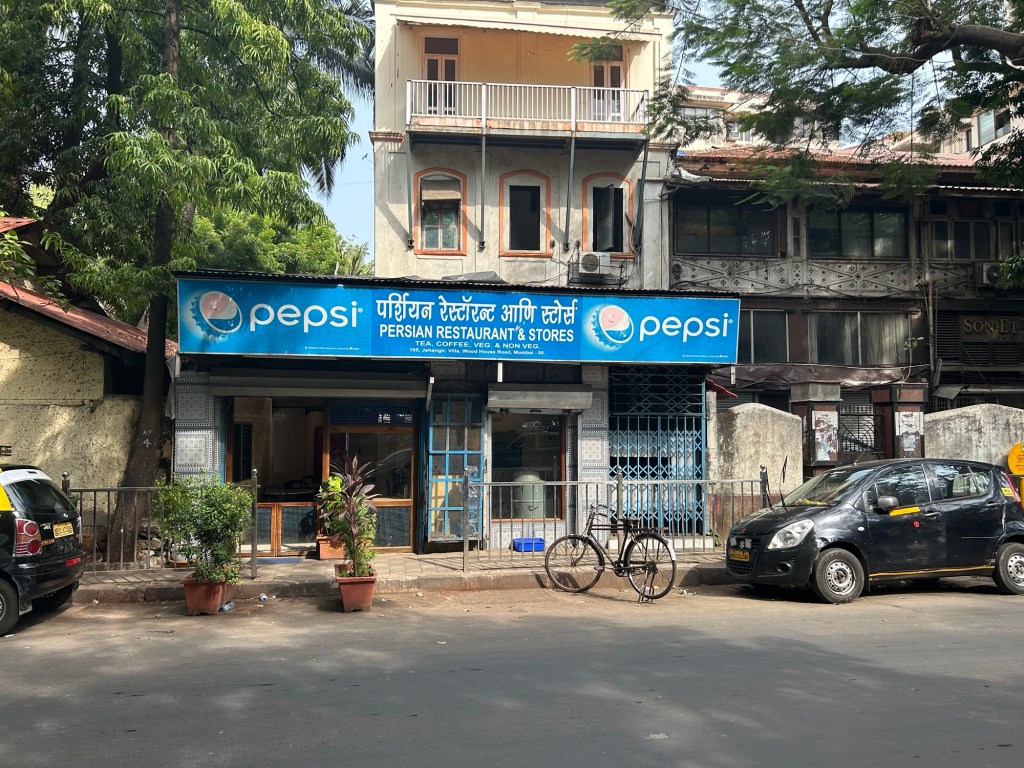
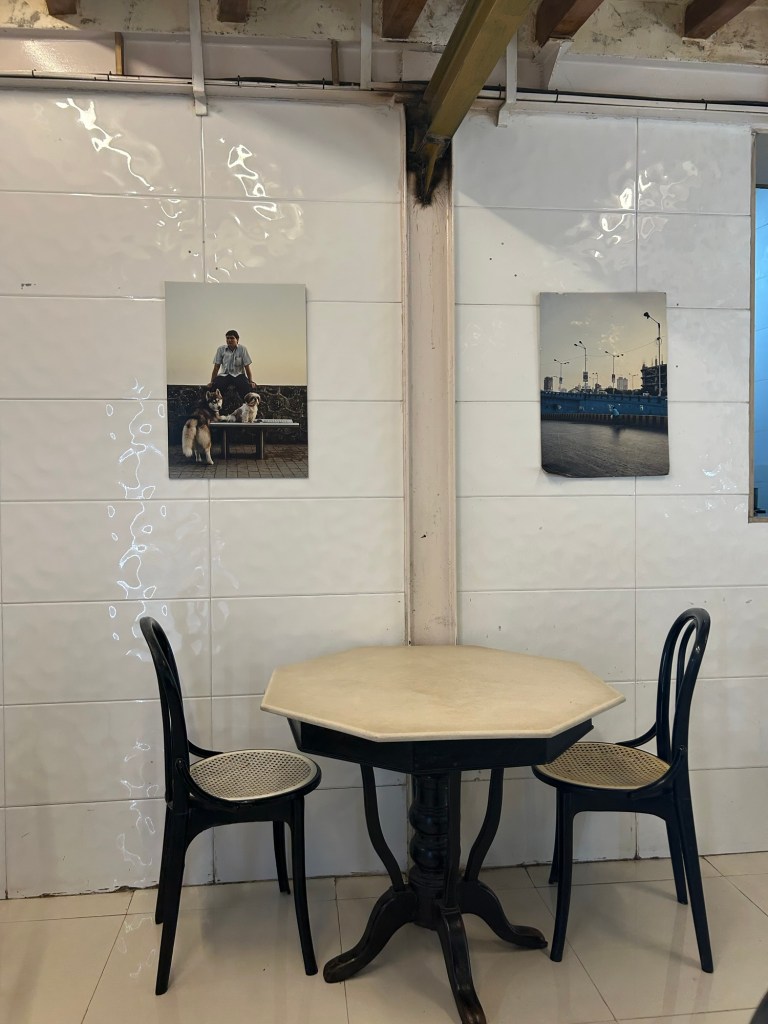
This historic hole in the wall eatery in Colaba, is a trip down memory lane to an Indian Ocean aesthetic where Parsi eateries used to dominate the social life of everyday Bombay, the only real Mumbai to be candid.
These spaces are all over the Indian Ocean World from the Karak Kadas in Bur Dubai to the Warungs or Mamaks in Islamcate Nusantara.
These spaces are community care places where neighbourhood uncles banter over commissions and contracts and the taxi wallah comes in for a quick egg bhurji, pav and chai.
Old School ColabaThe Chai was brilliant The MenuTime stands stillThe Persian Tiles ExteriorThe South Bombay Vibe
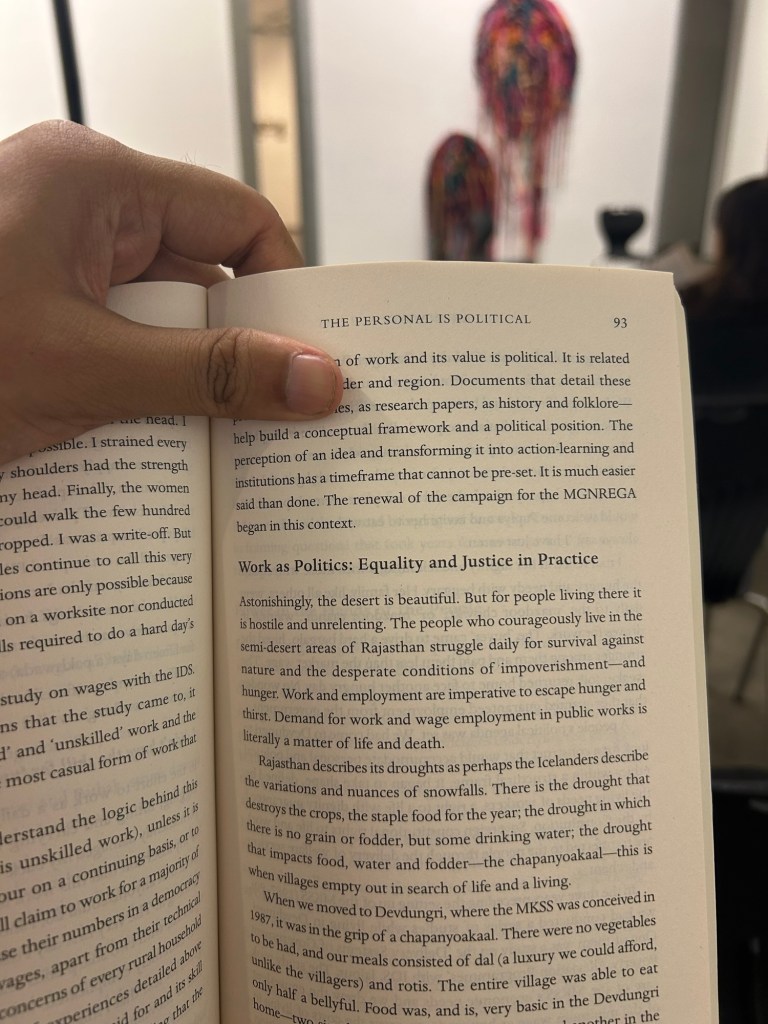
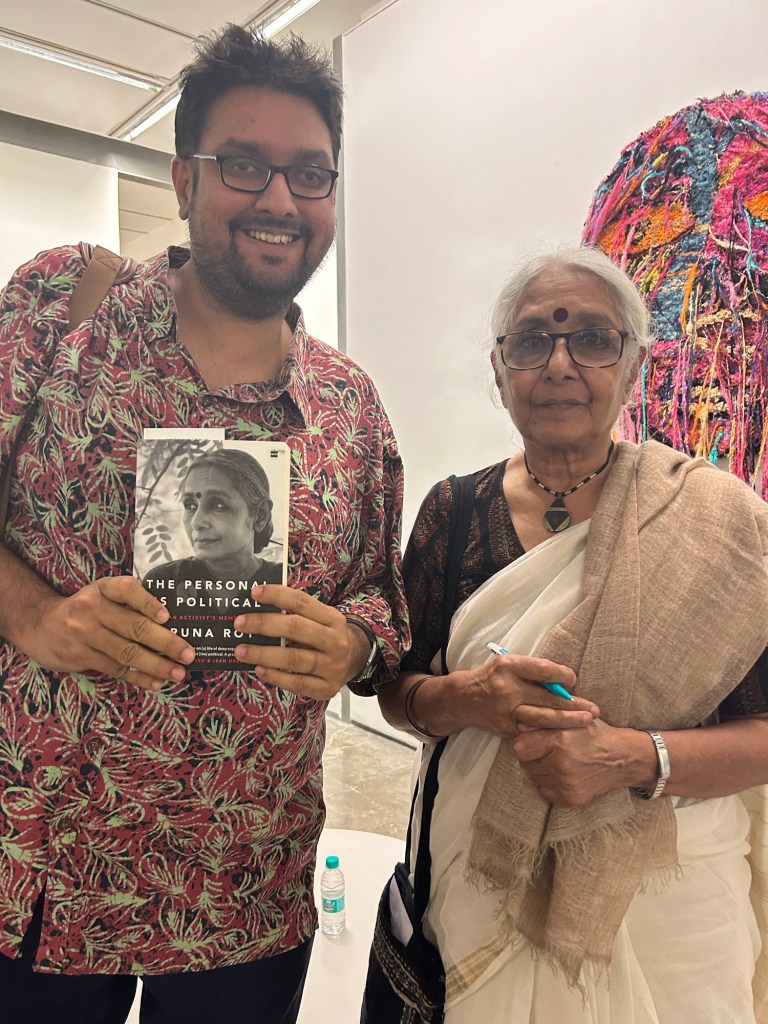
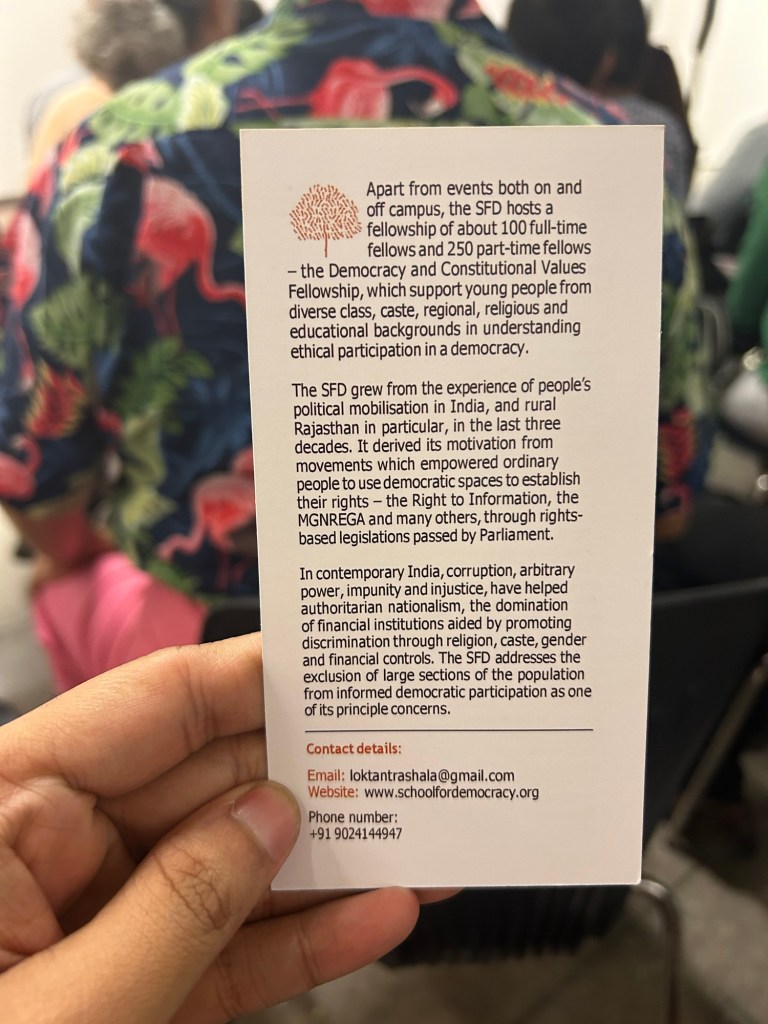
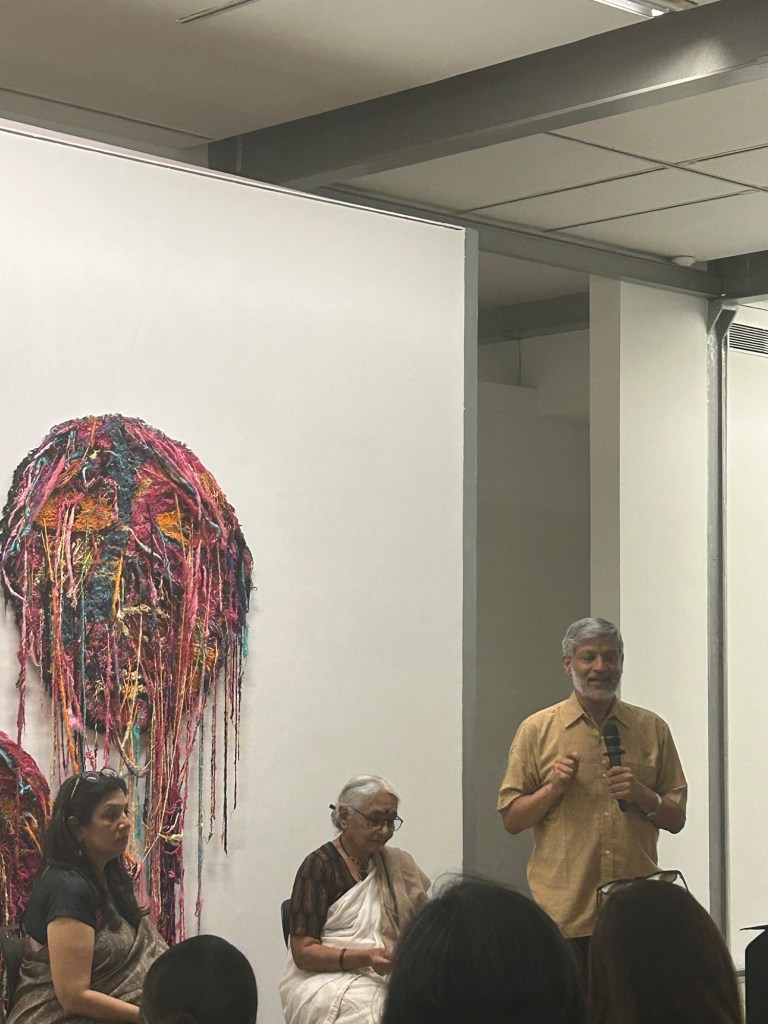
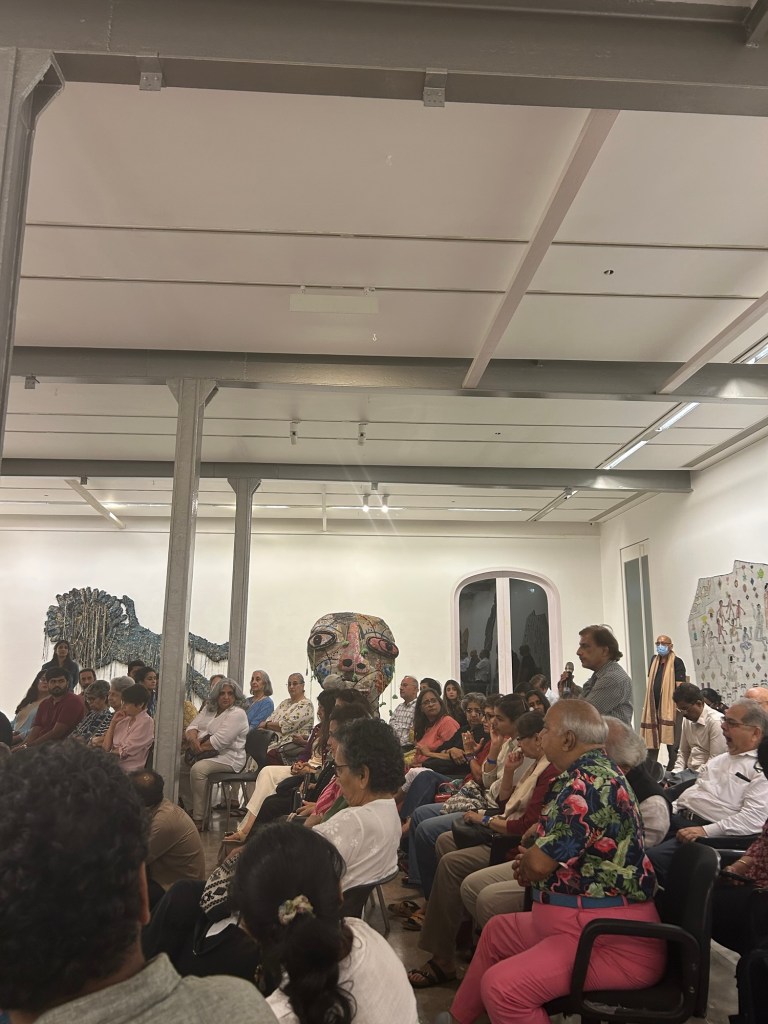
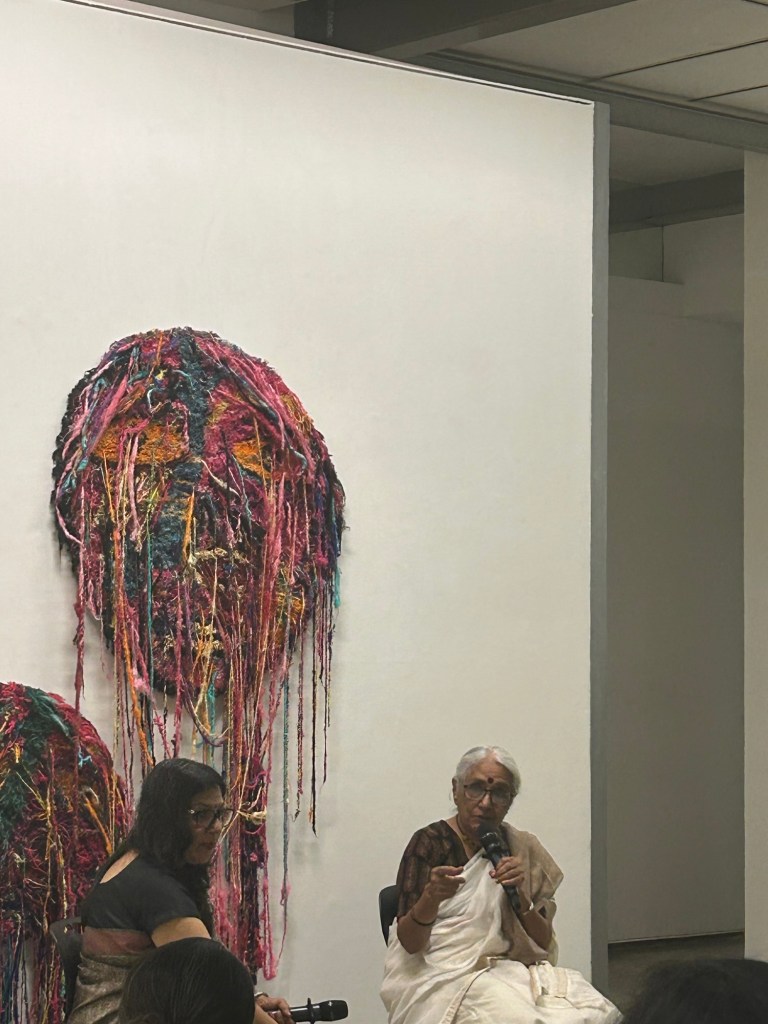
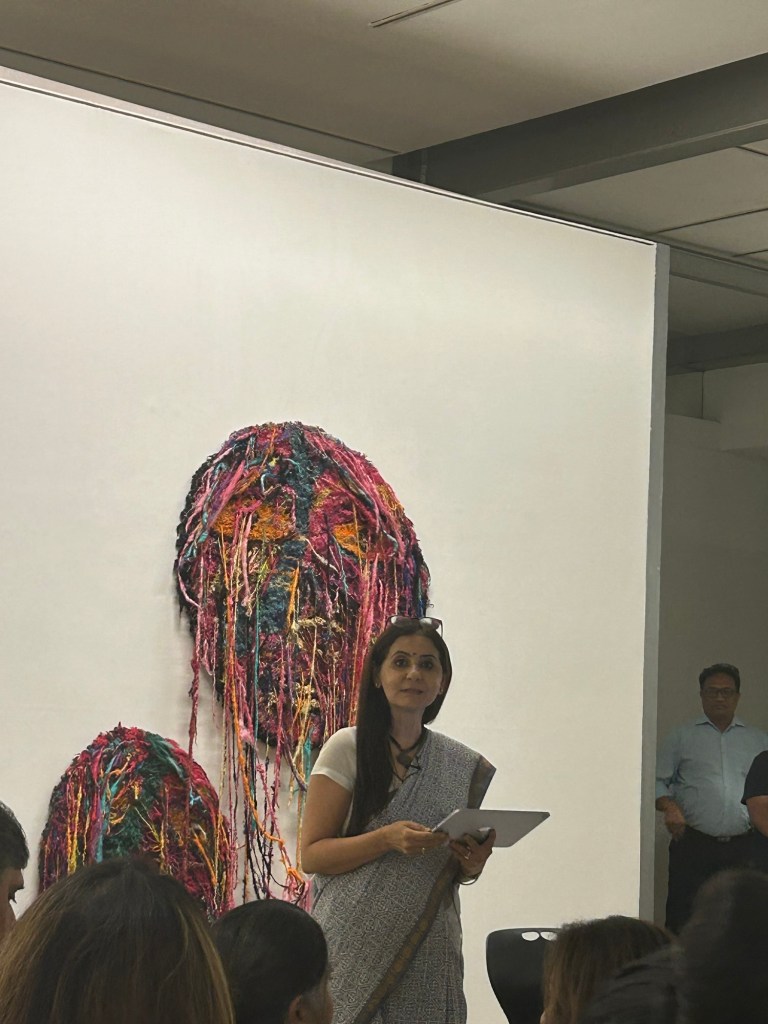
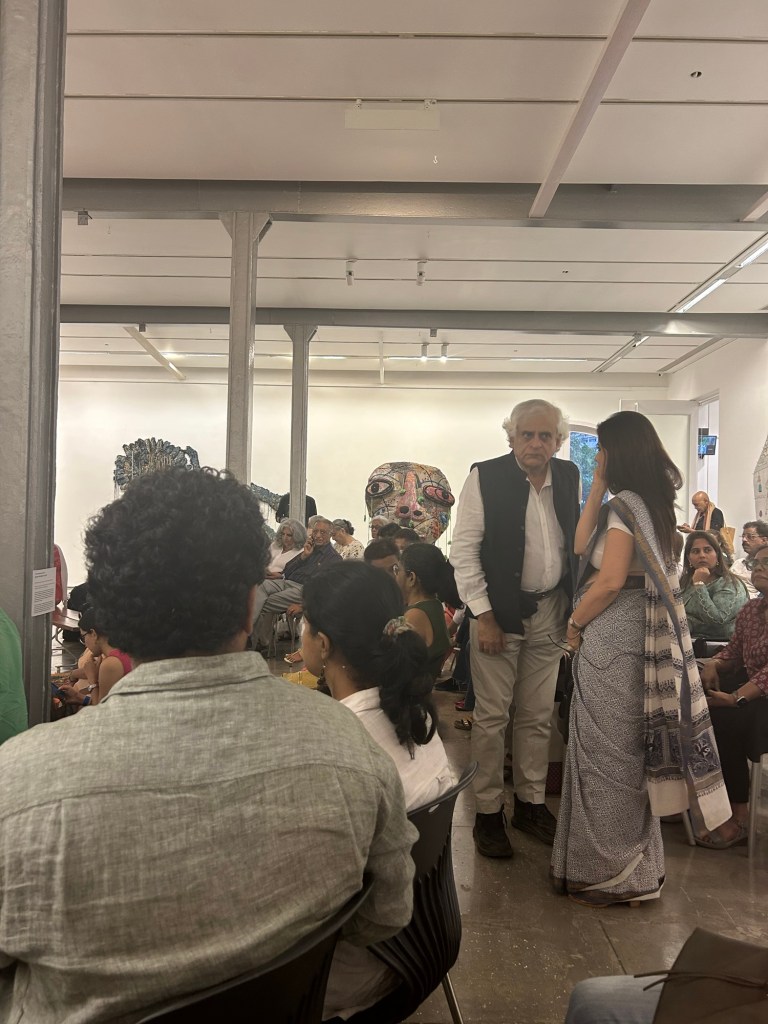
Aruna Roy’s book discussion at Asia Society India at the historic art gallery, Chemould Prescott at the Queens Mansion in Fort, Mumbai.
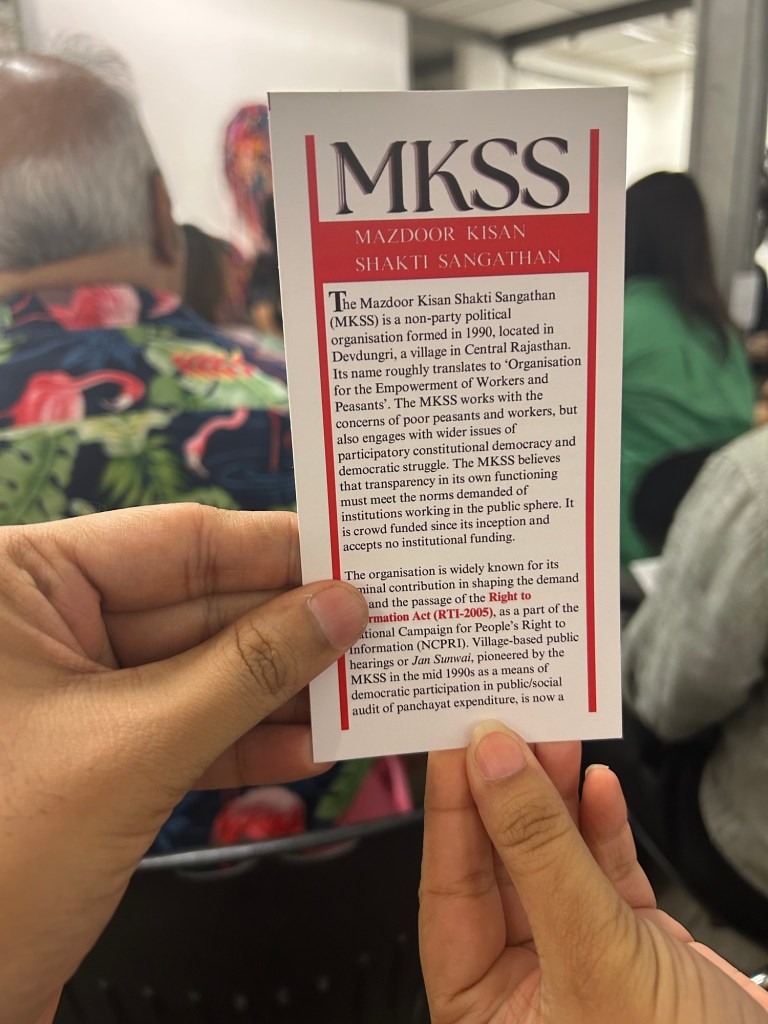
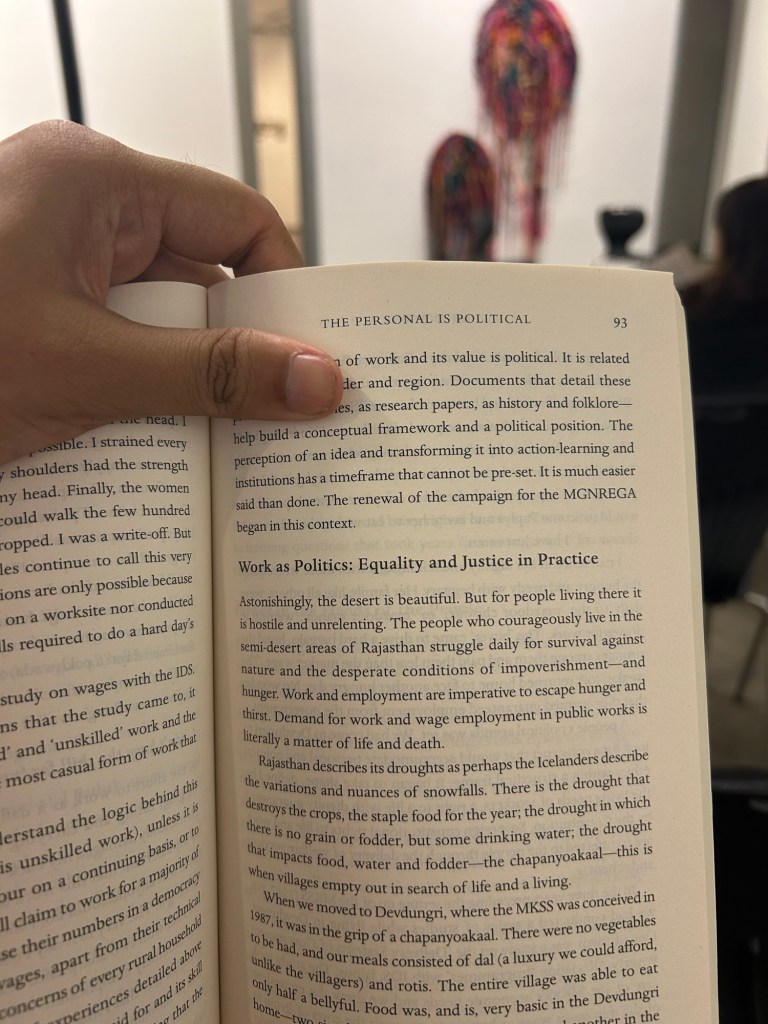
Aruna Roy with MKSS Rajasthan, has been the force behind the RTI and MNREGA. Her anecdotes on solidarity building with the villagers for ground up action was priceless. Living with them rather than visiting once would not create any trust. Her views on the syncretic nature of our polity is an important remainder in these polarised times, although she did state that her generation of activists failed to engage with religion unlike Gandhi ji.
Nikhil Dey, her colleague and stalwart, spoke about their work with platform workers and the unravelling of RTI under Digital Public Infrastructure where we are all data and that data is behind administrator login. RTI brought government information to the public, and that powerful legislation which challenges power has resulted in the death of my people.
MKSS has been behind the gig worker legislation in Rajasthan and works for legislative redressal for the worker in the platform era.
MNREGA often criticised in urban areas has brought decency and dignity to rural India and has bipartisan support.
The audience had the legendary P Sainath, founder of PARI and actor Richa Chadha, both of whom i had the honor to chat.
True education is always in an art gallery where the aesthetics are critical to learn.



































 Change Thinker