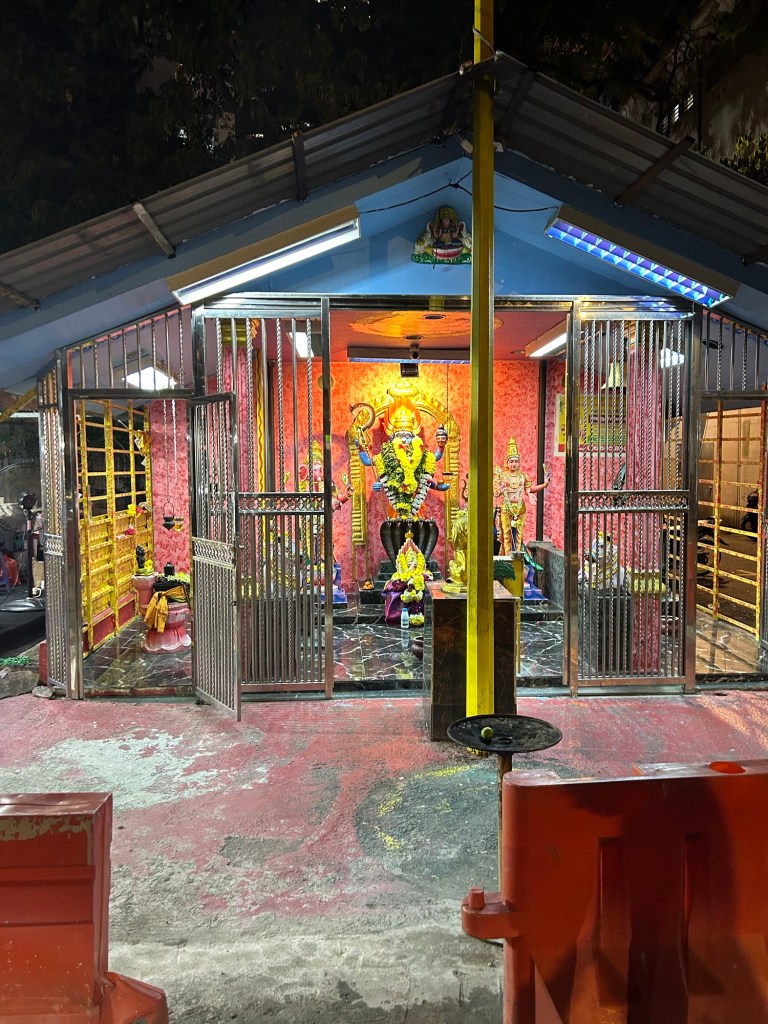


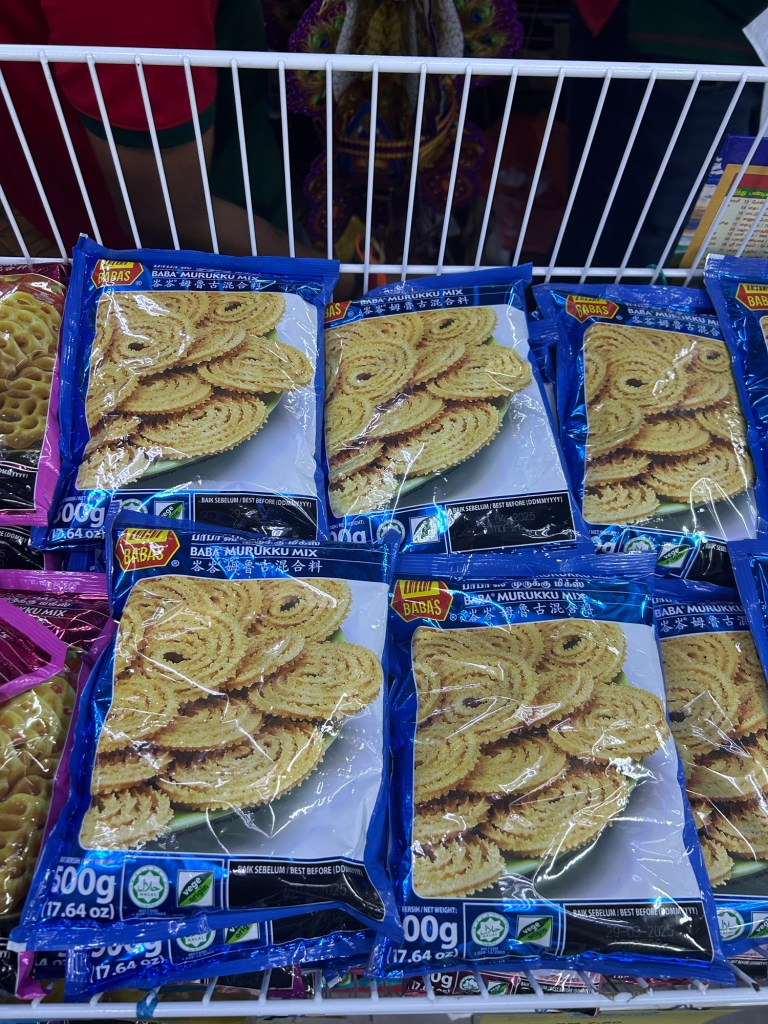

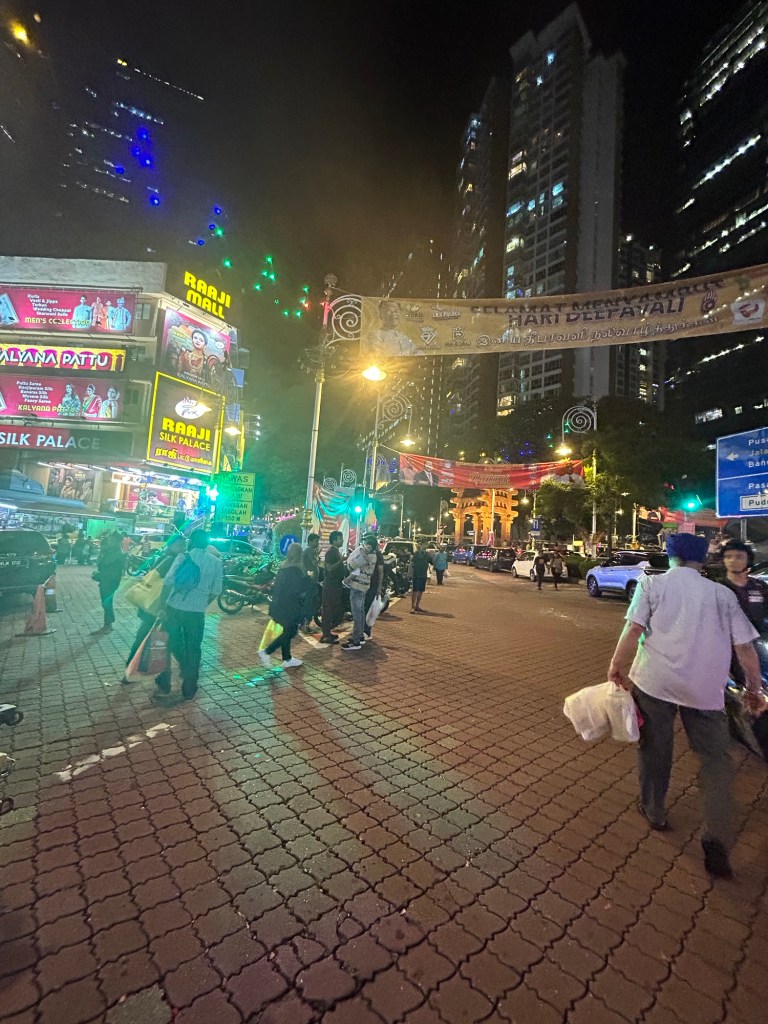

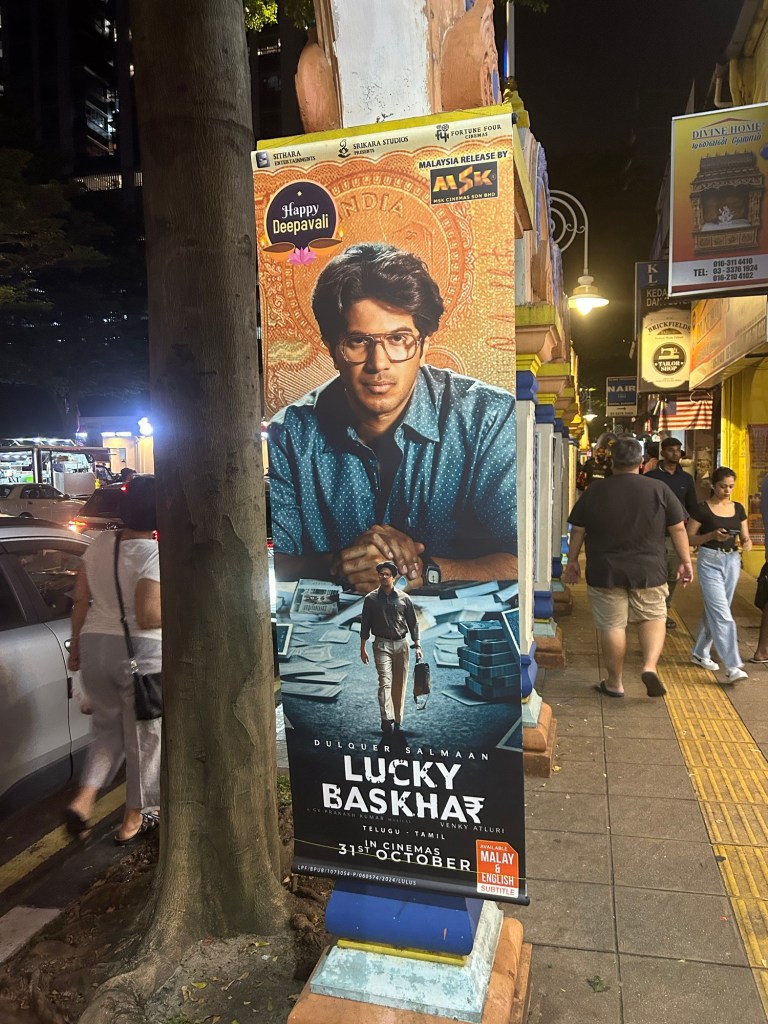
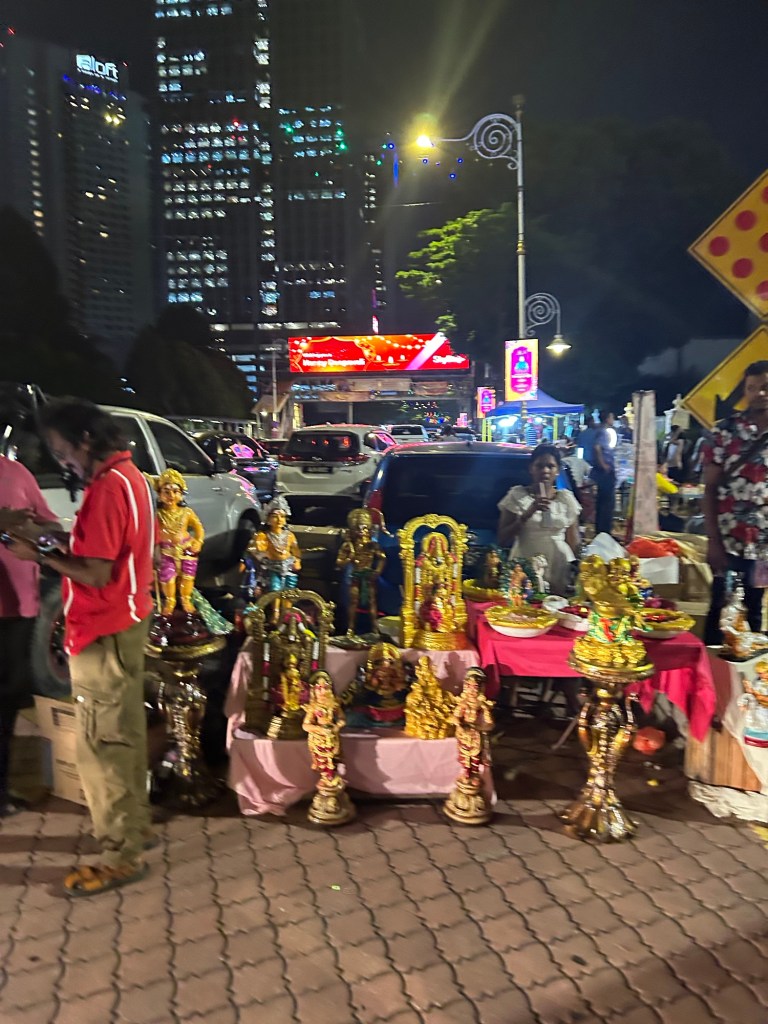
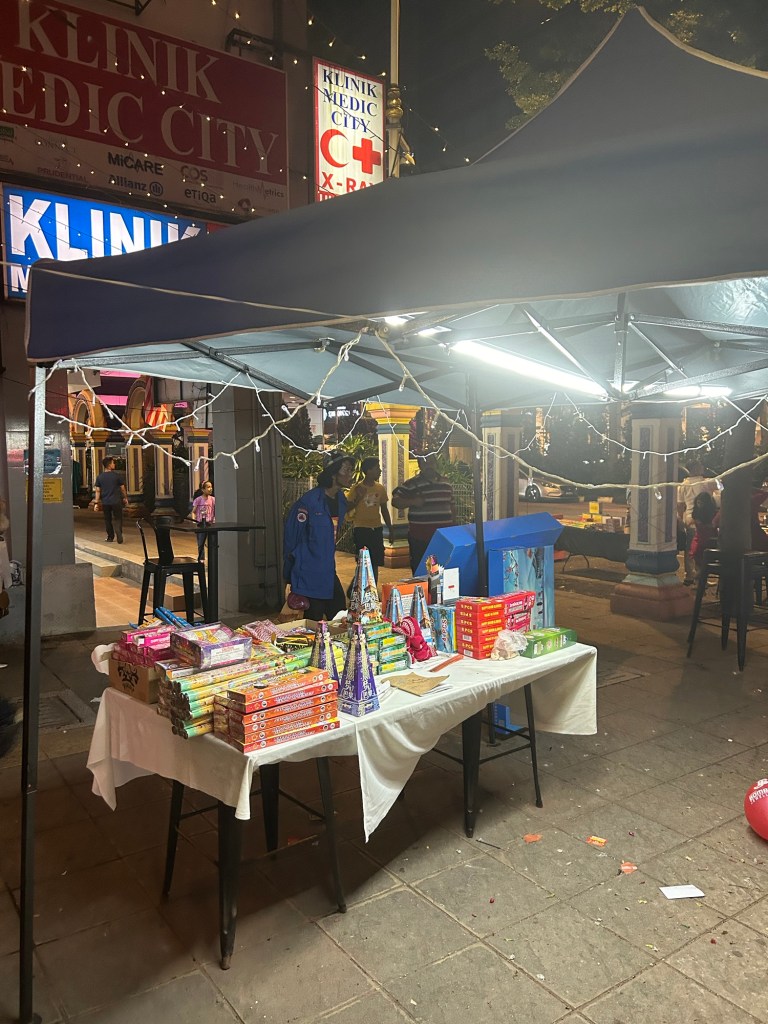
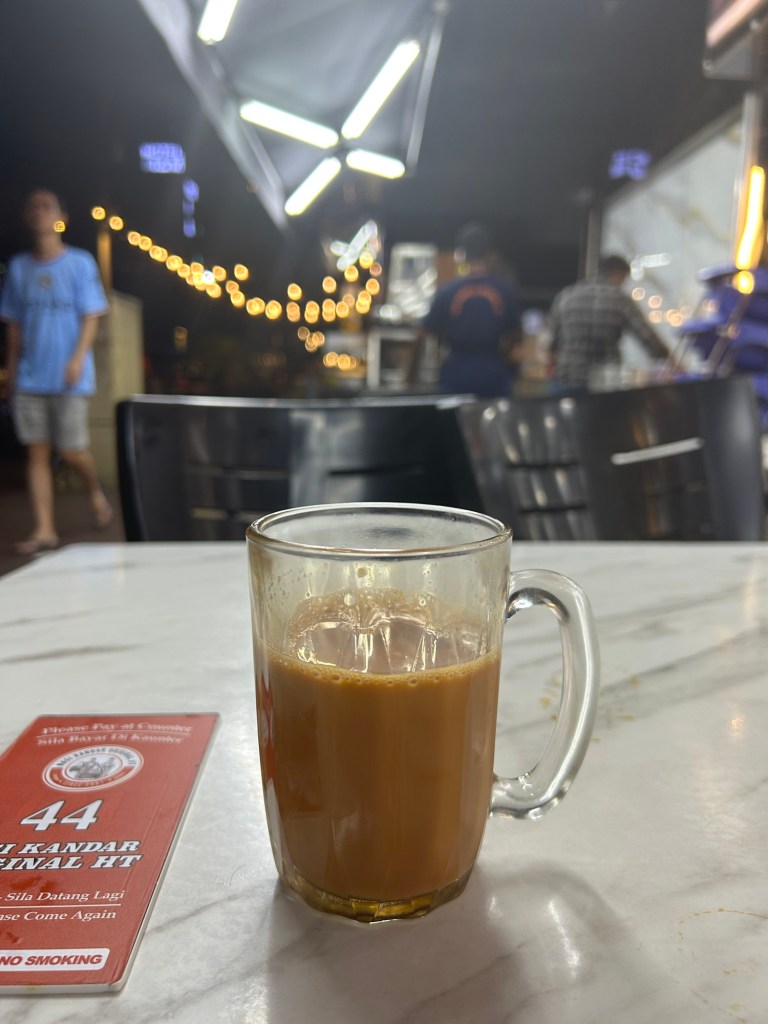


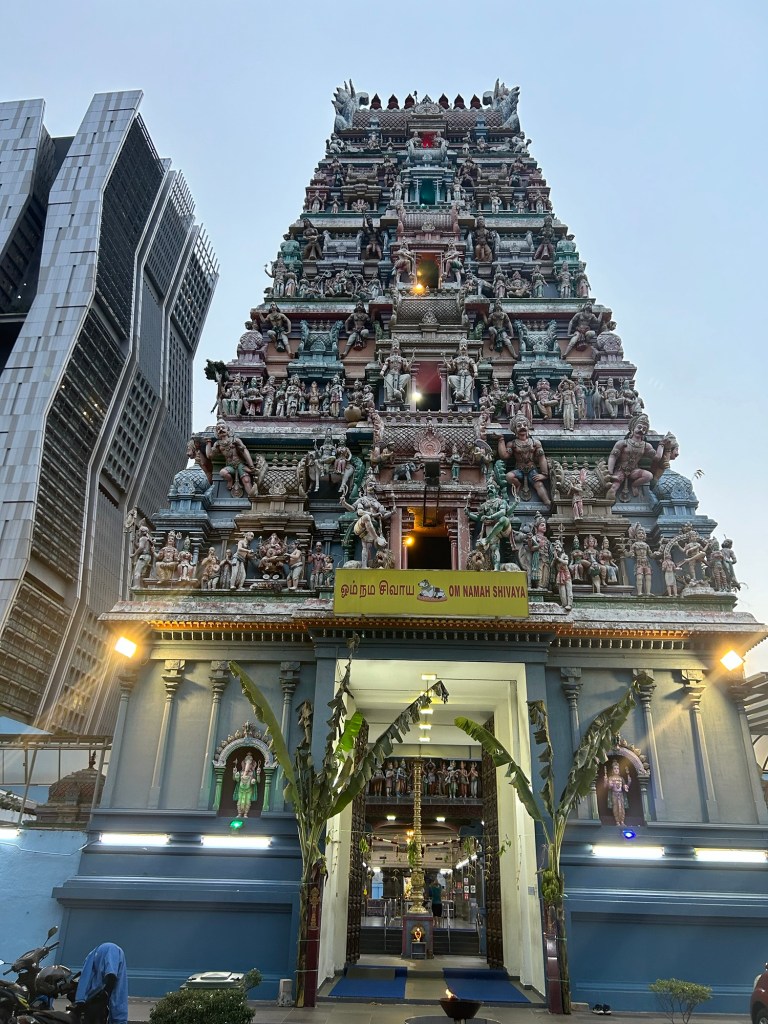


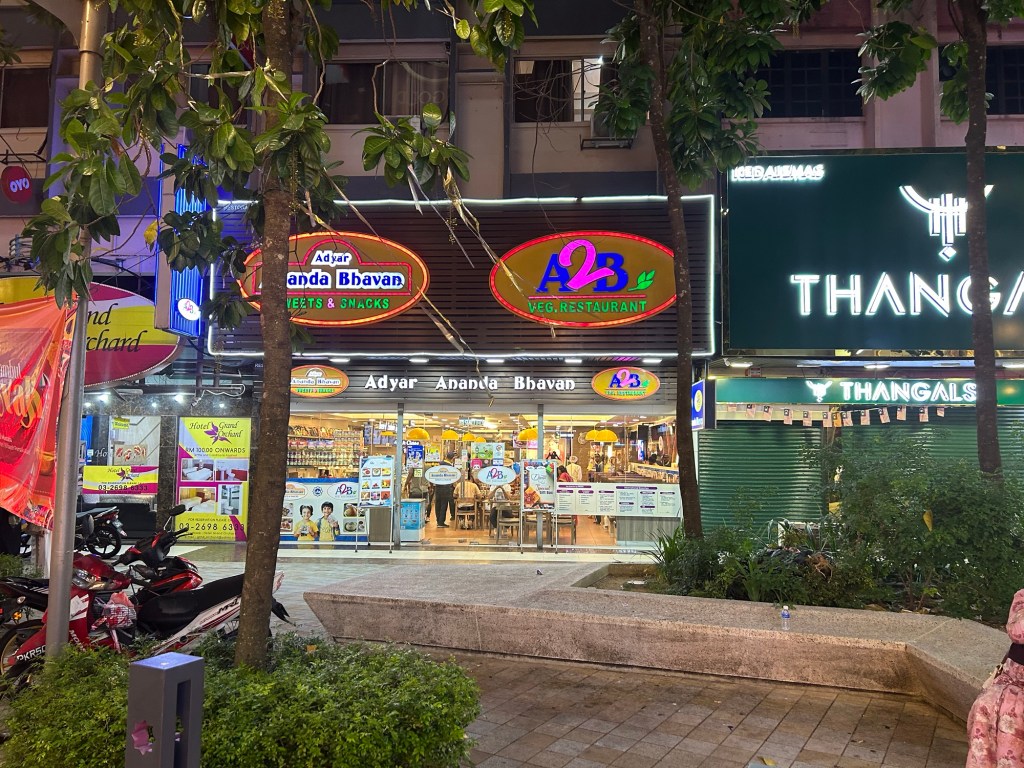
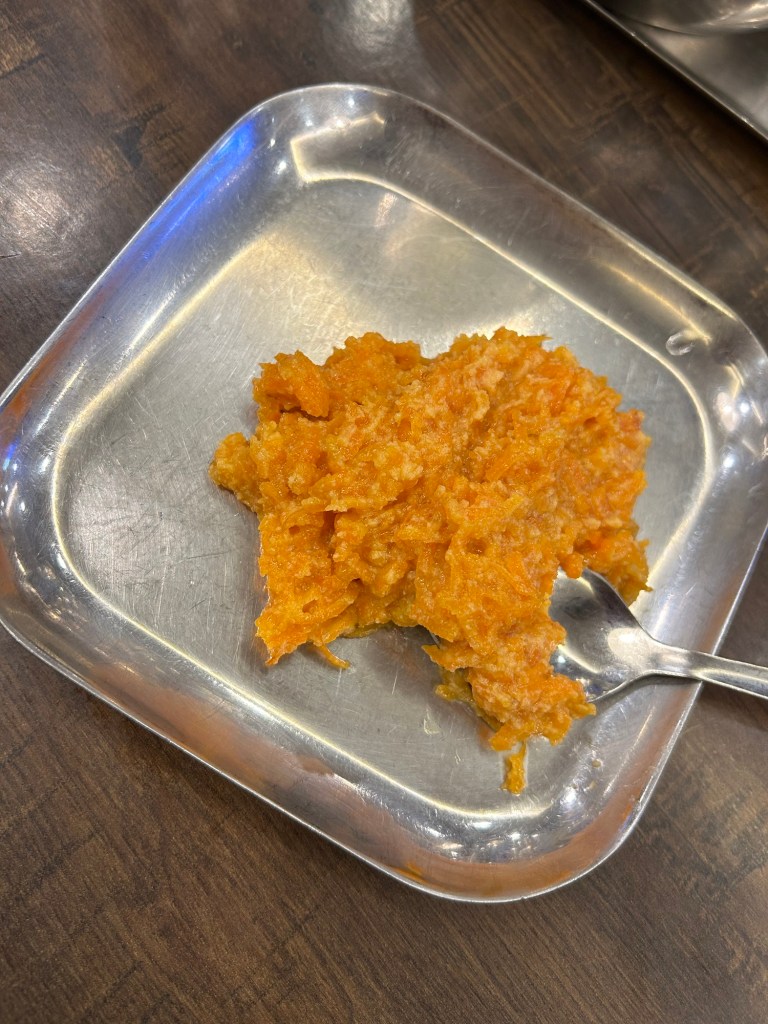
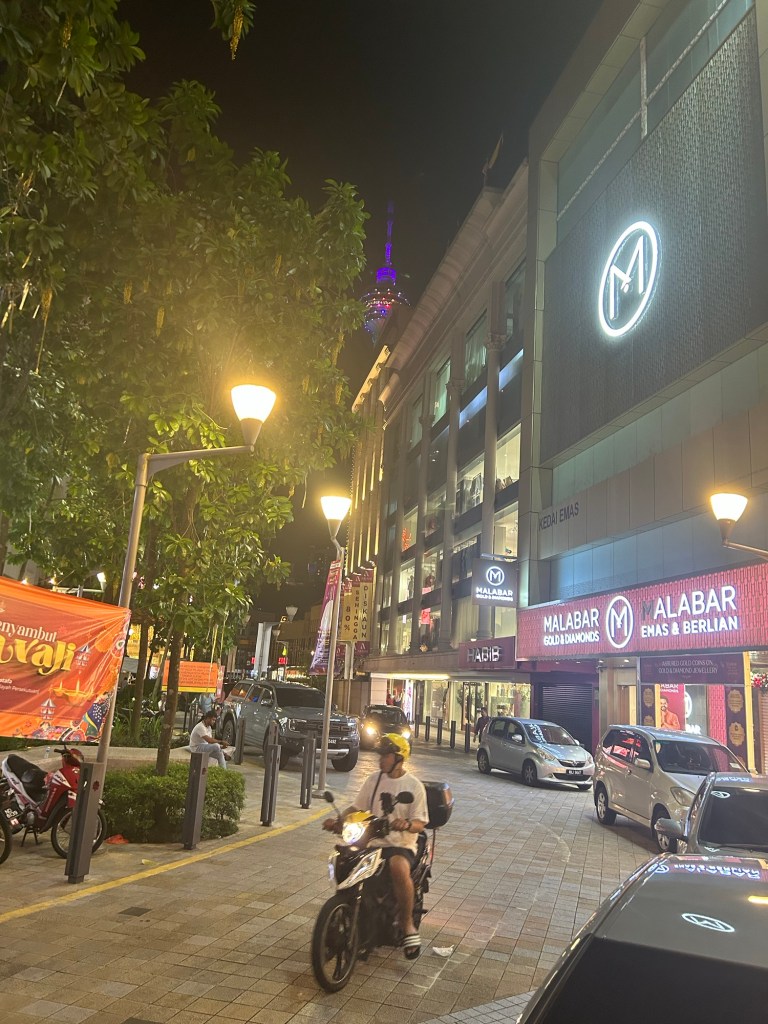
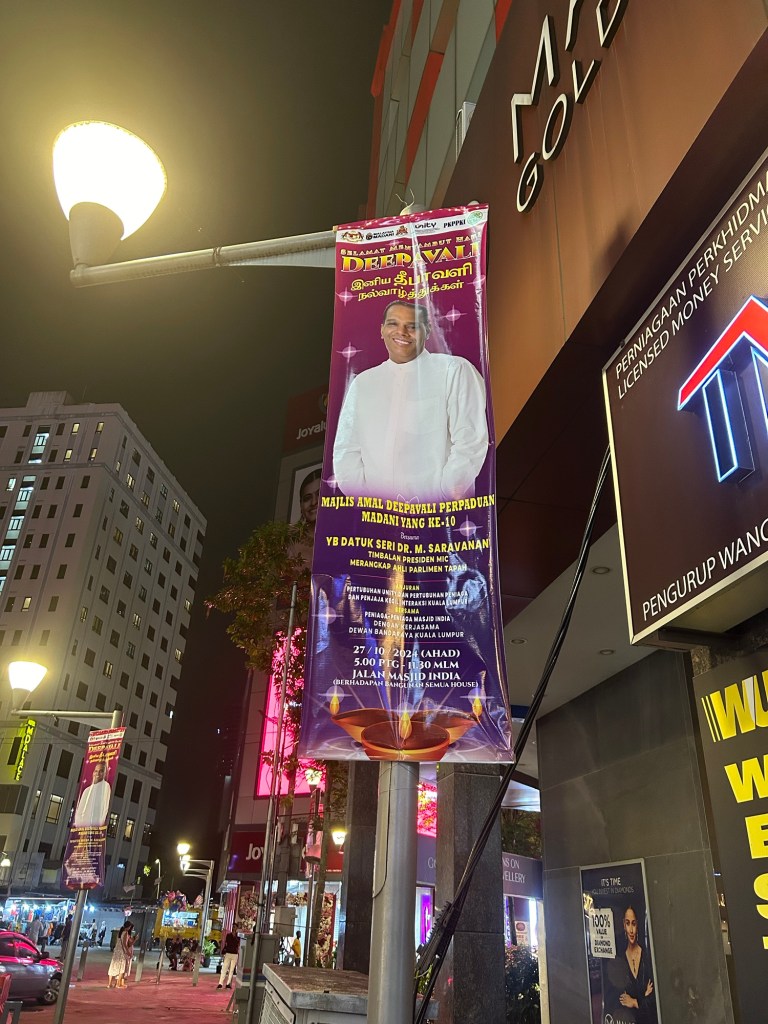
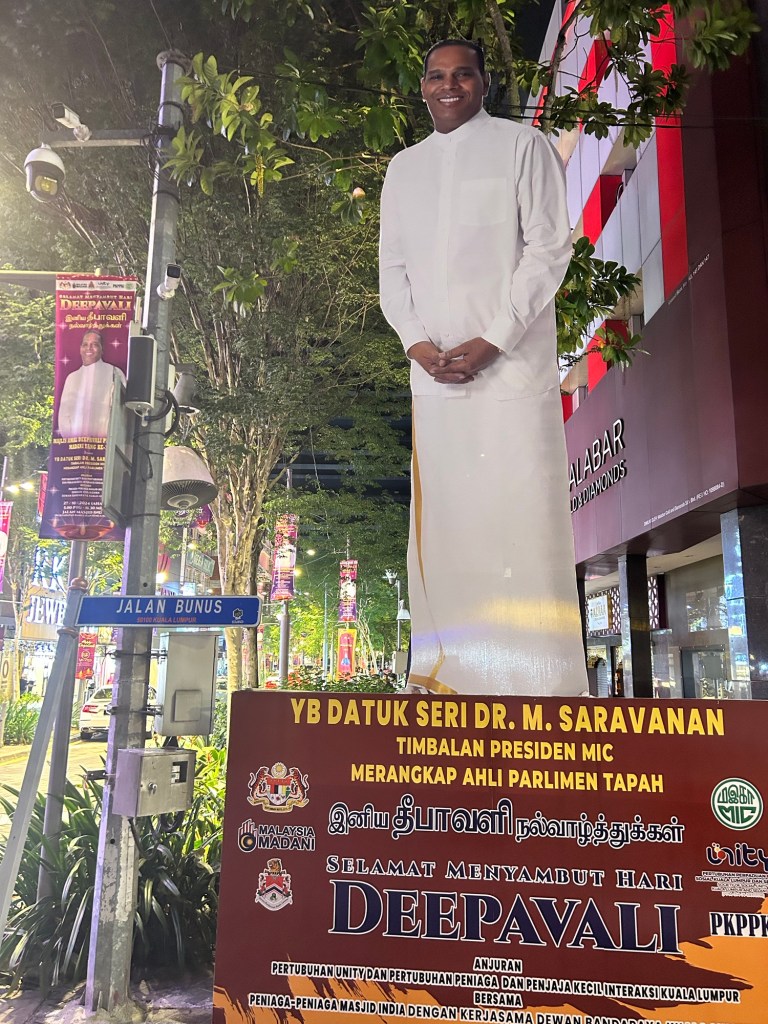

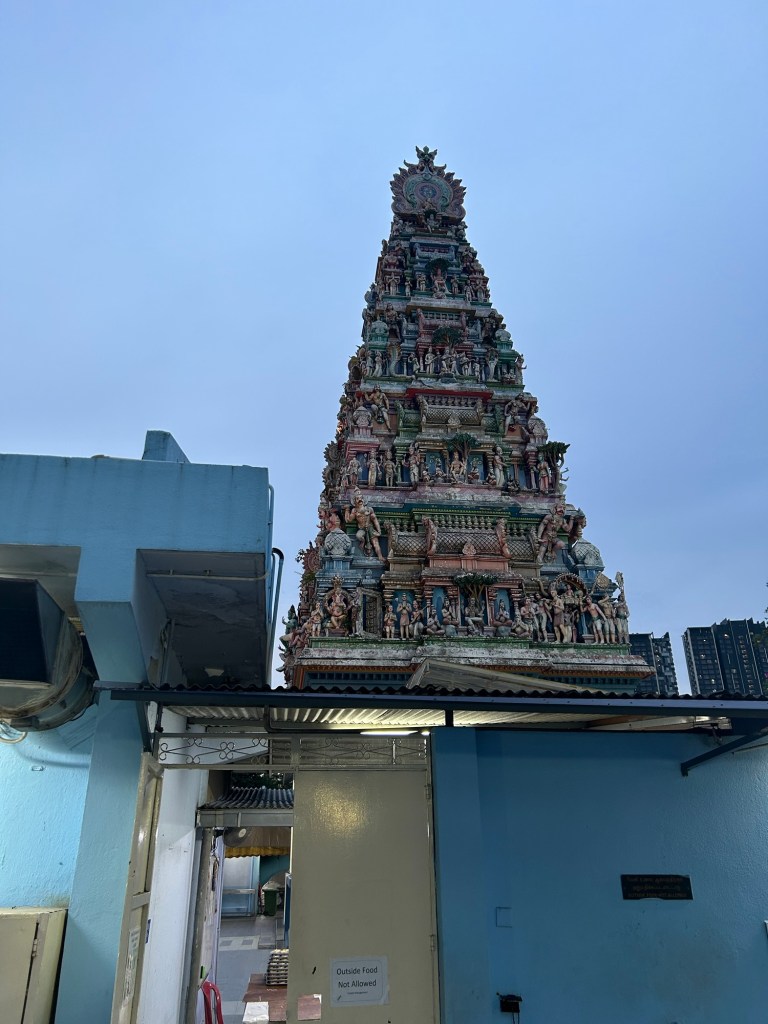


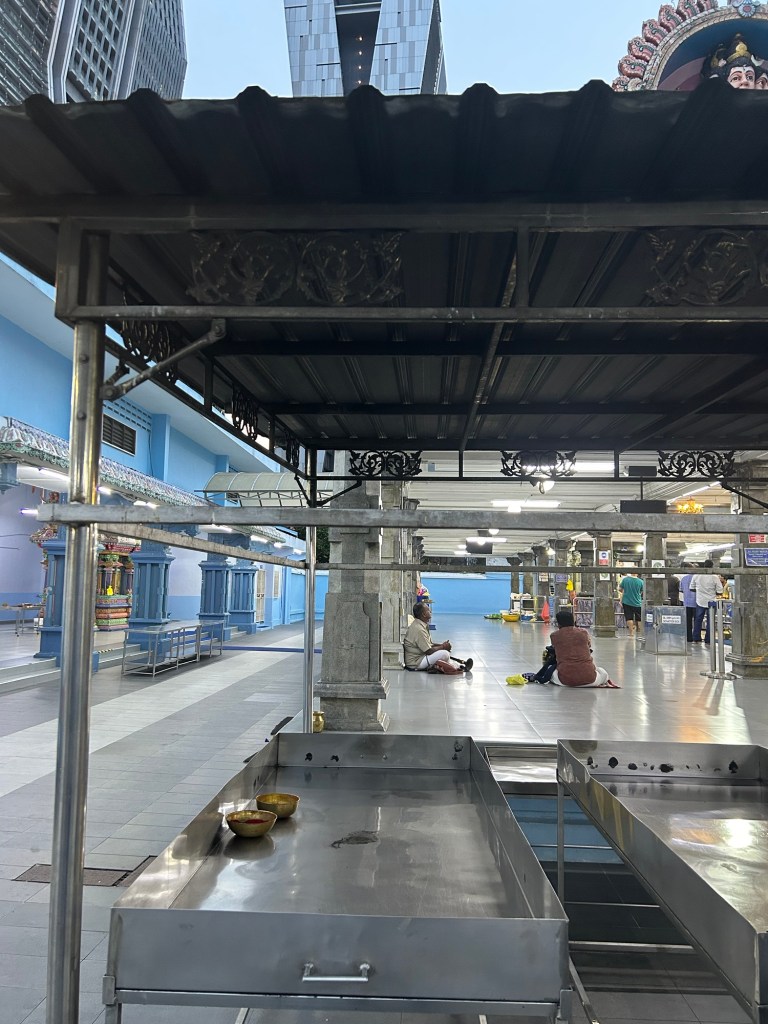


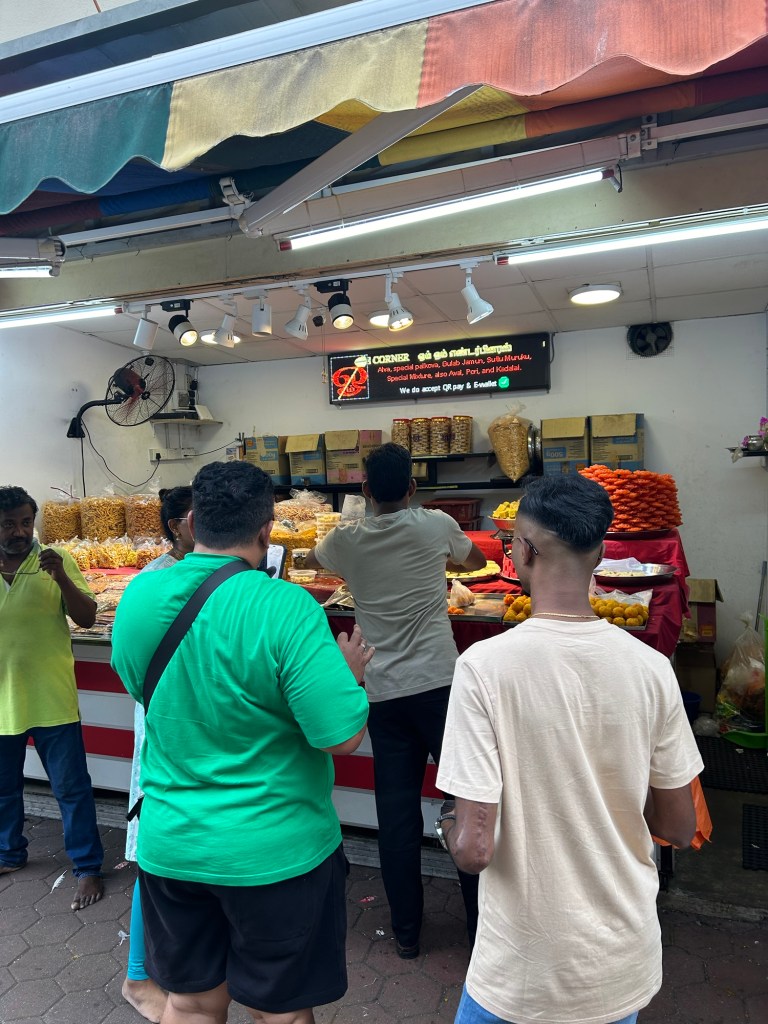

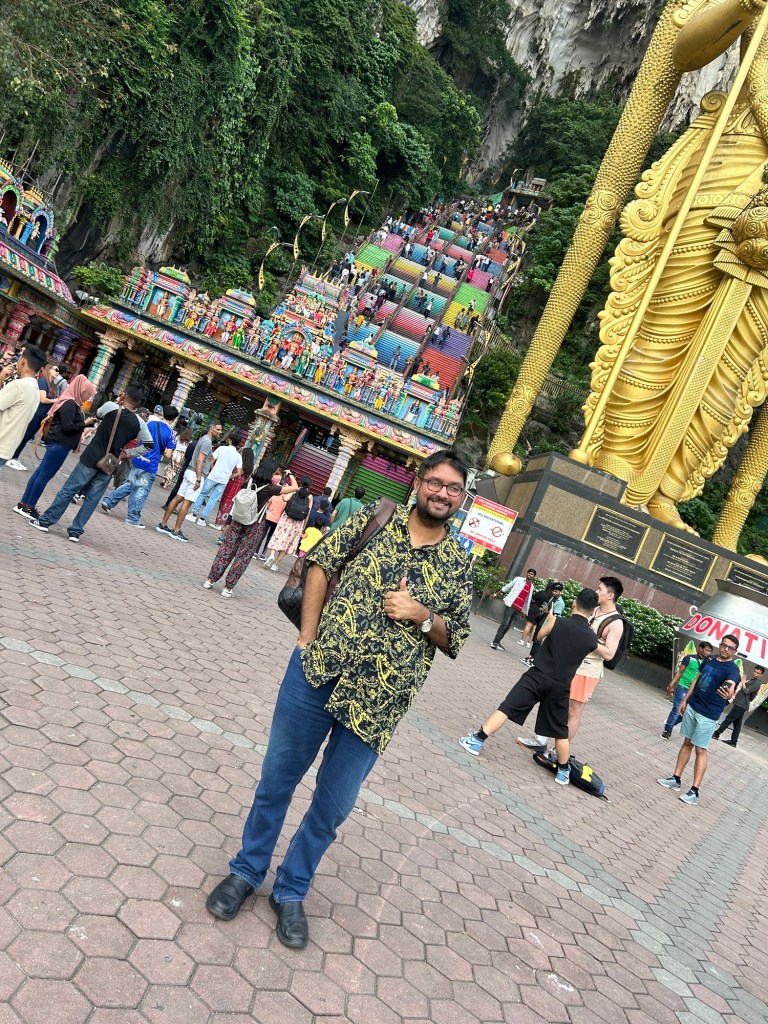
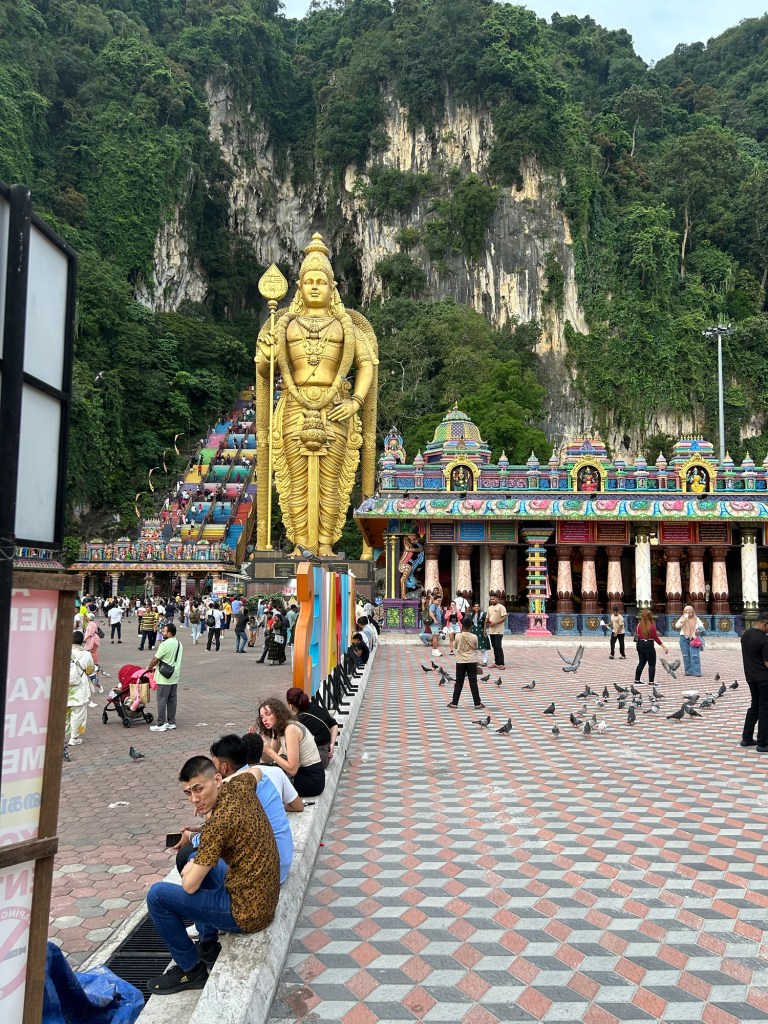


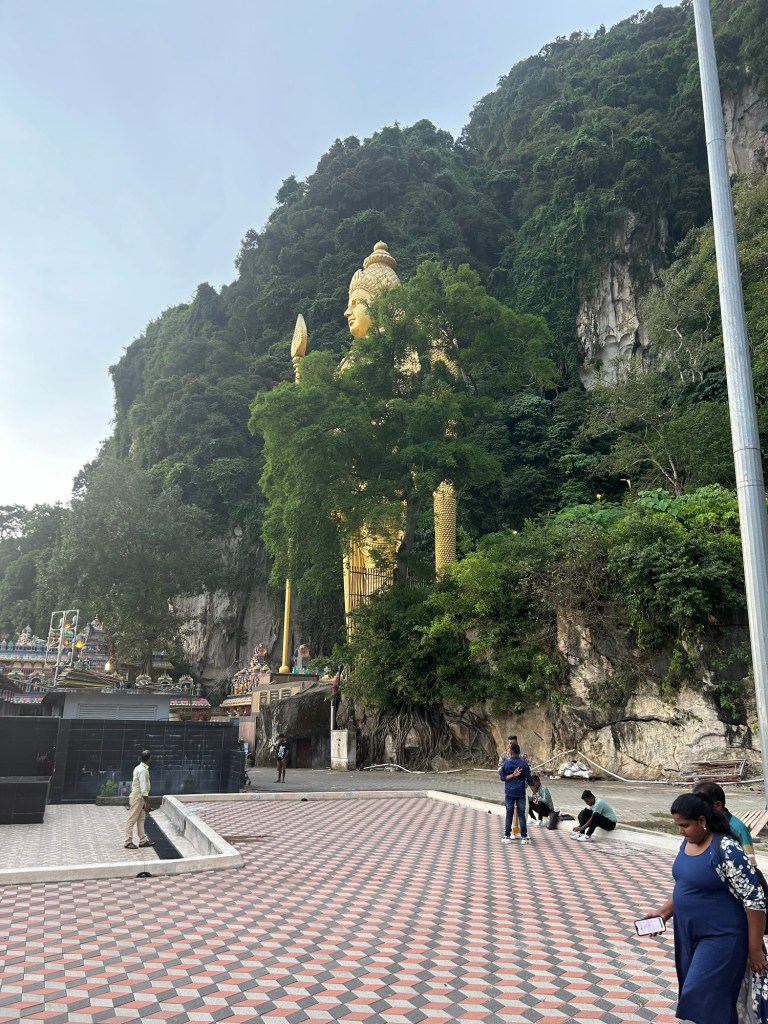


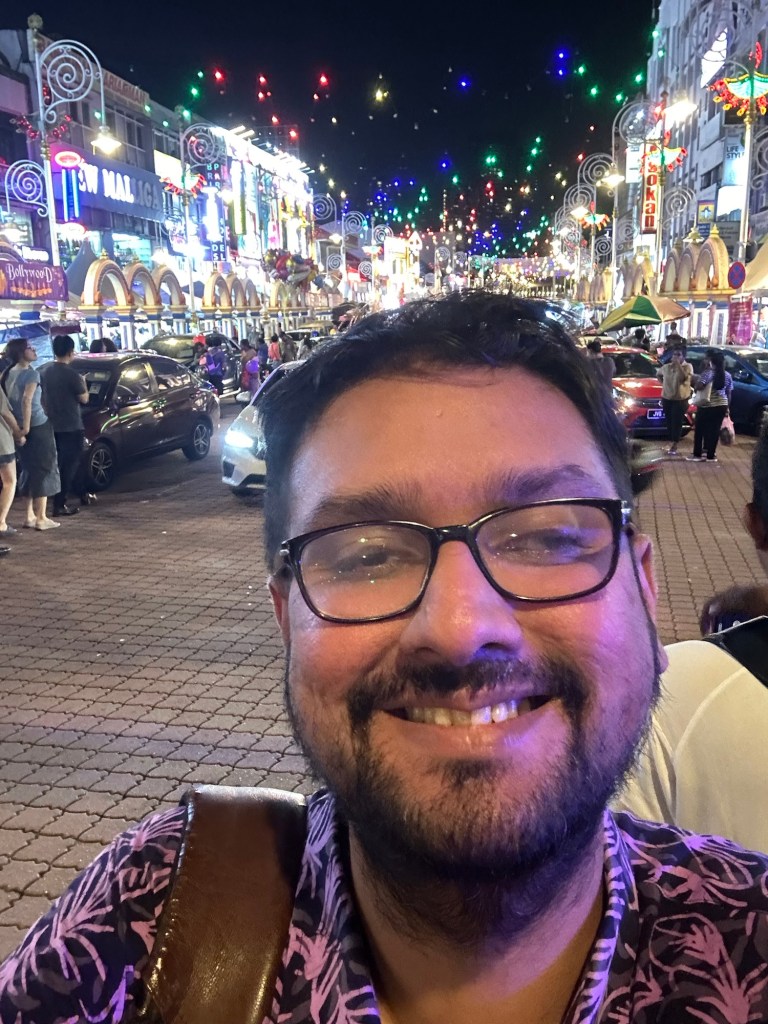

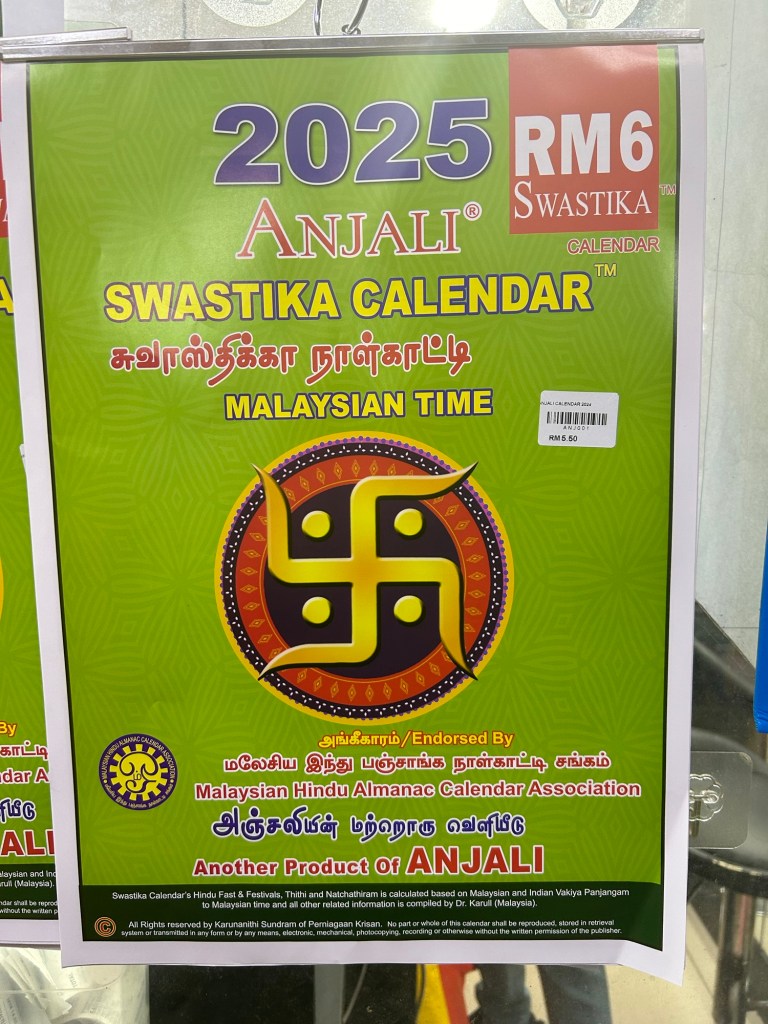

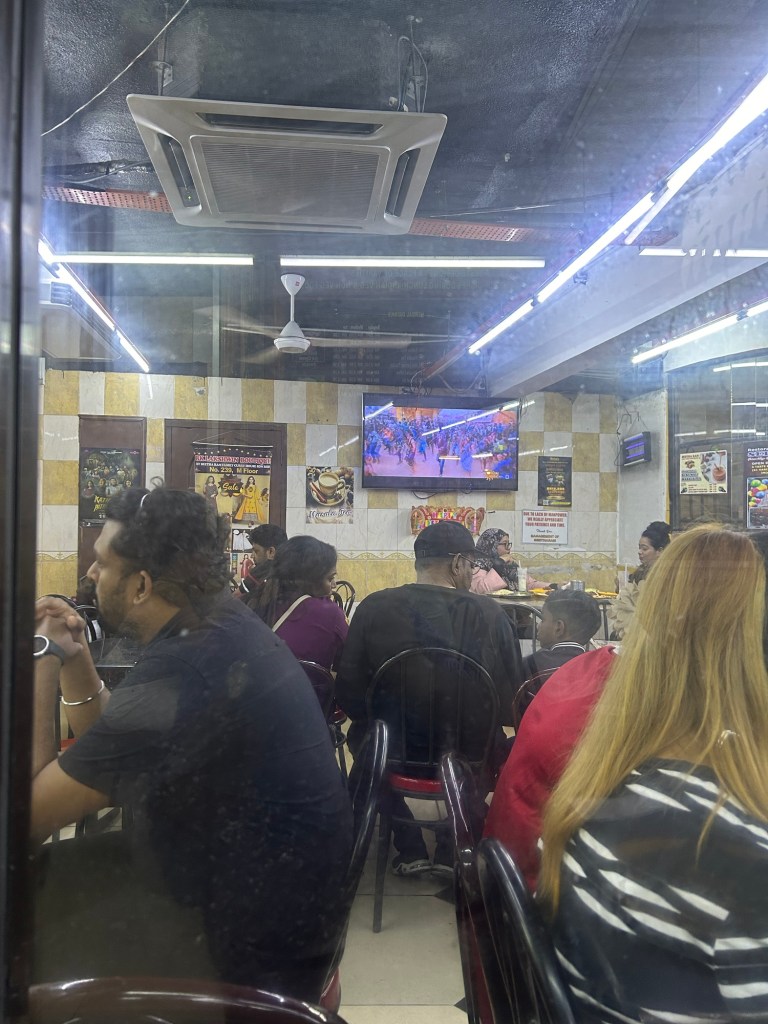
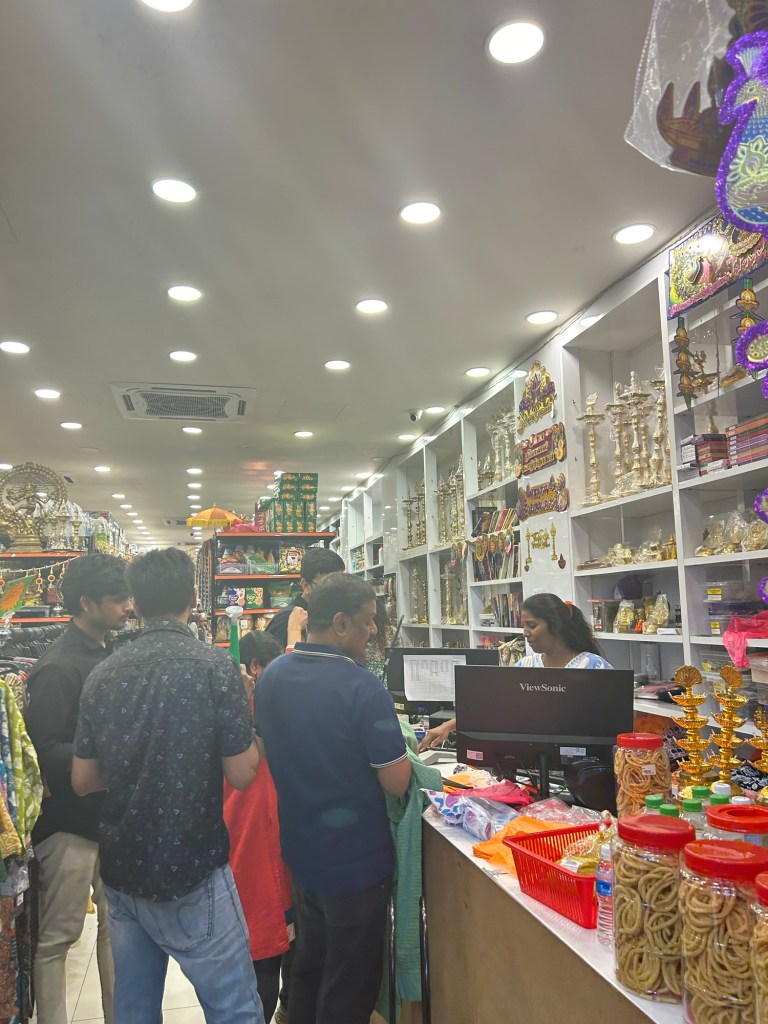

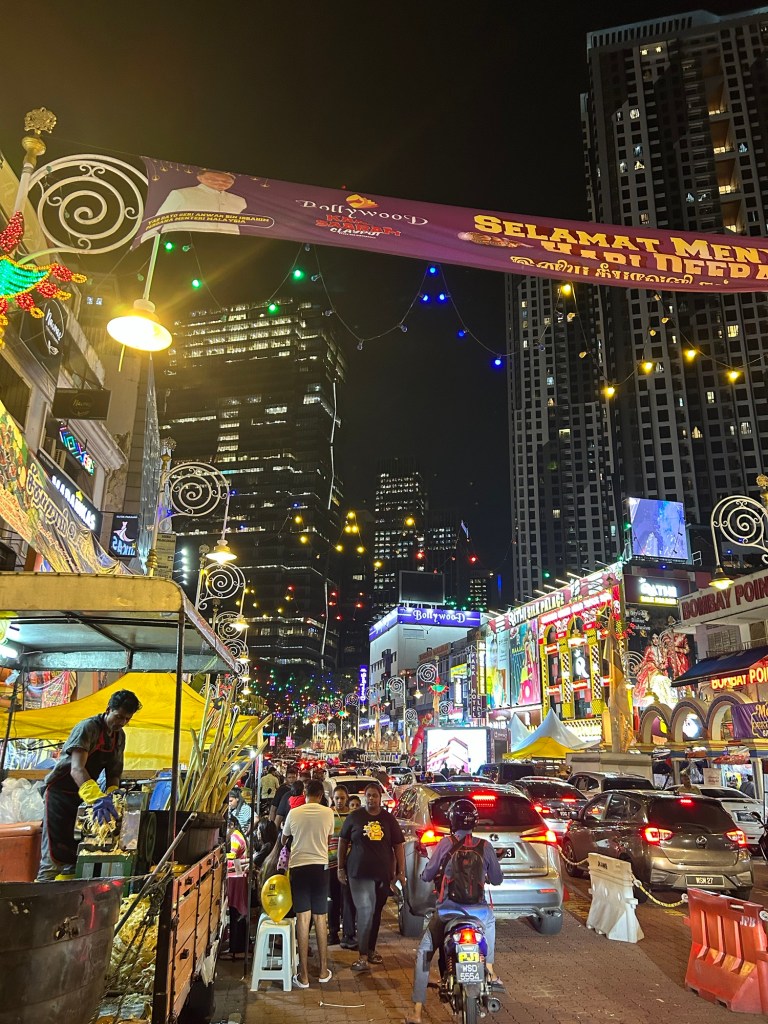
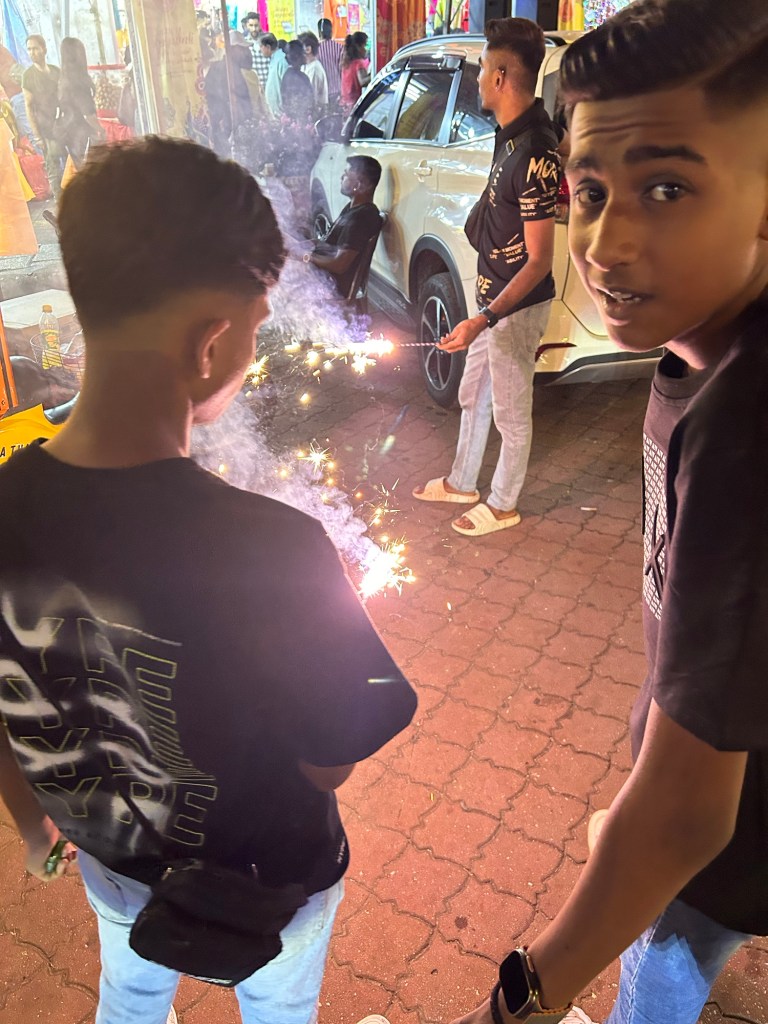
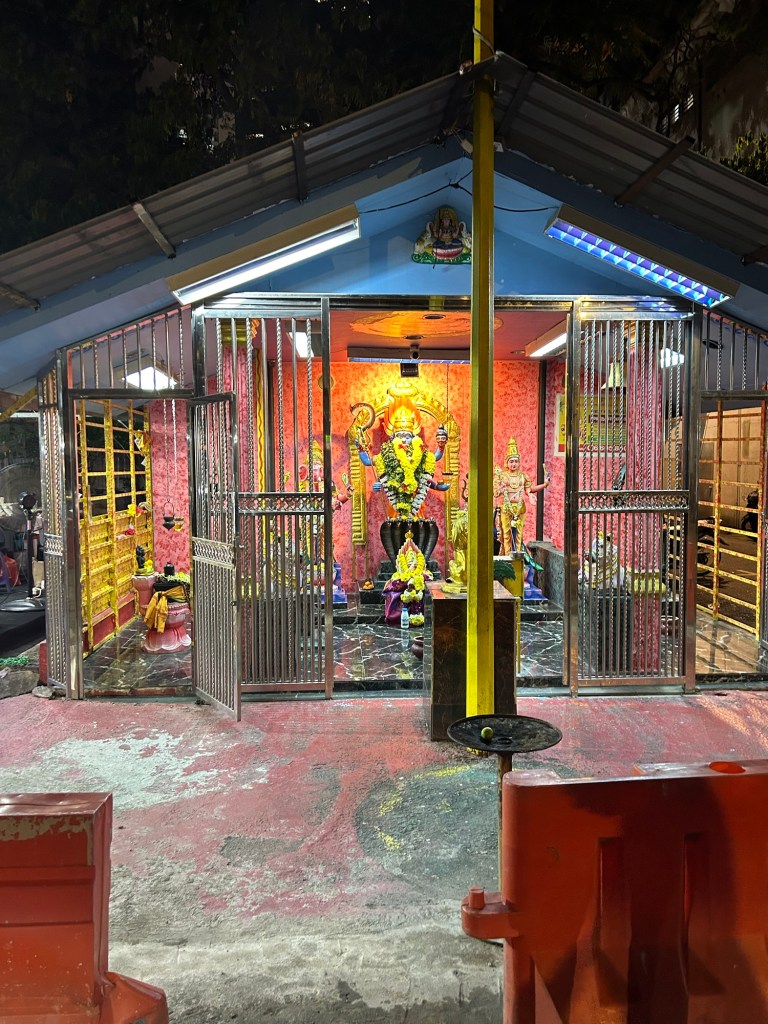
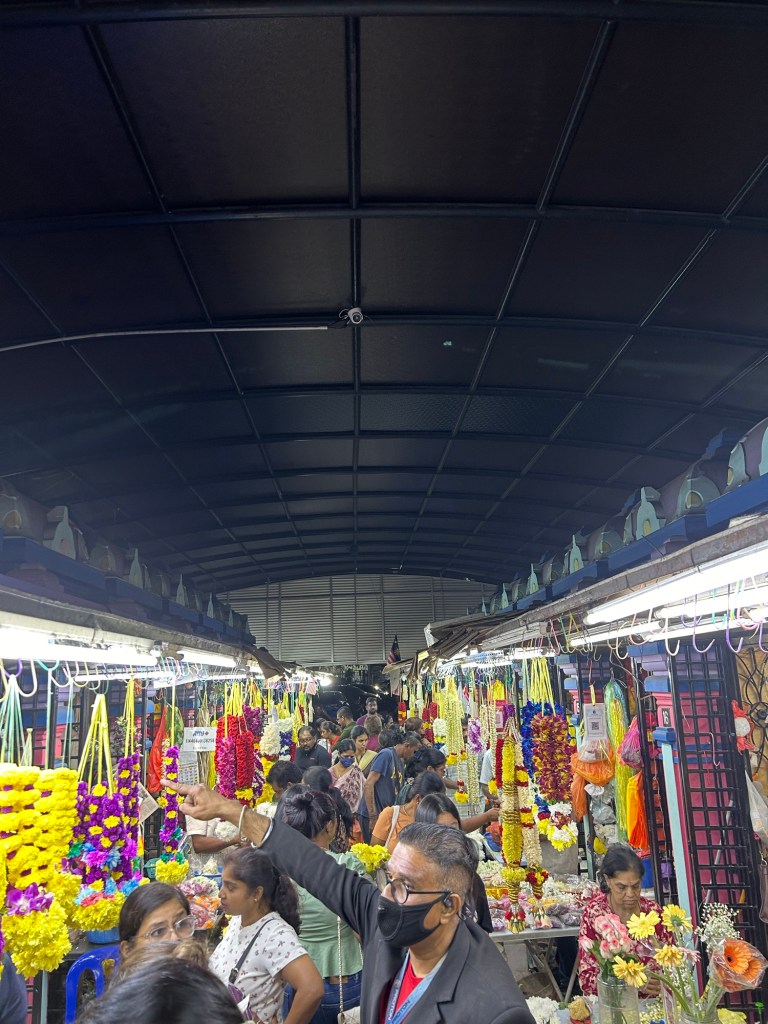
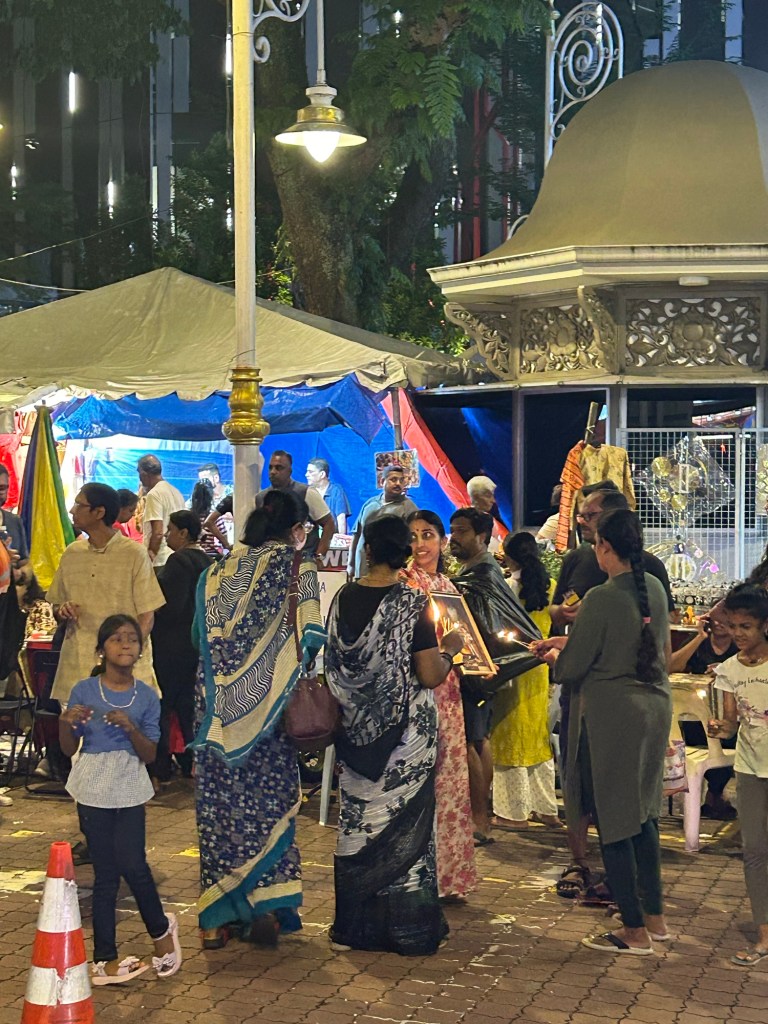
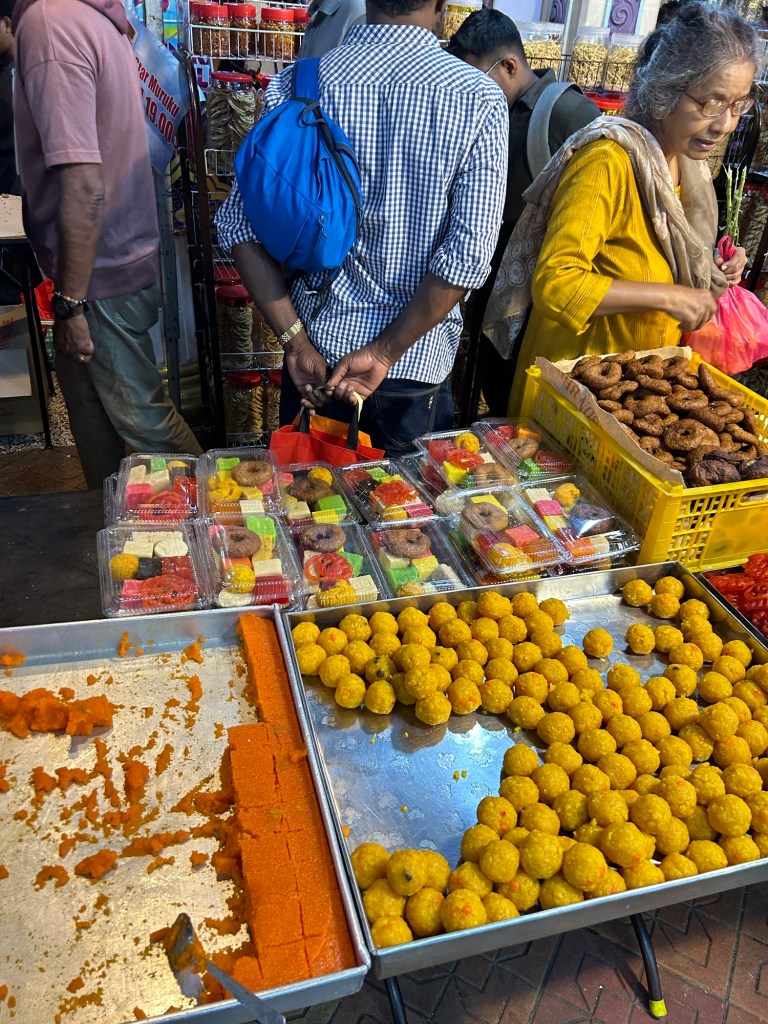
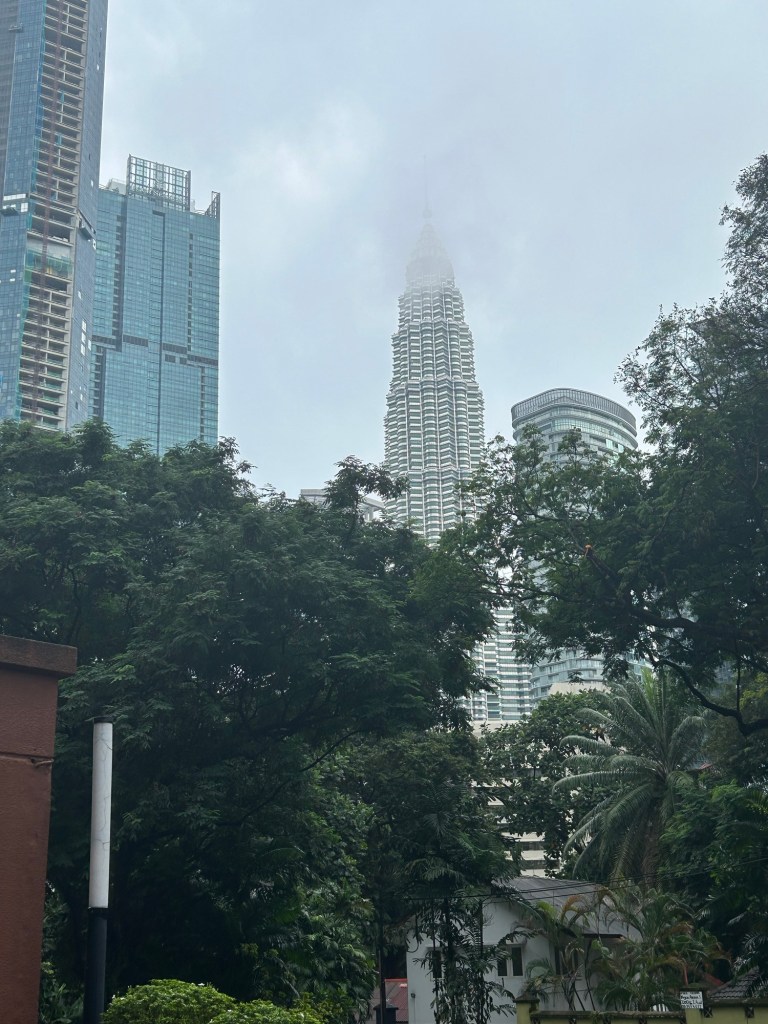
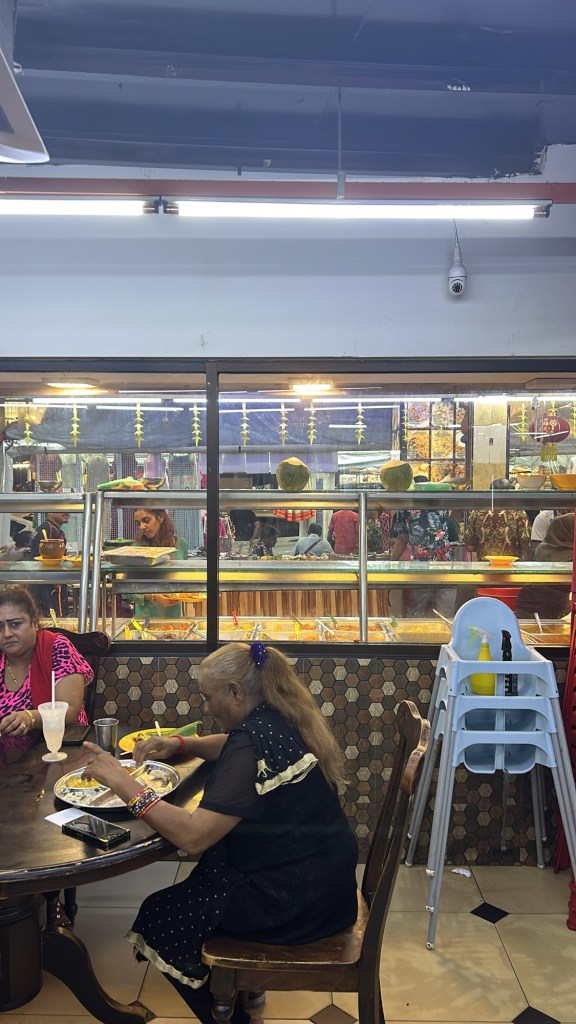
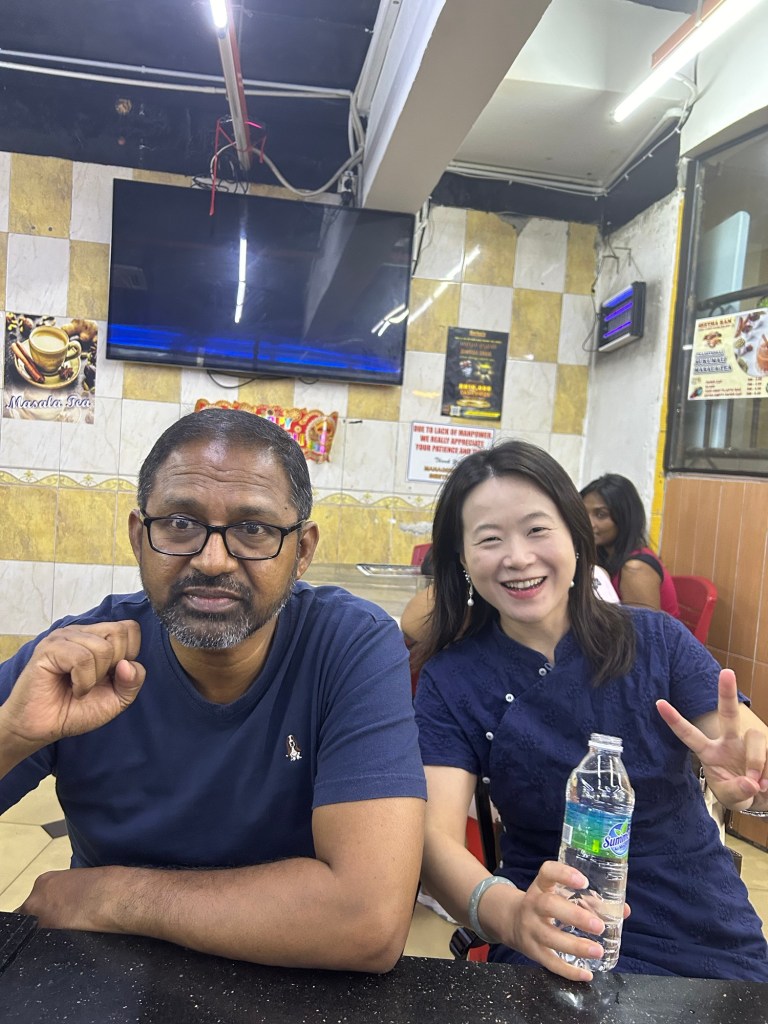
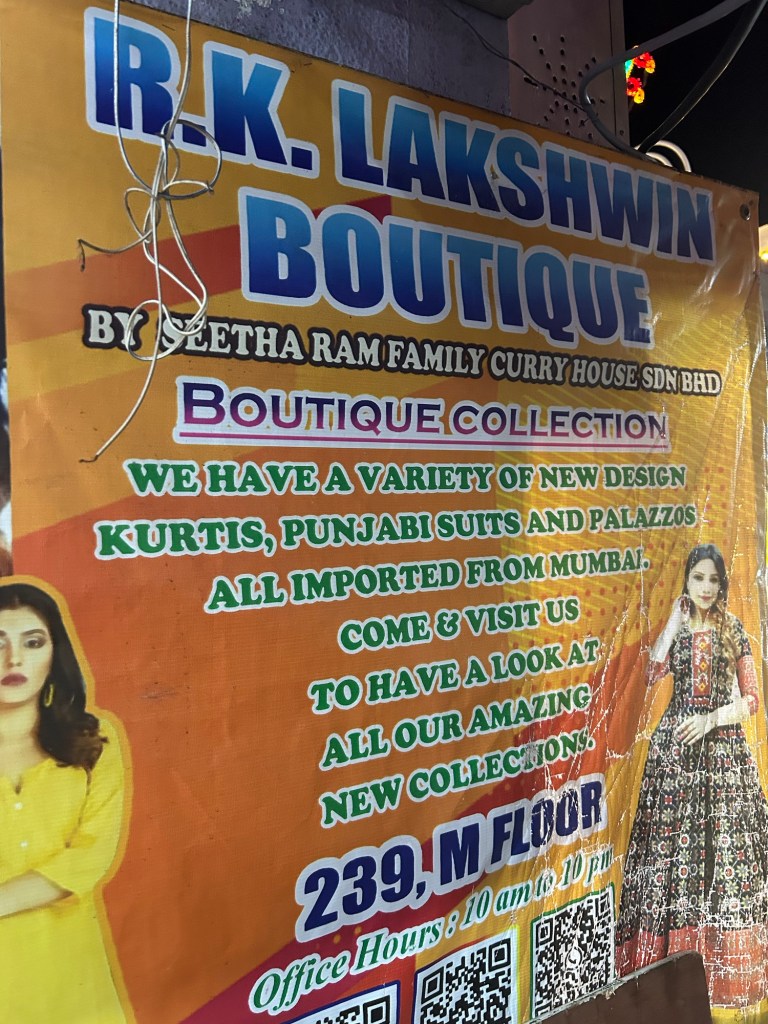
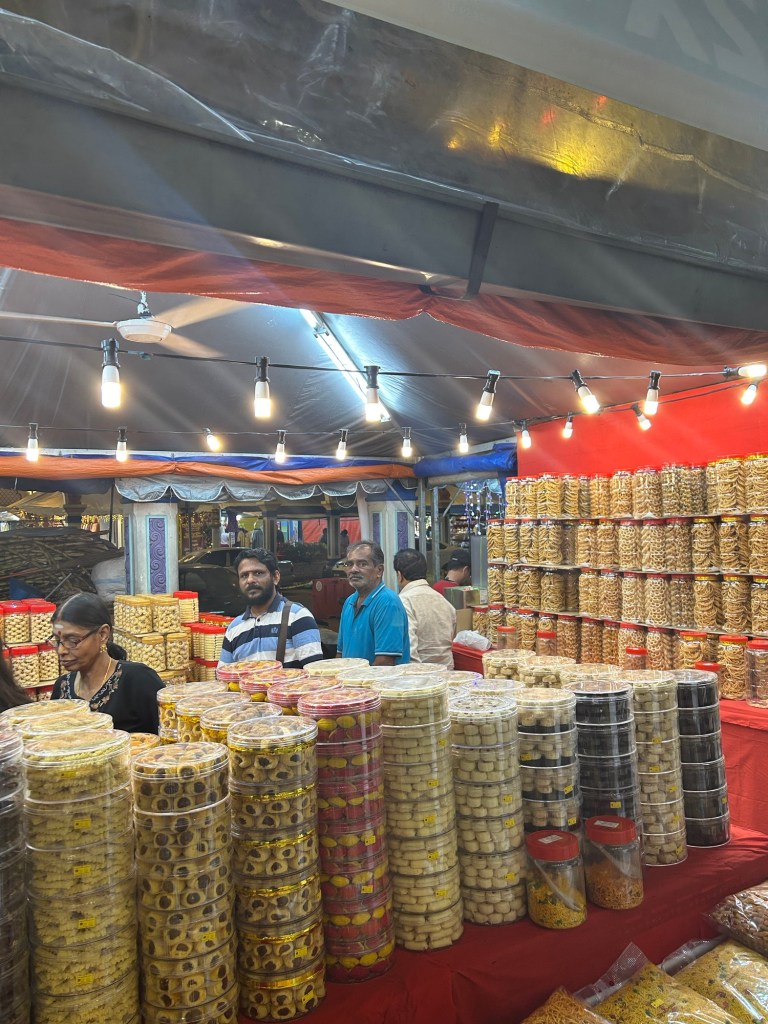
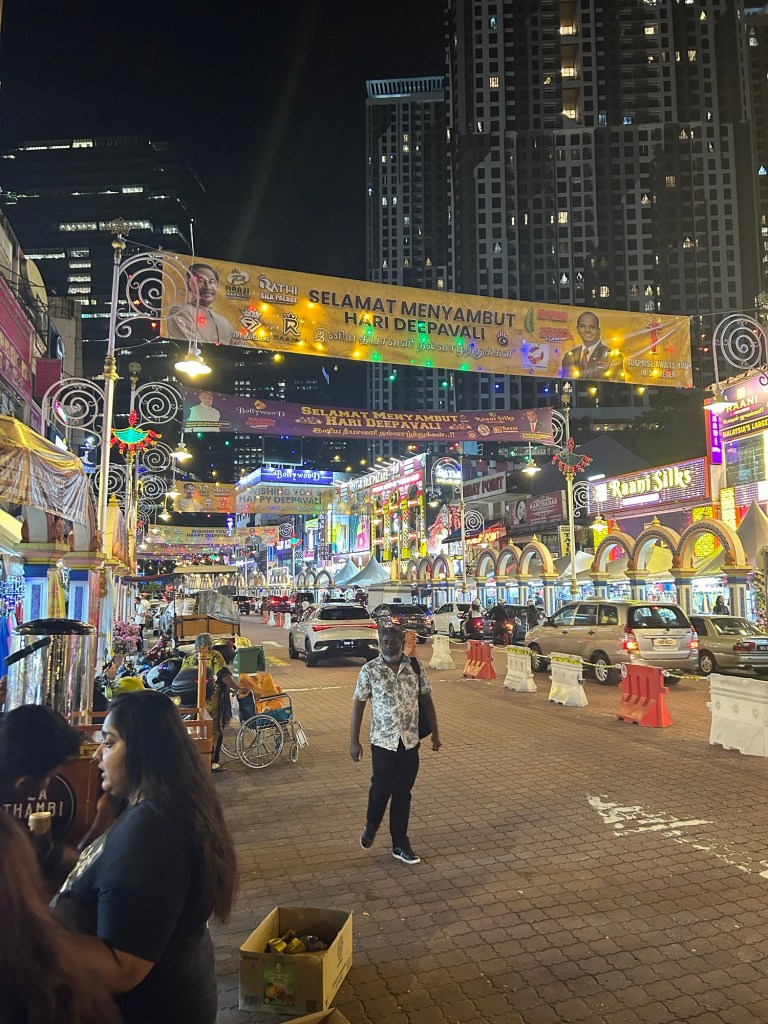
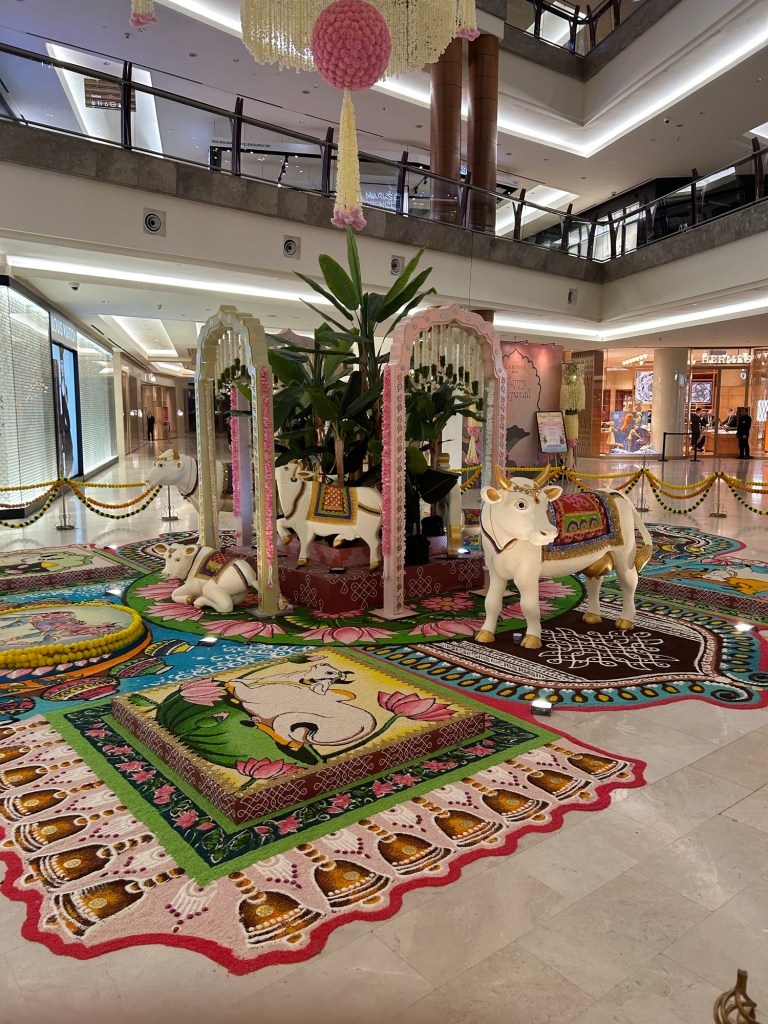
Deepawali across KL- Brickfields, Batu Caves, Sentul and Masjid India.
The firecrackers and the songs linger, celebrating life in neoliberal modernity is a resistance itself.
Through the Highways of Globalization
Deepawali across KL- Brickfields, Batu Caves, Sentul and Masjid India.
The firecrackers and the songs linger, celebrating life in neoliberal modernity is a resistance itself.
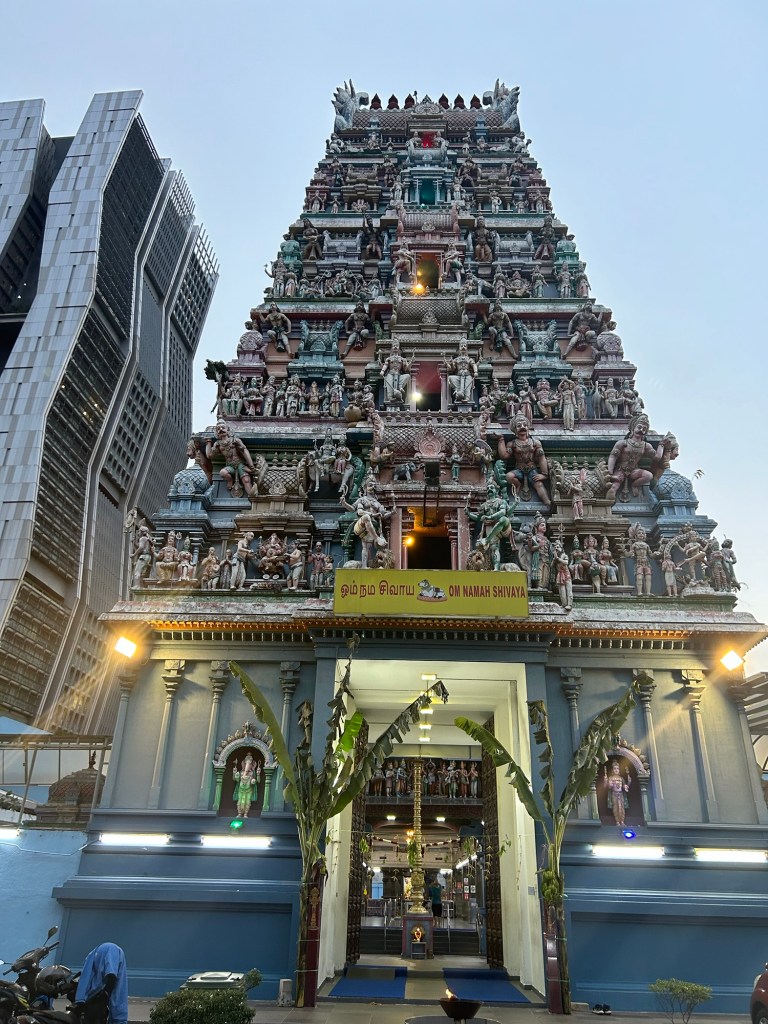

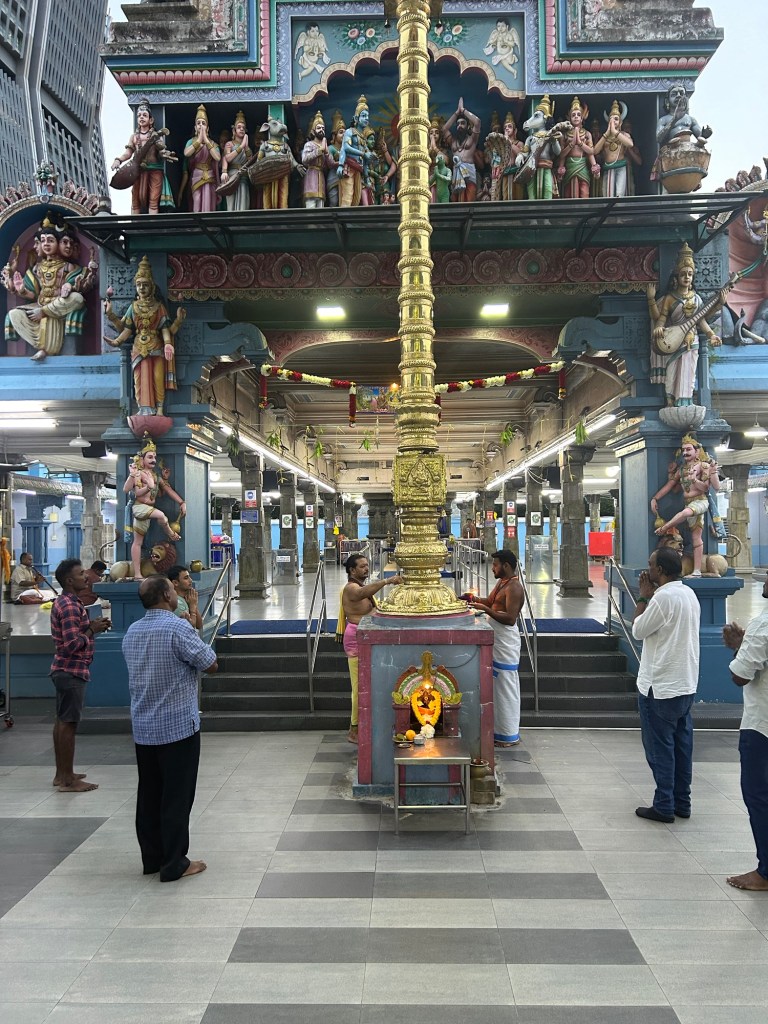
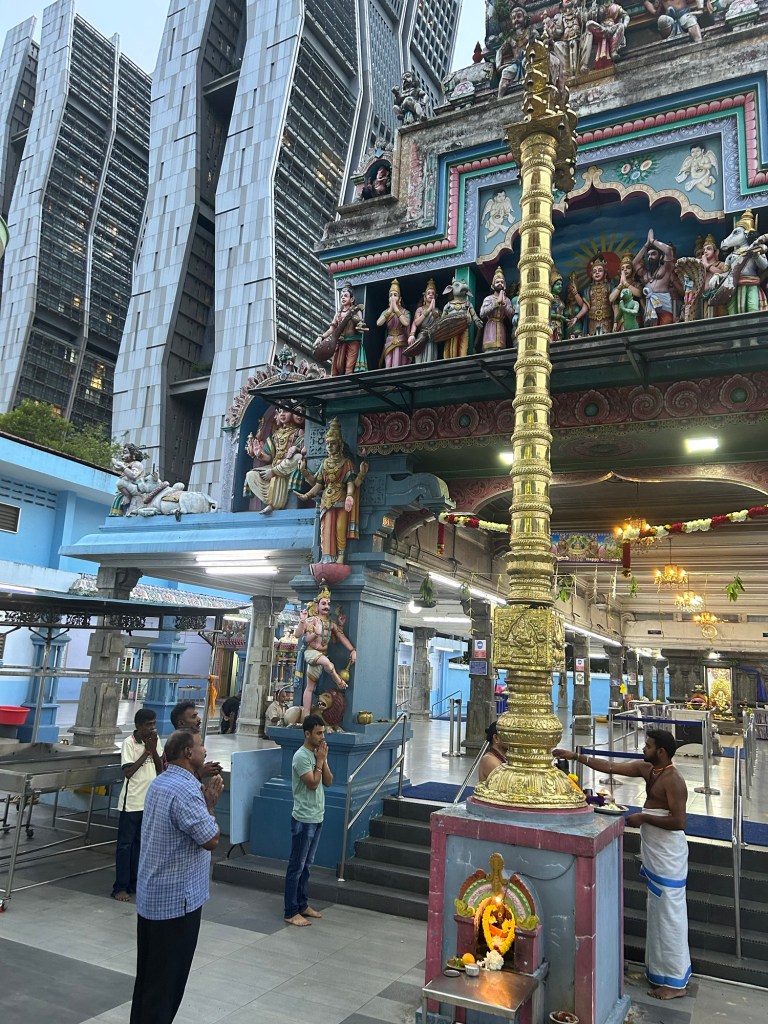

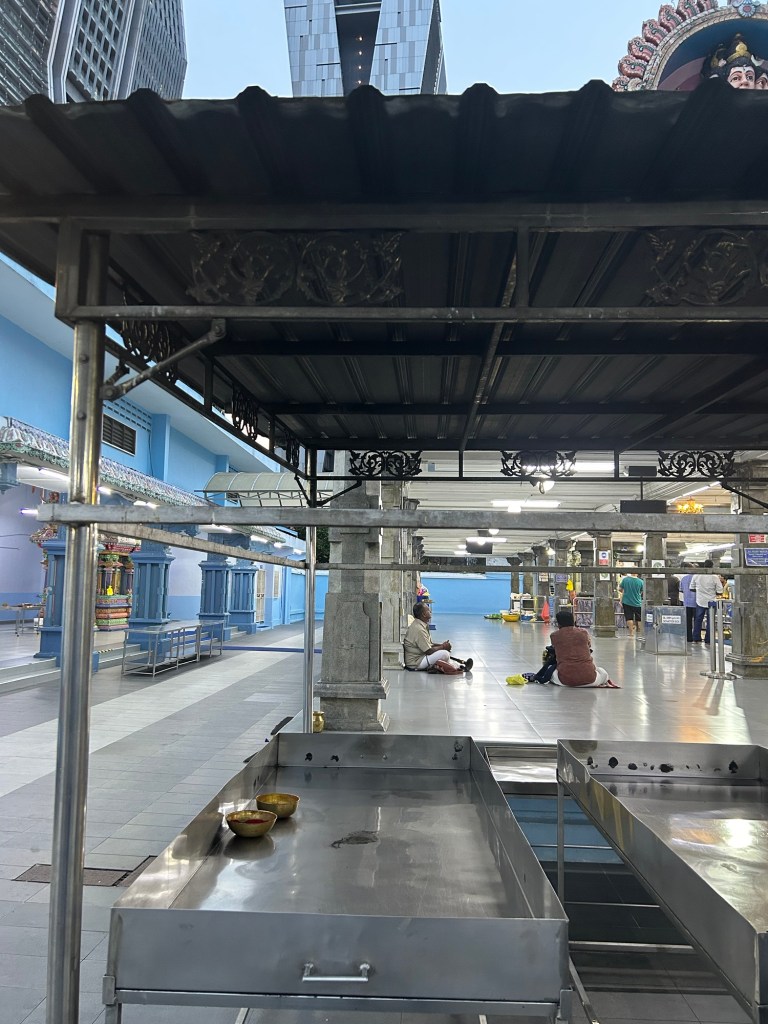

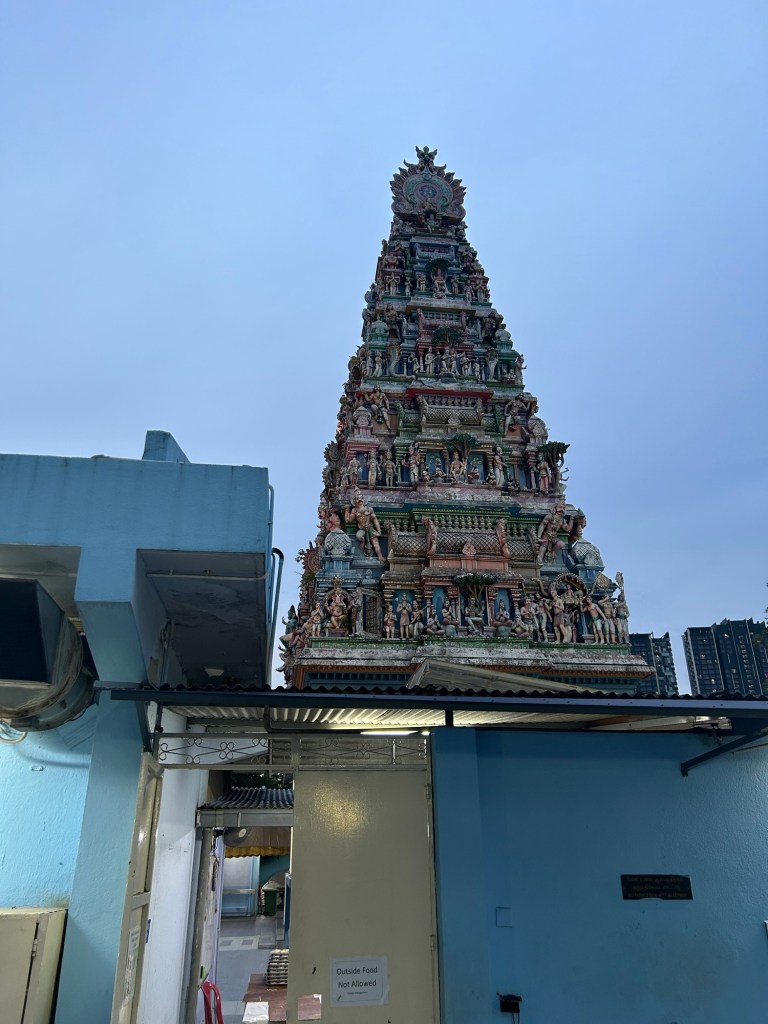


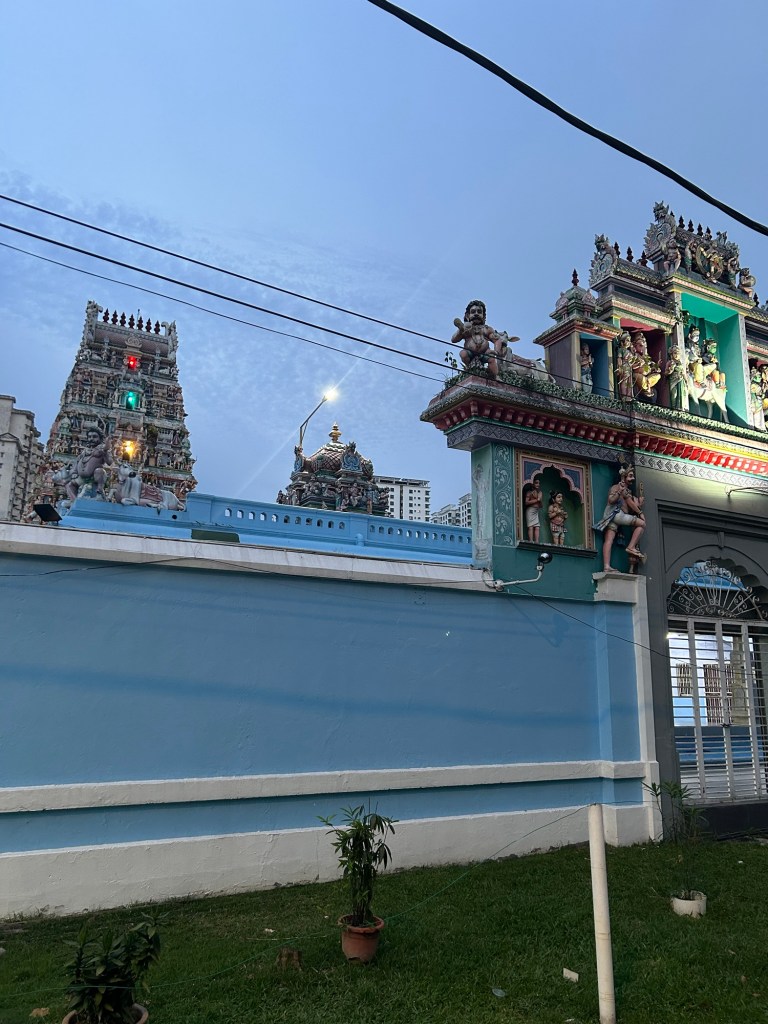


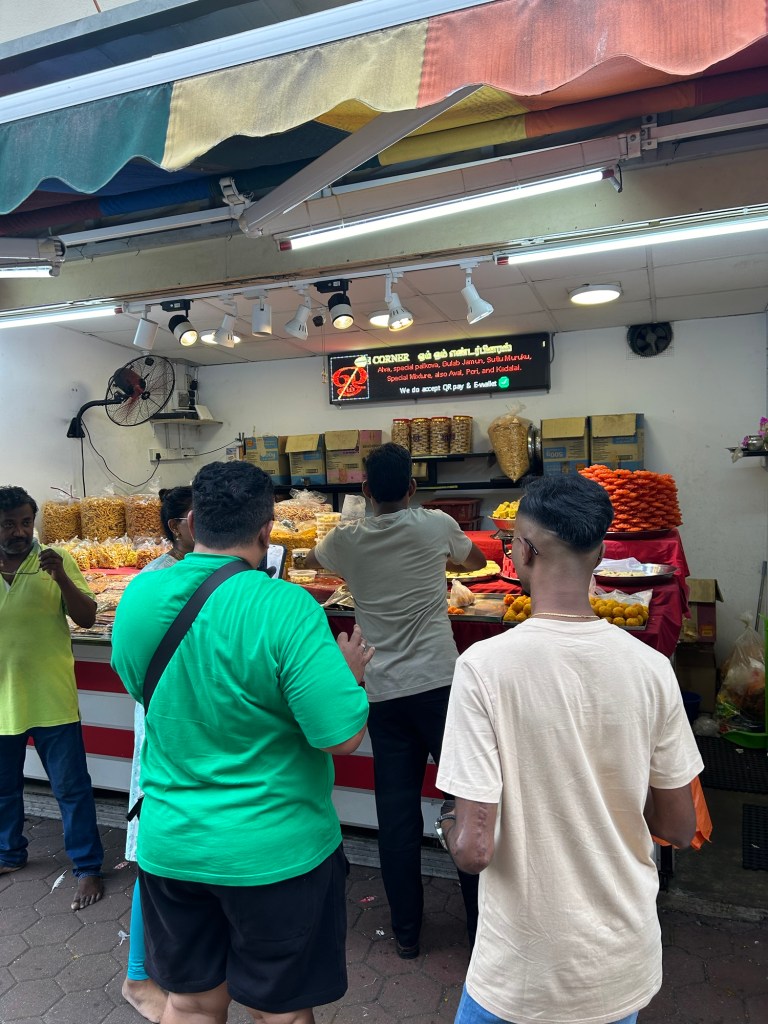


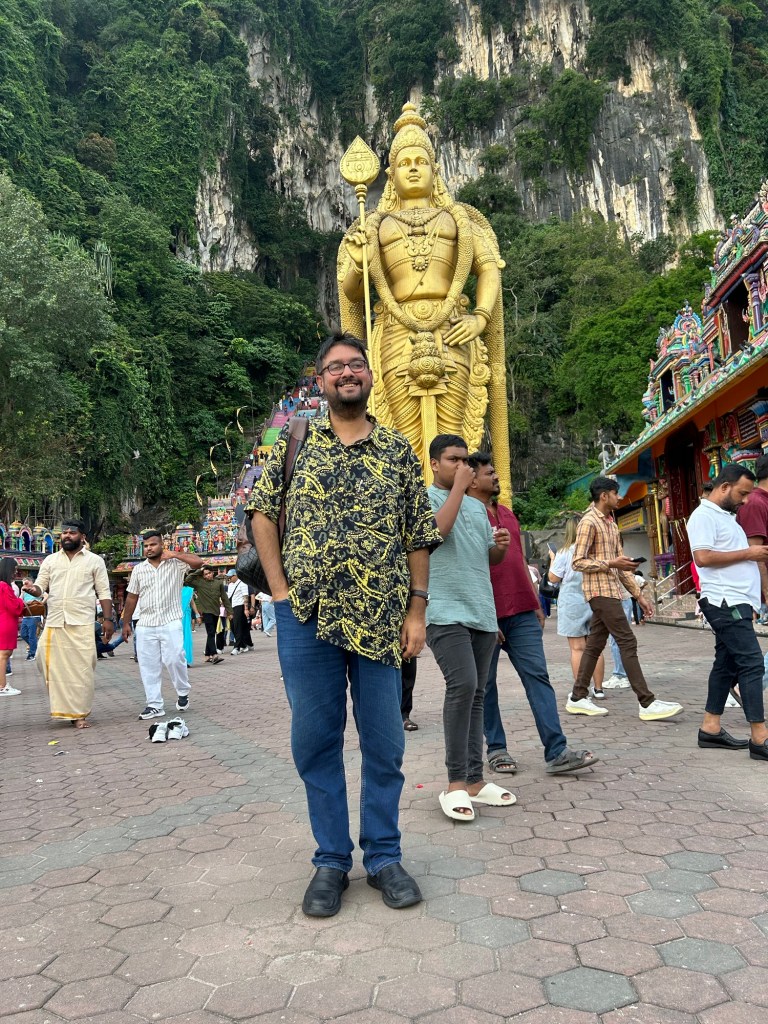
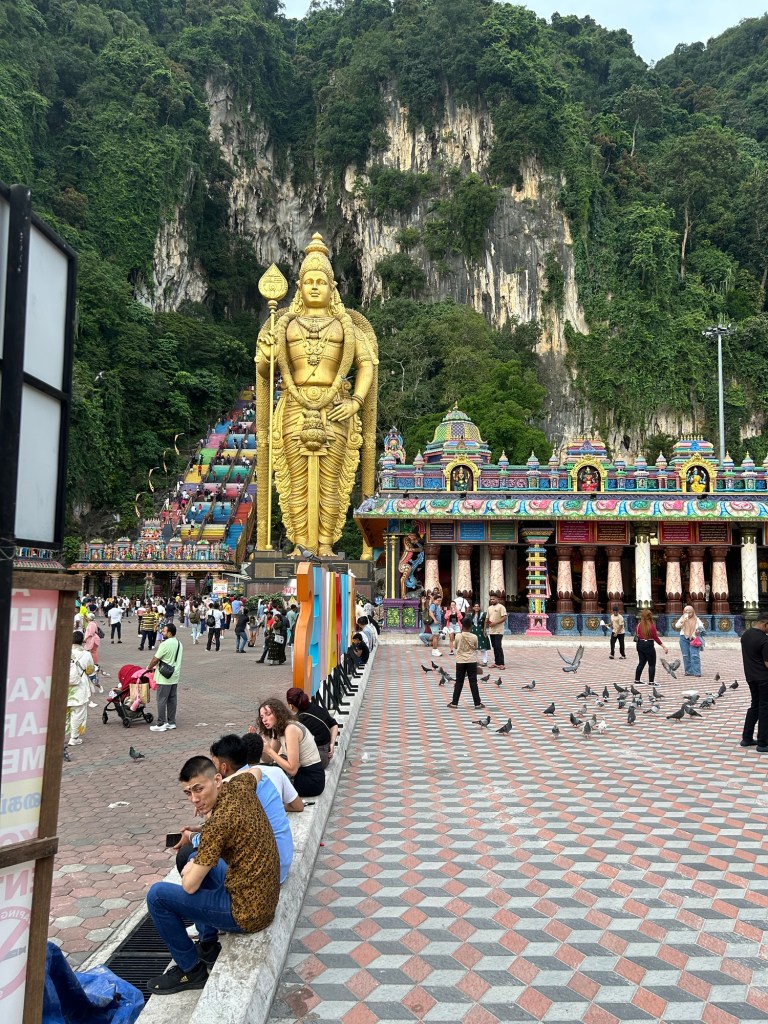
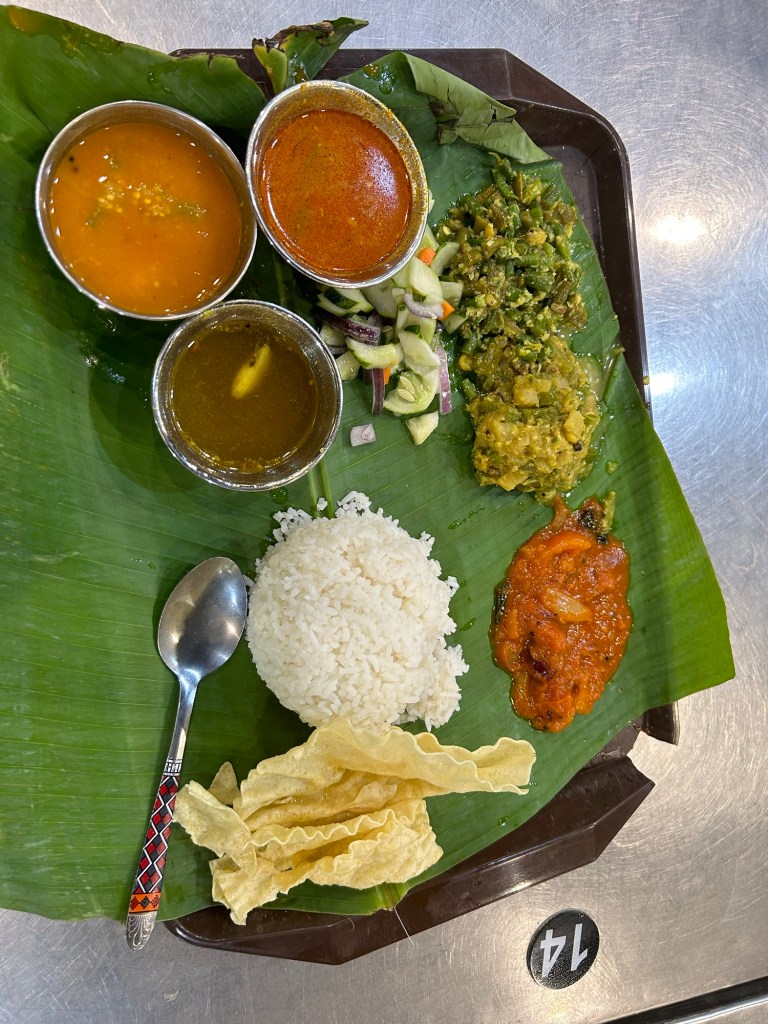
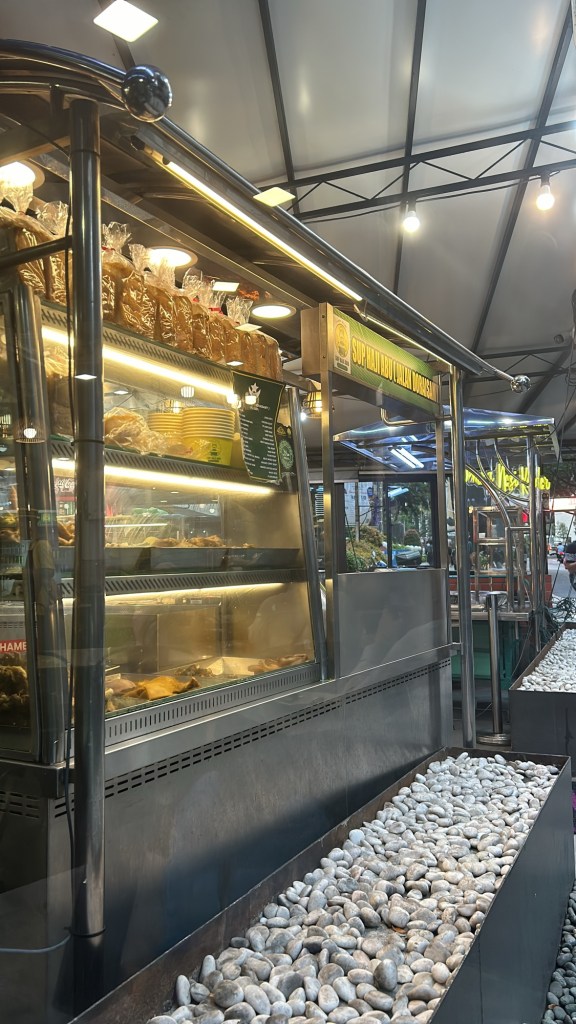
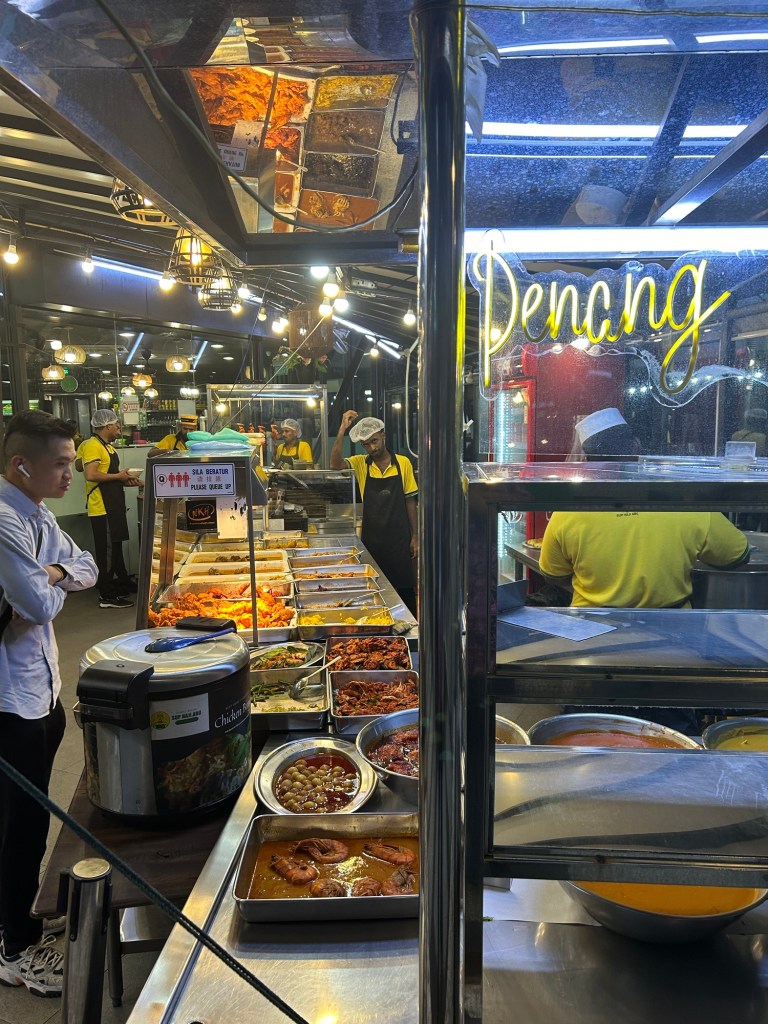
A day of festivities and food, and of great significance to the Tamizh Hindu Diaspora in Malaysia. Batu Caves is a temple yet a site of cultural geography linking South Asia and Southeast Asia, through the Karaikudi-Kuala Lumpur cultural corridor.
I have been to Batu Caves multiple times since the past decade and a half. There is a major upgrade in the infrastructure bordering on gentrification. There is a Tamizh School next door to the temple complex. Tamils make about 6 percent of the population and days such as Deepawali are the biggest cultural node of the year for the community. I am covering Brickfields and Batu Caves this year to capture the sentiment on the ground. Diasporas are living beings with multiple negotiations with the homeland-host land dyad, depending on the stage of migration. Many families have no tangible link with India.
Spaces such as the Batu Caves are sites of a certain typology of cultural resistance, as expression of faith is often not linear. This is my second visit to Batu Caves two times in a row on Diwali, and this time the crowds are a bit thin. The tourists from India have made their presence with chirps in Gujarati and Hindi infiltrating the airwaves.
First VBlog from KL












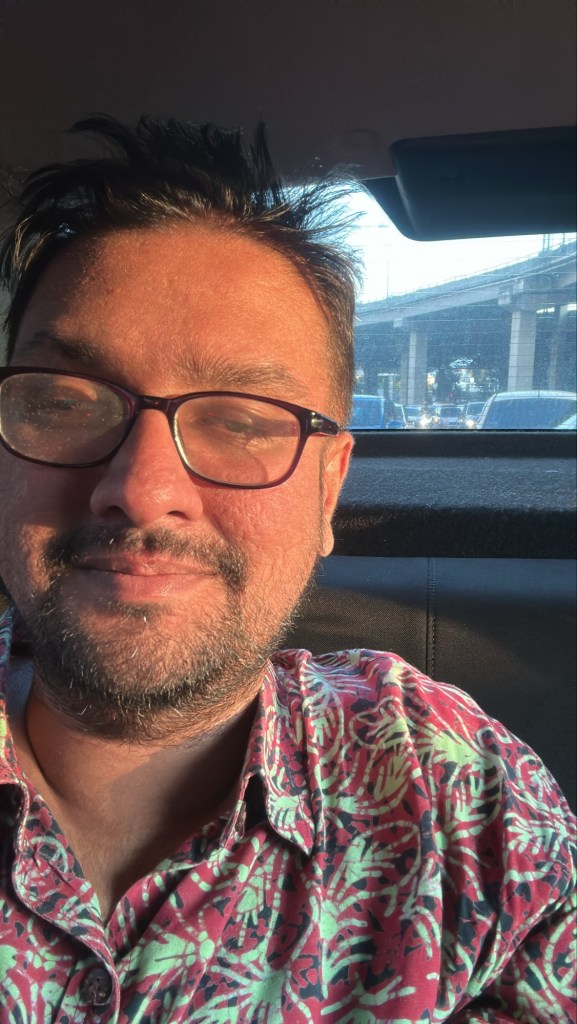
A one person ideas hub, writing from the global from below lens for almost 14 years from more than ten countries in Asia and Africa on topics of migration, climate, entrepreneurship and the urban.
There is no SEO on the site and most folks read me, cite me and invite me are random leads from good search results.
I started writing in 2010 as an engineer, not many editors gave me a platform. As the cancelling and deplatforming continued, this humble blog gave me the opportunity to express on emerging issues and long term themes. I have been interviewed by New York Times recently as well as been on TV for the BBC and Al Jazeera. In print, Guardian, Al Monitor, Forbes, The New Indian Express have carried my thoughts. I have been also interviewed by the Asian Labour Review and India Narrative in a full conversation.
I have got opportunities to write for prominent think tanks and media outlets as well.
As I write, I am. And I am just about to restart after fourteen years.
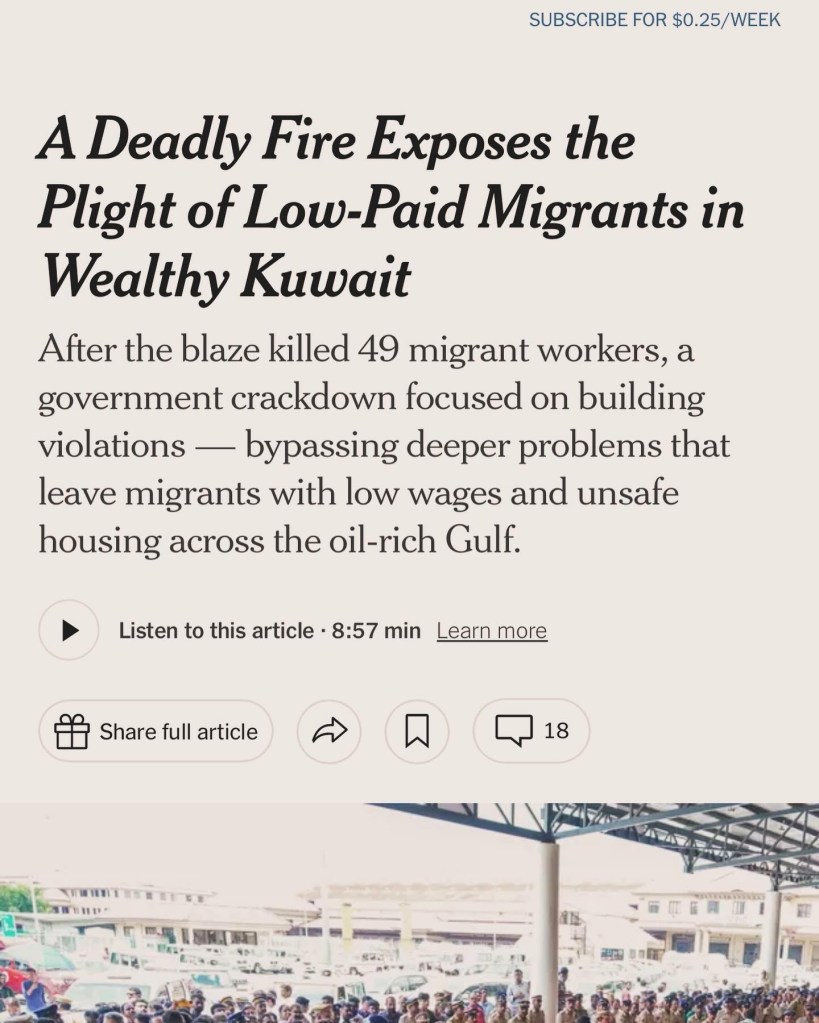
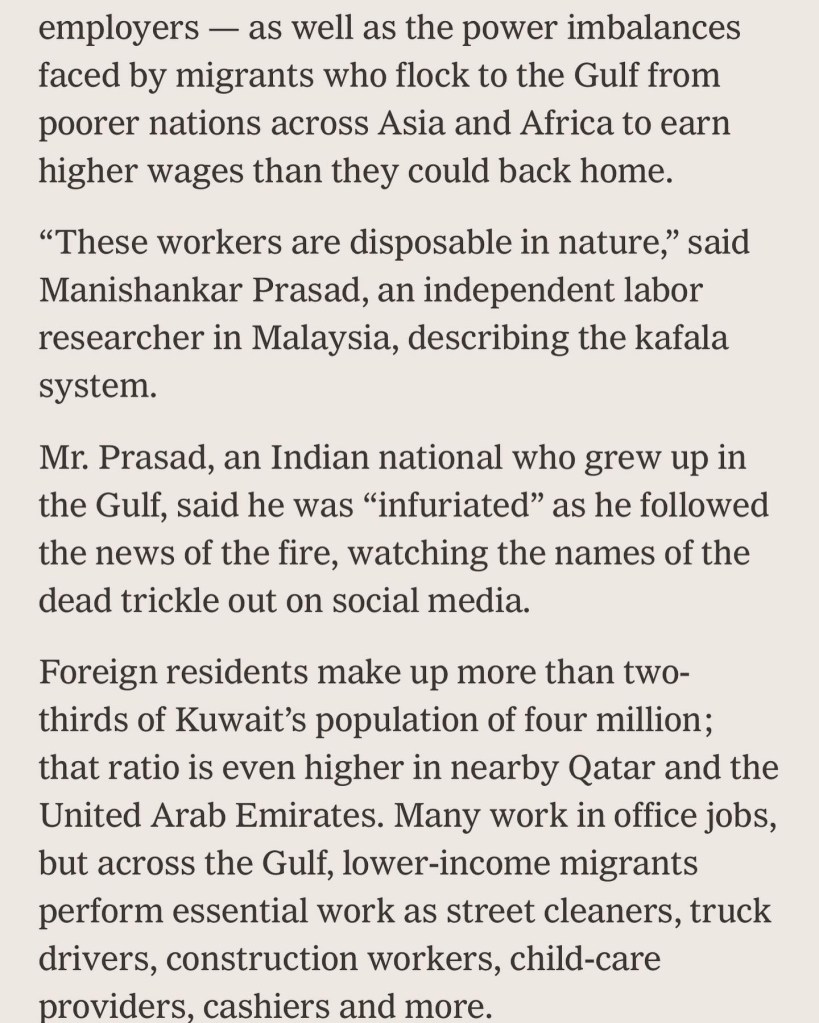
Got quoted in an article on migrant worker housing in the Gulf a couple of months ago in the New York Times. Great analysis and reportage by @viviannereim .
Thank you for the discussion and for incorporating my views.

This is the essay in which I coined the term ‘Desi Khaleeji’ in a Swalif Publishing Abu Dhabi Creative Critical Book Project published in 2021. The term ‘Desi Khaleeji’ is an analytical lens to view multigenerational south Asian belonging in the Gulf, where an emotional citizenship beyond PRs and Passports is at work, where upon turning 18 one finds creative avenues to procure visa status as the family dependent status especially for boys is at play.
Ofcourse one has to find intellectual spaces beyond the h index to theorise lived experiences.

On days like this one feels that years of writing on/with the Gulf is worth it. This Gulf Citizen of South Asian Decent, wrote to me on LinkedIn that he has read my work on being Desi Khaleeji, a term I coined on growing up multigenerational in the Gulf.
As a person who faces multiple rejections from the intellectual and ngo actors including deplatforming, cancelling and rejections- the writing from the global south has to continue, and that is one of the ways of being decolonizing.










 Change Thinker