

Through the Highways of Globalization
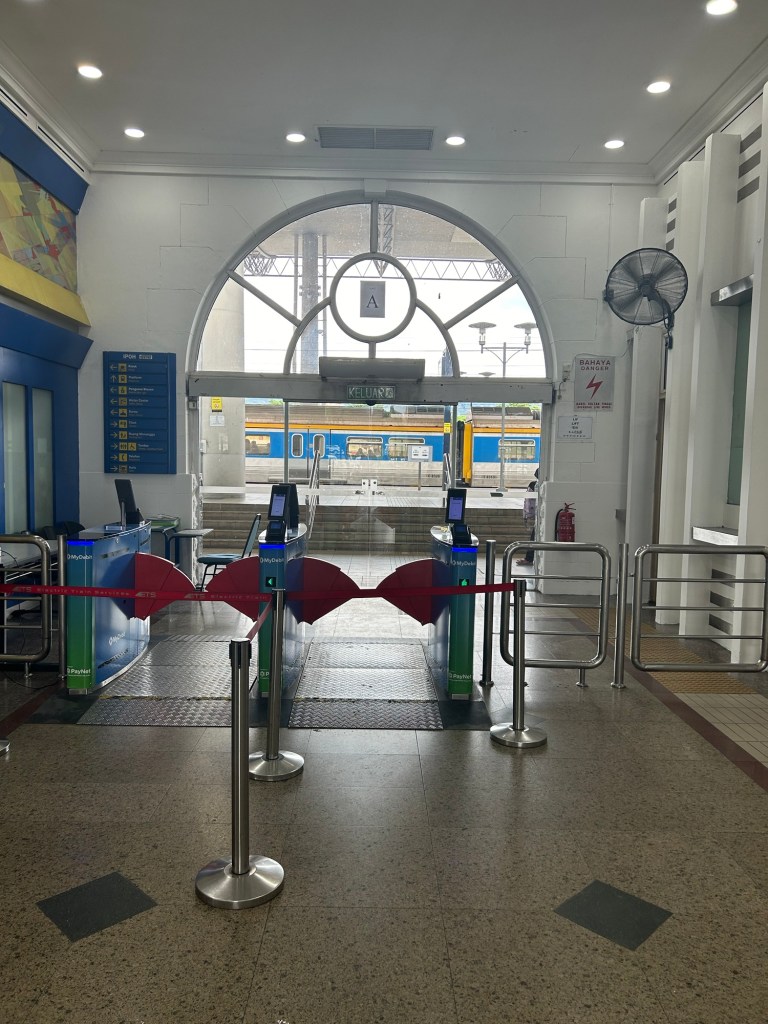



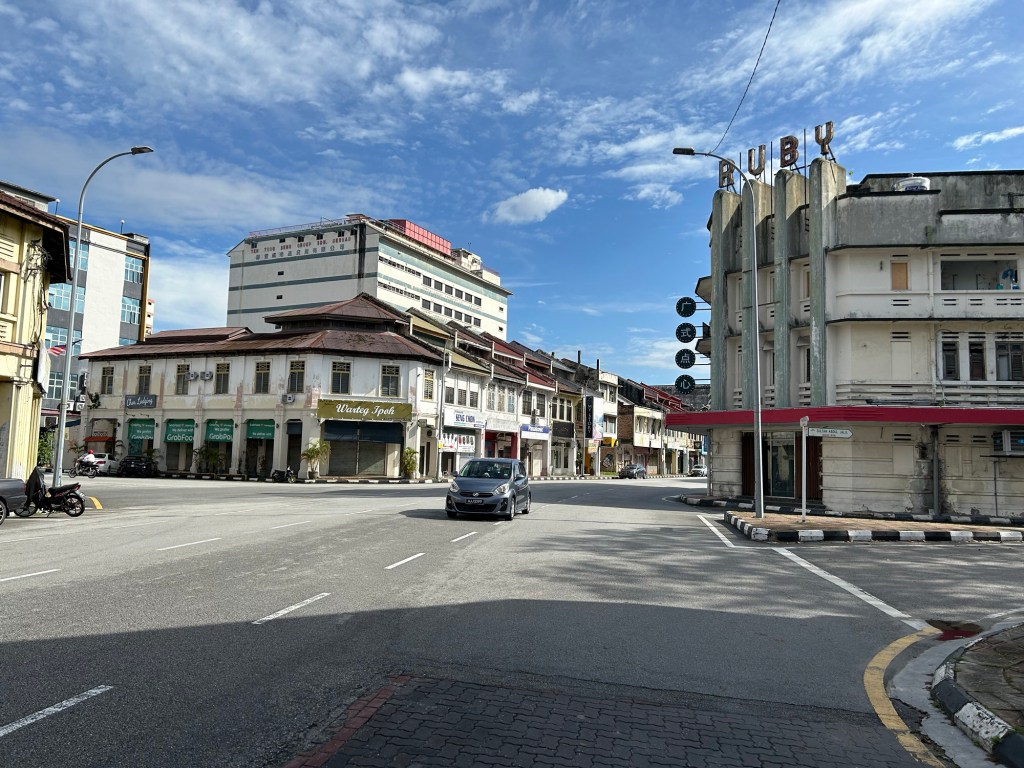

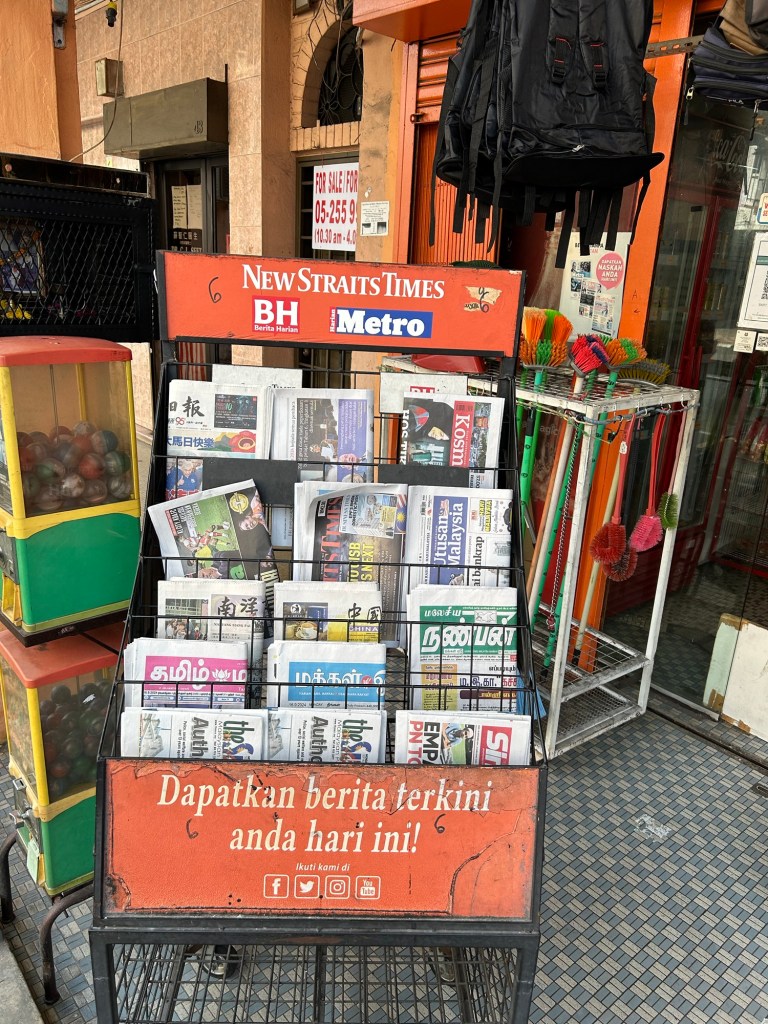
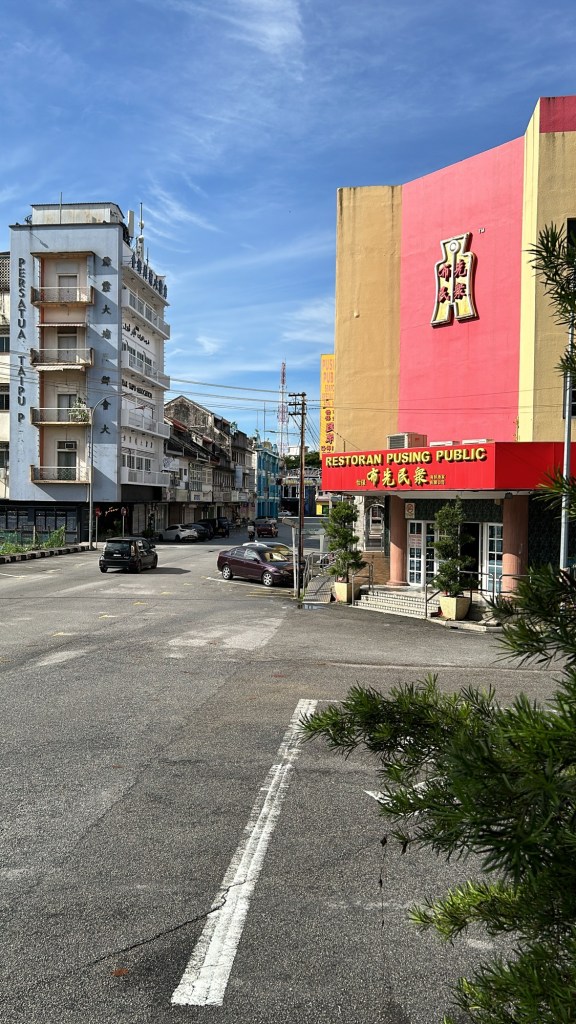


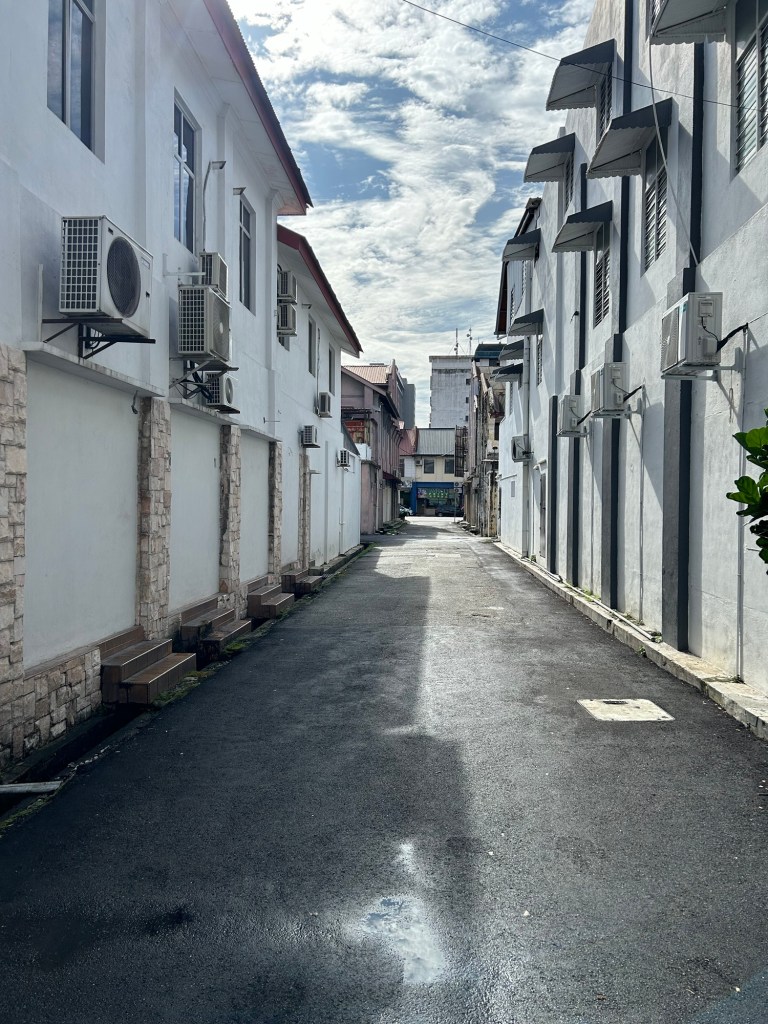

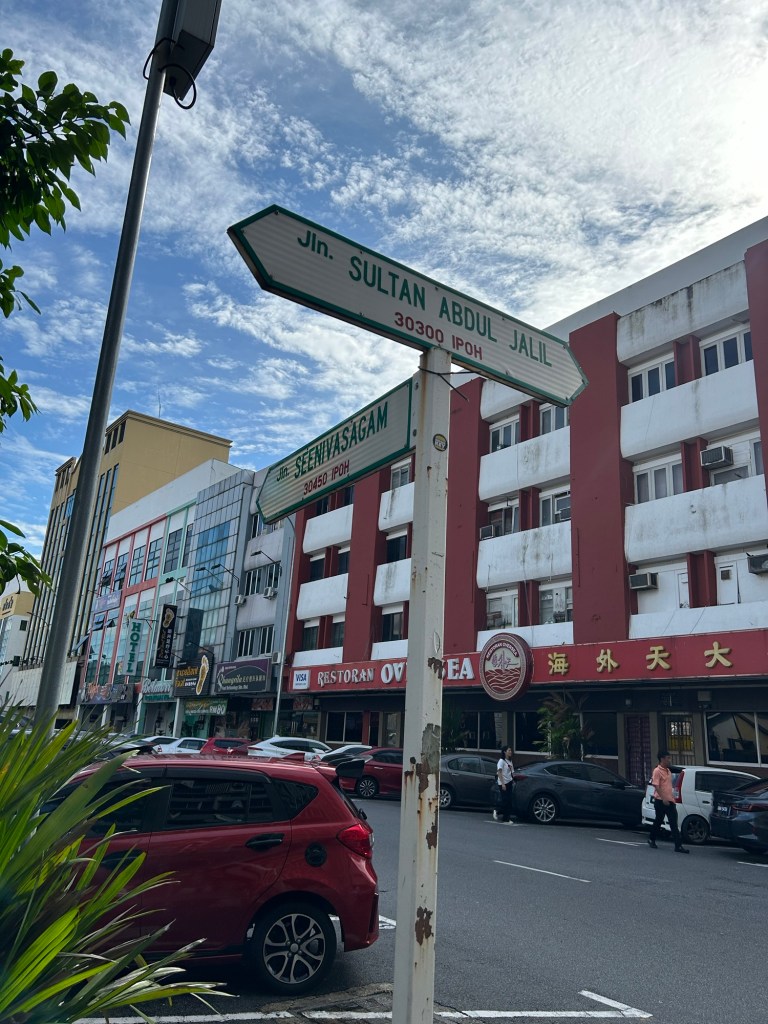


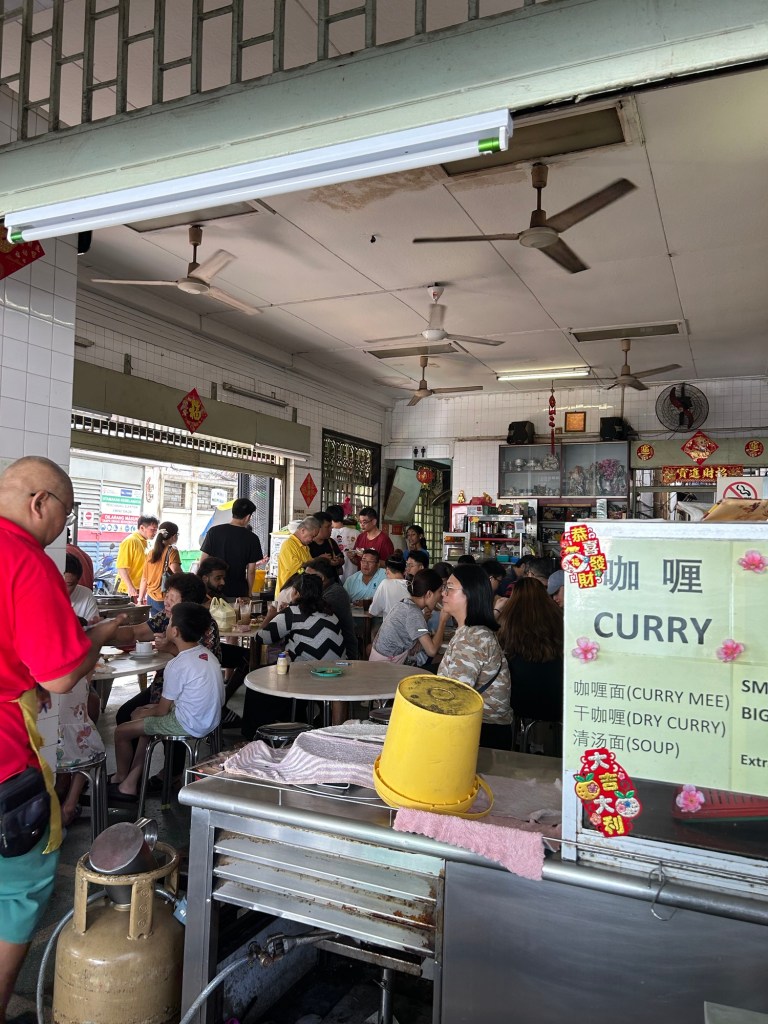
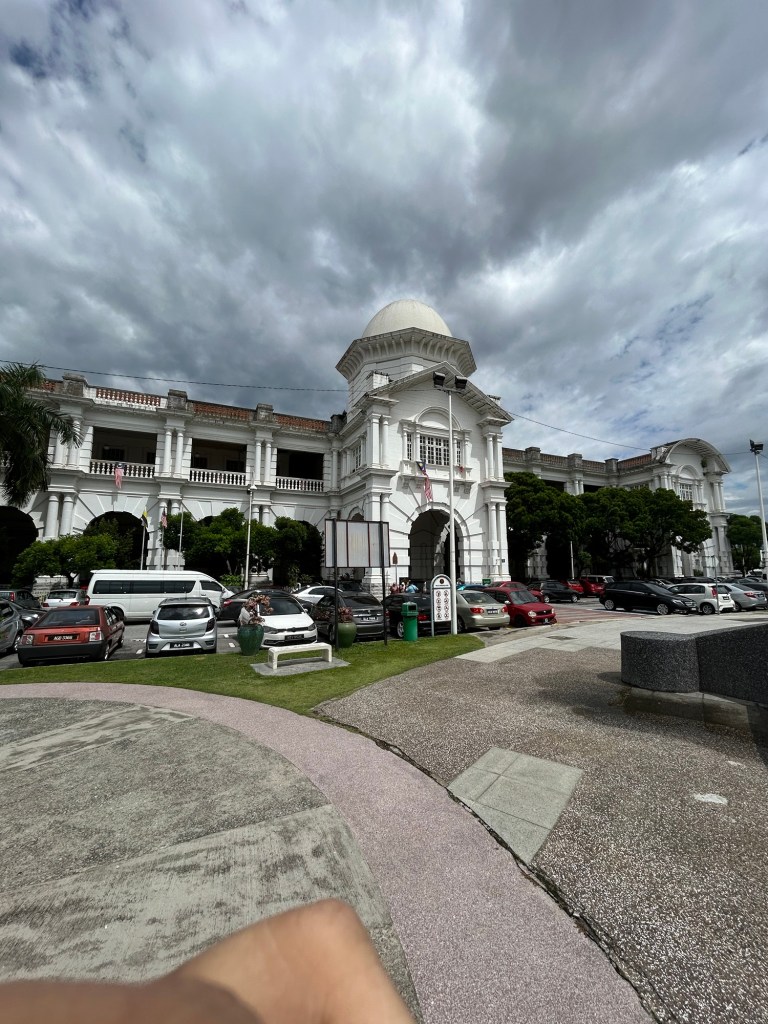
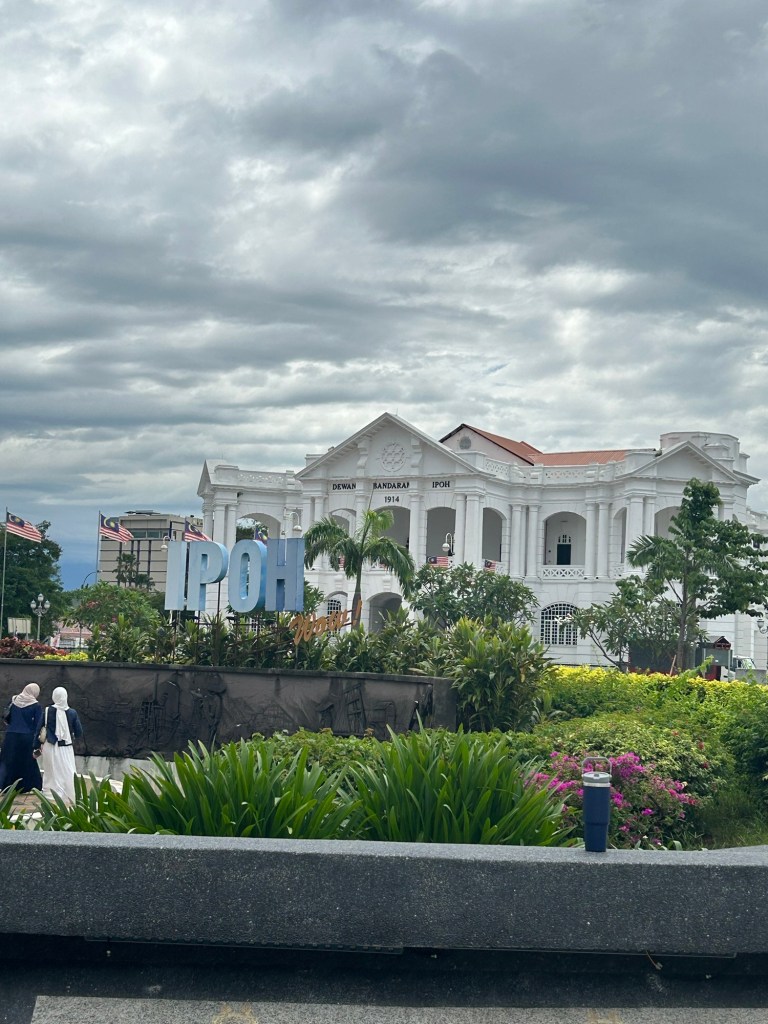
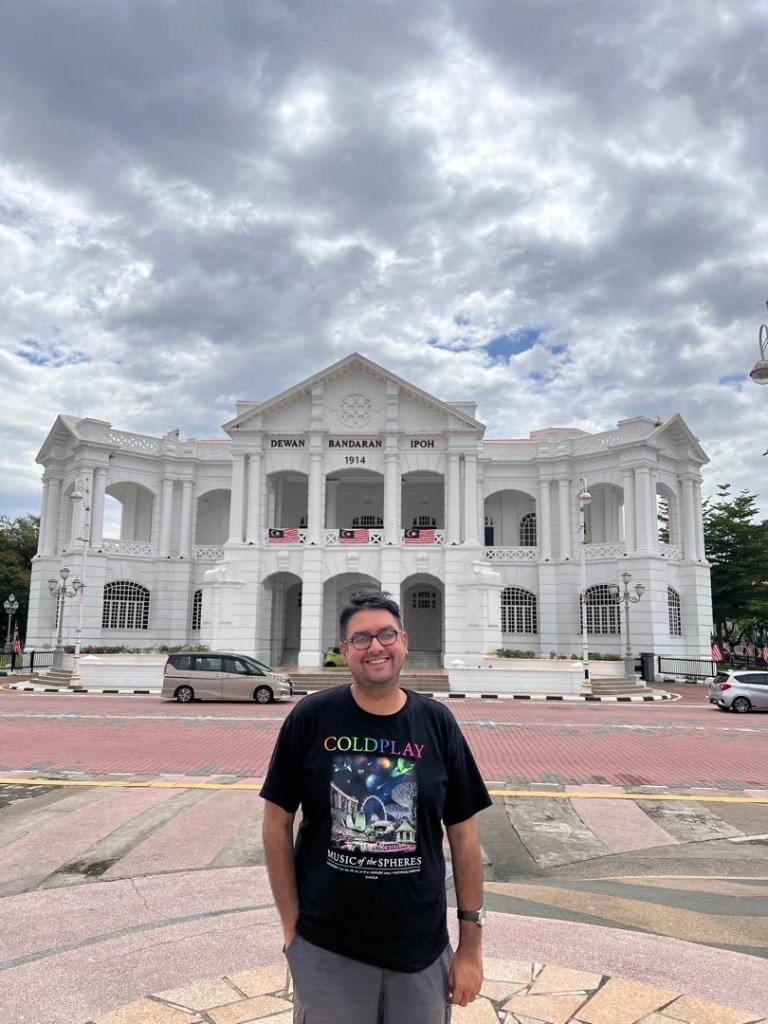
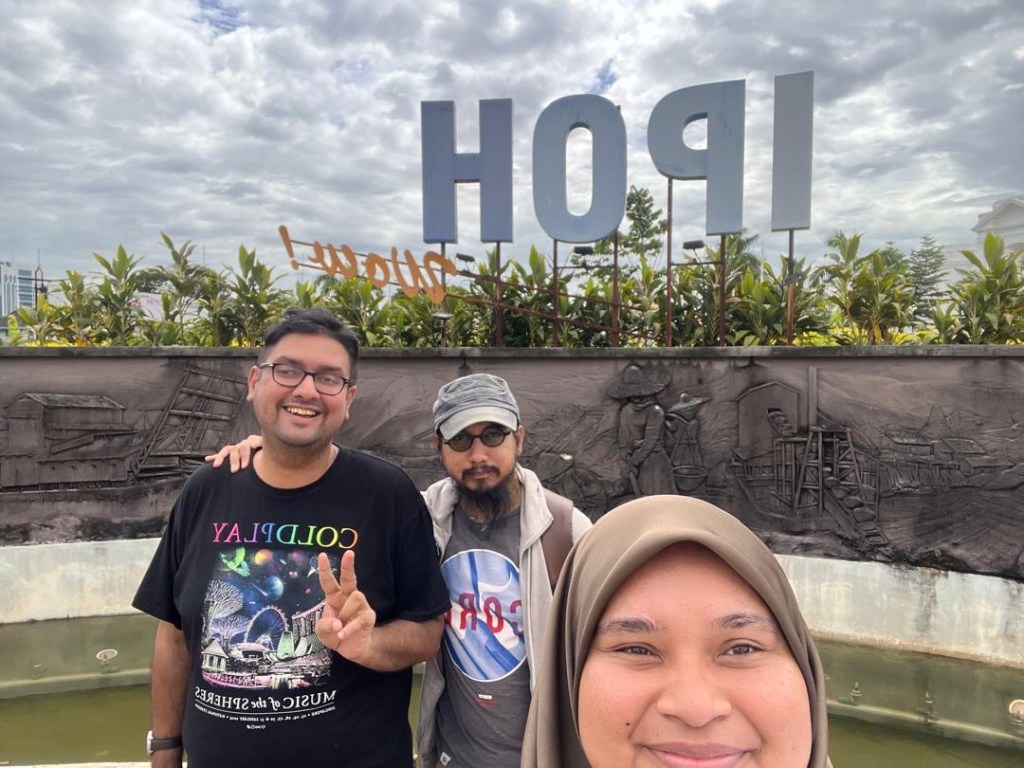
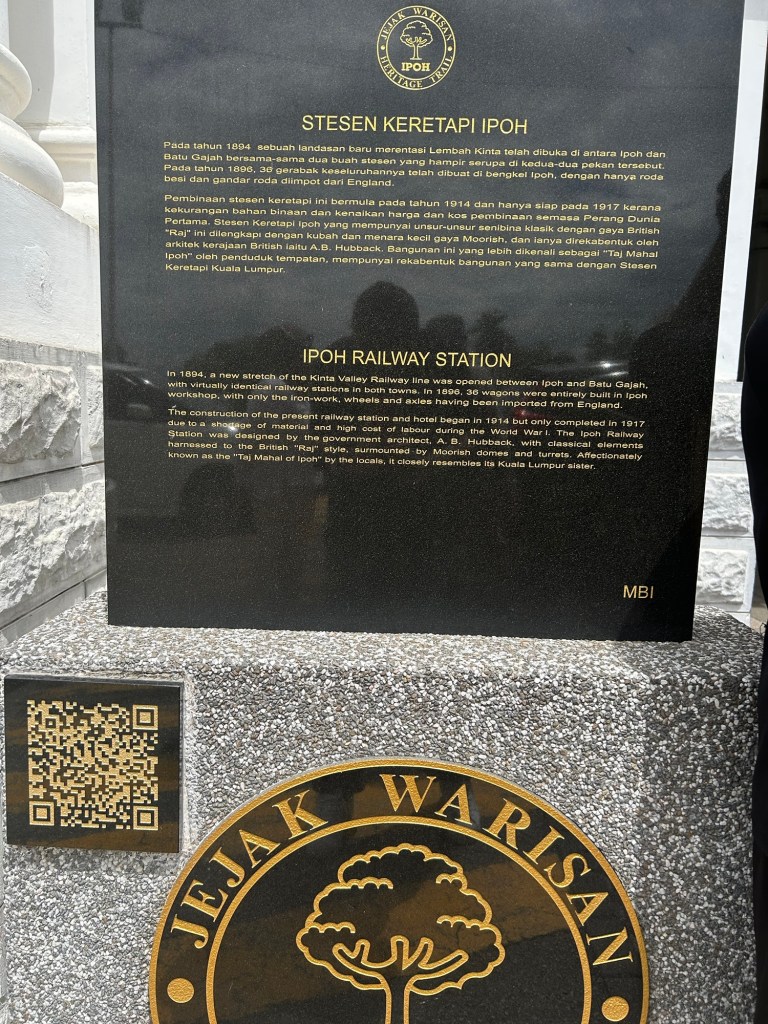
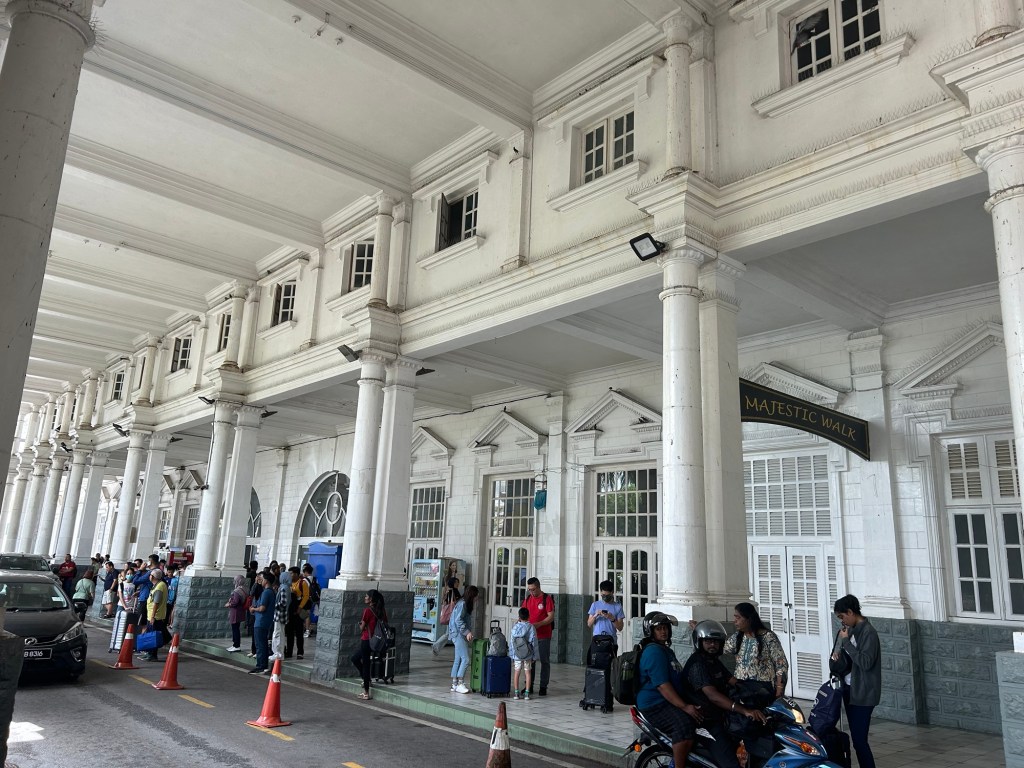
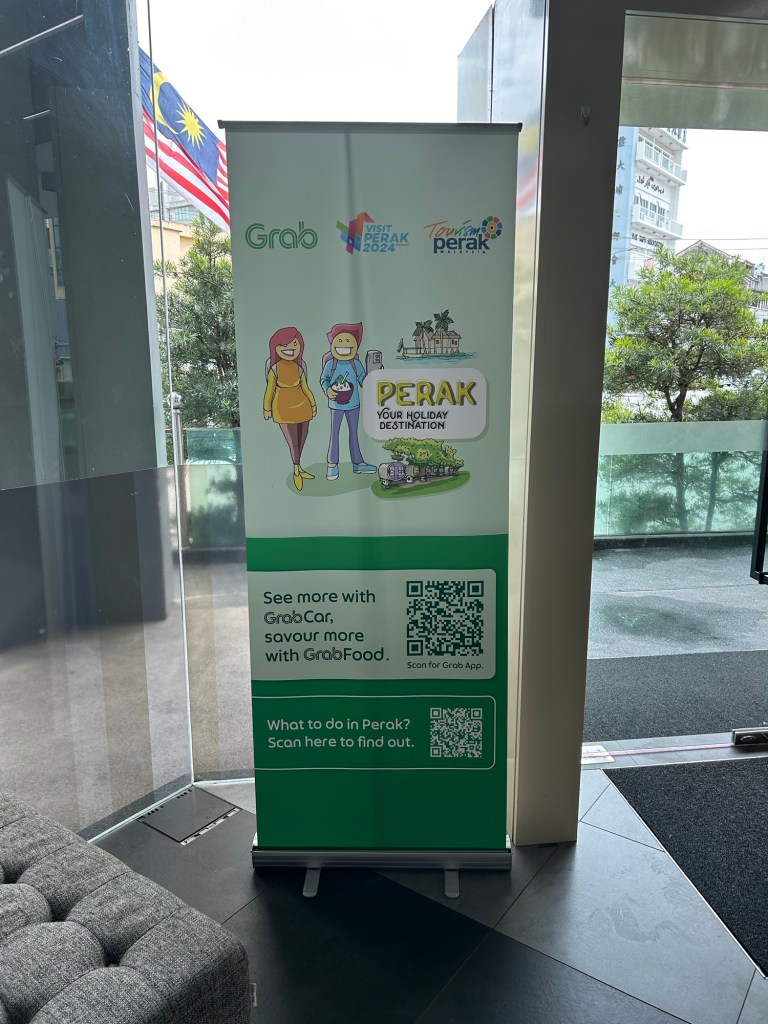
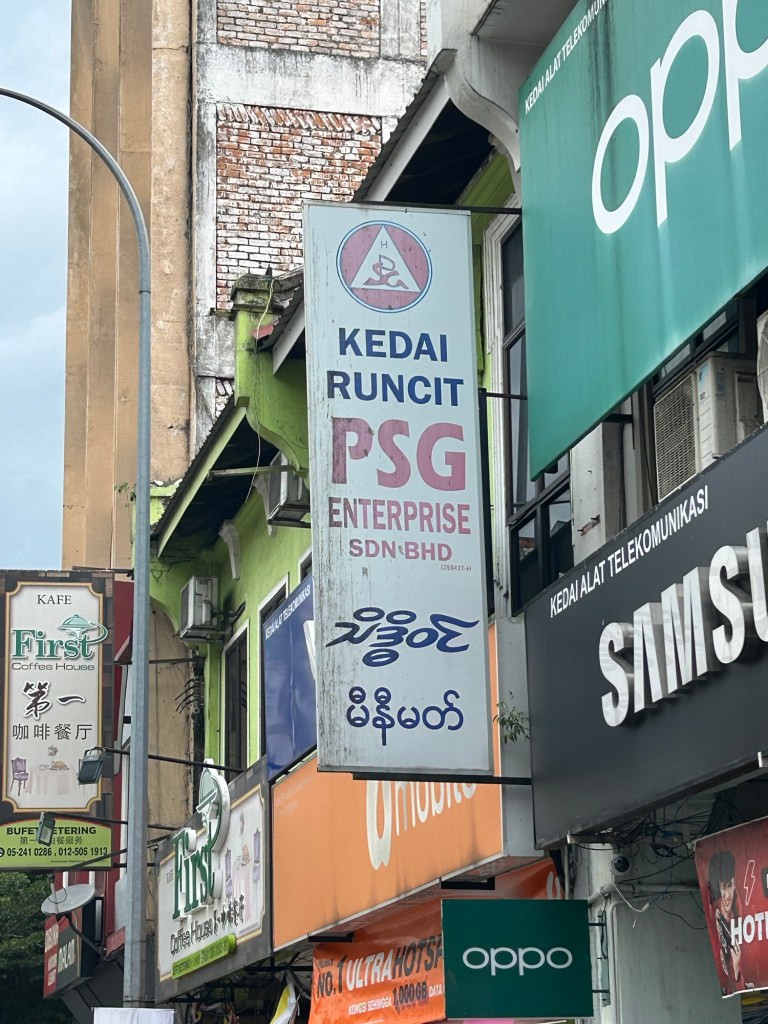
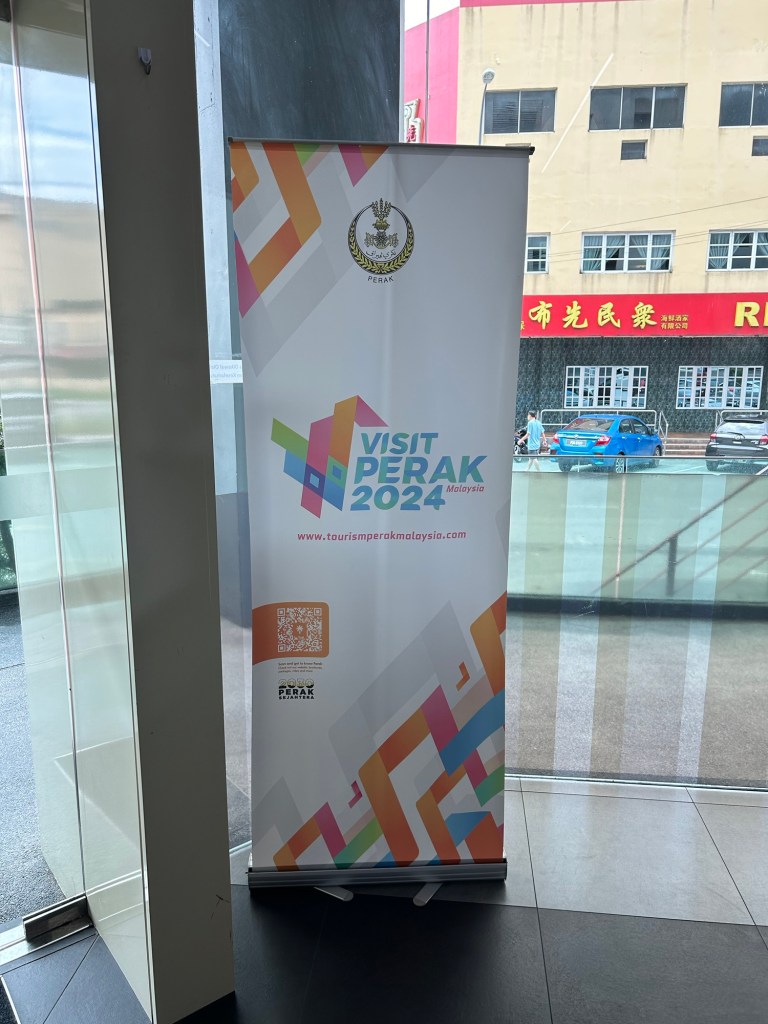
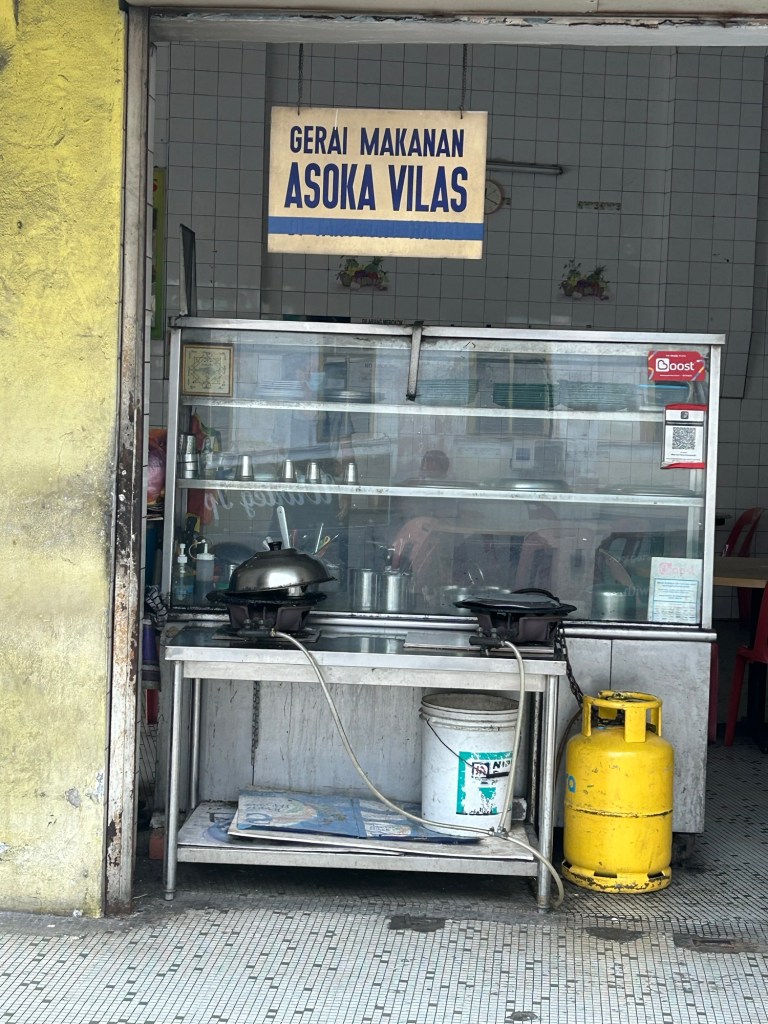


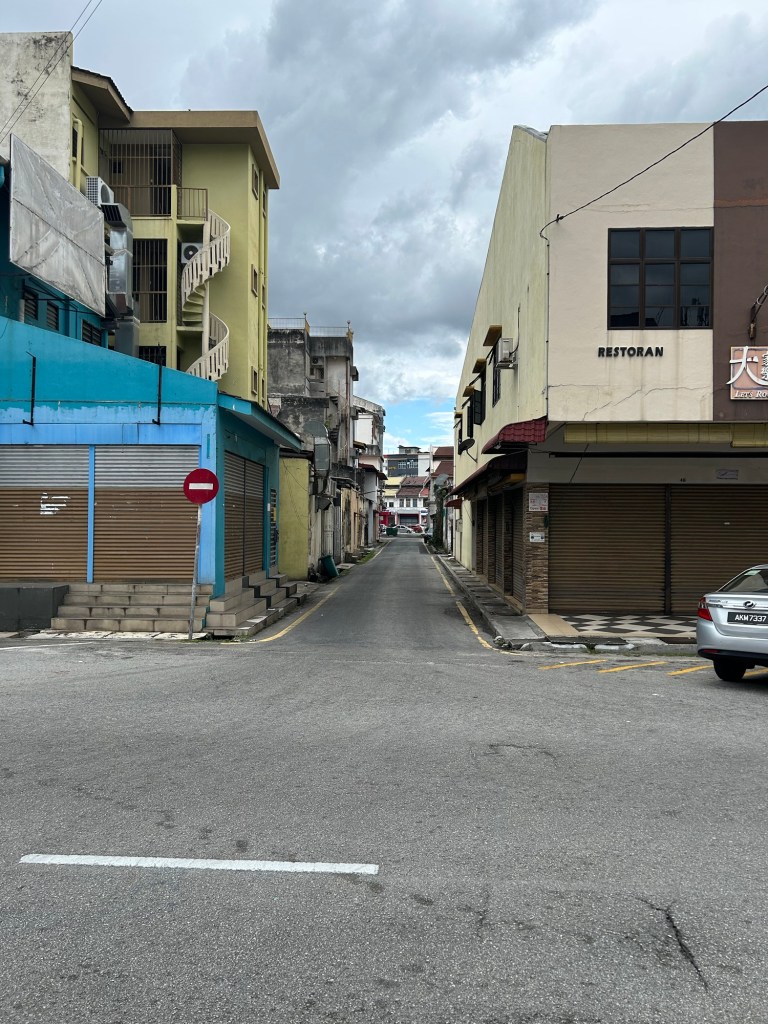


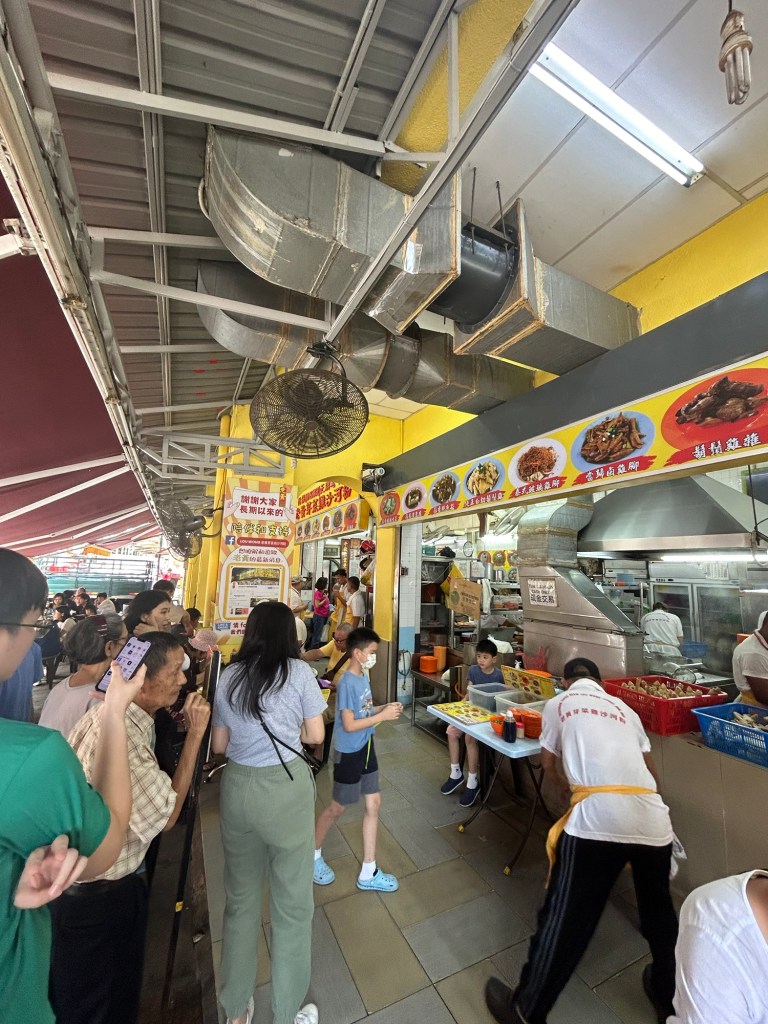

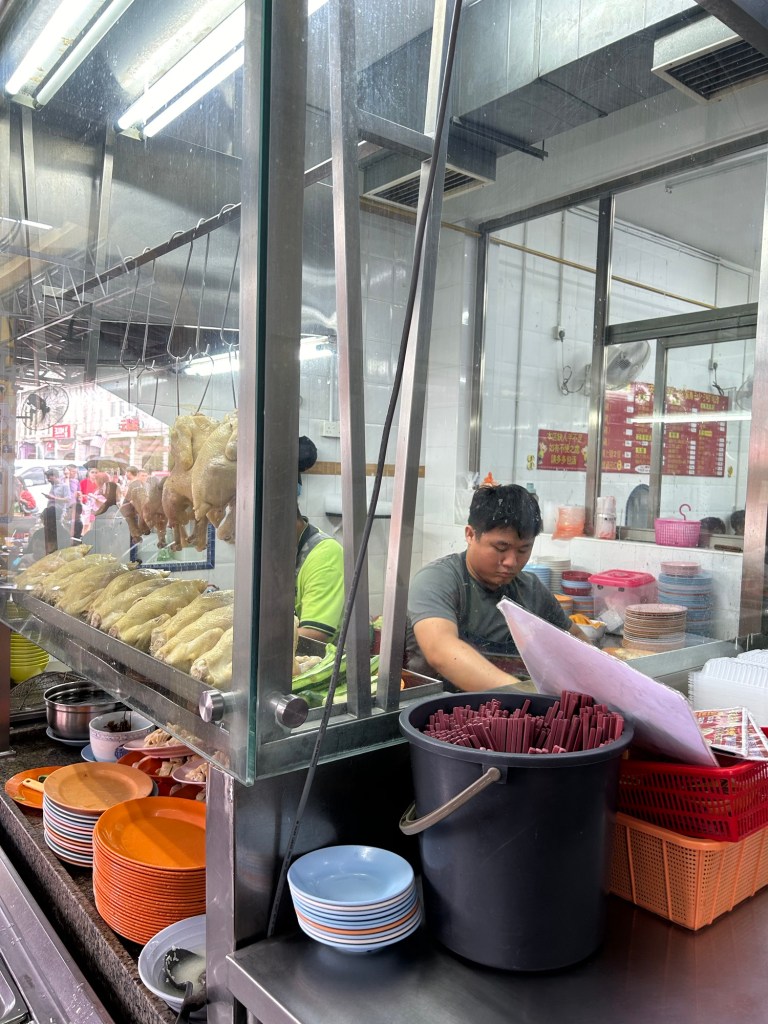
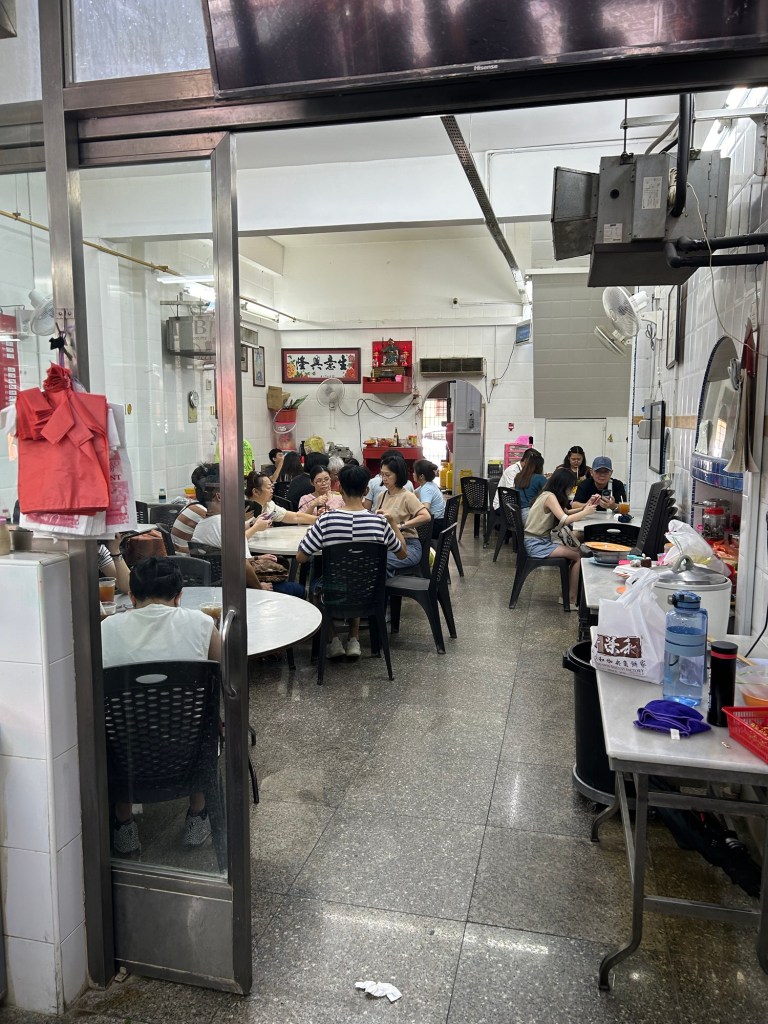
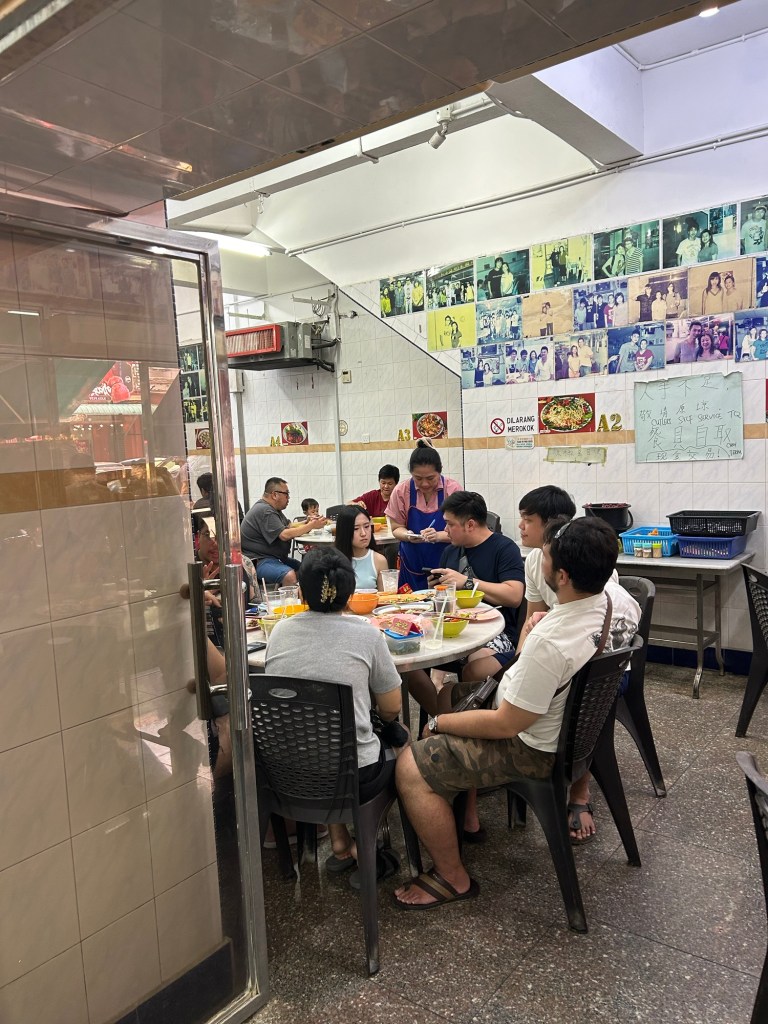
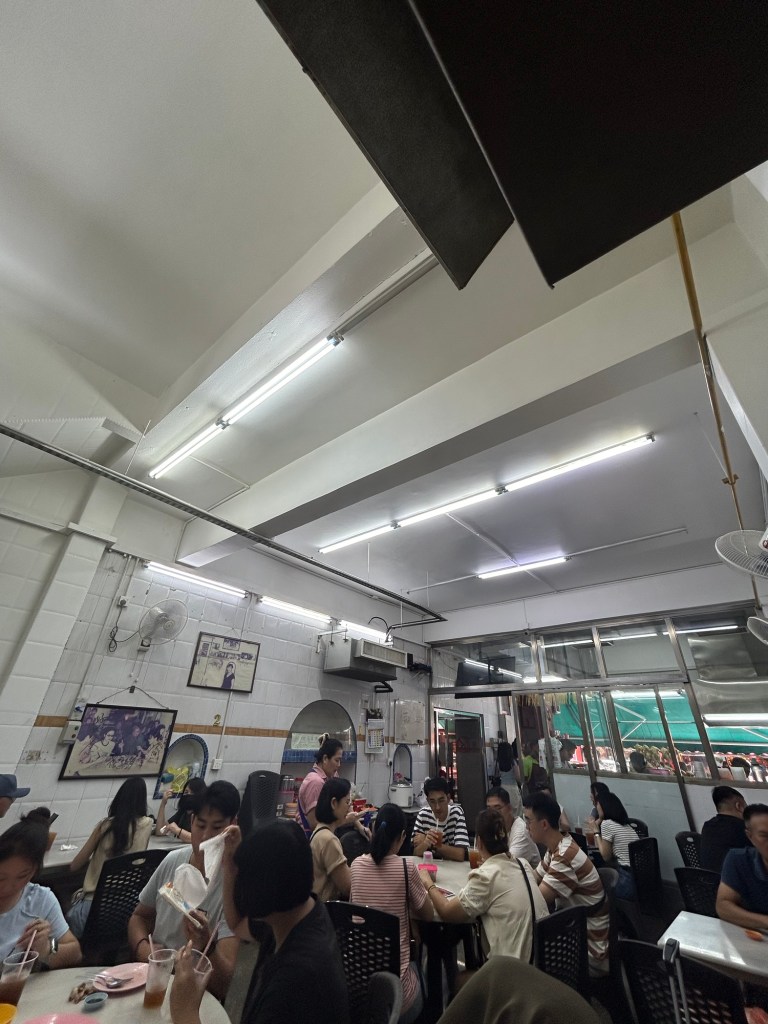



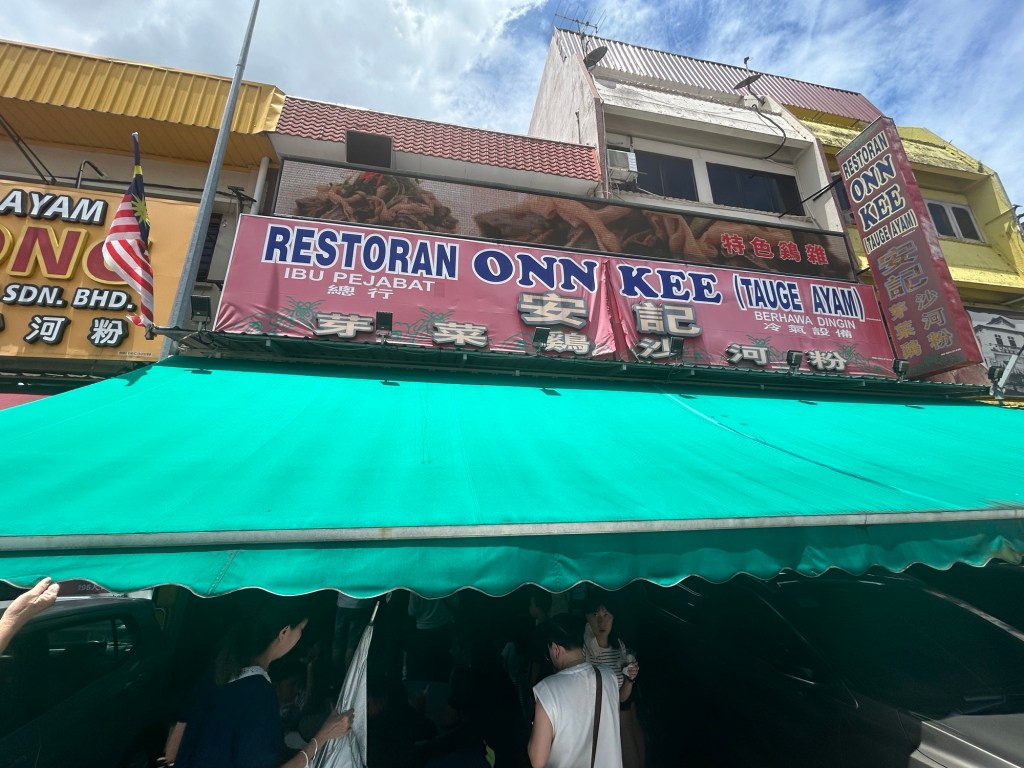
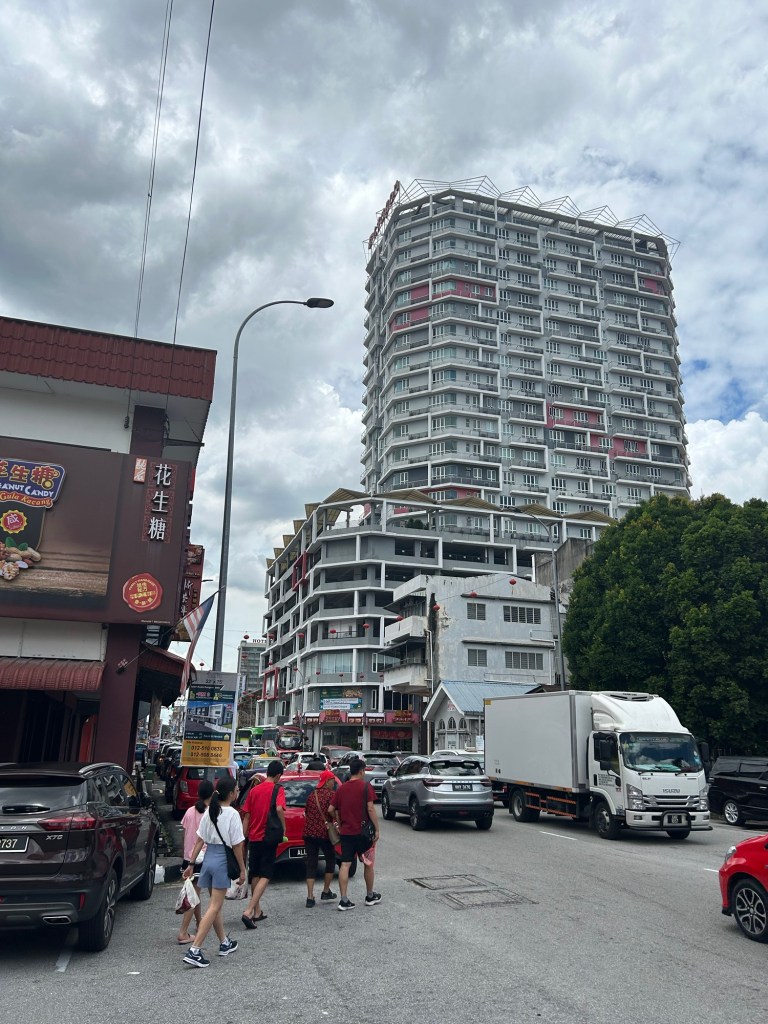

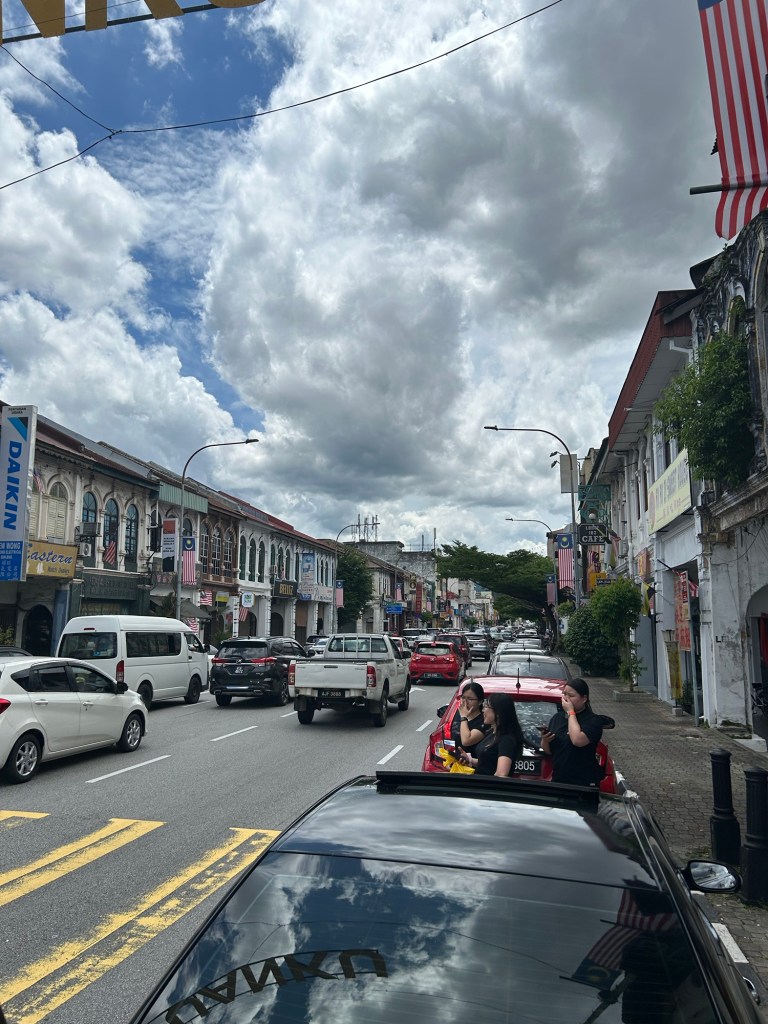


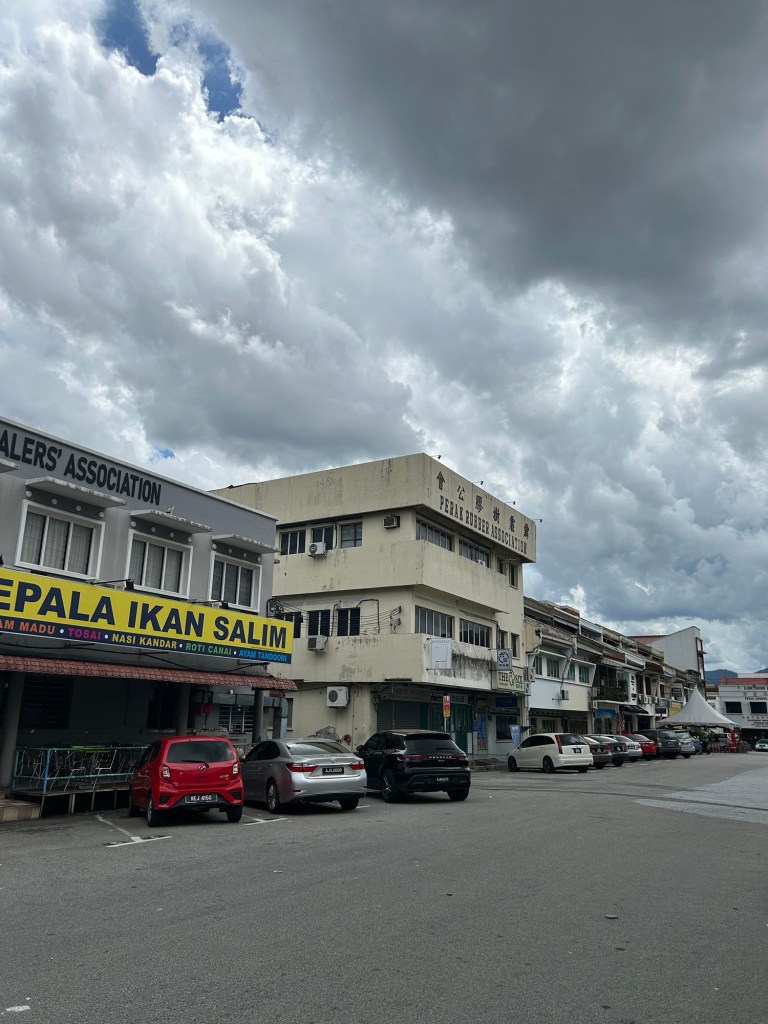

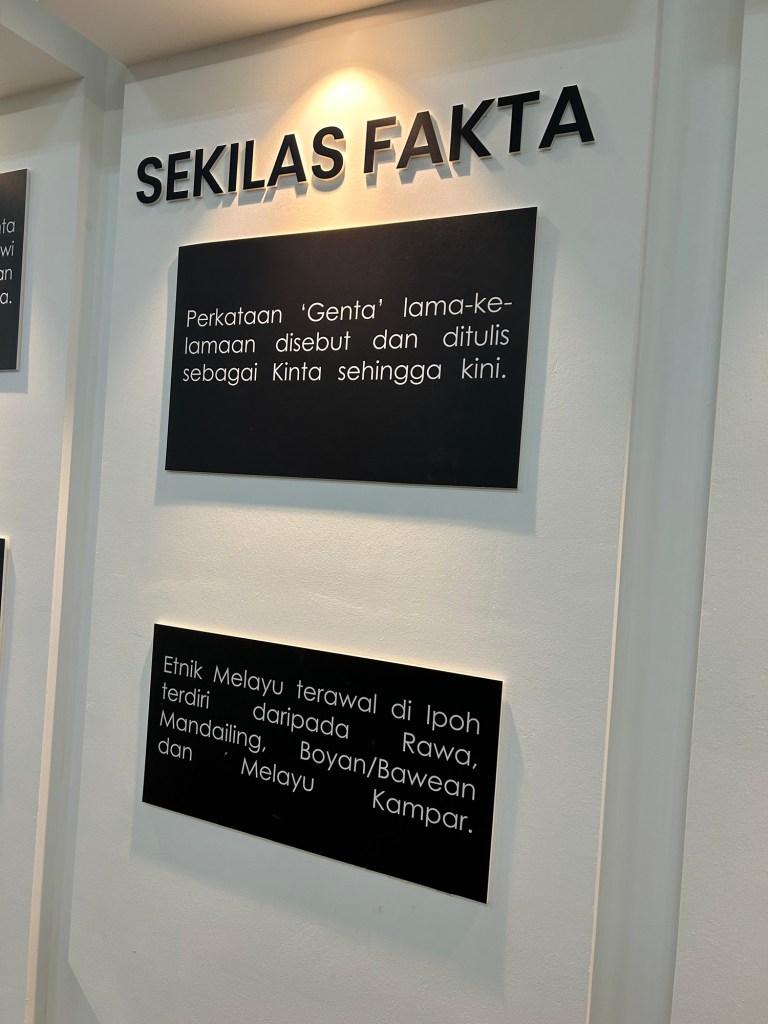
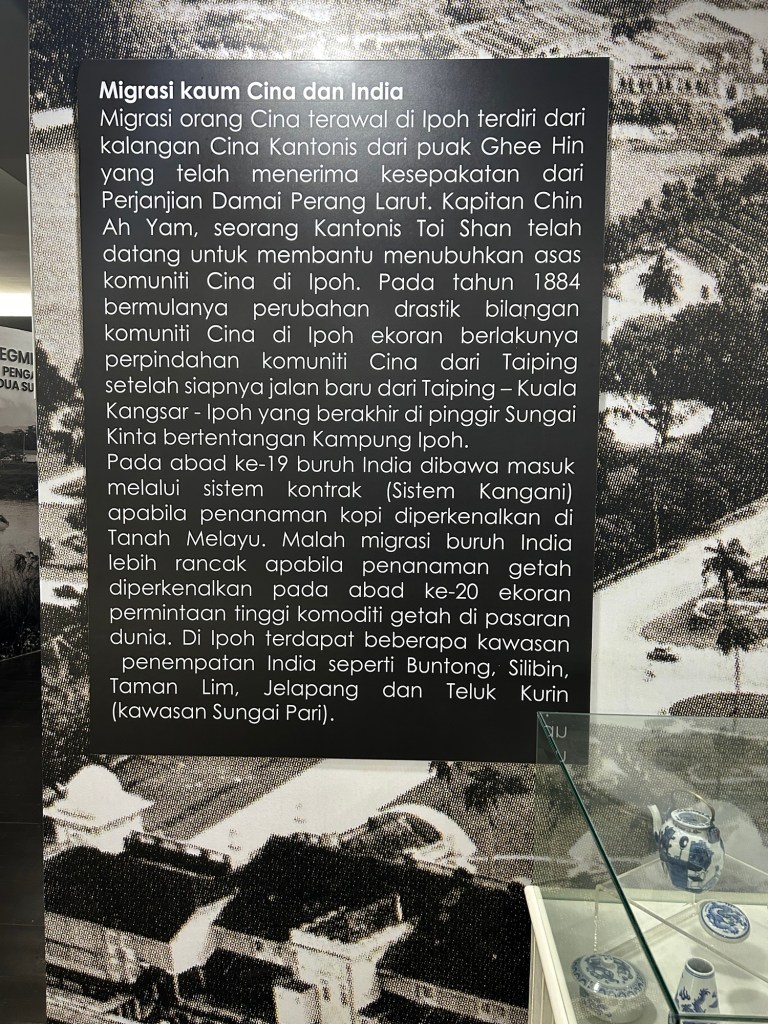

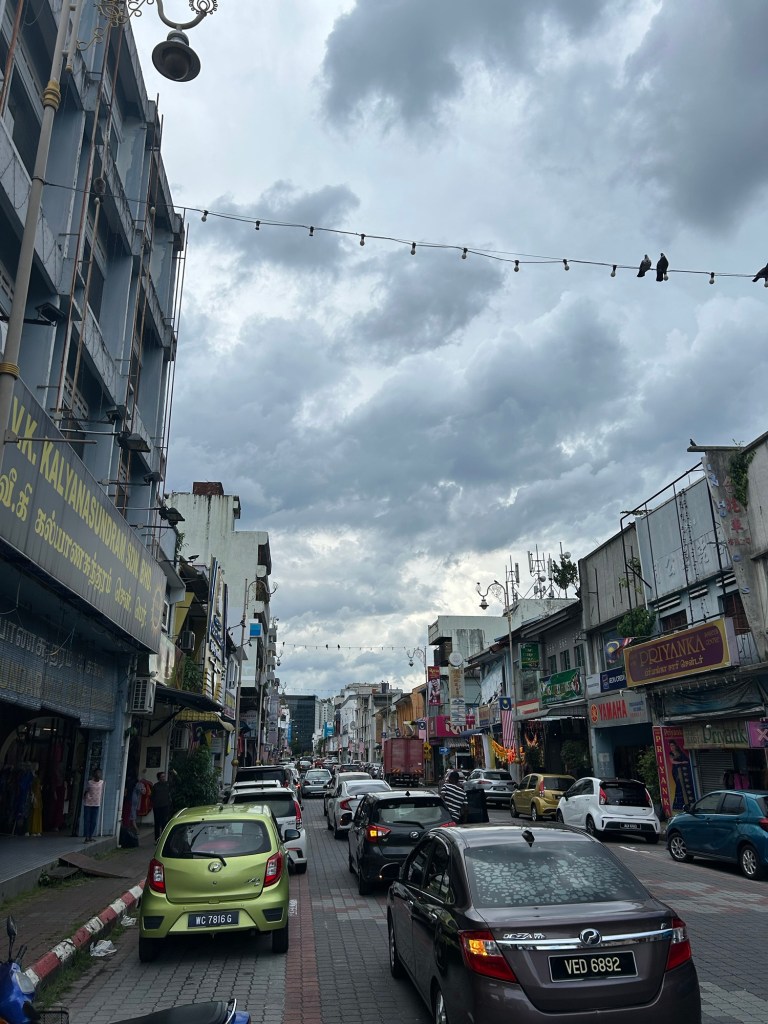
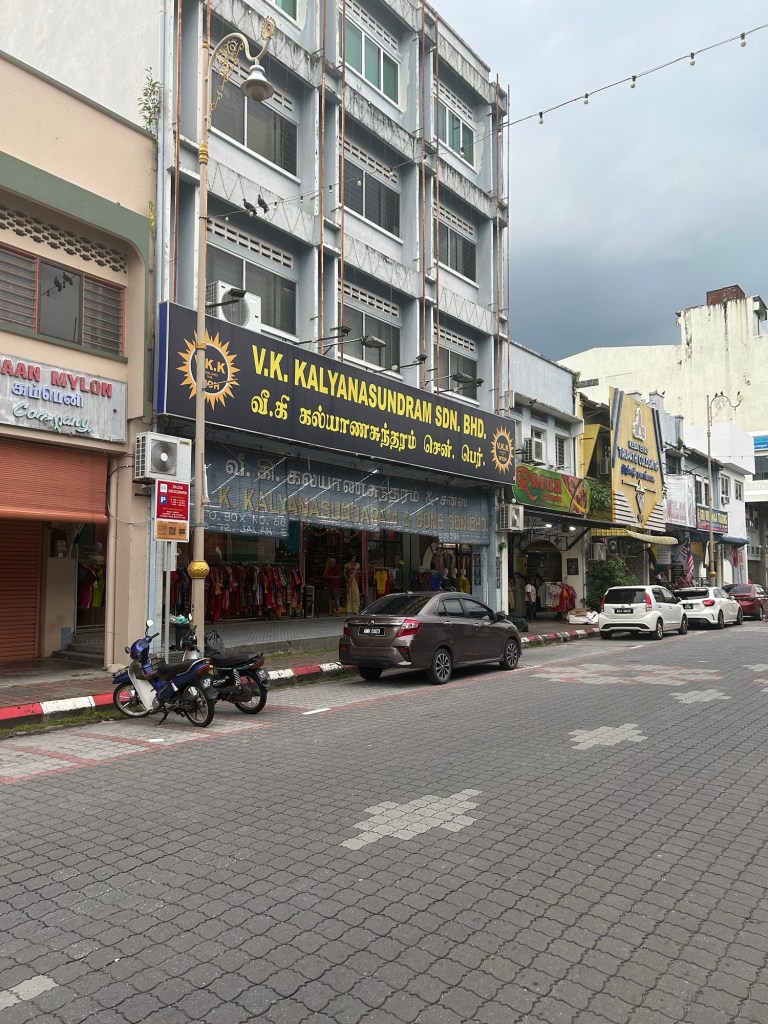


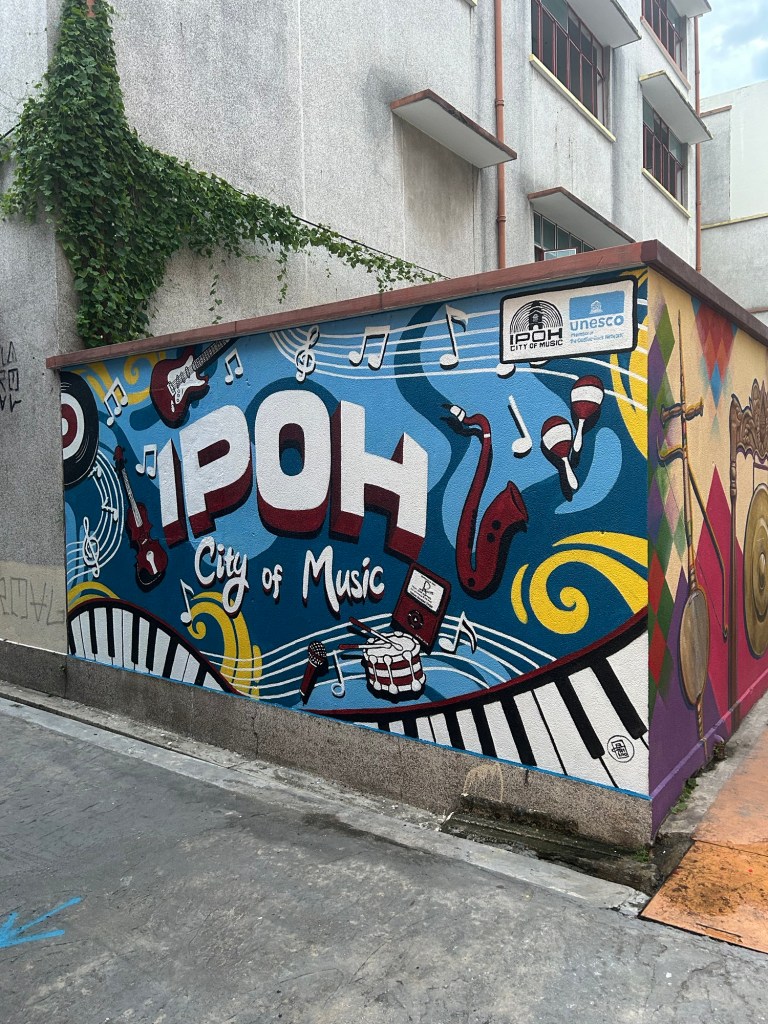


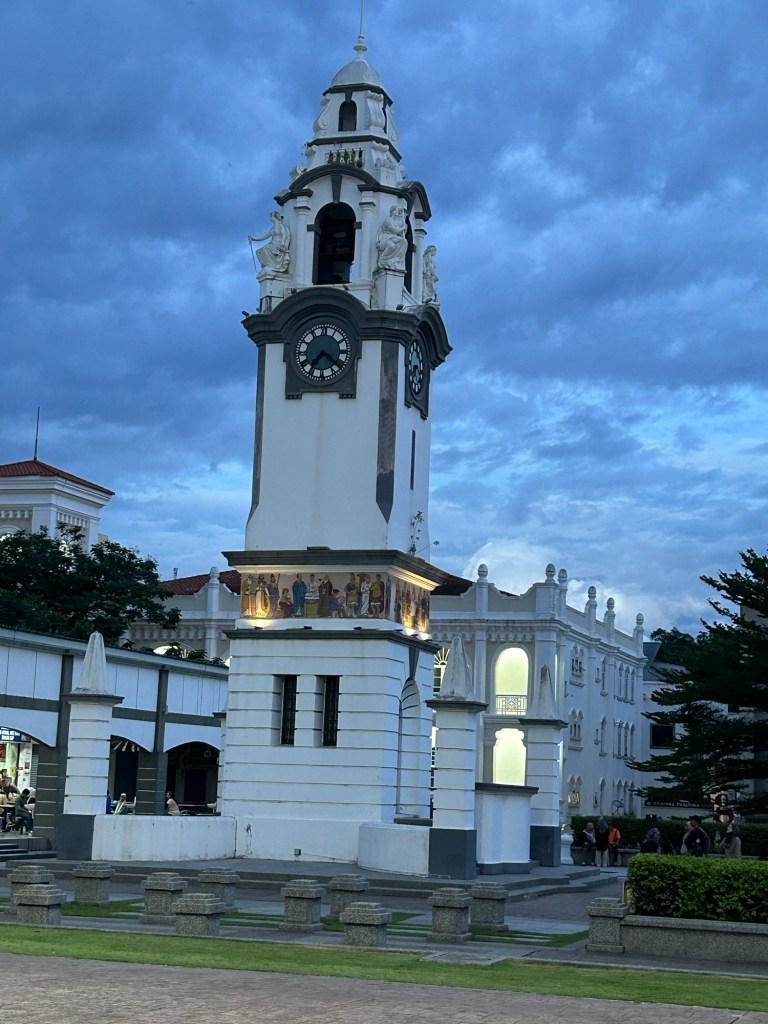


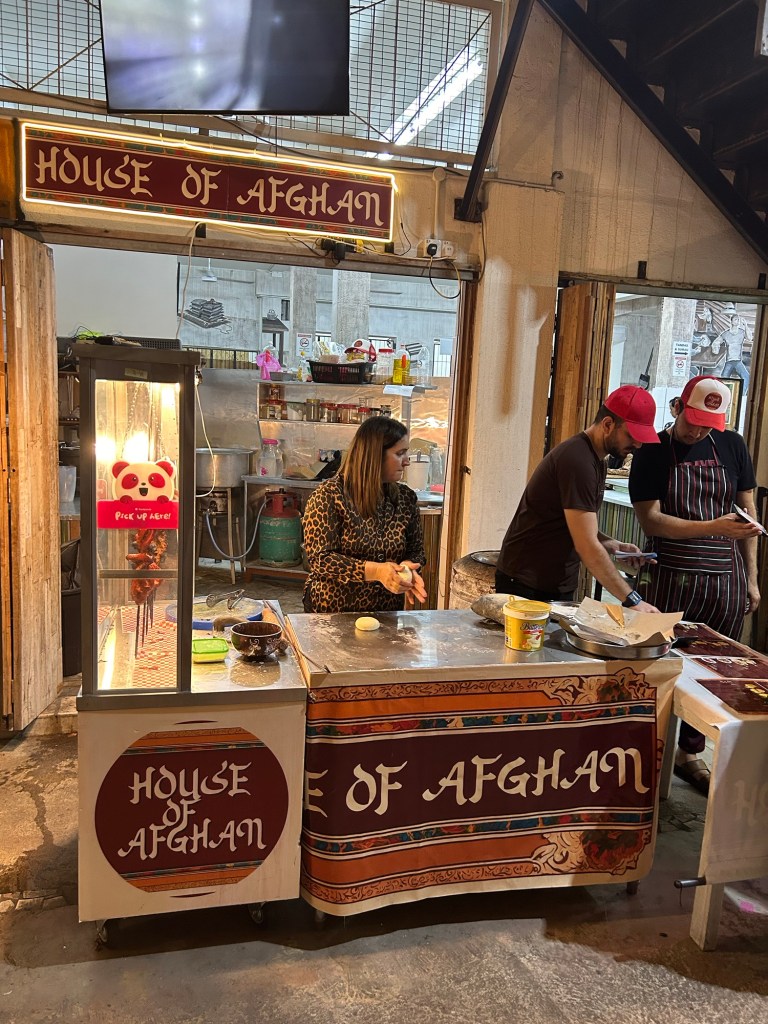
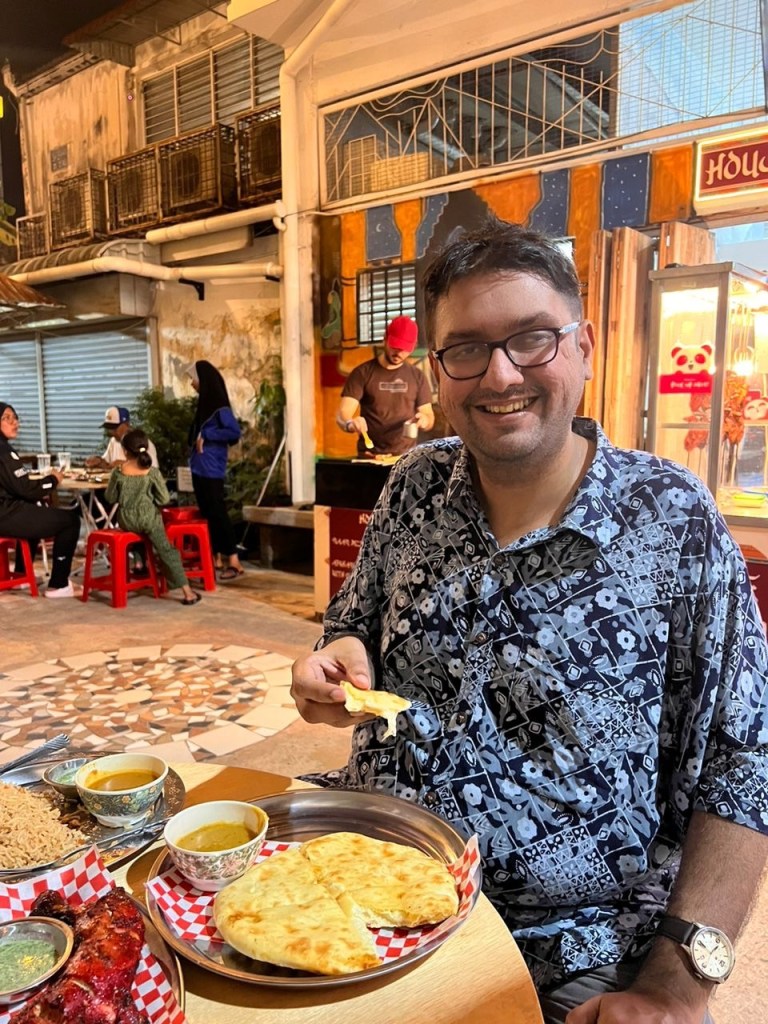
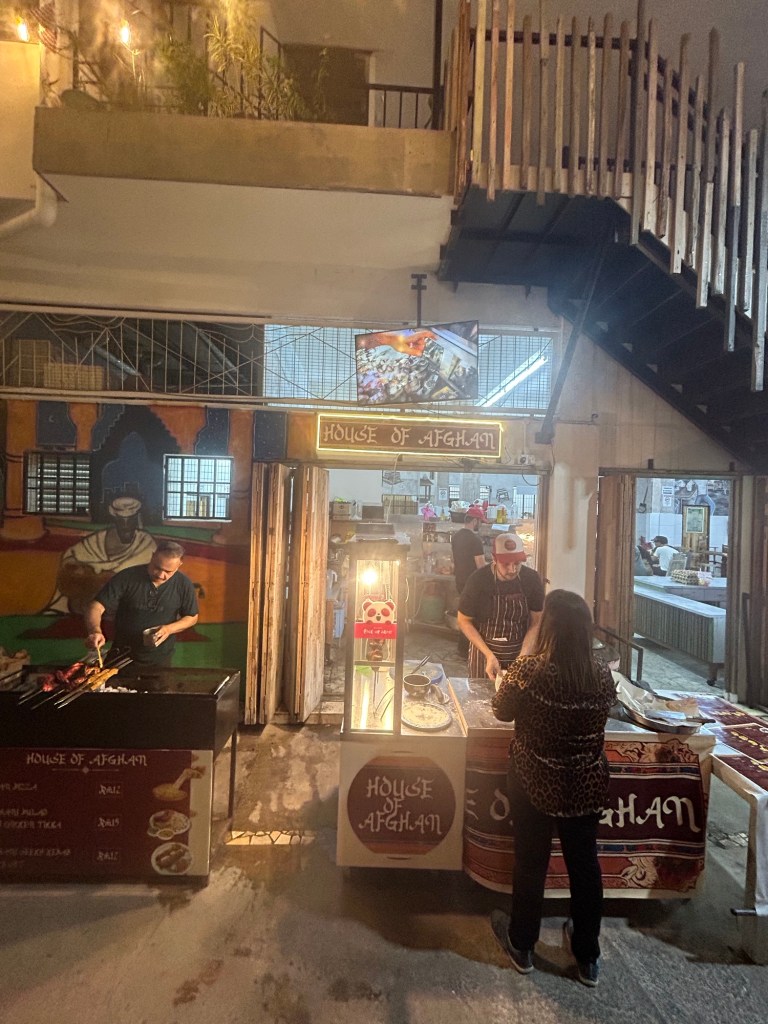

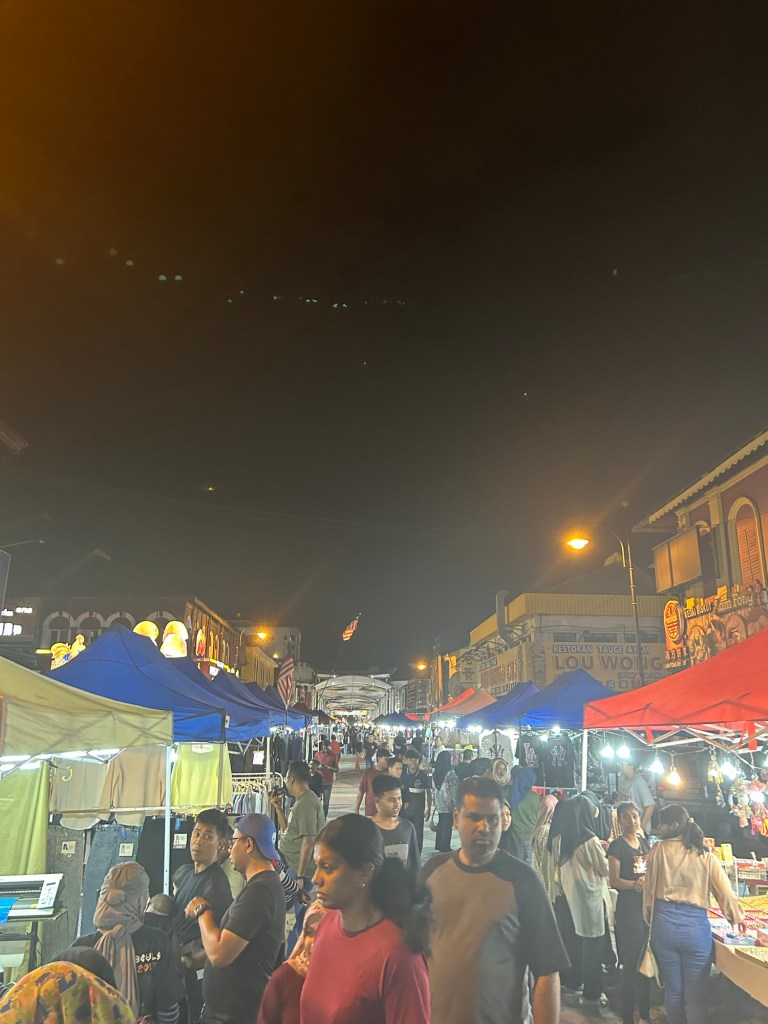
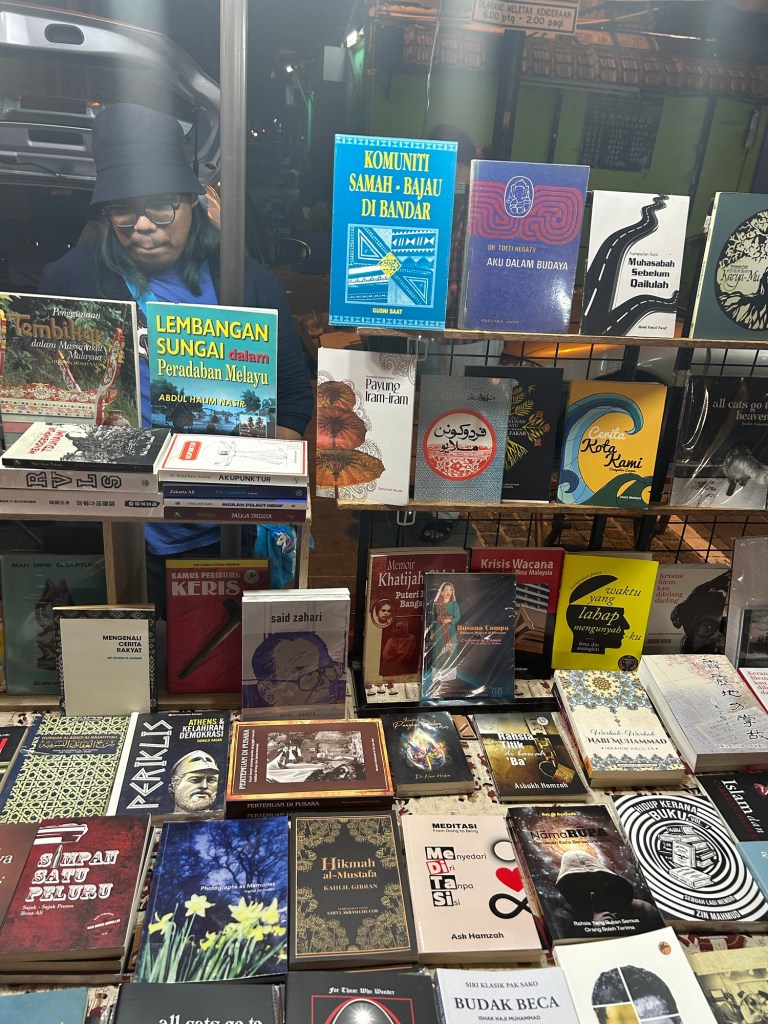


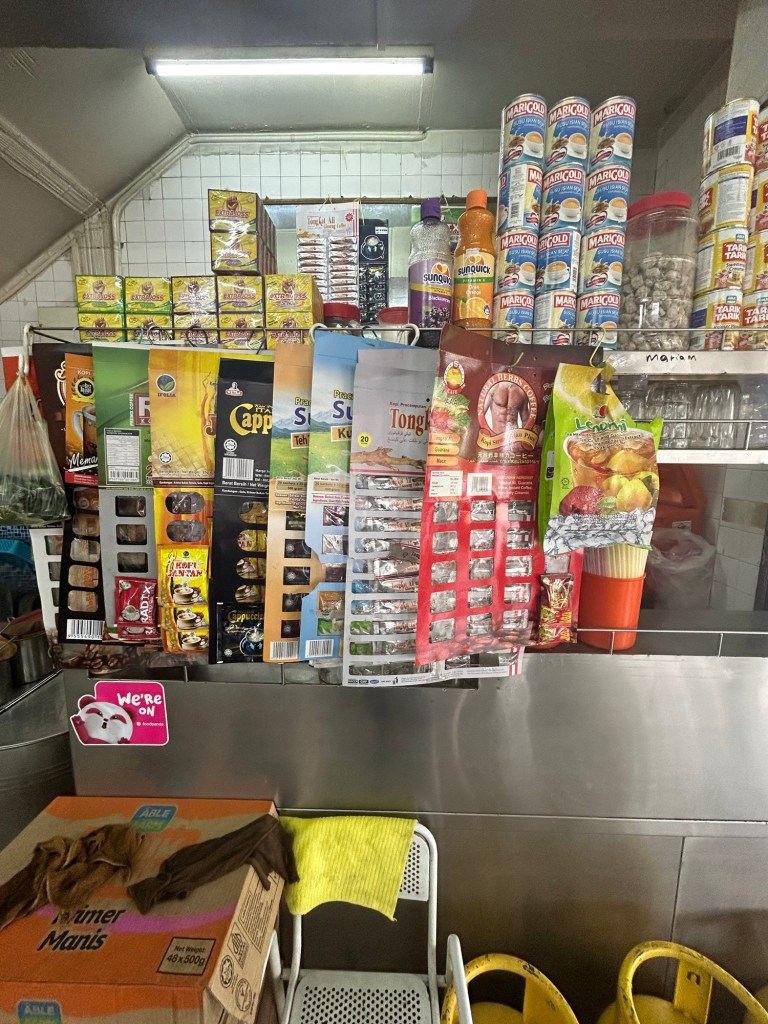
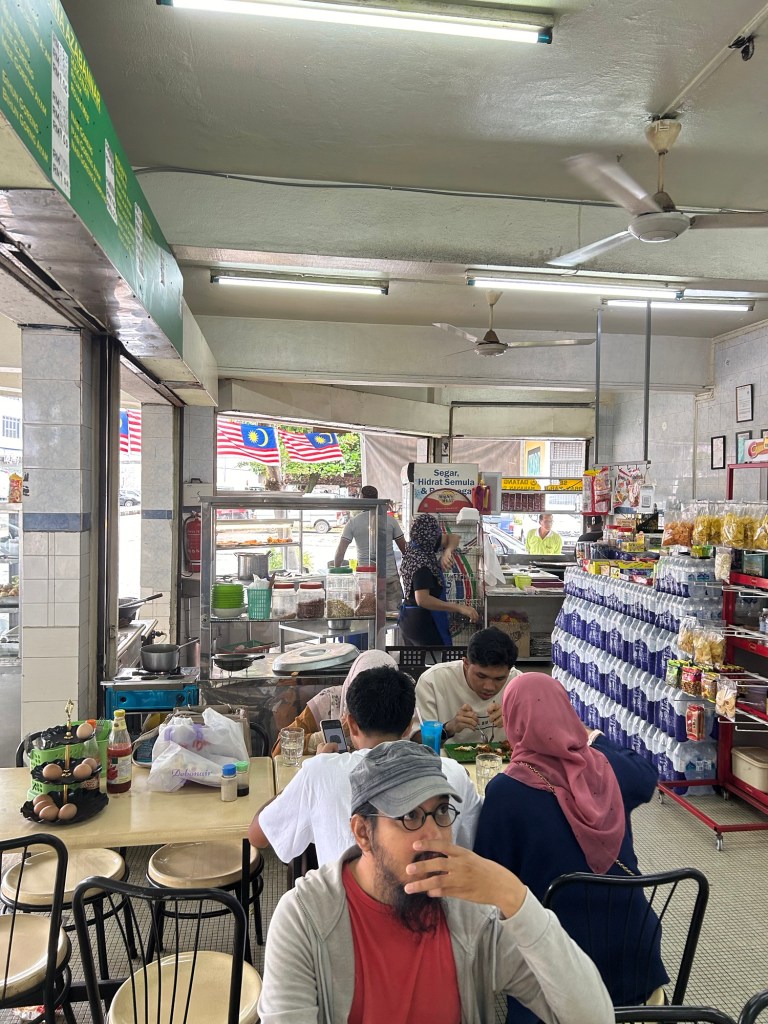


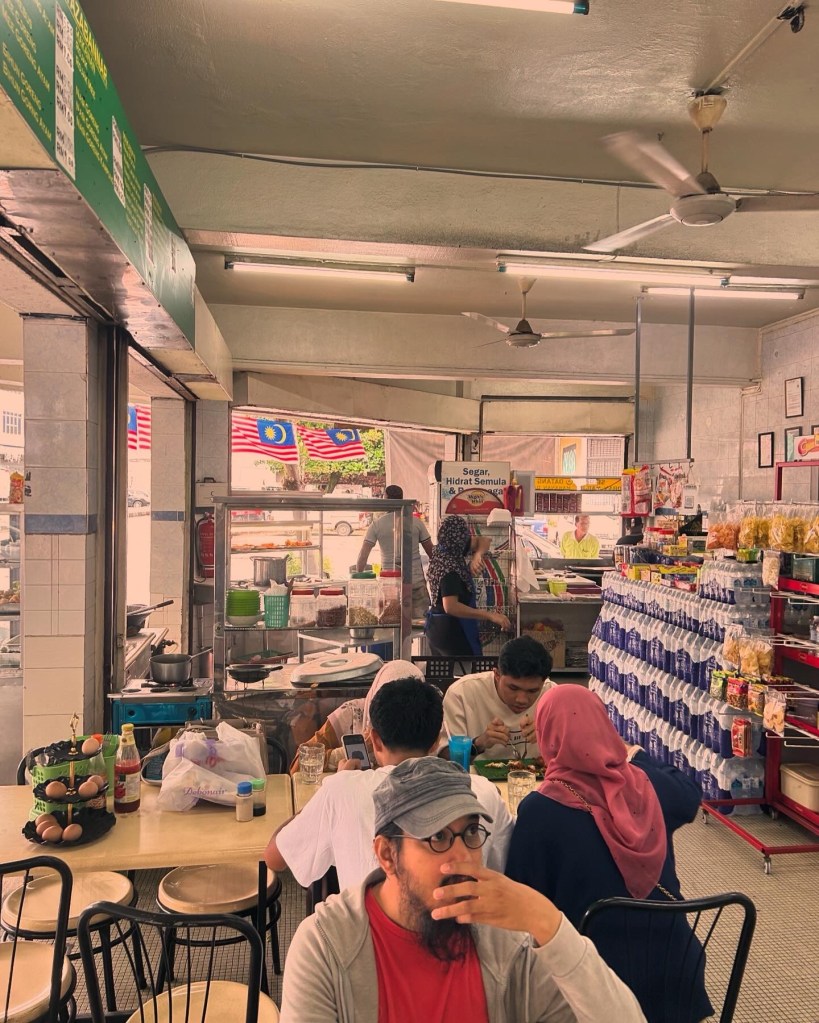

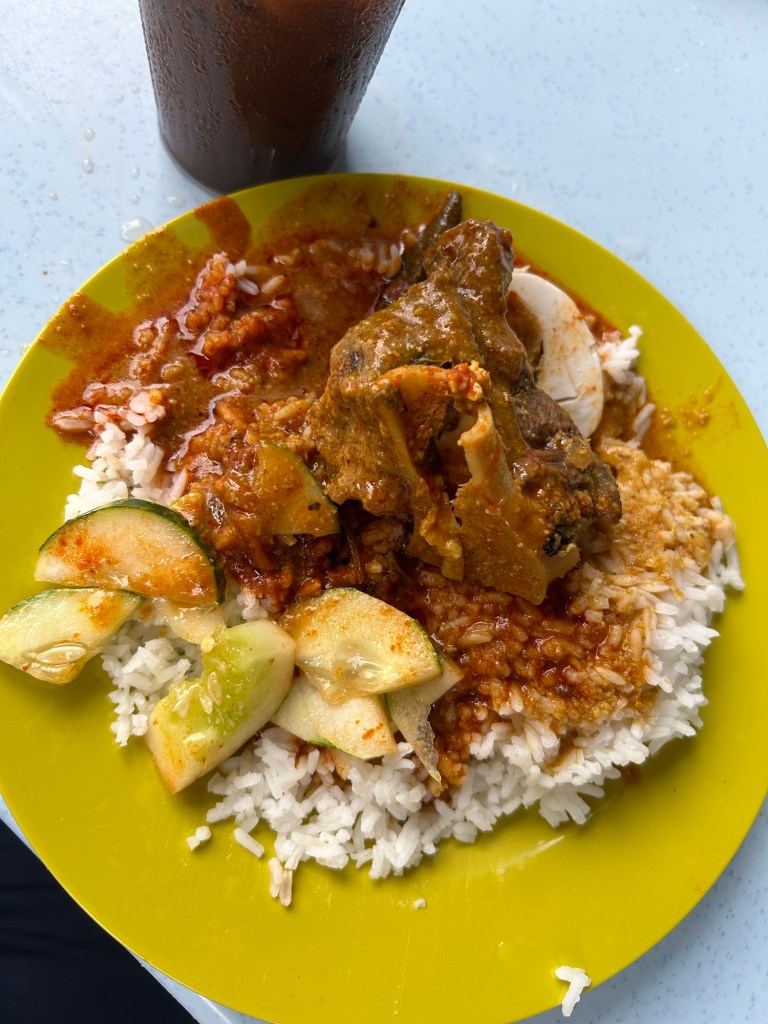
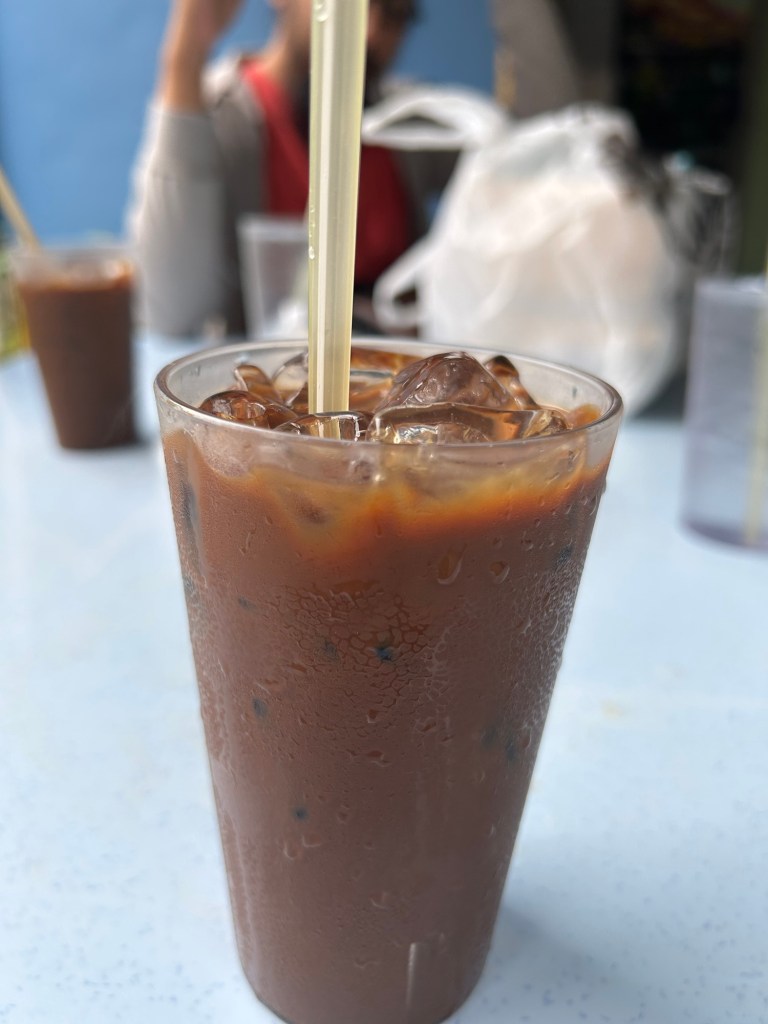
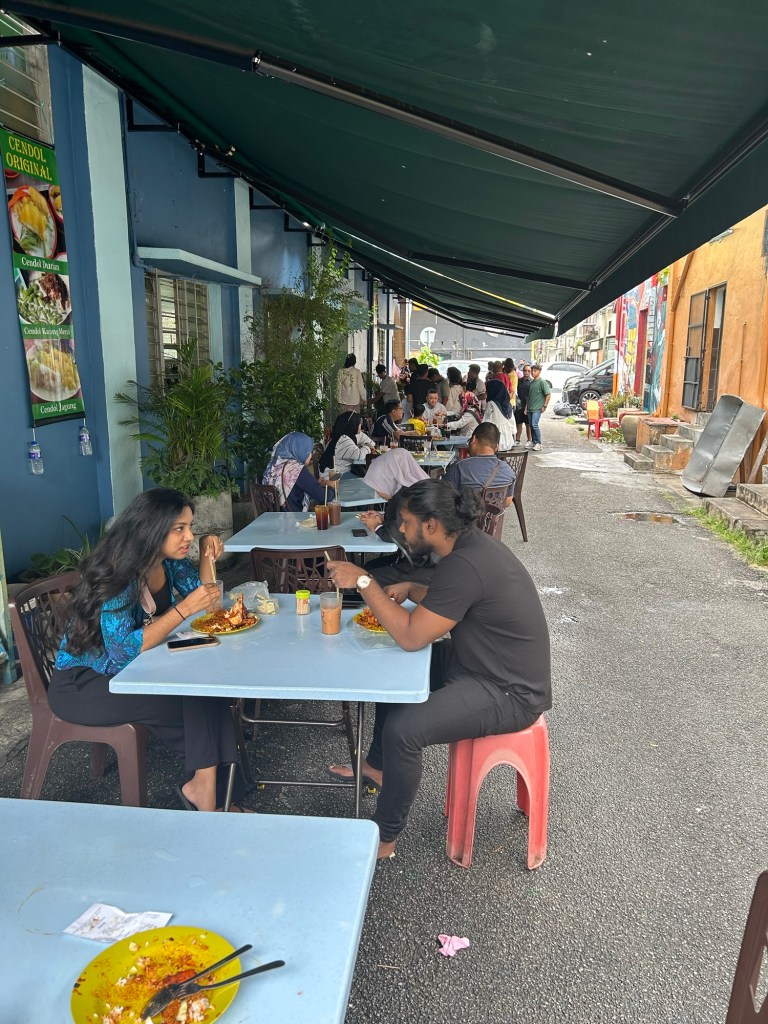
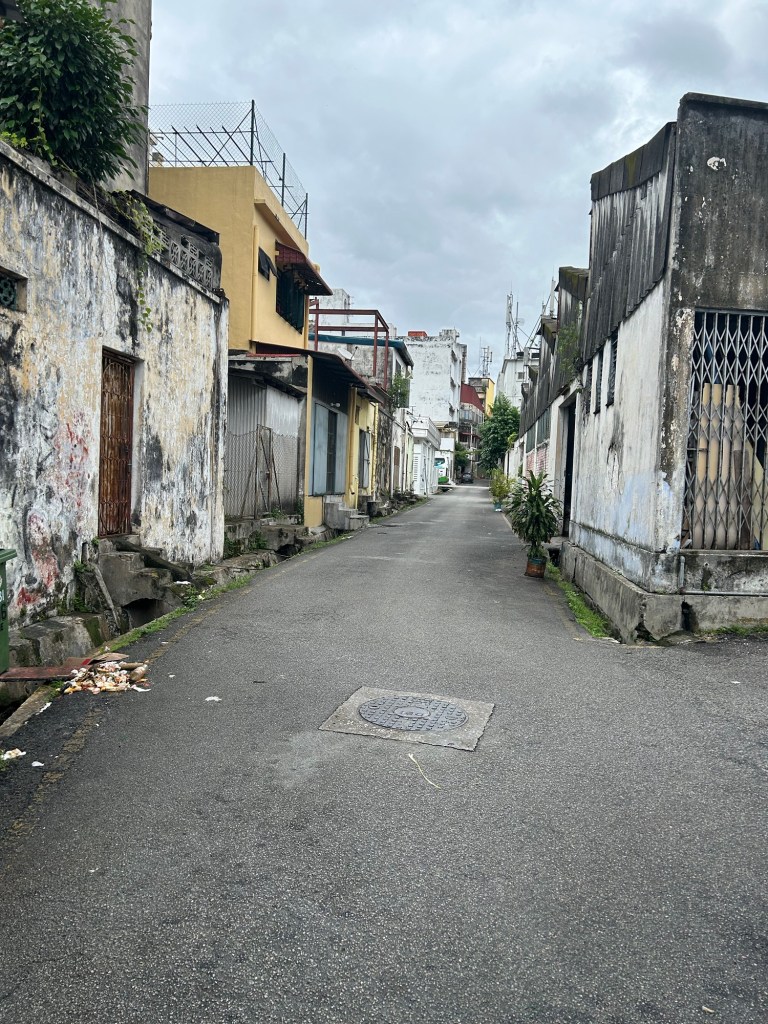

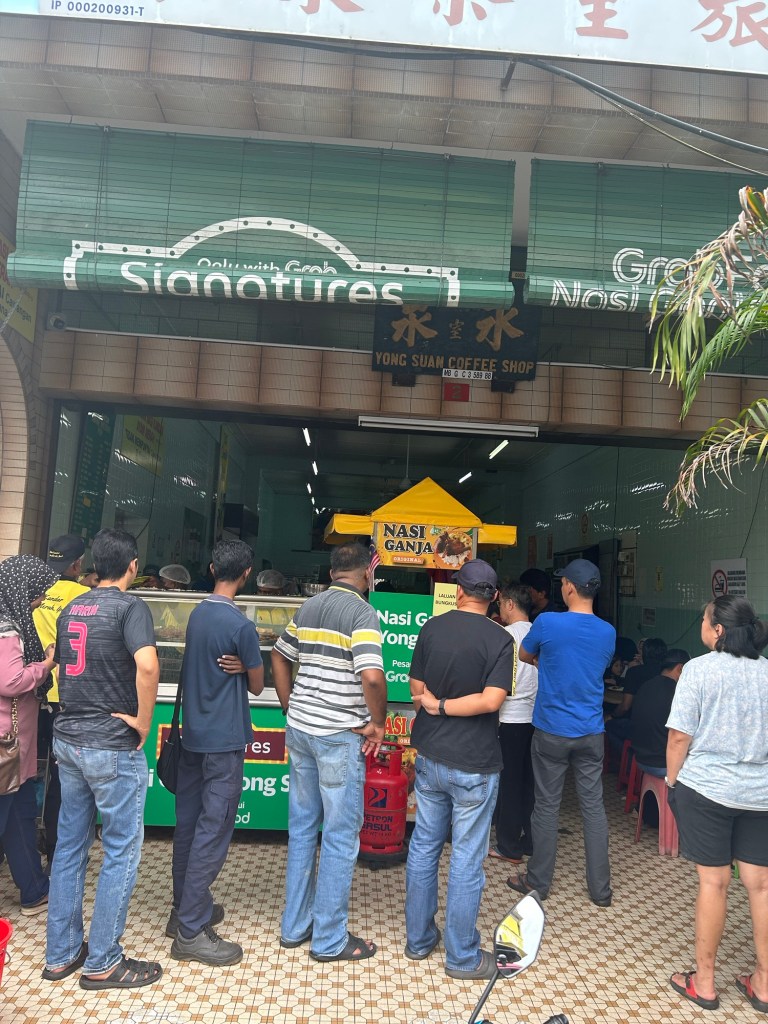

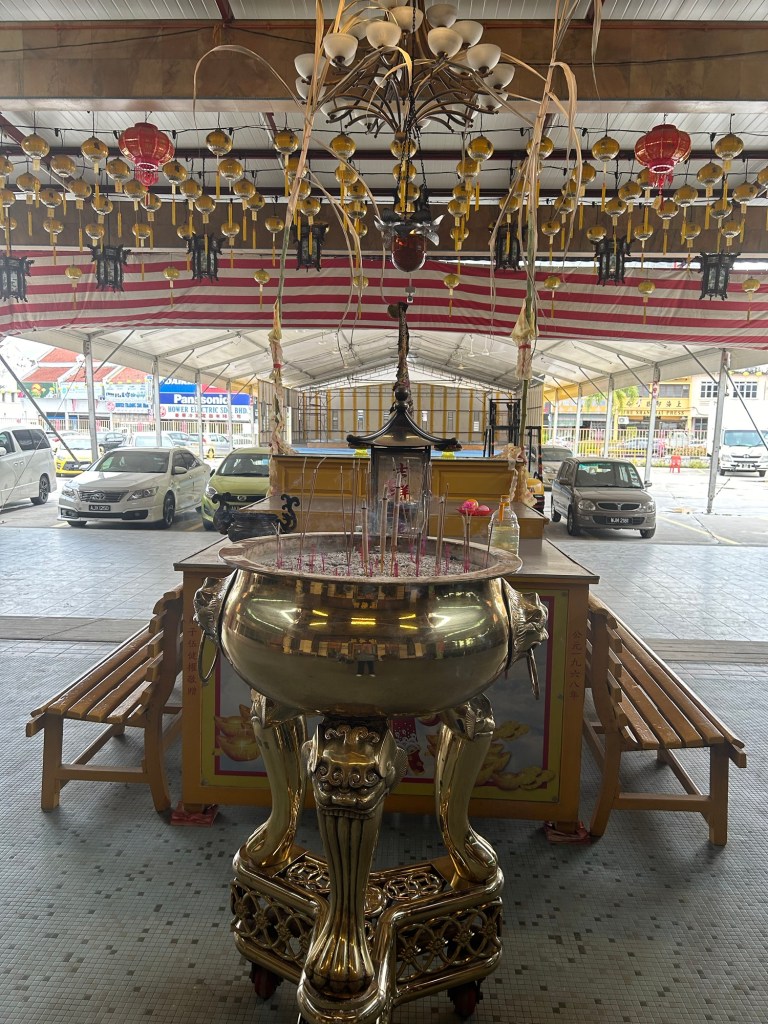


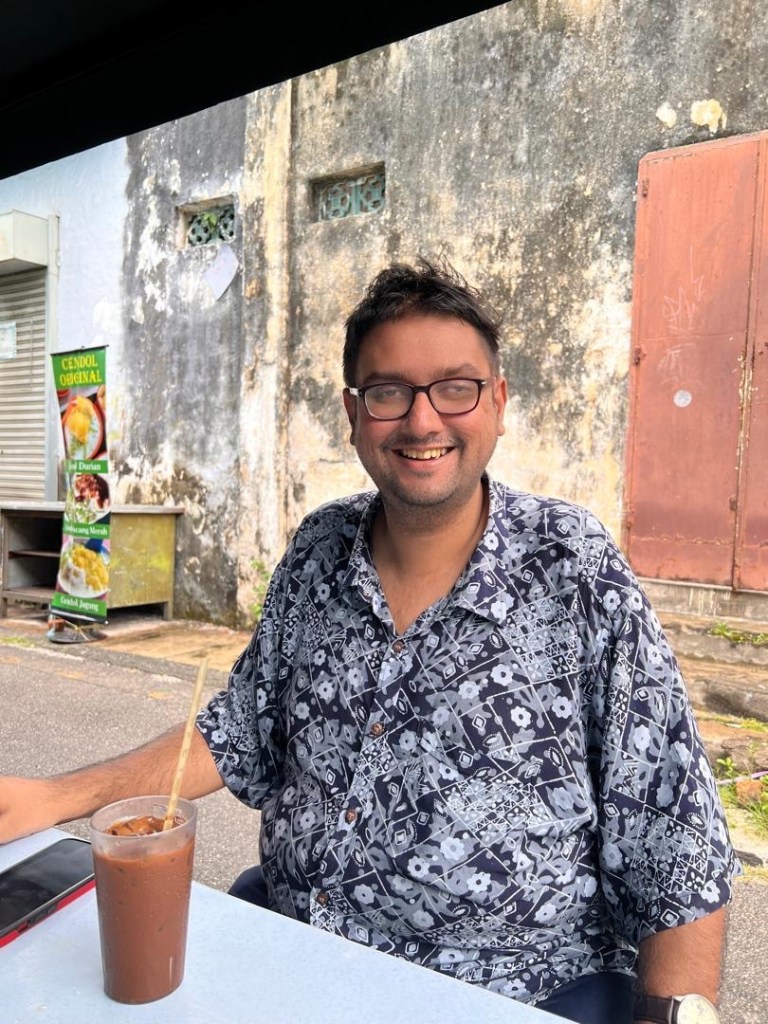

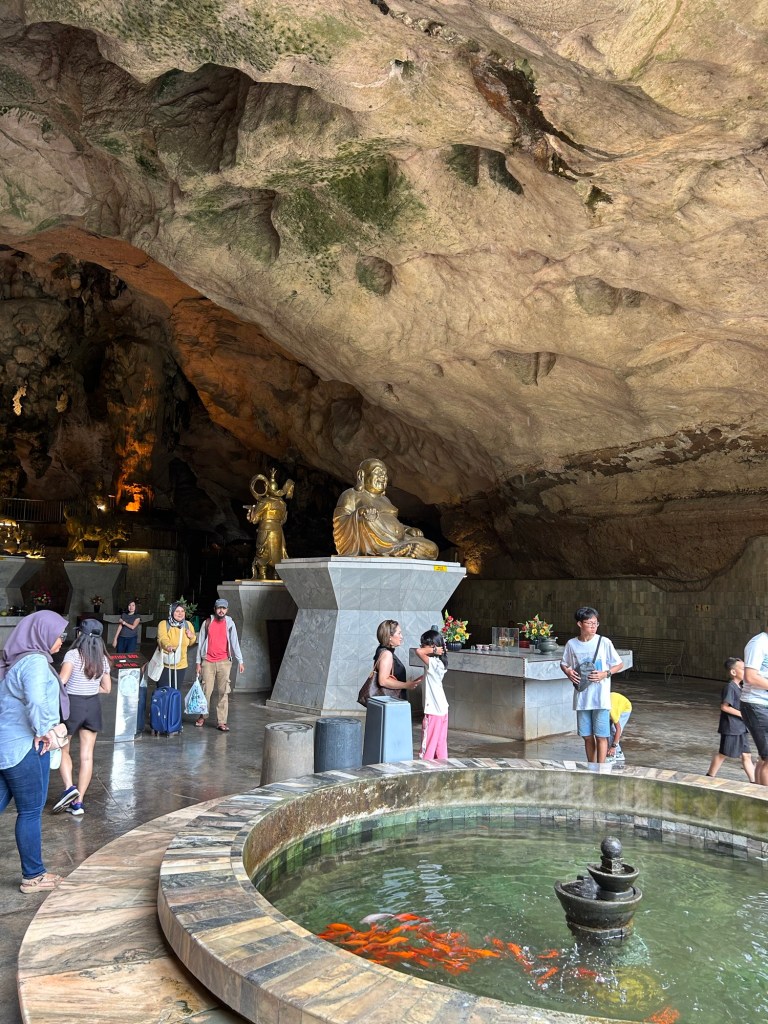

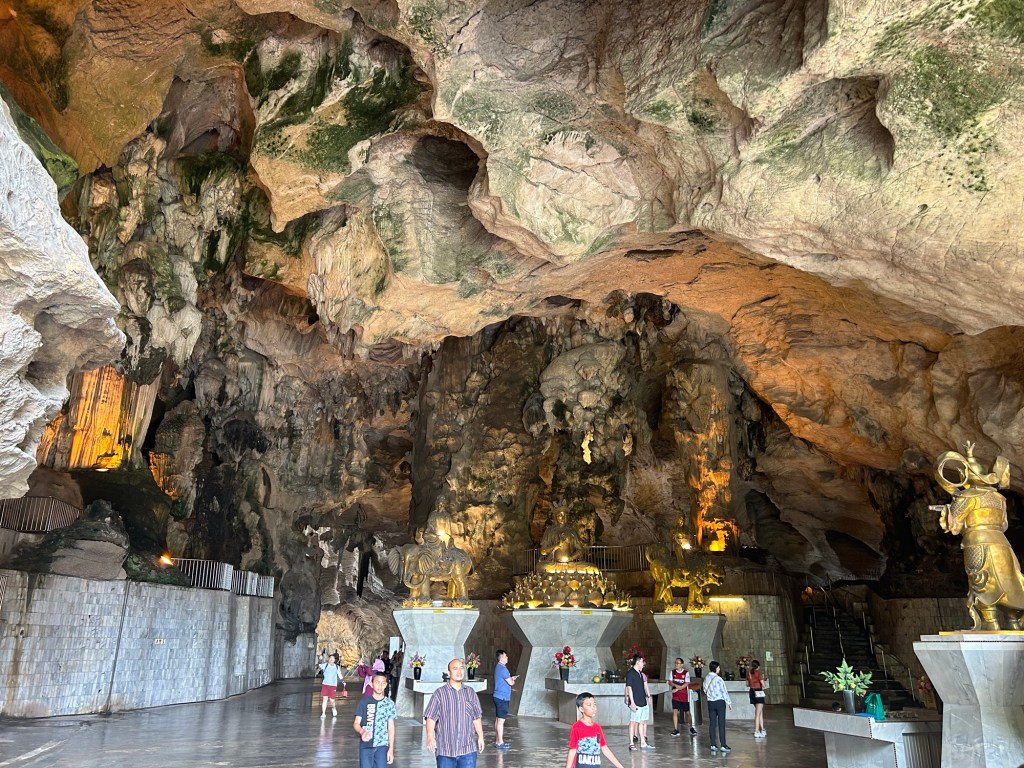
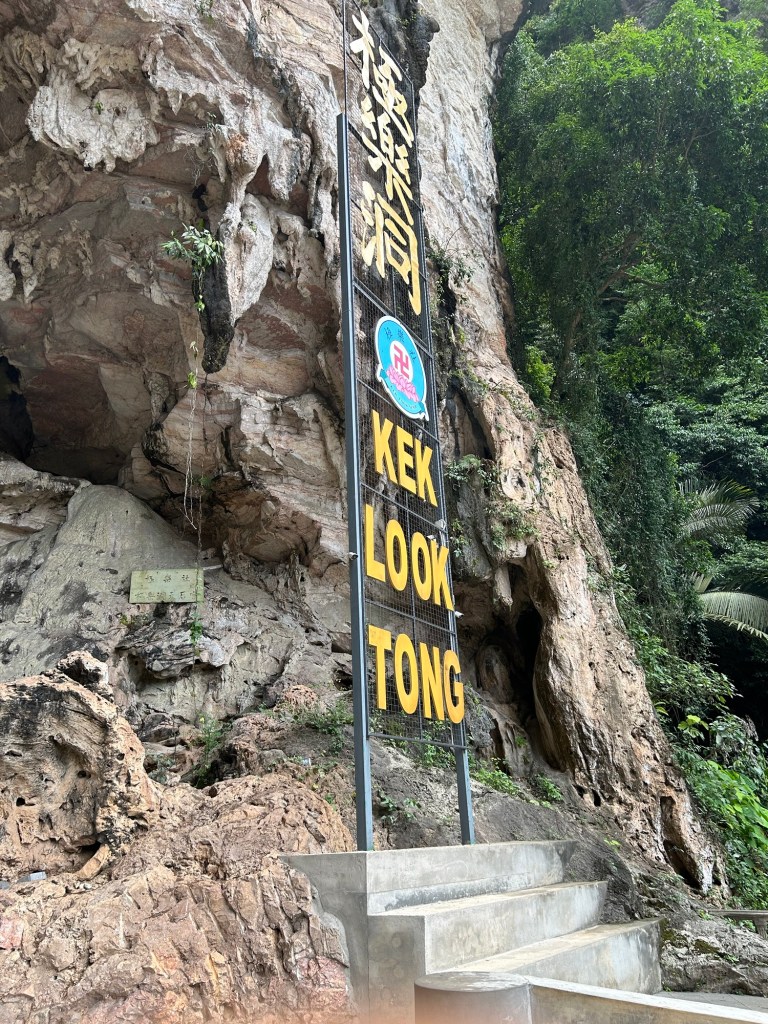
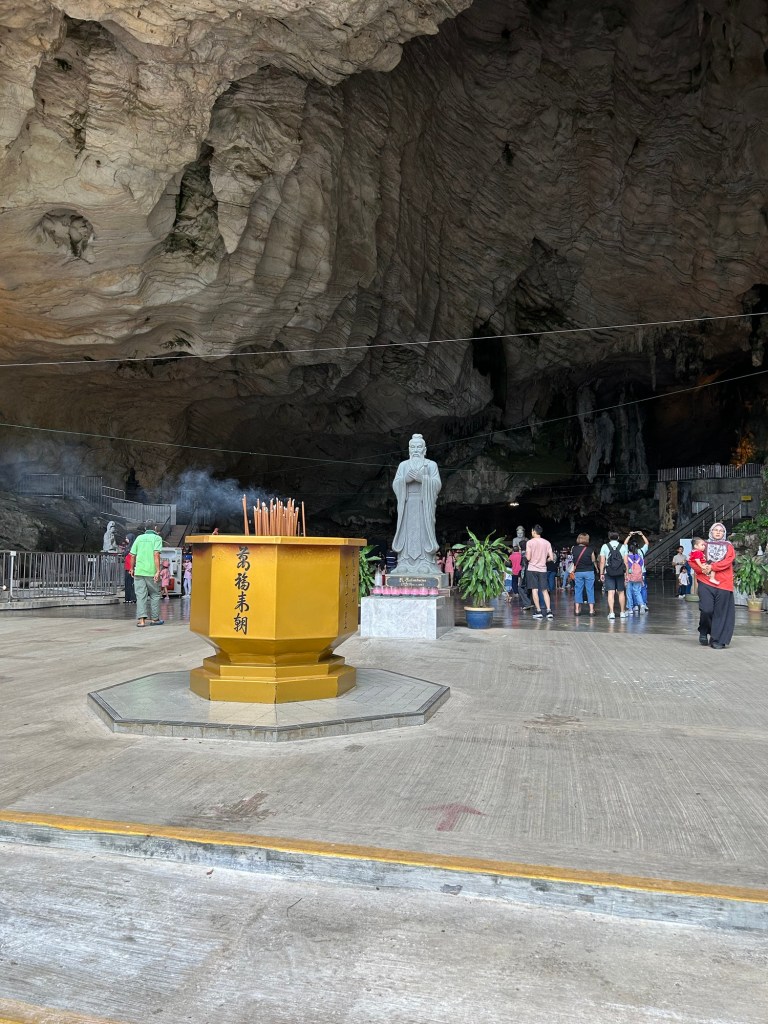
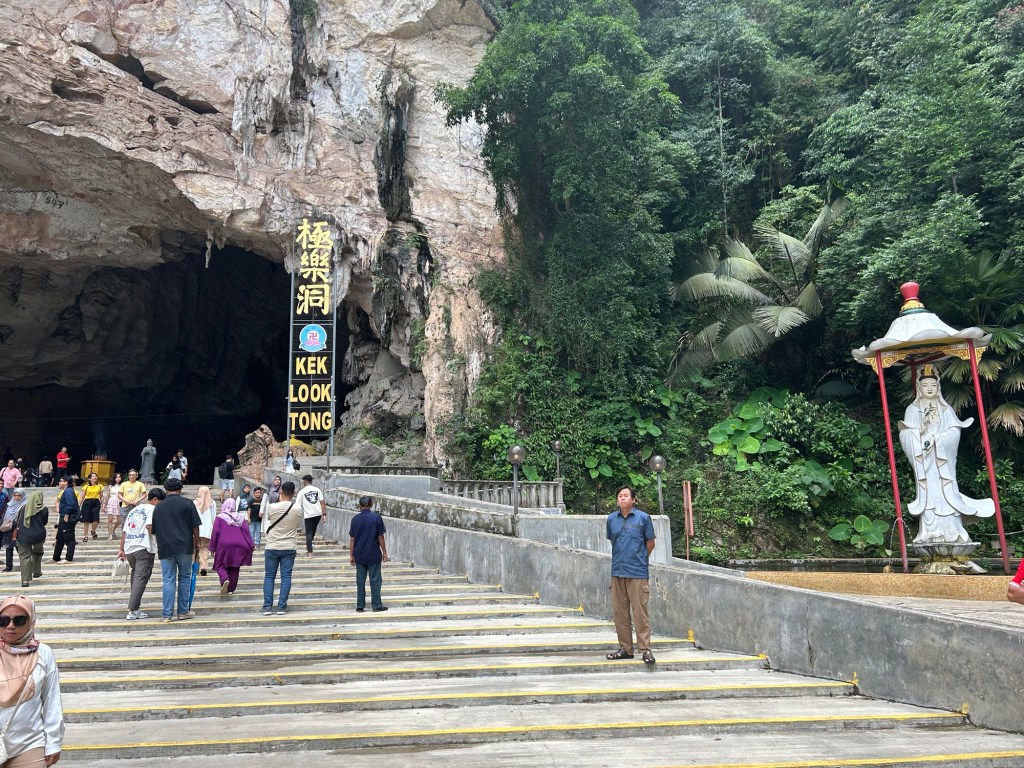


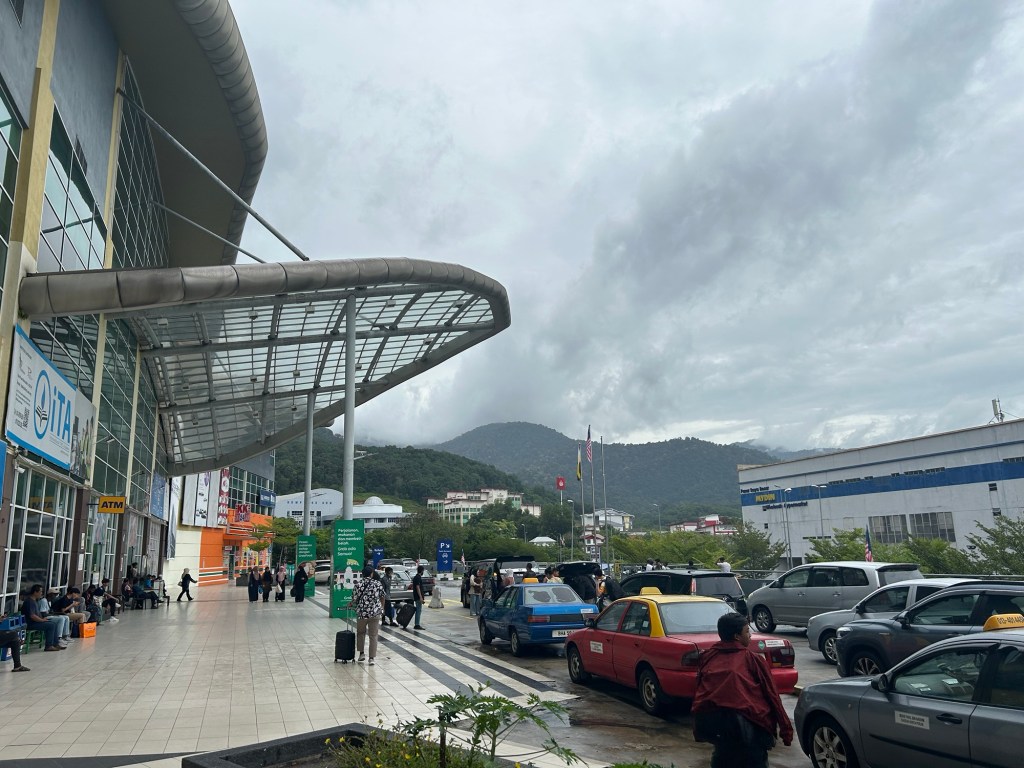

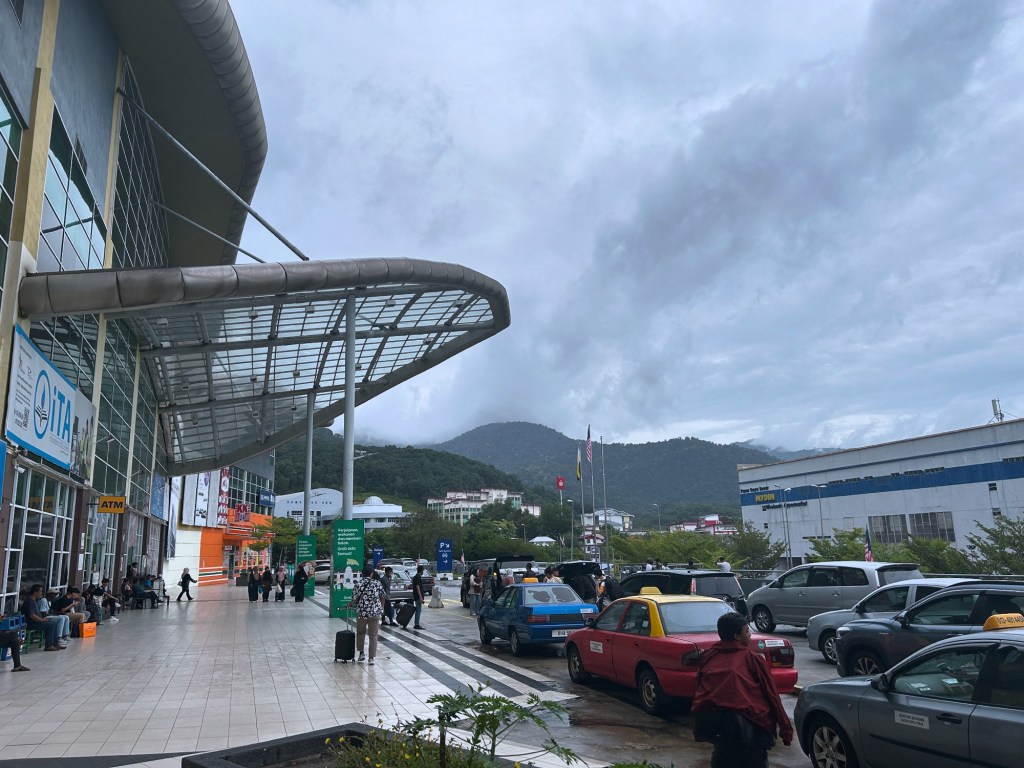
Ipoh surprised me in terms of scale and size, and the sheer fact that it’s not Uber touristy as Melaka. A sense of a functional city was present with its own native population as per conversations with grab drivers. The grab rents were a fraction of KL, which made travels easy.
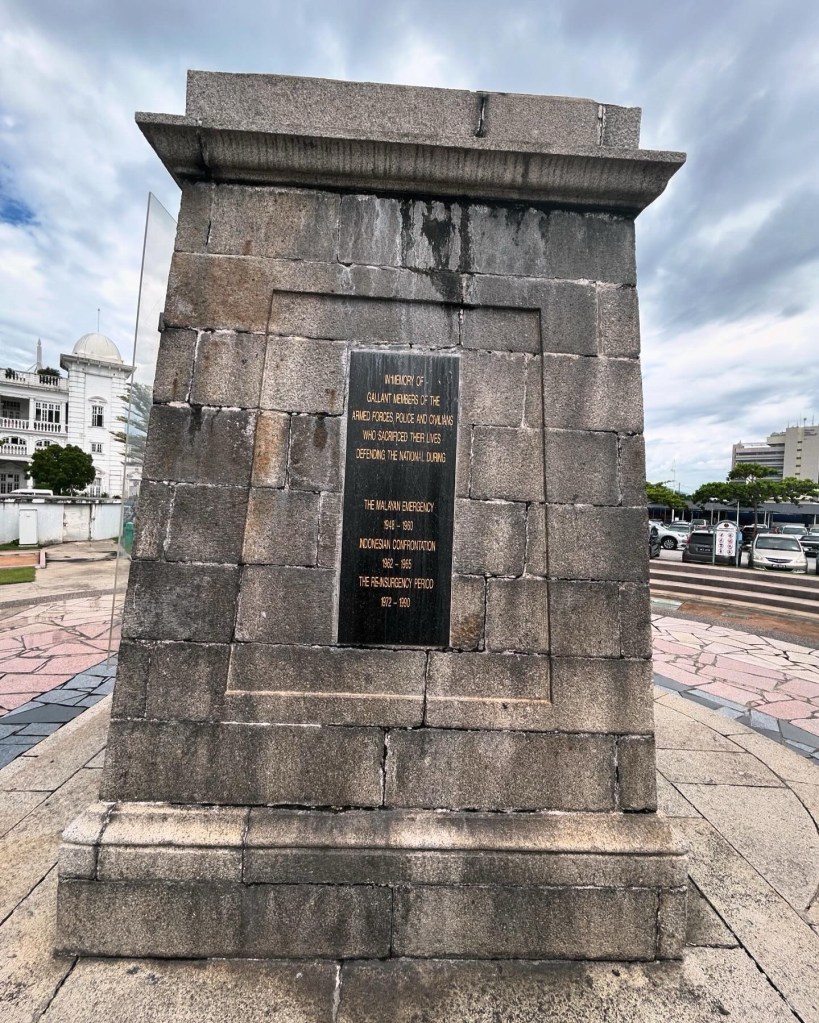
The history is present in the city embedded in the spaces from the Ipoh railway station which was home to a site of historical memory in terms of a death railway commemorative plaque where thousands perished for the imperial cause.
The vibe in Ipoh is creative and very chilled, with an active music scene. The feel of the city is not rushed and that’s the main currency of the town, nestled in between the mountains, with cool weather.
Tourism is the new Tin for Ipoh and the town seems too be well prepared for the new gold rush.
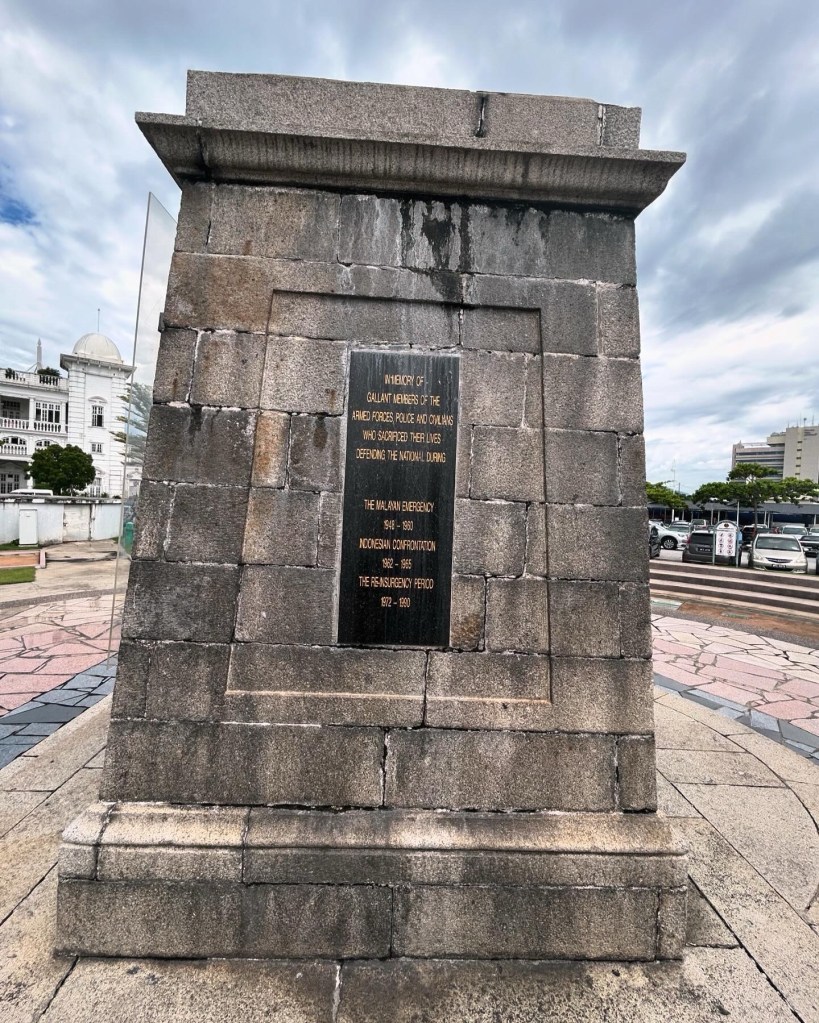
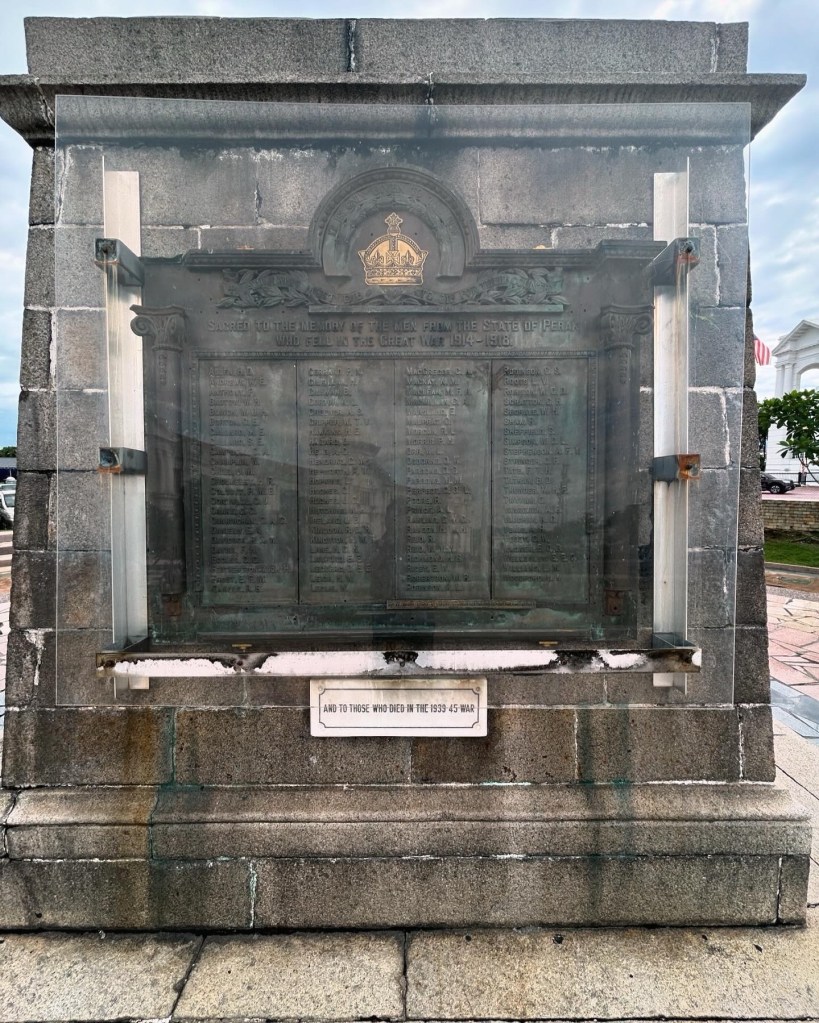

History is etched in the land, to conflicts far away and chapters which needed to be remembered.
The Death Railway monument at Ipoh Railway Station is poignant as thousands perished as fodder for colonial infrastructure.
I travel for my love of Indian Ocean Tarikh, as culture is downstream of history. The residues of the post colony still ember and simmer contemporary identity politics in the everyday. Think Bangladesh, Fiji, Guyana, Mauritius, South Africa in addition to SE Asia where contestations occur in sharp and subtle ways.
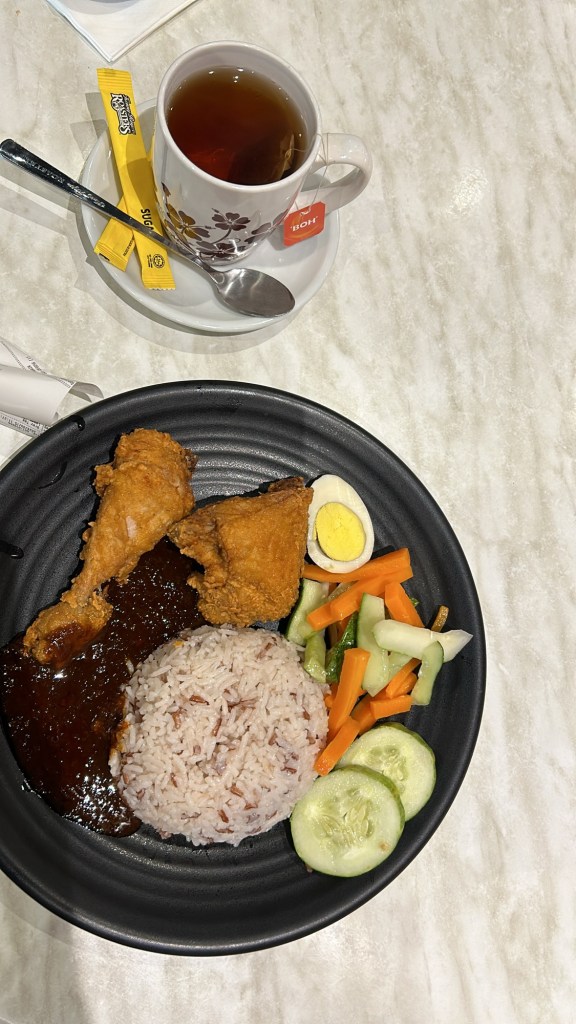

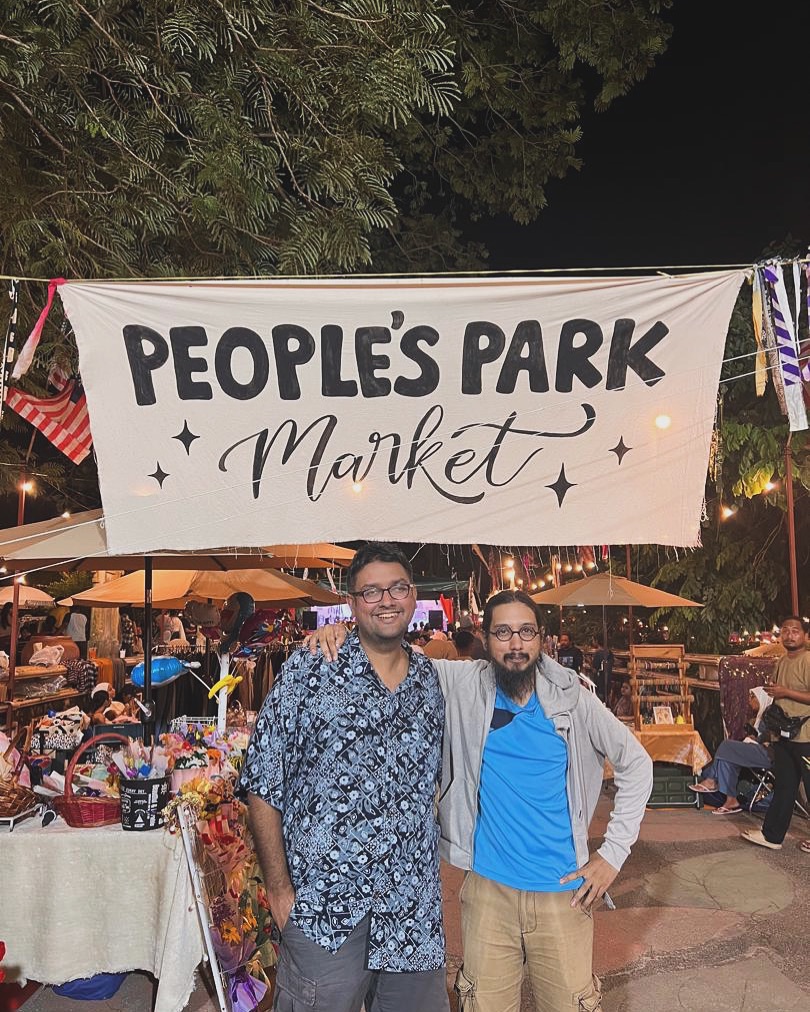
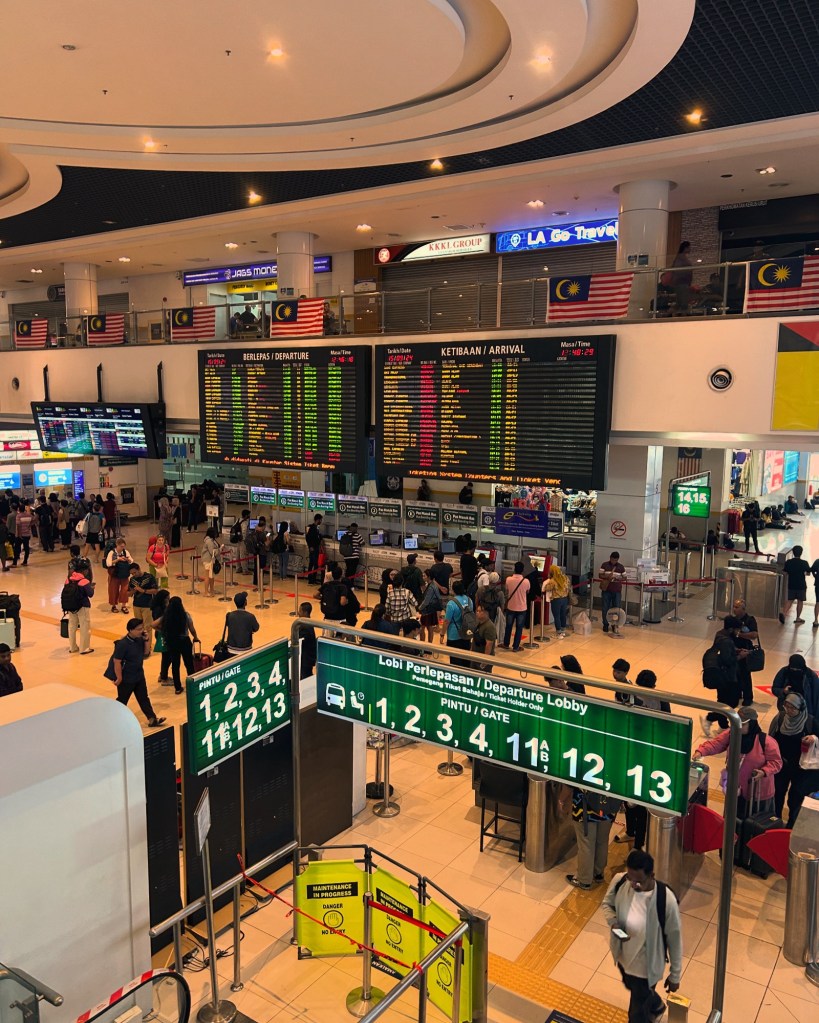
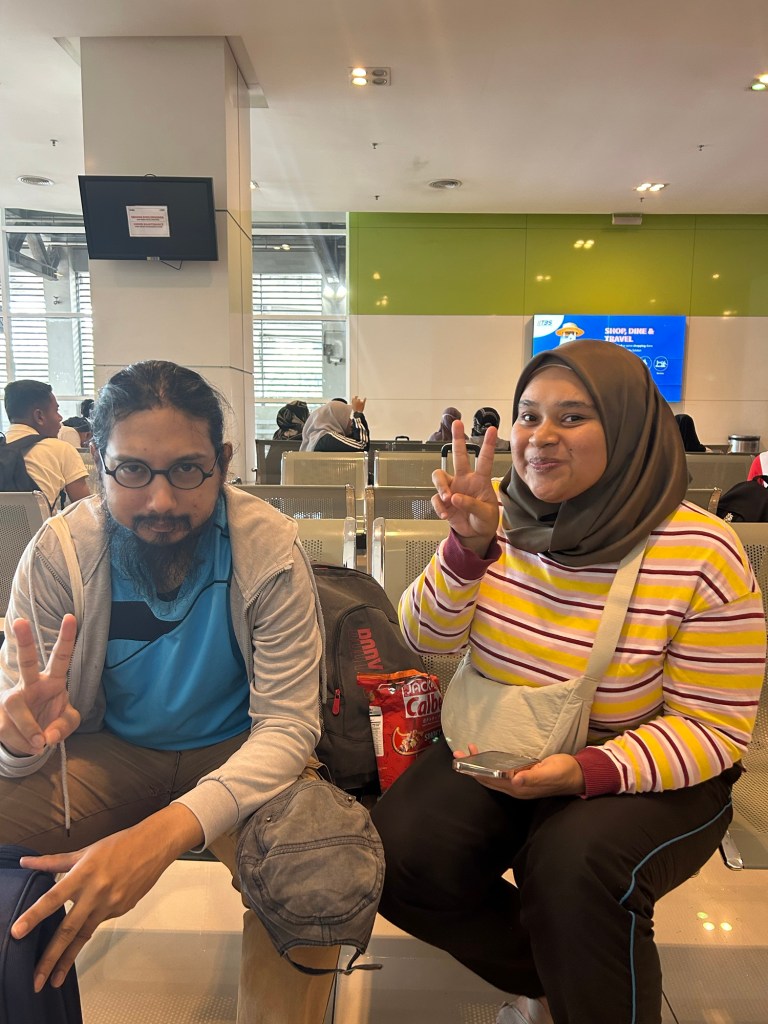


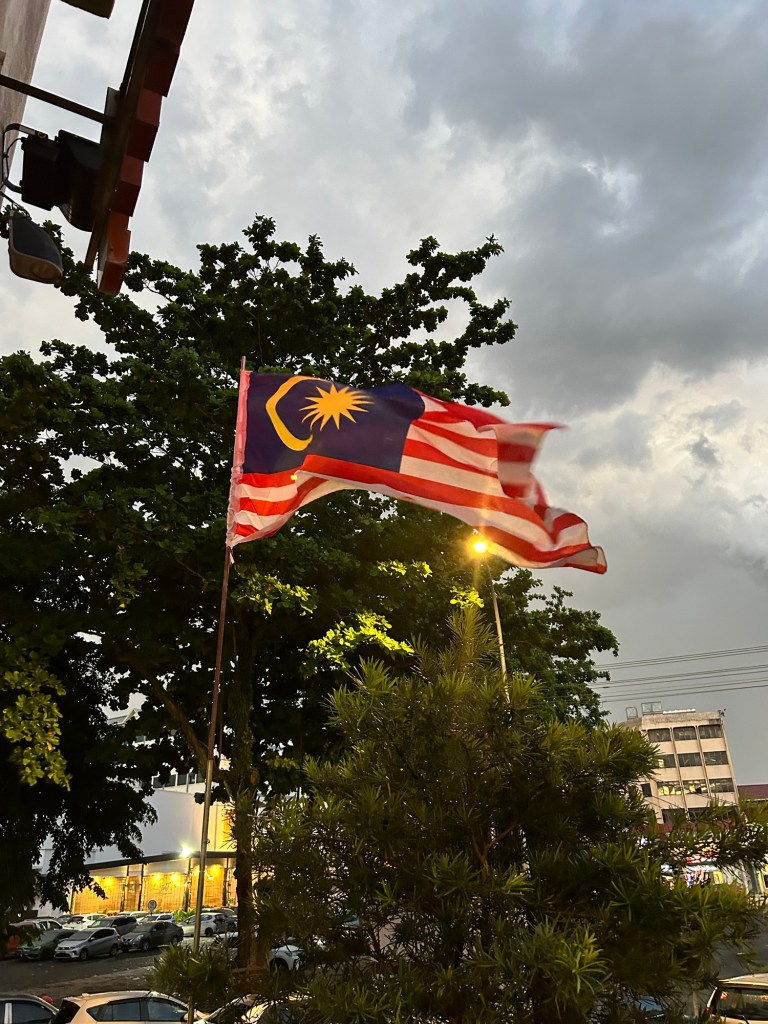



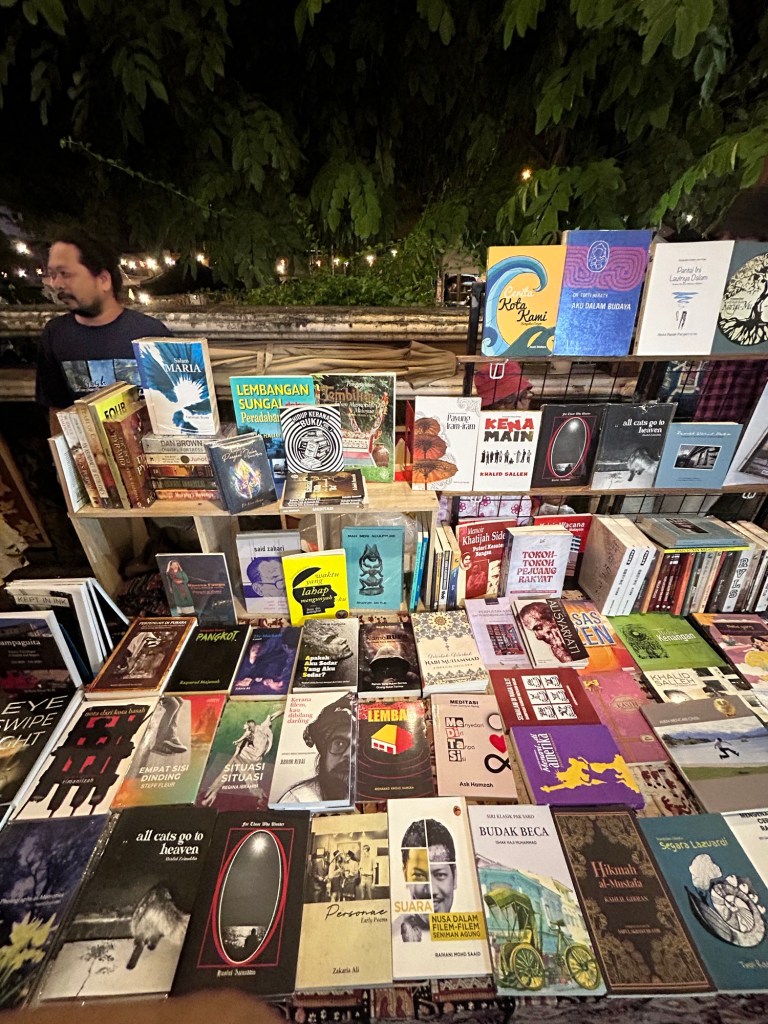


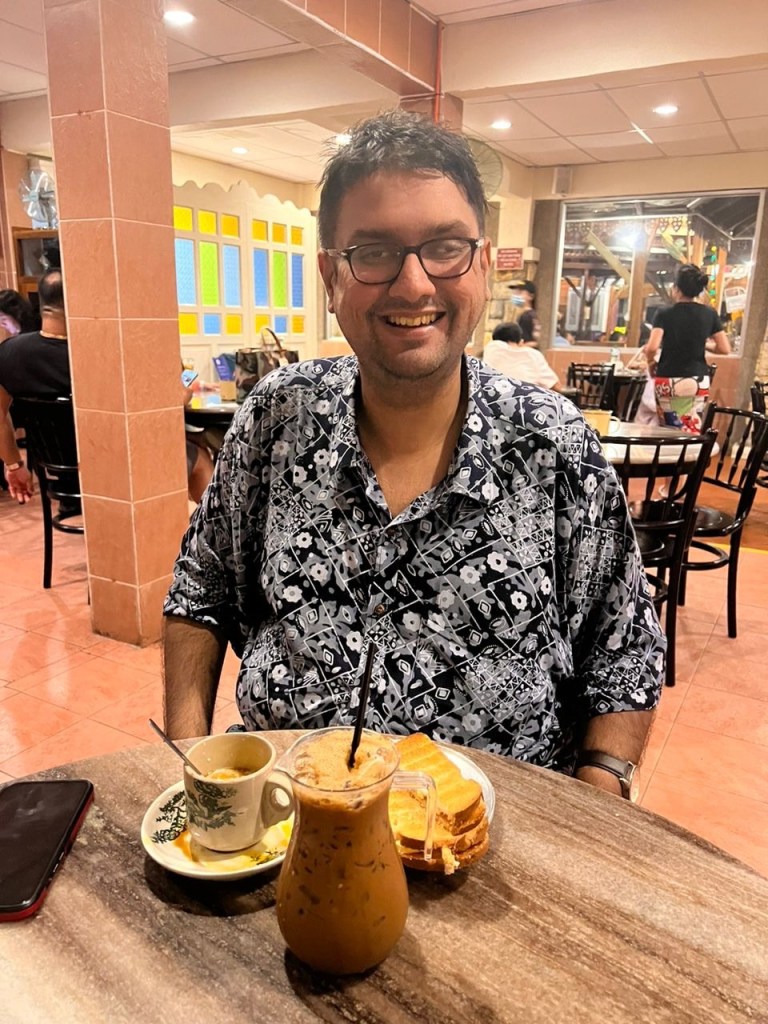

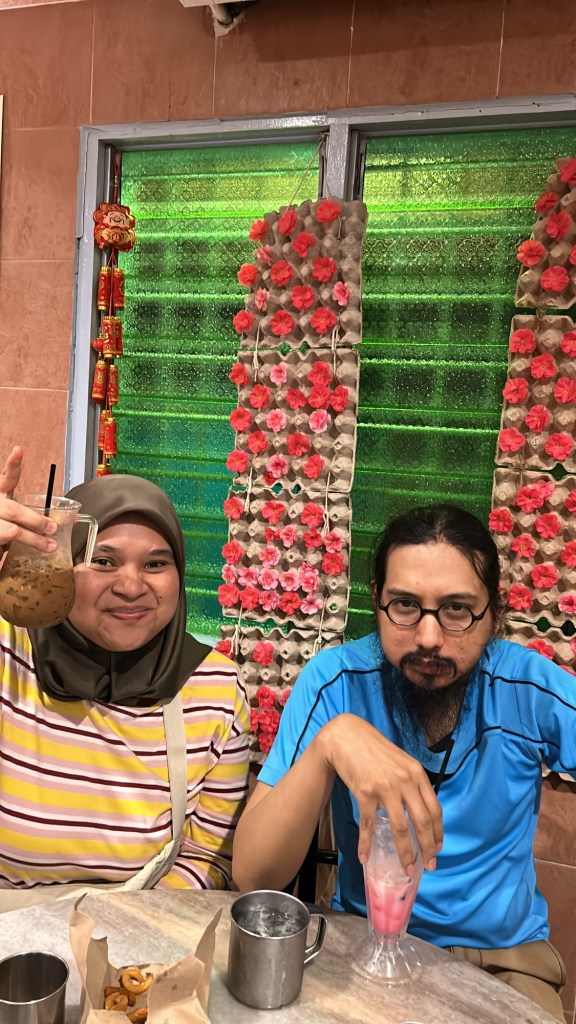

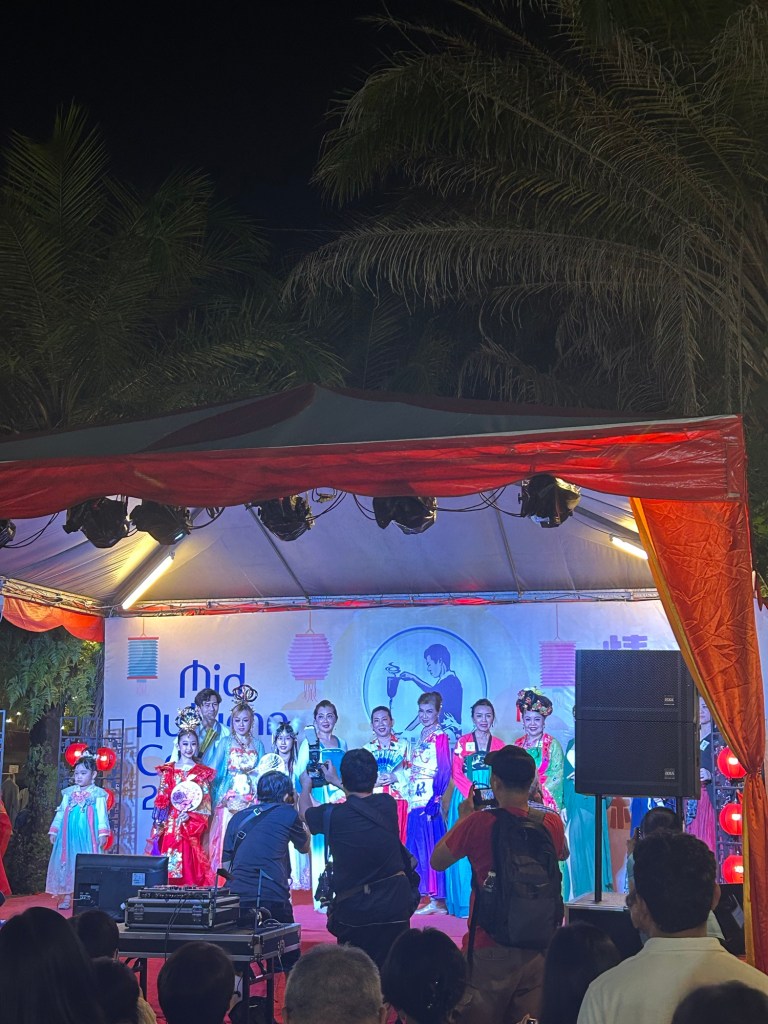


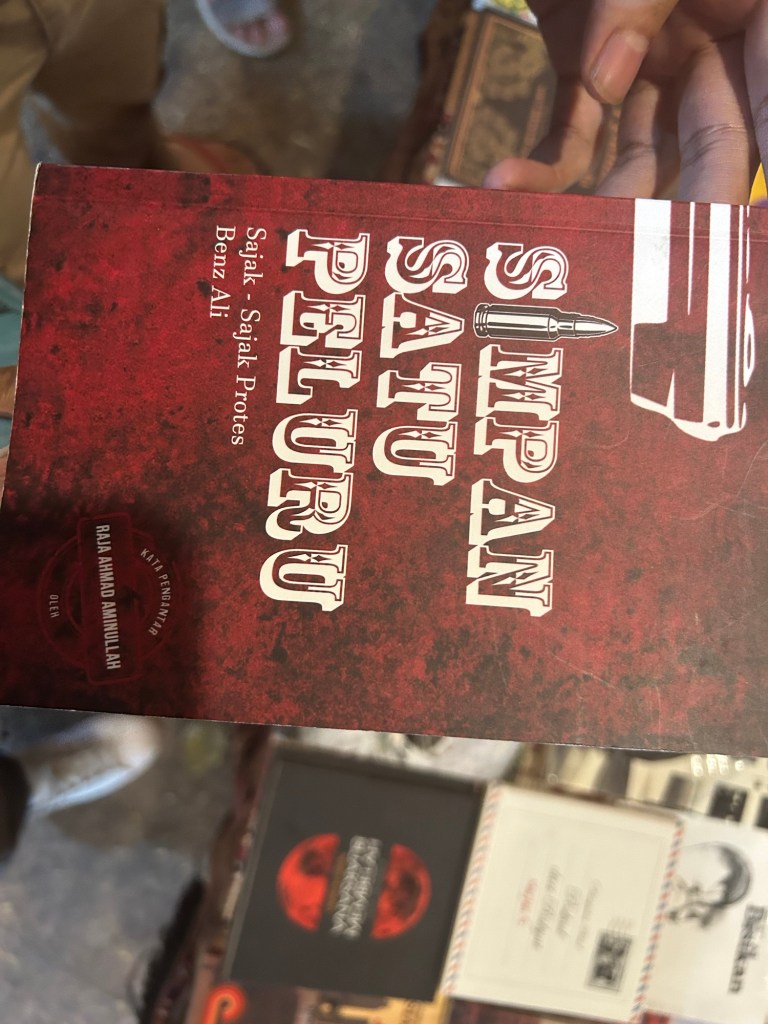
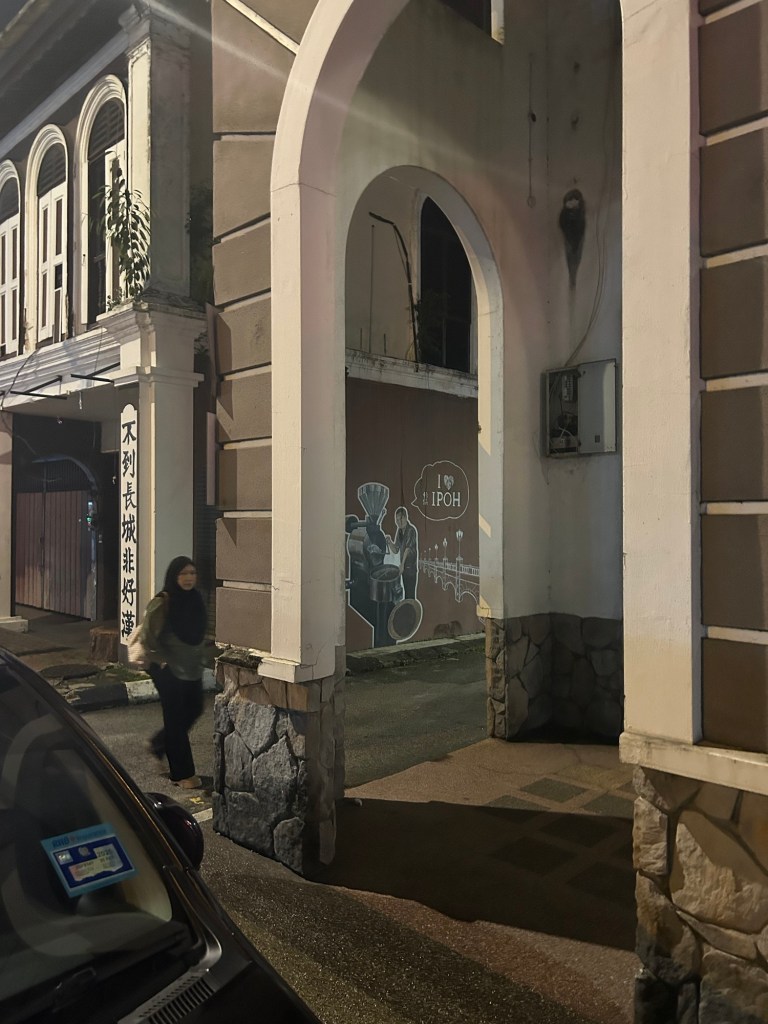


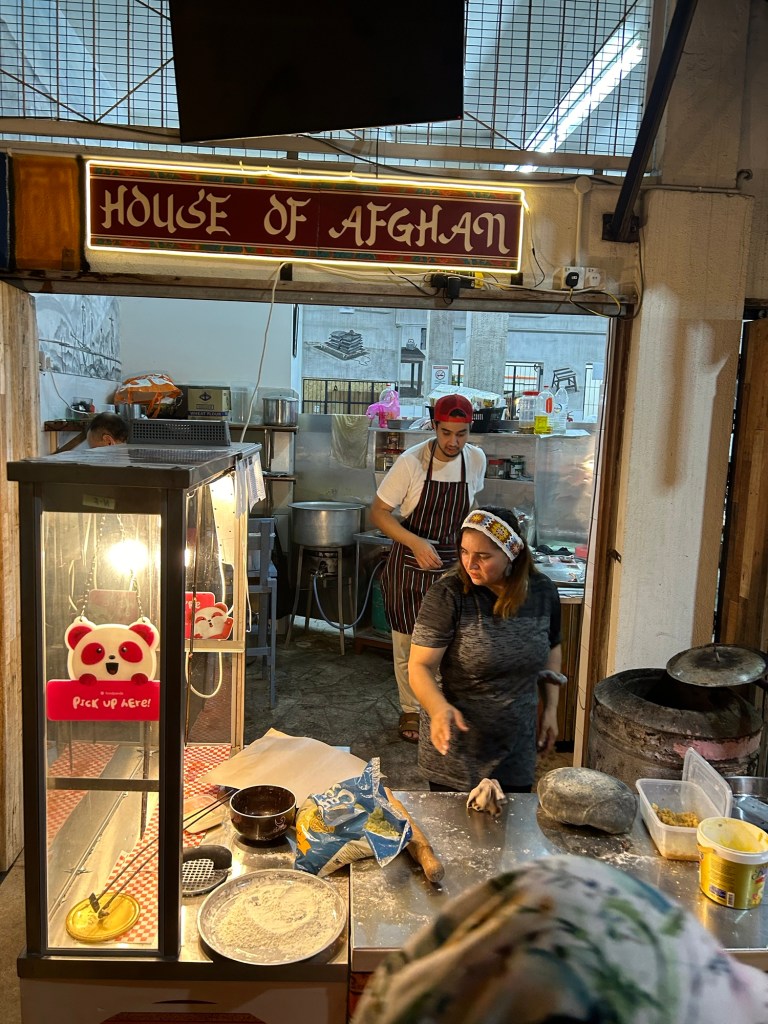
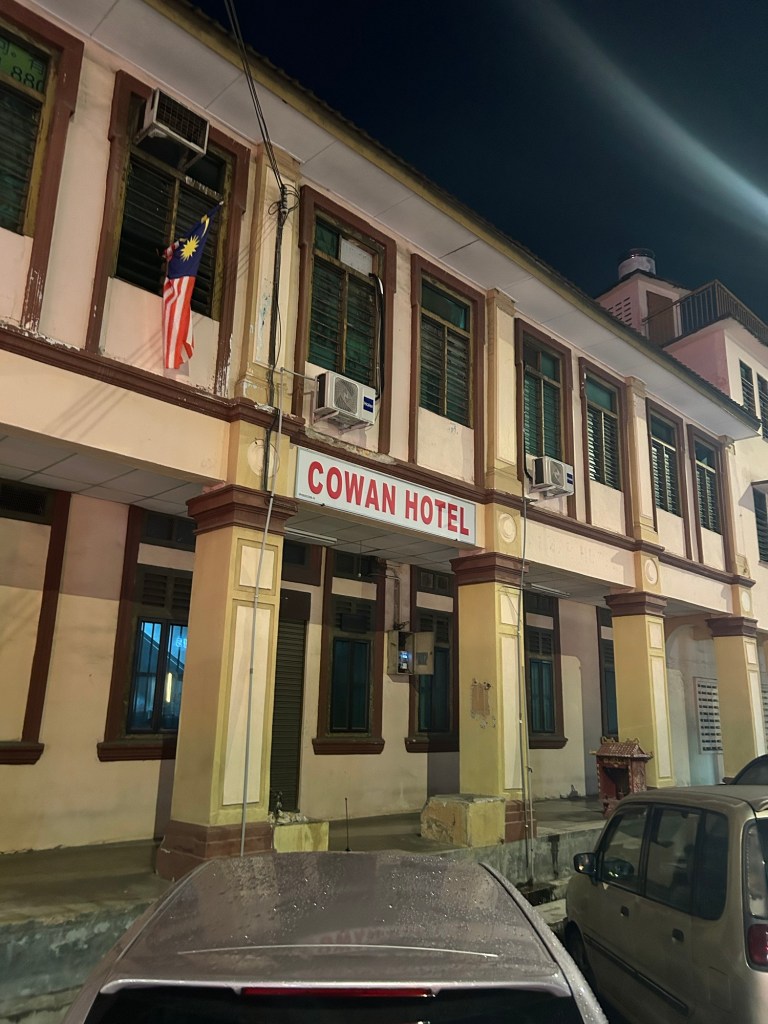

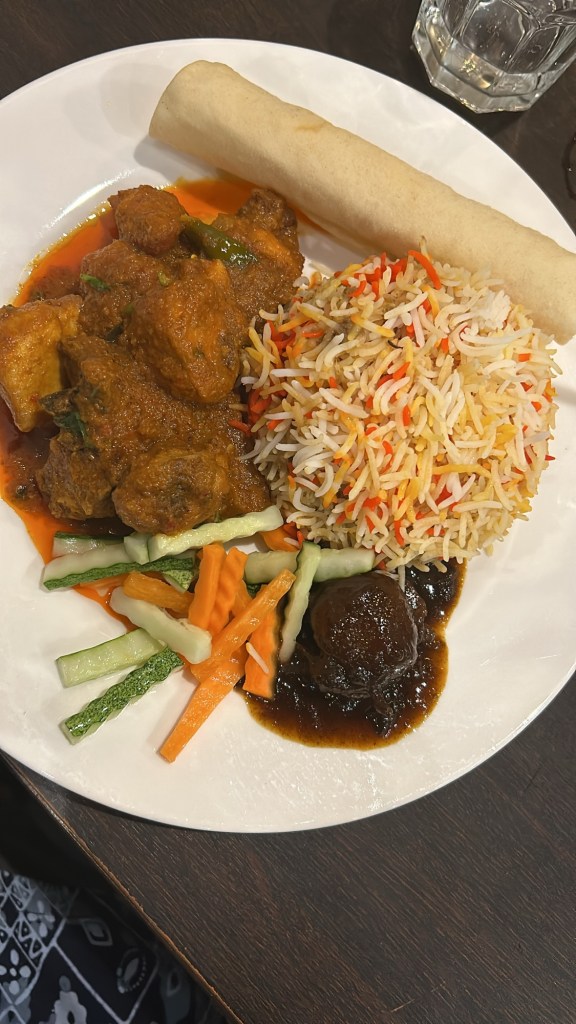



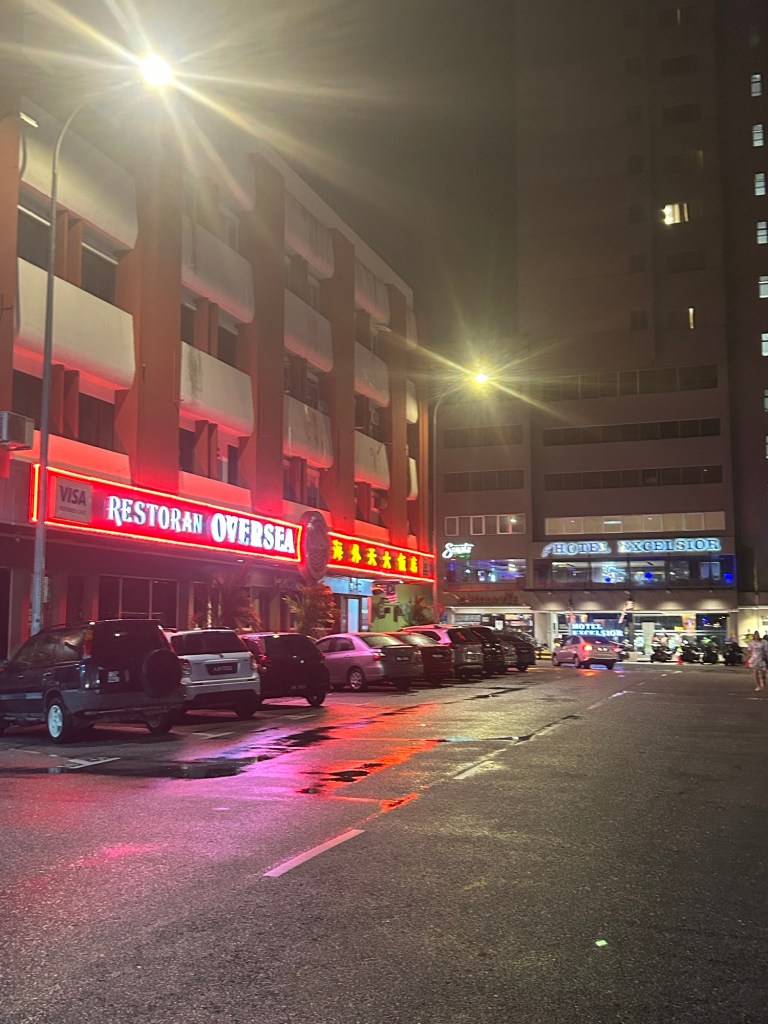
A chilled out vibe sans the hype.

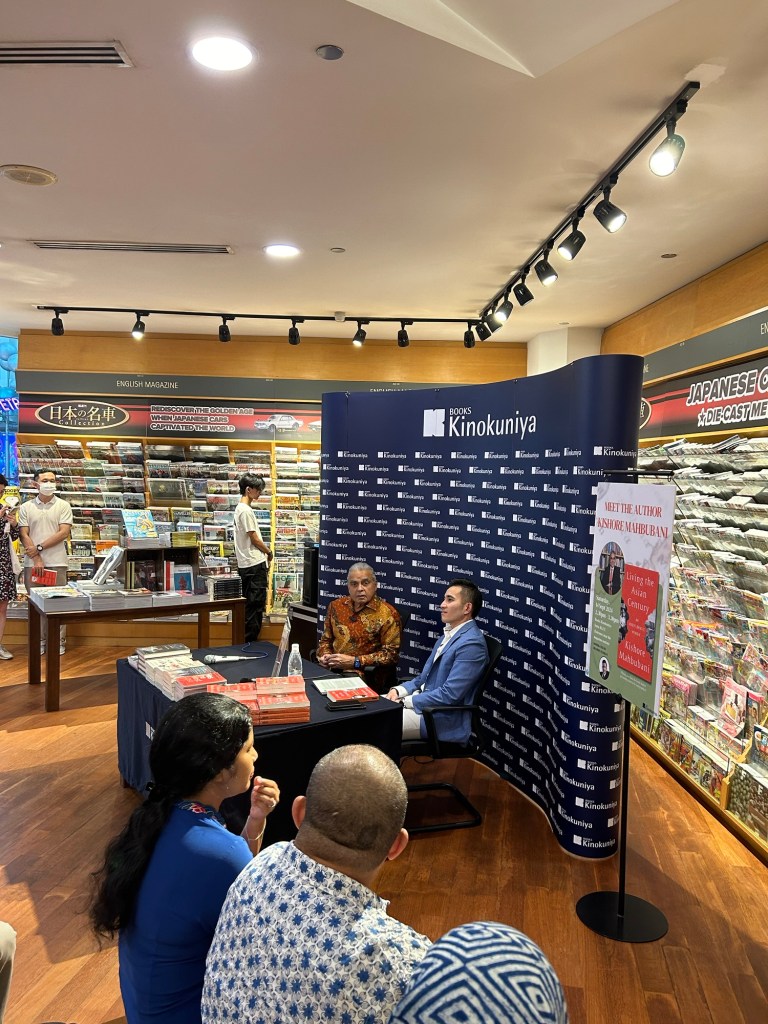
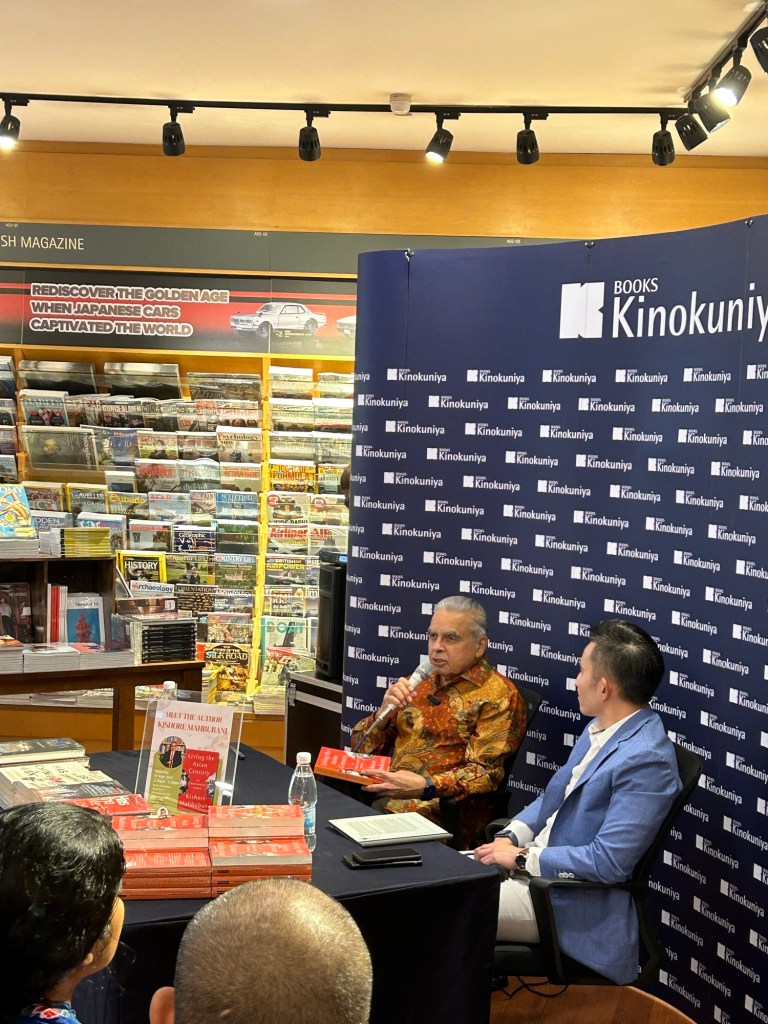


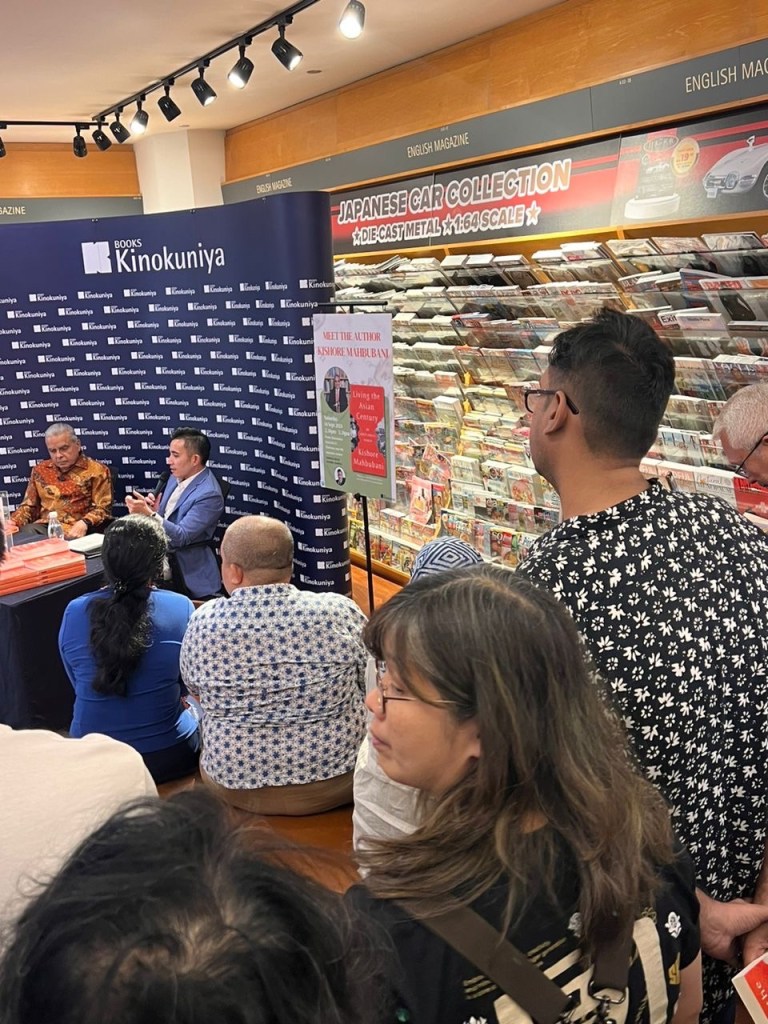
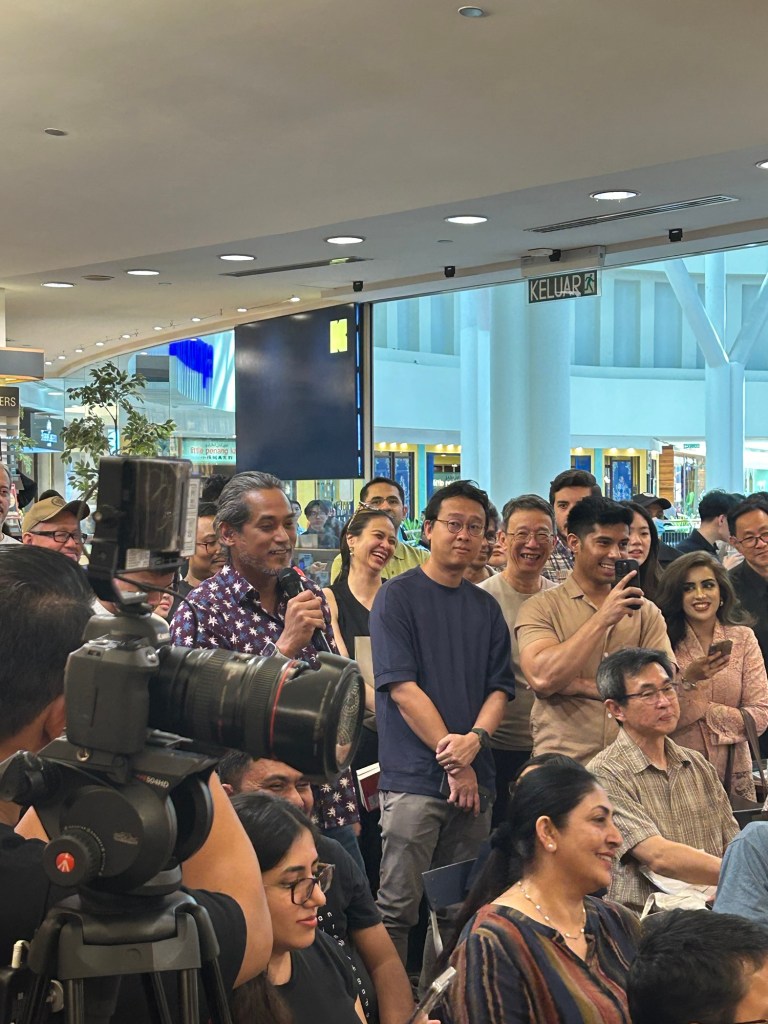

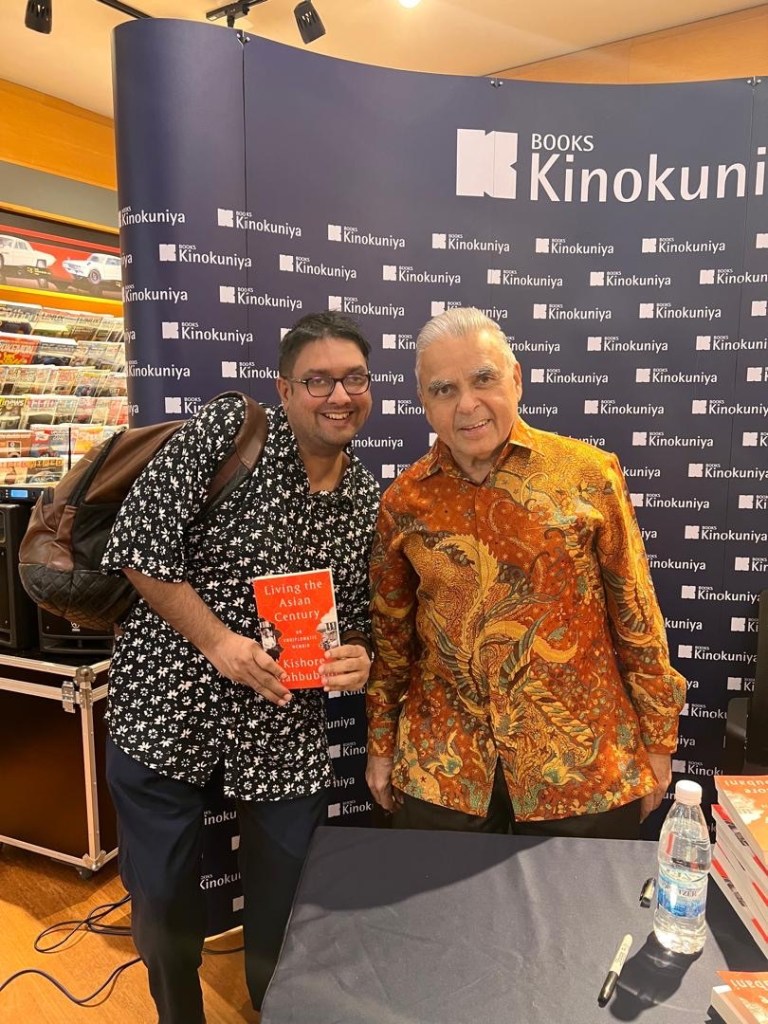
Dean Kishore in KL for his book talk.
A 45 minute masterclass on geopolitics, sprinkled with characteristic wit. The conviction is contagious.
A master of reinvention at 76. Lots of learn about resilience too.
Felt like meeting Dhoni or Sachin. The last time I felt this way was to meet Amartya Sen and George Yeo in 2015 in Singapore.

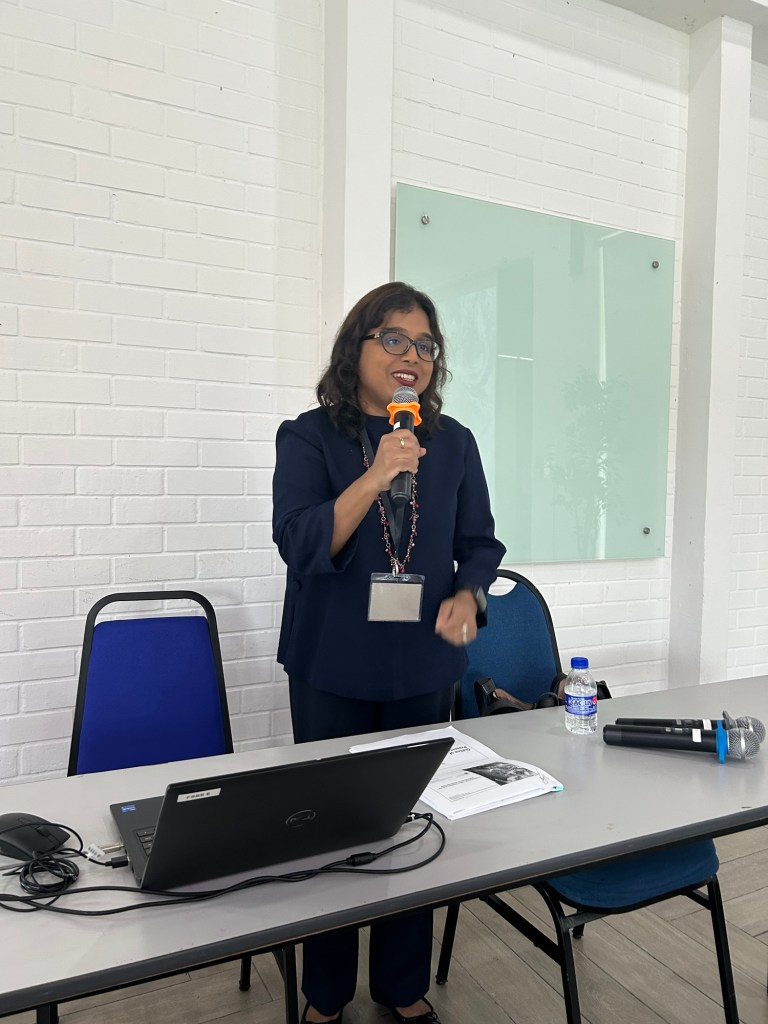


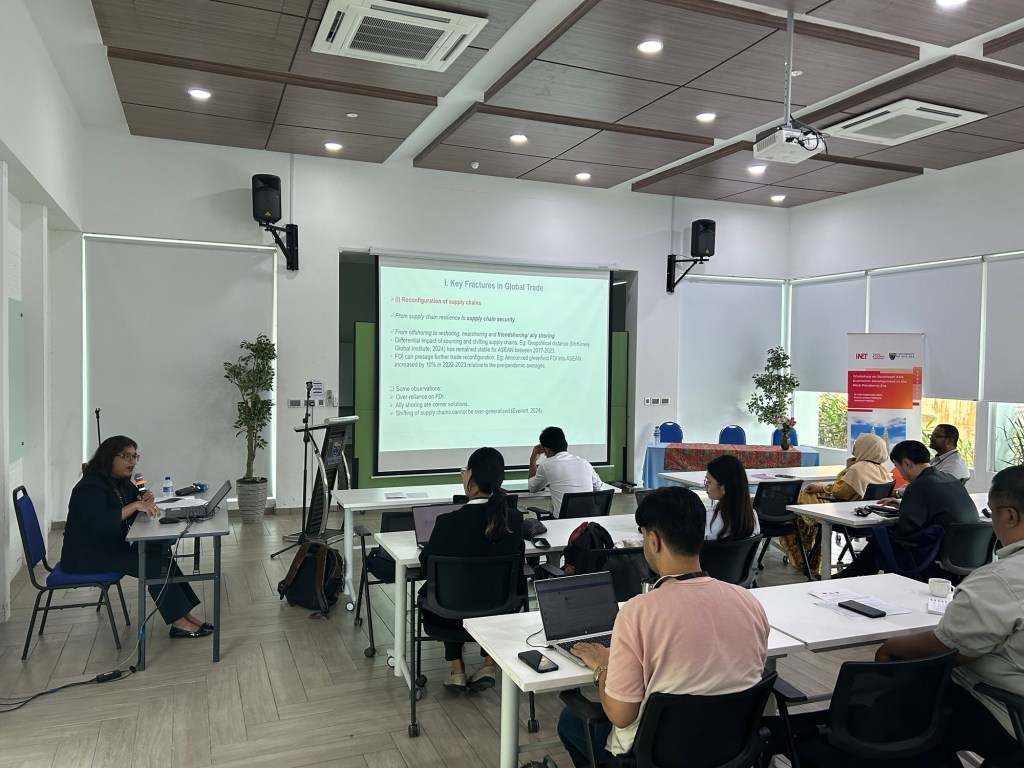
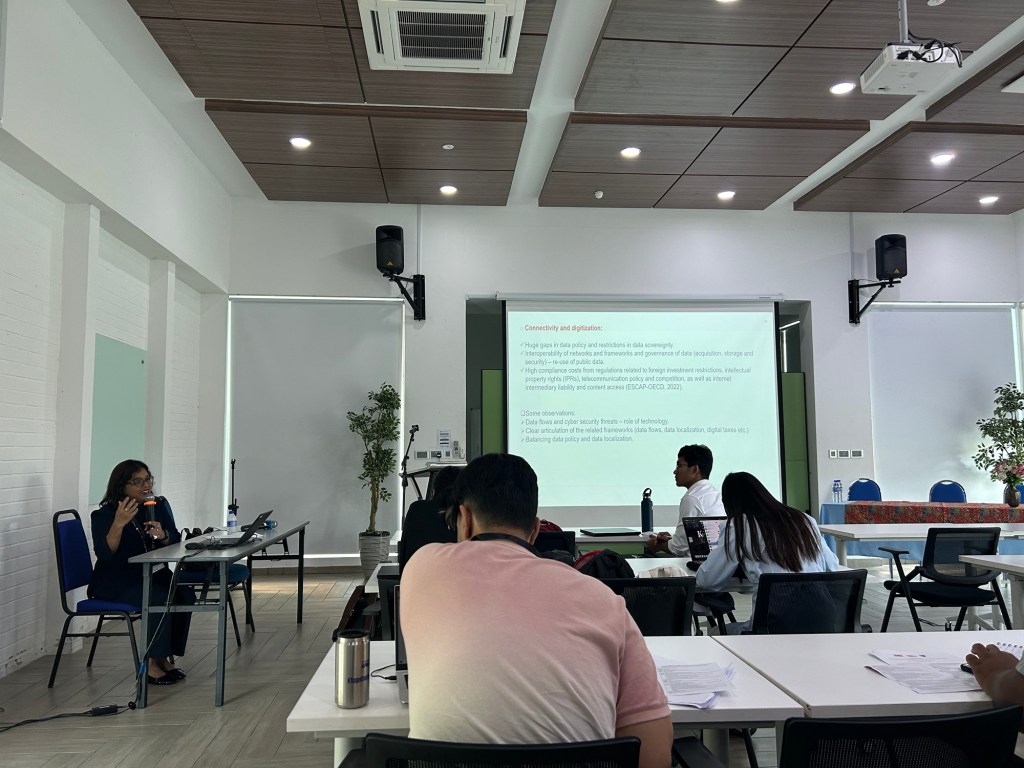
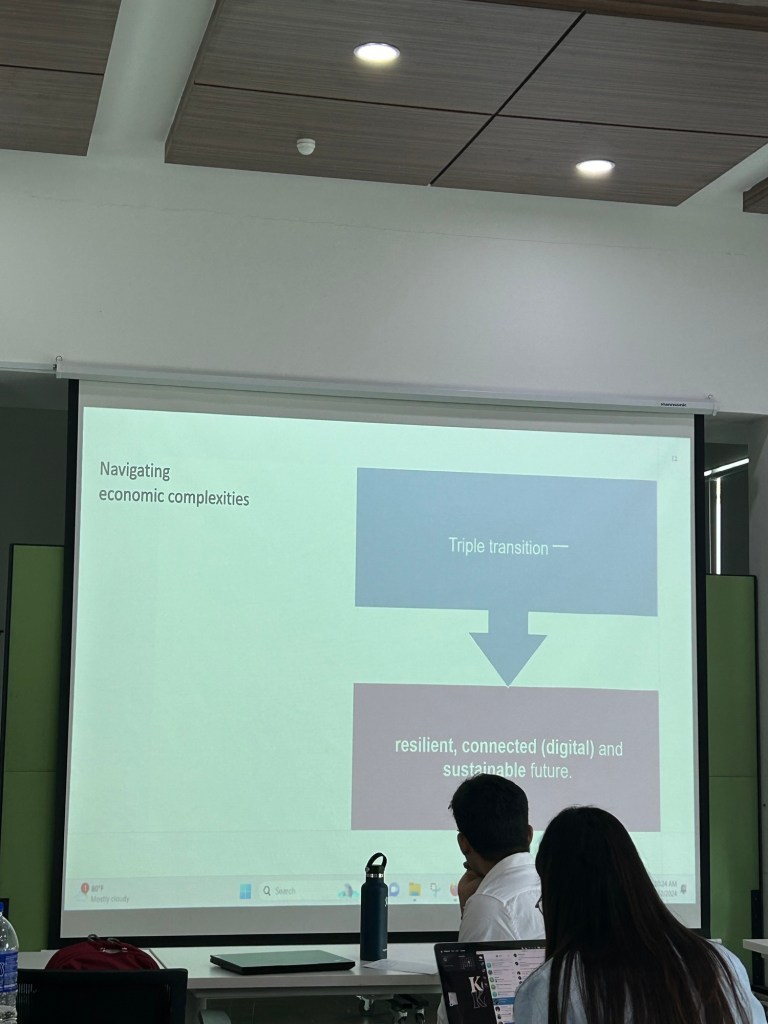

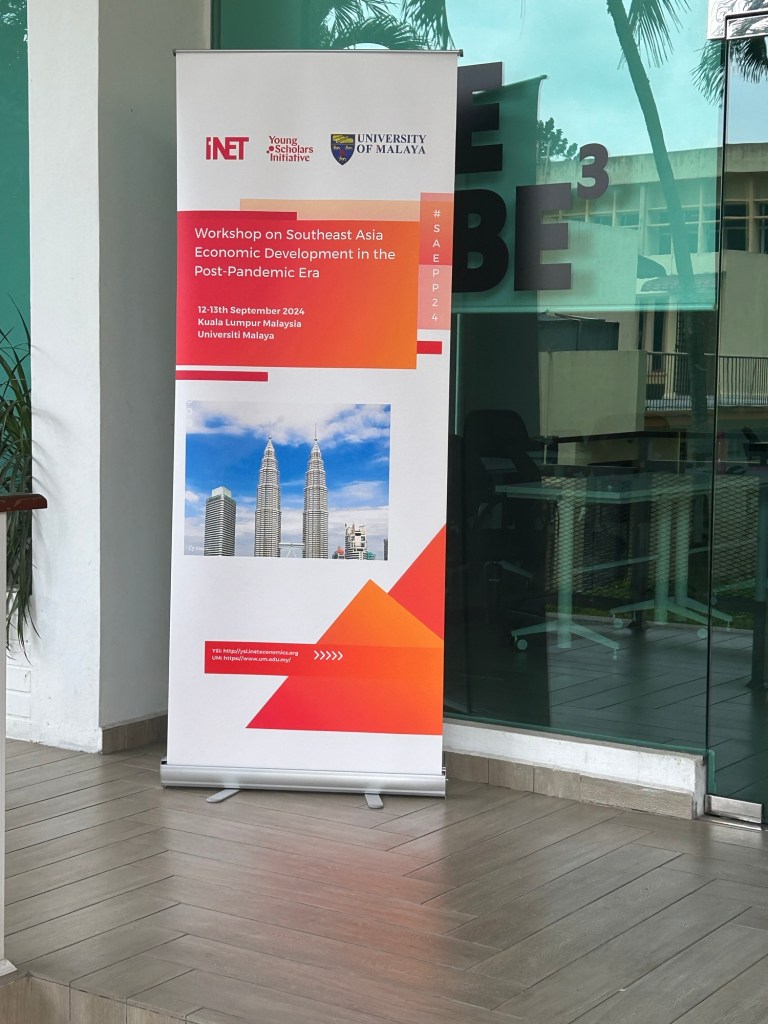


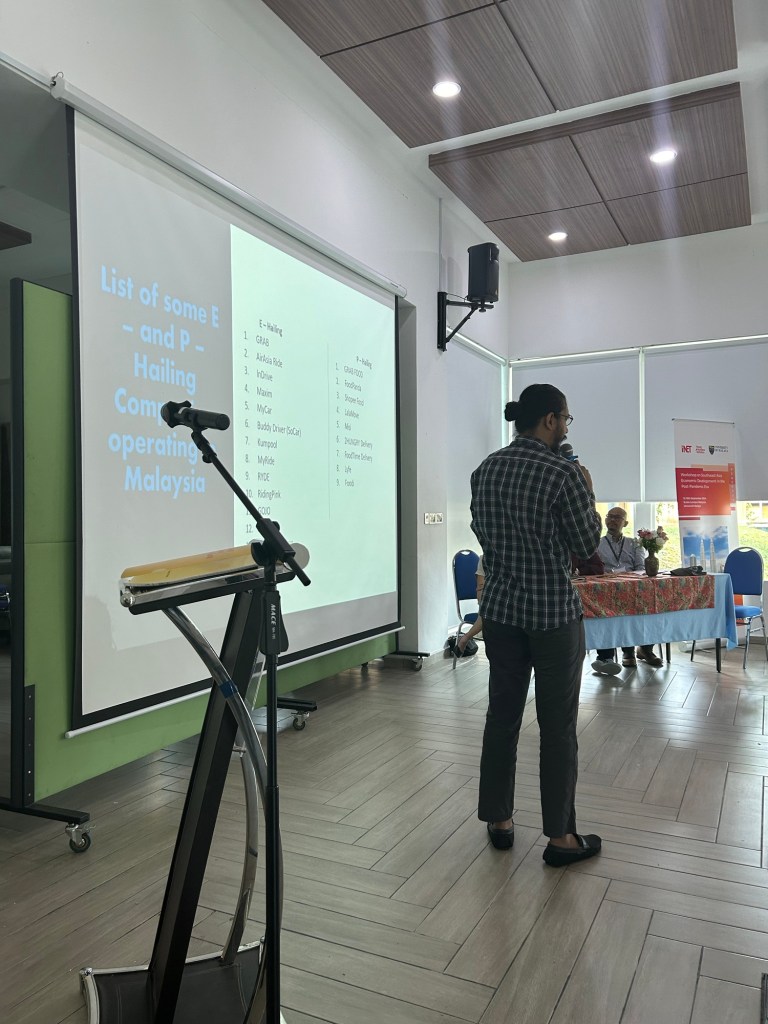


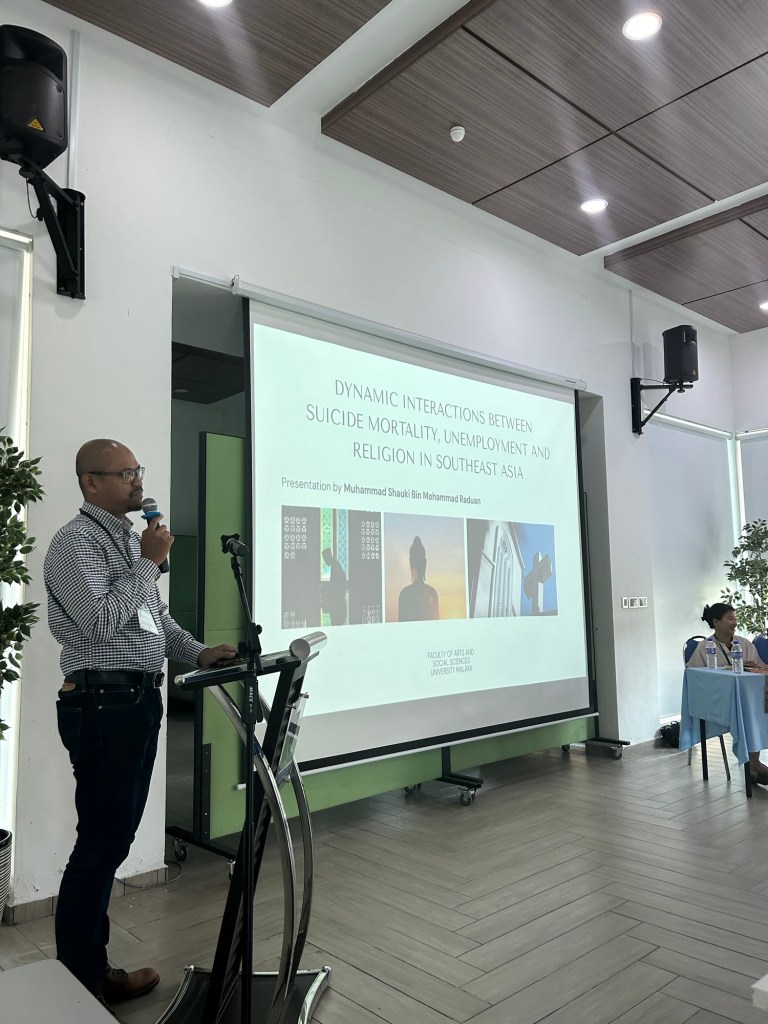
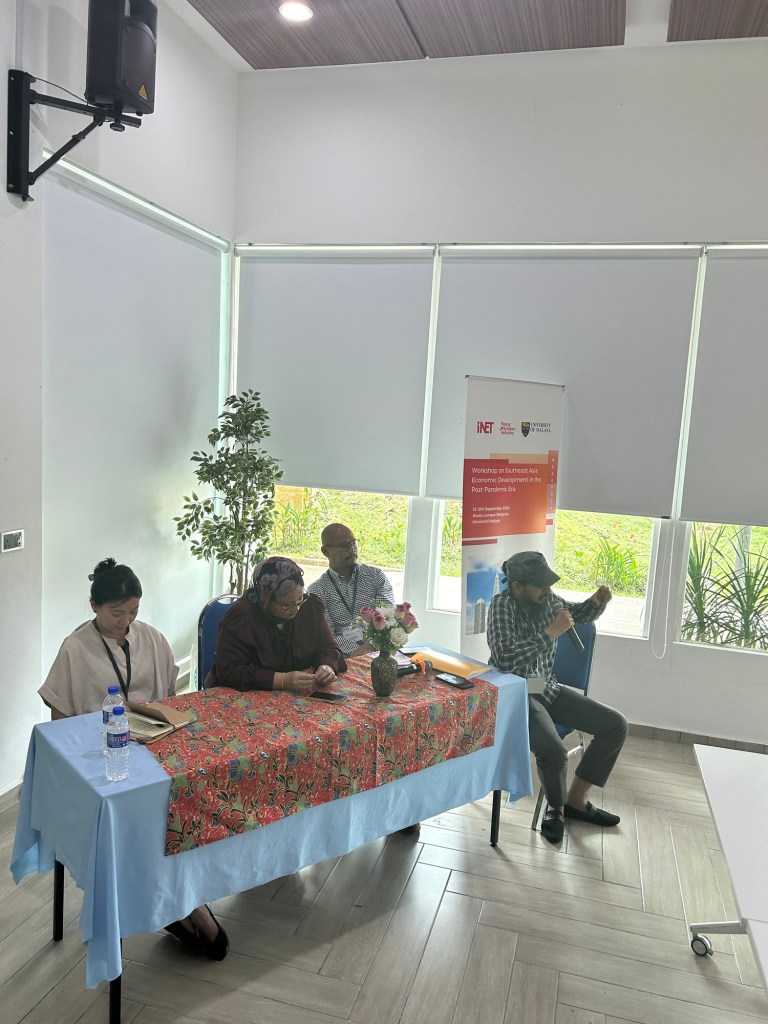

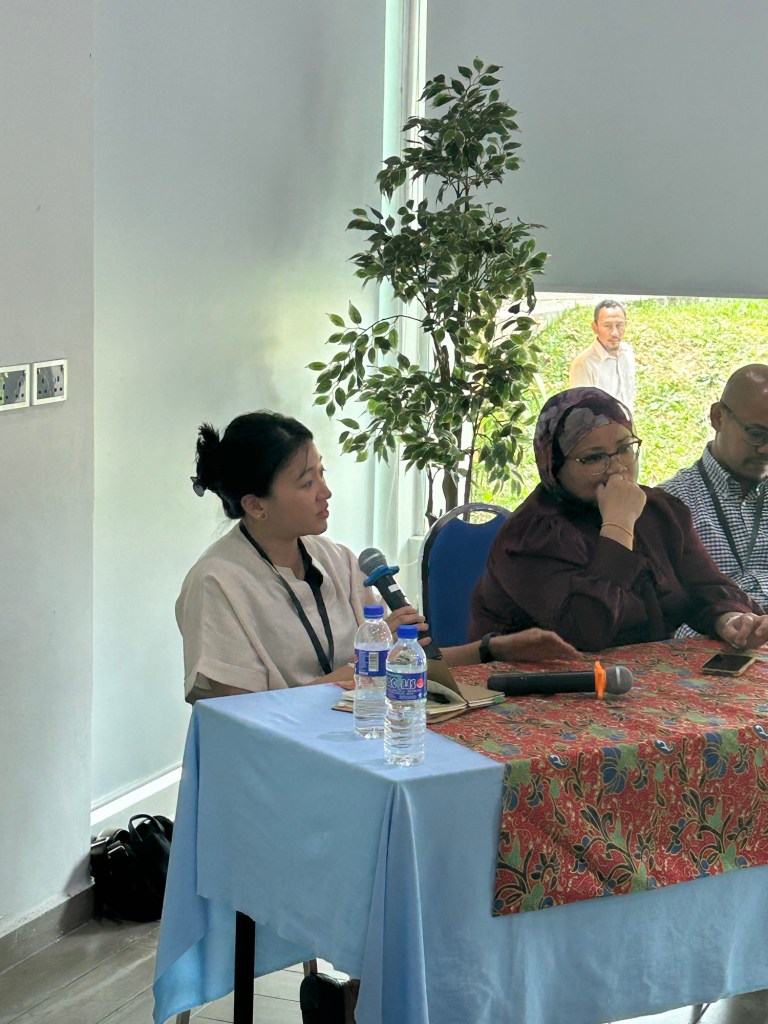

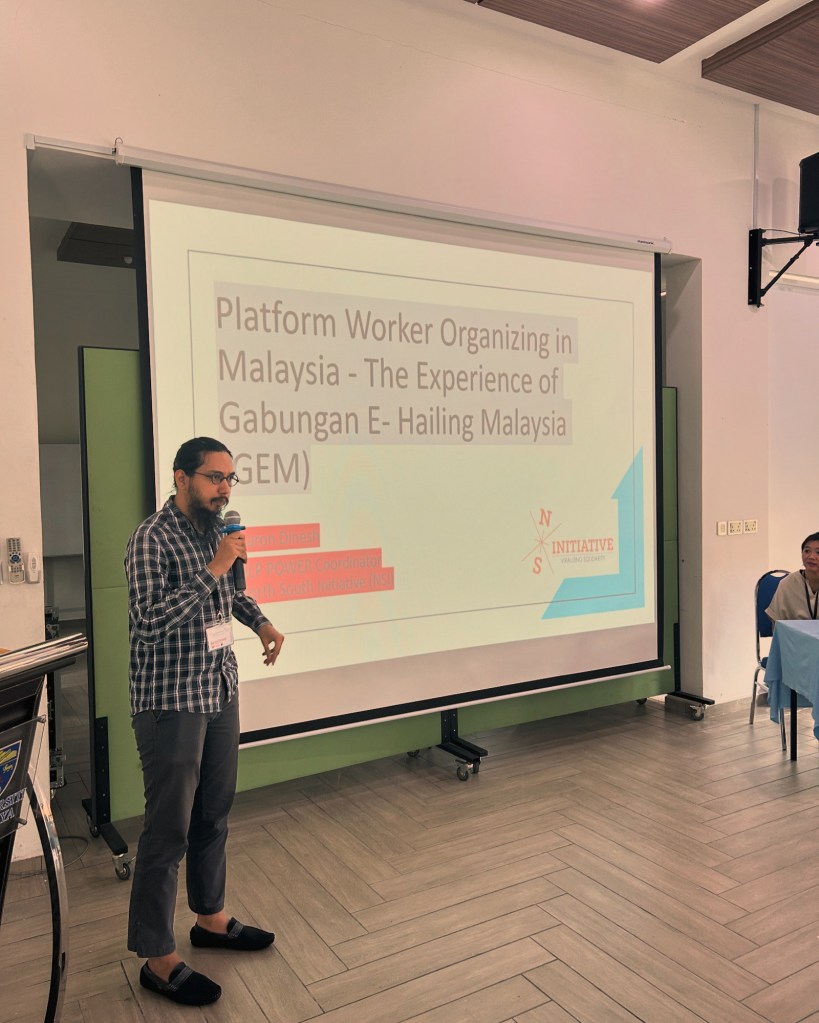
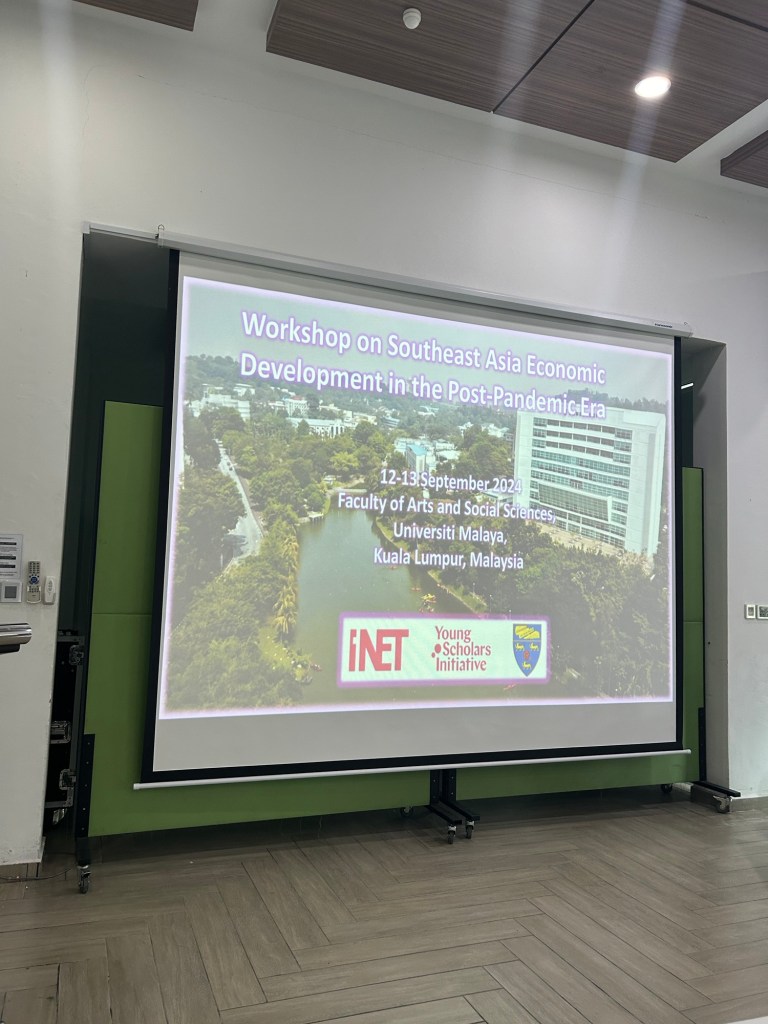
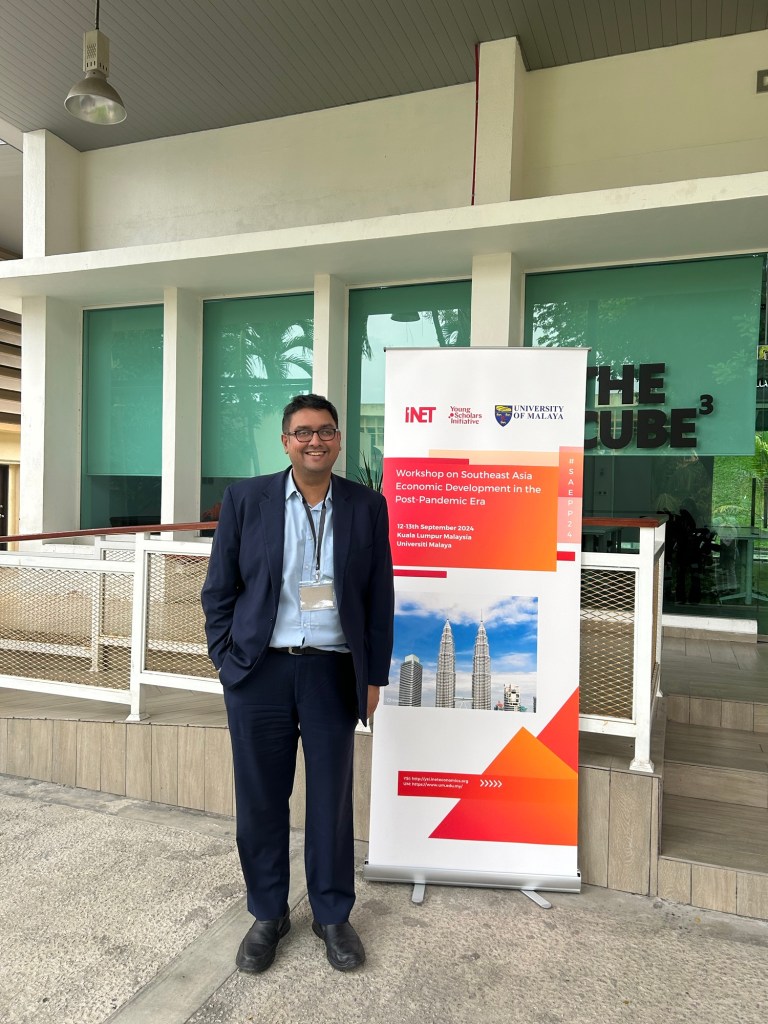
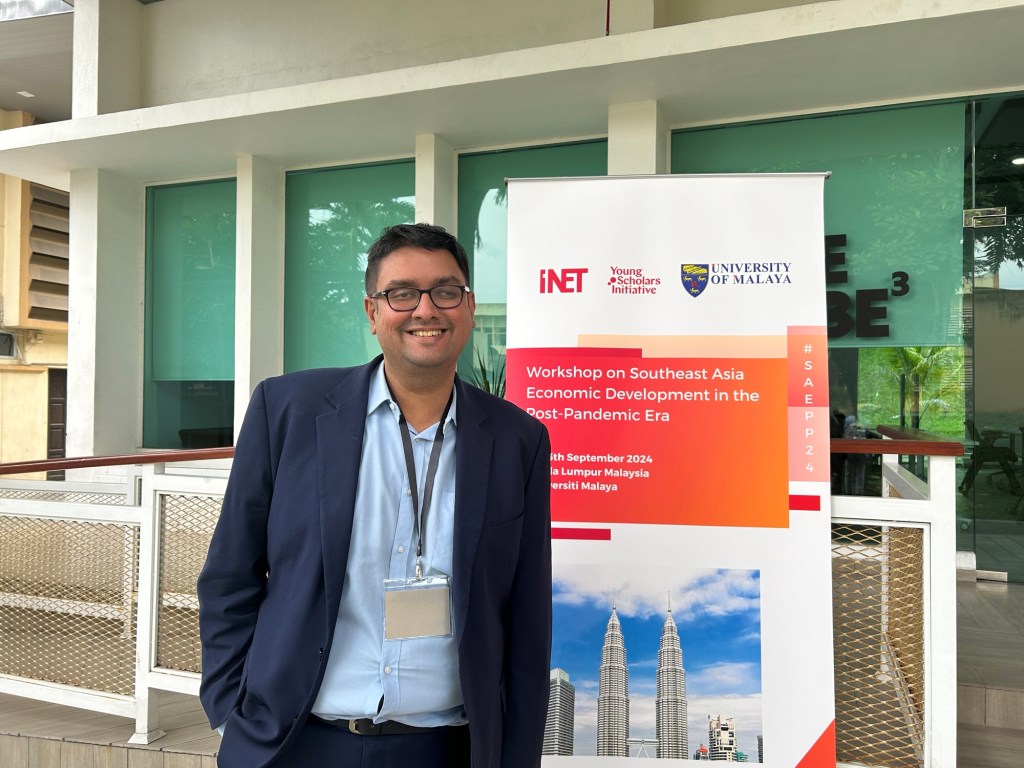
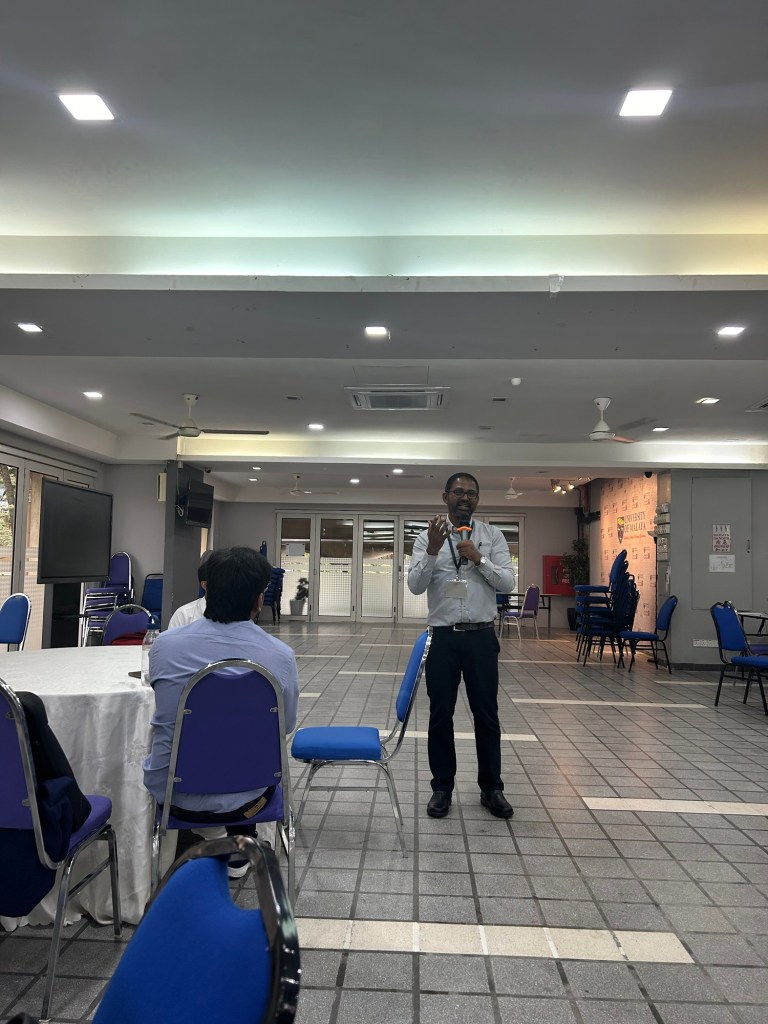
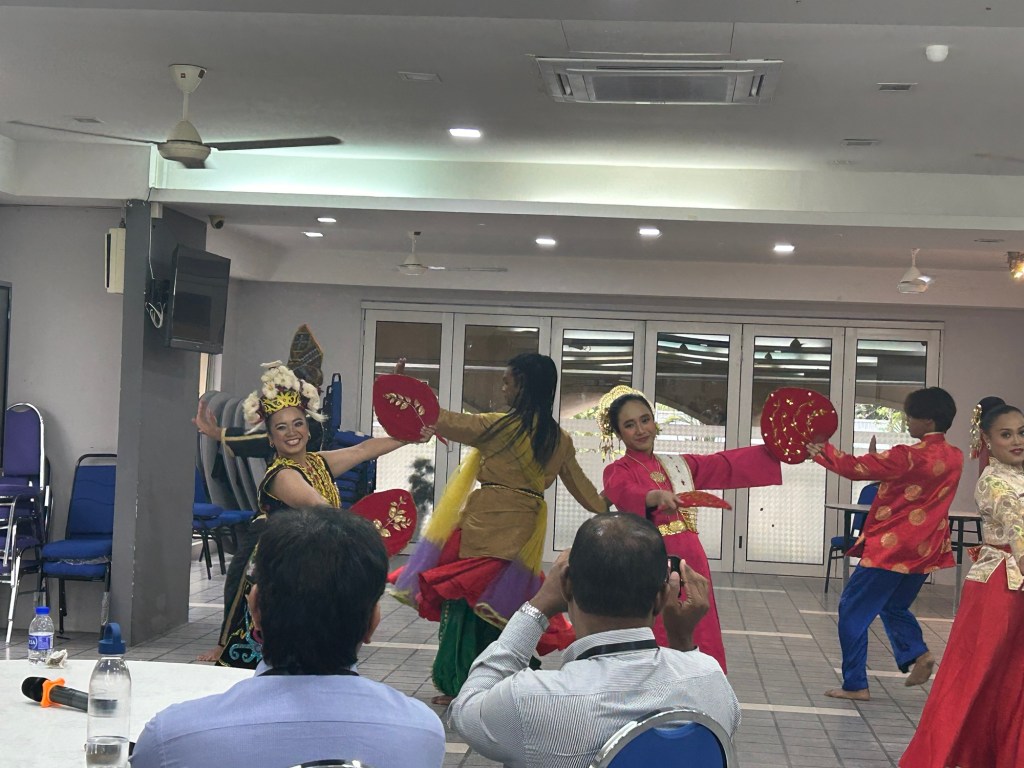
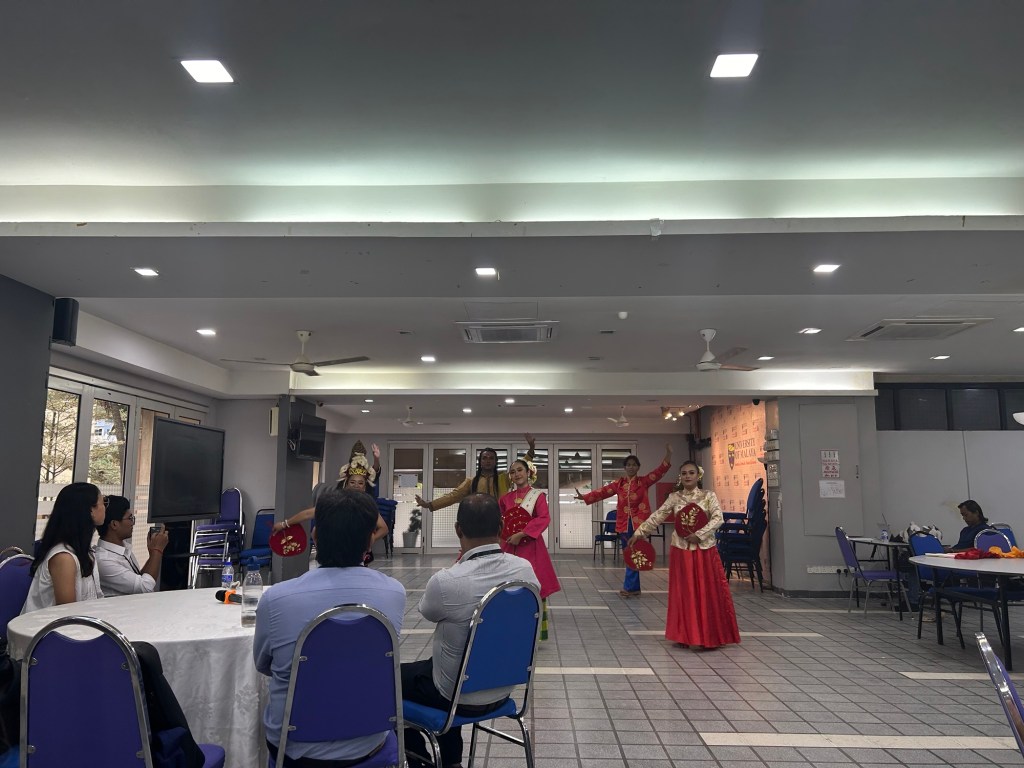
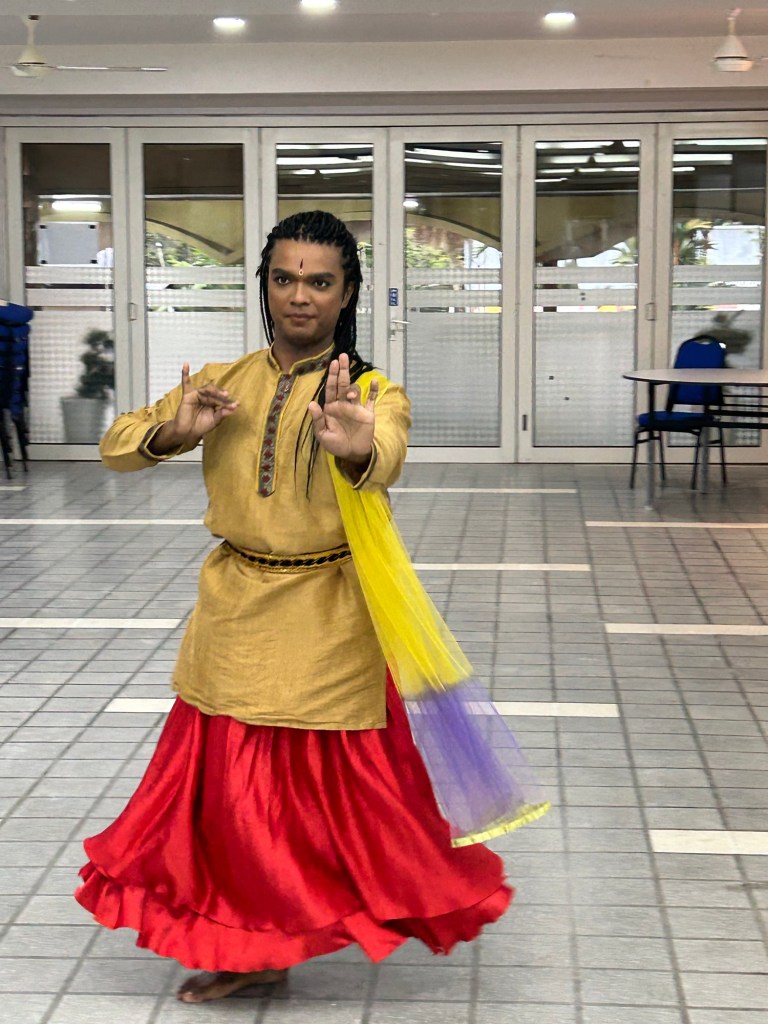
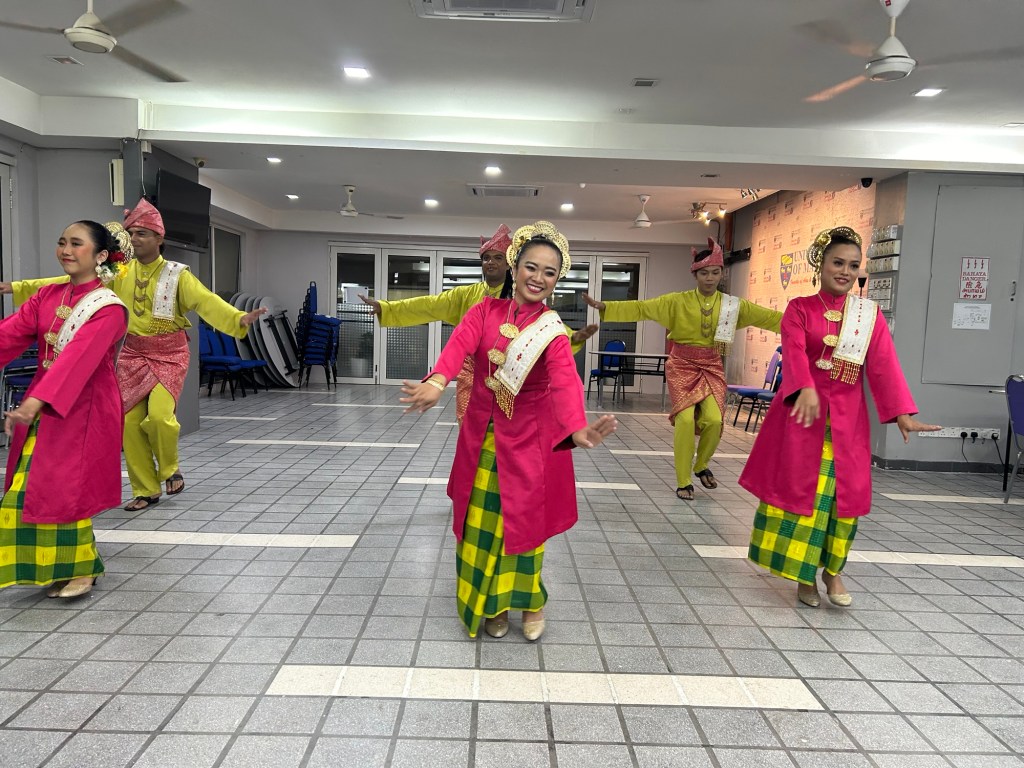


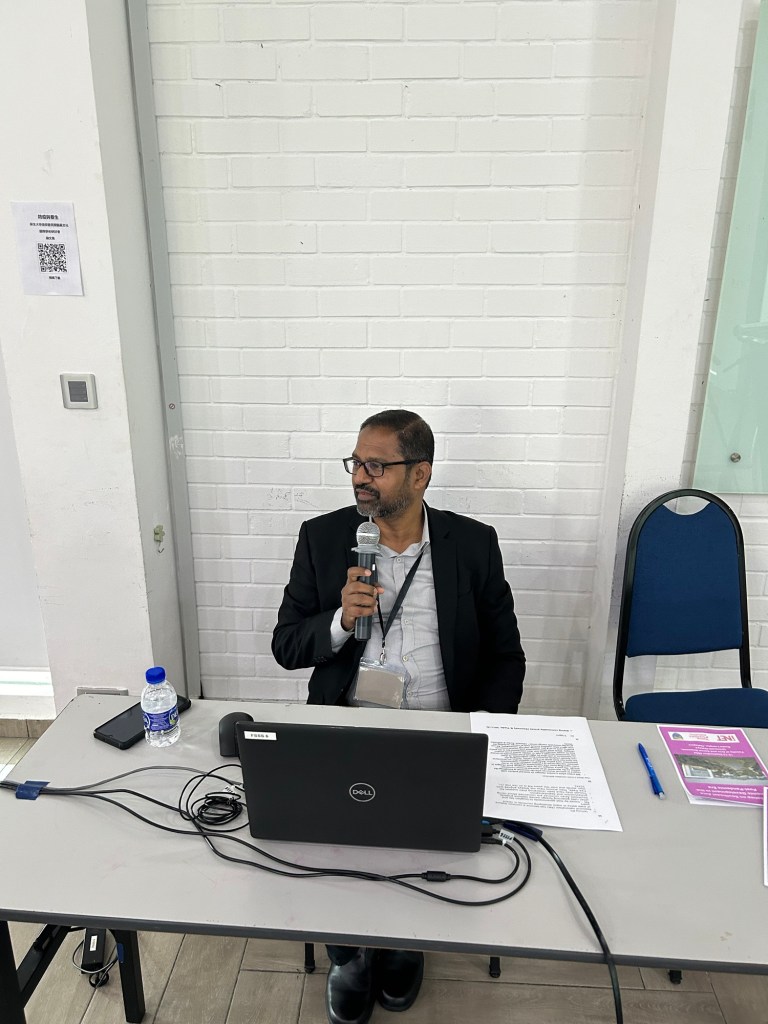

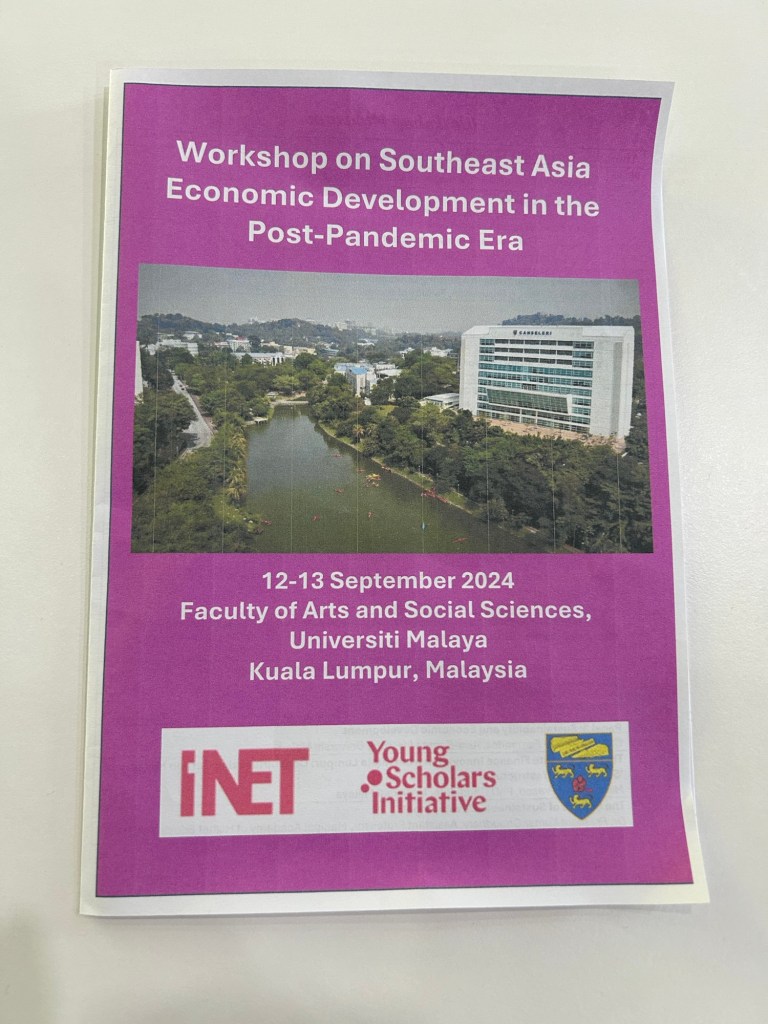

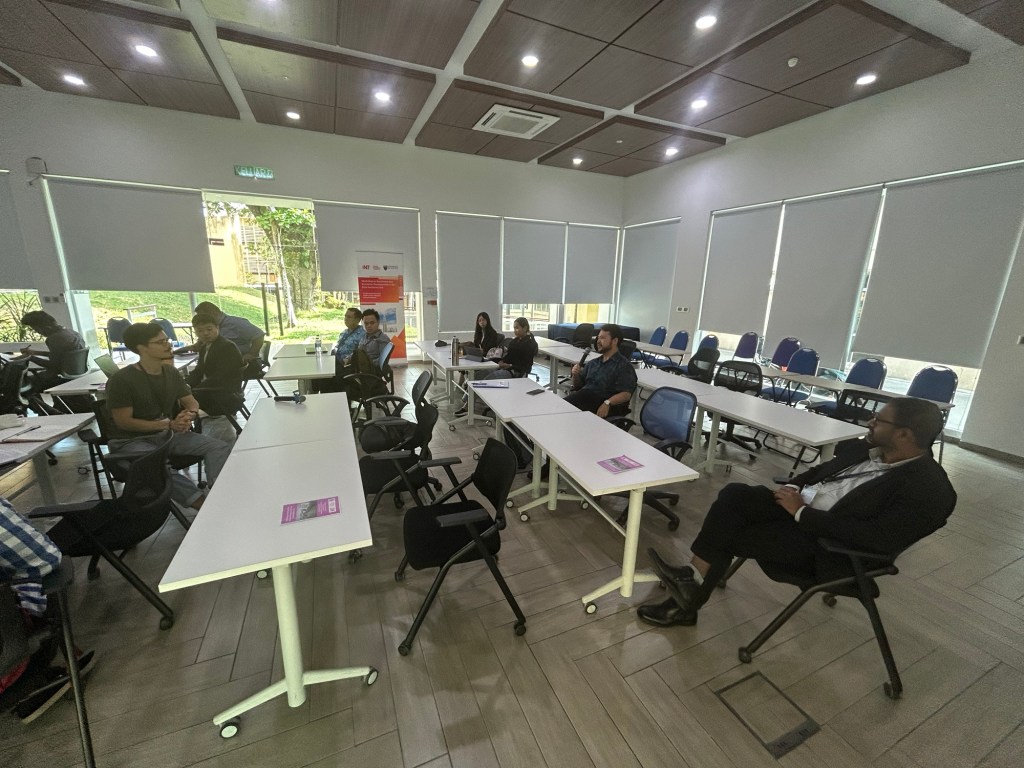


Workshops are opportunities to understand your own work in context relative to one’s field and geography, and this week’s Workshop on Southeast Asia Economic Development in the Post Pandemic Era held at Universiti Malaya in coordination with the Young Scholars Initiative East Asia Working Group from Cambodia.
Workshop was an opportunity to learn from three keynote addresses, and fourteen papers across five eclectic panel sessions from climate policy to socioeconomics to international trade.
Prof Evelyn Devadason spoke about a range of concepts on international trade barriers to Prof Thirunakarasu’s talk on Resource Nationalism. Prof Nanthakumar’s address on econometrics was an eye opener.
Amongst the graduate student presentations that stood out were Ms. Ling Ling Tai’s research with the Zomi Refugee Community in Malaysia to Mr. Denis Teo’s presentation on visually impaired people in the Malaysian workforce, when he is himself a blind person, so thoroughly inspiring. The workshop also gave space to community organisers such as Aaron Dinesh to speak on platform worker organising in Malaysia.
I presented my PhD work in progress on Carbon Markets as Signalling Infrastructure, proposing an ANT based approach towards thinking with/from Climate Capitalism.
We had participants and speakers from Holland, Portugal, Nigeria, Pakistan, China and India. The Policy Intelligesia from ISIS and ASB also participated actively in Malaysia in the workshop discussions.
A special thanks to Kosal Nith Sereyroth P. and the YSI team for their financial and logistical support in putting together the delightful intellectual feast. The UM SEAS Department team did a fantastic on ground support towards the successful delivery of the international workshop.
I learnt so much from MCeeing the workshop as well as helping to putting together the event over the past six months.
If Bangladesh wants to remove Tagore and other so called Hindu influences, let them do that as it is their will to do so. Even rejoin Pakistan, may be?
It will only solidify Hindu Nationalist sentiment in Bharat, and this is the best gift to the BJP ahead of many important state elections such as Maharashtra, where the treatment of Hindus is already an issue in Nashik and Ratnagiri.
The post partition is a brutal simmering reality of the everyday in many parts of South Asia.
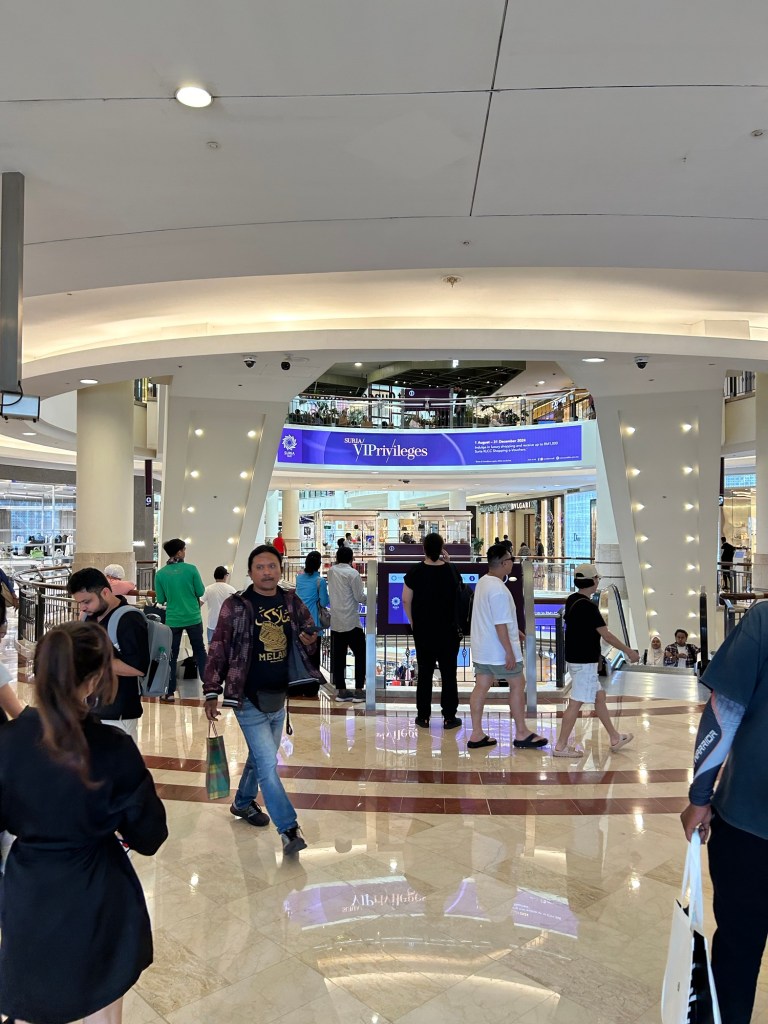
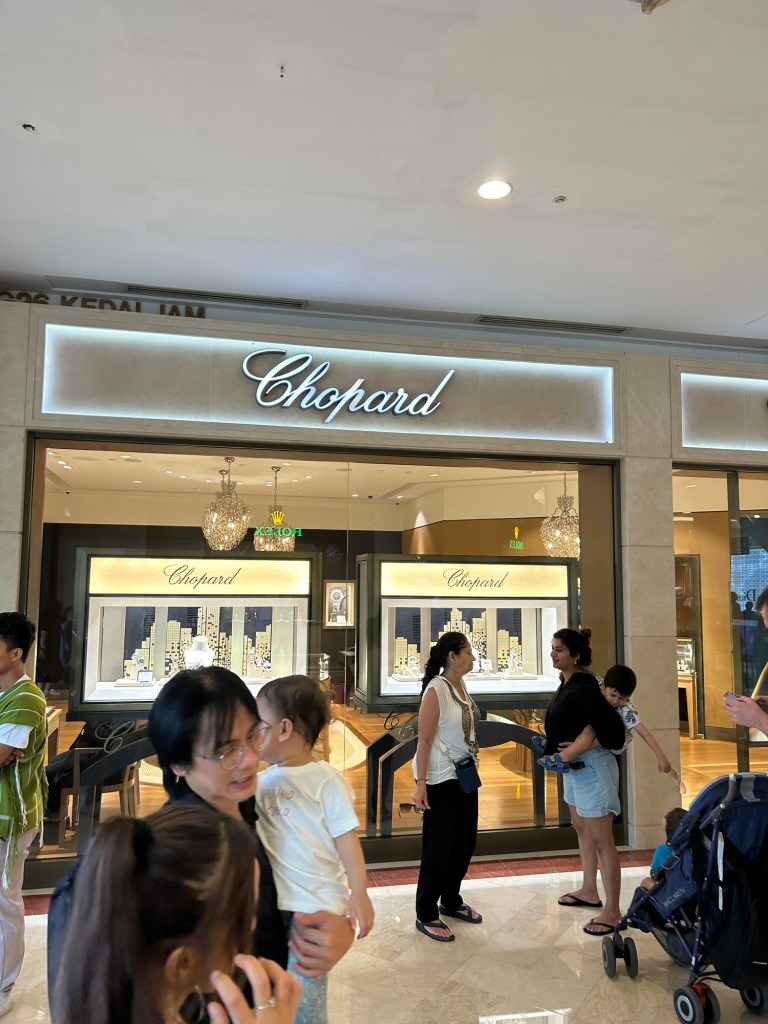


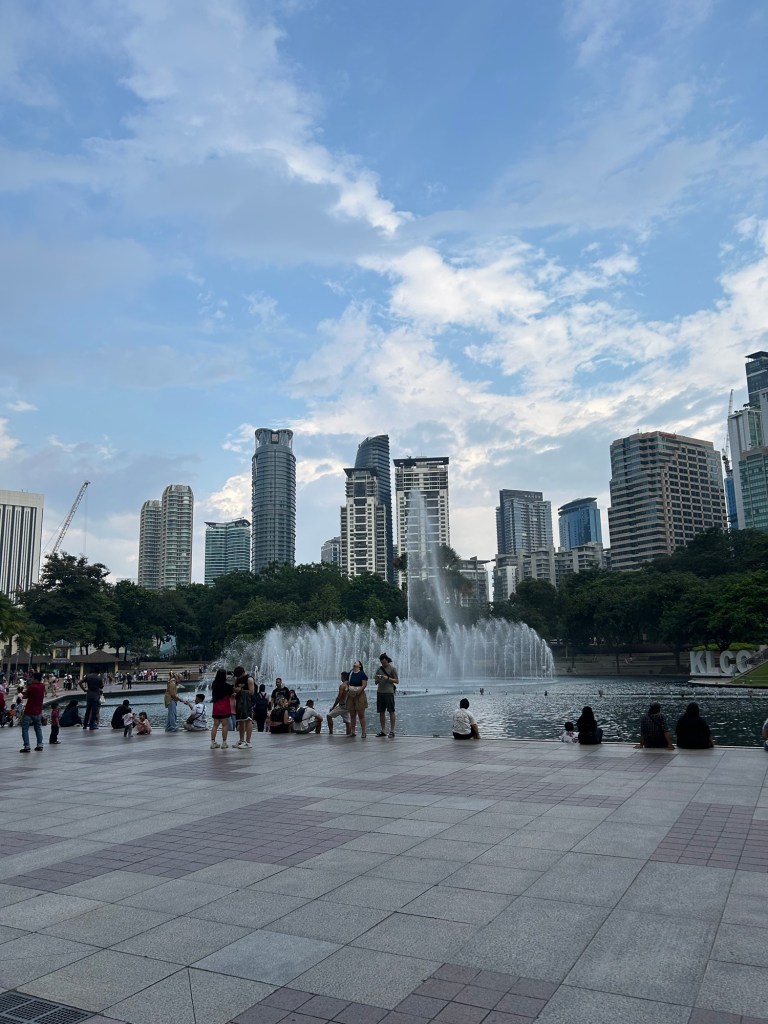


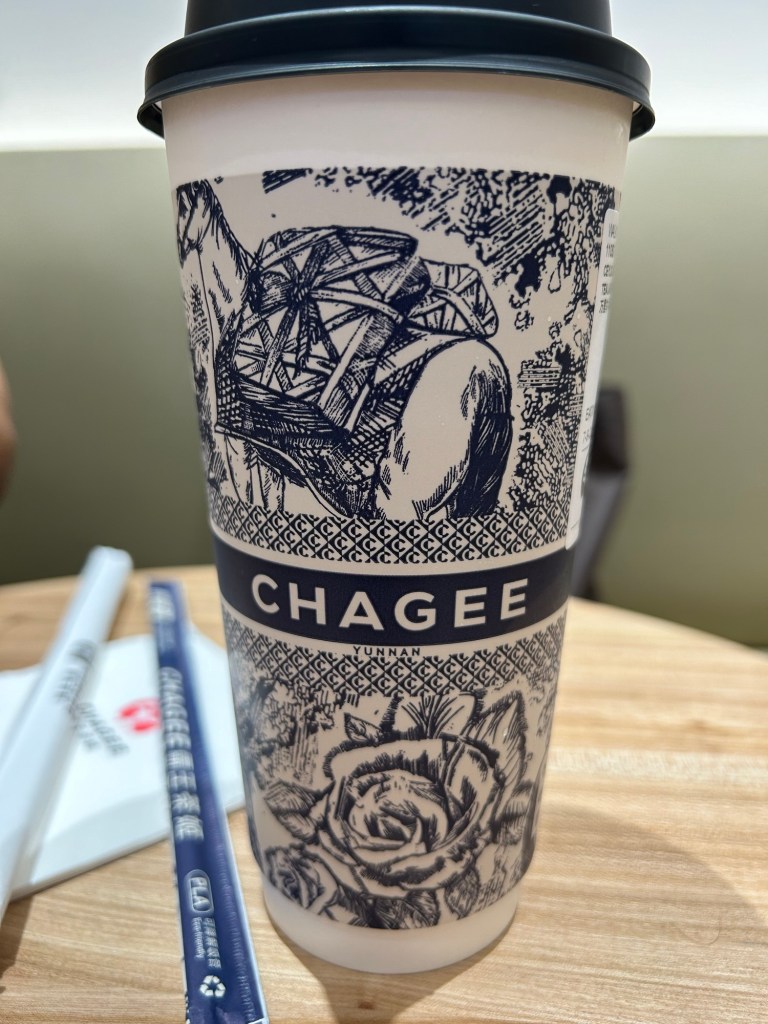
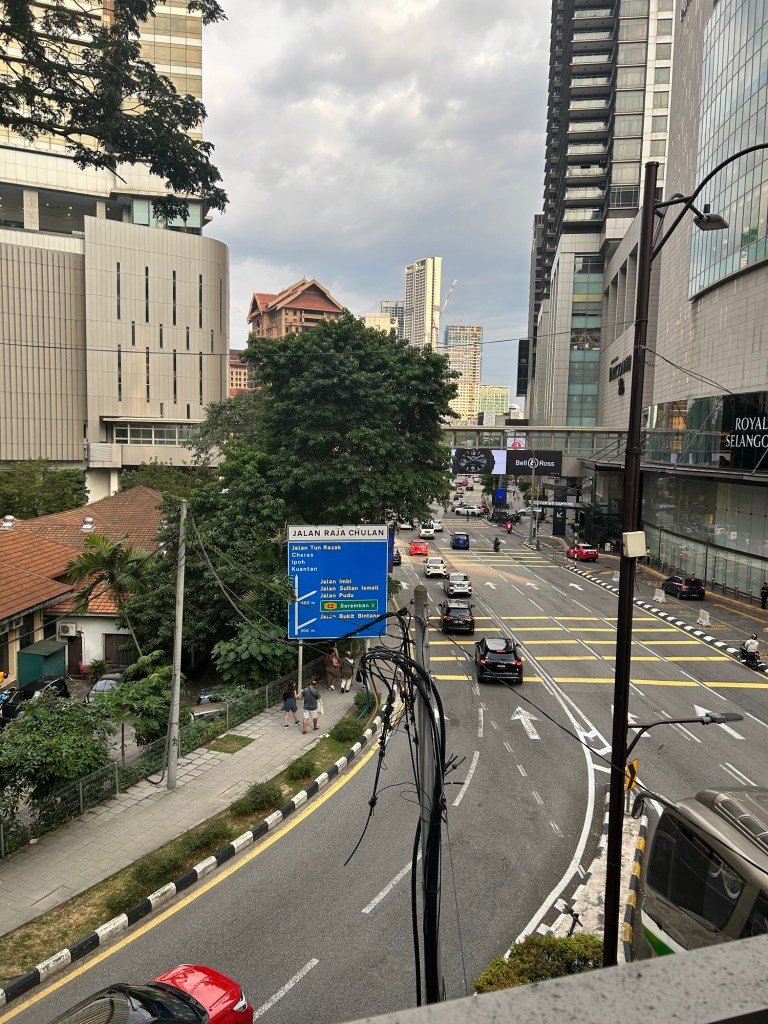

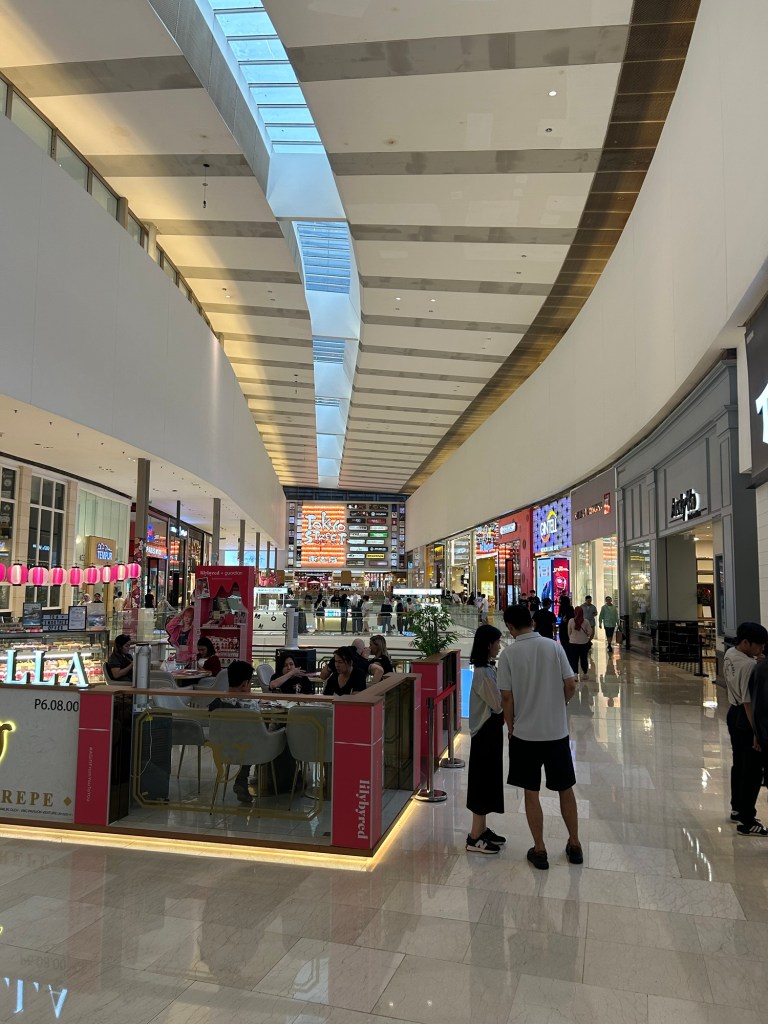

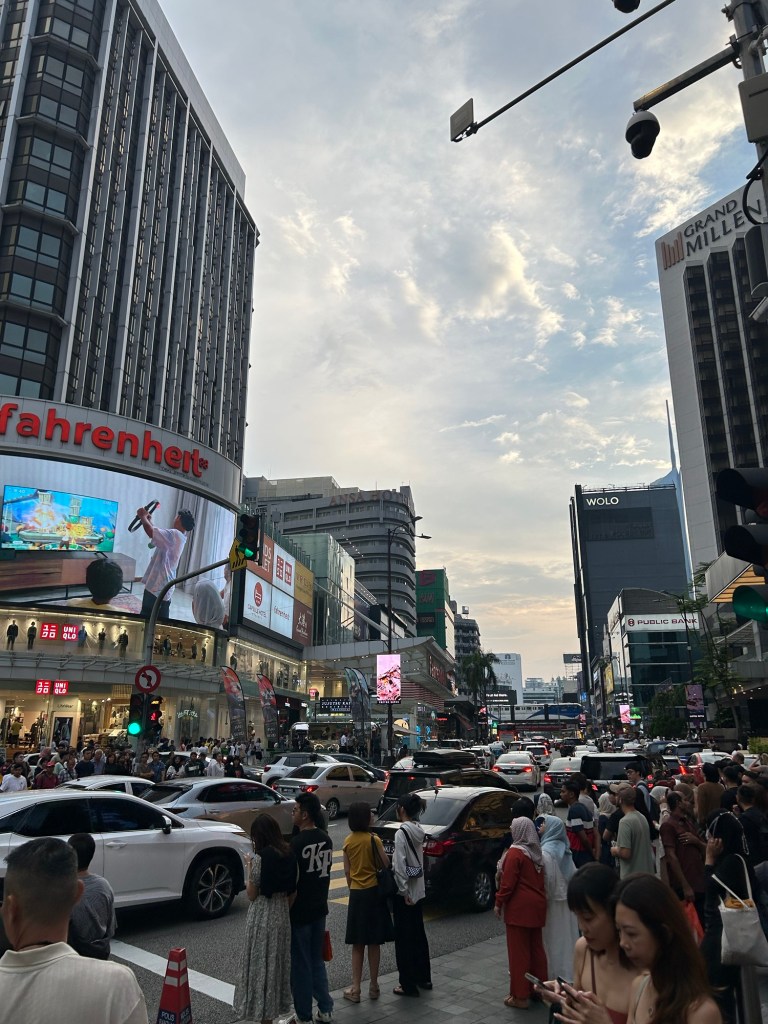

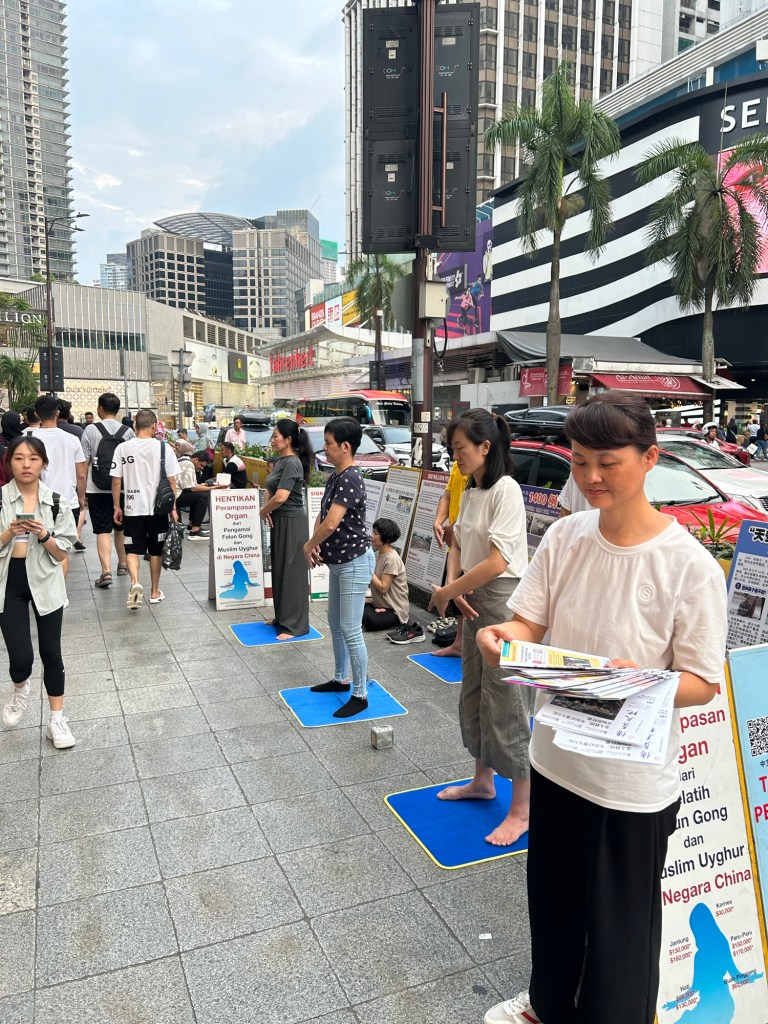


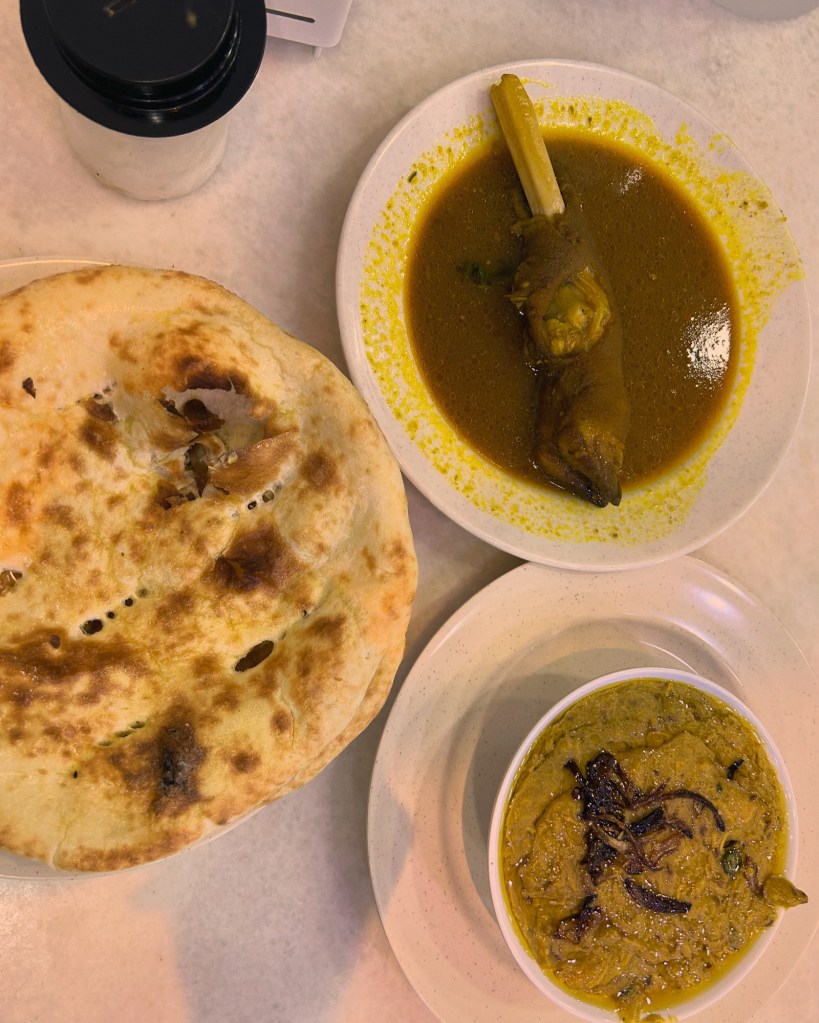
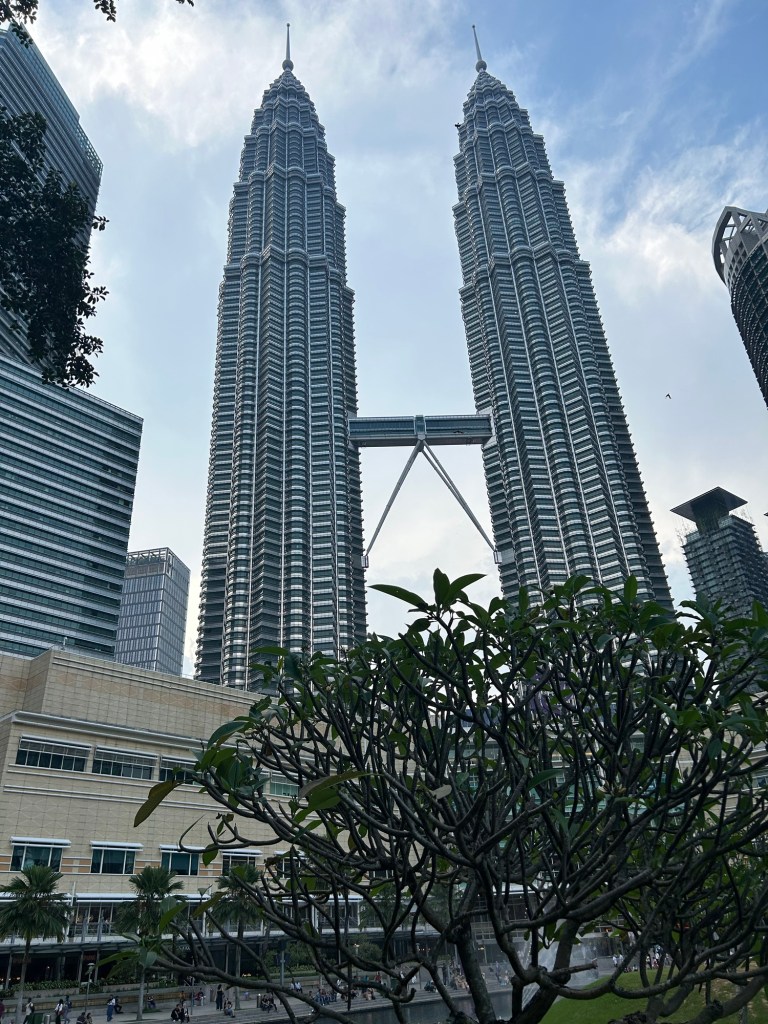


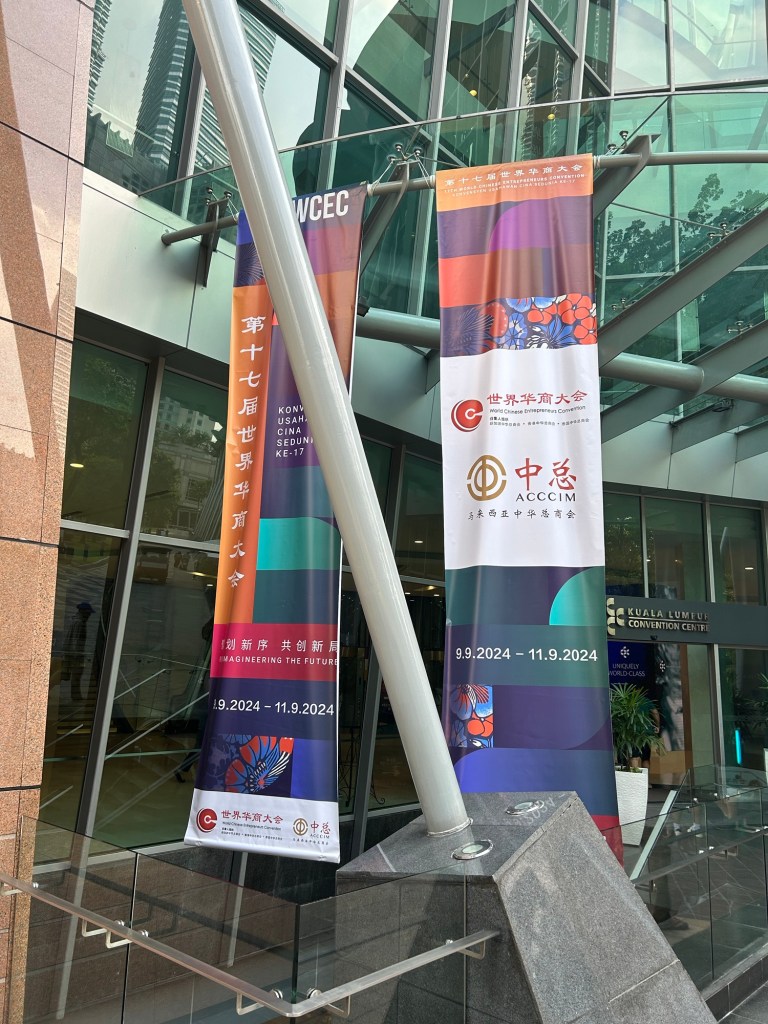

KL is an underrated city, as a melting pot of the global south.
Life becomes a much better place to live when one has clarity of purpose, and one is not a slave to the resume. Nothing of impact has come has been done by the performance of the resume. It is an outcome KPI, not an input just like sustainability reporting. Folks feel that doing reporting is doing real sustainability.
 Change Thinker