









Through the Highways of Globalization
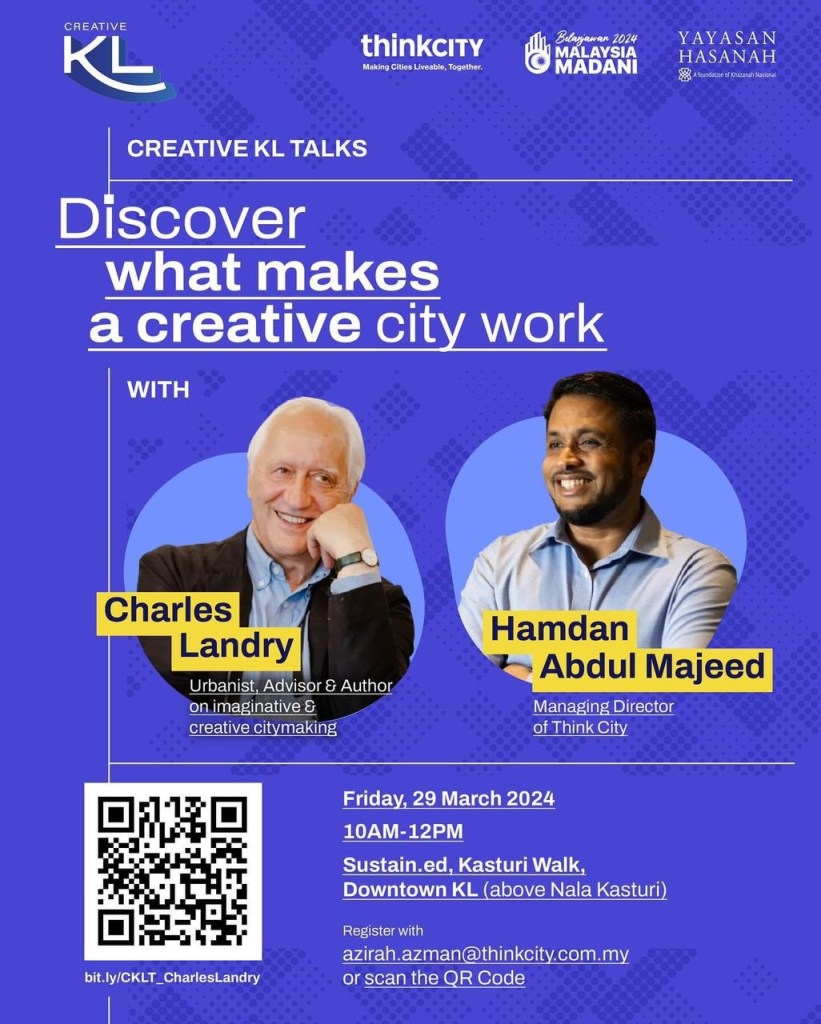
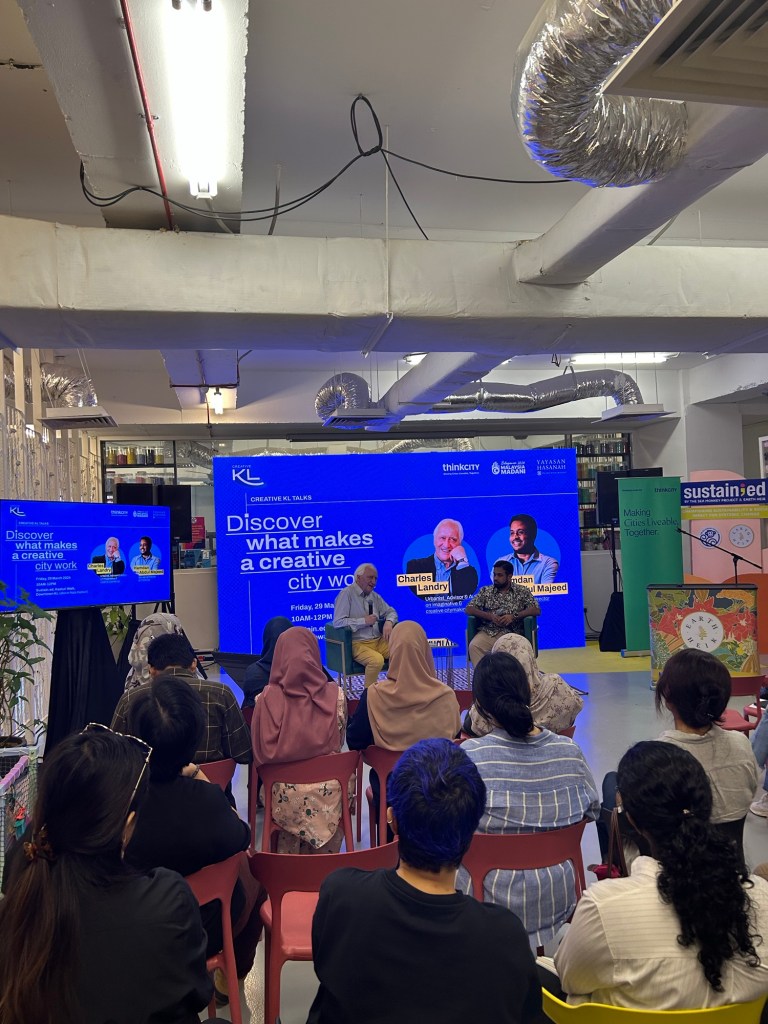
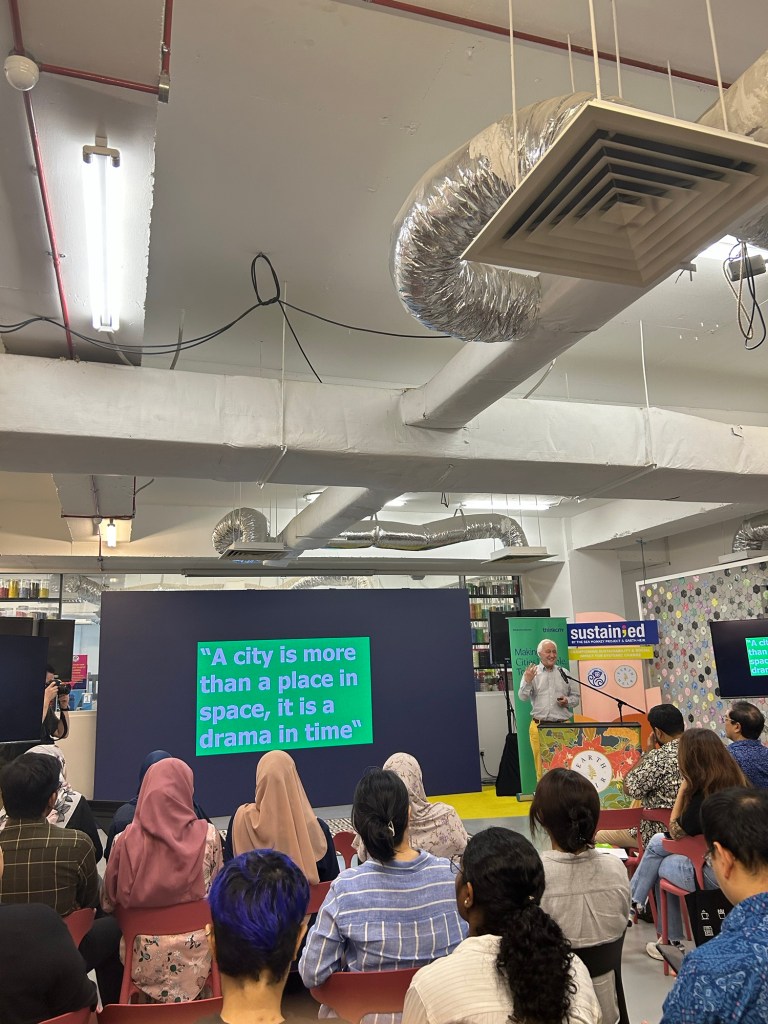
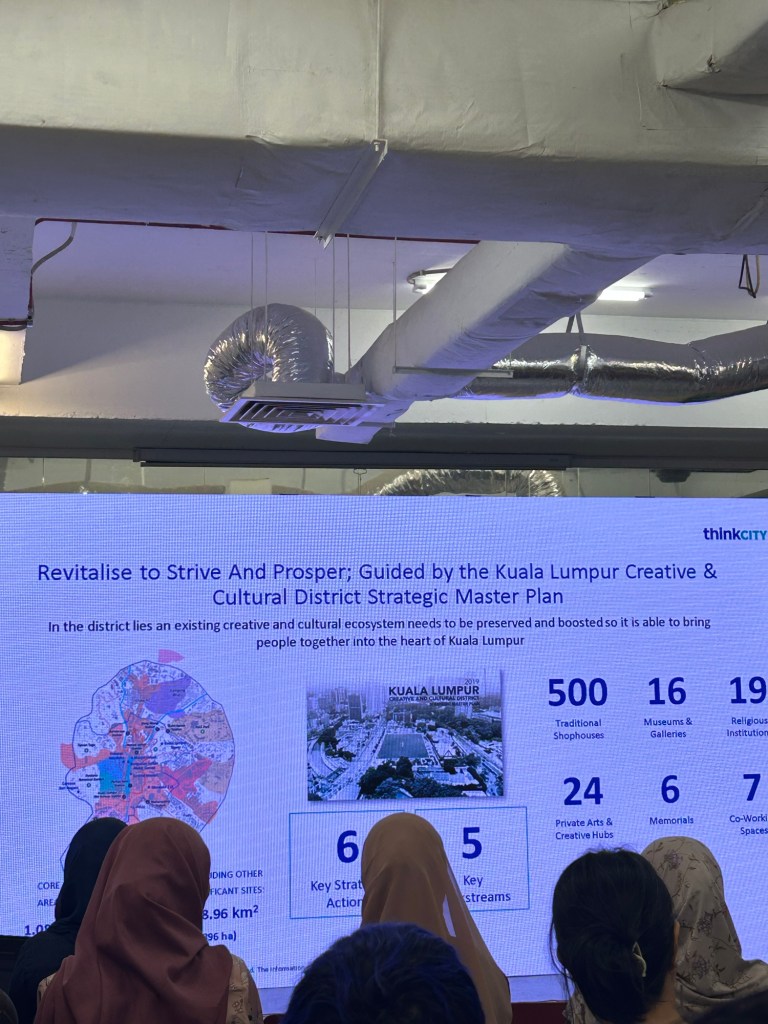
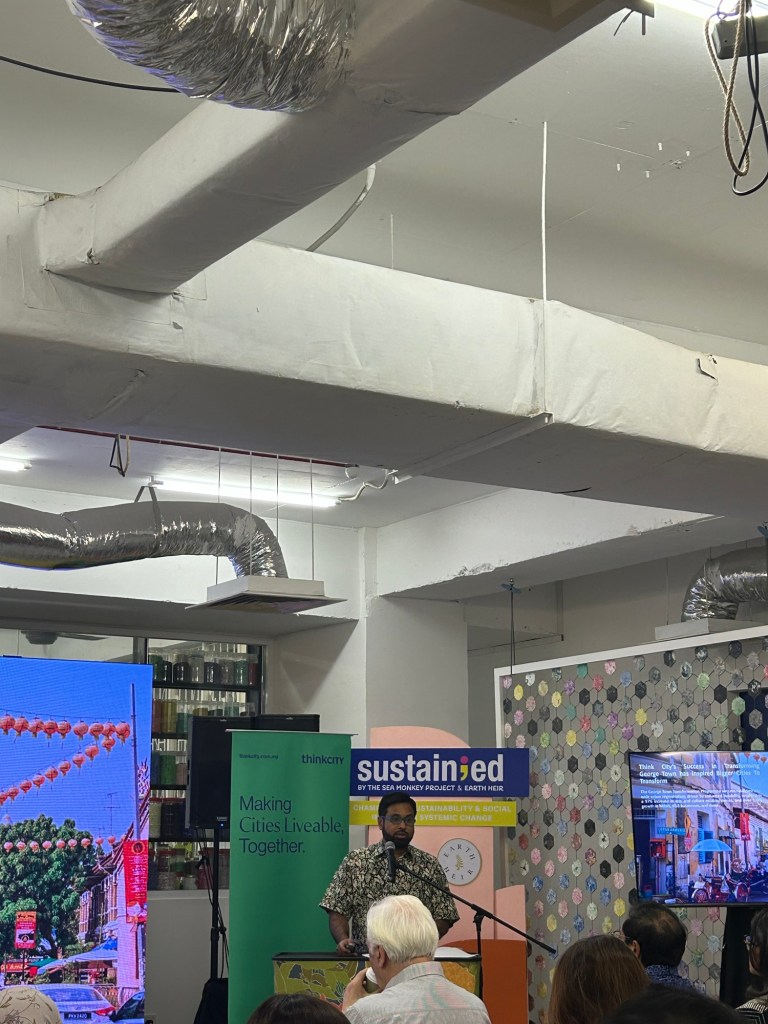
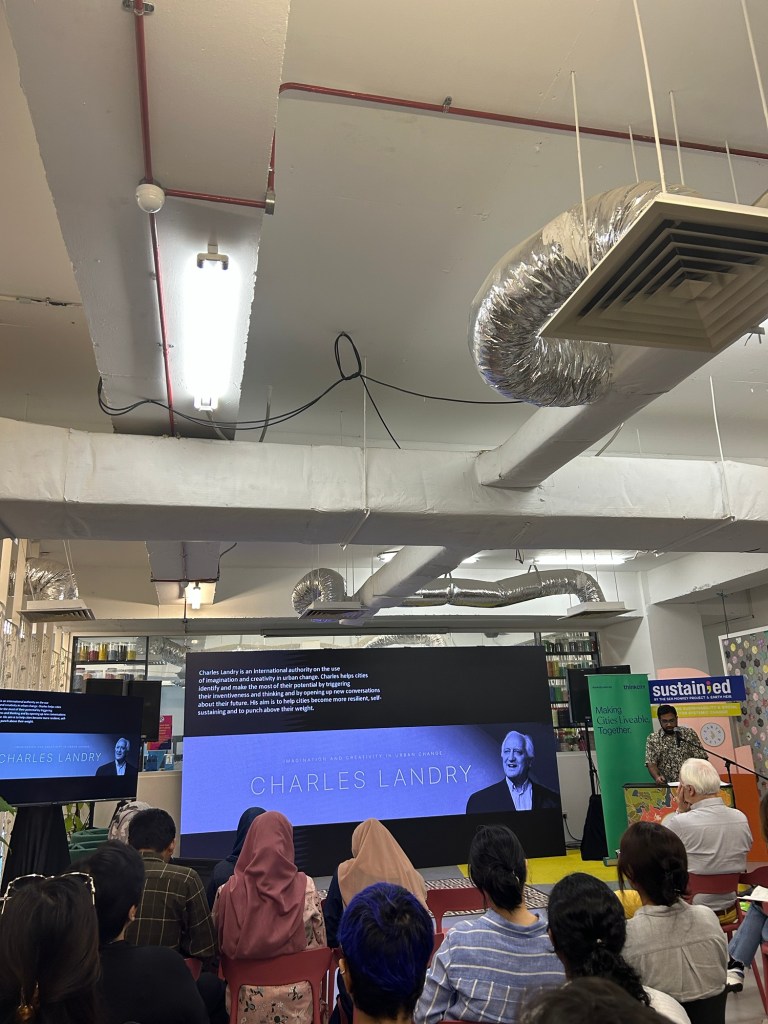
A master class on creative city making by the Urbanist Charles Landry by Think City as a part of their Creative KL talks.
As an environmental and social planning practitioner I have been interested in the urban question, and having read the global cities class at NUS geography in the coursework phase that I completed while working on a SSHRC project.
The key takeaway is the notion of intimacy in cities which is social capital, and how to promote it through the existing heritage in the city.
The audience questions were tough and excellent. How does the idea of the creative city accommodate the homeless? And the urban is a work in progress and does accommodate the good, bad and the ugly as the Think City Honcho, Abdul Majeed quipped.
The civil society ecosystem in KL with its independent bookstores are an understated gem of its creative ecosystem.




It was a privilege to visit the SDG think tank at Sunway University in Kuala Lumpur and learn of its powerful policy research programmes. A special thank you to Mr. Yi Jian for the generosity of time.

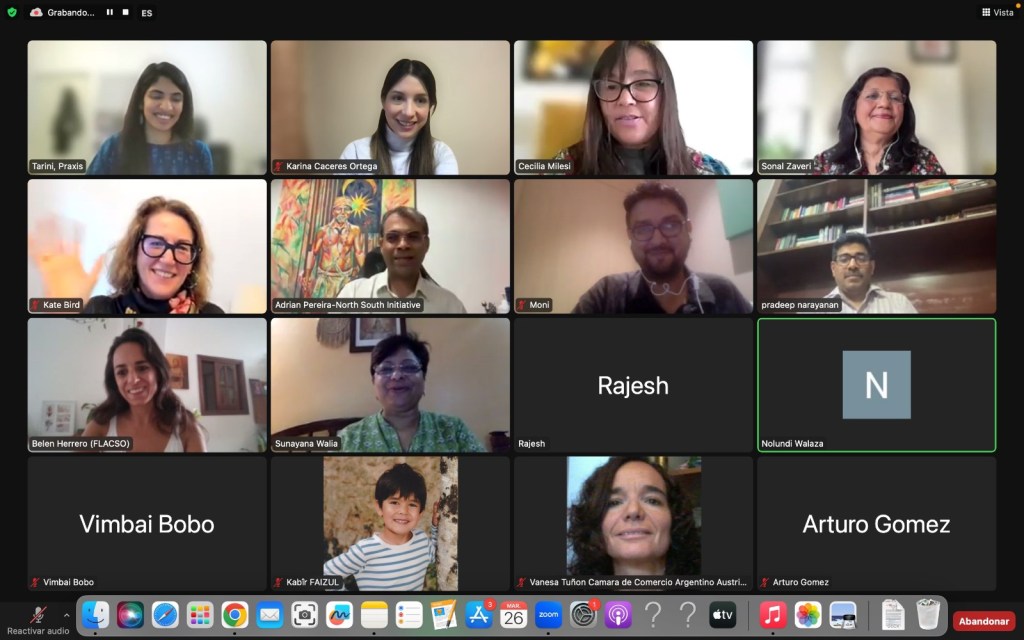

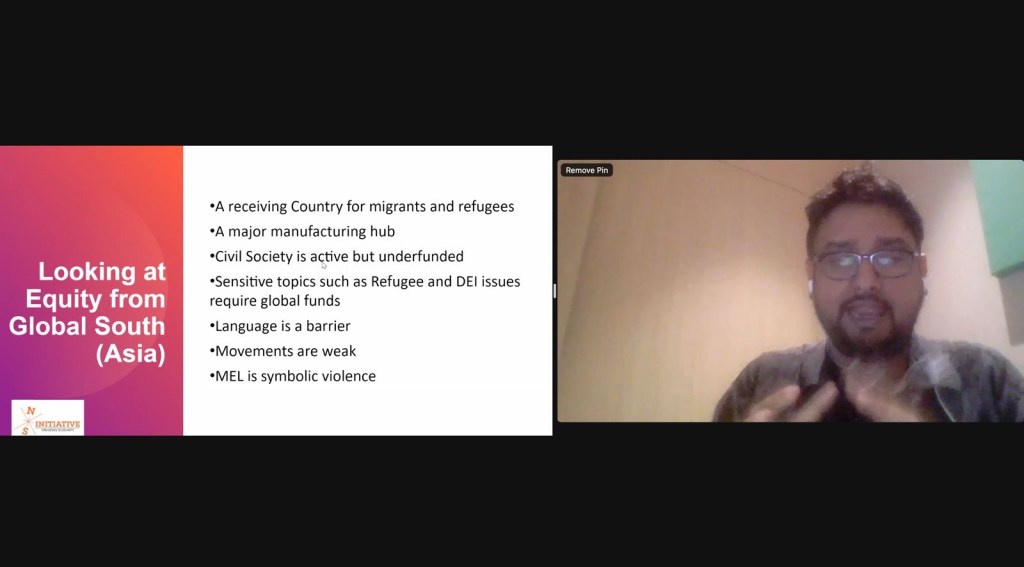
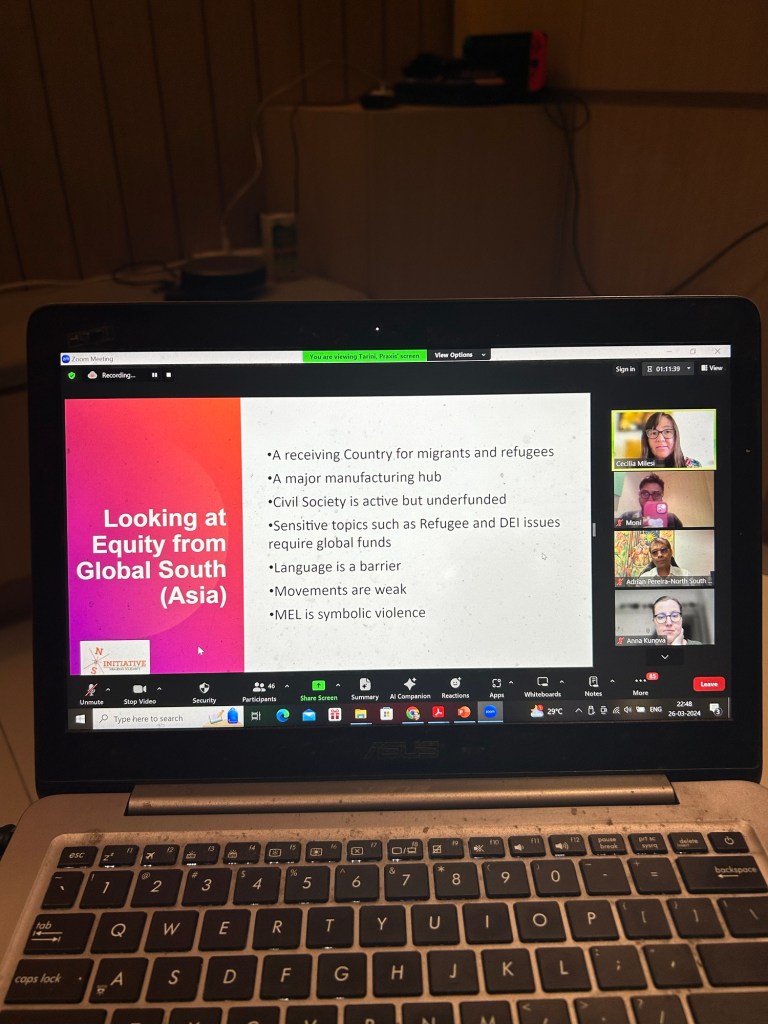
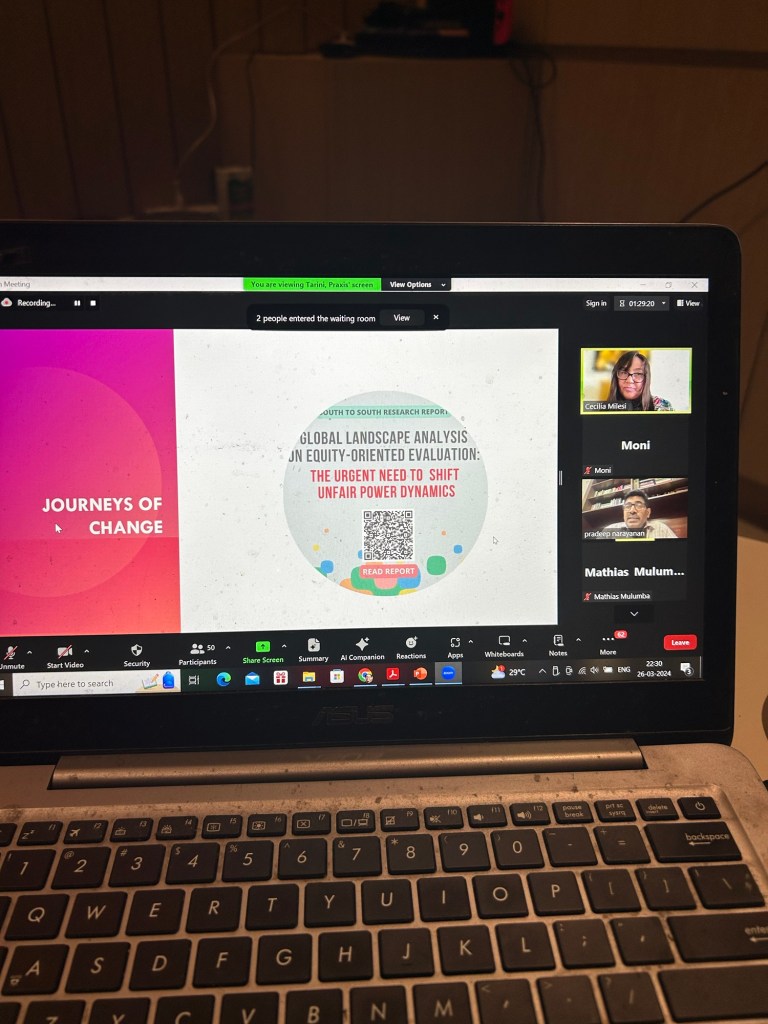

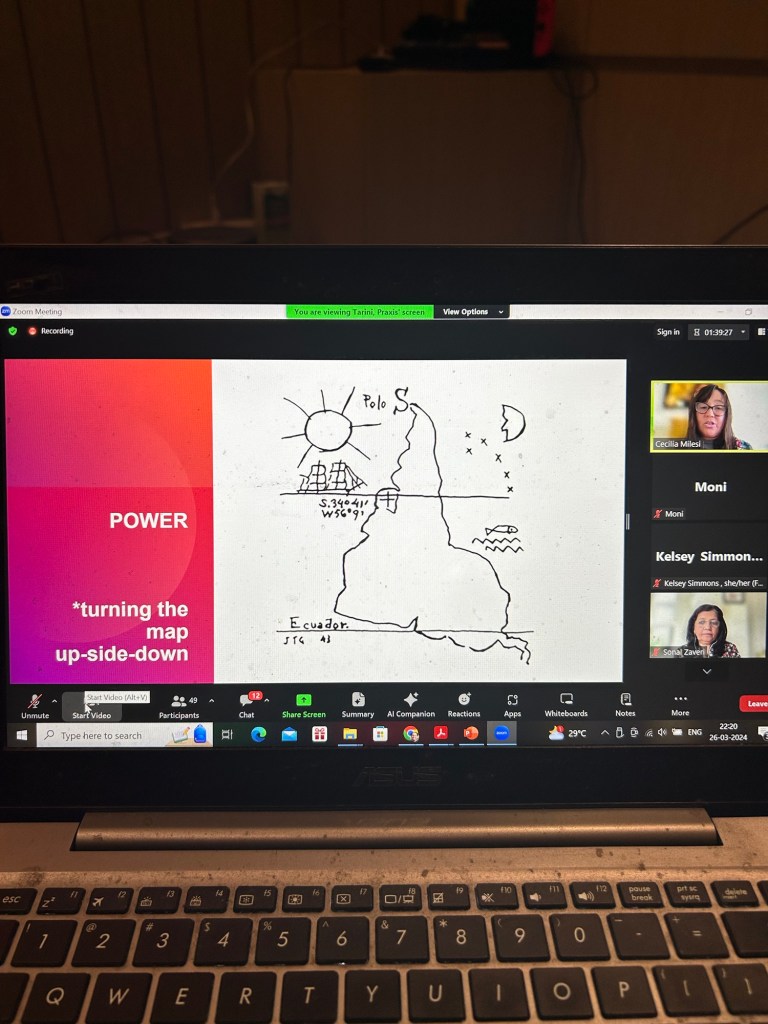

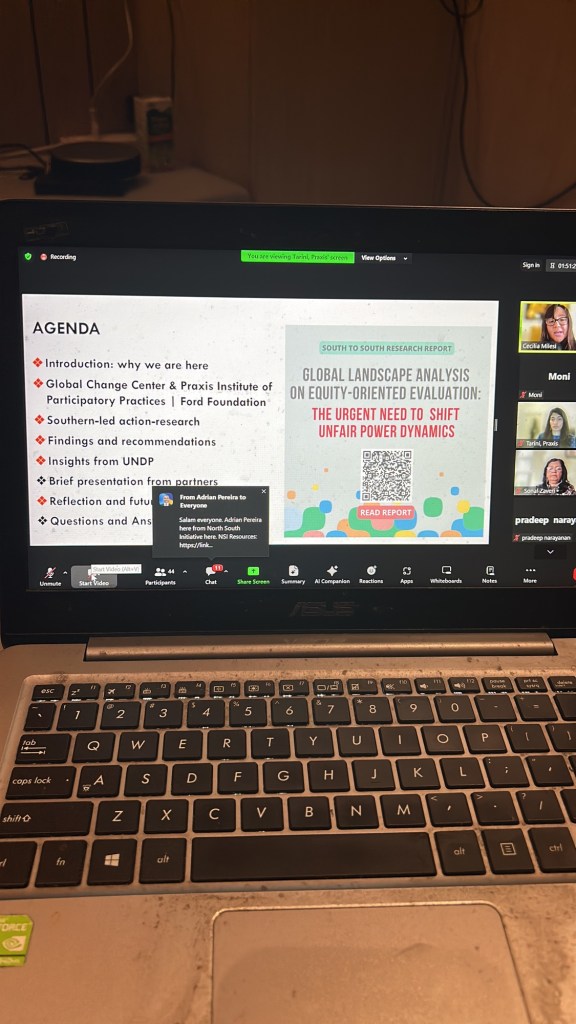

An example of how action research work across boundaries can be carried out, with six research partners and two anchor research organisations in a collective supported by Ford Foundation on Equity in Evaluation, over 1.5 years. Some major names of the International Development space from Argentina to Cameroon to South Africa were a part of the collective.
The North South Initiative in Malaysia was a part of the collective, and with the blessings of Mr. Adrian Pereira I was able to pitch in- in what is a career milestone in many ways. I was in a low phase personally with multiple setbacks when the program started including my Mothers health.

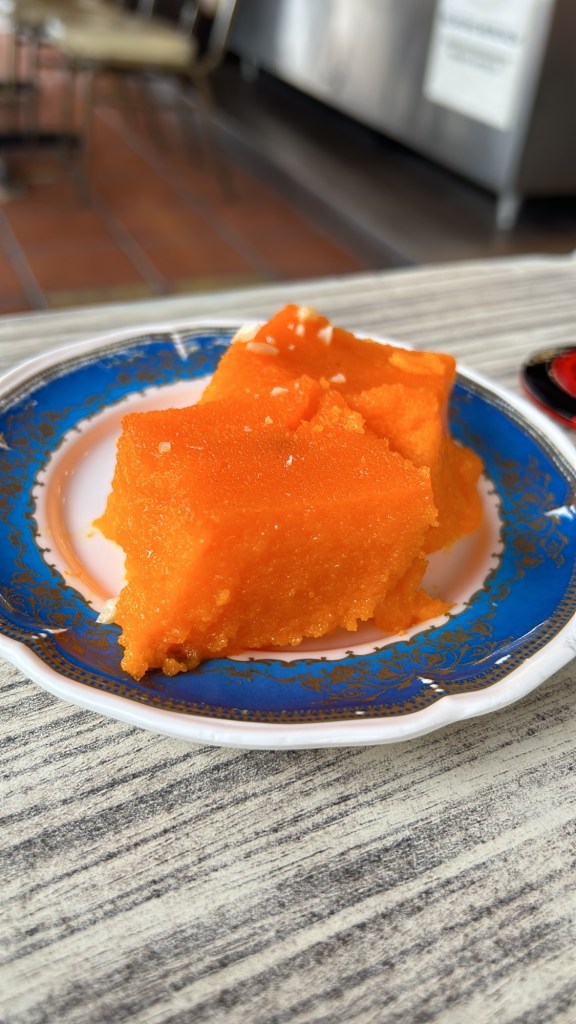
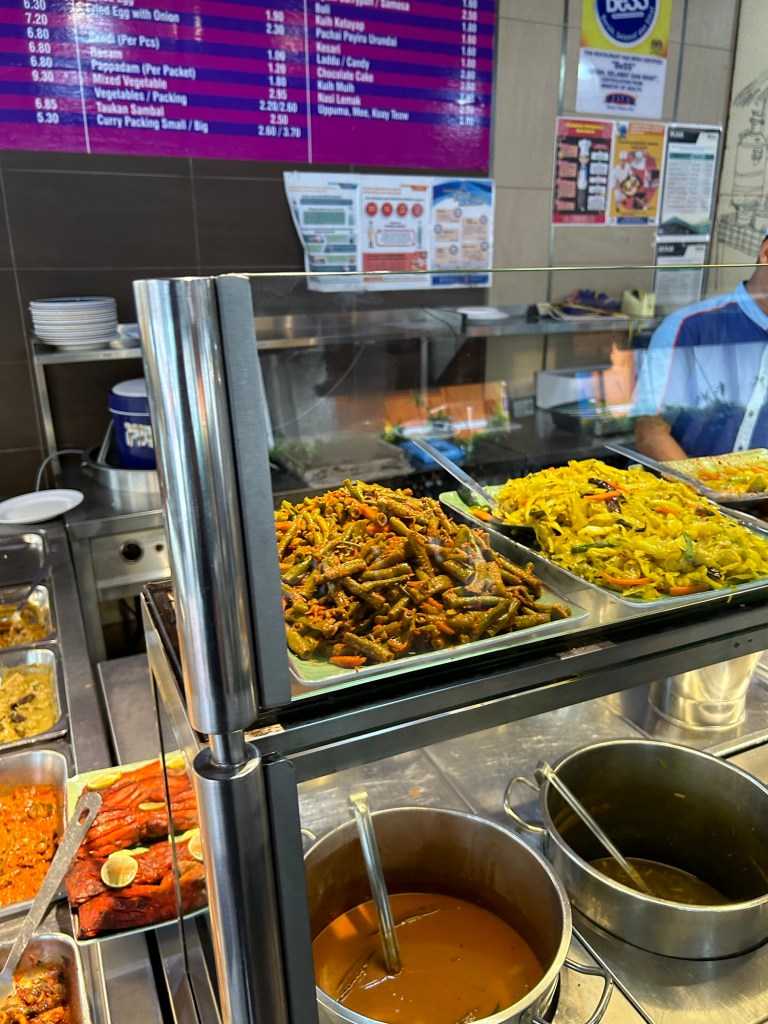
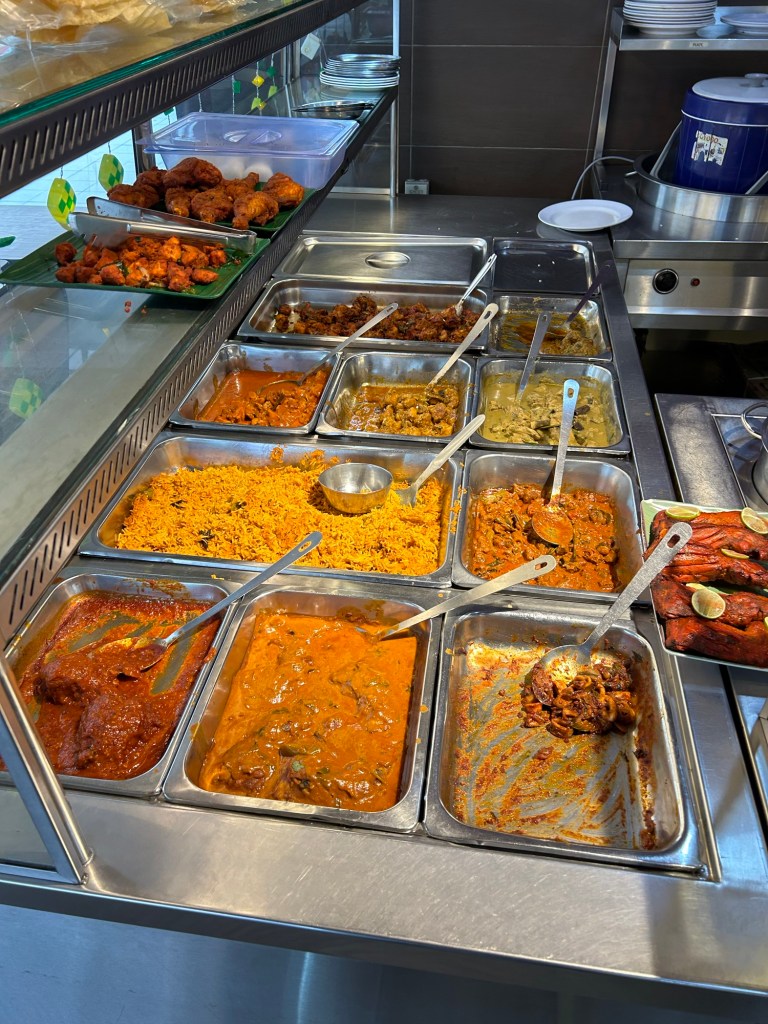
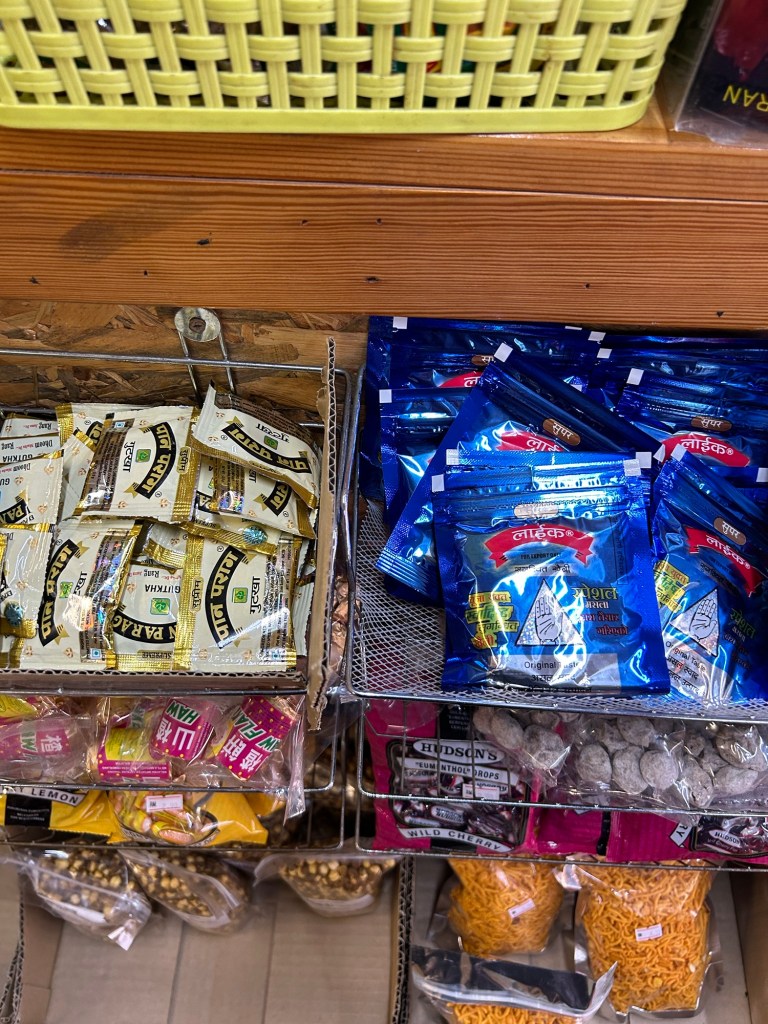

Holi/Day 2024, PJ
I walked in to a Hindu Diaspora Supermarket, and was pleasantly greeted by the staff who is from the badlands of UP, came to Malaysia through an agent via Thailand. The working class in North India is slowly making its way to Malaysia and the Gulf for jobs which were popular in Kerala and Tamil areas in a previous era. The barber from Delhi greeted me as well.
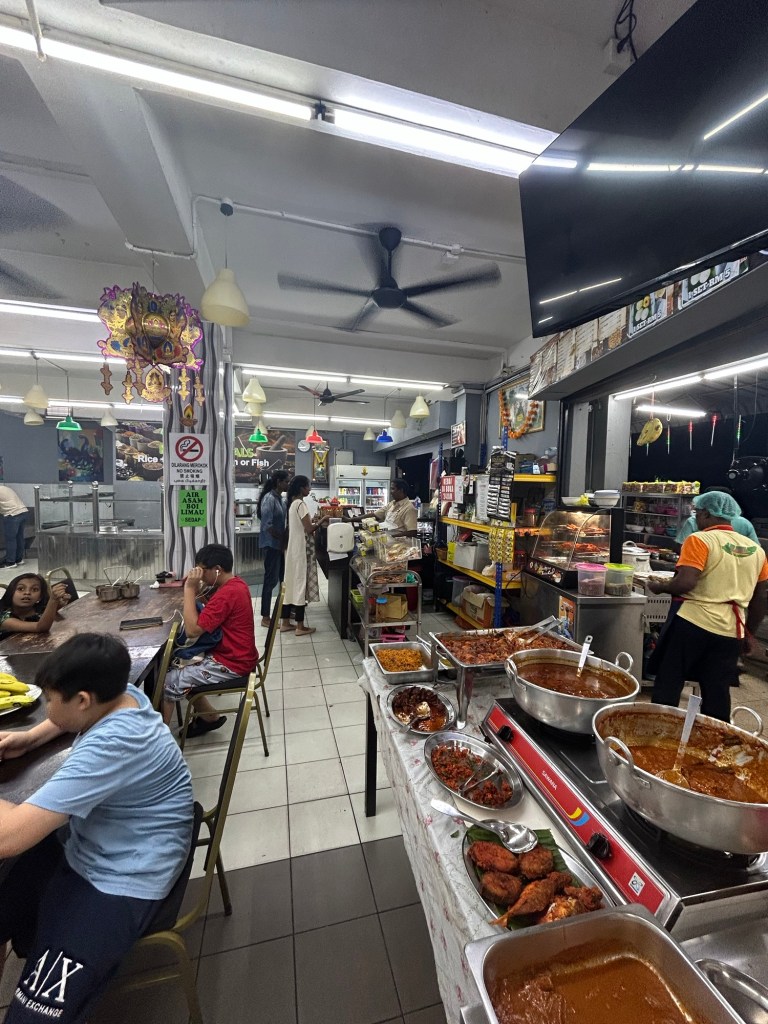
In another Tamil Hindu Restaurant, Happy Holi greets me from a migrant worker from Tripura, who is looking forward to head back home. He said that he was home for Holi last year which struck a chord. I was home last year as well.

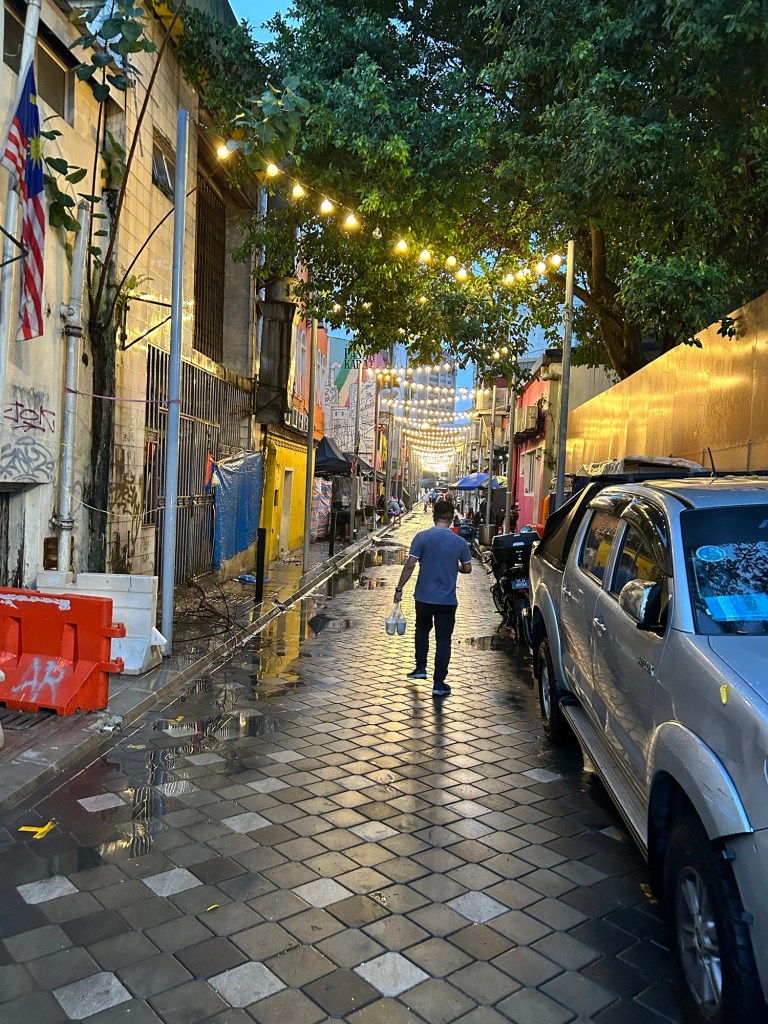
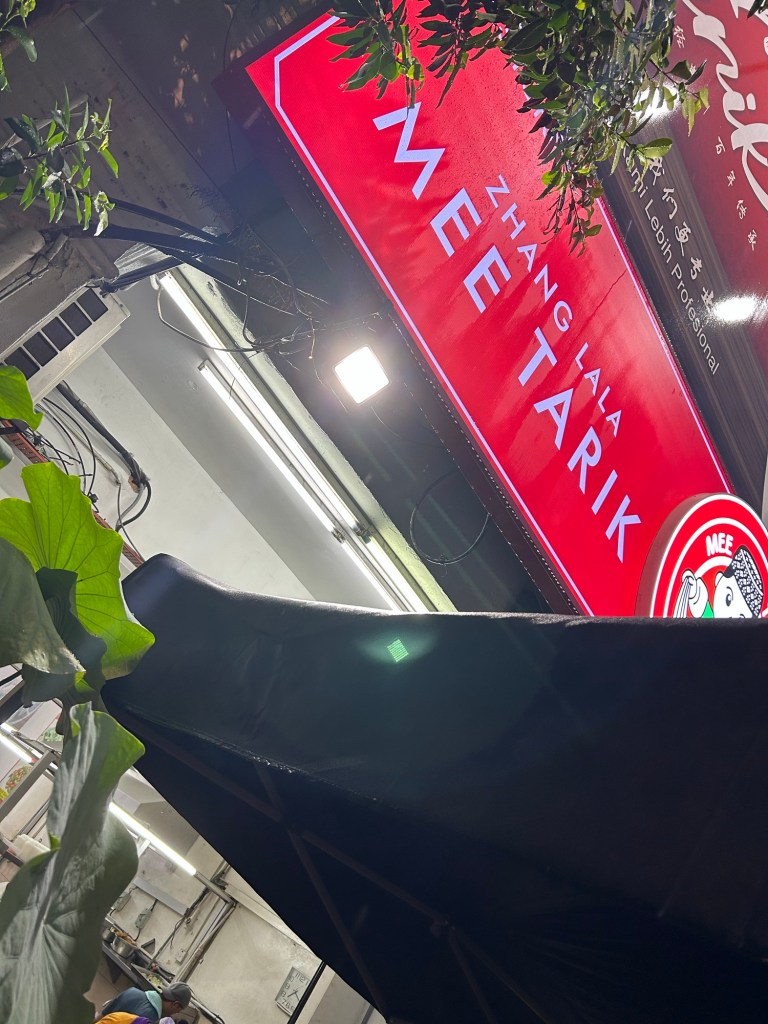

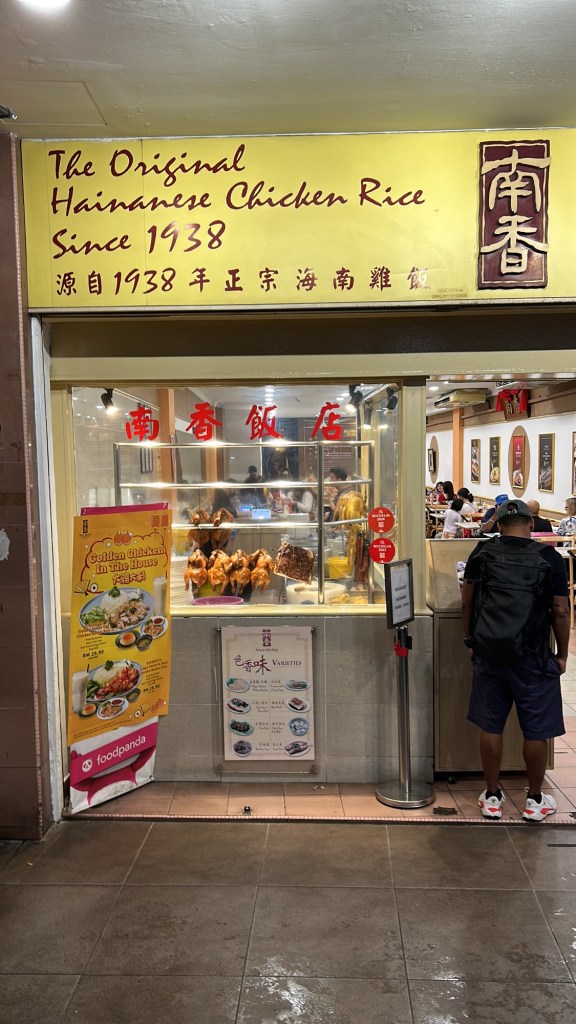


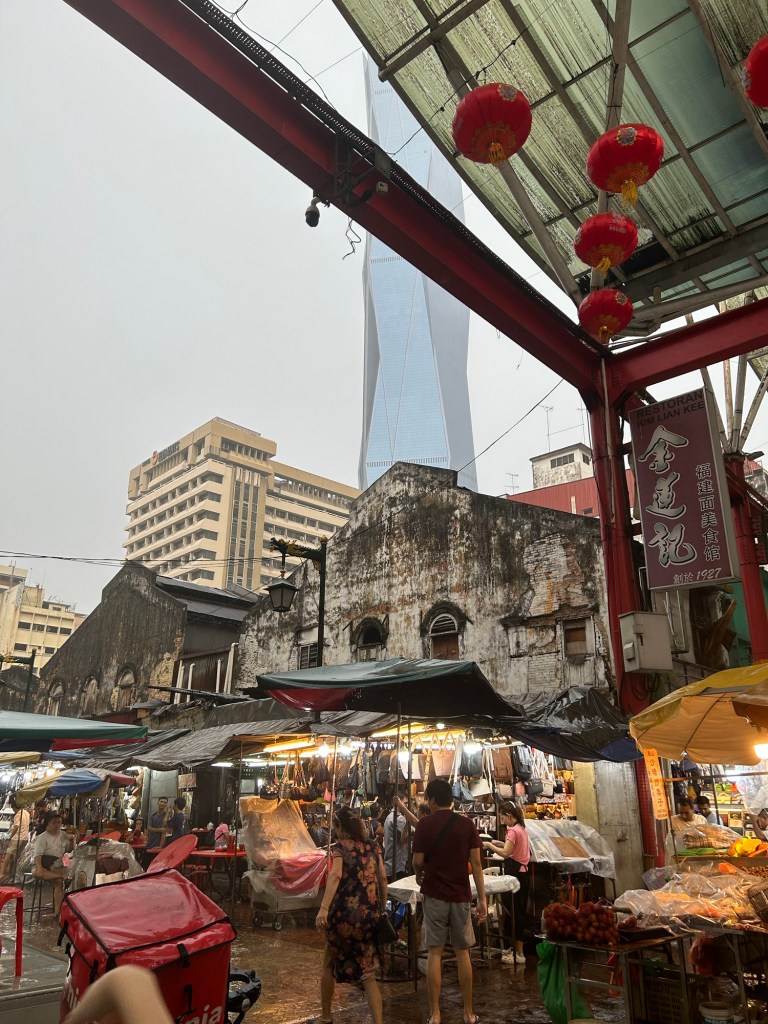
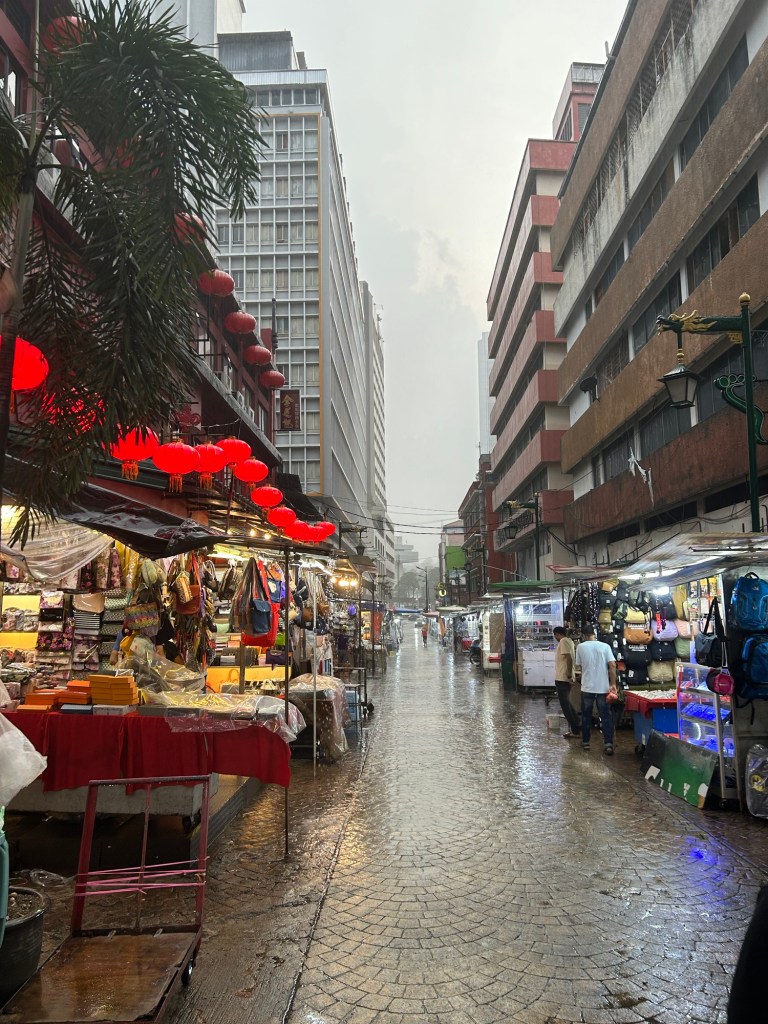
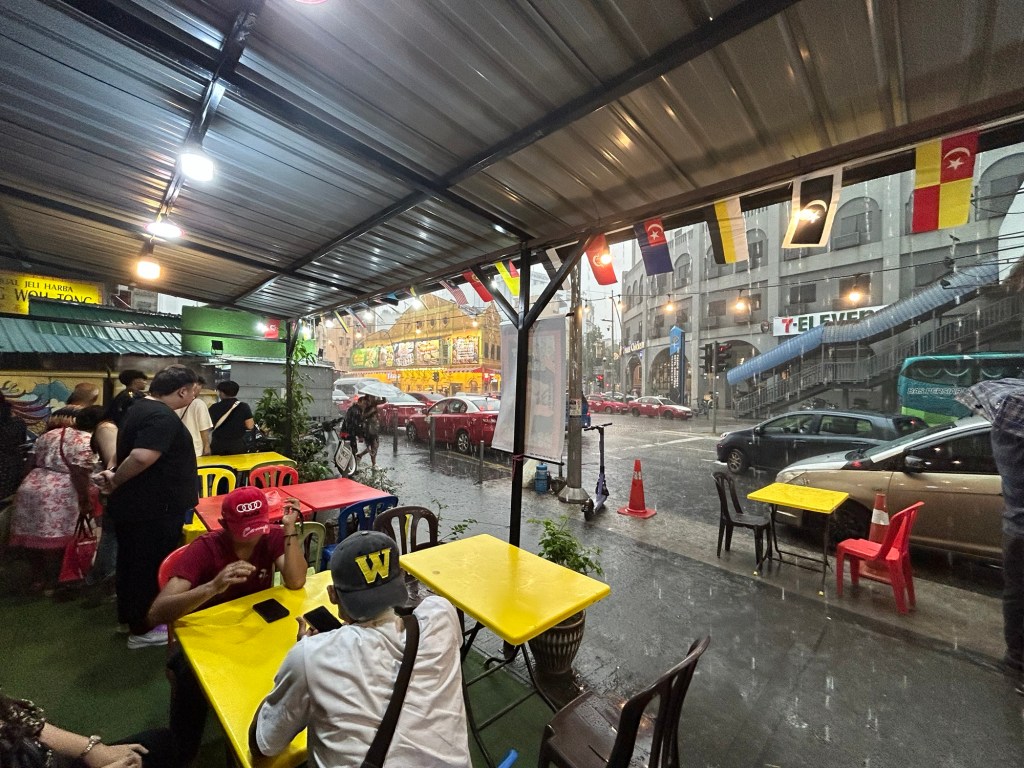
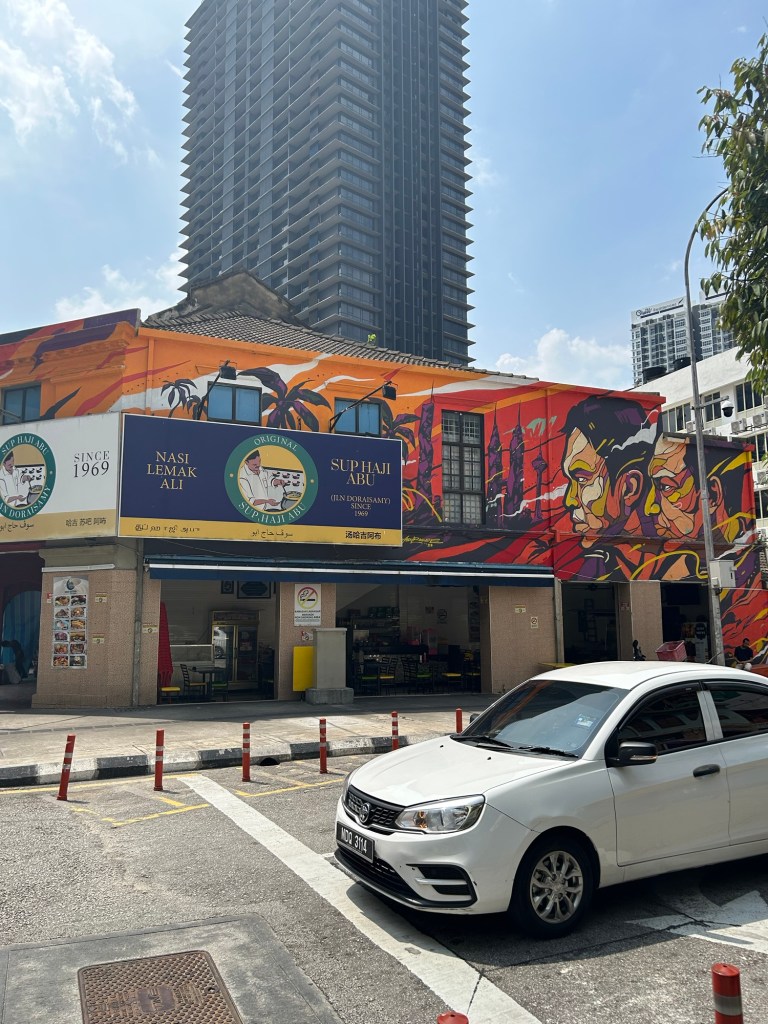
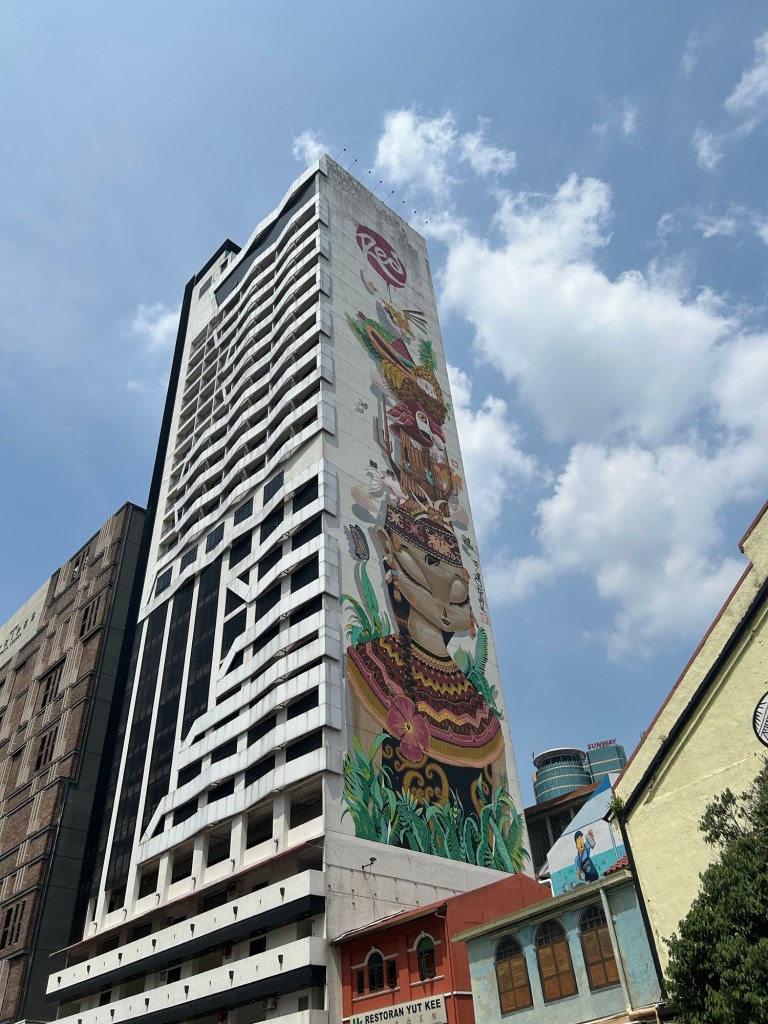


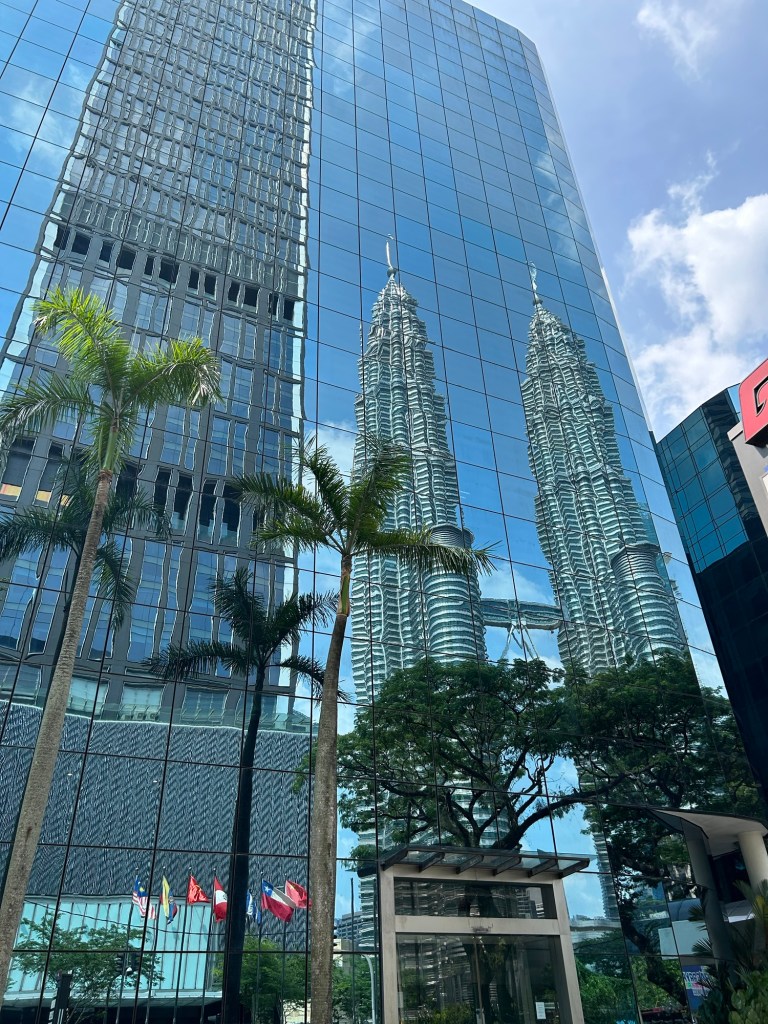




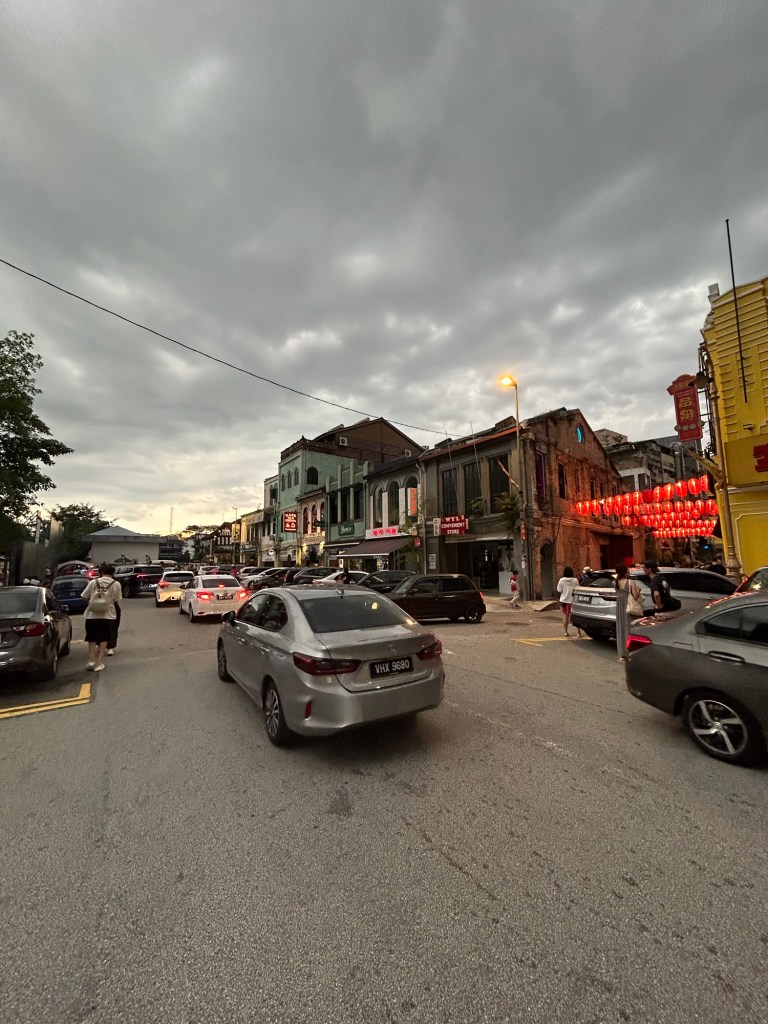
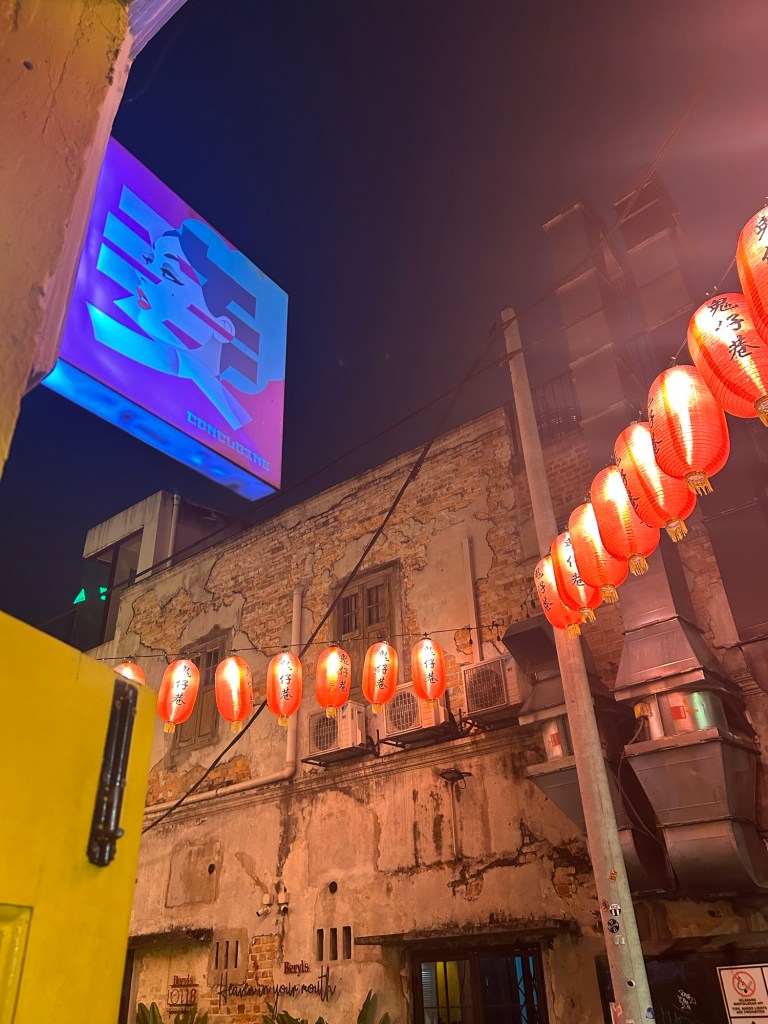
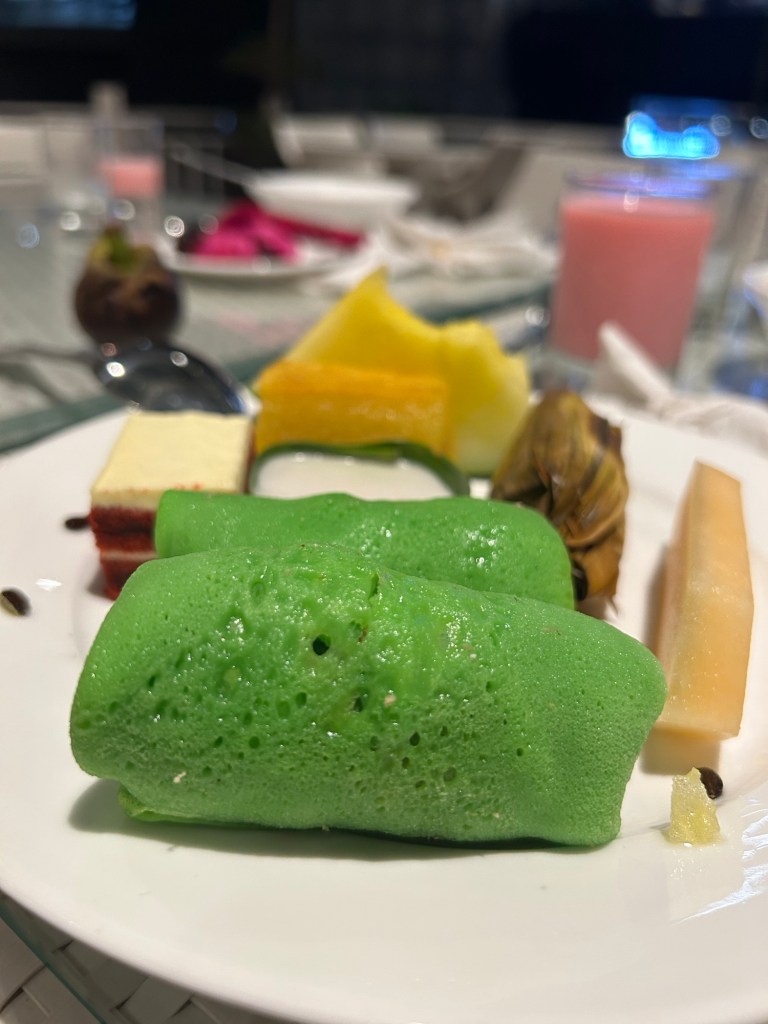
KL is a charming city, with amazing food and the best malls. One can move from Mamak to Michelin Star, across the street. The street art is understated, and has wonderful murals on the walls.
The global and the local are enmeshed, Bangla is spoken in China Town and the Punjabi man makes the masala chai in the Mamak. The juxtaposition of the layers is stark and yet the visual vocabulary is visceral.
A deeply rich city, with much to offer. An ethnographic journey at each turn.

Malls are the cathedral of late capitalism, and as banal they are they are contact zones of cultures. KLCC is like Dubai Mall, a wonderful melting pot of the global south and for the Ummah.
The traditional link with ESHIA’s had with public and environmental health, made it a clear case for public policy and safety. ESG or Rational Sustainability with its financial lens dilutes the purpose anchor which needs to be regained in this climate zeitgeist.
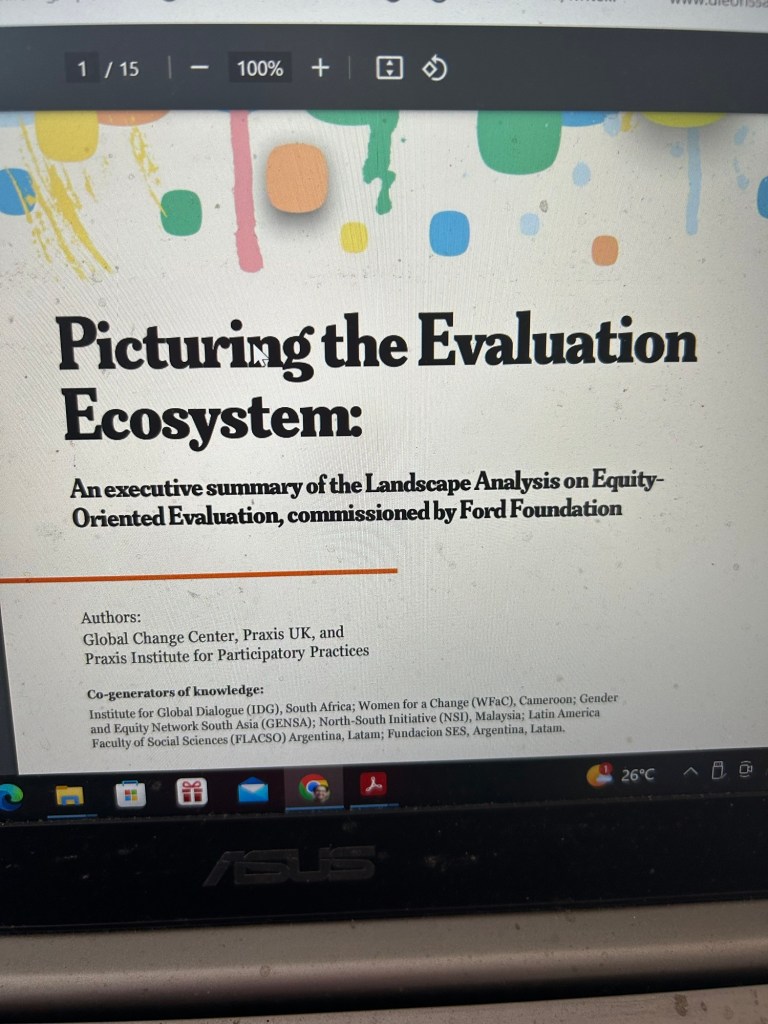
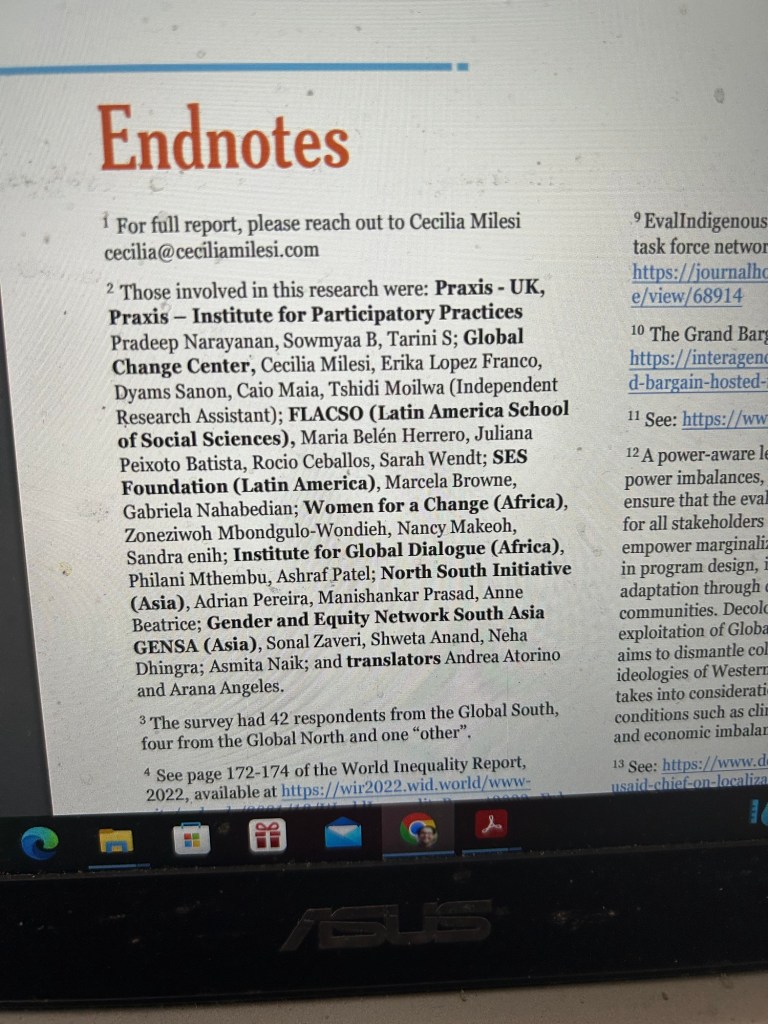
So glad to have the equity in evaluation report commissioned by the Ford Foundation, worked on by stalwart non profits and think tanks from the global south finally on the venerable Ford Foundation website. It is a proud moment for the North South Initiative team to have worked on this collaborative initiative. I am thankful to Adrian Pereira Sir for the kind opportunity.
A shout out to Pradeep Narayanan, Cecilia Milesi and Tarini Shipurkar for the south-south solidarity and the courage to ask the questions that move the paradigm towards the arc of justice.
 Change Thinker