ESG as Culture of Trust

A proactive sustainability report or ESG disclosure is a window into the culture of an organization and is often a heuristic for robust systems and processes. It is legal compliance yet superior quality disclosures will attract the right kind of investor. Culture is everything as it shows that the correct processes are followed.

Transparency is the subliminal message for trust, and in the hyper digital climate era, reporting data is trust. It is like a non-profit with audited financial statements and annual reports for three years before a legacy foundation can come and fund a program. For an investor in the venture space, ESG data is a proxy for systems in place. It is your alignment to market access and investor trust.

Unpacking ESG Risk

An enormous limitation of ESG disclosures is the partitioning of the metrics into silos, where the interdependence of the numbers is not factored in, how do two metrics intertwine in a particular context to produce risk in a real time manner which is useful to the decision maker? The sociopolitical context can attenuate or amplify the risk, which is missing from the ESG discourse as standardization for comparability is the impulse rather than how is the data valuable for investor decision making at this moment.

AI Models are great, but real risk is experienced on the ground where the incident happens, prior to ossifying into an incident statistic tucked into the reams of the disclosure deluge.

Reporting is not Impact

ESG is the new compliance, as ESIAs were and still are, as it is an audit and disclosure play for a wider audience than environmental permitting, as the primary driver is benchmarking for an investor target group. Fifteen years back environmental compliance was the cost of doing business, as in this climate scenario ESG is the cost of doing business. It is about communicating impact for your stakeholders, and not really about impact itself. Many conflate doing ESG reporting as impact, but impact is an input, reporting is an output of the process to create impact. The lowest hanging fruit in sustainability or ESG is to hire a sustainability manager, yet it is a compliance officer in the GRC function.

Doing ESG is hygiene, like filing taxes- one does not call the company secretary as impact. No wonder green washing risk is the leading risk for enterprises in 2024.

Thirteen Years.

Thirteen years of changethinker.com !

I started writing my blog as a platform which is free of the usual constraints of the political economy of knowledge production. I write with a ‘global from below’ lens and have brought the subaltern voices of the global city such as the cabbie, food worker and the barber to a legitimate register of globalisation.

I will keep writing, making image art and scribbling spoken word as our voices matter.

Numbers matter

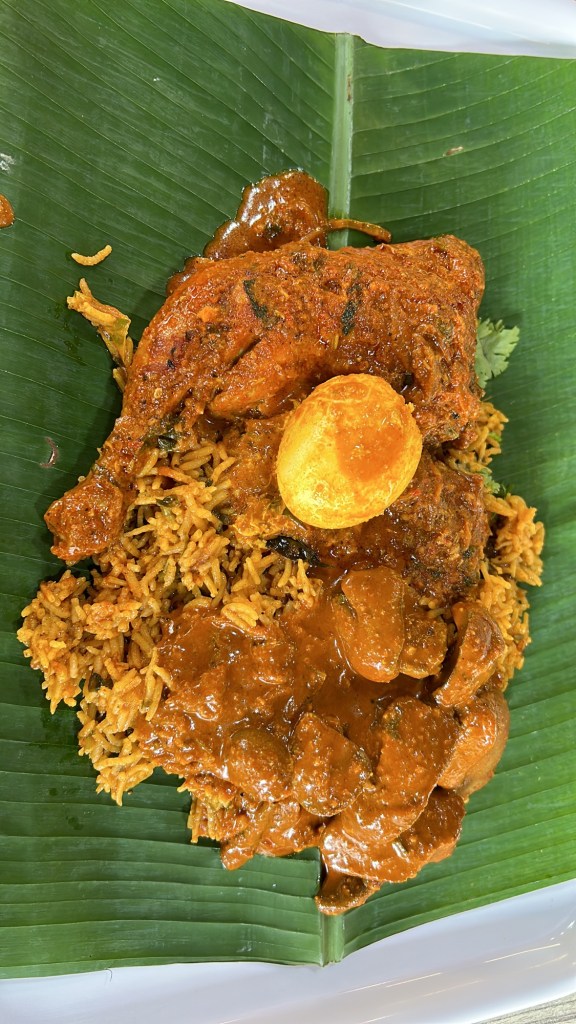
Nasi Biryani Index

Fresh biryani hits different

Jumma Biryani.

Nasi Biryani in the Nusantara is a creole dish with the model of Mandi Rice and the meat cooked separately. The egg in the biryani is a constant from south Asian variants, yet the familiar feel and a distinct character go hand in hand.

The Nasi Biryani is an index of convergence from KL to Kolkata to Dindigul to Masqat to Kuwait City.

This Year in Reflection

It’s the time for the year in review which has been a year of learning and transition. From Johannesburg to Jakarta, it’s been the year of the global south travel, and having spent a third of the year in SE Asia, and reading a program in SE Asian Studies- it’s been a blessing. Having read Abdoumaliq Simone’s work, it was good to be in both his cities of intellectual interest.

It’s also a year of health reminders, with a dear parent undergoing a surgery recently, and I got operated on my eye in July that was pending for many years.

I had the opportunity this year to train, write and speak on ESG matters, and blog each day. In all sincerity, just feel blessed to survive the year. It’s time to rebuild again with a gentle smile.

Wishing all a good holiday season.

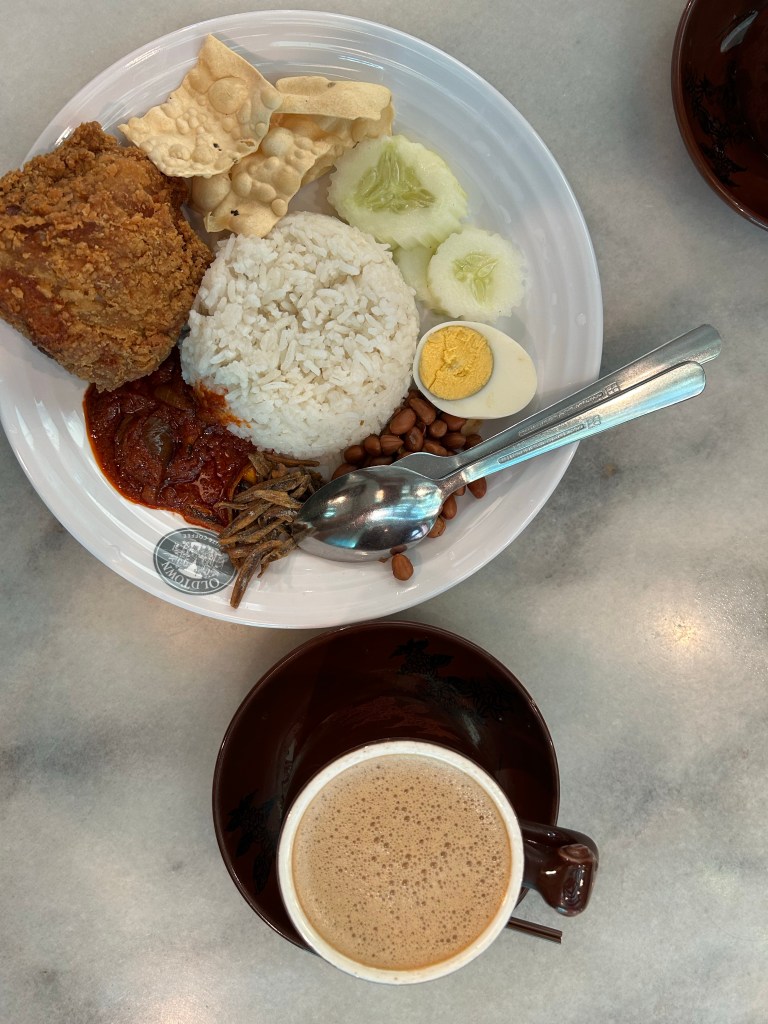
The Nasi Lemak and Kopio is the symbol of the year

The Histories of Dubai Entrepreneurship

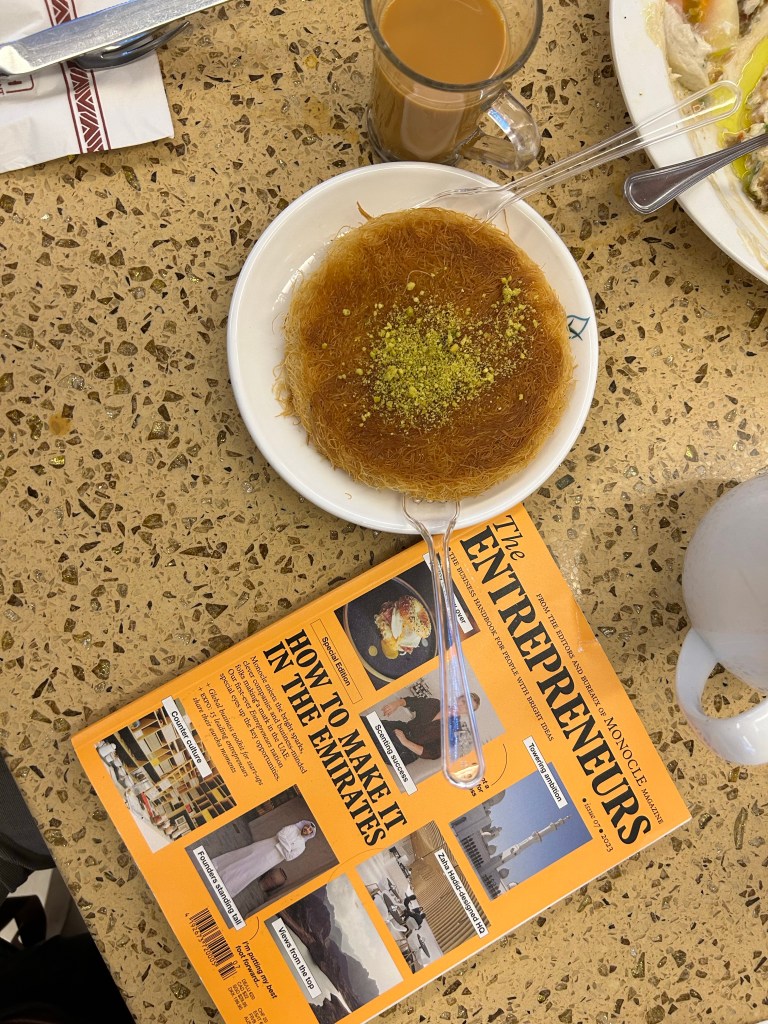
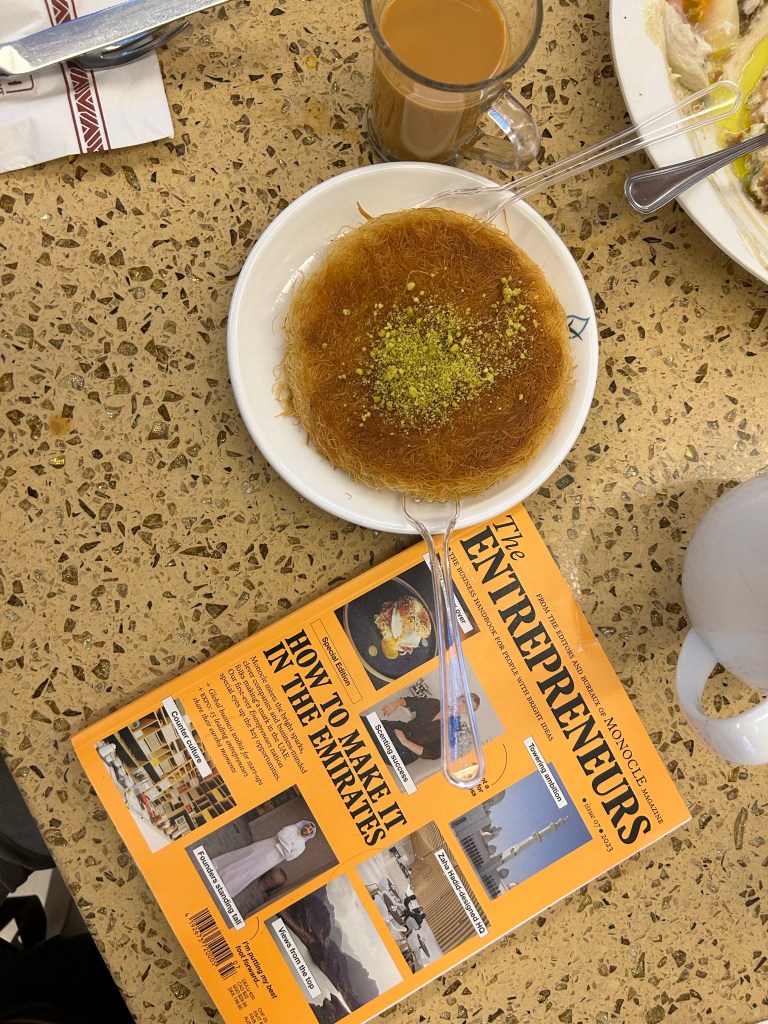
The current edition of The Entrepreneur’s from The Monocle stable, is on entrepreneurship in the Emirates, which is really the start up hub of the Middle East, South Asia and Africa. May be the history of the Trucial States has to do with it, as Dubai became a Free Port in 1905, prompting the first wave of migration of Persian Merchants from the rule of the Shah who had raised taxes for merchants from southern Persia, to increase revenue.

A lot of the trade in gold in South Asia was mediated through Dubai until the 1990’s. Culture is downstream of History and is vital for turbocharged entrepreneurship.

A good reference is Prof Todd Reisz ‘s Showpeice City and Temporary City by Prof Yasser Elsheshtawy

The ‘Free Port’ Spirit

Wadi Hadramout Restaurant in KL

I was missing Masqat and the fare at the Arab World and the Mandi places in Al Khuwair, Ghala and Azaiba, so what does as ‘Desi Khaleeji’ do in such circumstances? Head to Wadi Hadramout, for Adeni Tea and Mandi Rice in Jalan Ampang. The place feels somewhere out of Dakhliyah, with a space-time compression identical out of Oman.

KL has a large Arab student diaspora and refugee communities, and I often speak Arabic here with Malaysians and Indonesians, and is a lingua franca of the Nusantara. The jawi script is Arabic and Indian Ocean circulations dominate.

The sensory scapes of the place, is deeply familiar and satisfying.

On the business end, this edition of The Entrepreneur’s from the Monocle stable is on entrepreneurship in the Emirates, which is the embodiment of the free port ethos of Dubai since 1905, which prompted the migration of Persian merchants, traces of which can be found in current day Al Fahidi in Bur Dubai.

Masqat-Mandvi-Delhi

This screenshot speaks of the deep civilisational ties between Masqat and New Delhi, via Mandvi. Sheikh Pankaj Khimji, the influential Bania businessman greets the Indian President on His Majesty’s state visit to India.

Mr. Khimji is an Advisor to the Sultan of Oman and a top honcho of the Asian Cricket Council. I was there four years back in Muscat when Modiji visited Muscat and spoke to the diaspora at the Sultan Qaboos Sports Stadium in Bousher, next to my then office next to the Royal Hospital. I was the only analyst who had blogged on his visit.

I had presented on this connection in my Middle East Institute NUS talk in 2018 and had co written a paper too.

Oman is India’s maritime neighbor with an influential merchant diaspora from Kutch, who are Hindus and are custodians of the temples in Muscat. Oman was an invitee to India’s G20 Presidency as well.

Yallah!

Pankaj Khimji with the Indian President

Importance of Research Methods in Consulting

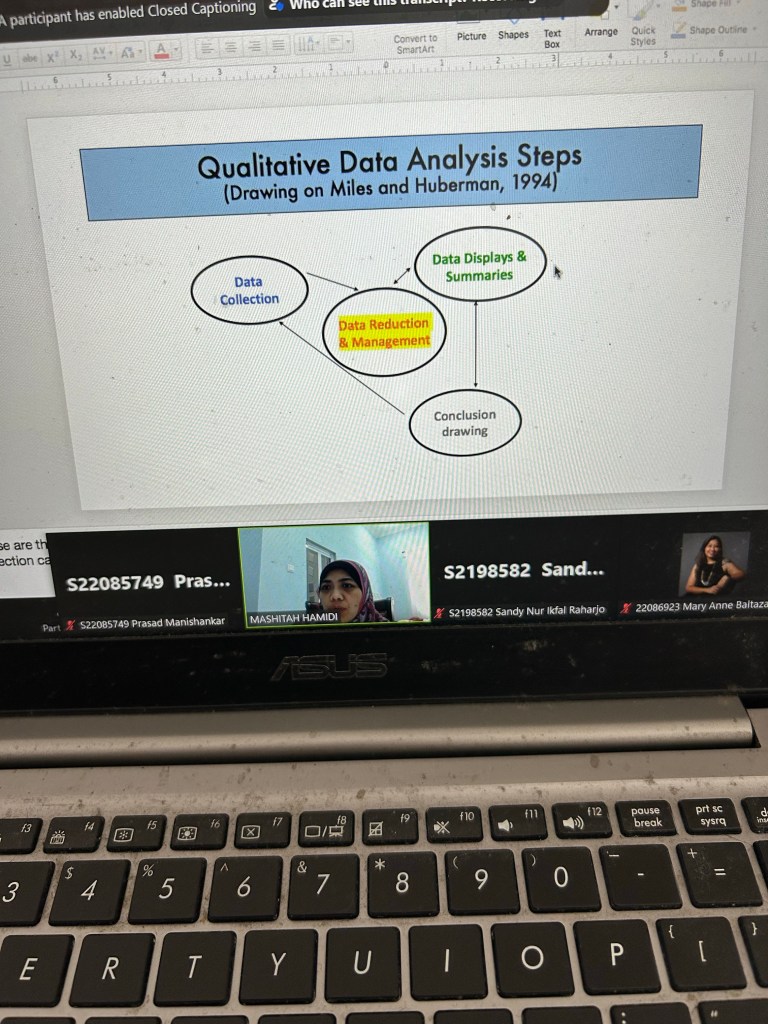
As an ESG consultant, policy think tank researcher and writer from a hard engineering background, we have to think with methods all the time- sources, analysis, writing styles in presenting our deliverables.

This is the third methods class in the social sciences at the graduate level I am studying across three top universities in ASEAN, and each class refreshes the lens.

Most consultants who are from engineering and MBA epistemic background have not read any qualitative methods class or writing courses prior to entering consulting, where they are expected to research and write. And this is an uphill battle, and impacts productivity.

Important Schematic