Migrant Food Spaces

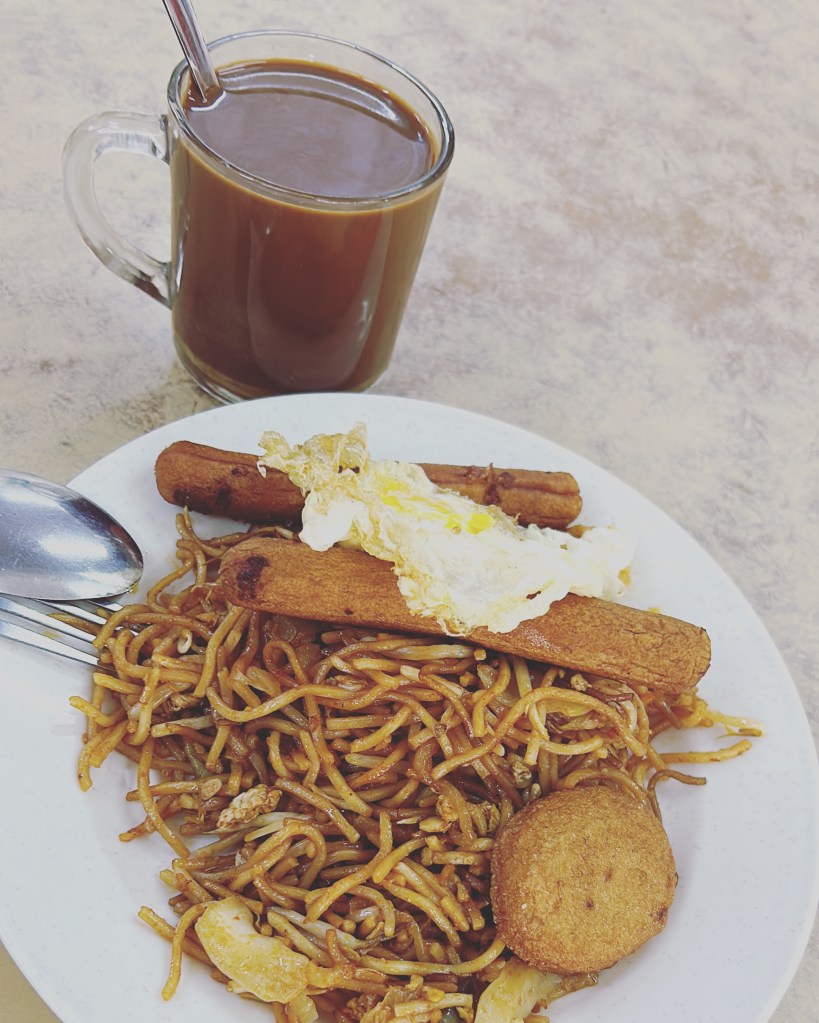
A Chinese Mee Brunch

The best ways to understand a new place and it’s cultural milieu on the street is to walk it and eat in its hyper local spaces where the regular folk eat for lunch or dinner. As a professional intellectual flaneur who studied the culture of risk, food spaces are understudied in migration or global cities literature where the affective spaces of the global from below are at odds with the shiny citadels of urbanism from KLCC to Dubai Mall to the Fullerton.

Here is a humble brunch in a Chinese coffee shop on the outskirts of Kuala Lumpur where the sound of the wok and the whiff in the air, are the symphony of the global from below city.

Lessons from Academia

Academia offers me many lessons, including lessons in erasure, rejection and in core racial capitalism of knowledge production. Having worked in significant policy research think tanks in elite academic circles, as a non PhD researcher it taught me the raw value of power, as it shows one’s place. Including from theory building activist academia. Thank you for these lessons, as it has shaped my thinking on knowledge production which feeds into the global policy architecture.

It makes me a sharper ESG/Policy/Strategy consultant having had these punches below the belt. I am happy to be in the season of life that I am now, that I focus on impact through venture building in the ESG community.

ESG as Research

The act of research is the epistemological foundation of contemporary knowledge work; finding gaps, finding opportunities, communicating value and detecting risk. In the ESG space, good research and writing skills are the starting point. Academic programs in the ESG need to teach the why and the how rather than cramming information which is evolving at the speed of light.

Write, speak and communicate well. ESG is the risk communication business.

Udupis as shared spaces.

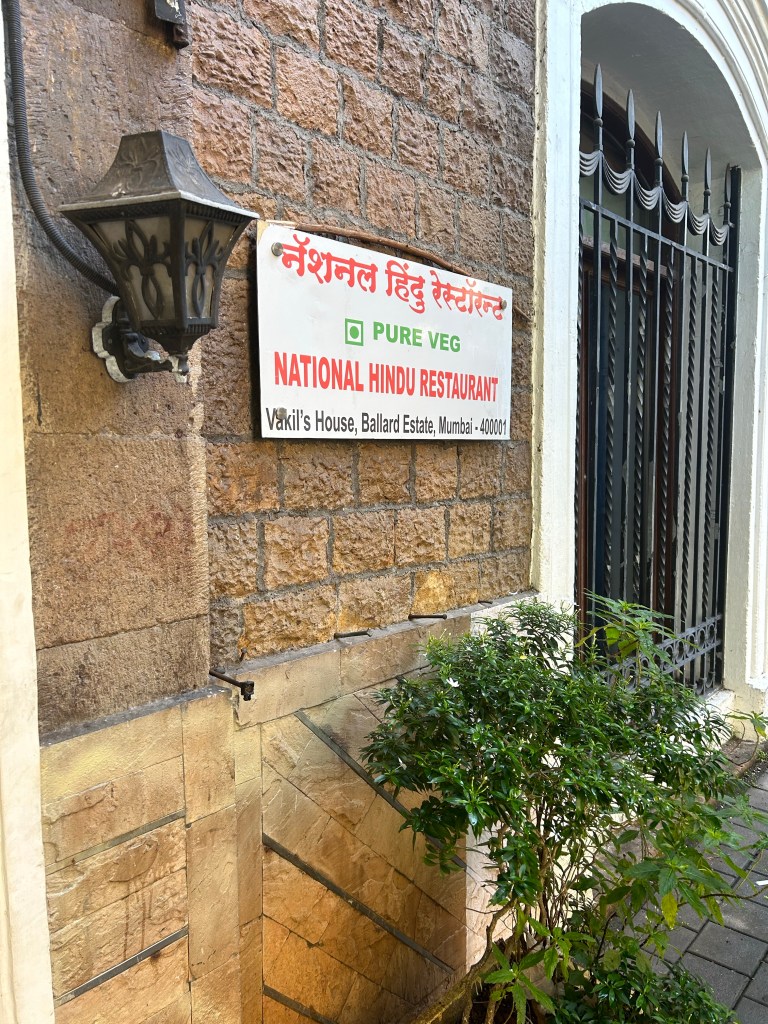
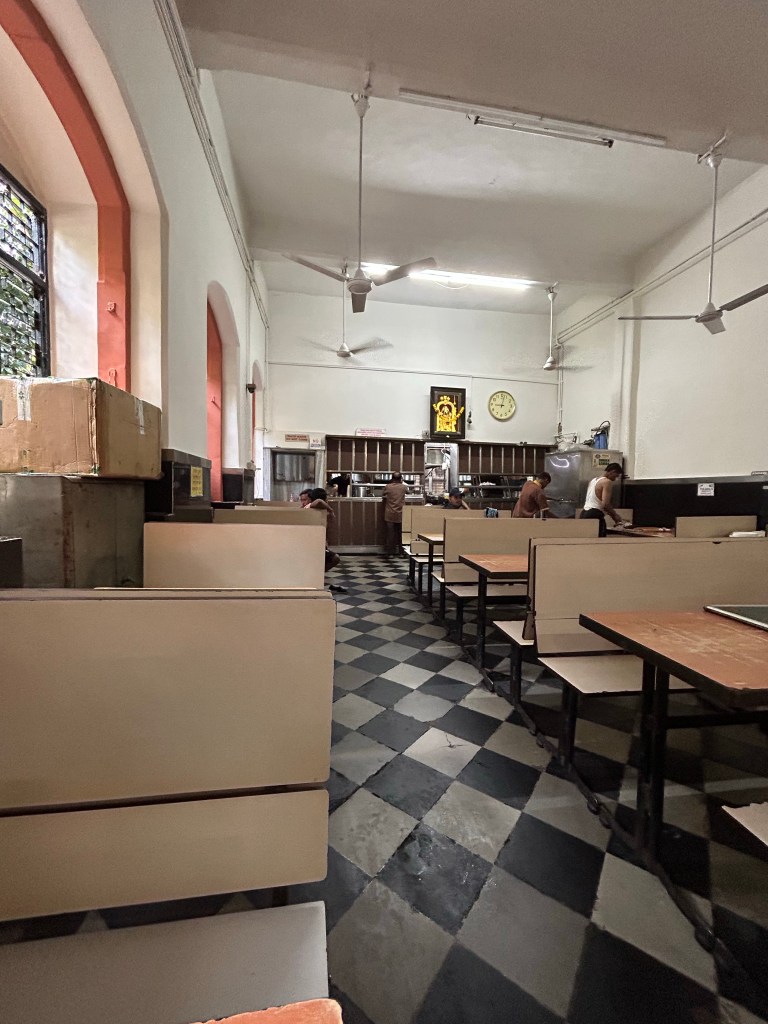
Udupis are a visible Mumbai institution, dotting most parts of the vast city, once a basic no frills fast food place now it comes in various value added iterations where the ground floor is raw, and the aircon version upstairs serves the same fare in the fancier cutlery at double the price.

Prof Chinmay Tumbe from IIM A in his kaleidoscopic book, India Moving speaks about this circular migration.

Many of the Udupi Hotels have set up shop in the Gulf in particular Dubai, the Meena Bazaar area where the home never leaves. I once wrote a chapter on dubai food spaces for my now at pause book project, which I have a better understanding after I studied transnational spaces at NUS during the PhD coursework.

A famous Udupi in Fort, Mumbai
Standard breakfast fare
Before the rush hour

Networking 101.

Many professionals, young or jaded, usually ask me about the mechanics and the magic of networking. The why behind the networking is sets the pace of the how. Networking is not a silver bullet for a job when one is about to be fired. It is an ongoing conversation about mutual interests and a learning journey. Meet people with an open mind and gauge shared commonalities. There are two kinds of networks:

– Networks of Interest

– Networks of Aspiration

Networks of Interest are communities of practice, for example history writing or sustainability where notes can be shared. Aspiration networks only work where there is an inherent brand in place and people connect as a potential lead.

Building a value proposition is fundamental to effective networking and giving more and freely is key real connections. Effective online networks are effective openings into offline connect, trust is only built offline.

Interesting people build networks more easily than people who are just focused on cracking the next job. Building credibility through a blog or YouTube channel which are touch points for a dialogue. One does not need a blue-chip qualification any more as distribution is freer through the digital realm.

#networkingtips

#startupadvice